2027 Best Online Environmental Science Programs for Professionals Seeking Energy and Resilience Careers

Co-Founder and Chief Data Scientist
Professionals aiming to transition into energy and resilience sectors face a pressing challenge: balancing full-time work with the need for specialized environmental science credentials. The U. S. Department of Education reports a 12% annual increase in adult learner enrollment in online graduate programs since 2023, reflecting a demand for flexible, career-aligned formats that respect complex schedules.
This trend signals a shift toward education models that prioritize accessibility without sacrificing rigor, critical as employers increasingly require credentials demonstrating both technical expertise and practical relevance.
The following analysis identifies top online environmental science programs tailored for professionals seeking strategic career advancement in energy and resilience fields, emphasizing program structure, workforce alignment, and enrollment flexibility.
Key Things You Should Know
- Energy-sector employers prioritize candidates with quantified resilience skills; 68% of hiring managers report that demonstrable experience in climate risk assessment outweighs formal credentials per 2024 Department of Energy labor data.
- The median cost of accredited online environmental science programs rose 12% from 2022 to 2024, influencing professionals' decisions toward shorter certificates despite longer degree programs yielding 15% higher mid-career salaries, according to NCES.
- Programs emphasizing applied geospatial analytics face stronger workforce demand, but curricula lag behind evolving GIS software updates, creating timing risks for graduates entering the rapidly digitizing energy resilience job market.
What are the best online environmental science programs for energy and resilience careers?
Programs ranked as the best online environmental science programs for energy careers in the US must emphasize applied skills that align tightly with employer needs in renewable energy systems, climate risk analysis, and infrastructure resilience.
Graduates who acquire expertise in data analytics, geographic information systems (GIS), and energy policy stand out amid growing demand from sectors such as utilities and disaster resilience. For instance, utility professionals need proficiency in regulatory frameworks and smart grid tech, while disaster resilience practitioners require specialized knowledge in hazard modeling and community adaptation.
Mid-career professionals pursuing top online environmental science degrees for resilience and sustainable energy are best served by curricula that integrate project management with energy transition strategies, balancing technical rigor and practical leadership skills. Programs that front-load foundational science while progressively advancing to resilience and sustainability analytics help learners apply knowledge promptly in their workplaces.
Importantly, experiential components like internships or partnerships with clean energy firms remain critical, especially given the 4.4% job market growth evidenced in the U.S. clean energy sector.
Working professionals must weigh program accessibility, including synchronous learning formats, since many asynchronous offerings miss real-time problem solving critical for workforce readiness. Embedding certifications within degree pathways boosts credential legitimacy for employers. Those exploring this field should consider online EHS degree programs as complementary options emphasizing workplace safety in environmental contexts.
How do online environmental science degrees compare to campus-based programs for working professionals?
Working professionals pursuing an online environmental science degree gain crucial flexibility, enabling the immediate application of emerging concepts to current roles, an advantage in energy and resilience sectors where rapid adaptation to technology and regulations dictates hiring. However, this modality demands greater self-discipline and often lacks the informal networking that fuels employer connections in regional markets, presenting a tradeoff against campus-based programs.
Employers seeking candidates with practical skill integration and real-world problem-solving often favor programs offering synchronous labs, case studies, and field partnerships. For instance, a renewable energy specialist can deploy data analysis techniques learned online to improve resilience initiatives, simultaneously increasing project success and personal marketability.
Conversely, campus-based degrees provide superior access to specialized research equipment and direct faculty collaboration, critical for roles emphasizing intensive fieldwork or scientific publication.
The U.S. Bureau of Labor Statistics forecasts a 6% employment growth for environmental scientists from 2022 to 2032, with about 6,900 annual openings. This growth reinforces the need for both theoretical mastery and validated experiential learning.
Professionals evaluating online environmental science degree advantages for working professionals should scrutinize how well programs embed industry-recognized internships and networking, as insufficient hands-on experience can constrain advancement in competitive areas like environmental consulting or government resilience planning.
Decision-making between online and campus-based environmental science programs for professionals involves assessing logistical constraints alongside employer expectations and hands-on learning. Online degrees offer accessibility and relevance for mid-career transitions, whereas campus programs remain favorable where physical resources and peer engagement directly impact employability. Those interested in related fields may also consult resources on the best online animal science degree.
What accreditation and program quality standards should online environmental science schools meet?
Accreditation directly affects both the quality assurance for online environmental science degrees in the US and graduates' employability in specialized sectors like energy resilience. Programs lacking recognized regional accreditation or specialized endorsements (for example, ABET for environmental engineering) typically produce weaker technical readiness.
This disadvantage can narrow career and salary advancement despite a median environmental scientist wage of $78,980 versus $48,060 across all occupations. In practice, employers prioritize candidates with credentials that confirm practical skills through internships or capstones linked to disaster resilience or renewable systems.
Evaluating an online environmental science program accreditation standard should include scrutiny of how curricula integrate essential tools such as GIS modeling and environmental data analytics, with virtual labs or local partnerships compensating for the absence of hands-on training. Faculty qualifications and documented research further indicate the program's alignment with evolving sector demands.
This due diligence matters especially for working professionals seeking a strategic pivot where insufficient program rigor can result in costly retraining or missed job qualifications.
Choosing programs with embedded experiential learning lessens transition risks and improves return on investment by matching workforce needs in the energy and resilience industries. For prospective students comparing degree pathways, consulting reputable resources on related fields, such as online library schools, can offer additional perspective on accreditation and practical learning standards in adjacent disciplines.
Which environmental science degree pathways support careers in energy, sustainability, and climate resilience?
Environmental science degree programs for energy and sustainability careers require a balance of interdisciplinary knowledge and applied technical skills to align with evolving industry demands. Professionals transitioning from fields like engineering to energy policy often face challenges integrating scientific data with regulatory requirements, highlighting the importance of curricula focused on renewable energy technologies, sustainable resource management, and climate adaptation strategies.
Programs emphasizing geographic information systems (GIS), environmental impact assessments, and urban resilience prepare candidates for complex roles in sustainability planning and infrastructure management. Employers prefer graduates who combine ecological literacy with practical abilities such as environmental modeling and project management, reflecting real-world needs in climate resilience jobs.
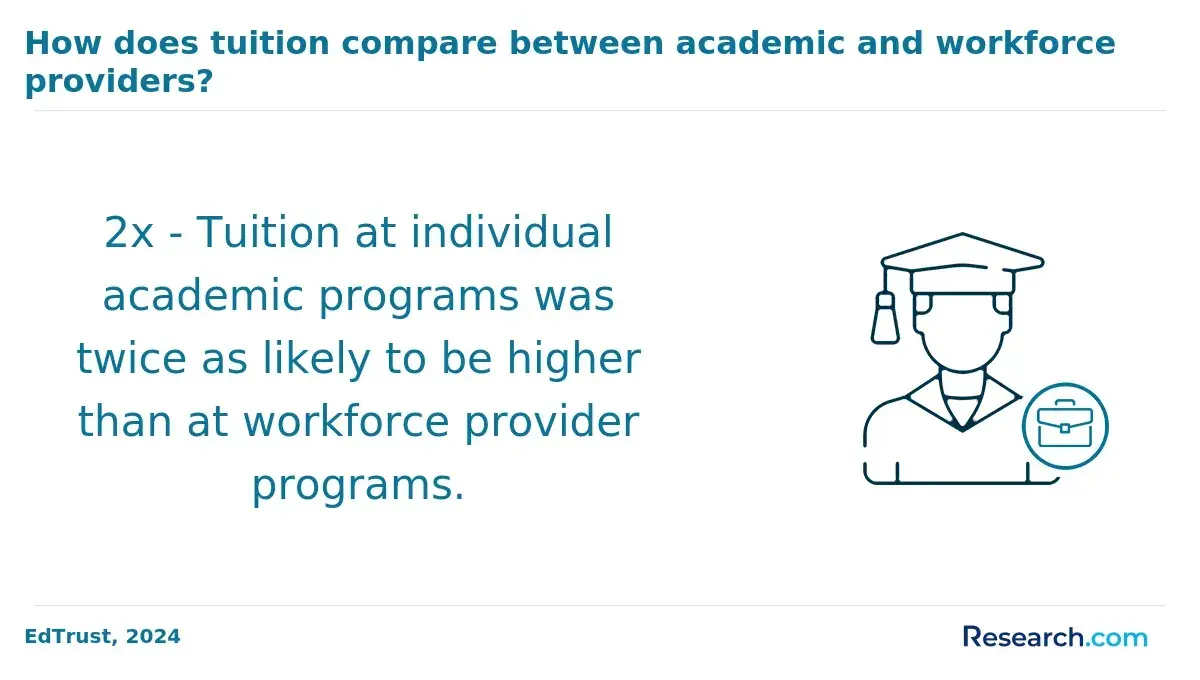
Cost considerations heavily influence access to quality education. Online environmental science bachelor's programs typically range from $7,000 to $15,000 annually, below the average tuition of public and private institutions, offering working professionals greater flexibility without sacrificing technical depth.
However, decision-makers should scrutinize program accreditation, curriculum relevance, and industry connections, especially since clean energy employers often value recognized credentials and internship experience aligned with sector practices.
For those exploring advanced degrees related to sustainability fields, pathways such as a master of library science may also integrate complementary skill sets valuable in research and policy roles.
What coursework and specializations focus on energy systems, climate adaptation, and resilience planning?
Energy systems and resilience planning coursework emphasize analyzing real operational tradeoffs and preparing for regulatory complexity. For instance, professionals in coastal urban planning must balance flood mitigation technologies with socioeconomic resilience strategies, a task requiring skills beyond technical design to include stakeholder negotiation and policy understanding.
Similarly, those focusing on energy navigate the tension between centralized fossil fuel infrastructure and decentralized solar microgrid systems, reflecting broader challenges in scaling sustainable energy transitions under regulatory and economic constraints.
Programs that integrate climate risk assessment with quantitative modeling equip students to evaluate infrastructure vulnerabilities across urban and natural systems. This technical foundation is essential but insufficient without practical skills in community vulnerability assessment, disaster response strategy, and sustainable land-use planning, all critical to managing climate-driven disruptions.
The near 22% growth to 284 global online environmental programs by 2025 indicates expanding access but also increases complexity in selecting programs that meet workforce demands. Career outcomes hinge on curricula incorporating data analytics, GIS mapping, and regulatory frameworks; employers prioritize these in adaptation project management roles.
Students should seek scenario-based learning or capstone projects involving real-world resilience collaborations. This approach concretely demonstrates abilities to handle multidisciplinary challenges often cited by employers as barriers to advancing climate resilience and energy solutions in both public and private sectors.
What are typical admission requirements for online environmental science bachelor's and master's programs?
Admissions for online environmental science programs often hinge on prior academic and professional experience, shaping both eligibility and future job prospects. Bachelor's candidates usually need a high school diploma and transcripts, with many programs waiving standardized tests like the ACT/SAT for adult learners or those demonstrating relevant work history.
By comparison, master's applicants must hold a bachelor's degree in environmental science or a closely related field, maintain a minimum GPA of around 3.0-3.5, and often submit letters of recommendation and a statement of purpose. GRE requirements are increasingly rare, reflecting a shift toward skills and outcomes valued by employers.
Applicants lacking environmental science backgrounds face prerequisite coursework in biology, chemistry, and statistics. For mid-career professionals, programs that offer credit for prior learning or industry certifications can significantly reduce time and cost, important given tuition fees that may approach $39,600 for a typical 120-credit online bachelor's degree, according to 2024-2025 data from institutions like Southern New Hampshire University.
Graduate programs emphasize measurable skills in sustainability, energy, and resilience sectors, with professional experience in project management and quantitative analysis often weighed heavily by admissions committees. Students without such backgrounds may encounter additional course requirements, adding to the overall investment and potentially delaying workforce entry.
Effective program selection requires assessing academic records, work experience, and financial constraints upfront. Priority should be given to programs with clear credit transfer options and flexible prerequisites to minimize obstacles while aligning with employer preferences for practical expertise and affordability.
How long do online environmental science programs take, and what do they cost?
Environmental science bachelor's programs demand a four-year full-time commitment, yet practical considerations often extend this timeline. For example, a working analyst in the energy sector might choose part-time study, stretching completion to six years to maintain income while progressing academically. Such flexibility is critical in sectors like renewable energy and resilience, where uninterrupted employment often aligns with educational goals.
Tuition varies substantially, with programs like Oregon State University's Ecampus charging around $13,800 annually for online coursework. Additional fees, including labs and technology, can increase costs by 5-10%. Prospective students should assess total cost against expected salary growth and workforce engagement.
A clean energy policy specialist earning $60,000 may weigh four years at roughly $55,200 tuition against the slower pace and cumulative expense of extended part-time enrollment.
Tradeoffs emerge between program length, affordability, and practical experience. Programs under $15,000 yearly tend to offer flexibility but may lack integrated internships or capstone projects valued by employers. Conversely, more resource-intensive programs provide hands-on experience yet demand higher investment and time.
Understanding how these factors intersect with one's career trajectory and employer expectations is essential for selecting an Education pathway that balances real-world viability with cost and time constraints.
What jobs can graduates of online environmental science programs get in the energy and resilience sectors?
Specialized online environmental science programs feed distinct roles requiring technical precision and contextual knowledge. For example, energy analysts rigorously assess both renewable and conventional energy projects, combining quantitative modeling with regulatory insight to influence utility and government decisions.
Sustainability consultants translate complex circular economy principles into actionable corporate strategies, directly shaping investment and operational shifts. Resilience planners integrate interdisciplinary expertise to design adaptive frameworks against climate impacts, balancing engineering and stakeholder needs.
Careers in this arena demand careful navigation between depth and breadth. Energy analysts typically require advanced market and data analysis skills, while resilience planners depend on cross-sector coordination and systems thinking. Credentials that emphasize practical, project-based learning hold greater value than purely theoretical certificates.
Given fluctuating regulations and technological innovation, professionals must engage in ongoing skill renewal through modular online offerings, particularly those aligned with industry shifts in climate resilience or clean energy policy.
Job seekers should consider:
- Which roles align best with their existing experience and which require pivoting educational focus
- How niche certificates can supplement foundational degrees for targeted employability
- The necessity of applied learning formats to bridge knowledge with workplace demands
According to Coursera's 2026 catalog, over 250 courses and certificates focus on environmental science, climate, sustainability, or energy, providing scalable options for sustained workforce relevance in dynamic energy and resilience sectors.
What salary ranges and job outlook can environmental science professionals expect in energy and resilience fields?
Holding a master's degree in environmental science focused on energy and resilience significantly alters compensation and career trajectory compared to bachelor's-level roles. Salaries for master's graduates commonly range from $75,000 to $100,000, notably higher than the $50,000 to $60,000 typical of bachelor's positions, based on salary analysis from Onlinemastersdegrees.org. This distinct gap reflects employer demand for advanced skills in regulatory navigation, sustainability leadership, and resilience project management.
For instance, an environmental manager at a utility company must integrate compliance with renewable energy mandates while ensuring grid reliability, a complex responsibility rarely assigned to those without graduate-level expertise. These roles increasingly require proficiency in emerging energy modeling software and resilience metrics, skills generally acquired through master's programs.
The federal government's expanding investments in clean energy infrastructure and climate adaptation indicate steady labor demand through 2024 and beyond. Graduates with master's degrees have greater access to leadership positions and faster advancement, whereas bachelor's holders often face slower progress and limited cross-disciplinary responsibilities.
Tradeoffs involve mid-career time and financial investment, with upskilling necessary to maintain relevance amid evolving technologies and policies. Prospective students should scrutinize program alignment with sector-specific skill requirements to maximize their return on investment.
How can students evaluate and choose a reputable online environmental science program?
Evaluating online environmental science programs requires prioritizing accreditation, curriculum alignment with current market demands, faculty expertise, and career support structures to avoid misaligned education and prolonged time-to-employment. Accreditation ensures recognized quality and credit transferability, which impacts professional credibility and future academic moves.
The curriculum must equip students with technical skills focused on resilience and energy transition, reflecting workforce challenges such as the 60% hiring difficulty in engineering and technical roles identified by the U.S. Department of Energy's 2025 report. Practical components like labs, simulations, or industry projects enhance readiness for sectors like clean energy and grid modernization.
Faculty engaged with active industry or research networks can offer critical insights and connections. For example, an engineer shifting from manufacturing to a utility resilience role benefits from applied energy systems coursework and employer partnerships for experiential learning. Conversely, those targeting environmental policy need emphasis on regulatory frameworks and data analytics.
Prospective students should also evaluate career counseling, internships, mentoring, and flexible scheduling to balance work and study amid aggressive hiring climates. Choosing less specialized or inflexible programs risks delays in career transition and diminished employability, suggesting a need for strategic program selection aligned with documented workforce deficits and student realities.
Other Things You Should Know About Environmental Science Degrees
In 2027, top online programs for environmental science focusing on energy and resilience are offered by institutions like Arizona State University, Johns Hopkins University, and the University of Illinois. These programs emphasize flexibility, updated curricula, and strong faculty support, catering to working professionals seeking to enhance their expertise in sustainable energy solutions and resilience strategies.
Specializations directly affect employability in specialized sectors like renewable energy, climate policy, or resilience planning. Graduates focusing on energy systems modeling or environmental data analytics are more competitive for technical roles, while those emphasizing policy and management have an edge in consulting or regulatory careers. Prioritizing specializations aligned with sector demand and your existing skill set maximizes career advancement potential.
Employer valuation of online credentials varies with program reputation, accreditation, and demonstrated skills rather than delivery mode. Employers in energy and resilience sectors emphasize practical competencies, research experience, and certifications over whether a degree was earned online or on-campus. Candidates should complement online degrees with internships, professional networking, and relevant certifications to validate expertise.
Most programs require a bachelor’s degree and prior coursework in biology, chemistry, or environmental science, plus introductory statistics or college algebra. Graduate options often expect a minimum 3.0 GPA, and some require one to two years of relevant professional experience before admission.
References
- Learn how to mainstream climate adaptation into policy and finance with our new course https://www.uncclearn.org/topic/adaptation/
- Online Environmental Science Degree | BS Environmental Science | University of Phoenix https://www.phoenix.edu/online-liberal-arts-degrees/environmental-science-bachelors-degree.html
- Online Environmental Science Degrees: Compare Schools https://www.degreesforgood.org/online-degrees/environmental-science/
- 12 Types of Jobs You Can Get as a Natural Resources Professional https://www.nrep.org/blog/natural-resources-jobs
- Change the World: Online Options for Green Master’s Degrees https://www.onlinemastersdegrees.org/features/green-masters-degrees/
- Quality Standards and Accreditation of Distance Education Programs in a Pandemic - OJDLA https://ojdla.com/articles/quality-standards-and-accreditation-of-distance-education-programs-in-a-pandemic
- Salary Insights for Environment Consultants https://theenvironmentconsultant.com/2025/02/04/salary-insights-for-environment-consultants/
- Grad School Programs: Energy and Environment - National Peace Corps Association https://www.peacecorpsconnect.org/gsg-program-type-energy-and-environment/
- Greener Careers https://greenercareers.co.uk/blog/what-can-you-do-with-an-environmental-science-degree-job-opportunities-explained