2027 Best Online Bachelor's in Environmental Science With Practical Field Methods Training

Co-Founder and Chief Data Scientist
Professionals entering the environmental science field increasingly face the challenge of acquiring practical field methods skills while balancing demanding careers or personal commitments. Traditional programs often require extensive on-site presence, limiting access for working adults and career changers. Yet the U.S. Bureau of Labor Statistics projects a 6% growth in environmental science jobs over the next decade, intensifying the need for qualified graduates who can navigate both technical data collection and applied fieldwork.
Recent National Center for Education Statistics data reveals a 12% rise since 2022 in adult enrollments in online science programs, reflecting growing demand for flexible, hands-on training options. This article examines the best online bachelor's programs that integrate essential practical field methods training, enabling informed choices for students aiming to advance or pivot confidently in this evolving workforce.
Key Things You Should Know
- In 2024, only 35% of environmental science bachelor's graduates with practical field methods training secured full-time roles within six months, reflecting a market oversupply in entry-level field technician positions per the EPA workforce report.
- Employers prioritize hands-on GIS and remote sensing experience, forcing programs without integrated field labs to risk graduate underemployment despite theoretical rigor, as noted by the Society for Environmental Toxicology.
- Programs demanding 12+ credit hours in fieldwork raise costs by 15% on average and extend time to degree by up to one semester, complicating access for working adults balancing immediate income needs, per NCES data.
What is an online environmental science bachelor's with field training?
Employers increasingly expect environmental science graduates to exhibit both analytical acumen and practical field skills, which a hybrid online environmental science bachelor's with practical field methods delivers. This combination reduces onboarding time for roles such as environmental consulting or ecosystem management by integrating supervised local internships or research projects alongside remote coursework. Without these applied components, purely online degrees risk leaving graduates theoretically sound but underprepared for hands-on demands.
Field training logistics often present a constraint: students must navigate travel time and access to regional agencies or labs. Programs with established field placement support minimize these barriers and improve real-world readiness. For working professionals, these challenges influence whether a program's structure aligns with their schedules and geographic limitations.
The widening societal emphasis on climate resilience expands demand for practitioners versed in both digital environmental modeling and field techniques. In consequence, selecting among the best online environmental science degrees with field training requires assessing how programs balance flexibility with these tangible skill-building requirements.
For those comparing options, environmental engineering bachelor's degree online programs may also offer complementary technical pathways, though they may emphasize engineering fundamentals over ecological fieldwork.
Why does accreditation matter for environmental science degrees?
Employers consistently prioritize candidates with accredited online environmental science degree programs because accreditation signals adherence to rigorous academic and industry standards. This distinction is critical when graduates pursue specialized roles requiring advanced certifications or practical skills in environmental assessment, compliance, or consulting. For example, environmental consulting firms routinely decline applicants from non-accredited programs due to gaps in hands-on training and regulatory knowledge.
The importance of regional accreditation for environmental science degrees is evident when considering field methods training. Accreditation ensures that practical components like field sampling and GIS mapping align with industry expectations, directly influencing graduate readiness and hireability. Candidates with verified practical expertise typically command higher starting salaries and encounter fewer barriers entering technically demanding roles.
The U.S. Bureau of Labor Statistics reports a median annual wage of $78,980 for environmental scientists and specialists, with the top 10% earning above $137,000. This wage distribution reflects employers' preference for credentials that combine theory and application. Accreditation also facilitates smoother credit transfer and graduate program admission, affecting long-term career growth.
Prospective students evaluating accredited online environmental science degree programs should rigorously confirm both accreditation status and quality of field training to avoid delays or dead ends in their career paths. For professionals exploring pivot opportunities, comparing these factors alongside program affordability can reveal strategic options. For instance, exploring the best data science masters illustrates how navigating accreditation and practical skill development applies across STEM fields.
How do online and campus environmental science programs compare?
Practical field methods training remains the pivotal factor distinguishing online environmental science degrees with field experience from traditional campus programs. While campus-based curricula embed hands-on labs, direct ecosystem interaction, and supervised mentorship as part of their core, online programs often rely on virtual simulations and require students to arrange local or remote fieldwork independently. This creates a significant tradeoff: online learners gain scheduling flexibility but may face delays or logistical challenges securing quality field placements, especially in regions with scarce environmental resources or professional networks.
Employers in environmental science consistently prioritize proven applied skills alongside formal credentials. Direct field exposure-common in campus programs-translates to hands-on experience in environmental assessments, laboratory techniques, and compliance protocols, which notably enhances market competitiveness in specialized sectors such as pollution control and wildlife management. The U.S. Bureau of Labor Statistics projects an 8% growth in environmental scientist roles through 2032, underscoring the increasing value of degrees built on substantive practical training.
For working professionals or geographically constrained students, selecting an online program aligned with established partnerships for local field placements helps mitigate the inherent challenges in access to supervised experience. Thoughtful candidates should evaluate programs based on their capacity to integrate meaningful practical components alongside academic rigor. Those evaluating environmental science pathways can also explore specialized options through best online registered dietitian programs, illustrating the broader landscape of flexible, career-focused education models.
What field methods are included in the curriculum?
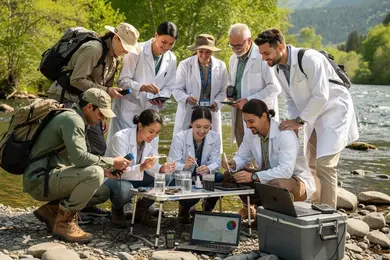
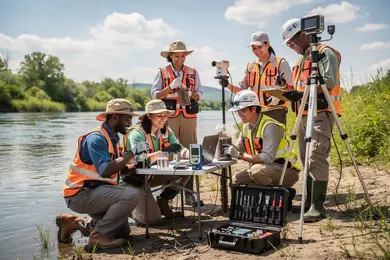
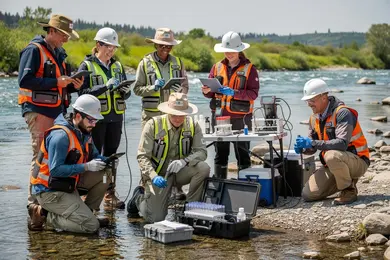
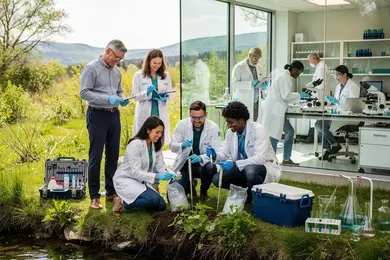
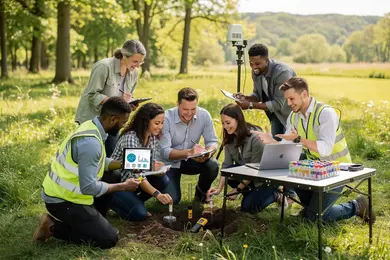
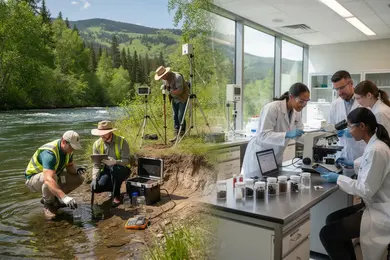
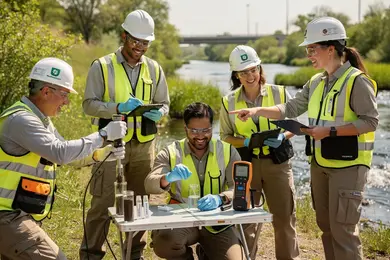
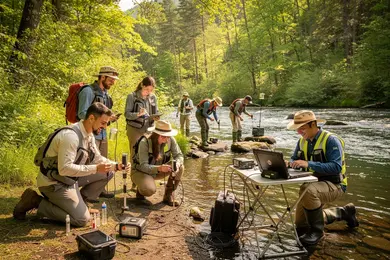
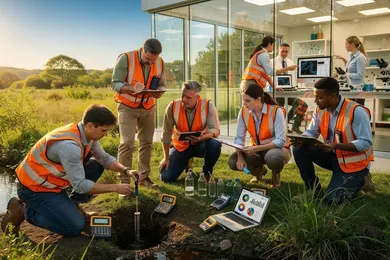
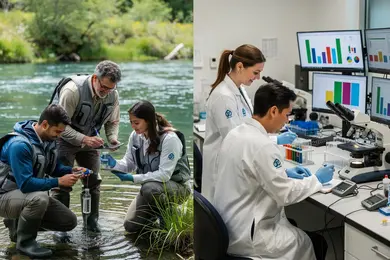
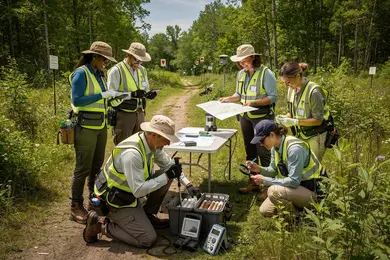
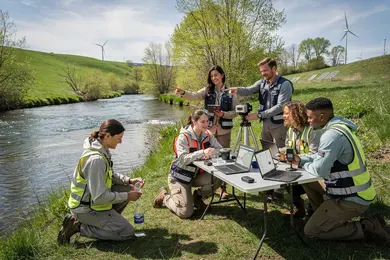
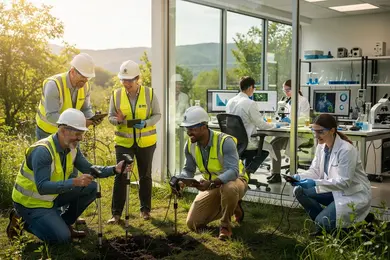
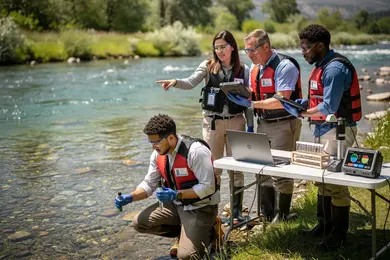
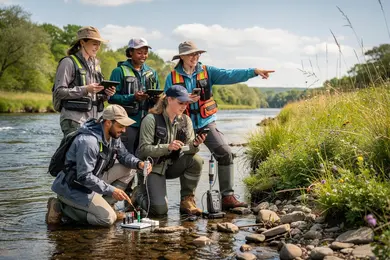
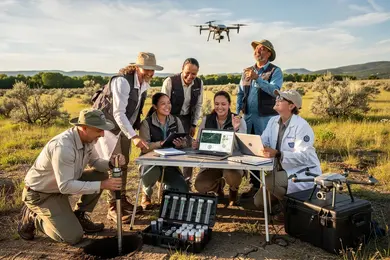
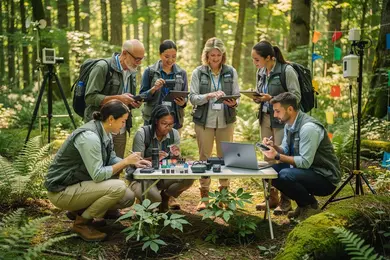
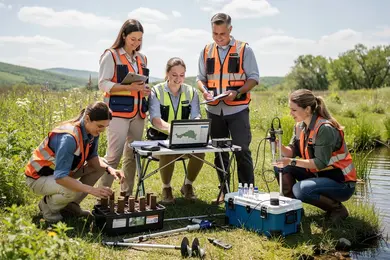
Field methods within online bachelor's in environmental science programs prioritize practical skills essential for workplace readiness, recognizing that verified experience with field techniques is a decisive hiring factor. Core competencies include soil sampling, water quality assessment via portable kits, GIS mapping, and biological surveys, applied directly to challenges such as contamination analysis at industrial sites or wetland conservation monitoring. Programs integrating virtual labs attempt to replicate this, but those offering in-person fieldwork partnerships or short residencies better align with employer expectations and real-world constraints faced by students.
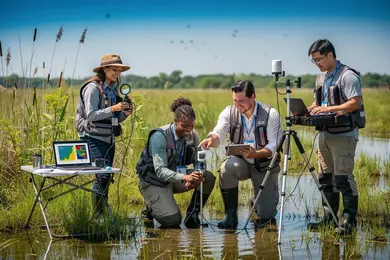
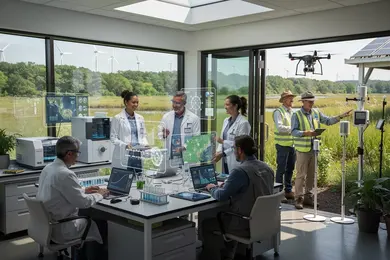
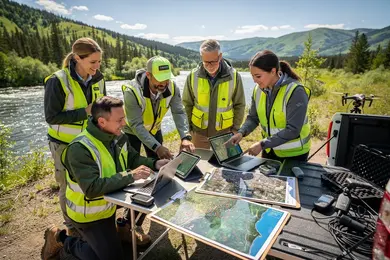
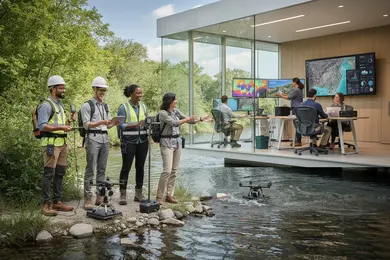
Students focusing on the best online environmental science field techniques also gain exposure to remote sensing through drones or satellite data, a growing requirement for urban planning and resource management roles. Statistical analysis and environmental modeling software training further ensure graduates can convert raw field data into actionable insights relevant to environmental policymaking or consultancy.
Balancing practical field training in environmental science programs with logistical and financial challenges is critical, especially for working students. Finding local sites, arranging transportation, or managing additional tuition costs-sometimes as low as $8,280 total-requires deliberate planning. Employers tend to prioritize candidates demonstrating both hands-on skill proficiency and robust data analysis capabilities.
For prospective students evaluating cost-effective options, the cheapest MLIS degree online page illustrates how affordability and specialized training intersect, though environmental science programs demand distinct commitments to practical field methods that shape career trajectories.
What admission requirements do these programs usually require?
Applicants targeting online bachelor's programs in environmental science with practical field methods must navigate both academic and experiential expectations that reflect real-world job demands. A minimum 2.5 GPA on a 4.0 scale and a high school diploma or equivalent typically serve as baseline criteria, but more selective programs may demand stronger preparation. While standardized tests like the SAT or ACT are increasingly optional, submitting scores can lend competitive advantage, particularly where quantitative skills are vital for interpreting field data.
Admissions often require foundational coursework in biology, chemistry, algebra, and ecology or environmental studies, ensuring candidates possess the core knowledge critical for applied tasks such as soil analysis or GIS mapping. Applicants should anticipate writing a personal statement focused on their motivation to engage with field methods, which is more operational than theoretical. Letters of recommendation, when requested, validate an applicant's teamwork and self-directed learning capacities important for field research environments.
Professionals with relevant environmental work or volunteer experience can leverage documented proof to bypass some prerequisites, enhancing access for mid-career individuals aiming to pivot or upgrade credentials without redundant coursework. Programs are increasingly assessing candidates' time management and tech readiness to confirm online learning resilience under fieldwork pressures.
Financially, the Federal Pell Grant cap rising to $7,395 enables low-income students to accumulate over $29,000 in grant aid over four years, which can materially reduce financial obstacles that often hinder nontraditional students from entering or progressing in this sector.
How long does the degree take, and what does it cost?
Online bachelor's degrees in environmental science require more than standard coursework; practical field methods training is now a mandatory component that shapes program duration and delivery models. While four years remains the typical timeline for full-time students, accelerated options demand intensive scheduling and prior credits, which can overwhelm working adults who must juggle fieldwork alongside employment. These experiential elements-whether in-person or virtual labs-reflect employer expectations for tangible skills essential in environmental consulting, conservation, and compliance careers.
Cost variability depends heavily on institution type, with public in-state tuition ranging from $150 to $300 per credit hour and private institutions charging $400 to $600 per credit. For the 120-credit program, total tuition typically falls between $36,000 and $72,000, excluding costs tied to specialized field equipment, software, or travel to field sites. These ancillary expenses are often underestimated but critical to adequately prepare for entry-level roles.
For professionals balancing work and study, hybrid or summer-intensive field sessions provide flexible options, but fully asynchronous programs are rare due to the hands-on nature of training. Prospective students should carefully compare how programs integrate required field hours, cost per credit, and career support to avoid delays and added financial burdens. Government data confirm that misestimating the time demands of applied learning is a leading cause behind extended program completion and cost overruns in online environmental science degrees.
Which careers can you pursue with this degree?
Bachelor's degrees in environmental science that integrate practical field methods substantially improve employability by equipping graduates with skills directly sought by employers. Over 70% of students at Southern New Hampshire University participate in structured fieldwork or community projects, reflecting a critical alignment with workforce expectations. Employers prioritize candidates proficient in environmental sampling, GIS mapping, and on-site data quality protocols especially in consulting roles, where field data informs remediation and land-use decisions.
Government agencies also demand professionals capable of performing regulatory inspections and impact assessments without additional costly training. For example, roles with the Environmental Protection Agency require on-the-ground competence to enforce environmental regulations effectively. Similarly, conservation biology and wildlife management positions involve habitat and population monitoring alongside collaboration with community stakeholders.
Graduates lacking integrated field experience often face extended onboarding or must obtain further certifications, which can delay workforce entry and raise expenses. Programs incorporating robust experiential components streamline this transition, reducing the gap between education and operational readiness.
- Practical training facilitates immediate contribution in environmental consulting, government enforcement, and conservation roles
- Field and community-based learning develop technical and project communication skills essential in multidisciplinary teams
- Absence of field experience increases dependence on supervised training or additional credentials
Prospective students should critically evaluate online environmental science degrees for verified community or fieldwork elements to ensure responsiveness to employer requirements across diverse environmental careers.
What salary can environmental science graduates expect?
Earning potential for environmental science graduates with practical field methods training centers around verified skills rather than the mode of study, with average salaries near $76,480 according to EnvironmentalScience.org's 2026 data on accredited online programs. This parity between online and traditional on-campus graduates indicates that employers' priority lies in hands-on experience and the ability to execute complex field tasks.
Salary variations hinge significantly on employer type and location: government positions at agencies like the EPA generally align with national averages, whereas private-sector roles, especially in environmental consulting focused on remediation, offer starting wages 10-15% higher due to specialized skill demands. Conversely, nonprofit and academic paths offer lower entry salaries but may offer broader policy or research influence over time.
Certifications in Hazardous Waste Operations or Geographic Information Systems (GIS) substantially enhance compensation prospects and access to advanced assignments. Graduates without these often begin near $60,000, limiting early professional growth.
Online degree holders must ensure their programs incorporate rigorous, supervised fieldwork and actively demonstrate these competencies during job searches, as employer preference remains firmly rooted in validated practical experience rather than diploma format.
- Comparable earnings between online and on-campus environmental science graduates with effective field training
- Private sector roles typically offer higher starting salaries than government or nonprofit positions
- Certification in specialized areas directly impacts salary potential and job responsibilities
- Demonstrable field experience carries more weight than degree delivery method in hiring decisions
What certifications or licenses may environmental science jobs require?
Choosing between certification and licensure in environmental science hinges on one's career focus and the regulatory demands of targeted roles. Field technicians handling soil or water testing typically require the Hazardous Waste Operations and Emergency Response (HAZWOPER) certification to access contaminated sites and comply with OSHA safety standards. This credential directly impacts employability for roles involving hazardous material management, often encountered in infrastructure projects.
Conversely, environmental engineers aiming for project design approval and legal accountability must secure a Professional Engineer (PE) license. With the U.S. Bureau of Labor Statistics projecting a 14% employment growth for environmental engineers from 2022 to 2032, the PE license unlocks higher earning potential and professional autonomy. This creates a clear tradeoff: certifications like Certified Environmental Professional (CEP) expedite field entry, whereas licensure suits longer-term consulting or leadership trajectories.
Employers mandate ongoing education and renewal for these credentials to keep pace with evolving regulations. Prospective candidates should factor in upfront time, costs, and alignment with job scopes:
- HAZWOPER certification enables immediate fieldwork access with a targeted skillset.
- CEP certification supports credibility but offers less legal authority than PE licensure.
- PE licensure demands rigorous exams and experience but broadens career options substantially.
Balancing these considerations early is vital. Licensing paths are investments not only in credentials but in the capacity to undertake specific responsibilities within environmental science careers, making strategic planning essential for meaningful workforce entry and progression.
How do you choose a reputable online program?
Selecting an online environmental science bachelor's program requires scrutinizing the integration of practical skills with academic rigor, not just accreditation status. Employers expect graduates to possess applicable experience in field methods or simulated labs, making programs without these elements risky for those aiming at technical roles such as environmental monitoring or compliance.
Tuition costs vary dramatically, typically from $6,500 to over $15,000 annually, reflecting differences in faculty expertise, resource availability, and fieldwork options. For example, a working professional pursuing environmental compliance at a state agency should prioritize programs offering internships with regulatory bodies rather than generic online degrees that may lack direct workforce connections.
Key considerations include:
- Confirmed regional accreditation for employer and graduate school recognition
- Evidence of hands-on training or experiential outdoor science modules to ensure market-ready skills
- Published graduate employment rates and employer partnerships that demonstrate career alignment
- Flexible access to local field internships to bridge the gap between online learning and practical application
Programs that overlook these factors risk producing graduates underprepared for site-specific environmental impact assessments or regulatory responsibilities. Thus, evaluating outcomes data and program structure against specific career goals is essential for an effective educational investment in environmental science.
Other Things You Should Know About Environmental Science
Online programs that include mandatory in-person field components offer the essential hands-on experience for variable ecosystems, but the quality depends on how well those field labs replicate real-world conditions. Programs relying solely on local, limited field training risk insufficient exposure to diverse environments, which can weaken readiness for jobs requiring adaptability across different ecological zones. Prioritize programs that require supervised, multi-location fieldwork rather than virtual simulations alone to ensure practical competence employers expect in roles like field technician or environmental consultant.
Combining intensive field training with asynchronous online lectures can double the workload compared to fully traditional or fully online programs. Fieldwork often demands full-day, sometimes multi-day, commitments requiring travel and physical effort, which must be planned around remote study deadlines. Students should expect a significantly nonlinear weekly schedule and be prepared for concentrated periods of physical and cognitive demand, making strong time management skills critical for success.
Most programs require 6 to 12 credits of fieldwork, often including soil sampling, water-quality testing, GPS/GIS mapping, and ecological survey techniques. Students usually complete field labs during short residencies, local practicum hours, or approved site visits, with faculty documenting competency before graduation.
In 2027, online environmental science programs often offer virtual networking events, webinars, and digital forums to connect students with professionals and peers. Many also incorporate fieldwork collaborations and partnerships with environmental organizations, providing valuable real-world networking opportunities despite the remote learning format.
References
- What Do Colleges Look For in Students? https://www.collegedata.com/resources/getting-in/what-do-colleges-look-for-in-students
- 11 Brilliant Careers You Can Pursue With Almost Any Degree https://www.oxford-royale.com/articles/careers-any-degree
- field work https://www.studysmarter.co.uk/explanations/education/designing-curricula/field-work/
- CES - Certified Environmental Scientist https://www.nrep.org/certifications/certified-environmental-scientist-ces
- Environmental Science - ABET https://www.abet.org/accreditation/new-and-developing-program-areas/environmental-science/
- How Long Does it Take to Get a Bachelor’s Degree? https://www.pointloma.edu/resources/accelerated-undergraduate/how-long-does-it-take-get-bachelors-degree
- Environmental Certifications for entry-level and career changers https://www.theenvironmentalcareercoach.com/certification-links
- How long does it take to get a bachelor's degree? | edX https://www.edx.org/resources/how-long-does-it-take-to-get-a-bachelors-degree
- Certification Guide for Young Professionals - Board for Global EHS Credentialing https://gobgc.org/professional-environmental-certifications-professionals/