2027 Online Environmental Science Degrees With Conservation Career Alignment

Co-Founder and Chief Data Scientist
Facing an urgent need to address climate change and biodiversity loss, many professionals seeking to enter or advance in environmental science confront a complex barrier: balancing rigorous academic requirements with demanding careers and life responsibilities.
The National Center for Education Statistics notes a continued rise in adult learners choosing online programs to reconcile these challenges, signaling a shift toward flexible, accessible education tailored for working individuals. This trend reflects growing employer acceptance of remote credentials but also requires careful scrutiny of program quality and alignment with conservation-focused career paths.
This article evaluates online environmental science degrees designed to meet these practical considerations and advance conservation careers effectively.
Key Things You Should Know
- Data from the U.S. Bureau of Labor Statistics shows environmental science technician roles tied to conservation lag in wage growth, reflecting a tradeoff between specialized skills and median annual earnings near $50,000 in 2024.
- Employer surveys by the National Association of Environmental Professionals reveal 62% prioritize applicants with applied conservation experience over pure academic credentials, pressuring online programs to integrate fieldwork components.
- The National Center for Education Statistics reports a 14% increase in online environmental science enrollments from 2022-24, intensifying competition and shifting cost-benefit analyses for professionals balancing upskilling with opportunity costs.
What is an online environmental science degree and how does it support conservation careers?
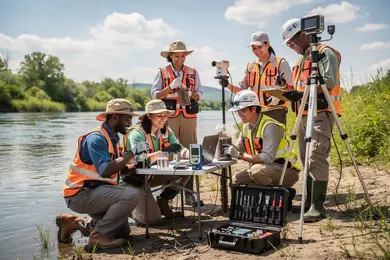
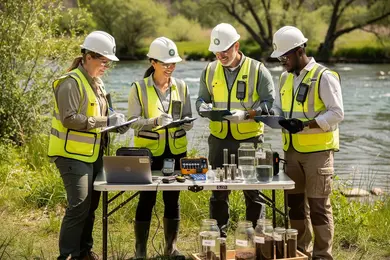
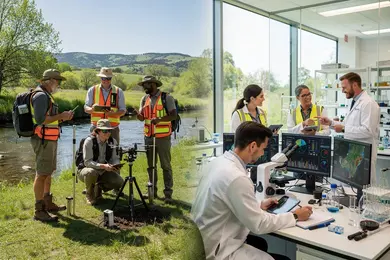
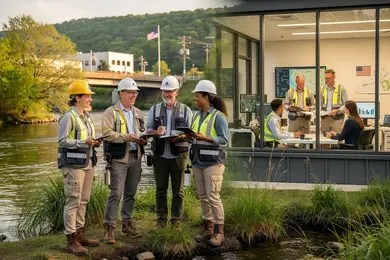
Online environmental science degree programs with conservation focus pose specific challenges requiring rigorous curriculum design and resource access to translate knowledge into impactful conservation outcomes. Students and working professionals must evaluate how well programs integrate virtual labs or remote fieldwork simulations, as insufficient hands-on components often limit readiness for roles demanding habitat restoration or species monitoring.
Those employed in state agencies or NGOs find value in online education that allows immediate application of advanced methods such as remote sensing or environmental policy implementation within active projects.
Employers emphasize candidates who blend data-driven analysis with regulatory compliance, skills that align with accredited online degree pathways supported by faculty with practical conservation experience. However, graduates often strengthen their portfolio by securing targeted internships or participating in collaborative virtual projects, bridging theoretical understanding with real-world environmental challenges.
The U.S. Bureau of Labor Statistics reports environmental scientists earned a median wage of $80,060 in May 2024, with projected job growth of 4% through 2034 and roughly 8,500 openings annually. This reflects continued demand in sectors like pollution control and climate adaptation where conservation expertise remains vital.
Students should also consider program accreditation and alignment with sector-specific competencies before committing, as this directly affects employability and career trajectory. For comparative insights into related fields, prospective students may explore an online geoscience degree for alternative pathways intersecting with environmental science careers.
How do online environmental science programs compare to campus-based options for conservation-focused students?
Choosing between online environmental science programs and campus-based options significantly impacts career readiness, especially for conservation roles that demand hands-on skills. While online programs afford flexibility, they often fall short in providing the direct, supervised field experience employers prioritize.
Traditional campus-based degrees typically grant structured access to labs, field sites, and faculty mentorship, components crucial to mastering practical competencies like species monitoring or ecosystem management.
Employment data from the UK reveals that 31% of environmental science graduates move into relevant professions, emphasizing targeted skill application. In the U.S., employers, particularly government agencies and conservation NGOs, favor candidates with verifiable field experience, a preference that online learners must counterbalance through self-sought internships or local projects, often complicating their educational journey.
For students seeking the best conservation-focused environmental science degrees online, hybrid programs that combine remote coursework with mandatory in-person practicums offer a more viable path toward meeting these workforce demands.
Prospective students must be strategic. Convenience offered by online education comes with tradeoffs in practical immersion. Those targeting specialized conservation roles or government positions often face lengthier job searches without embedded campus experiential components. In parallel fields, students might explore advanced credentials like a data science doctorate online to complement environmental science expertise with analytical skills increasingly valued in ecosystem research and management.
What types of environmental science degrees best align with conservation career pathways?
Programs emphasizing applied ecology, natural resource management, and ecosystem restoration align most effectively with conservation career paths. Degrees integrated with forestry, wildlife management, or land-use planning equip graduates with specific skills employers demand, such as forest health evaluation and sustainable harvesting, critical for conservation scientists overseeing public lands or corporate stewardship efforts.
General environmental science degrees lacking such focus often miss essential field experience and species-specific management knowledge required by many conservation roles.
Employer demand in forestry and conservation prioritizes applicants with practical experience in habitat assessment, GIS mapping, and navigating environmental policy. Graduates familiar with state or federal regulations, including agencies like the U.S. Forest Service, gain a competitive advantage. Prospective students evaluating online environmental science programs with conservation focus should seek offerings with internships, field labs, or partnerships that build these capabilities.
Practical tradeoffs exist: intensive wildlife biology or forest resource tracks often require fieldwork, challenging to complete fully online. This can be addressed through local conservation internships or volunteer opportunities, supplementing remote coursework.
Conservation scientists and foresters in the U.S. earned a median annual wage of $69,060 in 2024 with projected employment growth of 5% from 2023-2033, reflecting steady demand for skilled professionals.
Students considering a pivot might also explore online degrees in computer science to complement environmental analytics skills, broadening career flexibility in a digitally evolving job market.
How can students verify accreditation and quality standards for online environmental science programs?
Verifying accreditation for online environmental science programs requires prioritizing recognition by the U.S. Department of Education (USDE) or the Council for Higher Education Accreditation (CHEA). Regional accreditors like the Higher Learning Commission provide baseline academic rigor, but discerning students will also seek national or specialized accreditors focused on environmental and science standards to gauge practical relevance. This dual approach is essential for avoiding diploma mills and subpar credentials.
Accessing the USDE or CHEA databases is a necessary step in confirming accreditation, but evaluating program quality goes beyond these listings. Students should analyze faculty qualifications, curriculum relevance to current environmental laws and technologies, and opportunities for applied learning such as remote labs or fieldwork.
For example, a graduate targeting environmental consulting, where average U.S. salaries are around $73,919 with top earners exceeding $134,000, must select programs offering hands-on GIS or environmental impact assessment to meet employer expectations.
How to verify accreditation for online environmental science programs also involves cross-referencing employment outcome data, industry collaborations, and alumni feedback to understand real-world applicability. Practical tradeoffs arise when accreditation masks insufficient experiential components, creating challenges in competitive job markets.
Professionals pivoting into environmental science can benefit from comparative insights linked to related fields, such as those offered in online electrical engineering degrees for veterans, where practical skills complement academic credentials.
Quality standards and accreditation checks for environmental science degrees online require careful scrutiny of these factors to inform strategic educational decisions aligned with workforce demands.
What coursework and specializations prepare online students for conservation and resource management roles?
Online environmental science degrees often fall short unless they integrate field-ready skills such as GIS mapping, wildlife population analysis, and habitat restoration. Practical expertise in biostatistics and spatial data is essential since wildlife biologists and conservationists must quantitatively assess population trends and design actionable conservation plans. Without substantial applied training, graduates struggle to transition directly into roles requiring regulatory compliance and hands-on data management.
Specialized tracks like wildlife and fisheries management or land sustainability are more aligned with workforce demands because they emphasize legal frameworks, species identification, and environmental impact assessments foundational to government and NGO work. Programs incorporating virtual labs and simulation scenarios help address the inability to readily acquire field experience but cannot fully replace onsite internships or federal agency collaborations.
Employers favor candidates with direct exposure to policies such as the Endangered Species Act or Clean Water Act, highlighting the importance of coursework in environmental ethics and policy. Capstone projects and internships with wildlife services substantially bridge the gap between academic knowledge and workforce expectations.
Considering the 2% projected job growth for wildlife biologists and a median wage near $72,860, career prospects depend on balancing scientific rigor with compliance and management skills. This helps graduates avoid extended on-the-job training and positions them for steady roles rather than entry-level or contract work.
What admission requirements and prior preparation are needed for online environmental science degrees?
Admission to online environmental science degree programs increasingly hinges on more than a high school diploma. Competitive applicants must demonstrate quantitative and analytical strengths through coursework in biology, chemistry, and algebra, meeting employer expectations for technical aptitude. Those with prior study in environmental topics or related fields gain a measurable edge by reducing learning gaps and easing complex material comprehension.
Standardized tests like the SAT or ACT remain factors but are often waived when candidates show documented college credits or significant professional experience. For example, professionals transitioning from general policy roles to environmental policy must present portfolios or certifications validating familiarity with environmental regulations, an expectation backed by employers seeking practical expertise.
Applicants targeting roles in policy and planning, starting salaries typically range from $50,000 to $65,000, should highlight research skills, data analysis, or environmental impact assessments. Technical proficiency in GIS, statistics, and technical writing is critical, especially for conservation-focused degrees; gaps here can require foundational coursework before advancing.
Letters of recommendation and statements of purpose should clearly articulate career goals and independent motivation, essential traits for success in online programs. Graduates positioned to address real-world challenges are in demand for roles with compensation between $80,000 and $130,000, such as analysts or program managers, emphasizing the value of aligning academic preparation with workforce needs.
How long do online environmental science programs take, and what do they typically cost?
Time and cost play pivotal roles in selecting an environmental science program, especially for professionals balancing income and credential requirements. Programs range widely: associate and certificate options typically complete in two years or less but offer limited advancement potential. Bachelor's and master's degrees demand longer commitments, from two to four years, with accelerated tracks compressing that to 18-24 months through transferred credits or intensive scheduling.
Cost per credit varies drastically by institution type and degree level. Public universities generally charge $300-$600 per credit for bachelor's degrees, totaling $15,000-$36,000, while private institutions often exceed $800 per credit, potentially pushing total costs above $40,000. Graduate-level environmental science programs, especially those with conservation specializations, might cost $500-$1,200 per credit, frequently surpassing $30,000 overall.
Graduates should weigh these financial inputs against labor market realities. For instance, geoscientists working on environmental issues earned a median wage of $99,240 in 2024, with job growth projected at 5% through 2033, signaling sustained demand but competitive entry requirements. Employers often favor candidates who complement academic credentials with practical experience such as internships or cooperative education.
Consequently, an environmental analyst shifting from unrelated work might prioritize affordability and schedule flexibility, accepting a longer timeline. Conversely, a recent graduate may invest in faster, costlier master's programs to leverage quicker employment progression. These tradeoffs reflect individual career circumstances and underscore the need for a deliberate strategy balancing educational depth, cost, and market positioning.
What conservation-related jobs can graduates pursue with an online environmental science degree?
Choosing a career path after earning an online environmental science degree requires balancing job demands with practical considerations such as location and preferred work settings.
Forestry technicians and conservation workers engage primarily in physically demanding fieldwork across rural or remote public lands, performing habitat assessments and restoration projects. These roles offer median wages around $43,680 annually and steady employment growth, but require readiness for outdoor, often isolated, environments.
Conversely, environmental consultants leverage scientific data to guide corporations and government agencies on regulatory compliance and sustainability, combining office-based tasks with occasional field visits. This path demands strong analytical and communication skills and typically provides higher earning potential, though it offers less direct involvement in hands-on conservation.
Park rangers and conservation scientists occupy a nuanced position, managing natural resources while balancing recreational use and policy enforcement. These jobs require regulatory knowledge, public engagement expertise, and sometimes law enforcement authority, bridging operational management and community interaction.
Graduates must reckon with geographic and physical flexibility. For instance, those willing to relocate may find more opportunities as forestry technicians in rural zones, whereas urban-based professionals might better align with consultancy. Understanding specific role requirements and sector trends is essential for aligning an environmental science degree with sustainable work options.
What are typical salaries and job outlook for conservation and environmental science professionals?
Salaries in environmental science conservation roles illustrate a clear divide shaped by sector and experience. Entry-level government environmental specialists typically start around $52,000, while more senior scientists or policy advisors in nonprofit or consulting roles can surpass $85,000. This range reflects differing demands and institutional structures: federal positions prioritize stability and long-term benefits but involve slower hiring and clearance processes, whereas consulting offers higher initial pay with less job security due to project cycles.
Employment growth for environmental scientists and specialists is projected at 5% through 2034, driven by rising needs in sustainability compliance and resource management. However, wage progression depends heavily on geographic region and sector alignment.
Environmental science graduates aiming to enter conservation at state wildlife agencies may expect lower starting wages with growth tied to specialized skills like GIS or wildlife management certifications. In contrast, consulting roles often reward adaptability and advanced credentials more quickly but require navigating fluctuating client demands.
Applicants must balance mission-driven work with moderate pay against technically demanding positions that require continuous market responsiveness to remain viable in this evolving landscape.
Are there licenses, certifications, or professional standards required for conservation careers?
Licensing and certifications shape employability and progression in environmental science by regulating access to critical field roles and signaling competency. For example, wildlife biologists working on public lands generally require state-issued wildlife or natural resource licenses to conduct legally compliant fieldwork. Environmental consulting tied to sensitive ecosystems demands certifications such as Certified Ecologist (CE) or Professional Wetland Scientist (PWS), which validate expertise and influence regulatory acceptance.
Employers across government and private sectors prioritize credentials aligned with regulatory compliance, habitat restoration, and specific skill sets. Forestry and natural resource management workers benefit from credentials like the Society of American Foresters' Certified Forester, which can impact salary and job stability. Conversely, advocacy or nonprofit roles may emphasize certificates in grant writing or GIS over field licenses.
The U.S. Bureau of Labor Statistics reports a median salary of $80,060 for environmental scientists and specialists, but certifications often accelerate advancement, particularly in rapidly expanding climate-related niches. Without recognized credentials, even well-educated candidates may encounter restricted opportunities and lower entry wages.
State-specific licensing requirements present practical barriers: failing to obtain mandatory credentials delays job entry or incurs costly retraining. Employers also expect ongoing professional education documented by accredited bodies to ensure compliance with evolving environmental policies.
Other Things You Should Know About Environmental Science Degrees
Online environmental science degrees often promise flexibility, but rigorous science coursework and lab requirements produce a substantial workload that may strain working students. Programs with accelerated terms or condensed lab sessions increase time pressure, reducing room for employment or family commitments. Professionals should prioritize programs with part-time options or extended pacing that align with their availability to maintain academic performance and reduce burnout risk.
Many conservation roles require proficiency in GIS, remote sensing, or statistical analysis tools. Not all online programs provide comprehensive training in these technical skills, limiting graduates' immediate job readiness. Prospective students should evaluate curricula for dedicated coursework and software access, ensuring alignment with employer expectations in their targeted conservation niche. Supplementary certifications may be necessary if the degree's skill training is insufficient.
Many 2027 online environmental science degrees require a capstone, internship, or supervised field project totaling 3 to 6 credit hours. Programs often ask for approved local site placements, a faculty supervisor, and a final report or presentation tied to habitat management, restoration, or monitoring.
References
- Conservation Scientist | Conservation Careers https://www.conservation-careers.com/conservation-scientist/
- Wildlife Conservation Careers Australia | Where to Work After Your Certificate https://www.aawacademy.com.au/blog/wildlife-conservation-careers-australia-jobs-after-certificate/
- Operation Wallacea | Conservation Career Paths https://www.opwall.com/article/conservation-career-paths/
- Natural Resources & Conservation Management - Thomas University https://www.thomasu.edu/majors/bachelor-degrees/natural-resources-conservation/
- Are Online Degrees Accredited? How to Identify Quality Distance Learning Programs https://www.umassglobal.edu/blog-news/online-degrees-accredited-identify-quality-distance-learning-programs
- Home https://www.husson.edu/online/blog/2025/03/careers-in-wildlife-conservation
- Environmental & Natural Resources Management B.Tech. | SUNY Morrisville https://www.morrisville.edu/program/environmental-natural-resources-management-btech