2027 Environmental Science Career Paths With the Strongest Momentum

Co-Founder and Chief Data Scientist
Facing a rapidly evolving environmental crisis, professionals and students in environmental science grapple with choosing pathways that balance urgent workforce demand against often rigid educational structures. The Bureau of Labor Statistics projects a 5% growth in environmental science jobs by 2032, but nearly 60% of potential entrants cite inflexible program schedules or insufficient online options as barriers to entry.
This tension forces many to weigh immediate employment against comprehensive training, complicating career pivots for adult learners and working professionals. This article analyzes the environmental science career paths gaining momentum through 2026, focusing on how program accessibility and labor market needs intersect to guide strategic education and career decisions.
Key Things You Should Know
- Advanced quantitative skills increasingly dictate employer preference in environmental science, with 62% of 2024 job postings requiring proficiency in GIS or data modeling-favoring candidates from interdisciplinary STEM backgrounds despite longer degree completion times.
- Government and private sectors emphasize sector-specific certifications (e.g., LEED, CEM), shifting workforce demand toward credentialed specialists and diminishing returns for generalized environmental science degrees without targeted credentials.
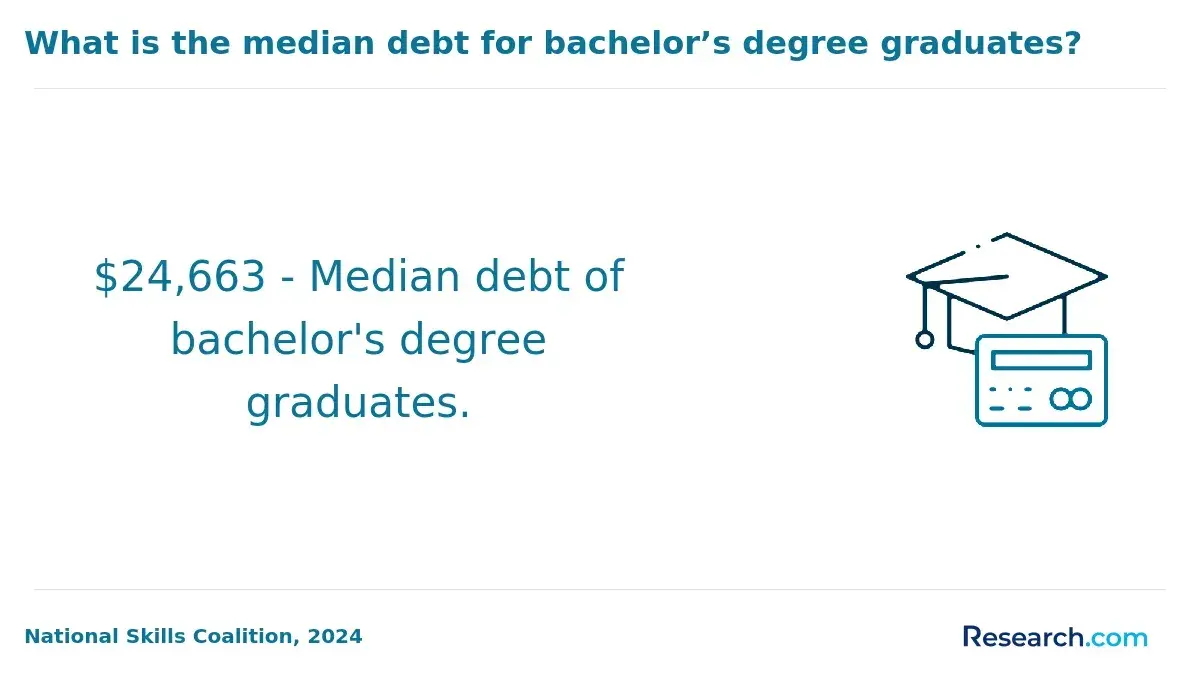
- Median graduate debt for environmental science programs increased 14% since 2022, complicating timely career entry, especially as entry-level salary growth stagnates below 2% annually per U.S. Bureau of Labor Statistics, pressuring candidates toward shorter, skill-specific credentials.
What environmental science careers are growing fastest now?
The fastest growing environmental science jobs in North America present both opportunity and complexity, demanding candidates who can navigate scientific rigor alongside evolving regulatory landscapes. For instance, environmental scientist and specialist roles focused on climate response and sustainability are projected to grow swiftly through 2026, with median wages near $80,060 and top-tier salaries exceeding $134,000. These jobs require expertise in data analytics, GIS, and compliance, often favoring candidates with hands-on experience in government or consulting sectors.
Positions in environmental compliance and remediation illustrate practical workforce realities: professionals must address tightening regulations in industries like oil and gas and manufacturing, where soil and groundwater contamination become legal liabilities. Similarly, sustainability coordinators integrate environmental science insights with corporate strategy to reduce carbon footprints, blending technical skills with effective communication.
Environmental science careers with the highest job growth in the US also include roles in renewable energy, where project management and impact assessments dictate success. Graduates should weigh trade-offs between entry-level salaries and long-term gains tied to certifications such as Certified Environmental Scientist or Professional Geologist. Developing interdisciplinary competencies, including environmental law and policy, is essential to maintain competitiveness amid shifting industry demands.
Those exploring these pathways should consider practical study options aligned with labor market trends, such as accredited geology degrees online, which often incorporate relevant technical training and internships.
Which environmental science jobs pay the most?
Data-centric roles dominate the environmental science jobs with highest salaries in the US, reflecting a decisive shift from traditional fieldwork to advanced quantitative expertise. Environmental data scientists and analysts now earn top pay by integrating ecological knowledge with skills in statistics, Python or R programming, and machine learning. This demand is driven by sectors prioritizing actionable insights over raw data collection, rewarding those who combine sustainability expertise with computational proficiency.
For example, an environmental consultant applying data science to forecast climate impacts for major energy companies will command significantly higher compensation than technicians focused solely on sample collection. However, this transition requires practical tradeoffs: augmenting degrees with certificate programs or bootcamps in data analytics can be costly and time-intensive, and geographic location heavily influences earning potential, favoring urban tech and research hubs.
The projected growth disparity further emphasizes this strategic pivot: while environmental scientists and specialists face a modest 4% growth, roles in data science are expected to rise by 34%, underscoring the long-term stability associated with data-driven skills. Professionals must weigh upfront investment against these robust labor market signals, especially for those eyeing the top paying environmental science careers in North America.
Given these hurdles and opportunities, individuals seeking to pivot effectively might explore alternative career transition models, such as the pathways outlined for SLPs, which illustrate structured approaches to acquiring new competencies efficiently.
What degree is needed for environmental science careers?
Employers seeking candidates for environmental science roles now expect more than a bachelor's degree in related fields such as biology, geology, environmental engineering, or geography. Specialized geospatial work, for instance, requires explicit skills in spatial data management, remote sensing, and programming with languages like Python or R. These competencies are often part of interdisciplinary undergraduate curricula but remain rare among generalists.
Without such targeted training, career growth in GIS and geospatial sectors-projected to nearly triple in size by 2030-2035-can be severely constrained. These workforce trends demonstrate that environmental science degree requirements in the United States increasingly favor graduates who complement foundational knowledge with applied technical abilities and project experience.
Graduate education plays a pivotal role in accessing roles involving policy formulation, advanced analytics, or leadership in sustainable urban planning. A master's degree focusing on environmental data analytics or geospatial technologies substantially enhances employability, particularly in emerging fields integrating AI and smart city solutions. However, prospective students must carefully weigh the financial and time investments against tangible career outcomes, as certifications alone rarely substitute for extensive academic training combined with practical engagement. Practical experience from internships or research projects remains a critical differentiator.
Given these complexities, those considering the best college degrees for environmental science careers should also explore related interdisciplinary offerings. One useful resource that catalogs such options with an emphasis on flexibility is the best online library science programs, which can provide insight into distance learning modalities applicable to environmental research and data management disciplines.
Are online environmental science programs as credible as campus programs?
The credibility of an online environmental science degree depends largely on its alignment with employer expectations and practical experience requirements. Employers in clean energy and sustainability prioritize candidates with hands-on skills and fieldwork, areas where many online programs fall short despite delivering solid theoretical knowledge. For example, roles in environmental consulting or field-based sustainability assessments often demand in-person labs and internships unavailable through remote study.
The decision between campus and online environmental science programs hinges on one's target role and current circumstances. Policy research positions may accept fully online credentials if complemented by project portfolios or virtual internships, but campus programs remain preferable for intensive fieldwork or equipment use. Accreditation from recognized bodies preserves academic rigor regardless of delivery mode, yet online students must proactively engage in industry connections to compensate for less spontaneous collaboration.
Tradeoffs also include the need for greater self-discipline in online learning and potential limitations in accessing specialized equipment, which may impact critical problem-solving experiences. Flexibility benefits professionals balancing work and study or seeking career pivots without relocation, but those relying on local networks linked to campus alumni might find online options less advantageous.
For prospective students exploring diverse pathways, an informative reference is the library degree page, which exemplifies the kind of detailed guidance necessary for making informed educational decisions.
What accreditation should environmental science programs have?
Accreditation deeply shapes the practical value of environmental science degrees and, by extension, career trajectories in this field. Programs accredited by ABET provide a distinct advantage for candidates targeting technical roles such as environmental engineering, where regulatory knowledge and applied science are essential. Conversely, broader environmental science degrees rely on regional accreditation recognized by the U.S. Department of Education or CHEA to validate program rigor and labor market relevance.
Graduates from non-accredited or solely nationally accredited programs often face restricted access to federal employment and advanced certifications critical for leadership in land and resource management. For example, conservation scientists and foresters-professions with a median annual salary between $67,950 and $69,060-require demonstrable proficiency in hands-on fieldwork, data analytics, and compliance frameworks that accredited curricula explicitly emphasize. Employment growth in these roles is steady, projected at 5% over a decade, but hinges on mastery of both theoretical and practical competencies.
When selecting an environmental science program, prospective students should rigorously verify accreditation specifics alongside curriculum content. Prioritizing programs with strong ties to forestry-related accreditation or guaranteed field internships can make a significant difference in preparing for state licensing and employer expectations in natural resource sectors.
Employers critically assess degree credibility as a proxy for candidate readiness to navigate complex regulatory environments and ecosystem impact assessments-skills ingrained in accredited programs but potentially absent in less scrutinized credentials.
What courses are in an environmental science degree?
Environmental science curricula demand balancing broad theoretical foundations with specialized skills that align closely with workforce demands. For example, hydrologists earn a median wage of $92,060 annually with steady 3% growth projected through 2033, emphasizing the tangible returns of courses in hydrology and water resource management. Candidates aiming for such roles must prioritize both technical competence and practical experiences like internships or field sampling, as employers expect fluency in laboratory instruments alongside environmental modeling software.
Students should critically assess program emphases: those heavily weighted toward policy and law may underprepare graduates for hands-on fieldwork, while programs focused on lab work might offer limited regulatory insight essential for consultancy or compliance positions. Integrating quantitative methods with environmental chemistry, GIS, and soil science improves adaptability across sectors.
Key competencies include:
- Multidisciplinary core studies in earth systems, biology, and chemistry
- Applied skills in data analysis and environmental impact assessment
- Understanding regulatory frameworks for effective policy navigation
Pivoting careers toward environmental health or renewable energy requires selecting courses aligned with public health agencies or clean tech markets. Prospective students must weigh the tradeoffs between technical readiness and policy fluency to ensure their educational pathway fits the practical realities of environmental sector employment.
What admissions requirements do environmental science programs have?
The competitive nature of environmental science admissions reflects the technical demands and evolving workforce priorities within the field. High school preparation must extend beyond a diploma, with a strong STEM foundation-particularly in biology, chemistry, and calculus-serving as a critical differentiator. Students transitioning from unrelated disciplines face mandatory prerequisite coursework to align with the rigorous science and math content intrinsic to the core curriculum.
Graduate programs require a bachelor's degree closely related to environmental science and typically demand demonstrable quantitative skills and relevant professional or research experience. These factors are especially significant for sectors emphasizing infrastructure resilience, which command a median salary of $104,170 and 7% job growth projected through 2033 according to government labor data.
Applicants must strategically present personal statements that clearly correlate career goals with industry needs in sustainability or climate adaptation while factoring in the practical reality that internships or cooperative education frequently serve as gatekeepers for employment readiness.
Access to accredited, employer-recognized programs is essential. Candidates must navigate the tradeoff between heavy lab-intensive coursework and applied technologies like GIS to match the skillsets prioritized by employers in fast-growth roles.
- Competitive GPA (≥3.0) and STEM coursework
- Standardized test scores where applicable
- Prerequisite science and math for career changers
- Relevant undergraduate degree for graduate entry
- Research or professional references
- Clear alignment of career goals in personal statements
- Internships or co-op experience preferred
- Enrollment in accredited, employer-recognized programs
How long and how much do environmental science degrees cost?
Choosing between associate and bachelor's degrees in environmental science involves weighing practical workforce entry against long-term career scaling under specific market conditions. Associate degrees typically require two years and prepare graduates for technician roles with median earnings near $49,490, according to the U.S. Bureau of Labor Statistics in 2024. These quicker, lower-cost credentials reduce time out of the labor market but often limit growth potential and salary trajectories.
Bachelor's degrees extend to about four years and require a significantly larger financial commitment-with tuition ranging from $10,000 to over $40,000 annually depending on institution type. This level opens broader hiring opportunities, especially in regulatory or research roles favored by employers prioritizing formal education coupled with practical internships or field experience.
Consider the following workforce-relevant tradeoffs:
- Associate degree students can enter environmental monitoring jobs sooner and benefit from a projected 7% job growth for technicians between 2023 and 2033.
- Bachelor's graduates face more upfront costs and delayed earnings but access wider roles with potentially faster salary growth.
- Supplemental costs-including equipment, travel, and certifications-add approximately 10-20% to overall expenses, often overlooked in budget planning.
Decisions should reflect the balance between immediate employment needs and investment in credentials valued in specialized environmental fields with steady demand. This nuanced assessment guides strategic choices for professionals navigating environmental science education pathways.
What certifications help environmental science graduates get hired?
Certifications such as the Certified Wildlife Biologist (CWB) and Certified Ecologist are often decisive in securing roles that require specialized expertise in wildlife and ecology. For example, state wildlife agencies typically prefer candidates with CWB credentials for positions involving habitat restoration or population monitoring, because the credential demonstrates peer-reviewed competence and ethical adherence. Graduates lacking these certifications frequently face longer job searches and lower starting salaries, which reflects employer preference for recognized validation beyond academic degrees.
Technical proficiency through GIS certifications, particularly the GIS Professional (GISP), is increasingly mandatory in conservation and biodiversity management roles. Employers expect graduates to not only understand ecological concepts but also to execute spatial analysis that supports impact assessment and planning. This creates a practical barrier for candidates without GIS skills despite strong ecological knowledge.
Certifications like the Certified Environmental Professional (CEP) and HAZWOPER reflect regulatory and safety expertise necessary for compliance-heavy roles, further narrowing the field for candidates without these credentials. These certifications enhance the ability to work effectively in environmental impact assessments, remediation, and hazardous waste operations.
Labor data shows wildlife biologists earn a median annual wage of $72,860 in 2024, with a 4% employment growth projected through 2033. This modest growth suggests that combining certifications with hands-on experience is essential to maintain competitiveness and negotiate better starting compensation in a steadily expanding but selective market.
- Specialist field roles favor verified certifications over degree alone
- GIS certification is a technical gatekeeper in modern environmental careers
- Regulatory credentials broaden eligibility for compliance-related work
- Industry growth is stable; credentials amplify hiring priority and salary leverage
How do you choose the best environmental science program?
The job outlook for environmental scientists and specialists projects around 8,500 openings annually through 2034, with wages typically near $80,000. This steady demand coexists with significant competition, making curriculum alignment with employer priorities essential. Programs emphasizing applied skills such as GIS mapping, environmental data analysis, and regulatory compliance provide a more direct route to employment than broader theoretical focuses.
Hands-on experience through internships or cooperative education markedly accelerates hiring, particularly when partnerships exist with local agencies or private firms. For students reliant on in-person networking or local industry connections, program location relative to environmental hubs is a practical consideration.
Faculty expertise matters: those with active research and professional involvement in emerging sectors like renewable energy or waste management offer students relevant insights not found in outdated curricula. Crucially, alignment with federal and state environmental regulations underpins most job functions and should be integrated into course requirements.
Career objectives dictate program selection:
- Policy and consulting roles demand proficiency in environmental law and economics.
- Research and fieldwork focus requires strong quantitative coursework and technical skills.
Flexible program formats such as accelerated or hybrid models may suit working professionals, but they risk sacrificing vital experiential learning. Balancing time, finances, and practical exposure is a nuanced tradeoff impacting job readiness.
Other Things You Should Know About Environmental Science
The fastest-growing roles are environmental compliance specialist, climate resilience analyst, water quality scientist, and sustainability data analyst. These jobs are linked to EPA reporting, municipal adaptation planning, PFAS monitoring, and corporate emissions tracking, and often favor candidates with GIS, statistics, or regulatory knowledge.
Hands-on experience through internships or fieldwork significantly improves job prospects in environmental science by demonstrating practical skills and familiarity with regulatory environments. Programs without structured experiential components often yield graduates who struggle with applied problem-solving and technical tools, which employers expect from day one. Prioritizing programs that integrate robust field experiences or offer strong industry connections delivers a clear advantage in the hiring process.
Government environmental science jobs typically offer more stability, standardized workloads, and clearer career progression but often come with lower starting salaries compared to private sector roles. Private companies may demand longer hours, faster turnaround, and greater flexibility, especially in consulting and remediation projects, but also provide higher compensation and varied work assignments. Candidates should weigh their tolerance for work-life balance against career growth speed and pay when choosing between these sectors.
Certifications linked to specific skills-such as GIS, environmental auditing, or hazardous materials handling-can lead to immediate job opportunities and higher pay when aligned with employer needs. However, generic or overly broad certifications offer minimal impact without complementary experience or advanced degrees. Prioritize certifications that fill clear skill gaps relevant to your target roles and industries to maximize ROI and avoid credential overload with little practical benefit.
References
- Online Environmental Science Degree | BS Environmental Science | University of Phoenix https://www.phoenix.edu/online-liberal-arts-degrees/environmental-science-bachelors-degree.html
- Environmental Science - ABET https://www.abet.org/accreditation/new-and-developing-program-areas/environmental-science/
- Top universities for Environmental Sciences in the USA https://www.kingseducation.com/kings-life/top-universities-for-environmental-sciences-in-the-usa
- Best place to study environmental science R1 or SLAC? And list all of best programs? https://talk.collegeconfidential.com/t/best-place-to-study-environmental-science-r1-or-slac-and-list-all-of-best-programs/3691333
- How to Find the Best Schools for Environmental Studies https://www.pacificu.edu/blog/the-best-schools-for-environmental-science
- 16 Innovative Environmental Science Careers https://www.collegeadvisor.com/resources/environmental-science-careers/
- Environmental Certifications for entry-level and career changers https://www.theenvironmentalcareercoach.com/certification-links
- Explore UM | University of Manitoba - Environmental Science (BEnvSC) https://umanitoba.ca/explore/programs-of-study/environmental-science-benvsc
- 16 Best Colleges for Environmental Science | HelloCollege https://sayhellocollege.com/blog/best-colleges-for-environmental-science/