2027 Best Online Bachelor's in Environmental Science for Environmental Consulting Career Paths

Co-Founder and Chief Data Scientist
Environmental consulting professionals often face the urgent challenge of staying current with evolving regulations while balancing full-time employment and personal commitments. The U.S. Department of Education reports a 17% rise in adult enrollment in online degree programs since 2023, signaling a shift toward flexible learning models that accommodate career mobility and time constraints.
This trend reflects broader workforce demands where timely access to updated knowledge becomes a decisive factor in securing consulting roles focused on sustainability compliance and risk management. This article assesses top online bachelor's in environmental science programs, highlighting how their design aligns with career advancement and practical industry expectations.
Key Things You Should Know
- Only 42% of environmental consulting firms explicitly require a bachelor's degree in environmental science or related fields, challenging students to weigh broader STEM majors versus specialized degrees, impacting employability in competitive markets.
- The EPA's 2024 workforce data indicates a 15% growth in consulting roles but highlights a 20% skills gap in GIS and regulatory compliance, pushing programs to integrate applied technical training for relevance.
- Online bachelor's in environmental science cost averages $28,000 over four years, yet delayed completion rates exceed 35% nationally, creating cost-access tradeoffs that can delay entry or advancement in consulting careers.
What is an online environmental science degree for consulting careers?
An online environmental science degree for consulting careers must align rigorously with the operational demands of consulting roles, which extend beyond foundational science to include negotiating regulatory frameworks and managing multidisciplinary projects. Graduates are expected to translate complex data into actionable advice for clients, balancing compliance with environmental and business objectives.
This focus differentiates consulting-oriented curricula from broader environmental science studies by embedding expertise in geographic information systems (GIS), environmental risk management, and policy interpretation-skills that ensure graduates meet employer standards in roles that often involve interfacing with regulatory agencies and non-technical stakeholders.
For individuals navigating a career pivot, the best bachelor's in environmental science for consulting jobs offers targeted electives such as regulatory compliance and impact analytics, enabling professionals from unrelated backgrounds to gain relevant expertise without geographic relocation. The financial incentive is clear: environmental scientists in consulting report a median annual wage of $76,530, markedly higher than conservation scientists at $63,750.
This wage disparity reflects the premium on applied technical proficiency and client-facing skills in consulting. Choosing an online program demands scrutiny of practical components, including virtual labs, internships, and industry mentorships that foster skills directly transferable to consulting roles. Programs with strong accreditation and structured career support are critical to avoid the disconnect often experienced by self-paced online learners.
Prospective students can consult best online environmental health and safety degree programs for informed comparisons of program quality and relevance.
Which online environmental science programs have proper accreditation?
Employers in environmental consulting prioritize candidates from programs with robust regional accreditation, such as the Higher Learning Commission or Middle States Commission on Higher Education, because these credentials reduce hiring risks and ensure adherence to industry standards. Choosing online environmental science programs with regional accreditation is critical; without it, graduates may face hurdles in licensing, delayed entry into the workforce, or the need for costly supplemental coursework to meet regulatory requirements.
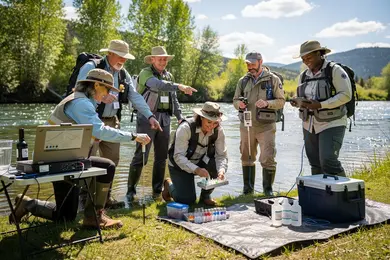
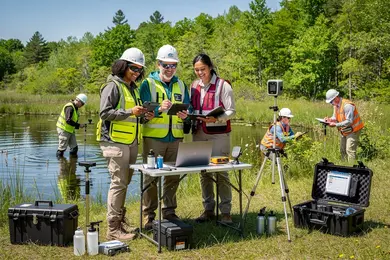
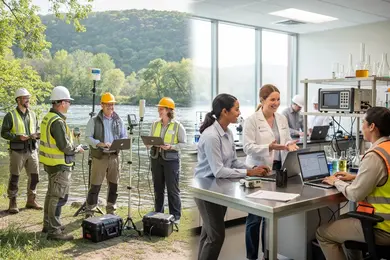
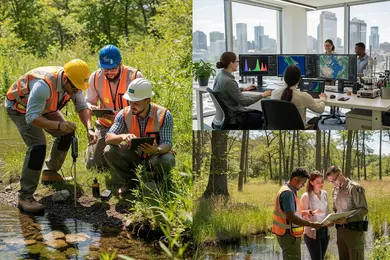
Accredited environmental science degrees for consulting careers also typically include practical training components like fieldwork or applied research, essential for substantiating consulting qualifications. Candidates lacking this hands-on experience often struggle to meet expectations for hazardous waste management, ecosystem restoration, or climate impact assessment roles.
Moreover, verifying accreditation status through official institutional sources is necessary to avoid programs that label themselves as "approved" without formal recognition. The U.S. Bureau of Labor Statistics forecasts a 6% growth in environmental scientist employment through 2032, translating to about 6,900 job openings annually. This growing demand favors graduates from accredited programs aligned with current environmental law and standards.
For professionals comparing pathways, exploring options such as a data science master's online may also complement environmental science expertise by expanding analytical skills in market-relevant ways.
How do online and campus environmental science degrees compare?
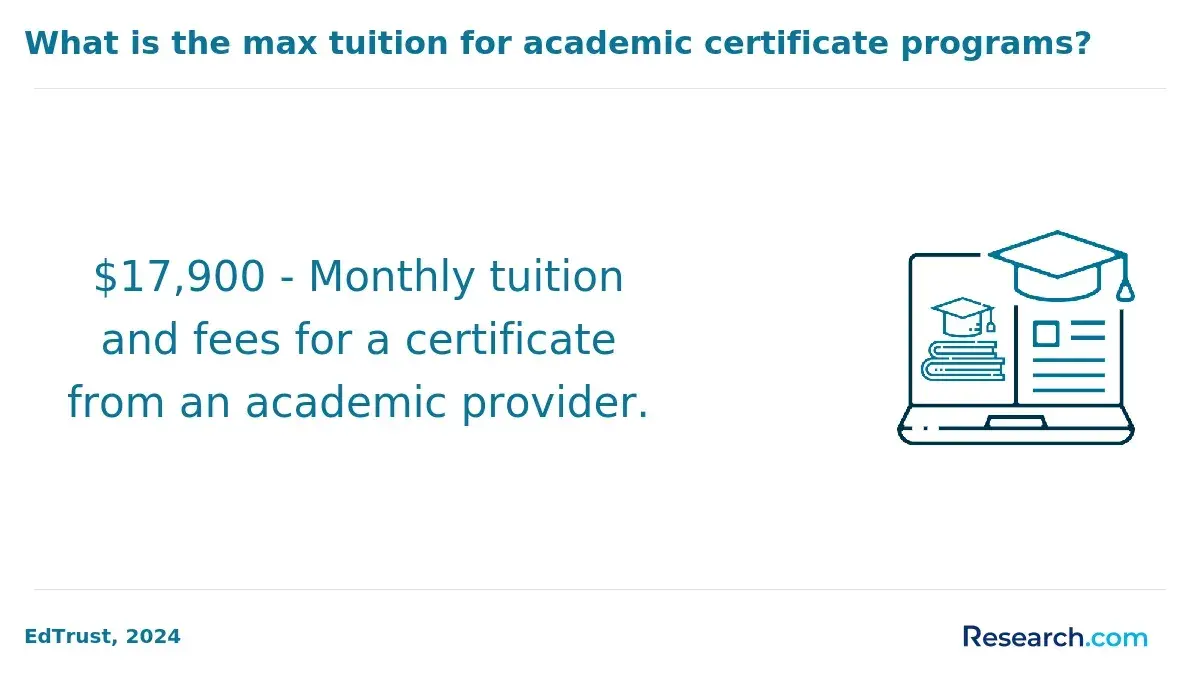
Choosing an online environmental science degree over a traditional campus program involves a nuanced tradeoff between cost efficiency and experiential depth. The average tuition for online bachelor's programs stood at $25,910, significantly lower than the $38,070 charged by private nonprofit four-year on-campus programs in 2024, improving the cost-to-earnings return on investment (ROI) for many students.
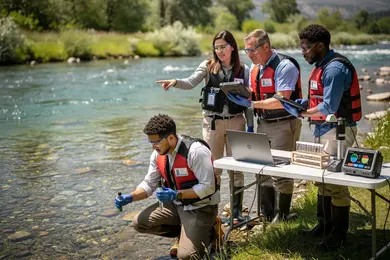
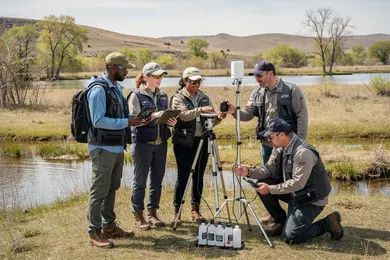
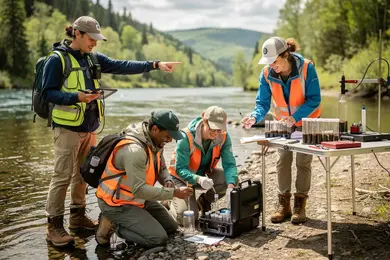
Comparing online and traditional environmental science programs reveals that while core subjects such as ecology, environmental policy, geospatial analysis, and data modeling are consistently covered, campus degrees typically offer more intensive hands-on laboratory work and field experiences. These practical components are crucial for roles requiring environmental site assessments or contamination remediation, where direct instrumentation and sampling skills are non-negotiable.
Employer expectations reflect these differences: entry-level consulting often favors candidates with proven technical capabilities and internships, which campus students can more readily obtain through local networks. Online learners must compensate through virtual or independently arranged field placements. Key considerations include self-motivation and access to regional sites to fulfill these requirements.
Online programs also provide flexibility aiding working professionals balancing employment and academics, facilitating real-world experience alongside study. For prospective students, integrating field experience and targeted internships strategically is vital to match the outcomes of traditional pathways.
For those evaluating an online computer science degree or environmental science credentials, understanding these operational distinctions ensures informed decisions aligned with career objectives.
What courses are in an environmental science consulting curriculum?
Environmental science consulting degree courses must prioritize applied interdisciplinary training that aligns closely with employer expectations. Key subjects in environmental science consulting programs commonly include environmental chemistry and toxicology, providing the critical understanding needed to evaluate pollutant behavior on contaminated sites. Regulatory courses on environmental policy and law, covering statutes like the Clean Water Act and CERCLA, prepare students for the compliance-driven nature of consulting roles.
Quantitative competencies through statistics, data analysis, and GIS are indispensable, as consultants must interpret field data and produce actionable insights immediately upon hire. Natural resource management and ecology coursework supports advising industries on sustainable practices with measurable ecological benefits.
Without embedded practical training-fieldwork, laboratory methods, internships-graduates risk falling short of workforce demands that require familiarity with industry-standard software and sampling protocols. The rise of online STEM programs, including environmental science, introduces tradeoffs: flexibility often comes at the expense of hands-on experience, a gap that impacts readiness for consulting tasks.
Prospective students evaluating online options should consider sequencing challenges and reduced lab access relative to their learning style and job targets. Navigating these factors is vital for those seeking to pivot into environmental consulting roles effectively. For more detailed pathways in STEM fields tailored to veterans, see online electrical engineering degrees for veterans.
What admission requirements do online environmental science programs need?
Admission standards for online environmental science programs hinge on measurable academic preparedness and technical competence aligned with workforce expectations. Candidates must typically demonstrate foundations in biology, chemistry, and particularly quantitative skills like statistics or algebra-knowledge areas essential for tackling complex environmental data and GIS applications commonly used in consulting roles.
Standardized test submissions remain common but are increasingly waived for applicants presenting rigorous college performance or relevant work experience. This shift enables mid-career professionals or transfer students to access programs without redundant hurdles. However, career changers often face prerequisite demands in GIS software and computer literacy, ensuring their skills meet employer benchmarks highlighted in recent labor surveys.
- Some programs require letters of recommendation or statements of purpose addressing project management experience, a competency that 65% of environmental consulting employers identify as vital.
- Proof of internships or related work can expedite admission or earn advanced standing, directly aligning education with industry practice.
- Applicants lacking core analytical capabilities may need preparatory courses or certifications to overcome screening barriers, as 72% of employers report difficulty hiring entry-level candidates strong in data analysis and GIS.
These admission elements balance academic baseline and practical skill verification, reflecting a critical tradeoff: prospective students must invest upfront in technical readiness to improve employability and alignment with real-world consulting demands.
How long does an online environmental science bachelor's degree take?
Choosing between full-time, part-time, or accelerated online environmental science degree tracks significantly affects graduate outcomes, especially in employability and workforce timing. While a standard full-time program spans about four years, opting for part-time study to accommodate full-time employment can extend degree completion to five or six years, delaying salary growth and practical experience acquisition.
Conversely, accelerated paths reduce time to three years but demand intensive, continuous coursework that may not realistically align with job or family responsibilities. This tradeoff influences critical factors beyond tuition costs. Graduates targeting environmental consulting careers must balance the compressed timeline against the necessity of internships, certifications, and real-world field experience, elements that employers weigh heavily.
A faster degree might save upfront costs but risk weaker practical credentials, diminishing competitiveness. Longer programs spread tuition and living expenses over time but postpone earnings and delay exploitation of career opportunities. For example, a working professional who chooses part-time enrollment faces the opportunity cost of slower advancement while maintaining income, whereas a full-time student might accelerate entry into advanced roles but endure financial strain or reduced work hours.
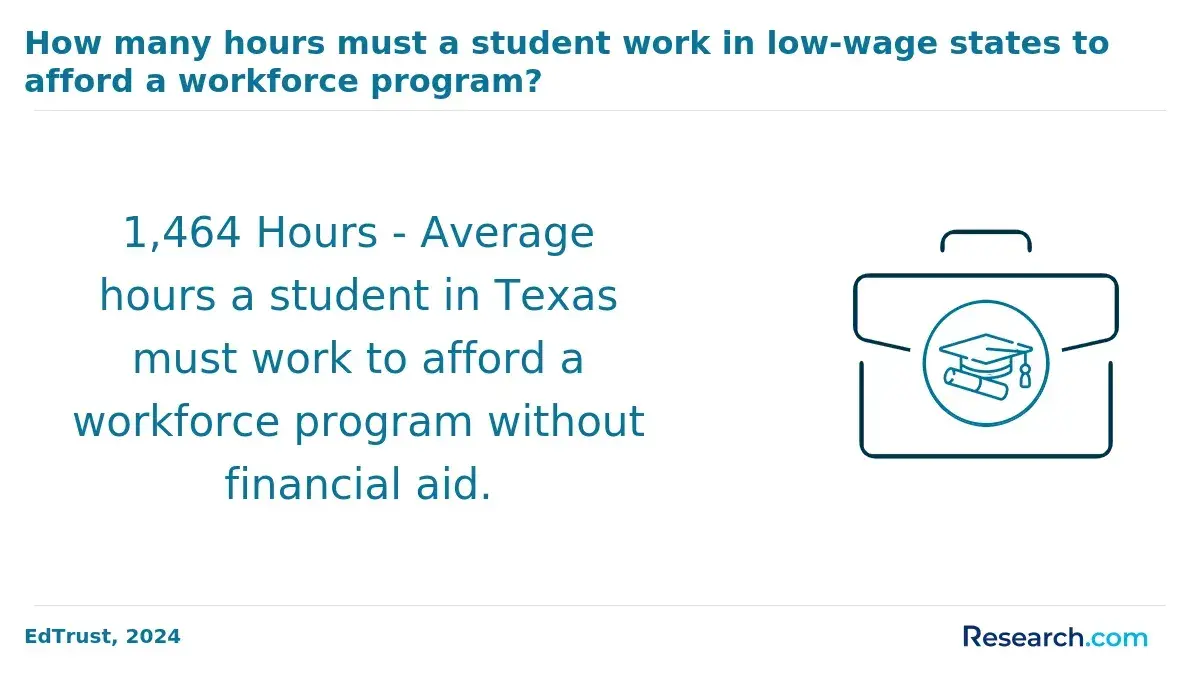
Net tuition for public full-time students averaged $14,560 after aid, with Pell Grants covering up to $7,395 yearly, highlighting how financial assistance influences enrollment decisions. Strategic planning around course load, financial aid, and professional requirements is essential to align degree completion with employer expectations and market realities in environmental science.
How much does an online environmental science degree cost?
Choosing an online environmental science bachelor's degree involves balancing tuition costs and practical training opportunities that directly affect employability. Tuition ranges widely-public institutions charge roughly $300 to $1,000 per credit depending on residency, while private schools often exceed $800 per credit. Additional annual fees, such as technology and lab materials, add between $500 and $2,000.
Yet sticker price alone doesn't capture the full financial impact when factoring in employer tuition assistance or federal aid, which can significantly reduce actual expenses. More importantly, students must weigh program structure against career outcomes. Programs offering structured internships or fieldwork provide critical hands-on experience that improves employability.
For example, data shows that environmental science graduates with at least one internship are 49% more likely to secure job offers and earn starting salaries 12% higher than non-interns. Conversely, lower-cost programs without experiential components may limit job readiness despite upfront affordability. Working professionals pursuing a strategic career pivot should assess the net cost after financial aid and consider living expenses during any unpaid internships.
Prioritizing programs that integrate practical experience with moderate tuition can lead to superior job prospects and salary returns, illustrating that real-world applicability drives value beyond sticker price.
- Tuition varies broadly between public and private institutions, affecting total cost.
- Employer and federal aid can reduce net costs substantially.
- Internships increase job offer likelihood by 49% and starting salaries by 12%.
- Choosing hands-on programs often yields better long-term outcomes than cheapest options.
What jobs can you get with an environmental science degree?
Environmental science graduates face a distinct divergence in career trajectories based largely on credential attainment. While entry-level roles such as environmental consultant, field technician, or remediation specialist focus on data collection, pollution management, and regulatory compliance, progression into higher-value positions frequently hinges on licensure or certifications like Certified Environmental Professional (CEP) or Licensed Site Remediation Professional (LSRP).
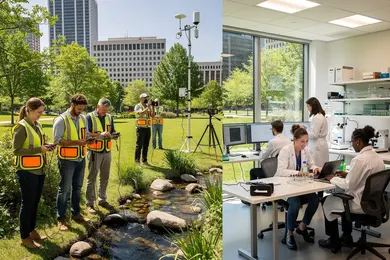
For example, an environmental consultant managing soil and water testing in a major urban redevelopment project must navigate federal environmental regulations, often requiring recognized credentials to credibly advise stakeholders and secure contracts. Without such certifications, professionals typically remain confined to operational tasks with limited strategic influence or pay growth.
Industry data indicates over 60% of environmental consulting firms rate certifications as critical for unlocking significantly higher billable rates and supervisory roles. This entails upfront investments in exams and experience, balanced against the longer-term payoff of expanded responsibilities and premium compensation.
Key considerations for prospective environmental science graduates include:
- Anticipating slower advancement and more routine assignments if foregoing licensure
- Weighing initial certification costs against access to project leadership and specialized technical roles
- Recognizing the role of credentials in legal and regulatory credibility during contract bids
These practical tradeoffs shape employment outcomes and influence when and how additional certification efforts fit into career planning.
What is the salary outlook for environmental consulting careers?
Income growth in environmental consulting heavily depends on specialization, leadership roles, and employer type rather than the mere possession of a bachelor's in environmental science. Median pay for environmental engineering managers in consulting hits $140,000 annually, with top earners exceeding $180,000. Yet, entry-level technicians often start between $60,000 and $75,000 at smaller regional firms, with salary increases stagnating without targeted skills or certifications.
Consider a scientist at a mid-size consulting company: those developing expertise in regulatory compliance, sustainability reporting, or GIS can transition within five to seven years into project management roles surpassing $100,000. Without these competencies, wage progression plateaus, underscoring the need for program choices that incorporate applied coursework and internships to fast-track relevant experience.
Long-term growth hinges on acquiring client management and regulatory navigation skills, which employers rank alongside scientific knowledge. Government and nonprofit sectors generally offer lower compensation, reflecting narrower project scopes, unlike large private firms handling infrastructure or energy work.
Effective career pivots require deliberate skill development in climate risk analysis or environmental impact assessment to avoid remaining confined to junior roles capped near $70,000. Graduates must weigh practical training and industry connections embedded in bachelor's programs to ensure alignment with consulting's evolving demands and enhance employability over time.
What certifications help environmental science graduates in consulting?
Credentials like Certified Environmental Professional (CEP) and Registered Environmental Manager (REM) offer palpable advantages for consulting roles by signaling expertise in environmental regulations, project oversight, and technical problem-solving. For example, a CEP is specifically relevant when complex site assessments and remediation compliance are priorities, while REM often correlates with leadership roles in sustainability-focused firms.
These certifications shape hiring decisions by differentiating candidates with demonstrable capabilities beyond academic credentials. State-specific licenses such as Licensed Environmental Professional (LEP) or Professional Geologist (PG) carry operational weight for consultants engaged in projects with localized regulatory demands. Holding such credentials expedites permitting processes and reporting accuracy, directly influencing project timelines and budgets.
Soft skills linked to diversity, equity, and inclusion (DEI) have become integral in environmental consulting, reflecting workforce demographic shifts. Representation of racial and ethnic minorities rose from 26% to 34%, and women's participation increased to 46%. Professionals with demonstrated DEI competencies often better navigate the complexities of client and agency engagement across diverse communities.
Complementary certifications like OSHA Safety Training and GIS specialization provide tangible operational benefits. OSHA credentials reduce fieldwork hazards, while GIS expertise enhances data analysis precision, both aligning closely with client expectations and regulatory standards in environmental consultancy workflows.
Other Things You Should Know About Environmental Science
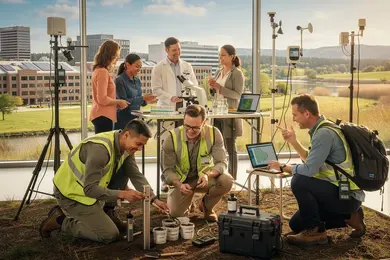
Fieldwork is a critical component of environmental science consulting, as employers expect practical experience in site assessments and environmental sampling. Many online programs require optional or local field sessions to meet this demand, but fully remote programs without any hands-on exposure put graduates at a disadvantage. When choosing an online degree, prioritize programs that integrate real-world practicum opportunities or partnerships with local agencies to build the applied skills consulting firms prioritize.
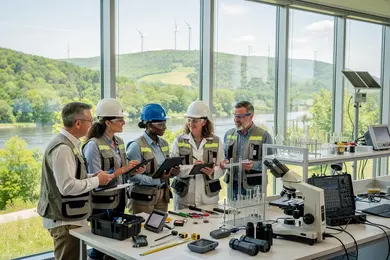
Environmental consulting careers demand both technical expertise-such as data analysis and GIS-and familiarity with environmental regulations. Graduates strong in technical skills but weak in regulatory frameworks may struggle with compliance-driven roles, while those focused on policy without technical depth may be limited to advisory positions. Programs that combine solid quantitative training with substantial coverage of laws and permitting processes provide stronger job readiness and flexibility for consulting employers.
Students should target OSHA 10-hour or 30-hour safety training, HAZWOPER 40-hour certification for hazardous-site work, and GIS credentials such as Esri’s ArcGIS certification. Employers often value these because consulting projects require field safety, mapping, sampling, and compliance reporting.
Part-time online study allows professionals to balance work and education but extends program completion time and intensifies workload over longer periods. This pacing requires strong time management and may limit the intensity of internship or practicum experiences employers value. When deciding, prioritize programs with flexible scheduling, credit for prior work experience, and support services that accommodate employed students to maintain momentum without sacrificing practical skill development.
References
- Become an Environmental Professional (EP) | ECO Canada https://eco.ca/designations/environmental-professional/
- Online Environmental Science Degree | BS Environmental Science | University of Phoenix https://www.phoenix.edu/online-liberal-arts-degrees/environmental-science-bachelors-degree.html
- What qualifications do you need to be an environmental consultant? | HSQE Consultancy https://hsqeconsultancy.co.uk/what-qualifications-do-you-need-to-be-an-environmental-consultant/
- What Can You Do With an Environmental Science Degree? https://willamette.edu/academics/college/environmental-science/career-options
- New Certifications https://www.nrep.org/certifications
- Top Certifications for Remote Environmental Jobs 2025 https://redrockconsultinggroup.com/top-certifications-that-help-you/
- Environmental Consultant Certifications: Best Credentials to Advance Your Career | Teal https://www.tealhq.com/career-paths/environmental-consultant-certifications
- Environmental Consultant Courses https://www.courses.com.au/career/environmental-consultant
- Online Environmental Science Degree | Programs & Career Options https://www.learnhowtobecome.org/best-online-bachelors-in-environmental-science-degree-programs/
- Online Environmental Science Degrees: Compare Schools https://www.degreesforgood.org/online-degrees/environmental-science/