2027 Environmental Science Careers That Reward Strong Data Skills

Co-Founder and Chief Data Scientist
Facing the urgent challenge of managing complex climate data to inform local policy, environmental scientists often confront fragmented datasets and evolving analytics demands that directly impact their ability to deliver actionable insights. A recent Department of Education report reveals a 23% increase in online environmental science enrollments since 2024, driven largely by adult learners seeking flexible pathways to integrate robust data analysis skills without pausing their careers.
This growth reflects a shift toward modular, career-adaptive education that aligns with fluctuating job market requirements and technological advances. This article examines environmental science careers emphasizing data expertise, guiding readers through education strategy and workforce realities to overcome these practical obstacles.
Key Things You Should Know
- Employers increasingly favor candidates with proficiency in advanced geospatial analysis and machine learning, as evident from a 2024 Bureau of Labor Statistics report showing 27% faster job growth for these specialists, raising skill-entry thresholds.
- Workforce data from the National Science Foundation reveals a tight candidate pool in environmental informatics roles, pressing firms to prioritize practical project portfolios over formal credentials, reshaping hiring norms.
- The median cost of specialized data science certifications increased 15% in 2025, delaying entry for career changers and forcing prioritization between full graduate degrees or targeted, high-impact technical credentials.
What environmental science careers most strongly value data analysis and quantitative skills?
Careers in environmental science requiring advanced data analysis skills increasingly favor professionals who combine domain expertise with strong quantitative capabilities. Environmental data scientists, climate modelers, and geospatial analysts demonstrate this trend, with data scientists standing out due to their proficiency in coding, machine learning, and statistical modeling.
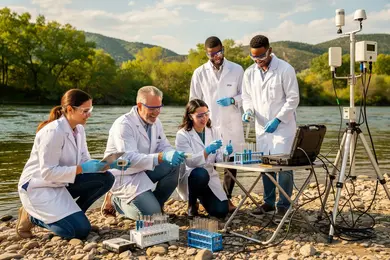
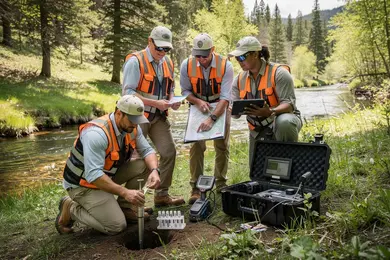
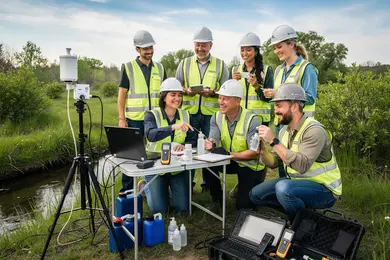
In May 2024, data scientists earned a median wage of $129,280, and their projected employment growth of 34% through 2034 significantly exceeds the 4% growth forecast for environmental scientists overall. Practical application of these skills can be seen in water resource management agencies, where data scientists analyze real-time sensor feeds to predict drought impacts and optimize responses.
This role demands fluency in programming languages such as Python or R and the ability to integrate diverse datasets, including satellite imagery and sensor networks. This example underscores the workforce implication that quantitative skills highly valued in environmental science jobs drive demand for interdisciplinary technical training.
Trade-offs exist for those considering this path. Traditional environmental science roles may offer slower wage growth and fewer openings compared to positions emphasizing deep analytical expertise. Prospective students must weigh the time and financial commitment required for graduate coursework or certificate programs specializing in data analytics, remote sensing, or environmental informatics.
For those exploring options, resources on the best online EHS programs provide a practical starting point to identify targeted educational pathways aligning with this evolving job market.
What degree in environmental science best prepares you for data-driven career paths?
A degree in environmental science oriented toward quantitative and interdisciplinary skills strongly influences employability in data-driven roles. Programs that integrate environmental statistics, spatial analysis, and programming languages such as R or Python outperform traditional routes, providing essential data science degrees for environmental science careers.
The median annual wage for environmental statisticians was $103,300 in May 2024, with a projected 9% job growth by 2034, reflecting demand for data proficiency over conventional environmental knowledge alone. Degrees specifically branded Environmental Data Science, Environmental Statistics, or Environmental Informatics equip graduates for roles like environmental modeler, decision scientist, or data analyst in sectors including climate risk and resource management.
Core coursework typically encompasses data visualization and machine learning applications in ecology, representing best environmental science degrees for data analysis jobs by emphasizing applied skills over theory. Programs lacking this quantitative rigor often require additional certification or graduate education, delaying workforce entry. For professionals making a mid-career pivot, those without formal training in data face hiring barriers and limited advancement opportunities.
Employers prioritize candidates able to independently extract, clean, analyze, and communicate complex datasets, reducing onboarding overhead. This pragmatic skill set is pivotal for roles in government, consulting, and NGOs. Individuals considering a career change from teacher to SLP or another field should similarly assess skill alignment and labor market signals; see teacher to SLP for a related transition perspective.
Which environmental science jobs offer the highest salaries for strong data skills?
Environmental data analysts command some of the highest salaries among environmental science jobs in the US for data skills, reflecting their unique ability to integrate complex statistical methods with domain expertise. This role demands fluency in programming languages such as R, Python, and SQL, alongside knowledge of remote sensing or IoT sensor datasets.
Employers highly value candidates who can clean, validate, and interpret large ecological datasets and communicate insights clearly to non-technical stakeholders. For example, a municipal water authority's data analyst may employ predictive models to forecast contamination risks, directly shaping public health policies. In contrast, energy-sector analysts leverage similar skills to optimize resource use and reduce emissions.
Employment growth for these professionals is projected at 6% through 2032, creating roughly 6,900 openings annually. Practical tradeoffs include the constant need for upskilling in evolving analytics tools and maintaining interdisciplinary agility. Those lacking advanced data skills risk slower advancement due to automation of routine tasks, whereas adept analysts gain strategic roles integral to resource management and compliance reporting.
Prospective students evaluating top-paying environmental science careers requiring strong data analysis should consider targeted education pathways emphasizing data science within environmental contexts. Those exploring related online exercise science degrees may benefit from interdisciplinary programs that combine rigorous data methodologies with applied sciences, facilitating broader career pivot options within STEM fields.
What core data, math, and technology skills do environmental science employers look for?
Employers hiring in environmental science consistently prioritize skills in data analysis, applied mathematics, and technology, especially Python programming and Geographic Information Systems (GIS). This combination enables professionals to interpret complex datasets critical for managing ecosystems, controlling pollution, and modeling climate change.
Jobs requiring "environmental science data analysis skills in the United States" frequently offer salaries 25-40% higher, reflecting real market demand for these competencies. Proficiency in statistical techniques such as regression analysis, spatial statistics, and time-series forecasting is essential to detect meaningful patterns in large datasets.
Python's ecosystem-including libraries like Pandas, NumPy, and SciPy-supports automation of data cleaning and model simulations, reducing project timelines. GIS tools like ArcGIS and QGIS facilitate layered spatial analysis for resource allocation and environmental risk assessments. Strong data fluency directly impacts employability and productivity, as professionals lacking it face longer project cycles and barriers in cross-disciplinary teams.
For many, building these technical skills requires targeted coursework or certifications that validate proficiency. Assessing key math and technology competencies for environmental science careers within educational choices can avoid skill gaps that hinder workforce integration. Those exploring advanced degrees should also consider programs that balance technical and environmental content effectively.
For instance, exploring a library science degree might seem unrelated, but data management principles there can complement environmental data skills in certain interdisciplinary roles.
How do online environmental science programs compare to campus options for data training?
The choice between online and campus-based environmental science programs hinges on practical application and workforce integration rather than curricular content alone. Online paths typically strengthen quantitative competencies-such as GIS and statistical software-using government and consortium datasets aligned with workforce needs.
This approach suits professionals aiming to upskill without career interruption but presents challenges in acquiring hands-on laboratory and fieldwork experience essential for sophisticated data interpretation, like ecological surveys or climate model adjustments. Climate data analyst roles demand proficiency with large, real-world datasets and collaborative problem-solving.
On-campus programs embed these competencies through multidisciplinary projects and direct mentorship, fostering teamwork and anomaly resolution scenarios. Online learners must pursue virtual internships proactively to approximate this experience, introducing logistical hurdles.
Salary growth from roughly $65,000-$80,000 at entry to $110,000-$140,000 at senior levels depends heavily on demonstrated data skills and applied project work. Employers often value tangible experience with data collection and analysis, favoring graduates with immersive engagements typically found in campus environments. Conversely, online formats offer efficient reskilling for mid-career professionals but require deliberate efforts to build practical exposure.
Decision-makers should evaluate specific program features including dataset accessibility, project structures, and employer ties rather than modality alone. This nuanced scrutiny clarifies which pathway better supports employability and income potential within environmental data roles.
What environmental science coursework builds advanced data analytics and modeling expertise?
Advanced data analytics within environmental science demands specialized academic preparation beyond basic coursework. Programs that integrate spatial statistics, GIS, machine learning, and environmental data management-emphasizing coding in Python and R-better position students for hands-on challenges, such as urban air quality forecasting or optimizing green infrastructure.
Without exposure to these applied skills, graduates often face difficulty transitioning into roles requiring multi-sectoral impact assessment or complex urban sustainability modeling. Practical experience with real datasets from government or academic sources is critical to bridge theory with operational competence. For instance, remote sensing and environmental informatics courses train students to interpret satellite imagery and sensor network data effectively.
As analysts increasingly leverage cloud computing and data pipelines to scale projects, absence of these capabilities can cause operational delays and limit employability in municipal or regional environmental monitoring roles. Workforce statistics indicate that urban environmental analysts can expect salary progression from roughly $55,000-$70,000 at entry level to $90,000-$120,000 at senior levels, reflecting demand for professionals who translate complex data into actionable urban planning insights.
Supplementary coursework in environmental economics and policy modeling further equips candidates to navigate decision-making frameworks, improving their ability to influence policy and project outcomes. Students should prefer programs offering internships or partnerships granting access to large datasets and advanced analytics software-key factors that reduce the gap between academic theory and the workforce realities of environmental science.
How long do environmental science degrees take, and what do they typically cost?
Choosing an environmental science degree demands weighing the financial and temporal costs against tangible market outcomes. A typical bachelor's requires four years, with in-state tuition at public universities ranging from $10,000 to $40,000 annually, while private institutions can demand $30,000 to $60,000 per year. For professionals aiming to pivot or advance with data analytics expertise, master's programs add 1.5 to 2 years and cost between $20,000 and $50,000 annually, depending on delivery format and institution.
Employers in consulting, government, and resource management increasingly seek candidates combining environmental science fundamentals with advanced data skills, such as geospatial analysis or programming. Graduates who integrate data science coursework or acquire certificates in environmental informatics often reduce time and cost compared to standalone graduate degrees while maintaining competitive salary prospects.
Without these advanced quantitative skills, graduates risk limited access to higher-paying roles where complex data informs environmental policy decisions and remediation efforts. Environmental scientists with strong analytics competence averaged $84,845 in salary, with the top 10% earning above $134,830, illustrating the economic premium linked to data proficiency.
Prospective students must critically assess educational pathways against long-term earnings trajectories and sector demands, replacing simplistic degree choices with strategies that optimize skill acquisition, cost efficiency, and timely labor market entry.
How can you verify accreditation and program quality for environmental science degrees?
Choosing an environmental science degree without verified accreditation can limit federal employment prospects and salary potential. Accreditation from bodies approved by the U.S. Department of Education or CHEA confirms that programs meet essential academic standards. Specialized accreditation like ABET is particularly relevant for programs with significant data science or technical components.
Employers in federal agencies typically prefer graduates from accredited programs featuring robust training in statistics, GIS, and remote sensing, with mean salaries for environmental scientists reaching around $103,180-substantially above the occupational median of $80,060 reported by the U.S. Bureau of Labor Statistics. This wage premium reflects demand for candidates skilled in data analysis within environmental contexts.
Prospective students should request detailed data on:
- Graduation rates and alumni employment sectors
- Internship opportunities aligned with federal or industry partners
- Faculty research activity and government advisory roles
Failure to verify accreditation or evaluate program outcomes risks barriers to top-tier jobs and narrowing salary growth. Checking accreditation databases and analyzing program metrics enables realistic assessment of a degree's value in accessing leading roles focused on environmental data science. This approach equips candidates to align education with workforce demands, avoiding the pitfalls of unrecognized credentials.
What is the job outlook for data-oriented environmental science careers in the United States?
Data-driven environmental science roles are expanding faster than many other science fields, with a projected 5% growth through 2031 in the U.S. labor market. This growth is propelled by regulatory pressures and corporate sustainability requirements demanding advanced expertise in geospatial analysis, machine learning applied to ecological data, and fluency in statistical programming languages like Python and R.
Candidates who master these skills position themselves within the top 15% of earners, with median salaries exceeding $90,000 annually according to Occupational Employment Statistics. Yet, moving into these roles often hinges on practical experience with large-scale environmental datasets, such as those from EPA monitoring or NOAA climate models.
For mid-career professionals seeking a transition, participating in targeted internships or collaborative projects with agencies offers critical exposure that complements formal education. Without this, progression stalls despite academic credentials. International salary benchmarks further clarify the competitive landscape: OECD environmental data scientists command tax-exempt monthly salaries of around 6,852 EUR under French regulations.
The practical tradeoff for environmental data specialists lies between deep technical skills and broader policy fluency. Professionals able to marry these competencies unlock leadership opportunities with greater job stability and influence in environmental solutions.
Are there certifications or licenses that enhance data-focused environmental science careers?
Credentials in environmental science data roles function less as optional badges and more as filters that determine professional trajectory and eligibility. For instance, the Certified Environmental Data Manager (CEDM) certification confirms expertise in managing complex environmental datasets-a capability routinely scrutinized in regulatory-heavy regions like Sacramento County, where environmental data drives compliance with air quality standards.
Without such certifications or state-issued licenses, candidates often hit a ceiling, limited to data collection or entry roles lacking analytical responsibility. Licenses aligned with specific frameworks-such as state environmental analyst certifications or EPA-recognized credentials-are often prerequisites for employment in agencies or approval of projects.
A professional handling air quality monitoring in California must navigate the Air Resources Board's requirements, where licensed credentials indicate both legal and technical proficiency. Prospective candidates should consider how certification curricula align with prevalent tools like GIS, remote sensing, and environmental informatics used regionally.
The investment of time and cost in credentials needs to be weighed against potential job market segmentation, as certifications carry greater weight in administrative and analytical occupations than in purely operational roles. In geographical clusters dense with environmental data work-especially government and consulting sectors-holding recognized licenses facilitates mobility and eases credential acceptance.
Other Things You Should Know About Environmental Science
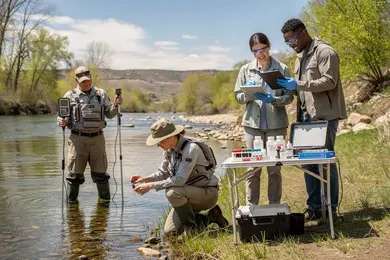
Environmental science roles often demand a mix of outdoor fieldwork and extensive data analysis, which can create significant scheduling and workload conflicts. Fieldwork typically involves unpredictable hours and physical demands, while data analysis requires focused, uninterrupted time for complex tasks. Candidates should evaluate jobs based on their personal strengths and lifestyle preferences, prioritizing positions that align with their capacity to manage both rigorous data tasks and field obligations without compromising performance in either.
Employer expectations vary markedly between government agencies, private consultancies, and nonprofits in the environmental sector. Government roles often emphasize standardized data reporting and regulatory compliance, which can limit innovation but provide steady skill application. In contrast, private firms may demand advanced predictive modeling and novel analytics but expect faster turnaround and adaptability. Choosing an employer requires weighing the value of stable, routine data work against more dynamic but pressure-intensive environments for skill growth.
Environmental scientists most often use ArcGIS for spatial analysis, R for statistics, Python for automation and modeling, and Excel for data cleaning. Many employers also expect familiarity with SQL and remote-sensing platforms such as Google Earth Engine, especially for air, water, and climate monitoring work.
References
- Higher Education Accreditation | North American Association for Environmental Education https://naaee.org/programs/higher-education-accreditation
- GIS Specialist / Environmental Data Analyst - Waterborne Environmental https://waterborne-env.com/gis-specialist-environmental-data-analyst/
- Climate Data Scientist Jobs: The Ultimate Career Guide https://www.peopleinai.com/blog/climate-data-scientist-jobs
- Online Environmental Science Degrees: Compare Schools https://www.degreesforgood.org/online-degrees/environmental-science/
- 10 Skills Every Data Scientist Needs - Intuit Blog https://www.intuit.com/blog/innovative-thinking/data-science-skills/
- Environmental Science Jobs https://unity.edu/careers/environmental-science-jobs/
- Exciting Climate Data Analyst Roles: Your Path to Impact https://enable.green/esg-roles/sustainability-and-esg-careers/climate-data-analyst-job-description/
- Four Key Certifications to Enhance Your Environmental Remediation Career - The Planet Group https://www.theplanetgroup.com/blog/enhancing-your-career-in-environmental-remediation-four-key-certifications
- Uncovering Data Science: Skills, Careers and Education https://www.databricks.com/blog/uncovering-data-science-skills-careers-and-education
- Environmental Science - ABET https://www.abet.org/accreditation/new-and-developing-program-areas/environmental-science/