2027 Top Industries Hiring Interior Design Graduates: Demand, Pay, and Growth Trends

Co-Founder and Chief Data Scientist
Picture a recent interior design graduate weighing career options, eager to find a path that offers steady demand and solid pay. The challenge lies in pinpointing which industries actively recruit interior design talent and understanding how salary ranges and job growth vary across sectors. Without clear insights, graduates risk pursuing fields with limited opportunities or stagnant compensation, which can stall long-term career progress.
Knowing where interior design graduates are hired, how their earning potential shifts by industry, and which sectors are expanding fastest empowers students to tailor their skills strategically. This article explores the industries employing the most interior design graduates, highlights where salaries peak, identifies areas with the strongest job growth, examines evolving employer expectations, and offers guidance on aligning skills with the most promising career paths.
Key Things to Know About the Top Industries Hiring Interior Design Graduates
- Commercial real estate and hospitality employ over 40% of interior design graduates, reflecting sustained demand tied to urban development and experiential retail trends.
- Healthcare and senior living design sectors report 8% faster salary growth, indicating strong financial incentives aligning with demographic shifts in patient-centered environments.
- Post-2023 data shows rising employer demand for sustainable design expertise, signaling a shift that influences curriculum relevance and graduate competitiveness.
- Key Things to Know About the Top Industries Hiring Interior Design Graduates Key Things to Know About the Top Industries Hiring Interior Design Graduates
- Which Industries Hire the Most Interior Design Graduates? Top Industries
- Which Industries Offer the Highest Salaries for Interior Design Graduates? Highest Salaries
- Which Industries Have the Fastest Growth for Interior Design Careers? Growth Trends
- Which Employers Commonly Recruit Interior Design Graduates? Top Employers
- Which Skills Are Most In Demand Across Interior Design Industries? In-Demand Skills
- How Do Career Paths Differ Across Industries for Interior Design Graduates? Career Paths
- How Do Industry Trends Affect Future Opportunities for Interior Design Graduates? Industry Trends
- How Can Students Prepare for High-Demand Interior Design Industries? Career Preparation
- How Do Different Interior Design Degree Programs Prepare Students for Industry Careers? How Do Different Interior Design Degree Programs Prepare Students for Industry Careers?
- Which Industry Is the Best Fit for Your Interior Design Career Goals? Which Industry Is the Best Fit for Your Interior Design Career Goals?
Which Industries Hire the Most Interior Design Graduates?
Employment trends for interior design graduates indicate that certain sectors dominate hiring due to their sustained demand for well-rounded design expertise. The diverse nature of interior design roles means graduates can find opportunities ranging from large-scale architectural collaboration to specialized consulting.
Notably, U.S. Bureau of Labor Statistics data from 2024 shows that about 40% of interior design-related jobs concentrate in a handful of industries known for their consistent recruitment and growth potential.
The following list outlines the top industries hiring interior design graduates and explains the rationale behind their ongoing demand:
- Architectural Firms: These firms are primary employers of interior design graduates because they integrate interior elements with building architecture, focusing on functional, sustainable spaces. Designers here often work on large construction or remodeling projects, balancing aesthetics with engineering constraints, making it appealing to those interested in comprehensive design processes.
- Specialized Design Services: Interior design studios and consulting agencies serve a range of sectors including residential, commercial, and hospitality. These businesses hire graduates seeking creative autonomy and the chance to develop custom solutions. The demand for innovative, client-driven interiors supports steady job growth in this sector.
- Corporate Offices: Employers in technology, finance, and professional services increasingly invest in ergonomic and flexible work environments to boost employee well-being and productivity. Interior design graduates help shape these spaces, addressing both functionality and aesthetics, which reinforces this sector's role as a significant recruiter.
- Retail Industry: Retailers rely on interior designers to create immersive experiences that emphasize brand identity and customer engagement. With consumer behaviors shifting toward experiential shopping, designers craft store layouts and visual merchandising that differentiate brands and enhance sales potential.
- Healthcare Facilities: Hospitals, clinics, and eldercare centers require interior designers to improve patient comfort while adhering to strict regulatory guidelines. These roles blend creativity with specialized knowledge, providing graduates with meaningful and stable employment options.
For students evaluating career options, understanding these top industries hiring interior design graduates helps align educational choices with sectors offering robust employment demand. Salary prospects and job satisfaction often reflect the complexity and impact of work across these fields. Additionally, those considering certification can explore certificates online that complement interior design skills and expand career opportunities.
Which Industries Offer the Highest Salaries for Interior Design Graduates?
Salary variations across industries for interior design graduates stem from differences in project complexity, technical demands, and regulatory environments. Sectors that integrate advanced technical skills, specialized knowledge, or require compliance with strict codes tend to offer higher compensation. Additionally, industries with larger budgets and higher stakes for visual and functional outcomes typically pay more.
Recognizing where these demanding roles exist can guide graduates in targeting sectors with stronger salary potential and career resilience. Below are the industries that frequently top the list for highest paying positions in interior design careers:
- Architectural and Engineering Services:The top salary trends in interior design careers often highlight architectural and engineering services as a leading industry. Interior designers in this sector collaborate closely with architects on high-profile commercial and residential projects, demanding precision in both aesthetic and functional elements. Median annual wages here surpass $70,000, reflecting the premium earned for technical integration and design innovation, according to recent U.S. Bureau of Labor Statistics data.
- Furniture Manufacturing and Specialized Retail:This sector offers competitive salaries typically ranging from $60,000 to $68,000, fueled by a need for creativity combined with technical knowledge. Interior designers here contribute to product development and design innovation, often linking compensation to successful launches or retail performance. The blend of artistry and manufacturing expertise makes this an attractive option for graduates seeking above-average pay with creative engagement.
- Healthcare and Institutional Facilities:Specialized interior design roles focused on patient-centric, ergonomic, and regulatory-compliant environments generate salaries often exceeding $65,000 annually. This sector's growing demand is driven by increased healthcare infrastructure investments and the need to meet evolving standards in accessibility and infection control. Expertise in this area not only commands higher wages but also provides stability in a market sensitive to public health priorities.
Prospective interior design professionals should weigh the benefits of targeting industries where specialized expertise is rewarded with higher pay against the unique challenges those sectors present, including ongoing professional development and stringent regulatory compliance.
For those interested in a robust education path that supports such specialization, exploring accredited programs like CACREP can provide foundational skills that enhance career flexibility and salary prospects.
Which Industries Have the Fastest Growth for Interior Design Careers?
Industry growth patterns provide critical insight for Interior Design graduates weighing which career paths offer stability and advancement. Employment prospects vary widely across sectors, influenced by evolving societal needs, regulation, and economic conditions. Recognizing where demand accelerates allows graduates to focus skill development and networking efforts more strategically.
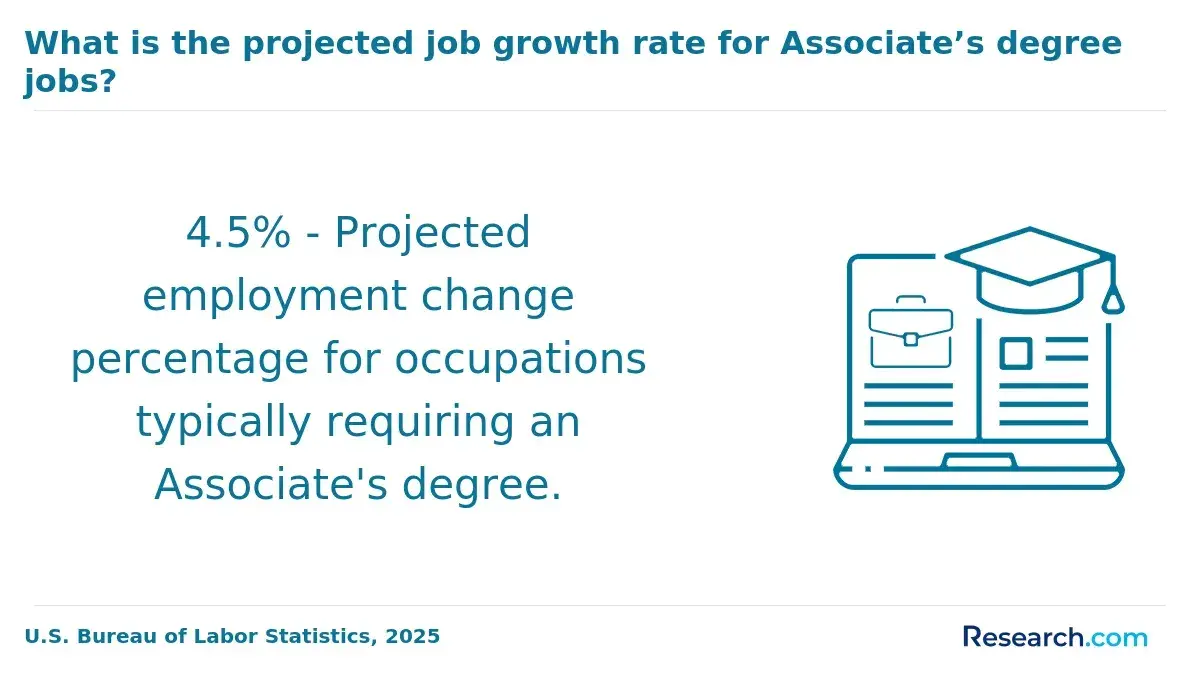
Official projections from the U.S. Bureau of Labor Statistics estimate a 7% growth rate for interior design occupations through 2024, but this average obscures pronounced advances in certain fields.
Below are key industries poised for the fastest expansion in Interior Design careers:
- Healthcare environments:The healthcare sector leads in demand due to widespread facility upgrades and expansions emphasizing patient wellness and infection control. Designers with expertise in healthcare regulations and evidence-based spatial planning contribute to safer, more efficient care settings. Rising investment in medical infrastructure, driven by aging populations and public health priorities, sustains this growth.
- Commercial real estate:Hybrid work models are reshaping office design, requiring flexible, tech-enabled spaces that balance collaboration with health protocols. Interior designers here craft adaptable layouts integrating advanced lighting, acoustics, and ergonomics. Economic recovery and corporate restructuring amplify demand for these innovative environments.
- Residential remodeling:Demographic shifts, including aging homeowners seeking accessibility and younger buyers seeking sustainability, fuel remodeling needs. Interior designers skilled in energy-efficient materials and smart-home technologies find expanding opportunities in retrofitting and custom projects aligned with eco-conscious values.
- Hospitality sector:Despite challenges from virtual alternatives, hotels and leisure venues rebound with demand for experiential interiors that heighten guest satisfaction. Design roles often focus on immersive aesthetics and comfort to differentiate properties in a competitive landscape.
A recent graduate recalled weighing a job offer from a commercial real estate firm amid competing opportunities in residential remodeling. Uncertain about long-term prospects, the graduate researched industry growth rates and concluded that commercial projects, with their integration of cutting-edge technology and evolving workplace norms, offered broader potential for creative innovation and financial stability.
Taking the commercial design role proved challenging initially, navigating complex client demands, but ultimately rewarding as the graduate contributed to creating dynamic, future-ready office environments. The experience underscored how aligning industry trends with personal interests can transform uncertainty into clearer career direction.
Which Employers Commonly Recruit Interior Design Graduates?
Recognizing which types of employers actively recruit interior design graduates helps align academic focus, hands-on experiences, and job search tactics with sectors demonstrating stable or growing demand. Hiring trends fluctuate by subfield, location, and prevailing industry dynamics, making it essential for students and new professionals to calibrate expectations accordingly.
For example, a graduate targeting sustainable design in urban areas may find different opportunities than a peer specializing in retail environments in suburban markets.
The following list highlights employer categories that consistently absorb interior design talent based on 2024 workforce data and sector analyses:
- Architectural and Construction Firms: These organizations remain the leading employers of interior design graduates, frequently recruiting designers to integrate functional aesthetics into building projects. Roles often emphasize space planning, material selection, and collaboration with architects and engineers. Their sustained demand is rooted in ongoing development projects and a growing emphasis on sustainable, human-centered environments.
- Real Estate and Property Management Companies: Companies in this sector leverage interior designers to boost property appeal and market value. Graduates may work on residential developments, staging commercial spaces, or tenant-focused renovations, making these employers ideal for designers interested in strategic, market-driven applications of their skills.
- Hospitality Industry: Hotels, resorts, and event venues recruit interior design graduates to enhance guest experiences through innovative interiors that combine comfort, brand identity, and operational efficiency. This sector provides opportunities to work on diverse projects ranging from boutique hotels to large convention centers, offering rich variety for designers seeking dynamic environments.
- Retail and Product Layout Firms: Designers in this arena focus on optimizing customer flow and brand presentation within physical stores and showrooms. This category appeals to graduates interested in the intersection of commercial strategy and experiential design, requiring an understanding of consumer behavior alongside spatial aesthetics.
- Healthcare and Educational Institutions: Emerging as significant employers, these institutions pursue interior design talent to craft environments that support well-being, safety, and learning outcomes. Using evidence-based design approaches, graduates can engage with projects that balance regulatory compliance and human-centric innovation, often amid growing investments in these sectors.
Which Skills Are Most In Demand Across Interior Design Industries?
Skill sets that maintain relevance across multiple interior design industries do so because they address both the technical complexity and human-centered demands of contemporary projects. Employers emphasize abilities that enable graduates to navigate evolving software, sustainability standards, and cross-disciplinary collaboration.
Developing such competencies not only helps meet immediate job requirements but also provides adaptability as sectors like healthcare, commercial real estate, and hospitality introduce new challenges. Balancing these technical with transferable skills is crucial for long-term career sustainability in a competitive labor market.
Here are the key competencies employers seek in interior design graduates that consistently enhance employability across diverse industries:
- Advanced Design Software: Mastery of tools such as AutoCAD, Revit, SketchUp, and Adobe Creative Suite is essential for creating precise plans and 3D models. Interior design programs must integrate these platforms extensively, as proficiency accelerates project workflows and supports innovations in digital visualization.
- Sustainable Design Knowledge: Understanding energy efficiency, green certifications like LEED, and eco-friendly materials is increasingly prioritized. Designers who apply sustainable principles align with industry trends and regulatory codes, expanding opportunities in real estate development and corporate projects.
- Strong Communication Skills: Clear interaction with clients, contractors, and architects ensures design intent is realized efficiently. Interior design graduates develop this competency through presentation projects and interdisciplinary teamwork, critical for reducing costly misunderstandings in high-stakes environments.
- Critical Thinking and Problem-Solving: Responding quickly to budgetary limitations, site constraints, or client feedback requires adaptive reasoning. These skills empower designers to innovate under pressure, a frequent scenario in commercial and healthcare settings where flexibility drives success.
- Project Management Abilities: Organizing timelines, budgets, and resources becomes vital, especially in large-scale or corporate projects. Exposure to real-world project coordination, whether through internships or coursework, prepares graduates to manage complex deliverables.
- Cross-Cultural Awareness: Designing for diverse populations, notably in hospitality and healthcare, demands sensitivity to varied user experiences. This skill enhances customer-focused design, a growing emphasis supported by organizations like the National Kitchen & Bath Association.
- Digital Fluency Combined with Interpersonal Effectiveness: Bridging technical expertise with team collaboration enables designers to thrive in multidisciplinary settings. Graduates cultivating this balance remain competitive as industries continue to integrate technology and client engagement at unprecedented levels.
According to the U.S. Bureau of Labor Statistics and ASID, over 70% of employers prioritize both technical skills for interior design professionals and strong transferable competencies when hiring graduates.
For students exploring pathways to strengthen these skills, researching programs recognized among the best construction management schools can provide valuable insights into project-focused education that complements interior design expertise.
How Do Career Paths Differ Across Industries for Interior Design Graduates?
Choosing the right industry after earning an interior design degree can influence career growth as significantly as the training itself. Different sectors emphasize distinct skills, offer diverse advancement routes, and reward specific forms of expertise depending on their operational needs and market dynamics. For example, some industries prioritize technical certifications and specialized knowledge, while others value adaptability and multidisciplinary experience.
Understanding these variations helps graduates align their ambitions with realistic career outcomes. Here are key ways career paths differ across industries for interior design graduates:
- Industry Stability and Demand:The architecture and building sectors maintain steady demand and structured growth, often leading from junior design roles to senior project management. In contrast, hospitality and retail fields, revitalized post-pandemic, provide quicker entry points but greater employment volatility and less predictable career trajectories.
- Skill Specialization:Technical expertise in sustainable or smart building technologies significantly benefits those in traditional construction-related roles, while hospitality designers rely more on client relations, event planning, and spatial adaptability, favoring versatile and problem-solving skills.
- Regulatory Complexity:Healthcare and educational facility design require deeper knowledge of compliance and occupant well-being, leading to higher salary growth but potentially narrower mobility without additional certifications.
- Career Progression Speed:Advancement in established sectors often depends on accumulating credentials and experience, making progress relatively linear. By contrast, sectors like retail and hospitality allow faster promotions but with less predictable paths, demanding flexibility over formal titles.
- Work Environment Flexibility:Entrepreneurial and freelance interior designers experience higher income variability but benefit from greater creative control and adaptable schedules, appealing to those who prioritize independence over guaranteed stability.
- Economic Influence:Industry growth rates directly affect job availability and salary potential. According to the National Institute of Building Sciences, healthcare and education design roles have seen above-average salary increases in 2024 due to rising project complexities and societal emphasis on safe, healthy environments.
- Long-Term Career Viability:Graduates seeking diverse skills and broad sector experience may find hospitality and retail more accommodating, while those aiming for depth and technical mastery often favor architecture-related fields or specialized niches, each path shaping future employability differently.
How Do Industry Trends Affect Future Opportunities for Interior Design Graduates?
Industry trends critically shape the career landscape for interior design graduates by influencing which skills are valued and where job growth occurs. As market priorities shift, so too do the roles that graduates will likely fill and the sectors where they can expect stronger demand. These dynamics underscore the importance of aligning education and career planning with real-world developments rather than static notions of the profession.
According to the U.S. Bureau of Labor Statistics (2024), employment in interior design is expected to grow about 5% through the next decade, indicating steady opportunities with varying degrees of competition across specialties.
Key trends driving this evolution include:
- Sustainable Design Integration:The growing emphasis on eco-friendly building practices and green certifications is expanding demand for designers familiar with sustainable materials and environmental impact standards. This trend encourages graduates to acquire expertise in energy-efficient solutions and regulatory compliance to remain competitive.
- Technology Collaboration:Projects involving smart homes and offices require interior designers to partner with IT and automation professionals. Graduates who understand how to create seamless, technology-enabled environments position themselves well for roles in commercial real estate and application-driven design sectors.
- Healthcare Environment Focus:The healthcare industry's need for thoughtfully designed spaces that promote patient wellness and ergonomics is intensifying. Interior designers with specialized knowledge of therapeutic settings can find niche opportunities in hospitals, clinics, and wellness centers where design directly affects outcomes.
- Commercial Real Estate Development:Expansion in retail, office, and mixed-use spaces sustains a baseline demand for designers with skills in functional, scalable commercial environments. This sector rewards those adept at balancing aesthetic goals with practical operational requirements.
One interior design graduate shared that, early in their career, they hesitated to specialize beyond residential projects despite noticing market buzz around sustainable design. After attending industry workshops and gaining practical experience in green building standards, they secured a position on a commercial team focused on LEED-certified offices.
This shift not only broadened their skill set but also increased their job stability as demand for sustainable commercial interiors grew. Their experience illustrates how adapting to emerging industry trends can transform initial uncertainties into advantageous career decisions.
How Can Students Prepare for High-Demand Interior Design Industries?
The strongest employment opportunities for interior design graduates lie within specialized industries such as commercial design, healthcare, hospitality, and sustainable design. Success in these areas requires strategic preparation that goes beyond classroom theory, focusing equally on practical experience and targeted skill development.
According to a 2024 report by the U.S. Bureau of Labor Statistics, more than 60% of interior design graduates who completed internships or cooperative education placements secured employment within six months of graduation.
Below are essential strategies students should consider to align with the highest-demand interior design careers:
- Targeted Internships: Seek internships in industries like healthcare or sustainable design where regulations and environmental concerns dictate project scope. This real-world exposure helps refine compliance skills and portfolio relevance.
- Technical Software Mastery: Develop proficiency in platforms such as AutoCAD, Revit, and emerging VR tools. Mastery of these applications correlates with higher starting salaries and faster advancement, evidenced by recent findings from the American Society of Interior Designers.
- Multidisciplinary Collaboration: Engage in projects involving architects, engineers, and clients to build communication and team problem-solving skills. Adaptability gained through these experiences is highly valued across complex design sectors.
- Professional Networking: Participate actively in industry organizations, attend conferences, and pursue mentorships. These connections provide access to trends and job openings that often remain unadvertised.
- Regulatory Familiarity: Build knowledge of local codes and standards specific to healthcare and commercial projects. Understanding legal frameworks early positions students as indispensable hires.
- Portfolio Diversification: Include a variety of projects showcasing sustainable design principles and technology integration. A robust, diverse portfolio signals readiness for evolving market demands.
- Continuous Learning: Commit to ongoing education through workshops, certifications, or specialized courses, particularly in rapidly evolving areas like virtual reality design tools.
Students preparing for high-demand interior design careers can leverage these approaches to differentiate themselves in competitive fields. For those considering cost-effective educational paths, reviewing options like cheap online colleges can provide access to quality instruction without excessive financial burden.
How Do Different Interior Design Degree Programs Prepare Students for Industry Careers?
Different interior design degree programs prepare students with varying emphases on technical skills, creative development, and industry-specific knowledge. A critical factor separating programs is how well they integrate practical experience with theoretical learning, which significantly influences industry job readiness from interior design education.
The latest data from the National Association of Schools of Art and Design reveals that programs combining studio work with coursework in building codes, sustainability, and digital modeling improve graduate employability by nearly 30%.
Factors to consider when comparing programs include the following:
- Technical Proficiency: Depth of training in tools like AutoCAD, Revit, and 3D rendering varies widely. Programs offering extensive software use better position students for sectors like commercial and residential design, where digital competency drives efficiency and innovation.
- Hands-On Experience: Internship availability and collaborative projects with industry partners vary and correlate strongly with smoother job placement. Graduates with real-world exposure adapt faster to sector-specific roles such as hospitality or healthcare design.
- Curriculum Relevance: Programs that continuously update content to cover green design principles and energy-efficient materials align better with emerging sustainability trends and future-proof career options.
- Industry Connections: Strong partnerships with employers influence access to job opportunities and mentorship, particularly in niche markets like corporate interiors or specialty retail design.
- Project Management Skills: Integration of client communication and team leadership training prepares graduates for complex, multidisciplinary projects common in real workplaces.
- Accreditation and Recognition: Completing an accredited program enhances credibility and often serves as a prerequisite for licensing, crucial for long-term career growth.
- Program Length and Structure: Options such as accelerated paths or 1 year MBA programs tied to design management are worth evaluating for students seeking to combine design with business leadership skills.
Ultimately, no single program universally prepares students for every industry niche equally well. Prospective students should assess their intended career path and prioritize programs that offer the blend of creative, technical, and experiential learning best suited to their goals.
Which Industry Is the Best Fit for Your Interior Design Career Goals?
The "best" industry for an interior design career varies based on individual priorities such as preferred work environment, career advancement potential, specialization interests, earning expectations, lifestyle preferences, and desired impact. For example, one graduate may pursue residential and commercial real estate to engage in large-scale sustainable projects with broad growth prospects, while another might focus on healthcare design to apply specialized skills creating patient-centered spaces that command higher salaries.
Both paths reflect valid choices aligned with different personal goals rather than a universal industry ranking, acknowledging that values like job stability or creative challenge shape decisions.
Students can make informed industry choices by researching employer expectations, projected growth sectors, necessary skills, internship availability, and long-term advancement opportunities. The U.S. Bureau of Labor Statistics and the American Society of Interior Designers (ASID) 2024 data reveal that priorities such as salary, work environment, and job security heavily influence graduate preferences.
Matching these external factors with self-assessed strengths and passions enables career pathways across multiple industries-from corporate offices offering economic stability to healthcare design providing specialization and rewarding compensation-highlighting that successful careers stem from this personalized fit rather than simply chasing the highest-paying or fastest-growing field.
References:
- Careers in Interior Design - The Ultimate Guide | NYIAD https://www.nyiad.edu/design-articles/career-guides/interior-design
- Interior Designers Career Guide: Salary, Skills, Education & Job Outlook https://www.assessment.com/arts-and-design-careers/interior-designers
- What is a Interior Designer? - Career Insights | Teal https://www.tealhq.com/career-paths/interior-designer
- What Happens After Completing an Interior Design Course? First 5 Career Steps - nifd https://nifd.net.in/what-happens-after-completing-an-interior-design-course-first-5-career-steps/
- How nine interior designers got their jobs (plus their advice for someone hoping to do the same) https://www.houseandgarden.co.uk/gallery/how-to-become-an-interior-designer-career-advice
- Graduate Interior Designer Jobs | Architecture Social https://architecturesocial.com/jobs/interior-design/graduate-interior-designer/
- Graduate Interior Designer Jobs UK | Entry-Level Roles https://hauscareers.com/jobs/interior-design/graduate-interior-designer/
- Interior Design Skills: From Soft Skills to Artificial Intelligence - BibLus https://biblus.accasoftware.com/en/top-interior-design-skills-for-success/
- Design Your Future: Interior Design Jobs And Career Insights https://interiordesign.net/interior-design-jobs-and-career-insights/
- Business of Home Interior Design Jobs https://businessofhome.com/jobs
Other Things You Should Know About Interior Design
The scope and scale of projects can differ vastly between industries such as residential, commercial, and hospitality design. Graduates entering industries with larger, multi-stakeholder projects may face more complex workflows and longer timelines, which demands stronger project management skills. Conversely, industries with smaller-scale projects often allow for greater creative control and faster iteration, but may offer fewer opportunities to work on diverse, large portfolios early in one's career. Understanding this tradeoff helps graduates prioritize industries aligned with their desired pace of learning and work-life balance.
Some industries, like corporate interior design, emphasize technical skills such as compliance with regulations and spatial efficiency, while others, including retail or experiential design, prize creative innovation and trend-forward aesthetics. Graduates must weigh whether to invest early in honing technical competencies or creative ideation based on the targeted industry. Prioritizing technical mastery may facilitate entry into highly regulated fields but could limit initial creative freedom, whereas focusing on innovation may accelerate portfolio development but complicate navigation of strict industry standards.
Salary growth in some industries follows a more linear, incremental path often linked to years of experience and credentials, such as government or institutional design sectors. Meanwhile, industries like tech or boutique firms may offer less predictable but potentially higher earnings tied to project success or client acquisitions. Graduates should assess if they prefer steady financial growth with a clear ladder or a more entrepreneurial approach with variable income potential. This choice affects job stability, risk tolerance, and the urgency to build supplementary skills such as business development.
While core design principles remain universal, the degree to which specific software skills influence hiring varies significantly. For instance, architectural firms might prioritize BIM and CAD competency, whereas event or set design may value 3D rendering and visualization tools. Graduates should prioritize mastery of software prevalent in their preferred industries to improve employability and reduce on-the-job training time. Investing early in targeted software proficiency can differentiate candidates and accelerate career advancement within specialized sectors.