2027 Entry-Level Hiring Trends for Interior Design Graduates: Where New Grads Have the Best Odds

Co-Founder and Chief Data Scientist
Recent interior design graduates face a difficult choice: which job titles and geographic markets merit focused applications when many entry-level postings still demand prior experience? A recent 2024 survey found that 62% of firms seek candidates with at least one year of practical experience, crowding some traditional entry points.
This dynamic risks pushing new grads toward oversaturated urban centers, where competition is fiercest, while less obvious regions or niche industries with growing demand remain overlooked. Understanding where and how to apply can determine the difference between intermittent rejection and landing a promising first role.
This article identifies entry-level roles, industries, locations, skills, and hiring conditions that maximize new graduate hiring odds.
Key Things to Know About Entry-Level Hiring for Interior Design Graduates
- Entry-level hiring heavily favors candidates with proficiency in BIM and sustainable materials-skills increasingly prioritized as employers seek compliance with evolving environmental codes, narrowing the applicant pool toward specialized graduates.
- Job titles like junior designer or assistant project coordinator dominate, reflecting employer preference for adaptable roles over narrowly defined specialties, which influences how graduates tailor portfolios and resume keywords.
- Urban markets in the U.S. West and Northeast show 15% higher job openings for new grads, indicating geographic concentration of opportunities but also heightened living costs and competition that affect access and timing for job seekers.
- What Is the Entry-Level Hiring Outlook for Interior Design Graduates? Entry-Level Hiring Outlook
- What Are the Best Entry-Level Jobs for Interior Design Graduates? Best Entry-Level Jobs
- Which Industries Hire the Most Entry-Level Interior Design Graduates? Top Hiring Industries
- Where Do Interior Design Graduates Have the Best Hiring Odds? Best Entry-Level Markets
- What Starting Salaries Can Entry-Level Interior Design Graduates Expect? Entry-Level Salaries
- Which Skills and Certifications Help Interior Design Graduates Get Hired? Top Skills and Certifications
- How Much Experience Do Entry-Level Interior Design Jobs Require? Entry-Level Experience Requirements
- What Do Employers Look for in New Interior Design Graduates? What Do Employers Look for in New Interior Design Graduates?
- How is AI Affecting Entry-Level Hiring for Interior Design Graduates? How is AI Affecting Entry-Level Hiring for Interior Design Graduates?
- How Can Interior Design Graduates Improve Their Job Search Results? Job Search Strategies
What Is the Entry-Level Hiring Outlook for Interior Design Graduates?
The entry-level hiring outlook for interior design graduates is uneven, with demand concentrated in specific metropolitan areas and industries rather than uniformly strong across the board. While the U.S. Bureau of Labor Statistics projects a 5% growth through 2032, actual opportunities depend heavily on geographic location and sector focus.
For example, new graduates targeting markets like New York or California benefit from robust commercial and residential development, whereas other regions with less construction activity offer fewer openings. Prioritizing roles in architecture firms, corporate real estate, or specialized consulting can mitigate competition but may require additional technical skills or broader design knowledge.
Incorporating practical experience remains critical, as roughly 60% of employers now expect internship exposure alongside degree credentials, according to NACE's 2024 hiring outlook. Interior design graduate job market trends show a premium on proficiency with digital tools like AutoCAD and Revit, as well as sustainable design principles, underscoring that purely academic qualifications are insufficient for many entry-level jobs.
Candidates focusing narrowly on traditional interior design studio positions risk bottlenecks due to an oversupply of graduates and mid-career switchers seeking these roles during cyclical hiring slowdowns. Graduates willing to develop diverse portfolios and consider geographic mobility often access stronger hiring prospects aligned with growing sectors such as healthcare facility renovations and tech industry office design.
Understanding where and how to align skills with employer expectations shapes early career success, particularly given the higher-than-average unemployment rates reported by Lightcast for interior design graduates. This market context encourages integrating cooperative education or internships, a strategy reinforced by evolving industry standards in experiential learning.
For those also contemplating advanced credentials, exploring options like an online PhD can further differentiate a profile, especially when aiming for roles involving research, policy, or specialized design innovation within this competitive field.
What Are the Best Entry-Level Jobs for Interior Design Graduates?
Strong entry-level roles for interior design graduates balance immediate employability with relevant skill application and realistic advancement potential, rather than simply reflecting job availability. Positions like junior interior designer, design assistant, and CAD technician stand out because they closely match degree training and help build a portfolio of practical experience valued by employers in architecture, commercial real estate, and design firms.
Facilities and space planner roles also offer promising entry points in sectors emphasizing spatial efficiency-such as healthcare and education-where job growth rates near 6% annually, according to the U.S. Bureau of Labor Statistics. However, roles that require licensure or specialized certifications tend to be less accessible immediately out of school and often favor candidates with proven software proficiency and firsthand project involvement.
Choosing an entry role that prioritizes transferable design and collaboration skills, rather than purely administrative tasks, typically enhances long-term employability and mobility within the field.
Many graduates face a notable tradeoff when deciding between jobs that are strictly design-focused and those offering broader operational exposure. For instance, design assistant positions provide essential support experience but may limit early creative contributions, whereas junior designer roles demand rapid familiarization with building codes and software, raising initial entry barriers but often leading more directly to senior responsibilities.
Geographic markets with concentrated commercial development-such as New York, Los Angeles, and Chicago-tend to offer the highest volume of these opportunities, although competition intensifies in these hubs. New graduates benefit from internships and expanding technical skill sets to stand out, particularly given that early-career roles often emphasize practical project delivery over academic credentials.
A recent graduate faced a challenging decision between a CAD technician offer and a design assistant interview. While the technician role aligned with their strong software background and offered clearer advancement to project-based work, the assistant role promised exposure to vendor relations and client interaction.
Ultimately, concerns about limited growth potential in purely administrative work guided the applicant toward the CAD technician position, reflecting a preference for early technical mastery as a foundation for future design leadership. This experience underscores the importance of assessing not just job titles, but the distinct demands and long-term implications embedded in entry-level interior design opportunities.
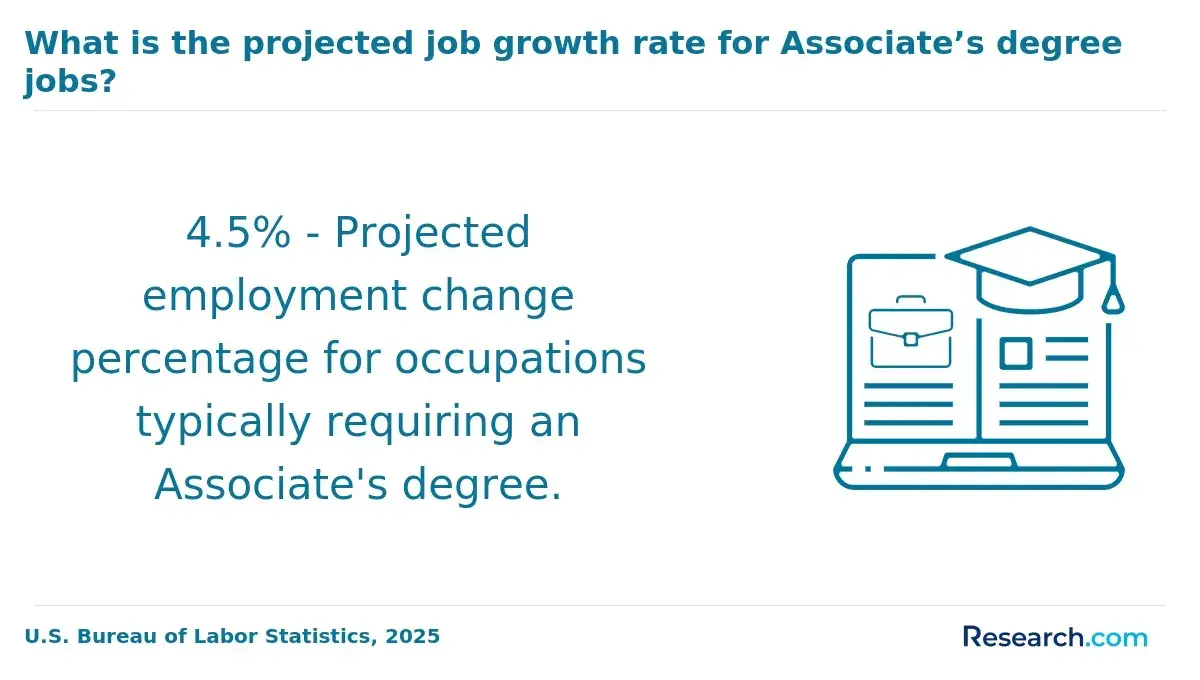
Which Industries Hire the Most Entry-Level Interior Design Graduates?
Entry-level hiring for interior design graduates is most heavily concentrated in architectural and engineering services where ongoing urban development, commercial building projects, and infrastructure investments drive steady demand. These firms prioritize candidates with foundational CAD skills and offer roles such as junior interior designer or project coordinator, which typically require limited prior experience, making them accessible to recent graduates.
According to the U.S. Bureau of Labor Statistics (2024), this sector accounts for the largest share of early-career openings, reflecting persistent workforce needs tied to construction cycles and redevelopment initiatives.
In contrast, furniture retail and showroom environments, while valuable for developing client engagement and sales expertise, tend to present less job stability and smaller hiring volumes that fluctuate with retail market conditions.
Specialized sectors like healthcare facility design and hospitality are expanding entry-level opportunities due to growing regulatory complexity and a post-pandemic emphasis on wellness-focused environments, demanding proficiency with digital modeling and compliance standards.
Geographic factors also influence hiring patterns significantly; metropolitan coastal regions with dense development offer more openings but intensify competition, whereas smaller markets might push graduates toward transferable roles in merchandising or exhibitions.
Graduates balancing these sectors should weigh the tradeoff between structured career pathways in architectural firms and the client-facing but potentially less secure roles in retail-related fields, with internships or cooperative experience proving critical to improving initial employability across industries.
Where Do Interior Design Graduates Have the Best Hiring Odds?
Hiring odds for interior design graduates depend more on the density of relevant employers and industry activity than on location alone. Metropolitan areas like Dallas-Fort Worth, Atlanta, and Seattle outperform others due to strong construction and real estate sectors that sustain higher entry-level interior design jobs with highest hiring rates relative to applicant volumes.
However, graduates focusing solely on residential roles in costly urban centers may face intense competition, while those targeting commercial design opportunities in healthcare or corporate development can access more openings where investment is robust. Employers' regional preferences and market specialization significantly shape where new graduates stand the best chance.
Many firms remain reluctant to adopt widely remote or hybrid models because interior design often requires hands-on site work, limiting geographic flexibility. Larger metropolitan studios frequently offer structured pathways from internships to full-time roles, which can be decisive for graduates weighing locations. In contrast, smaller or secondary markets may provide easier entry but fewer formal growth prospects and professional networks.
Balancing volume of job opportunities against applicant competition, living costs, and industry fit is crucial. Graduates can also benefit from exploring related fields or supplemental credentials-for example, completing a thoroughly vetted construction management degree-to broaden hiring potential in active development markets.
What Starting Salaries Can Entry-Level Interior Design Graduates Expect?
Starting salaries for entry-level interior design graduates are influenced by several interrelated factors beyond just the diploma earned. Geographic cost of living, the specific type of employer, specialized skill sets, and prior internship experience all shape offers candidates receive.
For example, a graduate with CAD and BIM proficiency entering a major metropolitan market like San Francisco may see a significantly higher initial salary than a peer accepting a residential-focused role in a smaller city. This gap reflects not only pay scales but also benefit packages and future growth potential, meaning graduates must weigh immediate compensation against career trajectory.
Key factors affecting entry-level interior design salaries include:
- Geographic Location: High-cost urban areas such as New York or Washington D.C. typically offer starting salaries between $50,000 and $60,000, while smaller or rural markets may start near $40,000 due to local demand and living expenses.
- Employer Type: Large architecture firms and national agencies often provide higher wages and benefits like health insurance and signing bonuses compared to small studios or non-profits, but may demand longer hours or less creativity initially.
- Specialization Area: Graduates focusing on commercial or sustainable design often command better starting offers than those dedicated to residential projects, given industry profitability and project scale differences.
- Technical Skills and Certifications: Proficiency in CAD, BIM, and credentials such as NCIDQ may increase salary offers by 5-10%, signaling enhanced job readiness to employers.
- Internship and Practical Experience: Demonstrated experience through internships often translates into higher initial pay as it reduces employer training time and risk.
- Benefits and Bonuses: Total compensation packages including health coverage, professional development stipends, and performance bonuses vary widely, affecting net value beyond base salary.
- Wage Progression Outlook: Early career raises tend to be modest (3-5% annually), so graduates should consider long-term growth opportunities when evaluating offers.
One recent graduate shared how she faced a dilemma between two competing offers: one from a large firm in a mid-sized southern city offering $45,000 with comprehensive benefits, and another from a boutique studio in a high-cost metro area offering $52,000 but minimal benefits and an uncertain promotion path.
Although the higher salary was tempting, she ultimately prioritized the stability and mentorship of the smaller raise's package after reflecting on her limited real-world experience and desire for structured development. This pragmatic choice underscored the nuanced tradeoffs new interior design graduates encounter in balancing immediate pay against longer-term career sustainability.

Which Skills and Certifications Help Interior Design Graduates Get Hired?
Employers increasingly weigh applied skills, digital fluency, and tangible job readiness evidence alongside formal degrees when hiring entry-level interior design graduates. This reflects the practical realities of modern design roles, where technical proficiency and communication skills directly affect project efficiency and client satisfaction.
For example, a recent graduate with internship experience using CAD software and a portfolio showcasing real-world client projects is often preferred over one with theoretical knowledge but limited hands-on exposure. Hiring managers recognize that credentials alone do not guarantee workplace effectiveness; they seek demonstrable capabilities that reduce onboarding time and support multidisciplinary collaboration.
Entry-level interior design graduates seeking to improve their employability should focus on acquiring recognized industry certifications and mastering key software skills favored by employers. Below are the most valuable skills and credentials for entry-level roles:
- Software Proficiency: Mastery of CAD programs like AutoCAD and SketchUp is essential across residential and commercial design roles, providing a baseline for clear visual communication. Proficiency in advanced 3D modeling tools such as Revit or rendering software (e.g., Adobe Photoshop, Lumion) can distinguish candidates targeting firms with integrated BIM workflows or high-end visualization needs.
- Industry Certifications: The NCIDQ certification remains a respected benchmark, particularly for candidates aiming at licensed design positions or firms emphasizing regulatory compliance. However, for most entry-level jobs, internships and portfolio strength outweigh initial certification.
- Project Experience: Demonstrable involvement in live projects through internships or cooperative education shows readiness to manage design challenges, budget constraints, and cross-functional teamwork, which typically matter more than academic accolades.
- Communication Skills: Clear articulation of design concepts to clients and contractors is vital, especially in firms juggling multiple disciplines. Candidates who provide examples of client presentations or collaborative projects gain an advantage.
- Analytical Abilities: Basic budgeting, space planning, and emerging data literacy skills support resource optimization and help meet evolving regulatory standards, aligning well with firms integrating AI-driven design tools.
- Client Relationship Management: Competence in managing client expectations and project timelines enhances entry-level roles in design studios focused on client retention and personalized solutions.
- Internship Experience: Quality internships that offer practical exposure often replace costly certifications in employer evaluations, providing evidence of applied skills and professional behavior.
For students weighing educational choices versus practical readiness, it's instructive to compare industry requirements to offerings in an accelerated business program, where efficiency and relevance shape employability outcomes.
How Much Experience Do Entry-Level Interior Design Jobs Require?
Entry-level interior design positions demonstrate significant variability in experience expectations, influenced heavily by job complexity, employer size, and sector. Approximately 40% of postings in 2024 report no mandatory full-time experience, prioritizing academic work, portfolios, and demonstrated competencies instead.
Yet, many roles-especially in commercial design or architectural settings-list one to two years of relevant experience as a baseline, often allowing internships, freelance projects, or design practicums to fulfill these requirements. This discrepancy requires graduates to assess each job's criteria critically rather than assuming all entry-level jobs demand identical experience levels.
Smaller firms generally emphasize portfolio strength and practical skills, potentially lowering rigid experience demands, while larger employers often use prior experience as a screening mechanism given high candidate volumes. For example, a recent graduate with completed internships and campus design projects may qualify for a residential design role but find stricter experience thresholds in corporate or public-sector openings.
According to a 2024 survey by a leading industry association, 78% of hiring managers weigh internship experience nearly as heavily as paid roles, underscoring the value of applied learning in bridging employment gaps.
Significantly, certifications and proficiency with specialized design software increasingly influence hiring decisions, sometimes offsetting shorter experience histories. Graduates should differentiate between required versus preferred experience - postings demanding one to three years may be indicating ideal rather than absolute qualifications.
Strategic applications aligned to role demands and evidence of technical capability through portfolios or capstone projects can improve candidate positioning where formal work history remains limited. Understanding these nuances enables interior design graduates to navigate the entry-level market more effectively without overestimating or undervaluing their readiness to compete.
What Do Employers Look for in New Interior Design Graduates?
Employers assessing entry-level interior design graduates consistently emphasize demonstrated job readiness over formal academic credentials alone. Recruiters look for candidates who combine applied technical skills with relevant experience, clear communication, and industry awareness.
Adaptability and collaboration have become essential as hybrid and remote project teams grow in prevalence. For instance, a mid-sized commercial design firm that recently hired a graduate prioritized portfolios showcasing software fluency alongside problem-solving within real projects, rather than focusing only on GPA or school ranking. Below are some of the top qualities employers seek.
- Technical Proficiency: Mastery of industry-standard software such as AutoCAD, Revit, SketchUp, and Adobe Creative Suite acts as a baseline filter. Candidates with hands-on project experience that integrates these tools into design solutions gain a critical advantage.
- Applied Experience: Internships or cooperative education placements serve as real-world trials, providing evidence of practical skills and workplace adaptability. According to LinkedIn Workforce Insights, preference for candidates with internship experience increased by 22% from recent years.
- Portfolio Quality: Hiring managers scrutinize portfolios for originality and problem-solving focused on actual client challenges. Strong portfolios demonstrating conscientious design thinking often outweigh academic achievements.
- Communication Skills: Clear articulation of design concepts and effective collaboration with diverse stakeholders is vital, especially in remote or hybrid team environments. Employers prioritize candidates able to navigate feedback and articulate rationale convincingly.
- Regulatory and Sustainability Knowledge: Awareness of building codes, zoning, and sustainable design criteria differentiates candidates, reflecting growing industry complexity and environmental priorities.
- Adaptability and Problem-Solving: Employers reward evidence of flexibility within design processes and innovative responses to project constraints signaling readiness for evolving job demands.
How is AI Affecting Entry-Level Hiring for Interior Design Graduates?
AI is reshaping entry-level hiring trends for interior design graduates by shifting employer priorities toward hybrid skill sets that blend creative judgment with technological fluency. Hiring managers increasingly rely on automated applicant tracking systems (ATS) that filter resumes for AI-related keywords, meaning candidates lacking proficiency in AI-enabled design software or basic data visualization may struggle to reach interview stages.
Unlike traditional roles weighted heavily on manual drafting, new hires face adjustments as routine tasks become automated, forcing a focus on client communication, customization, and problem-solving skills that AI cannot replicate easily.
This evolving landscape means that students and recent graduates should strategically align their portfolios and applications to reflect these shifting demands. Differences across industries and employers are significant: firms adopting integrated AI workflows favor candidates who demonstrate both digital literacy and an ability to collaborate with AI tools.
For instance, internship programs now emphasize applied AI skills, underscoring the need to balance technical abilities with design fundamentals. Candidates who understand this balance position themselves better in competitive job markets and avoid early exclusion due to automated screening in the hiring process driven by AI influence on hiring processes for new interior design graduates.
While AI automation risks reducing entry-level task volume, new roles requiring synthesis of design and data interpretation emerge, emphasizing versatility. Graduates should target job titles and sectors where this interplay is strongest and be aware that without relevant technical competencies, employment prospects can diminish.
For those exploring career pathways that integrate design and technology or considering interdisciplinary options, resources such as clinical psychology master's programs online illustrate the diversity of applying analytical skills in evolving professional contexts.
How Can Interior Design Graduates Improve Their Job Search Results?
Targeted job searches yield better results than high-volume, unfocused applications, especially for interior design graduates navigating competitive entry-level markets. Emphasizing specific job titles and tailoring resumes to match employer language can increase interview callbacks by up to 40%, according to the National Association of Colleges and Employers.
For example, a graduate focusing solely on "CAD technician" roles in metropolitan areas with active commercial or healthcare development may encounter less competition than one broadly applying to all interior design positions, including saturated urban residential markets. This approach aligns efforts with employer expectations and the practical skills they seek, such as sustainable materials knowledge or space planning expertise.
Understanding geographic and industry demand is critical in shaping entry-level interior design job search strategies. Labor market insights from Lightcast highlight stronger openings in healthcare and hospitality sectors, where recent graduates often report improved employment prospects compared to oversupplied residential design roles.
Alongside strategic timing-applying within the initial two weeks after job postings-building relevant portfolios through internships or freelance projects can demonstrate measurable contributions that distinguish candidates in applicant tracking systems. Networking remains influential, with LinkedIn analysis showing a 2.5 times higher chance of securing interviews when candidates have connections to target firms.
Graduates considering supplemental training might explore recognized pathways like 6-month certificate programs that pay well to develop niche skills aligned with emerging industry needs.
References
- How To Become An Interior Designer (Salary, Qualifications) https://www.goconstruct.org/construction-careers/what-jobs-are-right-for-me/interior-designer
- How nine interior designers got their jobs (plus their advice for someone hoping to do the same) https://www.houseandgarden.co.uk/gallery/how-to-become-an-interior-designer-career-advice
- Comparing employability priorities of emerging and ... https://intellectdiscover.com/content/journals/10.1386/art_00005_1
- Executive Search and Outplacement Services for the Engineering, Architecture, Construction, and Manufacturing Industries https://www.davron.net/ais-impact-on-entry-level-jobs-navigating-the-new-landscape/
- Entry Level Interior Designer Jobs (with Salaries) - SEEK https://au.seek.com/entry-level-interior-designer-jobs
- Graduate Interior Designer Jobs UK | Entry-Level Roles https://hauscareers.com/jobs/interior-design/graduate-interior-designer/
- How to get a job in the interior design industry https://thelittledesigncorner.com/blogs/news/get-a-job-in-the-design-industry
- How to Get Your First Job as an Interior Designer: Tips from AZ InteriorS Design https://www.az-interiors.co.uk/blog/how-to-get-your-first-job-as-an-interior-designer-tips-from-az-interior
- Entry-Level Interior Design Jobs: Your Gateway to a Creative Career https://www.creationsatelier.com/blog/entry-level-interior-design-jobs-your-gateway-to-a-creative-career
- Graduate Interior Design Jobs: Entry-Level and Junior Roles You Can Actually Apply For https://yourcoachapproach.co.uk/graduate-interior-design-jobs/
Other Things You Should Know About Interior Design
While strong academic credentials provide foundational knowledge, practical experience gained through internships or cooperative education placements often carries more weight with employers. Internships expose students to real-world project workflows, client interaction, and software tools, making them better prepared for day-one responsibilities.
Graduates should seek programs that integrate hands-on experience early and frequently, as relying solely on coursework limits exposure to workplace dynamics and can reduce competitiveness in a saturated job market.
Geographic flexibility significantly expands opportunities for new interior design graduates, especially since demand varies widely by region and market climate. Specializing in niche areas like healthcare or sustainability design can be valuable but may restrict immediate hiring options if local industries do not align.
Prioritizing willingness to relocate or seek remote/project-based work often yields quicker employment, whereas specialization should be pursued with clear regional demand in mind to avoid narrowing entry-level options prematurely.
Employers generally prefer portfolios that demonstrate a balance of technical skill breadth and conceptual depth tailored to their industry focus. A diverse portfolio shows adaptability across project styles and phases, which is crucial for entry-level roles where responsibilities can vary widely.
However, emphasizing a coherent design approach and well-documented problem-solving examples gives candidates a distinctive edge. Graduates should customize portfolios based on targeted employers, favoring targeted depth for specialized firms and broader work for generalist or large studios.
Securing licensure right after graduation offers long-term professional benefits but can delay immediate job entry and increase upfront costs. Most entry-level interior design jobs do not require licensure but do expect familiarity with building codes and standards. Graduates should prioritize gaining practical work experience and mentorship in the field to build the competencies needed for a successful licensing process.
Early licensure pursuit is recommended only if the graduate's career path explicitly demands it, such as roles involving independent project signing.