2027 Interior Design Degree Popularity by Gender, Region, and Degree Level

Co-Founder and Chief Data Scientist
A prospective interior design student reviewing 2024 enrollment data might notice an unexpected pattern: women constitute nearly 85% of bachelor's degree completions nationally, yet some regions report a far narrower gender gap. This disparity reveals deeper regional and cultural factors shaping who pursues interior design and where. High enrollment numbers can signal program strength and robust peer networks, but they may also reflect local labor market saturation, influencing long-term career prospects. Additionally, the popularity of associate versus bachelor's programs fluctuates significantly by state, affecting access and educational depth. This article examines interior design degree popularity by gender, region, and degree level to equip readers with insights that clarify educational and workforce implications.
Key Things to Know About Interior Design Degree Popularity by Gender, Region, and Degree Level
- Women comprise over 80% of interior design degree enrollees in 2024, reflecting gendered perceptions shaping workforce entry but possibly limiting male diversity and broader market perspectives.
- Regional enrollment spikes in urbanized coastal states highlight employer demand for design talent near dense construction markets, emphasizing geographic concentration's impact on graduate job access.
- Associate degree programs see faster enrollment growth due to lower cost and shorter completion time, offering accessibility but potentially constraining career advancement compared to bachelor's-level graduates.
- Key Things to Know About Interior Design Degree Popularity by Gender, Region, and Degree Level Key Things to Know About Interior Design Degree Popularity by Gender, Region, and Degree Level
- How Does Job Market Demand Influence Interior Design Degree Popularity? Market Demand and Degree Popularity
- How Does Online Interior Design Degree Enrollment Compare to Traditional Campus Programs? Online vs. Campus Enrollment
- What Degree Level Is Most Common Among Interior Design Students? Most Common Degree Levels
- How Do Enrollment Trends Differ Between Associate, Bachelor's, Master's, and Doctoral Interior Design Degrees? Enrollment Trends by Degree Level
- How Popular Is the Interior Design Degree Compared to Other College Majors? Degree Popularity vs. Other Majors
- Why Is the Interior Design Degree More Popular in Certain States and Regions? Regional Popularity Drivers
- What Demographic Groups Are Driving Growth in Interior Design Degree Programs? Growth by Demographic Groups
- What Is the Future Outlook for Interior Design Degree Enrollment by Gender, Region, and Degree Level? What Is the Future Outlook for Interior Design Degree Enrollment by Gender, Region, and Degree Level?
- How Have Interior Design Degree Enrollment Trends Changed Over the Past Decade? How Have Interior Design Degree Enrollment Trends Changed Over the Past Decade?
- Where Is the Interior Design Degree Most Popular Across the United States? Geographic Popularity Analysis
How Does Job Market Demand Influence Interior Design Degree Popularity?
Job market demand for interior design degrees significantly shapes enrollment patterns, especially as regional disparities highlight where opportunities cluster. For instance, metropolitan centers in the West and Northeast United States tend to maintain stronger industry hubs, supported by ongoing real estate development and commercial construction, which draws students to local programs with clearer paths to employment. However, this dynamic also means that degree popularity is uneven geographically, as programs in less vibrant markets struggle to attract applicants despite steady overall demand. The U.S. Bureau of Labor Statistics projects employment growth around 5% through 2032, signaling moderate opportunities that require prospective students to weigh regional labor conditions alongside educational investment.
Degree level further nuances how job market demand influences educational choices; entry-level positions usually mandate a bachelor's degree, while master's and professional certifications increasingly become differentiators for roles emphasizing project management or sustainable design expertise. Many employers now expect familiarity with digital visualization tools and space planning software, which forces programs integrating these skills to gain competitive advantages in student recruitment. Gender also factors into the interior design workforce, traditionally dominated by female professionals, but evolving inclusivity efforts may subtly reshape degree program demographics and appeal. Those evaluating the long-term relevance of an interior design degree must consider these intersecting factors of region, degree depth, and workforce trends, as well as the competitive nature of the profession and necessary practical experience such as internships or portfolios, which can outweigh just enrollment figures.
The interaction between labor market conditions and enrollment patterns is complex, with prospective students often balancing job availability, program reputation, and hands-on training opportunities when choosing where to study interior design. Because demand does not always translate directly to higher enrollment, particularly in regions with scarce job openings, students should critically examine how local industry ties and graduate outcomes align with their career goals. For those seeking degree paths that complement broader business skills-an increasingly practical consideration-exploring related options such as online MBA programs can provide strategic advantages in navigating the profession's competitive landscape and advancing toward management roles over time.
How Does Online Interior Design Degree Enrollment Compare to Traditional Campus Programs?
Online interior design programs have distinctly reshaped enrollment dynamics by expanding access to nontraditional students, particularly adult learners and those in underserved regions. According to the National Center for Education Statistics in 2024, online enrollments in interior design have surged nearly 18% over three years, contrasting with relatively flat on-campus figures. This shift is not simply about convenience; it reflects a segmentation where online formats appeal to professionals balancing work and family, while traditional campus programs continue to attract younger students seeking immersive, hands-on studio experiences. Such modality differences influence career pathways, as employers often value the in-person collaborative skills and internship networks more accessible through campus attendance.
The geographic dispersion enabled by online programs also alters demographic representation, enabling broader participation from rural and female students who historically faced barriers to interior design education. However, this growth comes with tradeoffs in the consistency of curriculum rigor and direct industry engagement, which remain uneven across online providers. Prospective students weighing format choices must consider how these factors interplay with their personal circumstances and career goals since the tactile, physical components integral to interior design are challenging to replicate virtually. While online programs democratize entry to the field, campus-based degrees still typically lead to stronger employer networking opportunities and skill development favored in competitive hiring.
One interior design graduate recalled grappling with the lack of local campus programs near their rural home, which prompted a search for online options despite initial skepticism about the quality of virtual studios and critique processes. The flexibility to study remotely was essential given their full-time job and family obligations, but they worried about missing out on the peer interaction and hands-on training that seemed more prevalent in campus settings. Over time, the student found the online format demanding in unique ways, investing extra effort to gain practical skills through supplemental workshops, yet appreciated the access the program provided otherwise unavailable. This experience underscores how modality decisions hinge on balancing geographic and scheduling constraints against the desire for comprehensive, collaborative training in interior design education.
What Degree Level Is Most Common Among Interior Design Students?
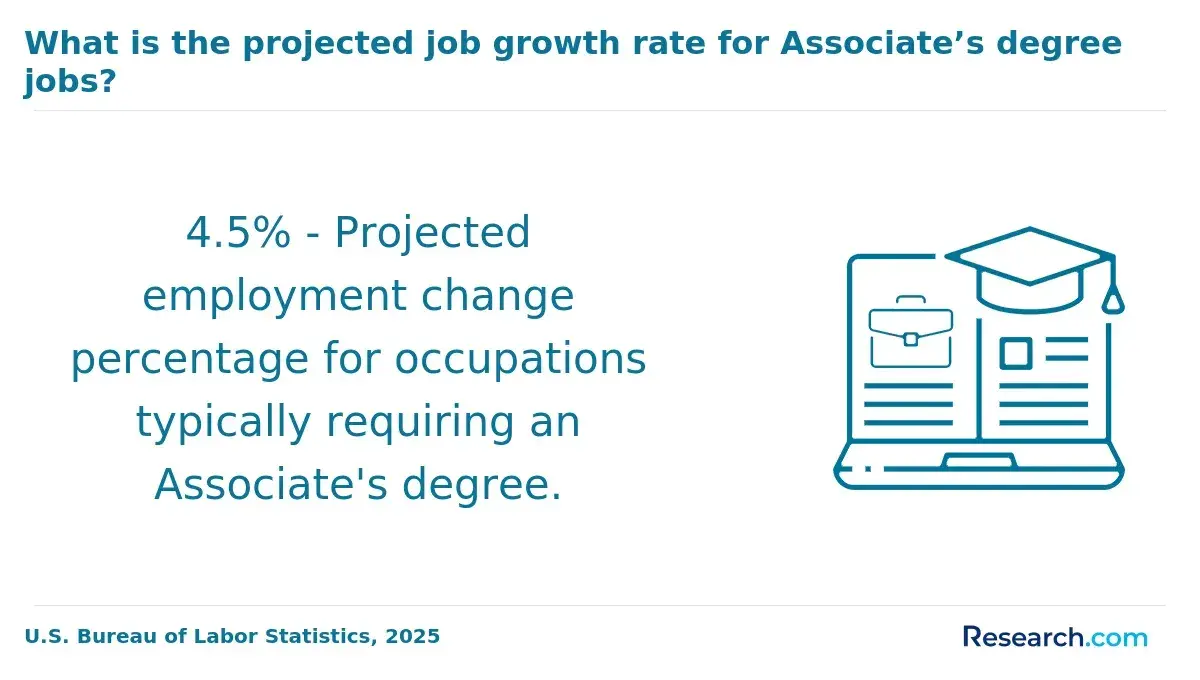
Bachelor's degrees constitute the primary credential for interior design students, reflecting industry benchmarks that prioritize this level for licensing eligibility and entry-level employment. Data from the National Center for Education Statistics for the 2023-2024 academic year indicates that over 70% of completions occur at this level, underscoring its status as the de facto standard for professional preparation. This dominance partially results from employer demands for comprehensive, accredited training that associate degrees often cannot fulfill, despite their appeal as lower-cost, faster routes into the field.
Associate degrees appeal to students seeking more accessible or flexible paths but typically limit advancement opportunities, given their focus on foundational skills rather than in-depth professional competencies. Graduate degrees, meanwhile, capture a smaller cohort-around 10% for master's programs-targeting those pursuing specialization, leadership, or research-intensive roles within interior design. Doctoral education remains niche, less than 1%, reserved mostly for academic or highly specialized industry research, which means most practitioners do not pursue it. These enrollment patterns reflect practical tradeoffs where students must balance cost, time investment, and career ambitions against credential requirements and market realities.
The availability of online bachelor's programs further expands access for non-traditional students, adding to the bachelor's degree's popularity, while licensing laws in many states reinforce this level as essential. Consequently, prospective and current students must weigh the life stage, financial constraints, and long-term career goals when selecting a degree pathway, as the choice strongly influences employability, scope of work, and professional mobility in interior design.
How Do Enrollment Trends Differ Between Associate, Bachelor's, Master's, and Doctoral Interior Design Degrees?
Enrollment patterns across associate, bachelor's, master's, and doctoral interior design programs reveal distinct motivations and labor market functions. Associate degrees typically attract students seeking cost-effective, rapid entry into design-related jobs or those re-entering the workforce, though they often face higher attrition rates. In contrast, bachelor's degrees dominate completions, accounting for roughly 65% of interior design conferrals as of 2024 according to National Center for Education Statistics data, reflecting strong employer preference for this credential as a baseline for licensure and professional practice. These trends highlight how prospective students weighing associate versus bachelor's programs must consider the tradeoff between immediate employability and longer-term career flexibility.
Master's programs, while smaller in scale, are expanding faster and tend to enroll more women and mid-career professionals aiming for advanced specialization or leadership roles. This demographic shift aligns with growing demand for expertise in design management and academic instruction. Doctoral programs remain niche due to their focus on research and consultancy, with low enrollment and completion rates indicating significant barriers and limited workforce roles.
For those exploring a doctoral path, the availability of focused options such as an online PhD leadership program may influence accessibility. Understanding these degree-level differences is essential when aligning educational investments with specific career trajectories and workforce expectations within interior design.
How Popular Is the Interior Design Degree Compared to Other College Majors?
The comparatively limited popularity of the interior design degree, with around 12,000 bachelor's completions in 2023 according to National Center for Education Statistics data, reflects its specialized focus rather than a lack of value. This degree attracts fewer students than broad fields like business or psychology, which produce significantly larger graduate cohorts, impacting the density of peer networks and diversity of program offerings. Despite modest overall enrollment, interior design programs maintain steady growth, particularly in urban regions with concentrated design industries, suggesting a geographically influenced interest rather than national uniformity.
Most degrees conferred in interior design remain at the bachelor's level, with graduate degrees comprising under 10% of completions, signaling a career path that often does not depend on advanced qualifications in the way fields such as architecture or engineering do. The strong female predominance-over 85% of undergraduates-also shapes classroom dynamics and professional pipelines. Prospective students must consider how the degree's niche status affects competition, availability of specialized coursework, and the scope of employment opportunities within a more limited but creatively oriented labor market.
A recent interior design graduate recalled that early in their studies, smaller class sizes and fewer peers initially raised questions about the degree's relative popularity compared to their high school friends pursuing more common majors. Conversations with advisors and observations of regional program variations clarified that while interior design draws fewer students overall, its targeted curriculum offers distinct advantages in metropolitan areas where design jobs are concentrated. This awareness shaped the graduate's decision to embrace the field's unique challenges rather than pursue a more crowded or less specialized discipline.

Why Is the Interior Design Degree More Popular in Certain States and Regions?
The concentration of interior design degree demand by state reflects the alignment of local industry clusters with educational offerings and workforce needs rather than student preference alone. Regions like California and New York demonstrate consistently high enrollment due to their dense urban centers, active luxury real estate markets, and strong employer preference for candidates with accredited credentials. This intersection of economic opportunity and program availability enhances job placement chances after graduation but can also inflate competition and raise expectations for practical experience alongside formal education.
Regional factors influencing interior design popularity extend to educational access, demographic trends, and policy environments. States with robust universities and targeted funding for arts and design fields naturally draw larger and more diverse student populations, particularly women who comprise the majority in the field nationally. Conversely, less urbanized areas or those with limited program variety display lower enrollment, constraining networking and experiential learning opportunities vital to employability.
Furthermore, demand projections linked to hospitality and corporate real estate sectors motivate some students to select programs in growth states, while others leverage online or hybrid offerings to broaden access, as seen in options like the best online schools for construction management which share features pertinent to design education pathways.
These factors combined inform practical judgments by prospective and current interior design students weighing where to study or work. Understanding these dynamics reveals why regional disparities in degree popularity are shaped not just by local economies but also by policy support, demographic patterns, and workforce expectations. These realities influence perceptions of degree value, retention rates, and ultimately, career trajectory in a field where both formal credentials and hands-on experience are critical to long-term success.
What Demographic Groups Are Driving Growth in Interior Design Degree Programs?
Women continue to dominate interior design degree programs, representing about 80% of graduates according to 2024 data from the National Center for Education Statistics, which significantly shapes the classroom dynamic and program focus. This gender imbalance influences peer interactions and instructional priorities, often reflecting broader industry demographics where female designers hold prominent roles. Meanwhile, growth in enrollment is geographically concentrated, with southern states experiencing a 12% rise, highlighting how regional economic development and population shifts directly impact demand for design professionals and educational resources.
The rise in adult learners and online students introduces new considerations for program delivery and student outcomes, as flexible scheduling meets the needs of career changers and those balancing education with other commitments. A 15% increase in non-traditional online enrollment underscores the appeal but also raises concerns about maintaining hands-on experience and robust professional networks. Racial and ethnic diversity gains remain uneven, with Hispanic/Latino populations showing increased participation largely in urban institutions that provide targeted support, while representation among Black and Native American students lags, signaling persistent equity challenges that affect workforce inclusivity and access.
What Is the Future Outlook for Interior Design Degree Enrollment by Gender, Region, and Degree Level?
Interior design degree enrollment is likely to remain heavily gender-skewed, with female students composing approximately 85% of the undergraduate population as reported by the National Center for Education Statistics in 2024. This entrenched demographic trend may gradually diversify as cultural shifts encourage more males toward creative professions. However, the persistent gender imbalance will influence classroom dynamics, resource allocation, and professional networking opportunities, which students and educators must consider when assessing program fit and long-term career prospects.
Geographically, enrollment patterns will continue to mirror regional economic vitality and labor market needs, concentrating in metropolitan hubs on the West Coast and Northeast, where a projected 7% growth in interior design employment through 2032 by the U.S. Bureau of Labor Statistics signals intensified industry demand. Conversely, programs in rural or economically stagnant areas might face enrollment contractions or closures, limiting local access. Students in regions with moderate real estate development, notably the South and Sun Belt states, may see steady but less pronounced growth in available programs and job placement options.
At the degree level, bachelor's programs dominate in size, yet master's enrollments are increasing at a faster rate-12% growth over five years cited by the Council for Interior Design Accreditation-reflecting employer expectations for advanced competencies such as BIM proficiency and sustainable design expertise. Prospective students face tradeoffs between the longer duration and higher costs of graduate education versus the potential for specialization and competitive positioning. Additionally, the rise of online interior design education expands access but challenges essential hands-on learning, complicating choices around program delivery modes and eventual employability.
How Have Interior Design Degree Enrollment Trends Changed Over the Past Decade?
Over the past decade, enrollment in interior design degree programs in the United States indicates a stable yet evolving field, with about a 12% growth reflecting sustained demand despite challenges faced by some arts-related disciplines. This trend is shaped by workforce expectations prioritizing practical experience alongside formal education, contributing to a preference for bachelor's degrees over master's programs, whose completions remain flat. Such enrollment dynamics suggest that programs increasingly serve students seeking quicker transitions into employment, underscoring real tradeoffs in pursuing extended graduate study versus earlier workforce entry.
Trends in gender distribution among interior design degree students in North America continue to reflect strong female representation, generally between 85% to 90%, though incremental increases in male enrollment are surfacing in design hubs like California and New York. These shifts signal gradual diversification, albeit within a distinctly gender-skewed environment. Meanwhile, younger cohorts have shown growing interest in hybrid and accelerated programs integrating online coursework-a response to technological advances and adaptations following the COVID-19 pandemic's disruption of traditional learning formats. For prospective students assessing educational pathways, these changes carry implications for program selection and anticipated peer environments.
Geographically, enrollment growth is uneven; Southern and Western U.S. markets exhibit robust increases, likely driven by expanding construction sectors and shifting lifestyle preferences valuing design innovation, whereas the Midwest and Northeast lag behind. Public policies and evolving accreditation requirements pushing sustainability and technology into curricula also reflect labor market demands reshaping program structures. For those comparing program relevance and access, understanding these regional and demographic nuances is vital alongside academic decisions, similar to exploring options like a physics degree that balance affordability and employability.
Where Is the Interior Design Degree Most Popular Across the United States?
Interior design degree popularity concentrates in states with established industry ecosystems and accessible educational infrastructure rather than being evenly dispersed across the United States. Regions with metropolitan hubs that combine architecture, real estate development, and cultural institutions create environments where interior design enrollment thrives, reflecting alignment between educational programs and professional demand. This clustering affects student opportunities by providing richer networking prospects and stronger local employment pipelines, which in turn impact perceptions of degree value within those markets. Prospective students must weigh these geographic disparities when planning their education and careers, as attending programs in regions with robust industry connections can translate into tangible advantages.
The top regions for interior design enrollment typically show a symbiotic relationship between population density, economic emphasis on construction and urban renewal, and the presence of accredited programs offering advanced degrees. States like California and New York illustrate how concentrated market demand supports sustained degree completion rates, while more rural or economically specialized states see limited participation due to fewer program options and weaker industry ties. These dynamics influence not only who pursues an interior design degree but also how gender and degree level distributions manifest by region, contributing to localized workforce profiles shaped by demographic and cultural factors.
Understanding interior design degree popularity by state highlights the importance of assessing postsecondary access alongside industry trends. For students evaluating various educational pathways, considering comparative program strength and local labor market demands is crucial. Those interested in interdisciplinary fields might also explore related credentials, such as an online masters in human resource management, to complement their design expertise and enhance employment versatility.
References
- Academic Programs — New York School of Interior Design https://www.nysid.edu/academic-programs
- Types of College Degrees https://www.act.org/content/act/en/students-and-parents/high-school-success/what-to-do-after-high-school/college-degrees.html
- Are Interior Designers in Demand? https://pro.houzz.com/pro-learn/blog/startup-guide-interior-design-employment-outlook
- Interior Design Degrees in the UK: Why Do They Matter? https://www.baid.co.uk/blog/interior-design-degrees-in-the-uk--why-do-they-matter-
- Trends in Interior Design in Higher Education - Design Pool https://www.designpoolpatterns.com/trends-in-interior-design-in-higher-education/
- Interior Design Market Size, Share, Analysis, Report, 2034 https://www.fortunebusinessinsights.com/interior-design-market-112750
- Best and Worst States & Cities in the U.S. for Interior Designers https://www.theaterseatstore.com/blog/best-worst-cities-interior-designers
- Why are interior designers growing increasingly in demand - https://vismayamvfx.com/why-are-interior-designers-growing-increasingly-in-demand-in-the-building-industry/
- Master’s Program vs. Bachelor’s in Interior Design What’s the Difference? https://www.jims.in/blogs/masters-program-vs-bachelors-in-interior-design
- Top Interior Design Schools in the US - Become an Interior Designer | Design Manager https://www.designmanager.com/blog/top-interior-design-schools-in-the-us
Other Things You Should Know About Interior Design
Gender representation in interior design programs often skews toward female students, which can affect classroom dynamics and networking opportunities. For male students, this imbalance may create challenges in finding gender-based mentorship and peer support, while female students might encounter expectations to fit traditional gender roles within design specialties. Prospective students should consider how these dynamics influence collaborative projects and professional growth, seeking programs that actively address diversity and inclusion to better prepare all students for equitable industry engagement.
Regions with higher concentrations of accredited interior design programs typically offer more specialized courses and access to local industry networks, which can enhance practical experience through internships. Conversely, areas with fewer programs might limit student choices but could provide focused training aligned with regional market demands. When choosing where to study, students should weigh the benefits of program availability and industry integration against the likelihood of remaining and working in that region after graduation.
Graduate interior design programs generally demand a heavier workload, including research, advanced design studios, and potential teaching or assistantship responsibilities. They also often emphasize specialized skills and leadership, which can lead to higher-level positions but require significant time and financial investment. For those aiming at entry-level roles, a well-regarded bachelor's degree might suffice; however, students targeting competitive or niche sectors should prioritize master's programs despite the increased demands for stronger long-term career leverage.
Employers tend to view master's degrees as indicators of advanced technical competence and strategic thinking, often expecting graduates to handle complex projects and leadership roles earlier. Bachelor's degree holders may face more immediate pressure to build practical experience to match this skill level. For realistic career advancement, students lacking postgraduate credentials should focus on internships and certifications to enhance employability, whereas those pursuing graduate study should prepare for heightened academic rigor that aligns with elevated professional standards.