2027 Interior Design Tuition Inflation Report: How Fast Are Program Costs Rising?

Co-Founder and Chief Data Scientist
The rising costs of interior design tuition are influenced by unique factors shaping the discipline's educational framework. Increasing accreditation demands require programs to maintain advanced facilities and technology-intensive studios, driving up operational expenses. Faculty specialization in areas such as sustainable design and advanced digital modeling also pushes labor costs higher. Meanwhile, licensing boards are expanding requirements, resulting in longer program durations and more comprehensive curriculum offerings.
Enrollment shifts show a growing number of non-traditional students balancing education with careers, pressuring institutions to invest in flexible delivery methods. Such structural and market forces distinguish interior design tuition trends from other fields. This report unpacks how these elements combine to fuel tuition inflation and what the age distribution of students reveals about accessibility, workforce readiness, and the profession's evolving educational standards.
Key Things to Know About Interior Design Tuition Inflation
- Tuition for interior design programs grew over 6% annually in 2023-2024, outpacing inflation and narrowing access for students relying on fixed financial aid, requiring earlier financial planning or alternative pathways.
- Employers increasingly value practical experience over degree prestige; rising tuition may pressure students to balance costly formal education with internships that boost job readiness.
- Longer program durations amplify total cost inflation effects, pushing some students toward shorter or certificate options, but this tradeoff may impact eligibility for certain licensed roles.
- Key Things to Know About Interior Design Tuition Inflation Key Things to Know About Interior Design Tuition Inflation
- How Much Has Interior Design Tuition Increased Over the Past Decade? How Much Has Interior Design Tuition Increased Over the Past Decade?
- How Does Interior Design Tuition Inflation Compare to Overall Inflation? How Does Interior Design Tuition Inflation Compare to Overall Inflation?
- Which Types of Schools Have Experienced the Fastest Interior Design Tuition Growth? Tuition Growth by School Type
- What Factors Are Driving Rising Costs in Interior Design Degree Programs? Tuition Cost Drivers
- How Does Interior Design Tuition Growth Vary by State and Region? Tuition Growth by State
- Are Online Interior Design Programs Becoming More Affordable Than Campus-Based Programs? Online Program Affordability
- How Have Financial Aid and Scholarships Changed as Interior Design Tuition Has Increased? Impact on Financial Aid and Scholarships
- How Does Rising Interior Design Tuition Affect Student Debt After Graduation? Impact on Student Debt
- Do Higher-Cost Interior Design Programs Deliver Better Career Outcomes or Earnings? Impact on Career Outcomes
- What Do Current Tuition Trends Suggest About the Future Cost of a Interior Design Degree? What Do Current Tuition Trends Suggest About the Future Cost of a Interior Design Degree?
How Much Has Interior Design Tuition Increased Over the Past Decade?
Tuition for interior design degree programs has escalated markedly over the last decade, with authoritative sources such as the National Center for Education Statistics and the U.S. Department of Education College Scorecard reporting increases between 35% and 45% in nominal terms since 2014. After accounting for inflation, the real cost rise ranges from approximately 20% to 30%, reflecting a notable tightening of affordability for students. Private institutions have often experienced steeper tuition hikes, sometimes nearing a 50% increase, compared to their public counterparts. These changes highlight significant shifts in price structures that prospective students must consider when evaluating the financial commitment of pursuing an interior design education.
The underlying causes of these rising costs include persistent reductions in state funding that disproportionately impact public universities, prompting higher tuition to fill revenue gaps. Additionally, universities have invested heavily in specialized curricula, advanced software, fabrication labs, and other resource-intensive components essential for contemporary interior design education. These investments, combined with rising administrative expenses and enrollment changes, drive tuition increases beyond simple inflationary pressure. For those comparing educational pathways, it is important to contextualize these costs in terms of how programs respond to labor market demands and integrate practical training, including internships or collaborative projects, to boost real-world readiness.
These tuition increases complicate affordability and heighten the likelihood of student borrowing, challenging lower- and middle-income families to balance educational aspirations with financial realities. As the value of an interior design degree increasingly depends on alignment with employer expectations and skill application, students should critically evaluate the long-term return on investment. Exploring program options alongside broader workforce trends-such as through resources highlighting colleges with accelerated psychology programs that emphasize practical outcomes-can inform decisions that prioritize cost-effectiveness and career alignment over mere credential attainment.
How Does Interior Design Tuition Inflation Compare to Overall Inflation?
Tuition inflation for interior design programs has consistently exceeded general consumer price inflation rates in the United States. Data from the National Center for Education Statistics and the College Board indicate that the average annual tuition increase for interior design education ranges between 3.5% and 5%, while the Consumer Price Index from the U.S. Bureau of Labor Statistics has hovered near 2.5% yearly over recent years. This disparity reflects a growing cost burden for students relative to the broader economy, underscoring unique pressures within specialized higher education fields. Comparisons of interior design program cost increases versus national inflation rates reveal the widening affordability gap faced by those pursuing these degrees.
The divergent tuition inflation stems from structural shifts in higher education economics, including decreased state and federal subsidies that push institutions to supplement budgets through tuition hikes. Rising operational expenses particularly impact interior design programs, which require investment in specialized facilities, software, materials, and skilled faculty, all of which escalate faster than average price levels. Additionally, administrative overhead and expanded student support services contribute to overall cost growth. These forces reflect systemic changes in program funding models and institutional priorities rather than simple market inflation.
For students and families, the tuition inflation gap intensifies challenges in managing educational affordability and debt, influencing decisions about program selection and financing strategies. Higher costs often lead to increased borrowing, which can affect long-term financial outcomes and perceptions of degree value relative to career return on investment. Those weighing interior design education must consider these economic realities alongside evolving employer expectations that now demand proficiency with costly technologies and practical experience. In this context, comparing the rising costs of interior design programs to fields like cybersecurity masters can provide useful perspectives on navigating specialized education markets.
Which Types of Schools Have Experienced the Fastest Interior Design Tuition Growth?
Tuition growth rates for Interior Design programs differ notably across institutional types due to varying funding mechanisms, resource requirements, enrollment demand, and program delivery strategies. Recognizing these underlying factors is critical when assessing cost trajectories and the comparative value of degrees from diverse schools. Institutional financial models and programmatic priorities shape how tuition pricing evolves, with some sectors experiencing accelerated increases linked to strategic expansion or constrained state support.
- Private Nonprofit Universities: These institutions generally face fewer state funding constraints and often invest heavily in specialized facilities and advanced technologies required for interior design curricula. Their reliance on tuition revenue to sustain program quality and research initiatives contributes to faster tuition growth, with recent data from the National Center for Education Statistics indicating an average annual increase near 4.8% over recent years.
- Public Universities: Public institutions typically benefit from state appropriations that help temper tuition hikes. However, declining state support in many regions forces universities to shift more costs onto students. Public schools offering interior design programs often register slower tuition growth-around 2.9% annually-as they balance accessibility goals against increasing program costs.
- For-Profit Institutions: Driven predominantly by market demand and profit motives, for-profit colleges may adjust tuition aggressively in response to enrollment trends. Their agile pricing strategies allow rapid expansion but can result in significant tuition volatility depending on regulatory environments and competitive pressures.
- Research-Intensive Universities: These universities combine extensive research commitments with comprehensive academic offerings, which elevate operational costs. Maintaining cutting-edge design studios and software licenses necessitates substantial investment, frequently pushing tuition increases beyond sector averages to support both educational and research excellence.
- Regional Colleges: Often serving local or nontraditional student populations with smaller-scale programs, regional colleges may experience more moderate tuition growth. Their constrained budgets and less specialized infrastructure limit the scope for rapid price escalation, resulting in more stable, albeit sometimes limited, program expansion.
- Online Universities: While online programs can reduce facility overhead, investments in digital platforms and software remain significant cost drivers. Growth in tuition depends on market positioning and the scale of program offerings, with some online institutions leveraging efficiencies to offer competitive pricing amid rising demand for flexible learning options.
What Factors Are Driving Rising Costs in Interior Design Degree Programs?
Rising costs in interior design degree programs stem from a complex mix of institutional and economic pressures rather than a single factor. Programs are increasingly expensive partly because universities must balance reduced public funding with growing operational demands, causing tuition reliance to escalate. The specialized nature of interior design requires consistent upgrades to facilities, technology, and materials to maintain industry relevance, which intensifies budgetary strain. These elements interact within a broader higher education landscape where regulatory compliance and student support systems have expanded, further inflating program expenses across public and private institutions alike.
Key cost drivers include shrinking state appropriations for many public universities that push greater financial burden onto students, alongside steady growth in faculty salaries driven by efforts to hire seasoned professionals with practical experience. Administrative costs have ballooned as schools invest in compliance and student services, reflecting heightened federal requirements and market expectations. Additionally, incorporation of advanced CAD software and technology-enhanced learning environments adds approximately 12% to applied arts disciplines' expenses, according to a 2024 National Center for Education Statistics report, illustrating the significant impact of digital infrastructure investments on overall pricing. This layered dynamic shapes a tuition landscape where rising institutional overheads compel programs to adjust fees to sustain quality and relevance.
One graduate recalled the uncertainty they faced navigating rolling admissions that demanded swift decisions under tight timelines. They described feeling hesitant as waiting for confirmation delayed their ability to secure housing and financial aid, increasing pressure as program costs loomed. Their eventual choice was shaped not just by academic offerings but by careful timing and budgeting awareness, highlighting how cost dynamics and institutional processes compound student decision complexity in interior design education pathways.
How Does Interior Design Tuition Growth Vary by State and Region?
Tuition growth for interior design degree programs in the U.S. varies considerably across states and regions, shaped by differences in state funding priorities, institutional types, and regional economic conditions. These variations cannot be understood solely through geographic comparisons; rather, they reflect the interplay of public university budget constraints, local cost-of-living pressures, and the broader funding models that institutions rely on. Many states with reduced appropriations to higher education push public universities to raise tuition to compensate for declining state support, driving faster increases in some regions compared to others. This dynamic contributes to the pronounced regional variation in interior design tuition increase by state, impacting both affordability and access.
Key drivers of this uneven tuition growth include differences in state appropriations, where states with robust funding mechanisms for public higher education typically experience slower tuition inflation. Regions hosting numerous private or research-intensive universities often see higher tuition growth due to institutional pricing strategies that factor in demand from students seeking well-resourced programs and strong employer networks. Additionally, labor market demand for interior design professionals influences how aggressively institutions adjust tuition; metropolitan areas with growing design sectors tend to have programs with higher costs reflecting local economies and wages. Cost-of-living differences further exacerbate this pattern-states with higher living expenses like California or Massachusetts report tuition increases ranging from 4% to 7%, while many Midwestern and Southern states show more moderate growth. This mix of funding gaps, economic incentives, and institutional types underlies the complex regional variation in interior design program costs.
This uneven tuition growth complicates student mobility and program selection, as prospective interior design students must balance financial considerations against the potential career benefits associated with programs in higher-cost regions. Affordability disparities also raise questions about equitable access, particularly when higher tuition correlates with better-funded facilities and stronger local employer networks. These factors influence the long-term return on investment for students, making an understanding of regional education economics critical to informed decision-making. For individuals evaluating alternatives, exploring options that align cost with career objectives is essential; for example, some might consider more affordable pathways such as an affordable online master's degree in communications or related fields, depending on their professional goals and financial constraints.
Are Online Interior Design Programs Becoming More Affordable Than Campus-Based Programs?
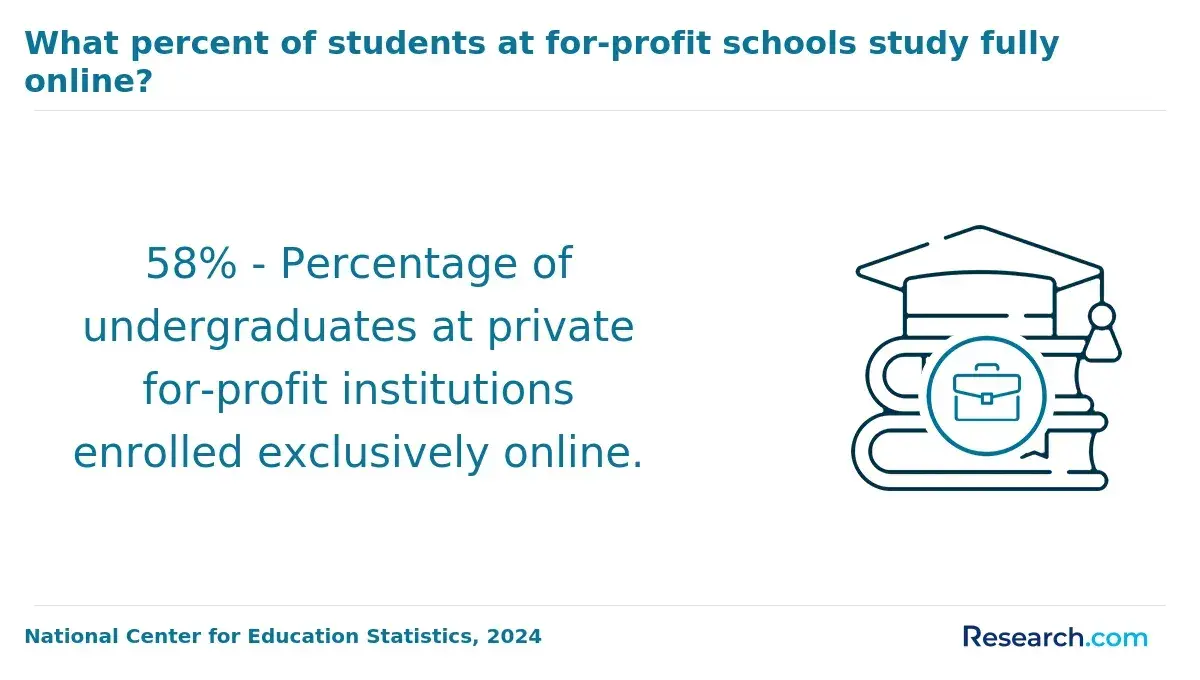
Tuition trends in interior design programs reveal a nuanced shift in affordability that extends beyond simple price tags. In 2024, online interior design tuition rose by roughly 2.3%, markedly slower than the 4.8% increase seen in campus-based programs, according to data from the National Center for Education Statistics. This suggests a modest convergence in cost, but the pricing strategies for these delivery modes are shaped by fundamentally different economic models. Campus programs must allocate resources toward maintaining physical facilities, studios, and living accommodations, which invariably drives up fees beyond base tuition. Conversely, online offerings leverage scalable digital platforms but require ongoing investments in technology infrastructure, specialized instructional design, and virtual student services that redefine how institutions distribute their expenses and justify pricing.
The drivers behind these divergent cost trajectories reflect institutional priorities and operational tradeoffs rather than transient fluctuations. Campus-based programs incur substantial fixed overhead costs-including studio spaces, equipment maintenance, and on-site staff-that scale less efficiently as enrollment changes. Online programs reduce these physical expenses but absorb substantial costs in digital content development, platform licensing, and technical support. Moreover, maintaining academic rigor remotely demands faculty time for synchronous sessions, multimedia assignments, and enhanced advising, which can temper price reductions. Student support services also need reconfiguration for online learners, with investments in virtual libraries, tutoring, and career counseling. These factors demonstrate that the relative affordability of online interior design programs is not simply a matter of eliminating physical costs but reflects deeper shifts in institutional strategy and resource allocation.
A recent graduate of an online interior design program recalled navigating the admissions process amid a rolling deadline cycle that added complexity to financial planning. They initially hesitated to apply early due to uncertainty around tuition increases and potential hidden fees related to required software licenses and local internship arrangements. The delay created compressed timelines for securing funding and scheduling supplemental in-person requirements, generating some stress about readiness. Ultimately, careful timing and direct communication with admissions clarified cost implications, allowing them to commit with greater confidence. This experience underscores how prospective students must weigh both sticker price and the layered financial considerations embedded in online program structures when assessing affordability.
How Have Financial Aid and Scholarships Changed as Interior Design Tuition Has Increased?
As interior design tuition has risen steadily, financial aid and scholarship frameworks have adjusted but not always in ways that fully address the increasing costs. While some institutions have expanded their scholarship programs, much of the growth in funding has been incremental and insufficient to match tuition inflation. The average scholarship award has often lagged behind tuition hikes, leaving a widening gap in net price for students. Concurrently, there has been a noticeable pivot toward targeted aid, with more scholarships tied to diversity initiatives and partnerships with industry stakeholders rather than broad-based merit awards, reflecting a strategic shift in how schools allocate limited resources.
The evolution of financial aid in interior design programs is shaped by several intersecting forces. Competition for students drives institutions to employ tuition discounting through merit-based scholarships, which often favor higher-achieving candidates and may crowd out general need-based aid. Meanwhile, federal and state aid programs like Pell Grants have not expanded proportionally with tuition increases, constrained by capped budgets and policy limitations. This combination intensifies students' reliance on loans and out-of-pocket payments, particularly impacting non-traditional and lower-income applicants who depend on need-based support. Institutional responses, including more selective aid targeting and conditional scholarships, reflect attempts to attract diverse, high-potential cohorts within tight financial parameters.
These funding dynamics contribute to complex affordability challenges for interior design students. Despite some growth in aid dollars, the stagnation of average award sizes relative to tuition means many face higher net costs and potentially greater debt burdens. This environment often encourages part-time enrollment or work-study to manage expenses but can lengthen time to graduation and delay workforce entry. Moreover, shifting aid patterns influence program choice and accessibility, as students weigh the real cost against long-term career prospects, underscoring the critical need for transparent financial planning and clear information on return on investment amid evolving funding landscapes.
How Does Rising Interior Design Tuition Affect Student Debt After Graduation?
Rising interior design tuition directly leads to higher student borrowing levels as more students are compelled to finance their education through loans. This increase in borrowing is fueled by tuition growth outpacing inflation, forcing graduates to carry larger debt loads into their post-college years. The student debt trends for interior design graduates illustrate average debts surpassing national averages for art and design disciplines, with some students accruing balances above $40,000. Consequently, these escalated borrowing requirements increase reliance on loan financing and extend repayment timelines, creating prolonged financial obligations that affect early career and household financial planning.
Key factors exacerbating debt burdens include widening gaps between rising tuition costs and available financial aid, which often fails to keep pace with escalating expenses. Differences between public and private institution tuition rates further complicate borrowing decisions, as private programs typically demand higher out-of-pocket commitments. Accrued interest during periods of study can substantially inflate total repayment amounts, particularly when graduation incomes in the interior design field do not consistently match debt levels. Variability in post-graduation salaries within entry-level roles means many face uneven abilities to service their loans promptly, adding risk for longer-term financial strain.
These dynamics contribute to repayment stress, influencing how prospective students evaluate program choices based on cost versus career return on investment. While some borrow less by pursuing part-time or accelerated pathways or by accessing targeted scholarships, many contend with the long-term consequences of debt-induced financial tradeoffs such as delayed home ownership or family planning. Some graduates may seek relief through loan forgiveness programs or income-driven repayment plans, though eligibility and impact vary. Understanding these pressures is vital for applicants assessing affordability and value, especially in a sector where employer compensation often lags behind growing educational debt. For those interested in alternative educational options, online military colleges may offer distinct financial considerations and pathways worth exploring.
Do Higher-Cost Interior Design Programs Deliver Better Career Outcomes or Earnings?
Higher-cost interior design programs do not consistently deliver superior career outcomes or higher earnings compared to their less expensive counterparts. According to a 2024 report by the National Center for Education Statistics, graduates from costlier institutions often start with salaries similar to those from mid-tier programs, with median starting pay typically between $45,000 and $50,000 annually. This data underscores that tuition cost alone is a poor predictor of immediate income or job market advantages. Thus, the rising program expenses warrant careful scrutiny in the context of their actual economic return rather than assumed prestige.
Career outcomes in interior design are influenced by several factors beyond program price. Institutional reputation can affect access to internship pipelines and employer partnerships, but many employers prioritize tangible skills and portfolio strength over school name recognition. Geographic location and market demand also impact placement success, while specialization depth and alumni networks play roles in long-term professional development. For students focusing on return on investment for interior design degrees, understanding these multifaceted dynamics is crucial to evaluating the value proposition of expensive programs.
When weighing educational affordability against potential returns, students should prioritize programs offering quality internship opportunities, licensure support, and strong industry engagement. Long-term earnings and career growth more often correlate with accumulated professional experience and continuing education than initial tuition cost. Prospective learners might also consider tailored resources, such as the best online masters degree in human resource management programs, as parallels for evaluating ROI strategies across education sectors.
What Do Current Tuition Trends Suggest About the Future Cost of a Interior Design Degree?
The rising cost of interior design degree programs reflects a persistent trend of tuition increases exceeding general inflation rates. Data from the 2024 National Postsecondary Tuition and Fees Report by the U.S. Department of Education show an average annual rise near 4.5% for specialized design programs, outpacing the broader Consumer Price Index growth of about 3.2%. This pattern suggests that interior design tuition will likely continue its upward trajectory, driven by sustained demand in a competitive higher education market and inflation-adjusted budget pressures. Historical tuition growth serves as a crucial benchmark, highlighting that future cost increases are not merely marginal but compound over time, complicating long-term affordability for students.
Several core factors shape this pricing outlook. Institutions face constraints from federal and state funding models that have not kept pace with inflation, pushing colleges to rely more heavily on tuition revenue. At the same time, the need to invest in advanced technology, studio facilities, and specialized faculty to maintain program quality further escalates costs. Expansion of online and hybrid delivery models creates both opportunities for scaled access and additional expenses related to digital infrastructure and student support services. These combined forces suggest that institutional behavior will adapt in ways that sustain tuition growth beyond simple inflation adjustments.
For prospective interior design students, these trends signal important considerations regarding affordability and financial planning. Continued tuition hikes may increase reliance on borrowing, raising long-term debt burdens. Additionally, students may weigh program selection carefully, balancing cost against outcomes such as employability and skill acquisition. Understanding these tuition drivers helps frame realistic expectations and supports informed decisions amid evolving market and institutional dynamics.
References
- College Tuition Inflation [2025]: Rate Increase Statistics https://educationdata.org/college-tuition-inflation-rate
- Interior Design Career - 10 Options for Making Money as a Designer https://ulaburgiel.com/interior-design-career/
- The Interior Design Institute https://www.theinteriordesigninstitute.com/us/en/pricing
- How to price a project https://biid.org.uk/resources/how-price-project
- Would Student Debt Forgiveness Drive Inflation? https://robertkelchen.com/2022/06/09/would-student-debt-forgiveness-drive-inflation/
- The Future of Interior Design — 5 Trends Shaping the Spaces of Tomorrow https://www.collarts.edu.au/collarts-life/news/blog-the-future-of-interior-design-5-trends-shaping-the-spaces-of-tomorrow/
- Is Interior Design a Good Career? Pros and Cons | Herzing College https://blog.herzing.ca/real-pros-and-cons-of-being-an-interior-designer-advice-for-students
- The 3 Ways an Interior Designer Charges for their Fees - Articulated Design Studio | Vancouver Interior Designers https://www.articulated.studio/blog/3-type-of-interior-design-fees
- UNRAVELING THE TRUE DRIVERS OF RISING COLLEGE TUITION AND POLICY PATHWAYS https://ijeber.com/unraveling-the-true-drivers-of-rising-college-tuition-and-policy-pathways/
- How much does it cost to learn Interior Design? https://vdci.edu/learn/interior-design/cost-to-learn-interior-design
Other Things You Should Know About Interior Design
Tuition inflation makes the cost-benefit tradeoff sharper. Certificate programs tend to cost less and require less time, but often lack accreditation and comprehensive training valued by employers. For those prioritizing credential recognition and broad skill development, accepting higher tuition for a degree might be worthwhile. However, for self-directed learners aiming to enter specific niches quickly, certificates can be a strategic, cost-effective option if supported by a strong portfolio.
Programs charging more rapidly tend to expand offerings such as sustainable design, digital modeling, or project management, reflecting evolving industry demands. They may also invest more heavily in career centers and alumni networking. However, this is not guaranteed, so students should look for transparent evidence of enhanced curricular breadth and support services rather than tuition hikes alone before assuming added value.
Proximity can reduce living expenses and commute time, mitigating some tuition inflation's financial pressure. However, lower tuition programs farther away might still offer greater net value, especially if they provide stronger industry connections or internship placements. Families should balance tuition savings against total cost of attendance and program outcomes, prioritizing opportunities that maximize practical experience and employability over mere location convenience.