2027 Agriculture Degree Growth by State: Where Interest Is Rising the Fastest

Co-Founder and Chief Data Scientist
States with rapid growth in agriculture degree enrollments reveal more than rising academic interest; they reflect shifting economic priorities and workforce demands unique to their regions. For example, agricultural hubs expanding mechanization and sustainable practices drive higher demand for advanced skills, while demographic shifts, such as an influx of adult learners balancing work and study, shape program accessibility.
Recent data from the National Center for Education Statistics shows a 12% increase in part-time graduate enrollments nationwide, highlighting flexible pathways that accommodate career changers and working professionals. Understanding these regional dynamics clarifies where educational investments align with evolving market needs and long-term career viability.
Key Things to Know About the State Where Agriculture Degree Interest Is Rising the Fastest
- States like Iowa see rising Agriculture enrollment driven by regulatory incentives favoring sustainable farming, but tighter environmental standards may lengthen degree duration as programs integrate new compliance curricula.
- In Texas, rapid workforce demand for agribusiness managers aligns with growing program capacities, yet employers emphasize field experience over accelerated online degrees, influencing hireability after graduation.
- Florida's expansion of flexible, online Agriculture courses caters to adult learners balancing jobs, reducing time-to-degree but requiring students to navigate limited hands-on training critical for some agricultural specialties.
- Which States Are Seeing the Fastest Growth in Agriculture Degree Enrollment? States Seeing the Fastest Growth in Enrollment
- What Does Enrollment Growth in Agriculture Programs Actually Tell Prospective Students? Interpreting Enrollment Growth
- How Do Regional Job Market Conditions Drive Agriculture Degree Demand by State? Role of Regional Job Market Conditions
- Which States Have Added the Most New Agriculture Degree Programs in the Last Five Years? States That Have Added the Most Programs
- How Has the Rise of Online Education Changed Which States Lead in Agriculture Program Interest? Role of Online Education in Increased Program Interest
- What Demographic Trends Are Fueling Agriculture Degree Growth in Specific States? Demographic Trends Fueling Growth
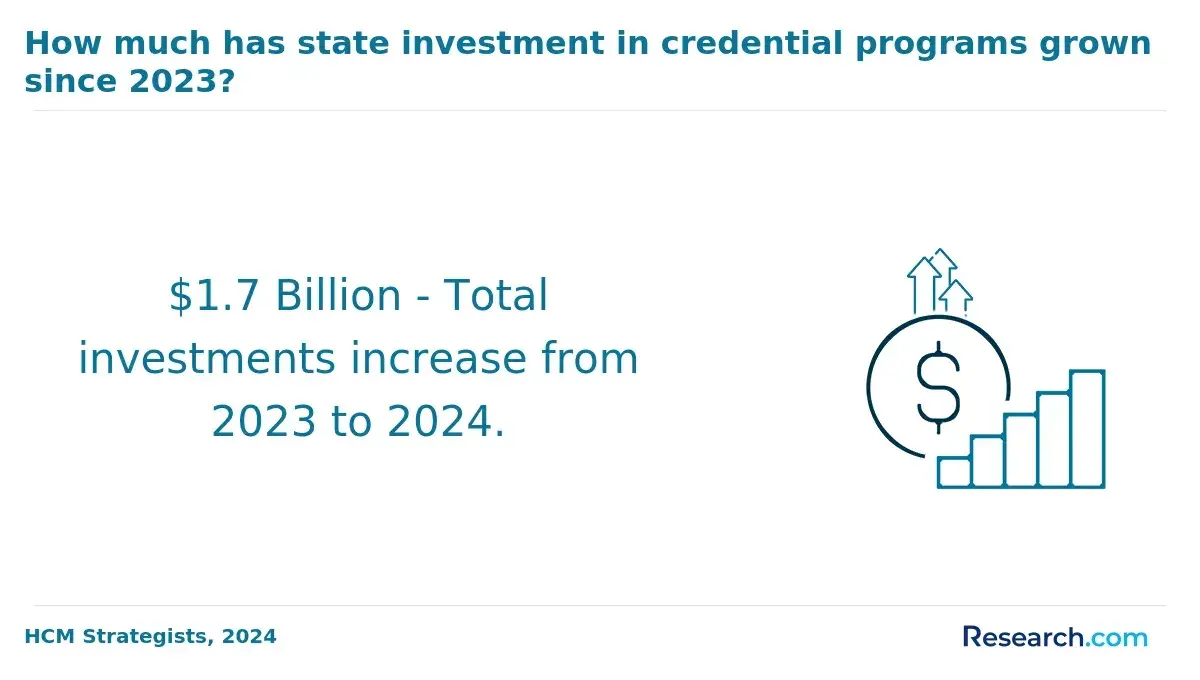
- How Do State Funding Levels for Agriculture Services Influence Degree Program Growth? Role of State Funding Levels
- Which States Are Emerging as Unexpected Leaders in Agriculture Degree Interest? States Emerging as Unexpected Leaders in Growth
- How Does State Population Size Affect the Interpretation of Agriculture Degree Growth Data? Role of State Population Size
- What Role Do State Licensing Requirements Play in Driving or Suppressing Agriculture Enrollment? Role of State Licensing Requirements
Which States Are Seeing the Fastest Growth in Agriculture Degree Enrollment?
Growth in agriculture degree enrollment reflects deeper shifts in regional economies and workforce demands more than a simple rise in student interest. Nationally, the integration of sustainable practices, technology-driven agribusiness, and food security imperatives has accelerated both undergraduate and graduate enrollment, with investment in applied research and extension services playing vital roles.
However, state-by-state agriculture enrollment growth trends highlight uneven advancement shaped by local industry profiles, funding incentives, and public-private partnerships. This uneven geographic momentum has important consequences for graduates, who may find varying scopes of practical learning opportunities, job availability, and innovation capacity depending on region.
- Idaho: As the fastest-growing state in the Northwest for agriculture degrees, Idaho's enrollment surge is tightly linked to its flourishing agritech startups and diversification in specialty crops. This expansion suggests a competitive edge for graduates skilled in integrating technology with traditional farming, but also signals challenges in keeping curriculum aligned with rapidly evolving industry tools.
- Arkansas: Growth here correlates with prominent poultry and aquaculture sectors, which recruit graduates with applied skillsets emphasizing ecosystem management and supply chain logistics. However, students should weigh the potential for regional occupational concentration against broader career flexibility.
- Nebraska: Exhibiting steady gains due to strong public incentives around sustainable crop sciences and livestock innovation, Nebraska remains a classic agriculture hub. Its enrollment climb provides insight into balancing legacy systems with emerging environmental priorities, impacting both academic focus and employability in progressive farming.
- Georgia: In the Southeast, Georgia's rise is fueled by expanded agribusiness and food science programming, echoing regional agrifood sector growth. This expansion supports cross-sector mobility but may increase competition for internships and research roles as more students enter programs.
- North Dakota: Concentrating on graduate-level precision agriculture and renewable energy farming, North Dakota's surge signals an investment-rich ecosystem fostering advanced specialization. Graduates entering this market should anticipate opportunities in research-driven and policy-influencing roles but also consider geographic job market size limitations.
These concentration patterns underscore the importance of region-specific market intelligence when evaluating fastest growing agriculture degree programs by state. Enrollment growth momentum often mirrors a reciprocal relationship: strong program expansion attracts employer investment and vice versa, enhancing practical outcomes. The forthcoming sections will examine regulatory shifts, workforce alignments, and institutional capacities that drive this uneven expansion and discuss how these factors critically influence the quality and relevance of academic programs versus mere enrollment popularity.
For those considering flexible study options, assessing these dynamics alongside enrollment trends can help distinguish robust programs that translate into viable, well-supported career pathways in agriculture. Notably, students exploring multiple pathways might consider looking into colleges online that accept FAFSA for additional access options aligned with workforce needs.
What Does Enrollment Growth in Agriculture Programs Actually Tell Prospective Students?
Rising enrollment in agriculture programs often masks significant variation in program quality and labor market alignment. Prospective students must critically evaluate whether growth reflects authentic demand and educational effectiveness or merely expanded access driven by recruitment efforts.
Raw enrollment numbers offer a useful glimpse into interest but insufficient insight into a program's true value. Programs expanding due to strong industry ties usually feature robust retention and graduation rates, aligning curriculum with employer needs and licensure requirements. Conversely, growth fueled by lowered admission standards or marketing campaigns can dilute academic rigor, limiting graduates' career prospects.
Students should therefore treat enrollment growth as one factor among several when assessing programs and seek additional evidence of outcomes, including graduate employment and certification success. Engaging current students and alumni can provide critical qualitative context, revealing a program's real-world relevance and institutional support beyond statistics.
- Retention Rates: High enrollment loses significance if students frequently drop out; retention reflects how well a program sustains and supports learners.
- Graduation Rates: Efficient degree completion signals effective curriculum design and academic support systems.
- Job Placement Outcomes: Programs connected to labor market demand produce graduates more likely to secure relevant employment.
- Licensure Pass Rates: Certification success is a strong indicator of program quality in regulated agriculture fields.
- Recruitment Versus Demand: Growth tied to industry needs often coincides with curricular relevance; growth driven mainly by recruitment can suggest compromised standards.
- Direct Outreach: Conversations with current students and alumni reveal practical experiences and employment realities not captured by data alone.
How Do Regional Job Market Conditions Drive Agriculture Degree Demand by State?
Regional job market dynamics significantly shape the demand for agriculture degree programs, making local labor conditions a critical factor for prospective students. Graduates who align their education with states experiencing sustained growth in sectors such as rural healthcare, public sector employment, and educational hiring tend to find better employment outcomes.
For example, states that foster employer incentive programs and expand agriculture-related healthcare services create tangible increases in job openings, which in turn stimulate higher graduate enrollment as students respond to clear workforce needs. Selecting a program without evaluating state-specific labor projections risks misalignment between credential investment and practical employment opportunities, affecting everything from practicum availability to salary negotiations.
- California: The state's expanding ag-tech and sustainability efforts drive new roles beyond traditional farming, especially in nutrition and rural community health, buoyed by targeted workforce incentives.
- Iowa: Public sector growth and increasing demand for agricultural educators in school districts reflect Iowa's role as a hub for agriculture innovation, directly supporting job market expansion.
- Texas: Investments in water management and sustainable farming practices create robust agricultural job growth, further supported by employer programs encouraging rural hiring.
- North Carolina: A rise in healthcare professionals addressing aging farming populations alongside enhanced school-based agricultural programs underlines the state's multifaceted workforce development approach.
- Nebraska: Focused on precision agriculture and community revitalization, Nebraska's employer-backed initiatives and agri-science education expansions spur steady increases in graduate demand.
Prospective students of agriculture degree programs should integrate state-specific workforce insights, such as those found in Bureau of Labor Statistics projections and state agency reports, into their decision-making. Beyond predicting job availability, a strong regional market facilitates access to essential practicum placements and enhances bargaining power for starting salaries. For those exploring options in related fields, including counseling, insights into affordability and program accessibility can be found in resources outlining the cheapest master's in counseling online highlighting the importance of thorough research in career planning across disciplines.
Which States Have Added the Most New Agriculture Degree Programs in the Last Five Years?
Shifts in regional economies, workforce shortages, and institutional competition have driven notable growth in accredited agriculture degree programs across select states. The variation in how these programs expand-through entirely new launches, online track additions, or increased enrollment capacities-reflects diverse local priorities and funding realities that significantly affect graduate outcomes and workforce alignment.
- Iowa: The state's growth is shaped by a robust agricultural sector and state incentives favoring both conventional and precision agriculture education. Online tracks target working adults, while competitive grant environments push universities to emphasize applied skills tailored to local industry demands.
- California: Expansion here meets heavy demand from a heterogeneous labor pool. The rise of hybrid and fully online formats broadens access across urban and rural areas. State funding prioritizes climate-resilient and sustainable agriculture, which influences program design and enrollment growth.
- North Carolina: Workforce shortages in agribusiness and biotech have prompted new degree options focusing on emergent fields like agricultural data science. Established schools have expanded capacities, aligning curricular offerings with digital agriculture trends and regional labor needs.
- Texas: Institutional rivalry motivates multiple specialized degree launches, particularly in animal science and agronomy. Online flexibility supports nontraditional students, with state funding targeting enrollment increases to address rural labor shortfalls.
- Florida: Program growth responds to burgeoning specialty crop sectors and environmental stewardship. Online options accommodate seasonal and career-switching students. Scholarships reflect targeted regional specializations but remain limited.
Program Diversity: States adding programs tend to offer a wider array of specializations, enabling students to pursue areas such as sustainable practices or agromechanics that directly correspond to evolving industry needs.
Financial Considerations: Increasing program numbers often trigger tuition competition and more scholarship opportunities, though students must scrutinize aid packages closely within these competitive markets.
Quality and Accreditation: Expansion aligned with accreditation incentives generally maintains rigorous standards, which is essential for licensure and employer acceptance but requires careful institutional vetting by applicants.
Strategic Expansion: Growth often reflects institutional efforts to capture emerging student segments, particularly online learners and career changers, demanding that applicants assess delivery formats and long-term career alignment prudently.
One agriculture graduate recalled a challenging admissions timeline during their program search. Early in the process, they hesitated to commit as rolling admissions and online program openings unfolded unevenly across states. The decision to apply late to an Iowa program expanding online offerings was influenced by delayed clarity around scholarship availability and curriculum fit. The experience underscored how rapidly evolving program landscapes require applicants to balance urgency with strategic evaluation, especially when geographic flexibility is a factor and program features can change between application rounds.
How Has the Rise of Online Education Changed Which States Lead in Agriculture Program Interest?
The surge of fully online agriculture degree programs has fundamentally shifted the traditional geographic patterns of graduate enrollment. Previously, students typically chose programs close to home or within feasible relocation distance due to the hands-on nature of many agricultural disciplines. Today, states hosting reputable online agriculture programs attract a national student body, effectively becoming hubs of virtual education rather than purely regional training centers. This evolution broadens student access but also introduces critical considerations around licensing and local workforce integration.
- Geographic Decoupling: The separation of program location from student residence allows learners to select institutions based on quality rather than proximity, diminishing the traditional advantage held by large agricultural states or land-grant universities.
- Program Reputation: Students increasingly weigh curriculum rigor, faculty expertise, and accreditation over location, concentrating enrollment in programs known for strong online delivery and relevant content, even if remote.
- Tuition and Cost Factors: States offering competitive online tuition or flexible payment schemes draw more out-of-state students, especially those managing budgets constrained by relocation or commuting costs.
- Licensing Considerations: Despite remote enrollment, students must account for state-specific licensure and certification requirements, as employment in regulated agriculture sectors depends on meeting local credential standards.
- Workforce Impact: This geographic redistribution promotes greater mobility and diversification in agricultural labor but complicates employer expectations around hands-on training and regionally recognized qualifications.
What Demographic Trends Are Fueling Agriculture Degree Growth in Specific States?
Enrollment growth in agriculture degree programs is driven by nuanced demographic shifts that shape workforce needs at the state level, creating distinct regional patterns rather than uniform national trends. For recent graduates and professionals weighing their educational investments, recognizing these state-specific dynamics is critical for aligning program choice with lasting career prospects in an evolving agricultural sector. States with positive demographic indicators typically offer steadier demand for agriculture graduates, mitigating risks linked to economic cycles or labor market contractions.
- Population Aging: In Midwestern and Southeastern states facing rapid population aging, agriculture programs expand to produce professionals who can innovate amid shrinking younger farm labor pools. The increased necessity for mechanization, sustainable practices, and supply chain management reflects employers' demand for specialists to compensate for demographic-driven workforce declines, which shapes both curricula and hiring priorities.
- Immigration Patterns: States like California, Texas, and Florida see growth in agriculture degree enrollment influenced by rising immigrant populations that both supply labor and redefine agricultural production. This demographic influx requires adaptable skill sets and culturally attuned program content, making these states focal points for graduates seeking roles in diverse and evolving agricultural labor markets.
- Urbanization: The surge in suburban development in states such as North Carolina and Colorado stimulates demand for sustainable land use and environmental expertise. Agriculture programs in these regions increasingly emphasize interdisciplinary approaches, reflecting employer interest in balancing urban expansion with agricultural viability in peri-urban zones.
- K-12 Enrollment Growth: States with rising youth populations-predominantly in southern and western U.S. regions-see a strengthening pipeline of agriculture students. This trend corresponds to broader educational and community retention strategies, impacting program capacities and signaling sustained workforce replenishment in those locales.
- Rising Rates of Diagnosed Mental Health Conditions: Growing mental health awareness among agriculture workers, reported in several rural states, predicates stronger programmatic emphasis on resilience and community health. This integration appeals to students targeting holistic rural development careers that respond to escalating economic and social stressors documented by public health research.
These demographic realities highlight the practical value of investigating agriculture degree enrollment demographic trends in US states when making career decisions. Prospective students who consider state-specific population factors driving agriculture degree growth can better anticipate the long-term stability of their employment opportunities.
For professionals exploring further education options, including those interested in online MBA programs no GMAT required, understanding these demand-driving trends equips more strategic educational planning aligned with labor market realities.
How Do State Funding Levels for Agriculture Services Influence Degree Program Growth?
Strong state funding for agriculture services directly shapes the viability and expansion of agriculture degree programs by creating a dependable job market that sustains graduate demand. When states allocate funding for Medicaid reimbursement tailored to rural agricultural zones, provide block grants for extension services, support school-based mental health in farming communities, and maintain community health centers in these areas, they essentially stabilize the agriculture economy.
This stabilization encourages students to remain local for education and employment, fostering program growth. In contrast, states with inconsistent or minimal support often experience significant graduate outmigration, which undermines program enrollment and dissuades institutions from investing in or expanding agriculture offerings.
- Investment: Generous and consistent public funding supports infrastructure employers and educators rely on, establishing predictable career paths that attract prospective students and academic developers.
- Workforce Stability: Financial backing for agriculture-related services enhances community resilience, making it more feasible for agriculture graduates to find and retain in-state employment.
- Graduate Retention: Without sufficient funding, graduates frequently relocate to better-funded states, shrinking the labor pool and limiting program scale and appeal.
- Legislative Insight: Analyzing recent state legislative activity around agriculture funding can reveal the likely stability of future employment opportunities within that region's agriculture sector.
- Program Transparency: Prospective students should request data on the percentage of graduates securing and retaining in-state jobs five years post-degree to evaluate a program's real-world impact.
A graduate from a midwestern agriculture degree program recounted the challenges of applying to schools amid shifting funding environments. They hesitated to commit early due to unclear signals about state support and program resources. As admissions followed a rolling schedule, delays in funding announcements caused them to postpone their application, weighing options between programs in states with more transparent and stable investment.
Ultimately, their final decision hinged on where they perceived the most reliable connection between education, sustained state support, and a durable local job market-emphasizing that timely, clear information from both institutions and state agencies can heavily influence applicant confidence and program growth.
Which States Are Emerging as Unexpected Leaders in Agriculture Degree Interest?
States not traditionally associated with agriculture degree leadership are now emerging as notable growth centers, reflecting shifting economic priorities and educational strategies that directly affect workforce pipelines. For students and professionals evaluating their options, especially those geographically flexible, the fastest growing agriculture degree programs by state reveal regions where lower competition and targeted investment align with evolving employer demands.
However, growth sustainability critically depends on whether state initiatives and funding streams will persist once temporary federal or pandemic-era supports expire.
- North Carolina: Traditionally recognized more for biotechnology and textiles, North Carolina's recent surge in agriculture graduate enrollment stems from investments in agricultural innovation centers and workforce incentives focused on sustainable farming and food systems. The introduction of accredited programs that integrate agriculture with environmental science and tech appeals broadly but remains partially reliant on temporary relief funds, suggesting caution regarding long-term program stability.
- Nebraska: While historically steady due to its beef and corn production base, Nebraska's enrollment gains leverage new interstate compacts and multi-institutional partnerships enabling student mobility and credit transfer. State grants targeting rural revitalization and precision agriculture further ground this growth in persistent industry demand, making it a comparatively stable option for those prioritizing program durability and clear career pathways.
- Kentucky: Kentucky's expansion in agriculture degrees ties closely to policy shifts toward hemp cultivation and value-added agriculture, prompting universities to develop pertinent curricula. Though this diversification matches evolving markets and employability, fluctuating regulatory environments introduce risks, underlining the need for prospective students to monitor policy trajectories carefully.
- Utah: Utah's focus on water-efficient farming and agri-tech, underpinned by incubators and drought relief grants, attracts students interested in niche agricultural innovation. However, much of the program scaling depends on one-time federal and state drought response funds, meaning enrollment gains could contract absent sustained research funding and extension services.
Evaluating these emerging states means balancing opportunities such as less competitive admissions and supportive hiring environments against the risk that enrollment growth may be driven by transient funding. Prospective students and career changers should weigh these dynamics in light of their long-term goals and local labor market trends.
For those considering complementary further education, exploring the easiest online MBA programs can be a viable strategy to enhance business acumen alongside agricultural expertise.
How Does State Population Size Affect the Interpretation of Agriculture Degree Growth Data?
Interpreting agriculture degree growth across states requires evaluating these figures relative to each state's population size and existing workforce. For instance, a large state adding 2,000 new agriculture graduates annually may appear to show significant growth; however, when the population and the baseline number of licensed agriculture professionals are factored in, this increase could be proportionally modest. Conversely, a smaller state adding 300 graduates might represent a more substantial per-capita surge, indicating genuine market expansion. This distinction demonstrates why raw enrollment growth must be coupled with per-capita metrics to assess whether demand truly outpaces supply.
Employers often emphasize workforce saturation when making hiring decisions. States with lower ratios of licensed agriculture workers relative to their populations generally signal less-saturated markets and stronger early-career hiring prospects. Decision-makers and career changers evaluating agriculture degree enrollment relative to state population should therefore prioritize states where demand outweighs the current professional base.
Assessing the ratio of graduates to population also protects from misleading interpretations that come from focusing solely on absolute growth numbers. This nuanced approach sheds light on how regional agriculture economies and licensure complexity affect the translation of program interest into viable jobs. Career changers willing to relocate to underserved states may find better opportunities in states with fewer licensed professionals per capita.
- Population Scale: Larger states require proportionally higher graduate numbers to impact the labor market meaningfully, making per-capita measures essential.
- Workforce Saturation: States with fewer licensed agriculture professionals per capita indicate potential demand outpacing supply.
- Economic Context: Regional agriculture economies influence whether growth in graduates translates to viable jobs.
- Licensure Complexity: States with more complex or restrictive acceptance criteria may show slower growth regardless of demand.
- Early-Career Prospects: Underserved states often provide better entry opportunities despite smaller absolute graduate totals.
Careful interpretation of enrollment and workforce data helps guide rational decision-making grounded in where growth is both meaningful and sustainable.
What Role Do State Licensing Requirements Play in Driving or Suppressing Agriculture Enrollment?
State licensing requirements significantly shape enrollment patterns in agriculture graduate programs by influencing the perceived feasibility and value of program completion. Prospective students weigh not only the academic curriculum but also the clarity and manageability of post-graduation licensure steps, which affect time-to-employment and long-term career stability.
States with transparent, stable licensing frameworks provide a competitive advantage by reducing uncertainty, encouraging enrollment growth, and often aligning with employer expectations for licensed professionals. Conversely, states with opaque or overly stringent requirements tend to deter applicants due to increased administrative burden, costs, and delayed workforce entry.
- Transparency: States offering well-documented, accessible licensing pathways enable candidates to forecast their professional trajectory, making such programs more attractive amid competitive job markets where median salaries for agriculture-related roles often reflect licensure status.
- Stringency: Excessive complexity or frequent regulatory changes increase risks of extended certification timelines and associated financial strain, deterring students who must consider the return on investment carefully.
- Employer Influence: Licensing boards shape demand indirectly by setting standards that employers rely on to identify qualified hires; many employers in states with robust licensure expect or require credentialed candidates, thereby reinforcing enrollment patterns.
- Feedback Loop: Strong licensure regimes promote program expansion, which in turn supports advocacy for clearer regulations and workforce-aligned policies, enhancing the overall professional ecosystem.
- Comparative Assessment: Candidates are advised to evaluate full licensure sequences beyond degree prerequisites-especially if they intend to practice across state lines-comparing procedural demands and employer recognition to optimize career mobility and employability.
References
- Why Is Agriculture Important? Benefits and Its Role https://online.maryville.edu/blog/why-is-agriculture-important/
- Deciphering Australia’s Agricultural Job Market - State by state - Agricultural Appointments https://www.agri.com.au/deciphering-australias-agricultural-job-market-state-by-state-overview/
- Changing Demographics https://www.corteva.com/who-we-are/outlook/demographic-trends-in-agriculture-and-global-food-security.html
- Choosing a Career in Agriculture: Benefits, Tips and Career Paths https://www.beyondberea.org/blog/2023/03/22/choosing-a-career-in-agriculture-benefits-tips-and-career-paths/
- Ag college enrollment supported by job market https://agupdate.com/missourifarmertoday/news/state-and-regional/ag-college-enrollment-supported-by-job-market/article_467a9306-39e6-11ed-8867-67cdd31247e3.html
- What can you do with a degree in agriculture? https://www.agrirs.co.uk/blog/2018/05/what-can-you-do-with-a-degree-in-agriculture
- One of the Best Fields for New College Graduates? Agriculture. https://content.govdelivery.com/accounts/USDAOC/bulletins/103c313
- CDL Waivers for the Agriculture Industry - CSG South https://csgsouth.org/policies/cdl-waivers-for-the-agriculture-industry/
- Driving licence requirements for agricultural vehicles – NFUonline https://www.nfuonline.com/news/driving-licence-requirements-for-agricultural-vehicles/
- Aligning State Investments with Workforce Opportunity - Ithaka S+R https://sr.ithaka.org/publications/aligning-state-investments-with-workforce-opportunity/
Other Things You Should Know About Agriculture
Employers in states with rising agriculture degree interest increasingly seek graduates who combine technical expertise with skills in data analytics and sustainable practices. This shift is due to evolving industry demands for precision farming, climate-resilient crops, and supply chain optimization. Graduates focusing solely on traditional agriculture knowledge may find fewer opportunities, so prioritizing interdisciplinary programs that integrate technology and environmental science enhances employability in these markets.
States with lower tuition rates but higher living costs often see slower enrollment growth in agriculture programs, as total financial burden deters some candidates. Conversely, states balancing affordable overall expenses attract more diverse students, including working professionals and career changers. Prospective students should weigh total costs-including housing and transportation-against program quality, since choosing a lower-cost state may improve financial outcomes without compromising career prospects.
Many rural states with growing agriculture higher education interest are expanding degree offerings to meet acute local workforce shortages and stimulate economic development. However, these programs often have limited specialization options and fewer research resources, which can constrain advanced skill acquisition. Students targeting these states should prioritize programs that offer strong industry partnerships and hands-on experiences to offset resource limitations and boost job placement in critical regional markets.
Rising enrollment in a state signals expanding interest but can also mean increased competition for internships, faculty attention, and hands-on learning opportunities. Students should interpret growth data alongside program capacity and employer networks to avoid overcrowded fields that might dilute educational quality. Prioritizing programs in high-growth states with scalable infrastructure and strong industry integration is key to maximizing long-term career returns.