2027 Agriculture Degree Concentration Trends: Which Specializations Are Growing the Fastest

Co-Founder and Chief Data Scientist
Jenna, a working professional aiming to pivot into agriculture, stares at dozens of specializations but hesitates-choosing a concentration that fades in relevance could stall her career. Recent 2024 data reveal a 15% surge in enrollment for sustainable agriculture programs, underscoring a shift toward environmental stewardship and climate-smart practices in the field. This trend reflects employers' growing demand for skills in resource-efficient farming and bioinnovation, signaling where job growth concentrates. Conversely, traditional crop science programs show slower growth, suggesting limited future opportunities.
This article analyzes agriculture degree concentration trends to pinpoint which specializations offer the strongest growth and align with evolving career paths.
Key Things to Know About Agriculture Degree Concentration Trends and Fast-Growing Specializations
- Precision agriculture specializations reflect a shift toward data-driven farming, requiring interdisciplinary skills but often demanding higher initial education costs and access to advanced technical training.
- Employer demand increasingly favors candidates with expertise in sustainable practices, signaling long-term workforce shifts but also narrowing immediate job availability to firms prioritizing environmental compliance.
- Emerging biotech agriculture specializations rapidly expand but present timing risks, as program availability varies widely and graduates may face uncertain industry adoption rates despite strong disruptive potential.
- Key Things to Know About Agriculture Degree Concentration Trends and Fast-Growing Specializations Key Things
- What Are the Most Popular Agriculture Degree Concentrations Today? Popular Degree Concentrations
- Which Agriculture Degree Specializations Are Growing the Fastest? Fastest Growing Specializations
- Why Are Certain Agriculture Degree Concentrations Experiencing Rapid Growth? Reasons for Rapid Growth
- Which Industries Are Driving Demand for Fast-Growing Agriculture Degree Specializations? Industries Driving Demand
- What Are the Highest-Paying Agriculture Degree Concentrations? Highest-Paying Concentrations
- How Are Technology and Innovation Influencing Agriculture Degree Specialization Trends? Tech and Innovation Impact
- What Career Opportunities Are Available in Fast-Growing Agriculture Degree Concentrations? Career Paths in Growth Areas
- Which Online Agriculture Degree Concentrations Are Seeing the Most Growth? Concentrations Growth
- What Is the Future Outlook for Emerging Agriculture Degree Specializations? Future Outlook
- How Can You Choose the Right Agriculture Degree Concentration Based on Your Career Goals? Choosing Your Degree Concentration
What Are the Most Popular Agriculture Degree Concentrations Today?
The rising popularity of certain agriculture degree concentrations reveals a clear alignment between evolving industry priorities and student demand for interdisciplinary skill sets. Agribusiness management, sustainable agriculture, and agricultural technology stand out as fields where enrollment growth reflects heightened employer expectations for graduates who can navigate complex supply chains, regulatory environments, and emergent climate challenges. According to the U.S. Department of Education's National Center for Education Statistics in 2024, agribusiness-related programs have seen a 12% increase in enrollment over three years, underscoring the sector's need for professionals capable of integrating business acumen with farming expertise in areas like commodity trading and farm finance.
Sustainable agriculture's expansion is driven by regulatory shifts and consumer preferences that place environmental stewardship and climate resilience at the forefront of agricultural innovation. This specialization's growth signals a response to workforce shortages in sustainability roles and an increasing demand for expertise in regenerative farming and resource conservation. Additionally, precision agriculture or agricultural technology stands out for its rapid development fueled by digital tools, automation, and data analytics, attracting students interested in applying engineering and IT skills to optimize productivity.
A tradeoff emerges here: while specializing in technology offers access to cutting-edge agri-tech startups and emerging sectors, it can require ongoing learning to keep pace with fast-evolving tools, whereas agribusiness offers a more stable, traditional pathway but may be more susceptible to market fluctuations. Prospective students may also explore options like the BCBA degree online to complement their expertise in technically demanding agriculture fields.
Which Agriculture Degree Specializations Are Growing the Fastest?
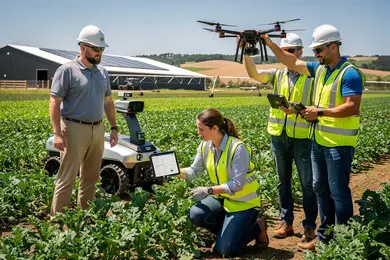
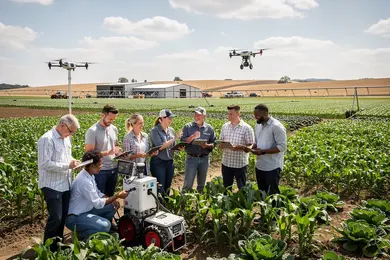
Growth in agriculture degree specializations today is heavily shaped by technological integration and environmental priorities, with precision agriculture, data analytics, and sustainability leading the charge due to their alignment with evolving employer demands. For instance, the U.S. Bureau of Labor Statistics projects enrollment in precision agriculture programs to rise sharply, reflecting a push toward GPS-guided farming, drone use, and IoT sensors that enable data-driven input optimization and yield enhancement.
This shift signals a labor market favoring graduates who combine biological knowledge with analytical and digital competencies, a blend increasingly indispensable as agribusinesses and government agencies prioritize efficiency and climate-smart strategies. However, students must consider how curriculum design in these emerging fields may limit exposure to broader foundational topics, affecting career flexibility in more established sectors.
Simultaneously, sustainability-focused specializations are propelled by mounting regulatory standards and consumer expectations for environmentally responsible production, emphasizing soil health, water conservation, and regenerative methods. The durability of this demand contrasts with more traditional tracks like animal science, which often offer steadier but slower employment growth.
The rise of agricultural data science further underscores a cross-disciplinary trend, requiring fluency in programming and statistical analysis alongside biological sciences, though this can impose a steep initial learning curve. These dynamics suggest a strategic tradeoff for students: pursuing fast-growing concentrations with strong market momentum can open specialized roles in research and agribusiness, yet may necessitate ongoing skill updating and limit lateral moves compared to broader agronomy domains.
One student navigating these complexities described debating between a specialization in sustainable crop management and a more traditional animal science track. Initial interest in sustainability was sparked by industry reports highlighting government incentives and rapid enrollment increases. Still, after consulting faculty and reviewing course offerings, the student hesitated over the narrower curriculum's impact on versatility.
Conversations with recent graduates indicated that while data-driven fields promise strong entry points, the fast pace of technological change demands continual learning, causing some to re-evaluate whether practical skill depth or market responsiveness should weigh more heavily. Ultimately, this student's process reflected careful balancing of personal values, labor market signals, and realistic long-term adaptability rather than simple adherence to growth trends.
Why Are Certain Agriculture Degree Concentrations Experiencing Rapid Growth?
The rapid expansion of certain agriculture degree concentrations is primarily driven by the integration of advanced technologies and shifting regulatory landscapes, compelling employers to seek candidates with specialized expertise. For example, the adoption of precision agriculture tools-such as drones and data analytics platforms-has created demand for graduates proficient in agrotechnology and data management, reflecting a broader industry emphasis on efficiency and sustainability.
According to the U.S. Bureau of Labor Statistics' 2024 projections, employment for agricultural and food scientists is set to increase by about 13% through 2032, underscoring the tangible market need behind this growth. However, students should consider that excelling in such concentrations often requires sustained engagement with rapidly evolving technical skills and interdisciplinary knowledge, which may not align with every learner's strengths or career goals.
Beyond technological drivers, tightening environmental regulations and global trade requirements have elevated demand for expertise in areas like soil science, environmental compliance, and agroecology, where professionals must navigate complex policy frameworks often subject to regional variation. Workforce shortages further complicate this landscape; sectors such as agribusiness management face a scarcity of qualified candidates, pressuring educational programs to adapt curricula toward analytical and supply chain competencies that meet employer expectations.
This uneven growth suggests that while specializations tied to innovation and sustainability present strong employment prospects, prospective students must weigh how these evolving demands affect their ability to sustain long-term career development, particularly in balancing technical depth with practical field experience.
Which Industries Are Driving Demand for Fast-Growing Agriculture Degree Specializations?
Industry demand rather than academic popularity is the primary force shaping growth in specific agriculture degree specializations. Sectors such as sustainable agriculture, agritech, food safety, and environmental resource management are expanding quickly due to technological advances like AI-driven crop management and stricter environmental regulations. These shifts compel employers to prioritize candidates with expertise in precision agriculture, data analytics, and biotechnology, aligning educational focus with real-world labor market needs.
According to the U.S. Bureau of Labor Statistics (2024), employment for agricultural and food scientists is expected to grow 9% over the next decade, notably driven by agritech and sustainable farming practices. This data highlights how agriculture industry sectors driving specialization growth directly influence job prospects and should guide students' specialization decisions.
The growing emphasis on food safety and organic agriculture is creating steady demand for agronomists and soil scientists with practical regulatory and sustainability knowledge, blending fieldwork skills with data-driven analysis. Meanwhile, livestock and crop production sectors increase demand for specialists in animal biotechnology and plant genetics, though regional variability in funding and priorities causes less consistent demand data for these fields.
Students must weigh the inherent tradeoffs of specialization, such as adapting to rapidly evolving technologies and managing exposure to market volatility or changing policies, which often impact employment stability. Those balancing multiple responsibilities might also explore flexible degree options, including programs like the online eMBA, which can complement agriculture studies with leadership and management skills.
What Are the Highest-Paying Agriculture Degree Concentrations?
Higher compensation in agriculture degree concentrations generally aligns with technical proficiency, leadership roles, and sectors undergoing rapid innovation, reflecting industry demand dynamics more than simple specialization popularity. For instance, agricultural engineering's premium pay stems from its blend of mechanical design skills and sustainability-driven applications, a trend reinforced by a 2024 report from the U.S. Bureau of Labor Statistics highlighting the growing need for engineers capable of developing eco-friendly farming technologies.
Similarly, agribusiness management attracts strong employer interest due to its focus on strategic decision-making amid increasingly complex global supply chains and regulatory landscapes, demanding professionals who can navigate financial and operational risk with leadership acumen. Emerging disciplines like precision agriculture illustrate how a niche skillset that integrates data analytics and digital tools commands higher pay through scarcity and direct impact on productivity gains.
Choosing a specialization involves weighing these market-driven factors against one's own adaptability and interests, recognizing that the highest-paying roles often require interdisciplinary expertise and ongoing learning to stay abreast of technological advancements. The interconnected nature of these fields means that, for example, an agribusiness specialist may need fluency in digital agriculture tools to leverage data for competitive advantage. These evolving requirements shape employment prospects and influence long-term career trajectories beyond initial earnings, underscoring the importance of strategic specialization aligned to both market trends and evolving role expectations.
One recent graduate recalled weighing agricultural engineering versus precision agriculture concentrations by analyzing employment outcomes and industry demand reports. Conversations with faculty emphasized that agricultural engineering graduates commonly secure positions designing sustainable machinery but often face rigorous technical demands and regulatory compliance pressures.
In contrast, precision agriculture presented a newer, less-defined career path with strong growth potential but fewer established advancement examples. The graduate's skepticism about long-term job stability in the emerging field, paired with a practical evaluation of day-to-day responsibilities, led to choosing agricultural engineering after balancing earning potential with clearer career development frameworks.
How Are Technology and Innovation Influencing Agriculture Degree Specialization Trends?
The impact of technology on agriculture degree specialization is driving a decisive shift toward concentrations that integrate data analytics, artificial intelligence, and automation. For example, the rise of precision agriculture now demands proficiency in GIS mapping and drone operation, reshaping curricula to prioritize digital platform skills over traditional agronomy alone. Employers increasingly seek graduates who can interpret big data and implement machine learning models to optimize resource use and crop management, reflecting a clear industry preference for technology-adept candidates.
Innovation trends in agriculture degree programs also bring strategic trade-offs. While tech-focused specializations improve employment prospects in emerging fields like agricultural robotics and environmental monitoring, they require continuous upskilling to keep pace with rapidly evolving software ecosystems. Moreover, the uneven distribution of tech adoption across rural areas means that not all graduates will find equal demand locally, underscoring the importance of balancing STEM skills with practical applications.
Prospective students should consider this dynamic when selecting programs, especially if they are managing professional or personal responsibilities while exploring options such as 6 week certification programs online that may complement a full master's curriculum.
What Career Opportunities Are Available in Fast-Growing Agriculture Degree Concentrations?
Concentrations within agriculture degrees that emphasize technology, data analytics, and sustainability correspond closely with employer demand shifts, particularly as the sector adapts to environmental pressures and digital transformation. For instance, expertise in precision agriculture-encompassing skills like remote sensing and GIS-is increasingly valuable for roles involving smart farm management and resource optimization. Graduates equipped with these competencies are positioned to engage in data-driven decision-making processes that drive operational efficiency and meet regulatory environmental standards, reflecting a growing industry prioritization of technological integration.
Conversely, specializations such as agribusiness focus on strategic management, supply chains, and economic analysis, aligning with leadership roles that require both operational oversight and market responsiveness. This path tends to emphasize business acumen but may not offer the rapid technical evolution or innovation seen in fields like agricultural biotechnology, which demand advanced training and target cutting-edge scientific advances in crop resilience and genetic improvement. According to recent projections from the U.S. Bureau of Labor Statistics, employment for agricultural and food scientists is expected to grow 7% from 2022 to 2032, underscoring expanding opportunities in sectors closely linked to sustainability and innovation.
Choosing a concentration thus affects not only immediate career options but also long-term professional adaptability amid shifting industry landscapes. Technology-intensive fields require continuous skill development but can provide upward mobility through specialized roles, whereas traditional concentrations may offer broader applicability and stability but slower advancement potential. Students and career changers must evaluate how their target specialization aligns with both current employer requirements and anticipated sector trends, recognizing that an informed decision influences skill diversification, positioning, and resilience within the evolving agriculture workforce.
Which Online Agriculture Degree Concentrations Are Seeing the Most Growth?
The most pronounced growth in online agriculture degree concentrations is occurring in fields that integrate advanced technology and sustainability, driven by shifting industry demands and regulatory landscapes. For example, enrollments in agricultural technology, environmental management, and agri-data science programs have increased by over 15% between 2022 and 2024 according to the U.S. Bureau of Labor Statistics.
This reflects a systemic transition toward precision agriculture methods such as GPS-guided machinery, drone surveillance, and IoT-based soil sensors, all of which require graduates to couple traditional farming knowledge with data analytics and digital fluency. Students must weigh the benefits of these emerging specializations against their interdisciplinary intensity, as the blending of biology, IT, and policy increases academic complexity and may not suit those seeking narrower, more classic agricultural training.
Growth in sustainable agriculture-related concentrations also corresponds with heightened regulatory pressure to reduce environmental footprints and improve resource management. Employers in agribusiness, government agencies, and consulting firms actively seek expertise in soil health, water conservation, and compliance monitoring, but these paths demand adaptability to evolving standards and a commitment to environmental stewardship that could constrain immediate job flexibility. While older concentration models like general agriculture or animal science remain relevant, they are not aligning as directly with current market needs for technology-enabled sustainability solutions. Prospective students should therefore critically evaluate how specialization choices influence access to expanding sectors, the rigor of interdisciplinary coursework, and long-term employability within a landscape increasingly shaped by technological integration and environmental accountability.
What Is the Future Outlook for Emerging Agriculture Degree Specializations?
The trajectory of agriculture degree specialization growth is being rapidly shaped by technology and sustainability demands, with specializations like precision agriculture and agricultural data analytics becoming essential. The 2024 U.S. Bureau of Labor Statistics projects a 7% growth rate through 2032 for agricultural and food scientists, but this broad figure masks faster expansion in sectors that integrate digital tools such as GPS, drones, and IoT for resource optimization. As employers increasingly prioritize tech-savvy candidates, graduates focused on precision agriculture stand to gain stronger employment prospects, though they must weigh the tradeoff between specialized technical skills and broader adaptability in fluctuating markets.
Sustainable agriculture programs are likewise expanding under pressure from climate change and resource constraints, emphasizing regenerative practices and ecological management. These specializations respond to shifting regulatory landscapes and consumer preferences demanding environmentally responsible food production, making them attractive for students concerned with long-term industry viability. Meanwhile, agricultural data science is emerging as an important intersection of agriculture degree specialization, future job outlook, and interdisciplinary expertise. Professionals who can analyze complex farm and supply chain data provide tangible value in improving yields and market responsiveness amid volatile conditions.
Prospective students should carefully evaluate these emerging agriculture degree concentrations career growth areas against regional job market variability and potential policy shifts that may affect demand. The pace of technological adoption by smaller farms remains uncertain, creating risks for some specialization choices. In balancing skill acquisition and career resilience, learners might also explore related fields, such as the growing availability of online programs exemplified by options like a bachelors in photography online, which illustrate the broader trend toward flexible, interdisciplinary education models.
How Can You Choose the Right Agriculture Degree Concentration Based on Your Career Goals?
Choosing an agriculture degree concentration requires a deliberate alignment of specialization with evolving industry demands and long-term career strategy. For instance, focusing on precision agriculture or agricultural data science can position graduates advantageously amid a growing emphasis on technology-driven farming methods. However, students must weigh whether their chosen concentration offers both immediate employability and flexibility for future shifts, as some specializations target narrowly defined technical roles, while others prepare graduates for leadership or graduate study pathways. This consideration is crucial when factoring in varied workforce outcomes and professional development potential.
Fields like environmental stewardship and agri-food supply chain management illustrate how emerging global challenges reshape student interest and labor market needs, with enrollment in these areas rising by 15%, according to the National Agricultural Statistics Service. This trend showcases the importance of selecting specializations that address pressing sector problems while offering expanded job opportunities. Evaluating program strengths through such practical lenses ensures that candidates not only pursue an agriculture degree concentration tailored to their skills but also enhance their prospects amid dynamic career landscapes.
Students aiming to secure long-term career success should undertake a methodical approach to agriculture degree concentration career alignment, assessing how specific fields correspond to future workforce demands rather than assuming stable growth. Those inclined toward careers demanding sustained income stability and individual work settings might also consult resources like high paying careers for introverts to identify compatible roles. Ultimately, this analytical framework prevents misaligned specialization choices that can restrict advancement or necessitate costly mid-career adjustments.
References:
- Agriculture College Majors and Degree Programs https://www.collegeatlas.org/agriculture-colleges.html
- New Technology in Agriculture: Top Trends and Benefits - Leher https://www.leher.ag/blog/new-technology-agriculture-trends-benefits
- Why Agriculture and Farming are Popular Career Choices https://www.agrirs.co.uk/blog/2021/06/why-agriculture-and-farming-is-a-popular-career-choice
- New study says there will be shortage of graduates to fill ag jobs https://www.farmprogress.com/crops/job-opportunities-in-agriculture-expected-to-grow-rapidly
- Seeding the Future: Top 5 In-Demand Ag Majors | Syngenta Thrive https://syngentathrive.com/infographics/community-culture/top-5-in-demand-ag-majors/
- Agriculture & Food Sector Careers: Explore High-Demand Professional Opportunities | Wikifarmer https://wikifarmer.com/library/en/article/agriculture-food-sector-careers-explore-high-demand-professional-opportunities
- Agriculture Programs in the USA: Your Complete Guide to Degrees, Specializations, and Careers https://shorelight.com/student-stories/agriculture-degree-subjects-requirements-and-more
- Online Agriculture Degrees - Degrees & Guides https://www.academicinfo.net/agriculture
- Explore Career Opportunities in Agriculture for a Successful Future https://www.medicaps.ac.in/blog/sowing-the-seeds-of-success-why-agriculture-is-your-green-ticket-to-a-bright-future
- New report shows strong market for ag science majors https://caes.news/new-report-shows-strong-market-for-ag-science-majors/
Other Things You Should Know About Agriculture
Emerging specializations like precision agriculture, sustainable systems, and data analytics are growing rapidly but often require a steeper learning curve due to technology integration. Traditional concentrations such as crop science or animal science may offer deeper foundational knowledge valued by many employers. Students should prioritize emerging areas if they seek roles tied to innovation and higher-tech farm management, but those targeting regulatory, extension, or research careers might benefit more from established concentrations.
Yes, geographic and sector-specific demand greatly influences the value of emerging concentrations. For example, precision agriculture is highly prized in regions with large industrial-scale farming, while smaller-scale or organic farming regions may favor specialization in sustainable or environmental agriculture. Prospective students should assess local industry trends and employer expectations, as skills in novel tech areas may not yet be widely demanded everywhere, potentially limiting early-career options.
Interdisciplinary programs offer broad skill sets combining agronomy, environmental science, economics, and data analysis, which may increase adaptability but dilute technical depth. Specialized degrees provide concentrated expertise, enhancing mastery and employer appeal for niche roles, but may reduce flexibility if market demands shift. Candidates focused on long-term career security should consider interdisciplinary degrees, while those confident in a chosen niche's growth may prioritize specialization to maximize early career impact.