2027 Top Industries Hiring Agriculture Graduates: Demand, Pay, and Growth Trends

Co-Founder and Chief Data Scientist
Choosing a career path after completing an agriculture degree poses significant challenges for many graduates. They often face questions about which industries hire the most agriculture professionals, what salary ranges to expect, and how stable or expanding those sectors might be. Navigating these factors requires more than just surface-level career advice; it demands a clear understanding of industry trends, compensation structures, and employment outlooks that vary widely across fields connected to agriculture.
Informed decisions hinge on insight into where demand for agriculture graduates is strongest and how salaries compare across industries. Equally important is recognizing which sectors offer long-term growth and how employer expectations are shifting with technological advances and sustainability goals. This article examines the top industries hiring agriculture graduates, highlights where pay is highest, analyzes job growth trends, explores evolving employer requirements, and outlines how students can tailor their skills to align with promising career opportunities.
Key Things to Know About the Top Industries Hiring Agriculture Graduates
- Agriculture graduates predominantly find employment in agribusiness and food production sectors, which together absorb over 60% of new entrants, reflecting strong industry specialization and resilience.
- Precision farming and environmental consulting offer the highest median salaries, with a reported 8% annual wage growth, signaling lucrative careers where tech integration is accelerating.
- Employer demand is shifting towards sustainable agriculture practices, with a 2024 USDA report showing a 20% rise in job openings requiring expertise in climate-adaptive farming, altering hiring priorities significantly.
- Key Things to Know About the Top Industries Hiring Agriculture Graduates Key Things to Know About the Top Industries Hiring Agriculture Graduates
- Which Industries Hire the Most Agriculture Graduates? Top Industries
- Which Industries Offer the Highest Salaries for Agriculture Graduates? Highest Salaries
- Which Industries Have the Fastest Growth for Agriculture Careers? Growth Trends
- Which Employers Commonly Recruit Agriculture Graduates? Top Employers
- Which Skills Are Most In Demand Across Agriculture Industries? In-Demand Skills
- How Do Career Paths Differ Across Industries for Agriculture Graduates? Career Paths
- How Do Industry Trends Affect Future Opportunities for Agriculture Graduates? Industry Trends
- How Can Students Prepare for High-Demand Agriculture Industries? Career Preparation
- How Do Different Agriculture Degree Programs Prepare Students for Industry Careers? How Do Different Agriculture Degree Programs Prepare Students for Industry Careers?
- Which Industry Is the Best Fit for Your Agriculture Career Goals? Which Industry Is the Best Fit for Your Agriculture Career Goals?
Which Industries Hire the Most Agriculture Graduates?
Employment demand for agriculture graduates in the US remains concentrated in several key sectors that consistently offer substantial hiring opportunities. According to data from the U.S. Bureau of Labor Statistics in 2024, roughly 45% of agriculture-related occupations are found in food production and processing, government agencies, and environmental management, although exact proportions shift with regional and economic changes. These industries appeal to graduates due to their stable growth, relevance to public needs, and increasing focus on sustainability technologies. Below are some of the top industries hiring agriculture graduates in the US and why they maintain strong recruitment.
- Food Production and Processing:This sector leads in employing agriculture graduates, who commonly engage in crop and livestock management, quality control, and supply chain roles. The industry's scale-from farming to food manufacturing-creates diverse positions, and rising consumer demand for organic and sustainably produced food drives need for expertise in precision farming and sustainable agriculture technologies.
- Government and Public Agencies:Federal, state, and local agencies including the USDA and environmental departments hire graduates for roles involving agricultural research, policy development, and regulatory compliance. These positions tend to offer stability with benefits like loan forgiveness and career development, attracting those seeking long-term public service careers.
- Environmental and Natural Resource Management:Organizations in this sector focus on land conservation, renewable energy projects, and climate change mitigation. Agriculture graduates contribute valuable knowledge about ecosystems and sustainable land use, supporting initiatives that expand as environmental regulations tighten and demand for resource-efficient practices grows.
- Agri-Tech and Biotechnology Firms:Although smaller in employment share, these emerging industries increasingly recruit agriculture graduates with skills in genetic crop improvement, automation, and data analytics. Graduates here often find higher salary potential by combining technical expertise with interdisciplinary approaches, meeting the needs of innovation-driven companies.
Given the variation in regional economies and specific employer needs, prospective students should consider how these top industries align with their interests and skill sets when evaluating which good majors in college can yield promising employment outcomes. This practical perspective is essential for navigating the highest demand sectors for agriculture degree holders.
Which Industries Offer the Highest Salaries for Agriculture Graduates?
Salary differences across industries for agriculture graduates often stem from variations in required technical expertise, demand for specialized skills, and the level of innovation inherent to each sector. Industries leaning heavily on research, technology development, or financial acumen tend to offer higher pay to attract and retain talent capable of navigating complex challenges. Conversely, roles centered on localized management or public service typically yield more modest compensation due to funding structures and narrower market scopes. Understanding these dynamics helps graduates align their career choices with realistic earning expectations and professional growth opportunities. The following industries generally provide the strongest earning potential for agriculture graduates.
- Agricultural Engineering: This field demands advanced knowledge of machinery design, environmental modeling, and sustainable farming technology, placing it among the highest-paying sectors. Graduates working as agricultural engineers benefit from median annual wages around $88,000, according to the Bureau of Labor Statistics, reflecting the value of their specialized skills in innovation and large-scale impact. Roles include developing smart irrigation systems, precision equipment, and environmental risk mitigation strategies.
- Biotechnology in Agriculture: Rapidly expanding due to breakthroughs in genetically modified crops and biofuel development, this industry offers salaries averaging between $80,000 and $95,000 early in careers. Positions often require expertise in genetics, molecular biology, and regulatory compliance, with earning potential rising alongside advanced degrees and experience. The sector's growth is driven by global demand for sustainable and high-yield agricultural products.
- Agribusiness Finance and Commodity Trading: Specialists who combine agricultural knowledge with financial skills, such as commodity brokers and market analysts, tend to earn over $75,000 annually. These roles demand a strong grasp of market trends, risk assessment, and supply chain logistics, often involving substantial negotiation and strategic decision-making. The sector rewards professionals who can bridge technical expertise with economic insight in a global marketplace.
- Farm Management and Extension Services: Though vital to agricultural productivity and community outreach, these areas typically offer lower salaries, generally between $50,000 and $65,000. Their focus is more local and tied to public-sector or cooperative funding, limiting compensation compared to private-sector roles. Graduates pursuing these paths often prioritize impact over income but should be mindful of the tradeoffs in financial growth.
For those considering the range of earning potentials across industries, it's important to weigh your willingness to pursue additional education and stay current with technological advancements. Those aiming for top-paying agriculture graduate careers must often invest in ongoing learning and adaptability to meet the demands of evolving sectors. Additionally, exploring interdisciplinary options can be beneficial; for instance, combining agricultural expertise with emerging fields or financial skills can unlock new pathways. Prospective students interested in cost-effective education options related to this trajectory might explore a cheap online psychology degree to complement their knowledge in behavioral aspects of agricultural economics or workforce management.
Which Industries Have the Fastest Growth for Agriculture Careers?
Examining industry growth is essential for agriculture graduates aiming to secure stable and rewarding careers. Areas with expanding job markets often provide higher earning potential, more innovation-driven roles, and long-term viability amid shifting economic and environmental conditions. Yet, growth rates fluctuate based on regional economies, emerging technologies, and evolving consumer demands, so careful analysis of sectors with robust projections is critical. Agriculture students and career changers should focus on where their skills meet strong employer needs and future trends. Below are key industries expected to deliver the most promising growth for agriculture professionals.
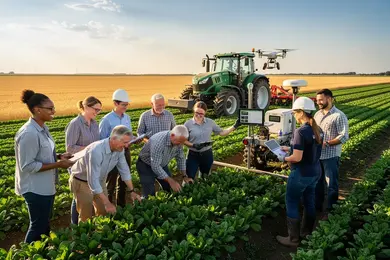
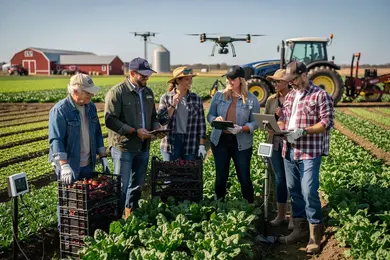
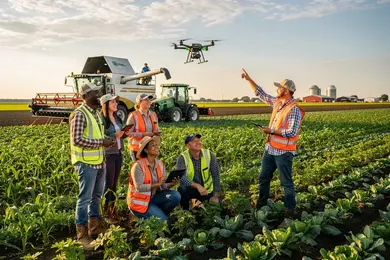
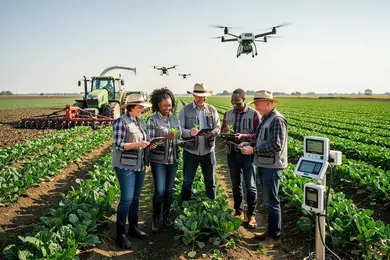
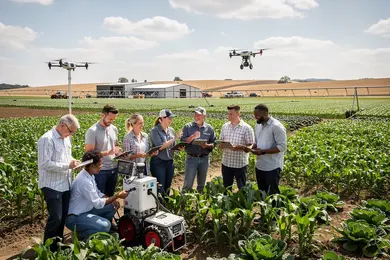
- Sustainable Agritech: This sector is rapidly expanding due to increased adoption of precision farming technologies such as drones, IoT sensors, and data analytics. Graduates with expertise in both crop science and technology integration are in demand to optimize resource use and environmental impact. According to the U.S. Bureau of Labor Statistics in 2024, roles in agritech-related specialties are growing faster than the average for agriculture careers, often exceeding 8% annual growth in certain regions.
- Organic and Specialty Crops: Shifts in consumer preferences toward healthier, eco-friendly foods drive significant growth here, creating openings for specialists in soil health, pest control, and crop diversification. This market segment's growth is projected at approximately 7% over the next decade, influenced by regulatory support and rising market premiums for organic products.
- Food Safety and Quality Assurance: Heightened regulations and consumer demands for transparency are fueling steady expansion of careers focused on supply chain verification and compliance. These positions typically require additional certifications but offer stable employment prospects and competitive salaries, especially where food production is a regional economic pillar.
- Renewable Bioenergy: With increasing national commitments to reduce carbon emissions, the bioenergy industry-centered on biofuels from biomass and agricultural residues-is growing rapidly. Agriculture graduates with skills in bioengineering and environmental assessment are positioned to take on multidisciplinary roles essential to this sector's development.
One recent agriculture graduate recalls hesitating between conventional crop production and entering agritech. After an internship with a startup developing sensor networks for farms, the practical application of data to increase yields and reduce chemical use convinced them to specialize in sustainable technologies. The rapidly expanding demand and the tangible impact on environmental stewardship gave a sense of urgency and satisfaction that the traditional farming path lacked. This experience highlights how emerging industry growth patterns can shape not only job availability but also professional fulfillment in agriculture careers.
Which Employers Commonly Recruit Agriculture Graduates?
Aligning educational focus and practical experiences with the types of organizations that actively recruit agriculture graduates can significantly improve job prospects. Recognizing that hiring trends differ by specialization, region, and sector allows students to target internships and coursework more strategically. For example, a graduate interested in sustainable farming techniques may prioritize agencies or nonprofits over large agribusinesses due to differing organizational missions and roles. Understanding these employer profiles helps manage expectations around salary potential and career trajectory.
Below are key employer categories that consistently seek agriculture graduates, based on 2024 data from the United States Department of Labor and the National Agricultural Statistics Service.
- Agribusiness Corporations: These companies represent a dominant employment sector, engaging graduates in crop management, agronomy, and supply chain roles. Their need to optimize production efficiency and meet global food demand ensures steady recruitment of skilled professionals.
- Government Agencies: Federal and state bodies such as Departments of Agriculture and natural resource offices hire graduates for policy development, research, and regulatory tasks. These positions appeal to those wanting to influence sustainable agricultural practices and environmental stewardship through public service.
- Food Production and Processing Firms: Businesses in this sector focus heavily on quality assurance, food safety, and innovative packaging technologies. With rising consumer prioritization of organic and sustainable products, these employers value expertise in maintaining and improving product standards.
- Agricultural Equipment and Technology Companies: Manufacturers and tech firms developing precision agriculture tools recruit agriculture graduates to support product innovation, technical sales, and on-field assistance. These roles often require blending technical knowledge with practical agricultural understanding.
- Environmental and Conservation Organizations: Driven by growing climate and sustainability concerns, nonprofits and advocacy groups provide roles centered on land management, conservation initiatives, and sustainable farming solutions. This sector is increasingly important for graduates focused on ecological impact within agriculture.
Which Skills Are Most In Demand Across Agriculture Industries?
The most valuable career skills in agriculture industries tend to retain their importance across sectors because they address core challenges such as resource management, sustainability, and technological innovation. Rather than fluctuating with trends, these competencies provide graduates with the adaptability needed to navigate evolving job markets-from agritech startups to governmental agencies. Employers prioritize candidates who effectively combine technical knowledge with professionally transferable skills, ensuring they can contribute to diverse roles and projects. For example, a recent USDA report indicates a 12% increase in demand for graduates skilled in precision agriculture tools paired with leadership capabilities. Below is a list highlighting the key skills consistently in demand across agriculture industries.
- Precision Technology Proficiency: Competency in GPS mapping, drone operation, and data analytics platforms is critical as employers seek to optimize crop management and sustainability. Students can build this skill through hands-on coursework and internships involving emerging agricultural technologies, which opens doors across food production, environmental management, and agritech sectors.
- Biotechnology Expertise: Knowledge of genetic modification, soil science, and pest management allows graduates to support innovative crop yield improvements. Developing this skill during a program helps meet industry emphasis on science-driven solutions, enhancing employability and career longevity in both research and commercial agriculture.
- Critical Thinking and Problem Solving: Analyzing complex agricultural data and adapting to environmental challenges remains highly prized. These skills are fostered in project-based learning and fieldwork, preparing graduates to craft sustainable, effective strategies amid unpredictable conditions.
- Effective Communication: Coordinating with multidisciplinary teams, regulators, and community stakeholders requires clear and adaptive communication. Cultivating this through group projects and presentations helps graduates influence policy and operational decisions within multiple industries.
- Leadership and Project Management: Managing farm operations or research initiatives demands these abilities. Practical experience leading teams or assignments during studies positions graduates to advance into supervisory or consultancy roles.
- Digital Literacy in GIS and Remote Sensing: Familiarity with geographic information systems and remote sensing software enhances versatility, especially for roles in environmental consulting and government. Training typically involves specialized courses, reinforcing foundational knowledge for diverse applications.
- Adaptability to Industry Trends: Agriculture graduates benefit from staying current with emerging tools and practices. This agility is built through continuous learning and internships, allowing them to transition smoothly between sectors like agritech and policy advising, where evolving skills drive career resilience.
Integrating these skills aligns with observed wage growth patterns, reflecting a premium for graduates adept in both technology and sustainable practice. Prospective students seeking a robust foundation might consider programs offering a strong balance of core competencies alongside opportunities for practical experience, including those connected to an office administration degree that supports complementary administrative skills valuable in agribusiness settings.
How Do Career Paths Differ Across Industries for Agriculture Graduates?
Choosing an industry after earning an agriculture degree heavily shapes career growth, sometimes as much as the degree itself. Different sectors emphasize varied skill sets, career trajectories, and reward systems, making specialization and experience essential to career success. For instance, some industries prioritize technological innovation and rapid advancement, while others value operational stability and sector-wide impact. Understanding these differences helps graduates align their career choices with personal ambitions and labor market realities.
Key ways career paths vary across industries include:
- Advancement Velocity:The pace of promotion differs widely; agritech and biotechnology often enable faster moves into leadership roles due to high R&D investment and innovation demands, with annual wage growth surpassing 5%, whereas traditional farming sectors generally have steadier, slower promotion rates tied to cyclical capital investment.
- Skill Emphasis:Agritech careers heavily reward technical expertise and project management skills, while crop production leans more on operational know-how and agribusiness acumen, requiring additional business training for upward mobility.
- Job Stability vs. Innovation:Operational roles in farming or public policy offer stability but limited rapid growth, contrasting with supply chain and agritech sectors that offer dynamic, evolving roles but require constant adaptation to new technologies and regulations.
- Workplace Environment:Graduates in public sector or policy roles may engage in broad industry influence and advocacy but often face lateral career moves rather than vertical promotions, which contrasts with private sector roles where hierarchical advancement is clearer.
- Market Sensitivity:Primary production jobs can fluctuate seasonally and with commodity prices, affecting early-career consistency, while positions in food supply chain management and agritech are more insulated from such cyclicality, offering steadier career trajectories.
- Long-term Impact Potential:Careers in government or NGOs prioritize societal and environmental outcomes, appealing to those valuing mission-driven work, whereas commercial agriculture roles focus on business performance and operational efficiency.
- Experience Portfolios:Supply chain and food processing fields often demand diverse skill sets across regulations, sustainability, and logistics, providing broader experience at the cost of less role stability, important for graduates seeking versatility.
How Do Industry Trends Affect Future Opportunities for Agriculture Graduates?
Industry trends play a critical role in determining which career paths prevail for agriculture graduates, influencing demand, required skill sets, and earning potential. As sectors evolve in response to economic pressures, technological advances, and environmental challenges, the range of viable opportunities shifts too. Agriculture professionals must navigate this fluid environment, adapting to fields that grow in prominence while others contract. According to recent data from the U.S. Department of Agriculture and the Bureau of Labor Statistics in 2024, agriculture-related employment is expected to expand in targeted areas rather than uniformly across the field. Key trends shaping these prospects include:
- Sustainable Practices: Increasing regulatory focus and consumer preferences for eco-friendly products are driving demand for expertise in sustainable agriculture, soil conservation, and water management. Employers look for graduates who can implement methods that balance productivity with environmental stewardship, making knowledge of sustainable frameworks essential.
- AgTech Innovation: The integration of technology, such as drones, sensors, and automated machinery, is reshaping traditional farming and food production. This creates roles requiring skills in data analytics, systems engineering, and precision agriculture, pressing graduates to gain multidisciplinary capabilities beyond conventional agricultural sciences.
- Global Food Systems: With supply chains growing more complex, industries tied to food safety, trade compliance, and logistics are expanding. Graduates adept in navigating regulatory environments and international markets find opportunities in agribusiness management and policy compliance, reflecting the globalization of agriculture.
- Environmental Consultancy: As climate variability affects crop yields and land use, professionals who can advise on ecological impact, resource optimization, and regulatory adherence will be increasingly valuable. This area blends scientific research with practical applications aimed at long-term resilience.
One agriculture graduate recalled facing difficult choices soon after finishing their degree. Initially drawn to traditional farming, they noticed job prospects tightening in that sector as automated and large-scale operations dominated. After attending a career seminar highlighting precision agriculture's growth, they pivoted to specialize in AgTech applications. This shift required rapidly acquiring programming skills and comfort with data-driven decision-making. Though daunting at first, the transition paid off as they secured a role in a firm developing drone-based crop monitoring. The experience reinforced how staying alert to shifting trends and being willing to build new competencies can determine career longevity in agriculture.
How Can Students Prepare for High-Demand Agriculture Industries?
Students targeting high-demand agriculture careers must blend academic learning with hands-on experiences that align with shifting market needs. Data from the U.S. Department of Agriculture indicates that internships and cooperative education placements increase the likelihood of employment by over 30% in agriculture-related fields. Yet, the most competitive candidates tailor their skill sets to sectors like agribusiness and sustainable farming, which are evolving rapidly. In practice, consider a student who complements farm work with digital mapping skills, positioning themselves strongly for agritech roles. Below are effective strategies to enhance employability in agriculture industry jobs.
- Practical Experience: Engage in internships or cooperative education placements within agribusiness, food production, or research farms to translate theory into applied skills. This exposure reinforces technical abilities and problem-solving aptitude valued by employers.
- Technical Skill Development: Focus on proficiency in data analytics, precision agriculture tools, and GIS mapping. These skills address the growing demand for graduates who integrate traditional agriculture knowledge with digital technologies.
- Specialized Certifications: Attend workshops and earn certifications in areas like sustainable farming or agritech innovations. Certification demonstrates commitment and specialized expertise sought in niche sectors.
- Networking Engagement: Build relationships through agricultural associations and conferences. Access to industry professionals reveals emerging trends and job openings before they reach wider platforms.
- Leadership Roles: Assume leadership in student organizations or community sustainability projects. Such involvement indicates initiative and aligns with employer emphasis on environmental stewardship.
- Soft Skills Cultivation: Develop communication, teamwork, and adaptability to thrive within multidisciplinary teams across research, policy, and commercial settings where collaboration is key.
- Continuous Learning: Explore diverse educational paths like online interdisciplinary studies bachelor programs low cost that integrate agriculture with broader skill sets, keeping pace with industry shifts.
How Do Different Agriculture Degree Programs Prepare Students for Industry Careers?
Different agriculture degree programs emphasize varied skill sets and learning approaches that shape how effectively graduates meet industry demands. A 2024 analysis from the U.S. Department of Education's National Center for Education Statistics and the American Society of Agronomy highlights that experiential learning-such as internships, cooperative education, and hands-on lab work-is the strongest predictor of career readiness across sectors. Understanding these differences helps prospective students align their educational choices with specific industry trajectories. Below are several critical factors to compare when evaluating agriculture degree programs career preparation.
- Experiential Learning Opportunities: Programs vary in the extent to which they integrate real-world experiences like internships and lab work. Since practical engagement correlates strongly with industry readiness, students should prioritize programs with robust partnerships and field components.
- Specialization Areas: Whether a program focuses on crop science, agricultural engineering, or economics dramatically influences career paths. For example, crop science emphasizes plant biology and soil management suited for agribusiness, while engineering centers on machinery design for precision farming technologies.
- Interdisciplinary Curriculum: Integrating business, data analytics, and sustainability courses enhances adaptability in emerging sectors such as supply chain management and renewable resource development, helping graduates stand out amid shifting industry demands.
- Industry-Aligned Skill Sets: The depth of technical and analytical skills taught varies widely, affecting employability. Evaluating how programs cultivate competencies critical to target industries can reveal their effectiveness in preparing students with industry-ready skills from agriculture degrees.
- Graduate Outcomes and Salary Data: Programs producing graduates with advanced degrees in agricultural economics, for instance, report higher entry-level salaries due to strategic market insight. Prospective students should review employment rates and wage trends relevant to their goals.
- Flexibility and Delivery Mode: Options such as online or hybrid learning formats-like those highlighted for the best online geology degree-may impact accessibility and learning style preferences without compromising rigor.
- Faculty Expertise and Industry Connections: Faculty with active research and professional networks can provide mentorship and open career pathways. The strength of these connections often determines the quality and diversity of internship and job placements available.
Which Industry Is the Best Fit for Your Agriculture Career Goals?
Determining the best industry for a career in agriculture depends heavily on individual priorities rather than any universal ranking. Factors such as preferred work environment, long-term advancement potential, specialization interests, earning goals, lifestyle preferences, and the desire to create a specific type of impact all influence this choice. For example, one graduate might pursue agribusiness for its strong salary range of $60,000 to $75,000 and financial stability, while another with a passion for innovation could opt for biotechnology, anticipating an 8% annual growth rate and opportunities in cutting-edge research. Both paths reflect distinct yet valid career objectives emerging from the same degree.
Students can make a well-informed decision by examining employer expectations, industry growth projections, necessary skills, internship availability, and long-term career trajectories while honestly assessing their strengths and interests. According to recent data from sources like the U.S. Bureau of Labor Statistics and USDA Economic Research Service, graduates prioritize a combination of job demand, salary, and growth potential. The most successful career choices align personal goals with industry opportunities rather than focusing solely on the highest-paying or fastest-growing sectors. With thoughtful preparation, graduates can build meaningful careers across multiple agriculture industries, including agribusiness, biotechnology, and public service.
References:
- Florida Department of Agriculture & Consumer Services https://www.fdacs.gov/Education/Preparing-for-Careers-in-Agriculture
- 5 Careers In Agriculture That Will Surprise You https://www.agrirs.co.uk/blog/2018/02/5-careers-in-agriculture-that-will-surprise-you
- Planning a Career in Agriculture https://www.agri.com.au/tips-on-planning-a-career-in-agriculture-skills-acquisition/
- Choosing a Career in Agriculture: Benefits, Tips and Career Paths https://www.beyondberea.org/blog/2023/03/22/choosing-a-career-in-agriculture-benefits-tips-and-career-paths/
- Share of employment in agriculture, industry, and services https://ourworldindata.org/grapher/share-employment-agriculture-industry-services
- Skills Assessment Of The Agriculture And Agro-Processing Sector PDF Trends https://farmonaut.com/blogs/skills-assessment-of-the-agriculture-and-agro-processing-sector-pdf-trends-2026
- World Food and Agribusiness Schools & Programs https://www.ifama.org/schools-and-programs
- Tips for Setting Agricultural Career Goals https://blog.aghires.com/tips-for-setting-agricultural-career-goals
- How to choose agricultural courses to advance your career - Skills for Agriculture https://agricultureskills.org/blogs/how-to-choose-agricultural-courses-to-advance-your-career/
- How the Ag Job Market Is Changing — and What It Means for Candidates - Morris Bixby https://www.morrisbixby.com/2026/02/27/how-the-ag-job-market-is-changing-and-what-it-means-for-candidates/
Other Things You Should Know About Agriculture
Many stable industries like traditional farming or commodity production offer predictable employment but slower innovation and pay growth, whereas sectors like agtech or sustainable agriculture promise rapid innovation but come with higher volatility and risk. Graduates prioritizing steady career progression and reliable income might favor established industries, while those eager to influence emerging technologies and sustainability should prepare for less predictable workloads and potential early-career instability. Deciding where to focus depends on one's risk tolerance and appetite for continuous adaptation to new tools and methods.
Specializing too narrowly-such as focusing exclusively on soil science or animal genetics-may limit job opportunities to niche employers, reducing flexibility during economic or sector shifts. Conversely, broader cross-disciplinary skills increase versatility but might mean competing with more candidates who have generalist backgrounds. For graduates, balancing technical depth with complementary skills like data analysis or supply chain understanding enhances resilience in shifting job markets and expands viable industry options.
Starting in lower-paying but experience-rich settings such as extension services or cooperative organizations can build foundational skills and professional networks critical for advancing toward higher-paying roles in agribusiness or agtech. Prioritizing immediate salary without regard for skill development may stall long-term growth. Graduates should weigh the tradeoff between short-term income and long-term employability, with an emphasis on roles that offer mentoring and exposure to industry innovations.
Industries like crop production or livestock management often require seasonal peaks of intensive labor paired with routine off-season work, whereas roles in research or policy tend to offer more stable but deadline-driven workloads. Graduates sensitive to work-life balance or geographic constraints should evaluate these rhythms carefully, prioritizing industries that align with their personal circumstances. Understanding these workload patterns early can prevent burnout and support sustainable career satisfaction.