2027 How Employers Are Changing Hiring Criteria for Agriculture Graduates in the AI Era

Co-Founder and Chief Data Scientist
Imagine a recent agriculture graduate scrolling through job listings and realizing that possessing a degree no longer guarantees a competitive edge. Employers increasingly seek candidates who combine traditional knowledge with practical AI skills, reflecting a broader shift in hiring priorities. According to the U. S. Bureau of Labor Statistics' 2024 report, nearly 45% of agriculture-related roles now require a foundational understanding of AI tools and data analytics, a trend driven by the sector's rapid digital transformation.
This shift demands that graduates not only master technical expertise but also develop adaptability and problem-solving abilities that complement AI integration. As organizations look beyond paper credentials, AI literacy and transferable skills emerge as decisive factors in recruitment. This article examines how hiring criteria for agriculture graduates evolve in response to these changes and highlights strategies students can adopt to remain relevant and competitive in the AI era.
Key Things to Know About the Changing Hiring Criteria for Agriculture Graduates in the AI Era
- AI integration demands agriculture graduates understand data-driven decision-making; this shifts hiring toward candidates with strong analytical proficiency, affecting curriculum focus and practical training choices.
- With 68% of agribusinesses prioritizing AI literacy in 2024, transferable skills like programming and systems thinking enable graduates to adapt, ensuring resilience amid evolving agricultural technologies.
- Employers increasingly value experience with AI-enabled tools for precision farming, making hands-on internships crucial for graduates to demonstrate applied expertise and stand out in competitive job markets.
- Key Things to Know About the Changing Hiring Criteria for Agriculture Graduates in the AI Era Key Things to Know About the Changing Hiring Criteria for Agriculture Graduates in the AI Era
- How Is AI Changing What Employers Look for in Agriculture Graduates? How Is AI Changing What Employers Look for in Agriculture Graduates?
- Which AI Skills Are Employers Expecting Agriculture Graduates to Have? AI Skills
- Which Human Skills Are Employers Looking for in Agriculture Graduates? Human Skills
- How Are AI Tools Changing Daily Work in Agriculture Careers? AI Workplace Tools
- How Are Employers Evaluating Agriculture Candidates Beyond Academic Credentials? Hiring Criteria
- How Are Agriculture Degree Programs Adapting to AI? AI Curriculum
- Which Industries Are Changing Hiring Expectations Most for Agriculture Graduates? AI and Industry Expectations
- How Is AI Changing Career Growth for Agriculture Professionals? AI and Career Growth
- How Should Agriculture Students Prepare for AI-Driven Hiring? Career Preparation
- How Should Students Choose a Agriculture Program for the AI Era? How Should Students Choose a Agriculture Program for the AI Era?
How Is AI Changing What Employers Look for in Agriculture Graduates?
Employers in agriculture now expect graduates to do more than just perform traditional duties; they want professionals who can effectively collaborate with AI technologies embedded in everyday workflows. Recent data from the U.S. Department of Labor highlights that over 60% of agriculture-related roles incorporate AI tools such as drones, automated sensors, and predictive analytics software.
This shift means hiring managers prioritize candidates who combine subject-matter expertise with technical competence, emphasizing skills that enable them to interpret and act on data-driven insights produced by AI systems rather than simply managing routine tasks. This evolution in hiring standards reflects a broader change in what employers value: a hybrid skill set that includes critical thinking, problem-solving, and a constant willingness to learn emerging technologies.
According to a 2024 survey by the National Agricultural Statistics Service, 74% of agribusiness employers rank AI and data analysis proficiency as important or very important for new hires. For example, an agricultural data analyst might use AI-generated soil health patterns to recommend precise fertilization strategies, requiring both technical ability and pragmatic judgment. Developing familiarity with programming languages like Python, geographic information systems, and machine learning basics has become increasingly indispensable.
Still, while AI reshapes agriculture hiring criteria, it does not replace foundational agricultural knowledge or human judgment. Employers continue to seek graduates who can integrate technology with hands-on experience and collaborate across disciplines such as IT and engineering. Prospective students aiming to stay competitive should consider pursuing continuing education options that emphasize AI integration, including an accelerated bachelor's degree online accredited, which offers flexible opportunities to build the combination of expertise and agility employers now demand.
Which AI Skills Are Employers Expecting Agriculture Graduates to Have?
Employers in agriculture are shifting their expectations as AI reshapes how farming operations, supply chains, and environmental management are conducted. Graduates entering these fields must demonstrate not only foundational discipline knowledge but also practical AI competencies that streamline decision-making and improve outcomes.
This shift is evident in the 12% real wage growth for agriculture jobs requiring AI skills, according to recent U.S. government labor statistics, underscoring the premium on deep AI expertise combined with domain understanding. In practice, this means agriculture professionals who can wield AI to interpret complex datasets, optimize inputs, and anticipate environmental changes gain a tangible advantage.
Below are five critical AI skills employers expect agriculture graduates to bring into the workforce.
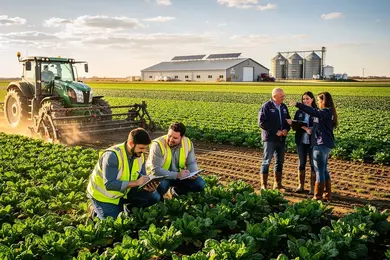
- Data Analytics Proficiency: Employers value graduates who can analyze large-scale agricultural data sets to detect patterns and make predictions about crop yields, soil health, and weather impacts. This skill involves hands-on experience with statistical software and understanding how to translate raw data into actionable insights. Strengthening this competence through coursework or internships that emphasize real-world data interpretation is essential.
- Machine Learning Application: Practical knowledge of machine learning algorithms is important for developing predictive models that enhance pest control or resource allocation in farming. Employers expect graduates to customize and refine AI models to fit local environmental variables rather than applying off-the-shelf solutions. Building this skill requires combining theory with projects that involve environmental data and iterative model improvements.
- Programming Skills in Python or R: Programming enables graduates to create or modify AI tools tailored to specific agricultural challenges, from automating data collection via drones to deploying IoT sensors. Employers see this as a baseline technical ability that allows adaptability and innovation on the job. Early-career professionals can build proficiency by engaging in coding bootcamps focused on agricultural applications or open-source AI projects.
- Interdisciplinary Agronomic Knowledge: AI competencies must be integrated with a solid grasp of agricultural sciences to ensure AI-driven solutions are agronomically sound and practically feasible. This interdisciplinary approach helps graduates anticipate how AI outputs interact with biological and ecological systems. Cultivating this balance requires deliberate study across both AI technologies and crop or soil sciences within academic or field settings.
- Collaboration and Adaptability: Beyond technical AI skills, employers emphasize teamwork and ongoing learning as essential. Agriculture environments are dynamic, requiring professionals who can communicate AI insights effectively and adapt tools to shifting conditions. Graduates should seek roles or training that cultivate communication skills and expose them to multidisciplinary teams to prepare for this reality.
Within this evolving landscape, those pursuing agriculture degrees who want to stay competitive can benefit from exploring specialized training, such as cheapest accredited online doctoral programs with a focus on AI applications in agriculture. These programs often combine advanced technical education with real-world problem-solving, positioning students for the increasing AI integration in agricultural careers.
Which Human Skills Are Employers Looking for in Agriculture Graduates?
As AI automates routine tasks in the agriculture sector, the emphasis is shifting toward human skills that machines cannot replicate. Employers now seek graduates who can harness technology while applying judgment, creativity, and ethical reasoning to complex, real-world challenges. This transformation is rooted in the recognition that AI enhances but does not replace critical human contributions in decision-making.
The following five human skills have emerged as essential for agriculture graduates navigating this evolving landscape.
- Critical Thinking: Agriculture professionals must analyze AI-driven data within unpredictable environmental and market contexts. Employers expect graduates to scrutinize algorithmic outputs and identify when human insight or intervention is necessary. Cultivating this skill involves engaging deeply with case studies and scenarios that demand evaluation beyond automated recommendations.
- Effective Communication: Bridging the gap between technical teams and on-the-ground workers requires clear, adaptable communication. Graduates should practice translating complex AI findings into practical advice for diverse stakeholders, a capability that fosters collaboration and informed decision-making in multidisciplinary operations.
- Adaptability and Lifelong Learning: Rapid technological advancements mandate continual skill renewal. Agriculture workers who proactively embrace new tools and methodologies maintain employability and relevance. Students can build adaptability by seeking cross-disciplinary experiences and staying current with emerging AI applications.
- Ethical Judgment and Sustainability Awareness: Responsible use of AI necessitates balancing productivity with environmental stewardship and social impact. Graduates must apply ethical reasoning to weigh trade-offs, ensuring that technological gains do not undermine sustainability goals. Integrating ethics coursework or fieldwork in sustainable agriculture builds this competence.
- Collaborative Problem-Solving: The complexity of modern agriculture ecosystems requires teamwork across agronomy, data science, and business disciplines. Graduates should focus on refining their ability to co-create solutions that leverage both AI insights and human expertise, often through participatory projects or internships in real-world settings.
One recent agriculture graduate recalled a moment when an AI system flagged abnormal soil moisture readings during a critical planting phase. Instead of unquestioningly following the automated alert, they consulted local agronomists and considered recent weather patterns before recommending adjusted irrigation.
This blend of technological inputs and human contextual awareness eased initial uncertainty and ultimately prevented potential crop stress. The graduate noted this experience underscored how nuanced judgment and stakeholder communication are increasingly indispensable in an AI-enabled agricultural workplace.
How Are AI Tools Changing Daily Work in Agriculture Careers?
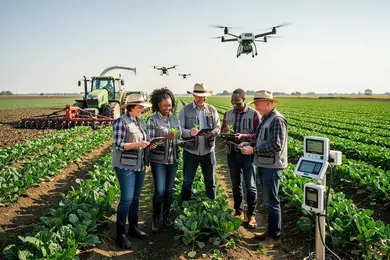
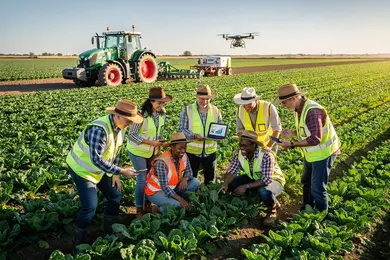
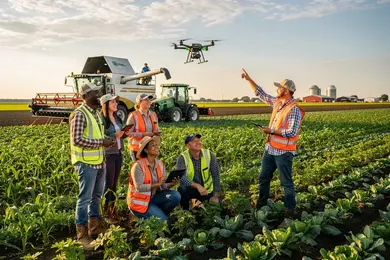
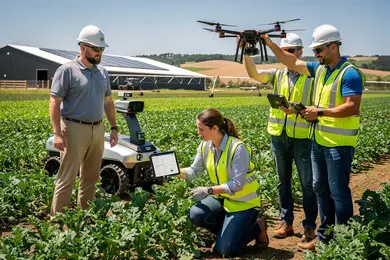
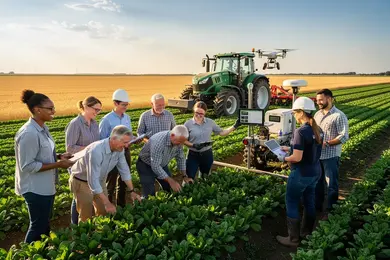
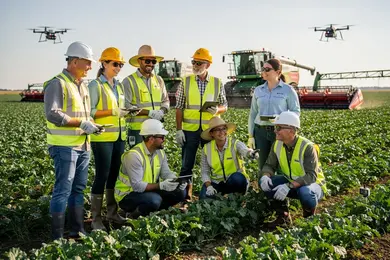
AI integration in agriculture careers is redefining daily workflows by automating routine inspections and data collection, thereby allowing professionals to focus on complex problem-solving and strategic planning. Technologies like drones powered by AI algorithms now rapidly scan extensive fields, pinpointing areas affected by pests or nutrient deficiencies without manual oversight.
Simultaneously, AI-driven irrigation systems dynamically regulate water delivery based on real-time soil moisture data, reducing waste and improving resource efficiency. This shift means that agriculture workers increasingly serve as interpreters and decision-makers, relying on digital insights rather than solely on traditional hands-on practices. Recent data from the United States Department of Agriculture and industry reports in 2024 reveal that farms adopting AI tools have boosted productivity by up to 20%, highlighting tangible economic benefits tied to these technologies.
However, the role of agriculture professionals is evolving-employers now expect expertise in managing AI platforms, analyzing complex datasets, and exercising ethical oversight of AI-generated recommendations. These demands elevate the importance of critical thinking, creativity, and collaboration as workers must validate machine outputs and adapt interventions to local contexts. As a result, skills blending agronomic knowledge with digital fluency are becoming essential to remain competitive within this increasingly interdisciplinary field.
How Are Employers Evaluating Agriculture Candidates Beyond Academic Credentials?
Employers seeking agriculture graduates now demand more than academic credentials, increasingly valuing practical experience, adaptability, and communication skills. A multidimensional evaluation approach has emerged, grounded in evidence of hands-on work such as internships, certifications, and portfolios that demonstrate real-world applications of AI tools and data analysis.
For example, a candidate who can present a detailed project using drones and AI-powered platforms to optimize crop management often stands out more than one with only strong GPA scores. This shift toward assessing practical capabilities reflects the integration of sophisticated technologies into modern farming, where the ability to translate AI-driven insights into sustainable strategies underscores professional readiness.
Recent industry data, including findings from the National Association of State Departments of Agriculture (NASDA), emphasize that problem-solving ability and interdisciplinary collaboration are crucial for success in agriculture roles increasingly influenced by AI. With 67% of employers expecting experience in precision agriculture tools and data analytics software like Python or R, digital literacy is now a central competency rather than a luxury.
Hiring managers from various reports underscore the importance of continuous learning and adaptability, often preferring graduates who actively pursue professional development opportunities. In practice, demonstrating these attributes can significantly improve marketability in an AI-enabled job market where traditional metrics alone no longer suffice.
Understanding how employers evaluate agriculture candidates for AI era jobs means recognizing the move to holistic hiring practices, where soft skills complement technical proficiency. Graduates who develop a blend of communication, teamwork, and technical aptitude position themselves as valuable contributors ready to meet evolving industry demands.
Those interested in broadening their skill set might consider exploring related fields or programs, such as marriage and family therapy programs online, to enhance interpersonal skills that are increasingly prized. Overall, embedding practical AI skills alongside essential interpersonal abilities offers a strategic advantage in a competitive agriculture workforce.
How Are Agriculture Degree Programs Adapting to AI?
Recent data from the U.S. Department of Education's Office of Postsecondary Education highlights that over 65% of agriculture programs have integrated AI-related content as of 2024, signaling a shift toward curricula that blend traditional agronomy with data analytics and machine learning. This evolution reflects a deliberate effort to equip students with practical skills like drone operation, satellite imagery analysis, and predictive modeling-tools that align closely with employer needs for tech-savvy graduates who understand both biological systems and advanced computational methods.
For instance, hands-on projects combining AI algorithms with remote sensing enable students to make real-time assessments of soil health or pest threats, bridging theoretical knowledge with immediate, industry-relevant applications. Schools are updating curricula not simply by adding technical modules, but by embedding interdisciplinary approaches that emphasize ethical AI deployment and lifelong adaptability.
This includes partnerships with industry stakeholders to ensure experiential learning opportunities reflect current workforce demands and emerging AI technologies. However, balancing these advanced competencies with foundational agricultural science remains a key challenge, as programs must preserve critical domain expertise while fostering soft skills like critical thinking and problem-solving. Graduates must be ready to not only operate AI systems but to interpret nuanced data outputs and troubleshoot complex issues.
Which Industries Are Changing Hiring Expectations Most for Agriculture Graduates?
The speed at which artificial intelligence integrates into various sectors significantly influences the skills employers expect from agriculture graduates. Industries adopting AI at different paces create distinct demand profiles for technical proficiencies and problem-solving capabilities, which means that graduates must tailor their skill sets accordingly.
For example, a student comparing job prospects across sectors may find that while one industry prioritizes data analytics, another values interdisciplinary collaboration combining agriculture expertise with software development. Understanding these nuanced shifts helps graduates navigate career choices more strategically.
Below are five industries where hiring criteria are rapidly evolving due to AI-driven transformations.
- Agribusiness: Companies in this sector increasingly emphasize proficiency in AI-based data analytics, precision agriculture tools, and automation technologies to optimize crop yields and decision-making. The 2024 U.S. Department of Labor report highlights a growing need for candidates who understand how to leverage these technologies to drive operational efficiency.
- Food Production: With mounting pressure to improve sustainability and reduce waste, food producers now seek graduates skilled in supply chain AI, predictive crop modeling, and quality control automation. Large multinational firms dominate this adoption trend, expecting foundational knowledge in machine learning and remote sensing, as evident in recent International Food Policy Research Institute findings.
- Environmental Management: Conservation groups and resource management companies integrate AI tools to monitor climate change impacts and soil health. These employers prefer agriculture graduates adept in geospatial analytics and AI-powered environmental monitoring, reflecting a 30% rise in demand for such expertise documented by the Environmental Protection Agency since 2022.
- AgTech Startups: Startups at the nexus of agriculture and technology favor candidates who combine strong agricultural knowledge with coding and AI model development skills. The 2024 AgTech Innovation Report notes a 45% growth in AI adoption, driving a preference for interdisciplinary talents able to translate field challenges into algorithmic solutions.
- Technology-Driven Services: Firms providing digital agricultural solutions require professionals who collaborate across disciplines, connecting agronomy with software development and data science. This sector's expectations reflect a broader trend of integrating AI into decision-support tools and farm management platforms.
One recent agriculture graduate recalled feeling uncertain when their initial interviews across sectors exposed stark contrasts in employer priorities. While some agribusiness roles emphasized hands-on experience with precision farming devices, a food production opportunity demanded proficiency in coding for AI-driven supply chain tools.
Weighing these options, the graduate realized the importance of supplementing traditional agricultural coursework with digital skills to stay versatile. The experience sparked an urgent decision to pursue additional training in machine learning, illustrating how industry-specific expectations can directly shape early career pathways and underscore the value of adaptable expertise in a shifting job landscape.
How Is AI Changing Career Growth for Agriculture Professionals?
The speed of AI adoption is uneven across industries that employ agriculture graduates, shaping divergent employer expectations. Sectors with direct ties to technology and data science tend to integrate AI more rapidly, requiring new technical competencies, while more traditional fields adjust at a slower pace. This varying rate of technological change means graduates must carefully assess which industries demand advanced skills in AI-driven technologies and which rely more on core agricultural knowledge.
To navigate this landscape effectively, understanding these differences is crucial. Below are five industries where hiring expectations are evolving most rapidly for agriculture graduates in response to AI and related innovations.
- Precision Farming: Increasingly driven by AI, this sector demands proficiency in machine learning, sensor technology, and geospatial analysis. Employers seek graduates who can interpret complex data from drones and soil sensors to optimize crop yields and resource use, highlighting the importance of tech fluency alongside agronomic knowledge.
- Agritech Development: Companies designing autonomous tractors, robotics, and smart equipment prioritize candidates with skills in software development and AI integration. Agriculture graduates with interdisciplinary experience in programming and AI application have stronger employment prospects here.
- Supply Chain Management: AI is revolutionizing logistics by optimizing inventory, distribution, and forecasting. Employers now expect graduates to understand AI-driven supply-chain analytics and software platforms, blending traditional agriculture supply knowledge with digital competencies.
- Environmental Consulting: Growing demand for sustainable agriculture practices is forcing this industry to adopt AI for ecosystem monitoring and predictive modeling. Graduates must combine expertise in environmental science with skills in data analytics and AI to meet new client requirements.
- Food Processing & Safety: Automation and AI-based quality control systems are transforming this sector's hiring criteria. Employers look for agriculture graduates who can work alongside AI technologies for product inspection and compliance, necessitating a mix of technical and regulatory understanding.
Nearly 40% of agriculture-related job postings now require skills linked to AI, such as machine learning and autonomous equipment management, according to a U.S. Department of Labor report. This AI impact on agriculture career growth means that traditional knowledge alone is no longer sufficient. Early-career professionals need to advance agriculture skills with artificial intelligence tools and programming, including Python and GIS, to stay competitive.
For those exploring the best educational routes, programs that blend agriculture with data science and AI are increasingly valuable. Resources listing such options include degrees for remote jobs, which highlight interdisciplinary pathways suited to evolving employer needs.
How Should Agriculture Students Prepare for AI-Driven Hiring?
Preparing for AI-driven hiring in agriculture requires more than earning a degree; it demands cultivating a blend of technical expertise, AI fluency, and human-centered skills. Employers now prioritize candidates who can navigate complex AI tools alongside traditional agricultural knowledge, as the 2024 U.S. Department of Labor report shows over 70% of agriculture-related employers emphasize data analytics and digital farming competencies.
This shift means students must actively develop interdisciplinary abilities to stay competitive. Below are key strategies to enhance readiness for the evolving agriculture job market.
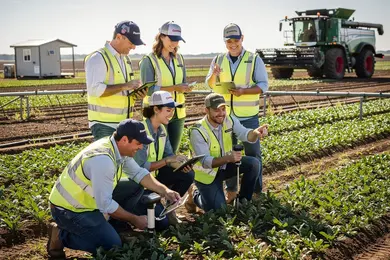
- Develop Practical AI Skills: Gaining hands-on experience with AI-driven technologies such as precision farming drones and IoT sensors is essential. Practical familiarity enables students to interpret real-time data effectively and optimize crop management in digital farming environments before entering the workforce.
- Strengthen Data Literacy: Mastery of data analytics tools improves decision-making and problem-solving capacities. Students should engage in coursework or projects involving machine learning applications to translate AI-generated insights into actionable strategies.
- Enhance Communication and Collaboration: Employers rank interpersonal and critical thinking skills highly, as workers must explain AI findings clearly to diverse stakeholders. Participating in team-based projects or internships can foster these competencies.
- Commit to Continuous Learning: As AI tools rapidly evolve, adaptability remains a top hiring criterion. Seeking certifications, workshops, and digital agriculture training programs reinforces ongoing skill development and industry relevance.
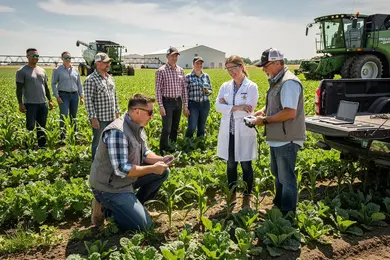
- Engage in Relevant Internships: Early exposure to AI-enhanced farm operations offers practical understanding of the intersection between technology and agronomy. Such experiences bridge academic knowledge and real-world application, enhancing employability.
Integrating these approaches aligns closely with preparing agriculture graduates for AI-driven hiring. Students interested in further advancing their expertise might consider specialized shorter-term educational options, including 1-year MPA programs that emphasize data-driven decision-making and leadership in complex environments.
How Should Students Choose a Agriculture Program for the AI Era?
Selecting an agriculture program today requires looking beyond traditional factors like reputation or cost and focusing on how well the curriculum equips students for AI-driven workforce demands. The rapid incorporation of artificial intelligence into agriculture reshapes competencies employers expect, especially as precision farming and data analytics become standard.
A program's ability to fuse core agricultural knowledge with AI integration is imperative for sustainable career preparedness. Real-world examples, such as a student who gains experience with machine learning applications for crop yield prediction, demonstrate the value of targeted training over generic programs. Below are key factors to consider when evaluating agriculture programs for the AI era.
- Curriculum Integration of AI: Programs must embed AI, machine learning, and data analytics within core agricultural studies. This ensures graduates can handle evolving technologies and apply them directly to agronomic challenges, supporting long-term adaptability in their careers.
- Hands-On Experiential Learning: Opportunities for internships, lab work, and partnerships with agri-tech firms provide necessary practical skills. Real industry exposure sharpens problem-solving capabilities critical for interpreting AI-generated data and systems.
- Faculty Expertise and Research Output: Faculty actively engaged in AI research enhance curriculum relevance and innovation. Prospective students should assess program involvement in cutting-edge projects or collaboration with research institutions.
- Interdisciplinary Collaboration: Programs that encourage cross-disciplinary training with computer science, engineering, and data science better prepare students for integrated roles in modern agriculture.
- Soft Skills Development: Critical thinking, adaptability, and communication skills remain vital as AI tools evolve rapidly. Robust programs emphasize these competencies alongside technical training to meet employer expectations.
References
- Will AI Replace Agriculture Jobs? | JobZone Risk https://jobzonerisk.com/jobs/agriculture
- AI Advisory Program for Agriculture: Guide | AGRIVI https://www.agrivi.com/blog/digital-agriculture/ai-advisory-program-for-agriculture-practical-guide-engage-inputs/
- AI isn’t likely to wipe out all farming jobs – but it is changing who bears the risks https://theconversation.com/ai-isnt-likely-to-wipe-out-all-farming-jobs-but-it-is-changing-who-bears-the-risks-275227
- The AI Skills Employers Are Looking for in 2026 https://www.calmu.edu/the-ai-skills-employers-are-looking-for-in-2026
- Artificial Intelligence and the Future of Work in Agriculture https://tenacious.ventures/insights/artificial-intelligence-and-the-future-of-work-in-agriculture-f1024d569f33
- AI in Agriculture: Pros, Cons and How to Stay Ahead - BPM https://www.bpm.com/insights/ai-in-agriculture/
- AI in Hiring: What Agriculture Candidates Really Think https://blog.aghires.com/hiring-advice-blog/ai-in-hiring-what-candidates-think
- Syngenta and AI: Pioneering Sustainable Agriculture for the Future https://www.syngenta.com/agriculture/agricultural-technology/artificial-intelligence
- Agriculture careers extend beyond farming https://ofbf.org/2024/08/21/agriculture-careers-extend-beyond-farming/
- Class of 2024: AI to agriculture, job aspirants have a wide menu to choose from https://m.economictimes.com/jobs/hr-policies-trends/class-of-2024-ai-to-agriculture-job-aspirants-have-a-wide-menu-to-choose-from/articleshow/106081645.cms
Other Things You Should Know About Agriculture
Employers increasingly seek graduates who blend AI proficiency with hands-on agricultural understanding, but this shift creates a tension in hiring. Candidates who focus too heavily on AI may lack practical field experience that remains critical for onsite problem-solving and crop management. Prioritizing a balanced skill set is essential, meaning graduates should actively pursue opportunities that integrate AI applications into traditional agricultural practices rather than treat them as separate domains.
While certifications in AI-related software can demonstrate technical know-how, employers often value project management skills more for driving AI initiatives to completion within agricultural settings. Effective coordination across multidisciplinary teams and negotiating resource constraints typically have greater impact than isolated tool expertise. Graduates should consider prioritizing leadership and communication skills alongside technical credentials to improve their practical employability.
Many employers anticipate that AI integration will initially raise expectations for multitasking, data analysis, and technology adoption, which can overwhelm graduates unprepared for this workload. This reality implies that new hires must be ready to manage steep learning curves and evolving responsibilities. Candidates demonstrating resilience and a willingness to engage with continuous training tend to be favored, suggesting that early-career applicants should highlight adaptability as part of their value proposition.
Internships at AI-forward agricultural firms expose graduates to cutting-edge practices and workplace cultures shifting toward technology-driven decision-making. However, these experiences may limit exposure to conventional farming or production roles, which still dominate many employments. Strategically, it is advisable to combine such internships with placements that maintain core agronomy and environmental skills to ensure versatility across the job market.