2027 Agriculture Skills Gap Analysis: What Employers Want vs What Degree Programs Teach

Co-Founder and Chief Data Scientist
Imagine a recent agriculture graduate eager to enter the workforce but quickly facing frustration. Employers seek practical skills in areas such as data analysis, machinery operation, and sustainable practices that many degree programs fail to emphasize. This disconnect leaves graduates underprepared for the demands of modern agriculture roles. The uncertainty around how well academic training matches employer needs causes confusion about the value of specific coursework and training pathways.
As agriculture evolves with technology and shifting market pressures, understanding these gaps becomes critical for students and career changers. Identifying the differences between what employers want and what degree programs teach helps clarify how to improve job readiness. This article analyzes those discrepancies and offers insights to guide decisions on education and skill development for a competitive advantage in the agriculture workforce.
Key Things to Know About Agriculture Skills Gap
- Many agriculture programs emphasize theoretical knowledge, yet employers prioritize practical expertise in precision farming technologies, causing graduates to face gaps when starting roles requiring hands-on tech application.
- Beyond core coursework, mastering data analysis and supply chain management is increasingly critical; a 2024 survey found 68% of agri-employers expect these skills, reflecting industry digitization trends.
- Students enhancing internships with agribusiness and technology firms significantly boost career readiness by translating academic concepts into tangible project experience, directly addressing workforce demands.
- Key Things to Know About Agriculture Skills Gap Key Things to Know About Agriculture Skills Gap
- What Skills Do Employers Expect From Agriculture Graduates? Employer Expectations
- What Do Agriculture Degree Programs Typically Teach? Program Curriculum
- Where Is the Biggest Skills Gap Between Agriculture Programs and Employers? Biggest Skills Gap
- Which Technical Skills Are Most Important for Agriculture Careers? Technical Skills
- Which Workplace Skills Matter Beyond Technical Knowledge? Workplace Skills
- How Do Internships and Real-World Experience Improve Career Readiness? Career Experience
- How Can Students Close the Agriculture Skills Gap Before Graduating? Closing Skills Gap
- How Is the Agriculture Job Market Changing Employer Skill Requirements? How Is the Agriculture Job Market Changing Employer Skill Requirements?
- How Do Different Agriculture Programs Compare in Career Preparation? How Do Different Agriculture Programs Compare in Career Preparation?
- How Should Students Choose a Agriculture Program That Builds Career-Ready Skills? Choosing a Program
What Skills Do Employers Expect From Agriculture Graduates?
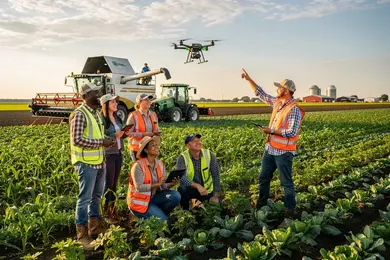
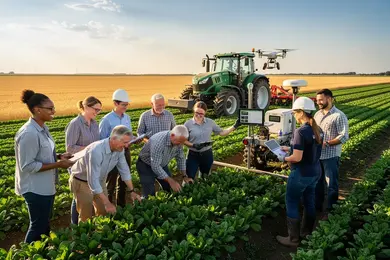
Employers hiring agriculture graduates increasingly expect a sophisticated mix of technical expertise and professional skills that align with evolving industry demands. Beyond traditional farming knowledge, sectors now prioritize skills that integrate technology, data interpretation, and sustainable practices. For instance, a graduate working on a commercial farm might use drones and AI tools to optimize irrigation while managing regulatory compliance, demonstrating the practical advantage of these competencies.
The World Economic Forum's 2024 report reveals that over 65% of agriculture-related roles seek candidates proficient in both advanced technical and soft skills to navigate complex, multidisciplinary environments. The following highlights the core skills employers commonly require from agriculture graduates.
- Advanced Technical Literacy: Employers place high value on graduates' ability to work with digital tools like GIS mapping, precision agriculture software, and automated machinery. This technical literacy often develops through hands-on coursework and internships, enabling graduates to boost operational efficiency and respond to climate-smart agriculture challenges.
- Data Analysis Proficiency: The capacity to interpret agronomic and environmental data is essential for decision-making. Graduates trained in data science applications within agriculture can improve yield predictions and resource allocation, strengthening their workforce readiness in a data-driven sector.
- Environmental and Sustainability Awareness: Understanding sustainable farming techniques and environmental regulations has become a baseline expectation. This expertise helps graduates design projects that balance productivity with conservation, a recurring theme across agribusiness and policy roles.
- Communication and Collaboration: Effective interaction with multidisciplinary teams, including farmers, suppliers, and government agencies, is critical. Communication training prepares graduates to present complex information clearly and negotiate solutions amid supply chain or regulatory shifts.
- Problem-Solving and Adaptability: Employers seek graduates who can quickly analyze unexpected issues like pest outbreaks or logistics disruptions. Practical experience through case studies and fieldwork fosters these skills, which are vital for meeting dynamic agricultural demands.
- Leadership and Project Management: Managing sustainability initiatives or innovation projects requires leadership acumen and organizational skills. Graduates with project-oriented experience often demonstrate an ability to coordinate resources and timelines effectively.
- Continuous Learning and Emotional Intelligence: As agriculture evolves, soft skills such as emotional intelligence and a commitment to ongoing education empower graduates to thrive in diverse workplace cultures and shifting market conditions. Programs that integrate personal development alongside technical training help build these competencies.
Integrating these competencies within an agricultural degree aligns program outcomes with employer expectations. For students interested in expanding their technical depth, exploring fields such as artificial intelligence through an artificial intelligence degree online can provide valuable complementary skills, further enhancing employability in this rapidly evolving sector.
What Do Agriculture Degree Programs Typically Teach?
Agriculture degree programs aim to equip students with a solid foundation in biological, environmental, and technical principles essential to modern farming and food production systems. While curricula vary considerably, most emphasize both theoretical understanding and practical skills that align with current industry demands. The increased integration of technology and data analytics reflects evolving employer expectations, but hands-on experience remains uneven.
For example, a graduate working on a commercial farm might face complexities in managing automated irrigation systems while optimizing crop yield through soil health data interpretation. The following outlines typical major learning areas within agriculture degree curricula that help students navigate these challenges.
- Biological Sciences: This area covers plant and animal biology fundamentals crucial to understanding growth cycles, genetics, and pest management. Mastery of these concepts supports work in breeding, nutrition, and disease control, foundational for any ag professional's decision-making process.
- Soil and Crop Science: Students learn about soil properties, fertility, and crop management techniques vital for sustainable land use. These competencies help graduates design practices that enhance productivity while maintaining environmental health, addressing long-term resource stewardship.
- Data Literacy and Technology: Curricula increasingly emphasize skills in precision agriculture, GIS, and remote sensing. These tools enable real-time monitoring and efficient resource allocation, though depth of application varies widely between programs, impacting preparedness for tech-driven roles.
- Agricultural Economics and Business: Understanding market forces, supply chains, and farm business management prepares students to evaluate economic viability and develop strategic plans. This knowledge bridges farm operations with broader economic realities and policy environments.
- Sustainability Practices: With growing emphasis on environmental impact, programs incorporate training on conservation, resource optimization, and climate resilience. Graduates are expected to balance production goals with ecological responsibility.
- Soft Skills and Leadership: Communication, teamwork, and project management are increasingly integral, reflecting employer demands for graduates who function effectively in multidisciplinary teams and dynamic work settings.
- Applied Problem Solving: While theory is well-covered, many programs struggle to provide extensive experiential learning simulating real farm conditions, a gap that can influence readiness to handle operational challenges post-graduation.
According to the USDA's 2024 National Survey of College Curricula in Agriculture, over 85% of programs now include competencies in data literacy and emerging technologies, underscoring a curricular shift from purely biological foundations to integrated technological fluency. For prospective students weighing options, considering how each format-online, hybrid, or on-campus-delivers practical exposure alongside theory is crucial.
For example, online programs may struggle to provide hands-on fieldwork, while campus formats often offer direct access to labs and farms. Hybrid models may balance these strengths but require proactive student engagement. Additionally, cost factors like those assessed in construction management degree cost analyses sometimes mirror trends in agricultural degree tuition, influencing affordability decisions alongside learning outcomes.
Where Is the Biggest Skills Gap Between Agriculture Programs and Employers?
There is a growing disconnect between what agriculture degree programs focus on and the specific skills employers now demand. While foundational scientific knowledge remains important, rapid technological advances in the sector mean new hires must master tools and practices often sidelined during traditional study. Employers report significant challenges filling roles with graduates proficient in digital farm management and precision agriculture.
Bridging this gap requires students to pursue applied learning beyond core coursework. Key areas where these mismatches commonly arise include:
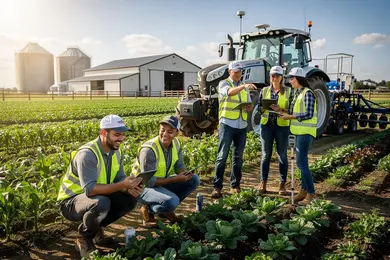
- Technology Integration: Many programs concentrate on theoretical agronomy and biology but lag in teaching practical applications involving Geographic Information Systems (GIS), remote sensing, and IoT-enabled monitoring. Since over 60% of agricultural employers report difficulty finding graduates skilled in these areas, students should seek internships or certification courses that emphasize hands-on work with data-driven farm technologies.
- Data Analytics Skills: Employers increasingly value the ability to analyze and interpret complex datasets for optimizing yield and resource management. Traditional curricula often treat data science as ancillary rather than core, leaving graduates underprepared. Engaging in cross-disciplinary projects with statistics or computer science departments can help develop these competencies preemptively.
- Soft Skills for Complex Collaboration: Communication, leadership, and adaptability are noted deficits among recent grads who may excel academically but struggle in multi-stakeholder farm environments. Real-world agri-projects, team-based problem-solving, and exposure to evolving market conditions during study can foster these critical interpersonal skills.
- Emerging Biotechnology and Automation: With agriculture adopting automation and biotechnological innovations rapidly, the knowledge gap here affects employability. Programs that remain anchored solely in conventional methods risk leaving students behind unless they actively pursue workshops or research roles focused on emerging agri-tech.
For instance, a recent graduate recalled feeling unprepared when joining a regional farm management firm where immediate proficiency in drone-based crop monitoring was expected. Despite strong academic performance, initial weeks were spent relearning skills through on-the-job training and external tutorials to meet employer needs swiftly. This experience underscored how supplemental, targeted exposure to applied technology streams during education can alleviate early-career adjustment stress and improve workplace integration.
Which Technical Skills Are Most Important for Agriculture Careers?
Technical skills bridge academic learning and practical application in agriculture careers, reflecting changes in technology and employer needs. As the industry adopts advanced tools and data-driven methods, the set of most valuable competencies evolves accordingly. Students must adapt by gaining relevant expertise that aligns with these shifting priorities to remain competitive in the labor market.
Evidence from the Agricultural and Food Systems Education Consortium in 2024 indicates a marked increase in employer demand for digital and mechanization skills in agriculture roles. Below are key technical skills that consistently prove essential across agriculture career paths.
- Precision Agriculture Technologies: Mastery of GPS-guided machinery and agricultural data analytics enables optimized resource use and efficient farm operations. This skill is cultivated through hands-on training with software applications and field equipment, supporting career longevity as farms increasingly adopt these technologies.
- Soil and Crop Management: Deep understanding of soil health and sustainable crop practices is critical amid growing environmental challenges. Coursework complemented by field internships strengthens this competency, helping graduates meet demands for environmentally responsible agriculture.
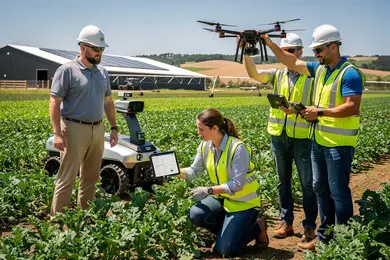
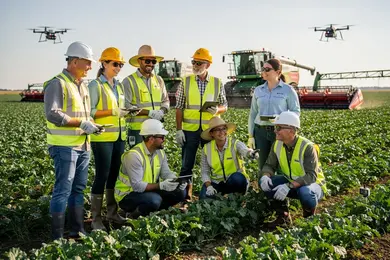
- Machinery Operation and Maintenance: Proficiency with both traditional and automated farm machinery, including drones and robotics, reflects the mechanization trend. Practical experience gained through lab work or cooperative education prepares students for diverse equipment challenges employers face.
- Biotechnology and Genetic Techniques: Skills in genetic modification and biotechnological approaches address industry focus on crop yield and resilience improvements. Exposure to lab-based research methods during degree programs equips students for innovation-driven roles.
- Data Literacy and Software Integration: Competence in interpreting field data and managing it via specialized software contributes to informed decision-making on farms. Developing these abilities through interdisciplinary coursework enhances adaptability to evolving digital tools relevant in agriculture.
- Regulatory Compliance Knowledge: Awareness of environmental and safety regulations is essential to ensure legal operations and risk management. Understanding policy frameworks during education supports graduates' ability to navigate complex industry standards.
Which Workplace Skills Matter Beyond Technical Knowledge?
Success in agriculture careers increasingly hinges on more than technical expertise alone. Employers emphasize a blend of professional competencies alongside foundational farm management and scientific knowledge. This shift reflects the complex environments graduates must navigate, where regulatory changes, technological advances, and workforce diversity converge.
For instance, managing a mid-size farm today requires interpreting satellite data, coordinating seasonal labor, and responding to community sustainability concerns-tasks that technical skills alone cannot address fully. Meeting these demands involves cultivating durable workplace skills that complement a traditional agriculture degree.
Below are key skills that enhance employability and adaptability in agriculture settings.
- Communication Clarity: Employers demand the ability to explain complex data and farm operations clearly to diverse audiences. Agricultural programs can strengthen this through interdisciplinary coursework and presentations, preparing graduates to convey ideas effectively across teams and stakeholders, which improves decision-making and collaboration.
- Critical Thinking: Problem-solving in dynamic agricultural systems requires assessing multiple variables like weather, soil conditions, and market prices. Engaging in case studies and simulations helps students develop analytical skills employers associate with improved operational outcomes and innovation.
- Leadership and Emotional Intelligence: Managing labor forces and liaising with community members calls for empathy and adaptable leadership. Leadership-focused internships and group projects equip graduates to address workforce diversity and stakeholder concerns with sensitivity, fostering inclusive work environments.
- Digital Literacy: Proficiency in GIS, remote sensing, and data analytics bridges the gap between theory and practical resource management. As digital tools reshape agribusiness, students who obtain hands-on tech experience meet employer expectations for optimizing crop yields and sustainability.
- Self-Directed Learning: Given the rapid pace of innovation, the ability to independently acquire new skills is indispensable. Programs encouraging research initiatives and continuous professional development cultivate resilience and long-term career growth within the evolving agriculture sector.
A 2024 USDA and National Association of State Departments of Agriculture report indicates that over 70% of employers prioritize these professional skills, underscoring the critical role of durable workplace competencies beyond technical knowledge for agriculture job readiness. Students considering how to augment their technical foundation might also explore pathways like a master's in art therapy, which can deepen interpersonal and emotional intelligence skills applicable to stakeholder engagement and workforce management challenges.
How Do Internships and Real-World Experience Improve Career Readiness?
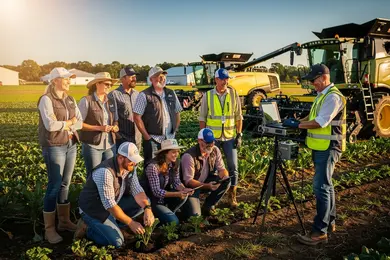
Classroom instruction in agriculture provides essential theoretical knowledge but often falls short in preparing students for the complexities of professional environments. Real-world experience, such as internships or cooperative education, bridges this gap by allowing students to translate academic concepts into practical skills. For instance, a student working on a sustainable farming operation can apply lessons on soil health and crop management while navigating unexpected environmental challenges, thereby building problem-solving capacity and confidence.
The USDA's 2024 Agricultural Workforce Report reveals that agriculture students with internship experience are 35% more likely to obtain employment within six months after graduation, underscoring how hands-on engagement enhances career readiness beyond what classroom learning alone can achieve. Experiential learning also deepens technical expertise and hones professional communication, adaptability, and understanding of workplace culture.
These settings expose students to evolving technologies, sustainability protocols, and supply chain logistics, which are often underrepresented in traditional coursework. Furthermore, internships foster valuable networking opportunities and clarify career goals by revealing the realities of various agricultural roles. However, the impact of these experiences depends heavily on their quality and relevance; programs with well-structured, industry-aligned placements tend to produce graduates better prepared for employer expectations.
Students should recognize that not all internships provide equal benefits, and should critically evaluate opportunities to ensure alignment with their skill development needs. To maximize the advantages of experiential learning, prospective agriculture students should seek internships early in their academic journey, engage actively in applied projects, and cultivate professional relationships within the industry.
Reflecting on these experiences in relation to long-term objectives strengthens decision-making and skill integration. While internships significantly improve employability, they are most effective when combined with consistent academic achievement, ongoing technical skill enhancement, and proactive career planning. This balanced approach equips graduates to transition smoothly into the workforce and adapt to the dynamic demands of the agriculture sector.
How Can Students Close the Agriculture Skills Gap Before Graduating?
Students don't need to wait until graduation to become attractive candidates for agriculture careers. Developing workplace competencies while completing academic coursework enhances both confidence and marketability. Engaging early with hands-on experiences fosters skills that classrooms alone rarely provide, such as critical problem-solving and adaptability to new technologies.
Reports from the U.S. Department of Education confirm that agriculture students who complete internships are more than 40% likelier to gain employment within six months post-graduation than those without such experience. Below are key strategies for closing the skills gap before finishing an agriculture degree.
- Targeted Internships: Securing internships within agriculture enterprises offers direct exposure to industry challenges like precision farming and supply chain logistics. This hands-on learning helps students develop practical problem-solving skills, but balancing internships with academic demands requires selective choices that prioritize meaningful tasks over routine work.
- Undergraduate Research: Participating in research projects cultivates skills in experimental design and data analysis, critical in today's data-driven agriculture sector. Research engagement also enhances adaptability, as highlighted in the National Science Foundation's 2024 STEM Education report, positioning students to cope with rapid technological shifts.
- Project-Based Learning: Engaging in capstone or collaborative projects simulates real-world workflows emphasizing cross-disciplinary teamwork and resource management. Though effective, success depends heavily on institutional mentorship and support to replicate industry environments accurately.
- Professional Certifications: Earning certifications in areas such as agricultural data analytics or sustainable practices provides validated credentials that signal specialized competence. These credentials help bridge the gap when degree programs lag behind emerging industry standards and give students a competitive edge.
- Early Industry Networking: Building relationships with employers and professionals during studies facilitates access to informational interviews and mentorship. This strategy helps students tailor their skill acquisition toward employer expectations and uncover opportunities not widely advertised.
- Skill-Focused Coursework Selection: Prioritizing courses that emphasize applied agricultural technologies and regulatory knowledge over purely theoretical options better equips students for immediate job demands and aligns with evolving employer needs.
One graduate recalled hesitating to accept a summer internship with a mid-sized agri-tech firm due to concerns about balancing workload and studies. Ultimately, the immersive experience in supply chain optimization transformed their understanding of industry dynamics and gave them confidence in addressing real problems. This hands-on exposure, combined with targeted coursework and certification in GIS mapping, proved decisive in landing a role shortly after graduation, underscoring the value of proactive, practical engagement before completing their degree.
How Is the Agriculture Job Market Changing Employer Skill Requirements?
Technological advances, automation, and artificial intelligence are reshaping employer expectations in the agriculture job market, demanding a blend of traditional and emerging skills. With regulatory changes addressing sustainability and climate resilience, employers increasingly prioritize digital literacy, data analytics, and expertise in geographic information systems (GIS). According to the U.S. Bureau of Labor Statistics (2024), proficiency in these areas correlates strongly with job growth in agriculture-related roles.
These evolving demands affect both technical and professional competencies, making continuous learning and adaptability essential. Beyond core agronomy knowledge, employers now seek candidates versed in interdisciplinary problem-solving who can navigate complex environmental and supply chain challenges, as highlighted by the World Economic Forum. Practical experience through internships, certifications, and real-world projects supports this transition, recognizing that academic programs often lag behind industry innovation.
For students intent on workforce readiness, combining foundational coursework with hands-on learning and networking is crucial to remain competitive in this fast-changing field. Prospective and current agriculture students and career changers can benefit from aligning education with market realities by pursuing applied projects and relevant credentials while engaging with professional communities.
Leveraging resources such as military-friendly online colleges can provide flexible pathways that integrate these priorities. Understanding agriculture workforce skill trends in the United States helps individuals anticipate employer expectations and strategically build versatile expertise for long-term career sustainability.
How Do Different Agriculture Programs Compare in Career Preparation?
Career preparation within agriculture degree programs goes beyond the program title or school prestige. Graduates' workforce readiness depends heavily on curriculum design, practical exposure, and industry connectivity. A deep understanding of how programs align with evolving employer expectations is crucial for prospective students assessing their options.
Recent data from the USDA and the National Institute of Food and Agriculture (2024) highlight that only programs offering robust experiential learning report notably higher graduate employability rates, with over 70% of such graduates securing relevant roles within six months. Below are key factors to evaluate when comparing agriculture degree program career readiness.
- Experiential Learning Opportunities: Programs emphasizing internships, hands-on projects, and fieldwork cultivate practical skills directly applicable in production agriculture, precision technologies, and sustainability management. Variability here can create a wide gap in graduate preparedness for real-world tasks.
- Interdisciplinary Curriculum: Degrees integrating agribusiness, communication, and environmental science foster broader problem-solving abilities and adaptability, traits increasingly demanded across agrifood sectors. However, this breadth may come at the cost of deep technical expertise in niche areas.
- Industry Partnerships: Programs with strong ties to agricultural businesses and government agencies enhance networking, mentorship, and employment pathways. Absence of these relationships often limits student exposure to evolving tools and emerging workforce trends.
- Alignment with Workforce Skills: Programs that embed current agricultural technologies and data analytics into their curriculum better prepare students for roles requiring these competencies, reducing the common skills gap between graduates and employer needs.
Consider a student aiming to enter precision farming technology: selecting a program heavy on theory but lacking practical internships may extend their job search or require additional training. Conversely, a program with applied projects and industry collaboration could smooth transition into their target role. For students also interested in advanced study, exploring options like a PhD in artificial intelligence USA can complement agriculture degrees, addressing future cross-disciplinary challenges in agritech innovation.
The comparison of agriculture programs for workforce skills ultimately hinges on how well students match program offerings to their career objectives and learning preferences, supported by active engagement beyond coursework.
How Should Students Choose a Agriculture Program That Builds Career-Ready Skills?
Choosing between online, hybrid, and campus agriculture programs impacts long-term career readiness and skill development in distinct ways. Graduates benefit differently depending on the learning format's ability to integrate practical experience, networking, and adaptable skill sets. Recent 2024 data from government education reports reveal that hands-on engagement and industry-connected mentorship strongly correlate with successful employment outcomes.
Keep these critical factors in mind when evaluating formats:
- Experiential Learning Access: Campus programs often provide direct internships and lab work, fostering immediate practical skills, while hybrid models blend hands-on with flexible online theory. Fully online students may need to seek externships independently, which can delay skill application but suits self-directed learners.
- Industry Network Building: On-campus formats facilitate richer relationships with faculty and agribusiness partners, critical for mentorship and job placement. Hybrid models maintain some in-person networking advantages, whereas online programs rely heavily on virtual connections, potentially limiting long-term industry ties.
- Flexibility Versus Structure: Online programs offer unmatched scheduling freedom ideal for working adults but may pose challenges in maintaining motivation and timely completion. Campus formats provide structured environments beneficial for students needing accountability, while hybrids offer a balanced approach.
- Technical and Transferable Skills: Multidisciplinary training integrating data literacy and communication often thrives in hybrid formats, combining diverse resources. Campus experiences may excel in applied technical skills but risk siloed learning without cross-disciplinary focus. Online formats depend on interactive course design for skills transfer.
- Employment Outcomes Transparency: Students should access transparent data on job placement and salary outcomes per format. Programs with strong graduate tracking and employer feedback usually ensure curricula align with current market demands, supporting long-term career stability regardless of delivery mode.
References
- How to choose agricultural courses to advance your career - Skills for Agriculture https://agricultureskills.org/blogs/how-to-choose-agricultural-courses-to-advance-your-career/
- Agriculture Colleges: The Definitive 2024 Free Guide | AGDAILY https://www.agdaily.com/agriculture-college-guide/
- The emergence of soft skills in agricultural education https://businessperspectives.org/journals/problems-and-perspectives-in-management/issue-386/the-emergence-of-soft-skills-in-agricultural-education
- How to Enhancing Farmers' Skills Through Workshops and Training Courses - Al kamal Fertilizers https://alkfertilizers.com/how-to-enhancing-farmers-skills/
- Most Popular Online Agriculture Degrees 2025 https://www.onlineu.com/degrees/agriculture
- Carrhure Executive Search France https://carrhure.com/future-trends-in-agricultural-employment-a-comprehensive-outlook/
- Top 10 Soft Skills for Agriculture https://www.farmcreditofvirginias.com/blog/top-10-soft-skills-agriculture
- Report Identifies Future Skills Gap in Agriculture Industry Talent Pool - BigYield https://bigyield.us/report-identifies-future-skills-gap-in-agriculture-industry-talent-pool/
- Florida Department of Agriculture & Consumer Services https://www.fdacs.gov/Education/Preparing-for-Careers-in-Agriculture
Other Things You Should Know About Agriculture
Agriculture degree programs often focus deeply on core technical topics, but this specialization can restrict exposure to emerging interdisciplinary skills that employers increasingly value, such as data analytics or sustainability practices. Students trained in narrower tracks may struggle to shift between roles or industries without additional training. Prioritizing programs that integrate broad, applied experiences alongside core topics better equips graduates for diverse employer expectations and dynamic job functions.
Degree programs with heavy theoretical emphasis may enhance conceptual understanding but often fall short in delivering sufficient practical experience required by employers. Conversely, overly practice-oriented curricula might limit exposure to strategic thinking necessary for leadership roles. Students should consider programs balancing rigorous academics with substantial real-world projects or labs since employers often prefer candidates who demonstrate both knowledge depth and application skills.
While a degree provides foundational knowledge, many employers expect candidates to possess contemporary certifications in areas like precision agriculture technology or regulatory compliance. Depending exclusively on the degree risks underpreparing graduates for specific job expectations. Strategically supplementing academic studies with targeted certifications or workshops often yields better employability and faster career advancement.
Accredited programs offer structured curricula recognized by employers, which supports standardization in skills but may lag in incorporating latest industry innovations. Nontraditional pathways like bootcamps or online modules can rapidly update skill sets but often lack comprehensive theoretical foundations and widely accepted credentials. For lasting career resilience, prioritizing accredited degrees while selectively integrating innovative learning modules balances credibility and adaptability in the evolving agriculture sector.