2027 Remote Work Report for Agriculture Graduates: Flexible Roles, Pay, and Hiring Trends

Co-Founder and Chief Data Scientist
Graduates entering the Agriculture field often face a complex job market, where remote work options remain limited and specialized. Many find that roles labeled as remote still demand significant on-site tasks such as farm management or field research, creating a disconnect between job titles and daily realities. Data from recent US labor reports show only about 12% of Agriculture positions offer fully remote work, reflecting the hands-on nature of the industry.
This disparity shapes hiring trends and pay scales, influencing where graduates can realistically expect flexibility. This article will analyze the roles suited for remote work, typical compensation, and evolving recruitment patterns to guide Agriculture graduates toward informed career decisions.
Key Points About Working Remotely for Agriculture Graduates
- The average annual salary for remote Agriculture roles is around $58,000, but varies significantly by specialization and experience, influencing job selection and long-term financial planning.
- Remote roles favor data analysis, consulting, research coordination, and digital marketing over fieldwork, requiring graduates to prioritize technical and software skills relevant to these functions.
- Hiring timelines often extend beyond graduation, making early networking with remote-friendly employers and targeted skill development critical to securing flexible roles promptly after online degree completion.
- Key Points About Working Remotely for Agriculture Graduates Key Points About Working Remotely for Agriculture Graduates
- Are there remote work opportunities in the Agriculture industry? Remote Opportunities
- Which Agriculture niches offer remote roles? Which Agriculture niches offer remote roles?
- What entry-level Agriculture roles allow remote work? Entry-Level Roles
- What is the average salary of Agriculture graduates who are working remotely? Average Salary
- Do remote Agriculture jobs pay the same as on-site roles? Pay Comparison
- What benefits do remote Agriculture employees receive? What benefits do remote Agriculture employees receive?
- Where can Agriculture graduates look for remote jobs? Where to Find Jobs
- What do Agriculture employers look for in candidates? What do Agriculture employers look for in candidates?
- How can Agriculture graduates prepare for remote roles? Preparing for Remote Roles
- How can Agriculture graduates if remote roles are a good fit for them? How can Agriculture graduates if remote roles are a good fit for them?
Are there remote work opportunities in the Agriculture industry?
Remote work in the Agriculture industry remains constrained, with only about 15% of entry-level roles fully remote and roughly 30% hybrid. Most positions require on-site presence due to the hands-on nature of the work. A recent analysis indicates 42% of Agriculture firms favor hybrid models for administrative and research roles, signaling cautious adoption rather than widespread flexibility.
Variability in remote work offerings often depends on regional regulations and company workflows. For example, firms using precision agriculture software can assign asynchronous tasks like crop monitoring remotely, while physical fieldwork demands on-site attendance. This split reflects operational realities and compliance differences across locations.
Graduates targeting remote careers should weigh limited off-site availability against the value of practical experience gained on site. Real-world scenarios show that remote data analytics roles are growing but remain niche, emphasizing the importance of flexibility in early career stages. Companies increasingly view hybrid setups as a compromise rather than a full remote solution.
Recent corporate return-to-office trends reveal that industries with operational dependencies, such as Agriculture, lag behind tech sectors in remote adoption. Understanding these patterns helps graduates make informed choices about their employment strategies and expectations in the Agriculture workforce.
Which Agriculture niches offer remote roles?
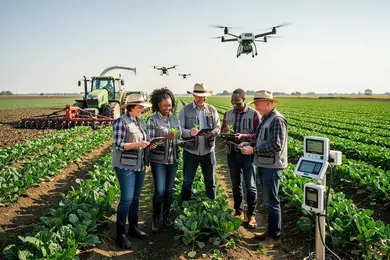
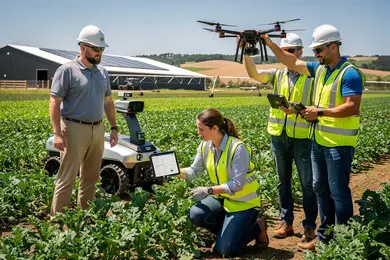
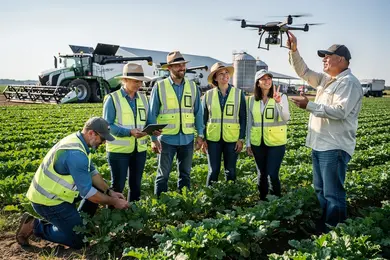
Remote work in Agriculture is viable in select niches that rely heavily on data analysis, advisory roles, and digital delivery rather than physical fieldwork. For instance, a precision agriculture specialist can remotely interpret satellite and drone data to improve crop yield without visiting farms daily. This blend of technology and expertise enables flexible remote roles, while hands-on jobs like crop planting remain largely site-bound. Below are key niches where remote Agriculture job opportunities have become practical and sought after.
Here are several Agriculture niches offering flexible remote roles along with explanations of why their workflows fit asynchronous or off-site work environments:
- Precision Agriculture: Specializes in using data from drones, satellites, and IoT devices to optimize crops. This field relies on digital tools for analysis making it highly adaptable to remote work that minimizes physical presence.
- Agricultural Economics and Policy Research: Focuses on market trends, sustainability frameworks, and regulatory analysis. These intellectual tasks involve data modeling and report writing, enabling remote contributions without on-site demands.
- Agribusiness Consulting: Provides expert advice on supply chains, financing, and marketing strategies. The project-based nature and virtual client interactions facilitate extensive remote collaboration.
- Agricultural Education and Training: Develops online courses and virtual extension services for farmers. This niche uses digital platforms to disseminate knowledge broadly without geographic constraints.
- Digital Agriculture Software Development: Involves creating and supporting farm management apps and systems. Technical skills and remote technical support make it inherently suited for telecommuting roles.
Labor market analysis indicates a 27.4% growth in remote-compatible jobs within precision agriculture and ag-tech, reflecting increasing employer acceptance of remote roles in these specialized fields. For graduates exploring flexible remote roles in Agriculture careers, assessing niches aligned with technology and data can guide successful job searches. Some roles may even pair well with skills gained through the fastest online psychology degree program, where data interpretation and behavior analysis enhance certain ag-tech applications.
What entry-level Agriculture roles allow remote work?
Entry-level Agriculture roles that allow remote work typically demand a combination of agricultural knowledge and digital proficiency. These roles focus on data management, research support, and client communication rather than traditional fieldwork, making them well-suited for remote or hybrid arrangements. For recent graduates aiming at remote entry-level Agriculture jobs in flexible roles, key positions emphasize skills in data platforms, GIS software, and cloud collaboration tools.
Below is a list of common entry-level remote roles that illustrate this trend:
- Agricultural Data Analyst: Requires familiarity with data collection platforms and statistical tools. This role involves analyzing crop yield data and generating reports to inform decision-making remotely, relying on strong digital literacy and agricultural principles.
- Crop Monitoring Assistant: Entry-level candidates support crop health assessments via satellite images and sensor data, making it feasible to work from any location with internet access. Technical skills in GIS mapping and data interpretation are essential.
- Remote Extension Specialist: Focuses on advising farmers through virtual channels. Candidates need solid communication skills and agronomic knowledge to deliver timely recommendations and training remotely.
- Agricultural Market Researcher: Involves compiling market trend data and producing reports that guide strategy. Requires proficiency in data visualization and cloud collaboration tools, enabling collaboration with supply chain partners from a distance.
- Farm Management Software Support: Entry-level hires troubleshoot and assist users with farm software applications. Technical support tasks can be done fully online, valuing tech-savvy candidates with some agricultural background.
- Sustainability Reporting Coordinator: Requires managing digital documentation and compliance data related to environmental standards. Candidates must combine sustainability awareness with strong organizational skills to operate remotely.
These roles reflect a shift where about 12.8% of job board listings now offer remote or hybrid options in Agriculture, demonstrating growing acceptance of flexible work. Employers favor graduates with blended skills in agronomy and analytics, often highlighting certifications. Practical experience with CRM platforms and data visualization tools enhances employability, crucial for highest paying remote Agriculture positions for recent graduates. Candidates prioritizing remote work need to cultivate hybrid competencies accordingly.
Many aspiring remote workers in Agriculture also benefit from pursuing the cheapest accredited online accounting degree to strengthen their analytical and management skills, which complement technical agriculture roles and improve career flexibility.
What is the average salary of Agriculture graduates who are working remotely?
Remote Agriculture graduates typically start with salaries between $40,000 and $55,000 annually, with a median around $47,500. These entry-level salaries reflect roles balancing field expertise and remote data analysis or consulting. For example, a recent graduate managing remote crop health data might expect this range depending on employer location.
Earnings vary significantly when additional technical skills or certifications are required. Roles demanding proficiency in digital monitoring or specialized software often push salaries above $50,000, a trend supported by a 2024 industry survey showing 38% of entry-level remote positions exceed this pay level. This variability matches real-world hiring preferences that prioritize a mix of practical and digital expertise.
Compared to related fields like environmental science, remote Agriculture salaries are competitive but generally fall slightly below hybrid tech-adjacent jobs, which can start closer to $50,000. Graduates weighing remote work pay should consider that fully remote positions may offer flexibility but often narrower pay scales than hybrid or on-site roles centered on direct fieldwork.
Understanding these distinctions is essential for Agriculture graduates evaluating flexible roles. Those interested in expanding skill sets or pursuing the cheapest masters in data science may increase earning potential. The average remote salary for Agriculture graduates reflects both current trends and the ongoing demand for hybrid skill combinations.
Do remote Agriculture jobs pay the same as on-site roles?
Remote Agriculture jobs typically pay 5% to 12% less than on-site roles, reflecting geographic localization policies that adjust salaries based on regional cost of living. This pay gap highlights a fundamental shift from flat national rates to location-based pay bands, impacting entry-level remote positions most significantly.
Compensation structures vary widely depending on employer policies. Some employers reduce travel stipends while increasing home-office budgets, balancing cost savings with remote worker support. Nearly half of Agriculture sector employers now use hybrid compensation models, aiming to remain competitive while controlling expenses.
For example, a remote Agriculture technician living in a lower-cost rural area may receive a salary noticeably below that of an on-site peer in an urban region, even performing similar work. This tradeoff requires graduates to weigh immediate pay against long-term career benefits like hands-on training and networking opportunities.
Understanding these compensation dynamics is essential for Agriculture graduates considering remote work. The reduced pay often reflects wider practical constraints and employer strategies rather than simple undervaluation, which affects career trajectory and earning potential in the field.
What benefits do remote Agriculture employees receive?
Remote Agriculture employees receive targeted benefits that balance traditional sector norms with the realities of decentralized work. Companies acknowledge that sustaining productivity off-site requires financial support for technology and flexible schedules attuned to seasonal cycles. Recent data shows 67% of decentralized organizations provide monthly stipends averaging $120 to remote staff for workspace or internet expenses, underscoring the critical role of infrastructure to seamless remote performance. These benefits enhance engagement but also reflect ongoing challenges in accessing field sites and maintaining consistent work rhythms.
The following list outlines key benefits shaping remote employment in Agriculture.
- Health and Retirement Programs: Remote roles generally include standard health insurance and retirement savings plans aligned with entry-level industry standards. These benefits offer stability and parity with on-site positions, reinforcing commitment despite geographic separation.
- Home Office and Technology Stipends: Many employers provide monthly allowances averaging $120 to subsidize internet service and home office equipment. This financial support is vital to offset the hidden costs of remote work and maintain effective communication and data management.
- Flexible Scheduling and Hybrid Options: Given the seasonal nature of Agriculture, flexible hours and occasional hybrid work enable employees to manage field responsibilities alongside remote tasks. This adaptability helps balance workload fluctuations inherent to the sector.
- Certification and Education Reimbursements: Increasingly, companies invest in upskilling through reimbursements for sustainable agriculture certifications or agritech training. This fosters long-term employability within evolving remote job scopes.
One remote Agronomist shared that while the monthly technology stipend eased her initial transition, it was the flexible schedule that truly helped manage peak planting periods without burning out. She valued the employer's willingness to support continuous education in precision farming techniques, as it directly improved her remote advisory capabilities. However, she noted limited childcare support created occasional strains, illustrating that some fringe benefits lag behind the sector's evolving remote needs.
Where can Agriculture graduates look for remote jobs?
Remote job searching for Agriculture graduates requires deliberate navigation beyond broad marketplaces to capture roles that fit the sector's practical demands. For example, a recent graduate aiming for a remote agricultural data analyst position might find only limited listings on general sites but can significantly improve outcomes by integrating specialized and network-driven channels into their approach. A landmark survey from the National Association of Colleges and Employers indicates that entry-level science graduates experience just a 22.8% remote job application success rate, underscoring that targeted sourcing and active networking are crucial to stand out.
Below are key online platforms and resources where Agriculture graduates can discover genuine remote opportunities aligned with their skills.
- Indeed and Glassdoor: These generalist job boards aggregate a wide range of remote listings suitable for entry-level roles such as agricultural consulting and supply chain positions. Their extensive reach and keyword filtering allow graduates to monitor trends and regularly update applications, though competition is high and role specificity can be limited.
- AgCareers.com: A niche platform dedicated exclusively to agriculture-related jobs, featuring remote internships and junior analyst roles. It matches candidates with employers focused on agriculture, improving the signal-to-noise ratio and increasing the likelihood of finding relevant remote positions that necessitate sector-specific knowledge.
- FarmTech Jobs: This specialized site targets tech-driven agriculture opportunities, including remote roles in research and agri-technology development. The platform's curated listings help graduates access innovative roles often missed on general boards, essential for those combining technical and agricultural expertise.
- Professional Associations: Groups like the American Society of Agronomy and Soil Science Society of America provide member-exclusive forums where remote consulting gigs and project collaborations circulate more discreetly. Engagement within these communities expands networks and opens doors to hidden opportunities not available on public job boards.
- LinkedIn Agribusiness Groups: Sector-specific LinkedIn groups facilitate connections directly with recruiters and hiring managers who value flexible remote arrangements. Active participation in conversations and networking here can elevate candidates above the passive applicant pool, improving callback odds notably.
What do Agriculture employers look for in candidates?
Employers seeking remote candidates in Agriculture prioritize a blend of advanced technical skills and practical problem-solving abilities. This balance is critical for roles that require managing complex crop and land data from a distance. For example, a candidate working remotely to optimize yield across multiple farms must interpret geographic information system (GIS) outputs, coordinate via digital collaboration tools, and make real-time decisions based on drone-monitored field conditions.
The following key qualifications reflect these demands and guide recruiter assessments effectively.
- GIS and Precision Farming Technologies: Proficiency with GIS platforms and tools such as drone-based monitoring is essential. Employers test candidates on their capacity to analyze spatial data and apply precision farming techniques, which improve crop management and resource allocation remotely.
- Agricultural Software Fluency: Experience with software like Ag Leader or John Deere's Operations Center demonstrates competence in handling farm data ecosystems. Remote roles require navigating complex dashboards and data streams to support operational decisions across locations.
- Data Analysis and Interpretation: Candidates must show the ability to analyze agronomic datasets and adapt recommendations accordingly. Assessments often simulate real-world scenarios where data-driven insights directly affect productivity outcomes in distributed environments.
- Remote Communication and Collaboration: Strong communication skills and proficiency with virtual collaboration tools distinguish candidates who can effectively manage teams and operations across distances without direct supervision.
- Relevant Certifications and Practical Experience: Certifications that pay well often highlight hands-on capability rather than theoretical knowledge. Employers favor candidates with documented project work such as yield optimization studies or digital mapping portfolios, which validate applied skills in real-world settings.
Recent workforce analysis shows that 67.3% of remote Agriculture roles require intermediate to advanced digital literacy, emphasizing the sector's shift toward integrating scalable technology with traditional practices. This trend underscores the increasing value of candidate competencies in digital tools alongside core agricultural knowledge to meet evolving employer expectations for flexible remote work.
How can Agriculture graduates prepare for remote roles?
Success in remote Agriculture roles depends on integrating digital proficiency with practical, independent project experience and effective virtual collaboration. Consider a new graduate managing a precision agriculture portfolio remotely for a consulting firm. They rely on diverse software skills and remote communication tools to deliver actionable insights without on-site supervision. Preparing for such roles requires a multifaceted approach.
Below are key strategies Agriculture graduates can use to meet employer expectations and improve remote job prospects.
- Digital Skill Development: Master industry-relevant software such as Python, R, or GIS platforms to analyze agricultural data remotely. Taking specialized courses or certification programs in precision agriculture technology and remote sensing bridges the gap between traditional training and evolving digital demands.
- Remote Collaboration Proficiency: Gain hands-on experience with tools like Slack, Trello, or Microsoft Teams. These platforms are essential for seamless communication and task management on dispersed teams, reflecting real remote work environments.
- Independent Project Creation: Build a portfolio through projects like remote crop monitoring case studies or sustainable resource management reports. These tangible examples demonstrate capability and self-direction, which are critical in virtual roles.
- Equipment and Infrastructure Setup: Ensure access to reliable high-speed internet, quality audio equipment, and dual monitors. This setup enhances productivity and projects professionalism during client or team interactions.
A recent survey revealed graduates who engaged in digital upskilling and portfolio development had a 27.3% higher rate of securing remote positions within six months post-graduation, highlighting the measurable impact of these strategies. Graduates should also weigh the tradeoffs of further technical training against career objectives, recognizing that employers increasingly prioritize candidates who combine technical aptitude with remote self-management. For those seeking a broader environmental science perspective, pursuing an online geoscience degree can also open complementary remote opportunities.
How can Agriculture graduates if remote roles are a good fit for them?
Determining if remote roles suit Agriculture graduates requires a nuanced appraisal of the distinct demands and constraints within the sector. Fully remote work is often limited by the hands-on nature of agriculture, so candidates must focus on roles where digital or analytical tasks predominate. For instance, an agritech analyst comfortable with data platforms who lives in a well-connected rural area might thrive remotely, while a crop production specialist relying on daily fieldwork likely will not. Graduates should weigh these criteria carefully to avoid mismatches that jeopardize career satisfaction and growth.
The following key factors help clarify if a remote Agriculture role aligns with an individual's skills and circumstances.
- Nature of Work:Evaluate whether the position centers on tasks like data analysis, policy development, or remote monitoring versus hands-on fieldwork. Roles emphasizing digital tools or research are more adaptable to remote settings, so understanding job responsibilities upfront is essential for realistic expectations.
- Self-Discipline and Communication:Remote jobs require rigorous self-management and proactive engagement with teams via digital platforms. Graduates should honestly assess their ability to meet deadlines independently and maintain clear communication, as lapses here often cause role failure in distributed environments.
- Technology Access and Reliability:Strong internet connectivity and access to relevant hardware are critical in rural areas where many Agriculture professionals live. Without dependable tech infrastructure, productivity suffers and opportunities to collaborate live diminish substantially.
- Willingness to Sacrifice Physical Interaction:Consider the impact of reduced direct contact with crops, livestock, or equipment on skill development and professional fulfillment. Some may find remote roles isolating if they value tactile experience as central to their expertise.
- Flexibility and Travel Expectations:Understand how often the role requires occasional on-site visits or travel. Accepting occasional fieldwork is key, as few remote Agriculture positions are entirely location-independent.
- Interdisciplinary Adaptability:Remote Agriculture roles often combine IT, business, or policy with agronomic knowledge. Willingness to constantly learn and bridge fields can be a deciding factor in long-term success.
- Work-Life Balance Challenges:Remote setups can blur boundaries between home and work, requiring clear routines and resilience. Graduates should evaluate their capacity to maintain mental and physical well-being without traditional office separation.
A 2024 report from the Agricultural Workforce Institute found that 38.6% of remote Agriculture workers reported improved work-life balance but also noted a 22.4% increase in turnover due to isolation and communication barriers. This illustrates that remote fit depends heavily on personal coping mechanisms and support systems as much as technical skills.
One Agriculture graduate shared her experience deciding to pursue remote roles after completing an online degree. She recalled feeling hesitant at first because she valued hands-on experience and worried about missing fieldwork. However, her comfort with data analysis and digital tools, combined with reliable internet access at home, made remote roles viable. She emphasized that strict daily scheduling and regular virtual check-ins helped her stay connected with colleagues and maintain motivation. The relief of avoiding long commutes and gaining flexible hours reinforced her decision, even while she remains open to occasional site visits to stay grounded in practical Agriculture. This balance allowed her to confidently conclude that remote work truly fits her evolving career path.
References
- Farm to School Online Learning Resources http://ccewayne.org/nutrition/farm-to-school/farm-to-school-online-learning-resources
- Best Agriculture Courses, Universities | Craydel https://craydel.com/courses/agriculture
- Agriculture, Bachelor https://www.studyinpoland.pl/en/programme
- Admissions Requirements for Ph.D. in Agriculture - Agriculture Journal IJOEAR Blog https://ijoear.com/blog/admissions-requirements-for-ph-d-in-agriculture
- Competitiveness of Agriculture in New Member States of the European Union https://ersj.eu/journal/1752
- Best Online Agriculture Courses and Programs | edX https://www.edx.org/learn/agriculture
- Teaching Resources - Sustainable Agriculture Education Association https://sustainableaged.org/teaching-resources/
- Staff and student engagement and perceptions of on ... https://www.foodsystemsjournal.org/index.php/fsj/article/download/1222/1187/2508
- How to choose agricultural courses to advance your career - Skills for Agriculture https://agricultureskills.org/how-to-choose-agricultural-courses-to-advance-your-career/
- Agriculture Online Continuing Education https://lakelandcollege.ca/programs-and-courses/continuing-education/agriculture/ag-online.html
Other Things You Should Know About Agriculture
Remote roles in Agriculture often limit direct interaction with physical agricultural environments, which can slow skill acquisition in practical tasks like crop management or soil analysis. Graduates should weigh how much on-the-ground experience they need for their long-term goals since remote work can restrict opportunities for fieldwork and hands-on troubleshooting. Pursuing supplemental in-person internships or workshops can be essential to balance remote theoretical duties with real-world agricultural practice.
Employers in remote Agriculture roles often expect consistent responsiveness across different time zones and proactive updates on project status. The nature of agricultural projects may require flexible hours to align with farming cycles or immediate problem-solving needs, which can increase workload unpredictability. Graduates should prioritize jobs that clearly define communication norms and check if they can accommodate the required availability without compromising work-life balance.
Established companies generally offer more structured remote roles with clearer advancement paths and support systems, although they might be less flexible or innovative. Startups may provide greater exposure to varied responsibilities and faster skill development but often with less stability and formal training. Graduates aiming for steady career progression should lean towards established firms while considering startups for rapid skill diversification if they can tolerate risk.
The design of remote programs influences whether graduates develop skills aligned with current industry demands or more niche knowledge areas. Programs lacking applied project work or industry mentorship risk leaving students underprepared for practical challenges in remote roles. Selecting programs with integrated real-world projects, employer partnerships, and feedback loops can significantly improve graduates' readiness and attractiveness to hiring managers in Agricultural sectors.