2027 Interior Design Degree Program Availability Report: Which States and Schools Offer the Most Options

Co-Founder and Chief Data Scientist
The concentration of interior design degree programs across various states reflects regional industry demand and differing institutional commitments to applied arts education. According to the National Center for Education Statistics (2024), states with higher employment growth in architecture and design roles often host a greater number of programs, suggesting a strategic alignment between educational offerings and local labor markets. This distribution reveals how program availability shapes entry points into the profession, influencing workforce pipelines and access to career pathways. Examining which states and schools provide the broadest range of interior design options highlights critical factors in educational access, institutional focus, and alignment with evolving occupational trends.
Key Benefits of States and Schools That Offer the Most Interior Design Degree Program Options
- States with diverse interior design degree offerings often require students to navigate varied curriculum standards, creating potential tradeoffs between depth in specialized skills and broader design exposure.
- Employers increasingly favor graduates from regions with multiple accredited programs, signaling a workforce better aligned with evolving project scale and technology demands in interior environments.
- Access to numerous programs correlates with flexible scheduling options, which can extend time to degree completion but allows integration of internships, crucial for practical experience and employability.
- Key Benefits of States and Schools That Offer the Most Interior Design Degree Program Options Key Benefits of States and Schools That Offer the Most Interior Design Degree Program Options
- Which States Offer the Most Interior Design Degree Programs? Top States
- Why Do Some States Have More Interior Design Programs Than Others? Why Do Some States Have More Interior Design Programs Than Others?
- Which Colleges Offer the Largest Number of Interior Design Degree Options? Top Schools
- How Do Online Programs Improve Access in States With Limited Options? Online Program Access
- How Much Does Interior Design Program Tuition Vary by State? How Much Does Interior Design Program Tuition Vary by State?
- How Does Interior Design Program Demand Affect Admissions Decisions? Program Demand
- How Do Interior Design Specialization Options Vary by Region? Specialization Options
- How Does Regional Employer Demand Affect Career Outcomes? Employer Demand
- What Factors Matter Most When Comparing Interior Design Programs Across States? Key Comparison Factors
- Which Regions May See the Fastest Growth in Interior Design Education? Fastest Growing Region
Which States Offer the Most Interior Design Degree Programs?
Availability of interior design degree programs across states closely reflects broader educational infrastructure and regional demand for design professionals. States with dense populations and vibrant urban economies naturally support a wider variety and higher number of programs due to diverse student needs and employer expectations. The concentration of universities with established art and design faculties, combined with active local design industries, creates an ecosystem where students encounter robust academic and practical training options. This dynamic is evident when analyzing the distribution of top states for interior design education opportunities.
- California: As a nexus of innovation and creative industries, California's extensive higher education system offers an expansive range of interior design programs, from associate degrees to graduate-level specializations. Its metropolitan centers like Los Angeles and San Francisco include top-tier art and design schools that align curricula closely with industry trends, facilitating student access to internships and job markets. This diversity provides students with multiple pathways tailored to different career goals and specializations within interior design.
- New York: The state's design education landscape benefits from a strong concentration of institutions emphasizing architecture, arts, and interior design, tightly integrated with New York City's immense commercial and cultural sectors. Programs here emphasize practical skills and employer standards, producing graduates well-prepared for immediate workforce entry. The interplay between academic rigor and metropolitan opportunity offers students strategic advantages in employability and real-world experience.
- Texas: Texas demonstrates significant growth in interior design education distributed across both large urban campuses and regional institutions, reflecting coordinated efforts between higher education and the regional design marketplace. This geographic spread facilitates accessibility for diverse student populations without requiring relocation to traditional design hubs, while expanding networking and career development opportunities within growing state markets.
Midwestern states such as Illinois and Ohio also maintain substantive program offerings concentrated in cities like Chicago and Columbus, balancing affordability and employer connections, which appeals to cost-conscious prospective students. In comparison, rural or less populous states often provide limited interior design options, constraining specialization choices and impacting student mobility. For those seeking accelerated program options in related fields, resources like fast track social work degree online highlight how certain sectors are responding to education accessibility challenges, a trend relevant to interdisciplinary design career considerations.
Why Do Some States Have More Interior Design Programs Than Others?
Interior design program availability varies significantly by state due to disparities in higher education infrastructure and the alignment of regional demand for graduates. States with extensive urban development and established educational institutions tend to support a greater number of programs, reflecting both institutional capacity and market-driven needs. Regions with strong metropolitan economies often exhibit concentrated program growth because their labor markets actively absorb graduates with specialized design skills. According to data from the U.S. Bureau of Labor Statistics, states with higher employment rates in design occupations host more academic programs, reinforcing the connection between workforce demand and program availability.
The factors driving interior design program growth by state include state-level funding priorities, the research and program development capacity of universities, industry clustering, and employer demand for qualified designers. States investing more in public higher education and those with robust accreditation networks encourage institutions to expand or maintain competitive interior design offerings. Industry clusters in construction, real estate, and hospitality also influence educational supply by generating concentrated demand for interior design expertise, which supports program sustainability. These regional differences in interior design education availability reflect a complex interplay of institutional resources and economic incentives that shape program density and diversity.
These structural disparities have broader consequences for student access and workforce development, particularly in less populated or rural states where program scarcity limits academic options. The uneven distribution prompts a growing share of programs to explore digital delivery modes, including online learning, to meet demand beyond traditional geographic constraints. Students and researchers assessing program availability can consider these regional dynamics alongside the evolving landscape of distance education, such as expanding eMBA programs in related fields, to better understand how education aligns with local and national labor markets.
Which Colleges Offer the Largest Number of Interior Design Degree Options?
The range of interior design degree options a college offers depends more on its institutional scale and academic infrastructure than on geographic location alone. Larger universities with significant funding and research activity tend to provide multiple specialized tracks, concentrations, and formats, such as hybrid or online delivery. These institutions leverage diverse faculty expertise, cross-disciplinary departments, and industry connections to expand their curriculum beyond foundational programs. Understanding these institutional characteristics clarifies why some colleges have broader academic portfolios in interior design.
- Large Public Research Universities: These institutions, such as those in the University of California or Texas A&M systems, benefit from substantial state funding and expansive resources. Their size supports multiple interior design degrees, including bachelor's, master's, and sometimes doctoral programs, often integrated with architecture, sustainability, or real estate studies. Research activity and strong industry partnerships enable ongoing curriculum innovation and extensive internship networks.
- Specialized Art and Design Schools: Schools focused exclusively on art and design, like the Rhode Island School of Design, offer concentrated programs with various interior design specializations. These institutions prioritize creative experimentation and practical skills, sometimes expanding into related areas such as furniture design or environmental design. Their focused faculty and professional networks allow a tailored array of degree options.
- Comprehensive Universities with Interdisciplinary Departments: Some universities organize interior design programs within broader colleges that combine architecture, urban planning, and arts. This model, seen at institutions like the University of Washington, facilitates multiple degree pathways and interdisciplinary tracks. Institutional commitment to integrated education expands academic options while aligning with evolving industry demands.
- Technical Institutes and Polytechnics: These schools emphasize applied learning and often offer associate and bachelor's degrees in interior design and related technical disciplines. Their programs frequently incorporate certification preparation and hands-on training, attracting students seeking practical entry points into the profession. Technical institutes adjust curricula swiftly in response to workforce trends.
Data from 2024 education workforce analyses show that states with robust construction and creative industries, such as California and New York, typically house these institution types in clusters, supporting broader degree availability and specialization. However, the volume of options should be evaluated alongside program quality and alignment with career goals, as extensive offerings do not always translate to better employment outcomes.
How Do Online Programs Improve Access in States With Limited Options?
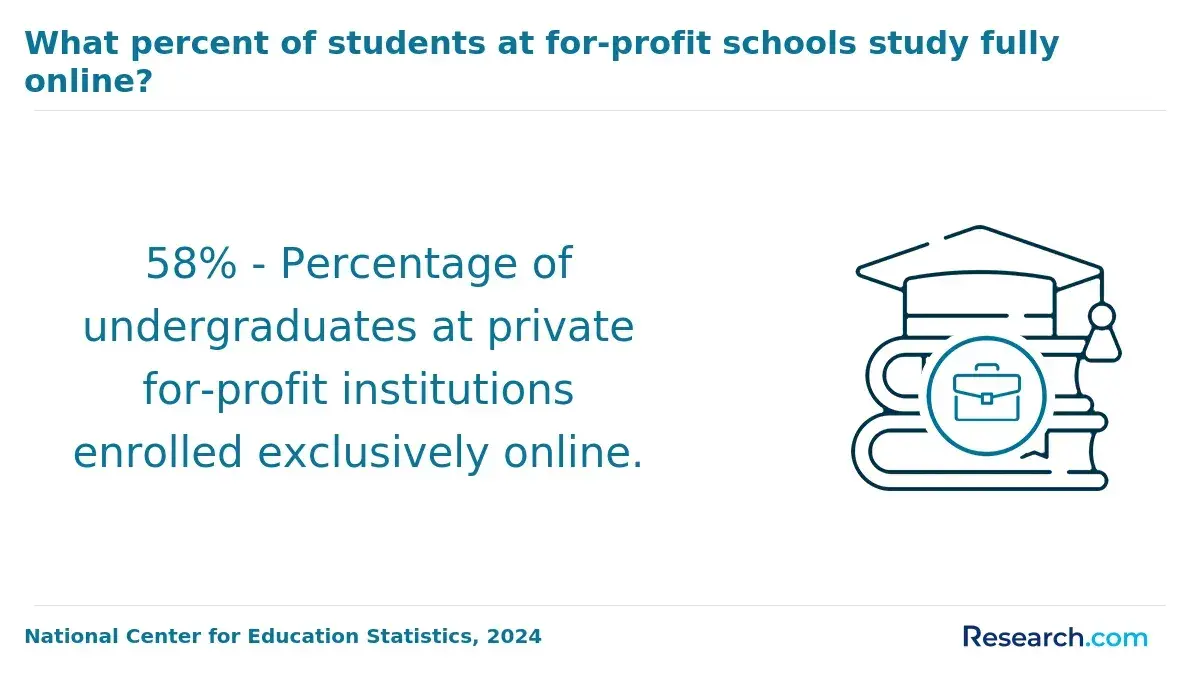
In states where on-campus interior design degree programs are scarce or completely absent, online degree offerings effectively dismantle longstanding geographic barriers that have constrained student access. These digital programs accommodate learners who otherwise face prohibitive travel distances or relocation costs, expanding enrollment opportunities across regions historically underserved by specialized academic options. The 2024 data from the National Center for Education Statistics indicates that nearly half of interior design students now engage with fully online courses, reflecting a significant shift toward widespread digital participation that redefines where and how students can pursue this field.
Central to this expanded access is the capacity of online programs to operate independently of local institutional limitations. Through asynchronous course models and virtual resources, students can engage in rigorous curricula without fixed schedules or proximity to university campuses. Additionally, allowing enrollment across state boundaries expands the institutional reach beyond geographic constraints, increasing competitive program availability for rural or remote students. This shift reduces reliance on a finite number of in-person programs, particularly in states like Wyoming or Alaska, where interior design options are notably limited, and fosters a more scalable and flexible education delivery framework.
Beyond individual enrollment, these online offerings recalibrate regional workforce dynamics by making interior design education accessible to populations that traditional programs often overlook. Increased student mobility and inter-state competition among institutions stimulate program enhancements and curriculum innovation, potentially raising overall training standards. Moreover, expanding access through online formats contributes to a more equitable distribution of design talent nationally, supporting economic diversification in regions that previously lacked specialized educational infrastructure.
One interior design graduate recalled facing uncertainty during the rolling admissions period for a leading online program. Initially hesitant to commit while juggling work and preparation for portfolio submissions, the candidate appreciated that the online format allowed staggered application and enrollment timelines. Delays in obtaining letters of recommendation prolonged the process, but the program's flexible intake windows enabled the student to complete admissions requirements without forfeiting the academic year. This adaptability proved crucial in navigating the logistical hurdles common to those balancing professional obligations and pursuing specialized degrees outside traditional campus settings.
How Much Does Interior Design Program Tuition Vary by State?
Tuition costs for interior design degree programs vary widely across U.S. states, reflecting fundamental differences in public university funding, residency-based pricing systems, and institutional types. Public universities generally offer lower in-state tuition rates to residents, but these can differ considerably depending on the state's higher education budget and policy priorities. Private institutions, conversely, set tuition somewhat independently of regional funding pressures, often charging significantly higher rates that can be two to three times the public in-state fees. This interplay between public support and private pricing mechanisms creates distinct tuition landscapes rather than arbitrary cost differences, meaning a student's state of residence and choice between public and private schools have a crucial influence on financial commitments for interior design programs.
According to data from state university systems and national education statistics, public in-state tuition for interior design degrees may range from approximately $6,000 to $15,000 annually, with out-of-state students often paying two to three times those amounts. Private schools frequently exceed $40,000 each year due to their reliance on tuition as a principal revenue source, less directly linked to state appropriations. These disparities mirror broader regional economic conditions, such as cost of living, which influence pricing decisions but do not inherently guarantee differences in educational quality. Given such variation, comparing tuition costs across states requires considering residency status and institutional control over pricing rather than simply looking at sticker prices for interior design programs.
The broad range in tuition costs directly affects student mobility and access to interior design education, particularly for those without in-state residency or substantial financial aid. Students often face tradeoffs between affordability and program attributes such as industry connections or location-based employment opportunities. Such financial barriers can limit choices for prospective students, influencing enrollment decisions and ultimately shaping workforce distribution in architecture and design fields. For those exploring interdisciplinary or related options, examining programs like masters in art therapy may offer additional pathways where tuition structures differ, underscoring the importance of understanding funding trends and state education policies when planning education and career trajectories.
How Does Interior Design Program Demand Affect Admissions Decisions?
As demand for interior design programs rises, admissions become markedly more selective, reflecting a shift from straightforward academic thresholds to holistic evaluations. Competitive applicant pools push programs to emphasize comprehensive criteria, including portfolios and interviews, to filter candidates who demonstrate practical aptitude alongside academic potential. Rather than admitting a broad swath of applicants, institutions narrow intake to maintain quality and fit, balancing interest with the realities of limited seats and resource intensity inherent in studio-based instruction.
This tightening of admission standards is deeply influenced by program capacity factors such as faculty availability, facility access, and accreditation mandates that cap enrollment. Schools with higher applicant volumes often restrict acceptance rates below 30%, especially in states with dense design markets like California and New York. This constrained capacity compels programs to prioritize applicants whose backgrounds or skill sets align closely with employer expectations and evolving industry demands, reinforcing a feedback loop between education and labor market needs.
These dynamics also affect how prospective students approach their applications. Increasing program selectivity motivates higher preparation levels and strategic presentation of credentials, but it simultaneously narrows long-term accessibility for some applicants. As programs sharpen their reputations through rigorous selection, this can enhance graduate outcomes but may inadvertently disadvantage candidates lacking early exposure to design experiences or mentorship. The result is a competitive landscape shaped by both supply management and labor market alignment rather than solely academic performance.
A recent interior design graduate recalled waiting anxiously during a rolling admissions cycle when the high volume of applicants led to prolonged decision timelines. She noted how the program's focus on portfolios and interviews meant she continually refined her submission while juggling multiple campuses' differing deadlines. The uncertainty fuelled her urgency to enhance practical skills, but the delay also created stress in weighing options without firm offers, illustrating how heightened demand can extend admission decision processes and influence applicant strategies at critical junctures.
How Do Interior Design Specialization Options Vary by Region?
Specialization tracks within interior design degree programs are closely shaped by regional economic priorities and the composition of local industries. In regions with robust technology sectors and progressive sustainability mandates, such as the Northeast and West Coast, curricula often emphasize green building principles, historic preservation, and cutting-edge digital visualization tools. Conversely, areas dominated by manufacturing, healthcare, or commercial real estate tend to expose students primarily to traditional residential and institutional design, reflecting established market demands. This alignment ensures programs remain responsive to employer expectations and regional labor needs rather than offering a uniform or generalized curriculum nationwide.
Variation in specialization also stems from institutional research focuses, industry partnerships, and labor market forecasts. Universities in states like California and New York frequently collaborate with firms specializing in universal design for accessibility and healthcare environments, leveraging these connections to develop niche academic offerings. Meanwhile, programs in less densely populated or economically diversified regions prioritize cross-disciplinary skills, such as project management and compliance with local building codes, to prepare graduates for broader roles within smaller design markets. According to the 2024 American Society of Interior Designers data, states with concentrated industries consistently host more specialized programs, underscoring the influence of employer demand and regional workforce policies on educational focus.
These regional differences significantly impact student decision-making and career trajectory. Students in coastal metropolitan areas may benefit from deep specialization opportunities that align with emerging sectors like green architecture, whereas those in interior regions might encounter fewer focused tracks but gain versatility applicable to a wider range of projects. The tradeoff between niche expertise and generalist training mirrors broader labor market realities, where program choice must balance immediate job market integration with longer-term adaptability. Understanding these dynamics helps prospective students prioritize program attributes that correspond meaningfully to their local industry context and professional aspirations.
How Does Regional Employer Demand Affect Career Outcomes?
Regional employer demand fundamentally shapes job availability and entry opportunities for interior design graduates, creating significant variability in early career outcomes. Metropolitan areas with concentrated construction, real estate development, and hospitality sectors typically offer a denser network of employers actively seeking design talent, resulting in shorter job searches and more competitive starting salaries. By contrast, graduates entering less active markets face fewer positions, heightening competition and often leading to lower wage offers and slower initial employment. This spatial unevenness in demand also impacts how quickly graduates can move beyond entry-level roles and secure specialized assignments within their field, reflecting the broader context of interior design career outcomes in relation to regional employer demand.
Key mechanisms driving these disparities include regional industry clusters and employer ties with academic programs, which link talent pipelines directly to area labor needs. Regions with established or emerging design ecosystems foster ecosystems that support mentorship, internships, and sustained career growth, often aligning institutional partnerships with local labor market realities. Wage competition varies regionally, with areas experiencing strong commercial and residential expansion paying up to 25% higher average salaries for interior designers according to the U.S. Bureau of Labor Statistics. These dynamics emphasize the impact of state-level employer demand on interior design job prospects by illustrating how geographic concentration of firms, labor supply, and industry specialization create differentiated hiring environments.
Broader implications extend to decisions about geographic mobility and adapting to the expanding scope of remote work, which can mitigate some regional limitations but rarely equalize all opportunities. For students comparing where to study or work, assessing how regional demand shapes both professional pathways and salary structures is critical for realistic career planning. Prospective interior design students and researchers evaluating program availability across states should incorporate these labor market variations into their analysis, acknowledging that regional industry climates heavily influence practical outcomes and long-term trajectories. Exploring resources such as online library schools can also support those seeking complementary insights into related academic offerings and workforce data.
What Factors Matter Most When Comparing Interior Design Programs Across States?
Comparing interior design programs across states involves more than simply assessing their availability. State-level differences influence educational access, costs, specialization opportunities, and outcomes after graduation. Understanding these regional variations is vital for prospective students and education researchers who want a comprehensive view of the interior design program availability by state.
- Accreditation and Curriculum Quality: Programs accredited by bodies like the Council for Interior Design Accreditation (CIDA) ensure consistent rigor and alignment with professional standards. Since over 75% of employers favor graduates from accredited programs, this factor directly impacts job readiness and licensure eligibility, which can vary widely between states.
- Hands-On Learning and Industry Connections: States with programs emphasizing internships, studio work, and real-world projects enhance practical skills and employment prospects. Research from the American Society of Interior Designers shows a 30% higher employment rate for students engaged in these experiential learning methods, highlighting the importance of local industry integration.
- State Licensing and Regulatory Environment: Licensing requirements differ considerably across states, affecting graduates' ability to enter the profession and practice independently. Programs situated in states with stringent exam and experience mandates usually incorporate these into their curriculum, providing a strategic advantage for licensure preparation.
- Specialization and Program Diversity: Regional differences influence the availability of niche tracks such as sustainable design or digital rendering. Programs offering specialized skills address shifting market demands and support long-term career adaptability, especially in states with more extensive academic infrastructure.
- Tuition Costs and Financial Accessibility: Variations in in-state tuition fees and financial aid options reflect regional funding policies and economic contexts. Affordability impacts who can realistically pursue interior design degrees across states, influencing diversity within the profession.
- Graduate Outcomes and Employment Networks: Local employer demand and alumni connections shape the practical value of interior design programs. Evaluating program size, placement rates, and alumni influence is essential to understanding how graduates fare in regional labor markets, including fields with related roles such as those linked to an AI trainer salary trajectory in creative industries.
These factors collectively highlight how regional differences in interior design degree options determine not only where programs exist but also their educational quality, affordability, and alignment with workforce needs.
Which Regions May See the Fastest Growth in Interior Design Education?
Growth in interior design education tends to concentrate where demographic expansion, employer demand, and higher education investment intersect. Regions experiencing rapid urbanization or economic development often see universities and colleges expanding program offerings to meet workforce needs. This growth is driven by increasing demand for design professionals skilled in sustainable practices, technology integration, and sector-specific applications like commercial or residential projects.
- Southwest: States like Texas and Arizona show the fastest increases in interior design program commencements, fueled by rapid population growth and expanding real estate markets. Large state university systems in this region are actively investing in interior design curricula, aligning academic options with employer demand for candidates versed in both traditional and digital design tools. This expansion also encourages specialization opportunities and diversified degree paths.
- Southeast: Florida and neighboring states combine surging metropolitan development with a growing retiree population, creating demand for interior designers focused on accessible, sustainable, and hospitality-oriented environments. Educational institutions are responding by broadening program capacity and incorporating emerging industry trends to attract diverse student bodies preparing for varied career trajectories.
- West Coast: California remains a leader in absolute program availability due to its mature education market and diverse economic base, including tech-driven real estate development and green building sectors. Growth here is steadier but concentrated on innovation and integrating technology into curriculum, which attracts students seeking cutting-edge design education with strong industry linkage.
- Mountain West: This region's smaller but growing urban centers lead to moderate growth in interior design education as state schools expand offerings to fill workforce gaps. Institutional capacity increases and regional economic diversification encourage programs tailored to hospitality, public sector design, and adaptive reuse specialties.
- Midwest and Northeast: Despite having many well-established programs, these regions see slower growth due to stable populations and mature academic markets. Program expansion is incremental, often emphasizing advanced degrees or niche specializations rather than significant increases in overall capacity.
- The 2024 NCES data reports a 12% increase in interior design program commencements in Texas since 2021.
- Florida's design-related program offerings grew by 9% over the same period.
- California maintains the highest absolute number of interior design degree options nationally.
References
- Why B.Des Interior Design Is Gaining Popularity in 2025–26 https://manavrachna.edu.in/blog/why-the-bachelor-of-interior-design-is-gaining-popularity-trends-you-shouldnt-miss
- Best five interior design schools in Europe — School of Sketching by Olga Sorokina https://schoolofsketching.com/blog-in-english/interiordesigneurope
- Top 10 Interior Design Schools Redefining Aesthetics - BLT Built Design Awards 2026 https://bltawards.com/top-10-interior-design-schools-redefining-aesthetics/
- Why Become an Interior Designer? A Profession Combining Humans, Art, and Technology https://en.akademiaslaska.pl/news/why_become_an_interior_designer_a_profession_combining_humans_art_and_technology
- What to Look for When Searching for the Best Interior Design Programs https://www.belmont.edu/stories/articles/2024/best-interior-design-programs.html
- Architecture Career Guide: An Insider Perspective on Specializations in Interior Design https://architizer.com/blog/inspiration/stories/insiders-perspective-specializations-interior-design/
- The Best Interior Design Programs and Schools of 2025 | CourseCompare.ca https://www.coursecompare.ca/best-interior-design-programs-schools/
- Interior Design Universities - Updated 2026 https://uniscopio.com/en/university/interior-design-schools/
- Where Is Interior Design Most Popular? Global Industry https://www.flooringsurgeons.co.uk/blog/where-is-interior-design-most-popular/
- Study Interior Design in the USA | Study in the USA https://www.studyusa.com/en/field-of-study/418/interior-design
Other Things You Should Know About Interior Design
States with a high concentration of interior design programs often lead to increased competition for internships and post-graduation employment due to saturation of qualified graduates. Students in these environments must be prepared for a more rigorous portfolio development process and often seek specialization or unique project experiences to differentiate themselves. The workload might intensify as programs push for more advanced, portfolio-ready projects to align with employer expectations in competitive markets.
While a wider range of program options can offer more flexibility, prioritizing schools that provide depth in specialized training-such as sustainable design or technical CAD skills-often results in stronger employment outcomes. Employers tend to value candidates with clear competencies in niche areas rather than generalist backgrounds. Students focused on practical career advantages should favor programs known for rigorous, skill-focused curricula aligned with industry demands over simply choosing schools with many interchangeable options.
In 2027, variations in program structure can significantly impact real-world readiness by influencing the skillset and adaptability of graduates. States with diverse programs may offer broader training, while those with specialized curricula can focus on local market needs, affecting job preparedness.
Students aiming for personalized mentorship and deeper industry connections may find smaller programs in less saturated markets more beneficial despite fewer offerings. These programs often provide greater access to faculty and local industry partnerships, potentially enhancing internship and job placement opportunities. However, attending institutions with multiple programs can offer better networking and collaboration chances but may come with tradeoffs in individualized attention and greater peer competition.