2027 How Employers Are Changing Hiring Criteria for Interior Design Graduates in the AI Era

Co-Founder and Chief Data Scientist
A prospective interior design student recently reviewed job postings and internship requirements only to realize that a degree alone may no longer guarantee a competitive edge. A 2024 report from the U.S. Bureau of Labor Statistics highlights that over 80% of employers now prioritize candidates who demonstrate AI literacy or technological adaptability alongside core discipline skills. This shift reflects a broader trend where AI-driven tools and workflows are becoming standard across creative industries, reshaping expectations for entry-level talent.
Employers increasingly seek graduates with a blend of technical proficiency and transferable skills such as problem-solving, collaboration, and digital communication. For interior design students and recent graduates, this means developing competencies beyond traditional design principles to include familiarity with AI-enhanced software and agile project management. This article examines how hiring criteria for interior design graduates are evolving, the growing importance of AI literacy and transferable skills, and the strategies students can use to remain competitive in the AI era.
Key Things to Know About the Changing Hiring Criteria for Interior Design Graduates in the AI Era
- Employers prioritize graduates who blend ai-assisted design tools with core creativity, reflecting a 2024 study showing 68% of firms seek candidates proficient in hybrid workflows, shifting hiring toward tech-adept creatives.
- ai literacy now includes understanding data-driven client preferences, making it critical for designers to translate algorithm outputs into personalized aesthetics, enhancing market adaptability amid evolving customer demands.
- Transferable skills like critical thinking and interdisciplinary collaboration remain decisive; programs emphasizing these alongside ai competencies yield graduates better positioned in a job market valuing multifaceted problem-solving.
- Key Things to Know About the Changing Hiring Criteria for Interior Design Graduates in the AI Era Key Things to Know About the Changing Hiring Criteria for Interior Design Graduates in the AI Era
- How Is AI Changing What Employers Look for in Interior Design Graduates? How Is AI Changing What Employers Look for in Interior Design Graduates?
- Which AI Skills Are Employers Expecting Interior Design Graduates to Have? AI Skills
- Which Human Skills Are Employers Looking for in Interior Design Graduates? Human Skills
- How Are AI Tools Changing Daily Work in Interior Design Careers? AI Workplace Tools
- How Are Employers Evaluating Interior Design Candidates Beyond Academic Credentials? Hiring Criteria
- How Are Interior Design Degree Programs Adapting to AI? AI Curriculum
- Which Industries Are Changing Hiring Expectations Most for Interior Design Graduates? AI and Industry Expectations
- How Is AI Changing Career Growth for Interior Design Professionals? AI and Career Growth
- How Should Interior Design Students Prepare for AI-Driven Hiring? Career Preparation
- How Should Students Choose an Interior Design Program for the AI Era? How Should Students Choose an Interior Design Program for the AI Era?
How Is AI Changing What Employers Look for in Interior Design Graduates?
Employers in creative industries are increasingly prioritizing candidates who can collaborate effectively with AI-driven technologies instead of merely executing manual or routine design tasks. Recent data from the National Association of Colleges and Employers reveals that over 65% of hiring managers expect interior design graduates to be proficient with AI-infused tools and software, signifying a shift in core competencies.
For example, an interior design firm integrating AI for space planning may favor a graduate who understands parametric design workflows and can adapt these to client-specific needs, rather than someone skilled only in traditional drafting. This transition reflects a demand for a hybrid skill set combining technical fluency with creative problem-solving, enabling designers to harness AI as a partner rather than a replacement.
The changing hiring criteria for interior designers in the AI era also emphasize soft skills and a learning mindset, recognizing that human insight remains indispensable. The U.S. Bureau of Labor Statistics notes that while automating repetitive elements, AI augments decision-making processes that require ethical judgment, communication, and interdisciplinary collaboration. According to a 2024 survey by the Design Futures Foundation, 72% of firms now prioritize candidates experienced with AI-enhanced rendering and project management systems, highlighting how integrated digital proficiency shapes workforce skills.
Prospective students should seek opportunities to engage with emerging technologies through coursework and training programs, such as those found in online certifications that pay well, to remain competitive. Ultimately, successful interior designers will balance AI literacy with human-centered design principles to meet evolving employer expectations.
Which AI Skills Are Employers Expecting Interior Design Graduates to Have?
Employers in the interior design sector increasingly expect graduates to possess practical AI competencies that extend beyond traditional design skills. The integration of AI into workplace practices calls for a deeper understanding of how technology can enhance creativity, efficiency, and client responsiveness. This evolving expectation reflects a shift where AI is no longer an optional addition but a strategic asset in project execution and decision-making.
For example, a firm might rely on AI algorithms to generate multiple design iterations rapidly, requiring designers who can interpret and refine AI outputs rather than solely producing manual drafts. The following AI skills highlight areas where graduates must demonstrate proficiency to meet these heightened employer expectations.
- Generative Design Tools: Mastery of AI-powered generative design platforms enables graduates to create diverse, optimized design solutions quickly. Employers value professionals who can leverage these tools to explore innovative spatial layouts and material combinations, reducing project timelines. Building skills through coursework or internships with software like Autodesk's generative design supports this capability.
- Predictive Analytics Integration: The ability to use AI for anticipating client preferences and workflow bottlenecks enhances project outcomes and client satisfaction. Graduates who understand how to incorporate predictive analytics into design strategy are sought after for their foresight and adaptability. Training with data analytics modules tailored to interior design contexts fosters this expertise.
- AI-Driven Material Optimization: Employing machine learning algorithms to select sustainable and cost-effective materials is crucial as firms prioritize environmental impact and budget control. Employers expect graduates to navigate AI tools that assess material properties and project constraints simultaneously. Hands-on projects involving sustainable design practices can reinforce these competencies.
- Data Visualization and Prototyping: Translating AI-generated data into visually compelling presentations and digital prototypes bridges the gap between technology and client communication. Interior design professionals who excel here can better advocate design decisions and iterate efficiently. Enhancing skills in digital prototyping software and data visualization techniques during academic training is recommended.
- Ethics and Privacy Awareness: With AI's growing role, understanding the ethical implications and privacy concerns related to automated design processes is increasingly important. Employers look for graduates who can balance technological advantages with responsible design choices. Integrating ethics education focused on AI applications prepares students to navigate this complex landscape.
Addressing these AI skills alongside core interior design knowledge positions graduates to fulfill the employer expectations for AI proficiency in interior design. Staying proactive about tailored learning opportunities, including the pursuit of specialized degrees such as an online PhD leadership, can further enhance one's ability to lead in this high-demand field.
Which Human Skills Are Employers Looking for in Interior Design Graduates?
Artificial intelligence is reshaping the interior design profession by automating routine tasks like drafting and preliminary concept generation, which shifts employer expectations toward skills that AI cannot replicate. This evolution intensifies the demand for human capabilities that add nuanced judgment, cultural understanding, and empathy-elements critical for crafting designs that resonate on a personal and ethical level.
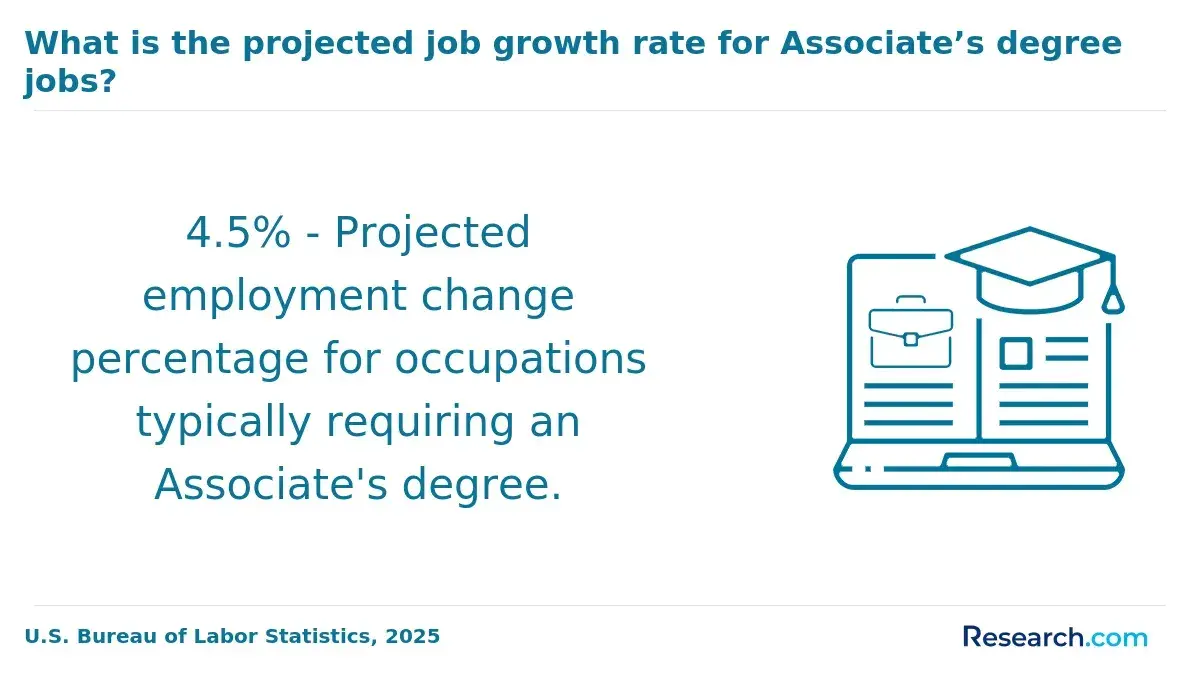
According to recent 2024 insights from the U.S. Bureau of Labor Statistics and the World Economic Forum, graduates who cultivate these unique skills bolster their relevance and adaptability in a transforming workplace. Below are key human skills increasingly essential for interior design graduates navigating AI-enhanced environments.
- Creative Problem-Solving: Though AI can produce numerous design options quickly, the ability to interpret client needs and local context remains irreplaceably human. Graduates strengthen this skill by engaging in iterative, client-focused projects that require adaptive thinking beyond algorithmic suggestions.
- Effective Communication: Clear articulation of design rationale and collaboration across diverse teams are vital. Enhancing verbal and written communication helps graduates translate complex ideas into accessible formats, promoting stakeholder alignment where AI insights alone fall short.
- Emotional Intelligence: Understanding client emotions and preferences fosters trust and personalized design solutions. Training in empathy through real client interactions and reflective practice prepares graduates to meet this demand where data-driven AI cannot.
- Adaptability and Lifelong Learning: With AI-powered software evolving rapidly, staying agile by continuously updating technical skills and embracing emerging tools is critical. Graduates benefit from a growth mindset and proactive engagement with new technologies while maintaining foundational design principles.
- Critical Thinking and Ethical Judgment: AI-generated content may introduce biases or overlook sustainability. Interior design professionals who rigorously evaluate outputs and prioritize responsible practices provide indispensable oversight, ensuring designs align with broader social and environmental goals.
One recent graduate recalls a challenging project where relying solely on AI-generated layouts initially seemed sufficient. However, client feedback revealed subtle cultural preferences that AI failed to capture, prompting the designer to rethink spatial relationships through direct empathy and communication. This experience underscored the importance of combining technical tools with human insight, teaching the graduate that success requires balancing digital efficiency with the sensitivity only a person can provide.
How Are AI Tools Changing Daily Work in Interior Design Careers?
AI tools have become integral in daily interior design workflows, enabling professionals to automate repetitive tasks such as drafting and 3D modeling, which traditionally consumed significant time. According to 2024 industry data, more than 60% of interior design firms employ AI-driven software to streamline project visualization and client communication.
This automation allows designers to reallocate their focus toward higher-level problem-solving, strategic planning, and creative development, rather than routine manual work. For example, a designer using AI-enhanced space planning software can quickly generate multiple layout options tailored to client preferences and environmental conditions, improving both speed and design accuracy.
Beyond task automation, AI is reshaping the roles and skills interior designers must cultivate, emphasizing digital literacy alongside creativity. Platforms incorporating AI-driven analytics now assist in predicting project delays and optimizing resource usage, which means interior designers are increasingly expected to interpret data insights and integrate AI suggestions effectively.
The U.S. Department of Labor's 2024 report highlights a growing demand for hybrid skill sets, where human expertise complements AI outputs, requiring oversight, ethical judgment, and nuanced decision-making. Rather than replacing designers, AI elevates their responsibility to manage and customize technology outputs to meet client needs and ensure design integrity.
Productivity improvements linked to AI are notable, with studies reporting up to a 30% reduction in project turnaround times, allowing interior design professionals to handle more complex assignments or a higher volume of clients. Employers now favor candidates proficient in AI-based software combined with foundational interior design knowledge, underscoring the importance of continuous learning in rapidly evolving digital environments.
Ultimately, success in interior design increasingly depends on balancing creative vision with technological fluency, preparing graduates to engage meaningfully with AI as a collaborative tool rather than a replacement for human insight.
How Are Employers Evaluating Interior Design Candidates Beyond Academic Credentials?
Employers evaluating interior design candidates today increasingly look beyond academic credentials, emphasizing practical experience, portfolios, and demonstrated technological fluency. A 2024 report from the National Association of Colleges and Employers highlights the rising importance of adaptability and creativity, particularly the ability to integrate AI tools and digital software into design workflows.
Candidates who showcase completed internships, AI-enhanced projects, or certifications in relevant technologies offer tangible evidence of skills directly applicable to modern practice. For example, an applicant presenting a portfolio featuring AI-driven visualization platforms and data-informed space planning will likely stand out more than one relying solely on academic achievements.
This shift toward a more holistic assessment reflects broader employer trends reported by organizations such as the U.S. Bureau of Labor Statistics and LinkedIn Talent Solutions. Communication, teamwork, and emotional intelligence emerge as critical soft skills, particularly as collaboration increasingly involves human and AI systems working together.
A prospective interior designer adept at navigating such hybrid environments demonstrates problem-solving capacity through both interpersonal and technical competencies. Highlighting these real-world capabilities-whether through client project simulations, collaborative workshops, or ongoing skills development-strongly influences hiring decisions in creative fields.
Incorporating these insights into career planning means recognizing that foundational academic training must be complemented by continuous upskilling and practical application. Engaging with emerging technologies or relevant professional certifications can differentiate candidates in an increasingly competitive market.
Students might explore additional interdisciplinary paths, such as masters in art therapy, to broaden their expertise and adapt to evolving industry demands. Ultimately, employers prioritize candidates who demonstrate resilience, adaptability, and a proactive mindset toward lifelong learning to thrive amid the AI era's changing expectations for interior design roles.
How Are Interior Design Degree Programs Adapting to AI?
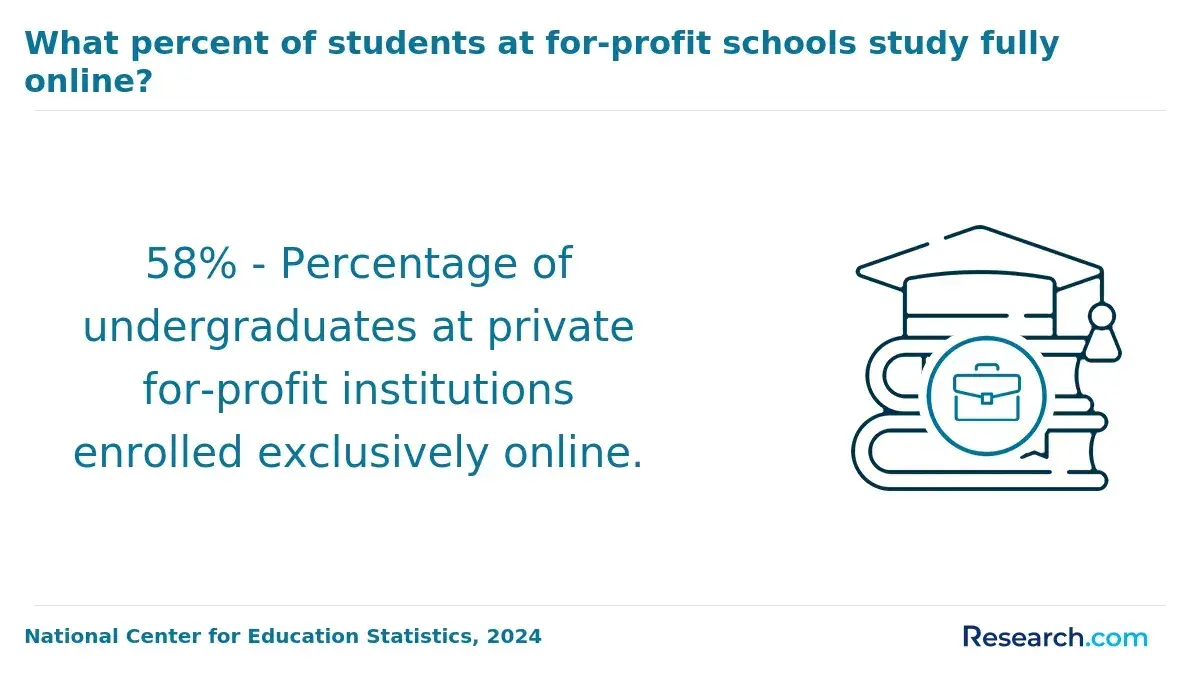
Recent shifts in interior design degree programs reflect a response to the rapid integration of artificial intelligence in the field, with over 45% of U.S. design-related programs incorporating AI-focused coursework or practical AI applications as noted by the National Center for Education Statistics in 2024. These programs are not merely adding AI tools as optional modules but are reshaping core curricula to blend traditional design principles with emerging technologies such as generative design software and automated 3D modeling. For instance, students might use AI platforms to generate multiple spatial layouts within minutes, enabling a more iterative and data-informed design process that enhances creativity without replacing critical human judgment.
Institutions are consciously balancing this technological infusion by emphasizing human-centered skills like ergonomic understanding, cultural context, and client communication to prevent over-reliance on AI outputs. To this end, curriculum redesigns often include interdisciplinary coursework connecting design with data analytics, ethics around AI use, and technical skill-building to prepare students for flexible, lifelong learning. Partnerships with industry leaders increasingly facilitate experiential learning opportunities that expose students to AI-driven project management and collaborative workflows, ensuring graduates can navigate hybrid roles where managing AI tools and interpreting their outputs are essential workforce expectations for early-career professionals today.
This careful alignment of AI and traditional expertise represents a pragmatic evolution rather than a wholesale transformation of the interior design discipline. As the American Society of Interior Designers highlights, employers are prioritizing candidates who possess not only digital proficiency but also the ability to lead multidimensional projects involving AI-enhanced collaboration. Understanding this dynamic equips students and recent graduates to strategically cultivate both creative and technical competencies, ensuring resilience in a job market where continuous technical upskilling complements foundational design knowledge and interpersonal skillfulness.
Which Industries Are Changing Hiring Expectations Most for Interior Design Graduates?
The integration of AI into interior design-related industries is uneven, shaped by sector-specific demands, investment levels, and regulatory pressures. This uneven pace means that hiring expectations for interior design graduates vary significantly depending on the industry they target. For example, a recent graduate exploring job openings across real estate development, healthcare, retail, and education quickly notices differing priorities: some employers emphasize technical AI proficiency, while others value hybrid design skills integrating virtual collaboration.
This variation requires graduates to assess how their skill set matches evolving employer needs to remain competitive. Below are five industries where the shift in hiring criteria is most pronounced due to AI adoption and related technologies.
- Real Estate Development: AI-driven analytics are transforming building design by enabling smarter spatial planning and energy optimization. Employers increasingly seek graduates proficient in predictive modeling software and data interpretation to contribute to sustainable, efficient projects.
- Technology-Driven Retail: The rise of experiential retail environments powered by AI demands interior designers who can create adaptive, customer-centric spaces. Skills in AI-enabled personalization tools and environment-responsive layouts are now key assets.
- Healthcare Facilities: Hospitals and clinics are leveraging AI to meet strict regulatory standards while improving patient comfort and safety. Graduates must understand AI's role in compliance-focused design and smart healthcare infrastructure integration.
- Educational Institutions and Corporate Campuses: Hybrid work and learning models require flexible, tech-integrated interior spaces. Employers look for designers experienced with AI-enhanced visualization and virtual reality tools that facilitate remote collaboration and iterative design processes.
- Urban Planning and Smart Cities: Emerging AI applications in urban design and public space management demand interdisciplinary expertise. Interior design graduates versed in AI-informed community engagement and sustainable space optimization have rising opportunities in this sector.
One graduate recalled weighing offers from a traditional real estate firm and a healthcare design consultancy. Initially drawn to the firm's established reputation, they hesitated over uncertain AI skill requirements. After reviewing industry reports highlighting healthcare's rapid AI integration paired with the firm's demand for compliance-aware design, the graduate chose the healthcare consultancy. This decision reflected an understanding that mastering AI-driven tools for regulatory and patient-centered environments would better future-proof their career in a sector showing swift technological evolution.
How Is AI Changing Career Growth for Interior Design Professionals?
The pace of AI adoption varies significantly across industries, impacting employer expectations for interior design graduates differently. Industries with rapid technological integration demand new competencies, including AI fluency and data analysis, while more traditional sectors remain slower in shifting hiring criteria.
Understanding where these changes are most intense allows early-career professionals to align their skills with market needs. Real-world scenarios, such as virtual staging in real estate, exemplify how AI transforms job roles and required capabilities.
Below are the five industries where hiring expectations for interior design graduates are evolving most rapidly due to AI and related technologies.
- Technology Sector: AI-driven tools in tech companies require interior designers to merge creative skills with programming knowledge and digital visualization. Employers expect familiarity with virtual reality environments and smart space integration, making interdisciplinary expertise vital for career advancement in this fast-changing industry.
- Real Estate and Property Development: AI applications like virtual staging and automated layout generation are revolutionizing this sector. Interior design graduates must excel in software that enhances client presentations and accelerates project timelines, or risk falling behind peers skilled in technology-enhanced workflows.
- Sustainable Design: With growing regulatory pressure and consumer demand, industries focused on sustainability are using AI to model ecological impacts and material efficiencies. Professionals must understand environmental algorithms and sustainable materials to meet these new hiring criteria rooted in science and innovation.
- Healthcare Facilities: AI is transforming healthcare interior design by optimizing spatial planning for infection control and patient wellbeing. Graduates need competencies in data analysis and compliance-driven digital tools to satisfy specialized hiring demands that prioritize health outcomes.
- Corporate Office Planning: Remote work trends have accelerated AI adoption for dynamic space utilization and ergonomic design. Employers seek interior designers who can leverage AI for predictive analytics and customize smart environments, reflecting a shift from traditional spatial planning roles.
These changes underscore the need for adaptability and continuous learning. Developments in AI-related competencies are among the most significant factors shaping career advancement for interior designers in AI era. For those considering graduate education to bolster these skills, resources discussing which masters degrees are worth it provide valuable guidance for strategic choices in this evolving landscape.
How Should Interior Design Students Prepare for AI-Driven Hiring?
Preparing for AI-driven hiring in interior design requires more than just earning an interior design degree. Students must develop a combination of technical expertise, AI fluency, and human-centered skills to meet shifting employer expectations. According to a 2024 report by the U.S. Bureau of Labor Statistics and Deloitte, over 70% of employers now prioritize proficiency in AI tools alongside creative abilities. This means graduates who can harness AI software for visualization and sustainable design gain a competitive edge. Below are practical strategies to prepare interior design students for AI-driven hiring.
- Master AI Design Platforms: Familiarity with generative design software and augmented reality apps equips students to create innovative, data-driven spaces. Engaging with these tools before graduation increases employability by aligning technical skills with employer demands.
- Develop Critical Thinking: AI supports but does not replace creativity. Strengthening problem-solving and critical analysis helps students use AI-generated insights effectively to enhance design outcomes rather than relying on automation alone.
- Enhance Collaborative Skills: Designers frequently work in multidisciplinary teams using AI-powered project management systems. Building communication and teamwork abilities prepares students to contribute meaningfully in these environments.
- Invest in Data Literacy: Understanding how to interpret and apply AI-driven data insights enables graduates to tailor designs to client needs and current trends, an increasingly valued competency in the AI era.
- Engage in Self-Directed Learning: While educational institutions incorporate AI modules, students should proactively participate in workshops and online courses. This continuous learning approach helps them stay current with evolving AI technologies and industry expectations.
In real-world terms, a student adept at AI platforms might use augmented reality tools to present clients with immersive visual walkthroughs, offering options quickly based on AI-driven space optimizations. This not only improves client satisfaction but also demonstrates proficiency highly regarded in today's hiring landscape.
This balanced skill development is crucial for preparing interior design graduates for AI hiring and aligns closely with identified animal degree workforce insights on blending technical and interpersonal capabilities.
How Should Students Choose an Interior Design Program for the AI Era?
Choosing an interior design program today requires students to look beyond traditional factors like reputation or cost and focus on how well the curriculum readies them for a workforce transformed by artificial intelligence. As employers increasingly expect designers to merge creativity with AI-driven tools, graduates must demonstrate proficiency not only in aesthetics but also in leveraging technologies that optimize design outcomes.
For example, a student trained only in classical design methods may struggle to meet a firm's demand for AI-supported sustainability analyses or client-personalized environments. Prospective students should carefully assess programs based on the following key factors.
- AI Integration in Curriculum: Programs incorporating AI-powered software, virtual reality, and data analytics ensure students gain practical experience with tools that are becoming standard in the industry. This fosters adaptability to evolving employer requirements and competitive advantage.
- Multidisciplinary Collaboration: Opportunities to work alongside computer science or engineering departments signal a commitment to blending design expertise with technical skills, which is crucial as projects grow more complex and reliant on technology.
- Ethical and Human-Centered Design: Courses addressing AI ethics, data privacy, and user experience prepare students to tackle challenges beyond technical ability, aligning with employer preference for responsible design professionals highlighted in the 2024 Higher Education AI Curriculum Survey.
- Hands-On, Applied Learning: Real-world projects using generative design algorithms and environmental analytics bridge theory and practice, equipping students to meet client and sustainability demands effectively.
- Graduate Outcomes and Employer Connections: Referencing recent National Center for Education Statistics data, programs with strong AI literacy report a 30% higher graduate employment rate, reflecting the market's prioritization of technologically fluent designers.
References
- Visual College of Art & Design https://www.vcad.ca/about/spotlights/ai-in-interior-design-future-of-interior-designers/
- Interior Design Hiring Trends: AI, Automation & People https://interiortalent.com/the-future-of-interior-design-hiring/
- Best AI for Interior Design in 2026 (14 Tools Tested) https://www.meltflexai.com/blog/best-ai-interior-design-tools-compared
- AI in Interior Design: What Jodhpur Students Need to Learn Before Graduation in 2026 https://www.inframeschool.com/blog/ai-in-interior-design-what-jodhpur-students-need-to-learn-before-graduation-in-2026
- AI Tools Every Interior Design Student Should Know | Vogue Institute of Art and Design https://www.voguefashioninstitute.com/ai-tools-every-interior-design-student-should-know/
- AI for Interior Designers: What to Do When It Starts to Feel Like Too Much https://www.studiodesigner.com/the-work-of-design/ai-for-interior-designers-what-to-do-when-it-starts-to-feel-like-too-much/
- AI for Interior Design | National Design Academy https://www.nda.ac.uk/study/courses/short-courses/ai-for-interior-design/
- Interior Designers in India https://www.wallstowonder.com/design-idea/how-to-use-ai-before-hiring-interior-designer
- AI Interior Design Tool and Room Planner | Planner 5D https://planner5d.com/use/ai-interior-design
- AI in interior design. Krakow University of Technology a leader in innovation https://www.architekturaibiznes.pl/en/artificial-intelligence-changes-design-interiors,39527.html
Other Things You Should Know About Interior Design
Employers increasingly value proficiency with AI software, but many still prioritize a candidate's fundamental design skills and conceptual thinking. Graduates must demonstrate that AI competence enhances rather than replaces their core design judgment. Prioritizing a portfolio that reflects a strong grasp of traditional design principles alongside selective AI-enabled projects typically yields the best hiring outcome.
AI can automate routine tasks, potentially reducing monotonous workload, but it also raises expectations for faster delivery and multitasking on complex projects. Graduates may face pressure to handle both strategic design decisions and technical AI tooling, increasing overall role complexity. Recognizing this dual demand helps new hires advocate for realistic workload balance and seek supportive team structures.
Interdisciplinary skills such as coding basics, data visualization, or project management are becoming more attractive alongside interior design expertise. However, spreading too thin across unrelated domains can dilute core design proficiency, making candidates less competitive. Graduates should strategically acquire complementary skills that directly enhance design problem-solving rather than broad, unspecialized abilities.
Specializing in niche areas with strong AI integration-like parametric design or sustainable materials modeling-can offer competitive advantage but risks obsolescence if technology shifts. Conversely, generalized design roles may provide broader adaptability but intensify competition. Graduates should assess their long-term interests and prioritize continuous learning to maintain relevance regardless of role specificity.