2027 Online vs Campus Interior Design Outcomes Report: Graduation Rates, Cost, and Career Trade-Offs

Co-Founder and Chief Data Scientist
Key Things to Know About Online vs Campus Interior Design Outcomes
- Campus interior design programs show an average graduation rate 15% higher than online counterparts, reflecting greater structured support but requiring more flexible schedules from students balancing work or family.
- Online programs reduce relocation and living expenses, yet total cost savings can be offset by extended time to completion, impacting overall affordability and delaying entry into the profession.
- Employers frequently recognize campus graduates for stronger portfolio development tied to in-person critiques and studio collaboration, influencing early-career hiring in design-focused firms despite growing acceptance of online credentials.
- Key Things to Know About Online vs Campus Interior Design Outcomes Key Things to Know About Online vs Campus Interior Design Outcomes
- What Are the Biggest Differences Between Online and Campus Interior Design Program Outcomes? Online vs Campus Outcomes
- How Do Graduation Rates Compare Between Online and Campus Interior Design Programs? Comparing Graduation Rates
- Why Do Online and Campus Interior Design Students Have Different Completion Rates? Why Completion Rates Differ
- How Do Online and Campus Interior Design Programs Compare on Total Cost? Total Cost Comparison
- What Hidden Costs Should Students Expect in Online vs Campus Interior Design Programs? Hidden Program Costs
- How Does Financial Aid Affect the Cost of Online and Campus Interior Design Programs? Financial Aid Impact
- Do Online and Campus Interior Design Graduates Have Different Career Outcomes? Comparing Career Outcomes
- How Do Employers View Online vs Campus Interior Design Degrees? How Do Employers View Online vs Campus Interior Design Degrees?
- Which Interior Design Degree Format Offers Better Flexibility for Working Adults? Which Interior Design Degree Format Offers Better Flexibility for Working Adults?
- How Should Students Choose Between an Online and Campus Interior Design Program? Choosing Your Program Format
What Are the Biggest Differences Between Online and Campus Interior Design Program Outcomes?
Graduation rates illustrate a crucial divide between online and campus interior design program outcomes, with traditional campus students completing at rates near 65-75% compared to 40-55% for fully online learners. This gap often reflects the real-world pressures online students face, such as balancing work and family commitments, which can delay completion and increase overall debt exposure. For example, a working parent pursuing an online interior design degree may find that extended enrollment periods amplify financial strain due to prolonged tuition payments and additional costs like design software licenses. These differences directly influence career mobility, as delayed graduation and higher debt can narrow opportunities in competitive job markets where timely credentials and lower financial burdens matter.
Cost considerations extend beyond advertised tuition, as total expenses for campus programs often include comprehensive financial aid and on-site resources supporting licensure preparation, internship placements, and portfolio development. Online students might pay less per credit but encounter fees for technology and equipment plus reduced access to hands-on studio time and immediate faculty feedback-elements highly prized in interior design practice. Such trade-offs affect student persistence and employer perception, given that many firms favor candidates with structured, in-person internship experience and face-to-face networking. Prospective students should therefore weigh these factors against scheduling flexibility and location constraints while exploring options that may include online courses with certificates targeting key skills complementary to their degree path.
How Do Graduation Rates Compare Between Online and Campus Interior Design Programs?
Graduation rates in interior design programs vary significantly by delivery format, influenced by student characteristics and the structure of each program rather than inherent academic rigor. Campus-based programs generally report higher completion rates-often between 60% and 75% within six years according to National Center for Education Statistics 2024 data-due in part to more traditional student populations who attend full time and benefit from face-to-face advising, lab access, and cohort engagement. In contrast, online programs, with graduation rates commonly between 40% and 55%, typically serve more adult learners juggling work and family, many enrolled part-time, which slows progress and complicates course sequencing. These differences mean raw graduation statistics can mislead prospective students if they overlook how flexible pacing, transfer credit policies, and support models affect completion timelines in interior design programs.
Choosing an online interior design path requires careful consideration of persistence challenges shaped by less direct faculty interaction, limited hands-on studio opportunities, and reliance on self-motivation. Hybrid programs often aim to bridge this gap by providing some in-person components, which can improve engagement and persistence closer to campus program outcomes. Transfer credits and stop-outs also influence graduation visibility: campus programs may face complicated integration of prior work while some online offerings streamline credit articulation. Ultimately, students factoring in work-life balance and desire for practical studio experience should weigh these trade-offs, understanding that lower online graduation rates often reflect diverse student circumstances rather than program quality.
One interior design student recalled researching both formats and hesitating over an online program's lower graduation statistics versus the commute and rigidity of the campus option. Balancing a part-time schedule with family demands, they worried the online path's flexibility might lead to losing focus without cohort momentum and in-person advising. After consulting current students and advisers, the decision came down to whether remote support structures could replace the immediate feedback and structured pacing of campus life. This nuanced deliberation underscored how evaluating graduation rates requires looking beyond numbers to personal readiness and institutional design before committing to a format.
Why Do Online and Campus Interior Design Students Have Different Completion Rates?
Differences in completion rates between online and campus interior design students often stem less from academic rigor and more from distinct student circumstances and program structures. For instance, online learners frequently balance full-time work and family responsibilities, with nearly two-thirds fitting the profile of adult students managing multiple obligations, compared to fewer than one-third on campus. This reality influences enrollment patterns, as online students are more likely to enroll part-time, prolonging their studies and increasing the likelihood of interruptions that delay graduation.
The support environment also shapes outcomes significantly. Campus programs tend to embed cohort models, hands-on studio work, and real-time advising that encourage consistent progression and peer engagement, crucial for a discipline requiring tactile skill development. In contrast, many online programs offer asynchronous formats with less built-in community and fewer timely interventions, which can weaken student accountability and emotional connection to the curriculum, ultimately affecting persistence. According to 2024 data from the National Center for Education Statistics, about 65% of campus-based students graduate within six years, while the comparable figure for online interior design students is closer to 45%, highlighting how program design and student demographics intertwine rather than suggesting inherent quality differences.
Prospective students should interpret these rates within the context of their individual schedules and support needs. Those lacking stable study time or requiring close mentorship might find campus formats align better with steady completion, while online options may demand greater self-direction and tolerance for fragmented pacing. Financially, extended enrollment due to part-time status also increases total cost and delays full workforce entry, factors critical to weigh alongside the desire for scheduling flexibility. Recognizing these trade-offs helps to ground graduation statistics in practical decision-making rather than surface-level comparisons.
How Do Online and Campus Interior Design Programs Compare on Total Cost?
Comparing total cost between online versus campus interior design programs reveals complexities beyond headline tuition. Though online tuition at public institutions may appear 15% to 25% lower, campus learners face mandatory fees-technology, labs, activities-that add 10% to 20% to expenses, alongside living costs averaging $12,000 annually for residents. Conversely, online students avoid housing but may incur tech fees and shipping costs for materials, impacting overall affordability and potentially extending their program timeline due to managing course pacing alongside work and personal commitments. Incorporating these factors is crucial for students balancing cost, debt load, and program length.
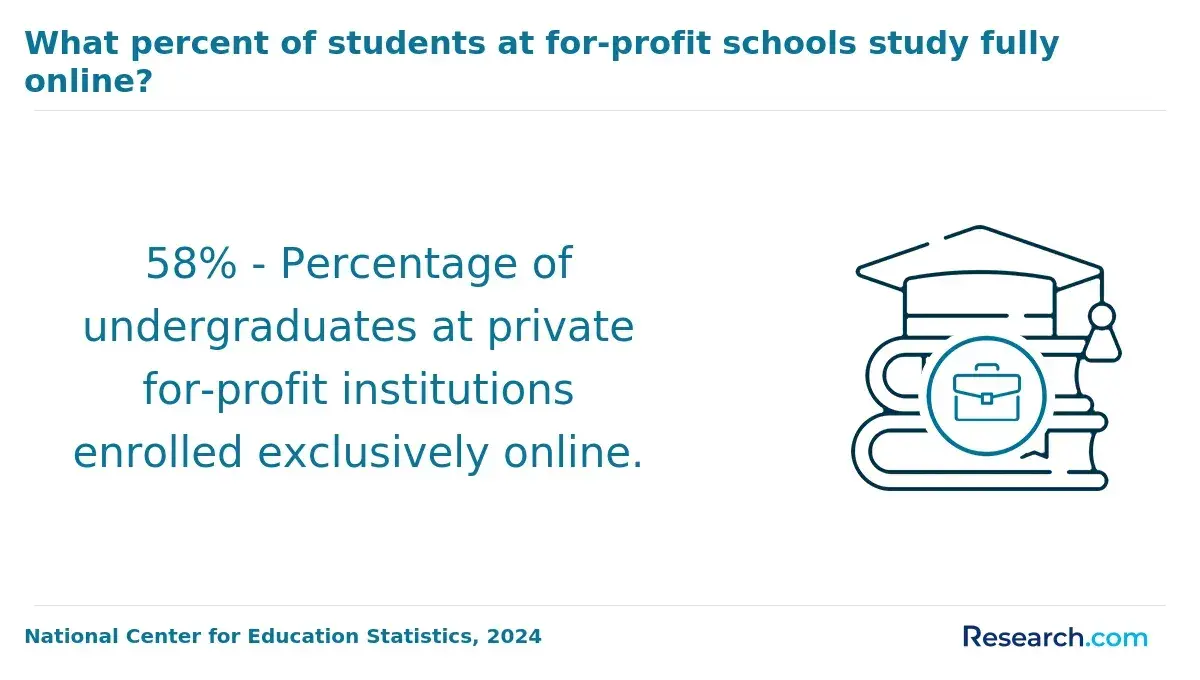
Financial aid access also diverges significantly: campus programs often offer more robust scholarships and work-study options, while some online students, particularly at for-profit institutions, experience higher loan dependence. Private nonprofit programs can double public tuition regardless of delivery, intensifying cost considerations for campus versus online formats. These variances in tuition structure and aid influence debt planning and enrollment decisions, especially for those prioritizing continuous employment during their studies. For students weighing online versus campus interior design program total cost comparison, understanding financial aid landscapes alongside ancillary fees clarifies realistic affordability.
To navigate these trade-offs effectively, prospective interior design students should evaluate the full cost equation-tuition, fees, housing, materials, and aid-against graduation rates and career outcomes. Recognizing these dynamics helps align choices with long-term career goals without underestimating hidden expenses. For those interested in cost analysis beyond interior design, resources like the cheapest online master's degree in psychology offer insights on affordability in online learning contexts.
What Hidden Costs Should Students Expect in Online vs Campus Interior Design Programs?
Cost differences between online and campus interior design programs often extend far beyond tuition, significantly affecting students' financial and time commitments. Campus learners routinely incur additional expenses such as commuting, parking permits, housing, and mandatory fees for studio and equipment use-amounting to several thousand dollars annually in metropolitan regions according to 2024 U.S. Department of Transportation data. Conversely, online students face less visible but equally impactful costs, including technology fees, software licenses exceeding $1,000 per year for professional-grade programs, and potential travel for residency or internship requirements. These factors not only influence the total cost of attendance but also affect how students balance work, family, and study, especially since lost wages or reduced hours during fieldwork may differ depending on program format and scheduling.
These hidden expenses shape crucial decisions on program selection and completion planning, particularly for working adults prioritizing flexibility and cost-effectiveness. For example, financial aid packages for campus students often offset housing and transportation costs, whereas online learners typically receive aid primarily for tuition, increasing out-of-pocket spending on hardware and exam proctoring fees. Such disparities mean students must rigorously evaluate their capacity to absorb indirect costs that can erode the apparent affordability advantage of online programs or the experiential benefits of campus-based education. A failure to factor in these full financial and scheduling trade-offs could lengthen time to degree completion or impose unexpected burdens that influence early career starts.
One recent interior design graduate noted that while the online program initially seemed cheaper, unexpected technology fees and the need to invest in specialized software made the financial gap smaller than anticipated. Additionally, required residencies meant additional travel costs and time off work, complicating the candidate's budget and schedule. This experience underscored how crucial it is to scrutinize non-tuition expenses early on, as underestimated fees and hidden requirements challenged their confidence in the overall cost-benefit balance of their education path.
How Does Financial Aid Affect the Cost of Online and Campus Interior Design Programs?
Financial aid structures notably reshape the net cost landscape when comparing online and campus interior design programs, often tilting the financial equation due to differing eligibility and award types. Campus students typically benefit from more accessible scholarships, grants, and assistantships that reduce borrowing needs, especially given the hands-on demands and studio fees intrinsic to interior design curricula. In contrast, online students, while often facing smaller institutional grant awards and stricter residency verification rules, may depend more heavily on federal aid programs like Pell Grants and employer tuition reimbursement, which can come with restrictive conditions affecting pacing and grade requirements. This distinction matters because online learners frequently balance work commitments and might use employer-funded aid to sustain progress without increasing debt.
For example, a working adult pursuing an online interior design degree might qualify for employer tuition assistance but must maintain certain grades to keep funds, impacting course retakes and overall costs. Meanwhile, a full-time campus student could leverage assistantships that provide stipends or tuition waivers, narrowing the typical $3,200 annual net price gap noted in national data. Such aid differences influence borrowing strategies and total expenses, revealing real trade-offs beyond sticker price comparisons. Students should evaluate financial aid impact on online interior design program costs by thoroughly comparing aid offers, enrollment intensity requirements, and fee structures, recognizing aid's nuanced role in shaping net affordability and program completion timelines.
Moreover, those considering specialized or accelerated tracks might look into options like an accelerated master's in psychology online as a parallel example of how online formats manage aid and pacing trade-offs. Incorporating these insights helps clarify the overall financial and operational implications of choosing between campus interior design program financial aid and total expenses, enabling more informed decisions based on practical, outcome-oriented factors.
Do Online and Campus Interior Design Graduates Have Different Career Outcomes?
Employment outcomes for online and campus interior design graduates largely converge in initial job placement, with about 75% securing relevant positions within six months, according to the U.S. Department of Education's College Scorecard (2024). Yet subtle but important distinctions emerge when considering the depth of practical experience and professional networks that graduates acquire. Campus programs often integrate mandatory internships, live projects, and direct mentorship, which many employers still prioritize given the hands-on nature of interior design work. In contrast, online students may struggle to replicate these immersive experiences unless their programs incorporate hybrid components, which can affect portfolio development and licensure readiness in states requiring supervised internships.
These experiential differences influence long-term career trajectories beyond initial employment. Graduates from campus-based programs frequently benefit from stronger alumni networks and industry connections, facilitating mobility and advancement within local and regional markets. Meanwhile, online learners enjoy geographic flexibility and often lower overall living costs, which suits those balancing work or family commitments but might limit access to in-person industry events and mentorship opportunities critical for professional growth. Licensing boards typically require program accreditation regardless of format, yet campus pathways often better align with these benchmarks, enabling smoother navigation through licensure processes tied to documented fieldwork and portfolio review.
How Do Employers View Online vs Campus Interior Design Degrees?
Employer evaluation of online versus campus interior design degrees hinges less on delivery format and more on clear institutional accreditation, the rigor of curricular elements, and demonstrable experiential learning. A 2024 National Association of Colleges and Employers (NACE) survey highlights that 68% of hiring managers treat degrees from accredited programs-whether online or on-campus-as equivalently credible when accompanied by a robust curriculum and portfolio-based evidence of skill. For example, firms in competitive urban markets may favor candidates whose transcripts and diplomas explicitly reflect accreditation by the Council for Interior Design Accreditation (CIDA) and include internship or practicum components, as these signal readiness for professional work irrespective of where instruction occurred.
While online programs increasingly embed synchronous critiques, virtual studios, and collaborative projects to mimic on-campus networking opportunities, some employers continue to associate campus education with stronger face-to-face industry connections and hands-on workshops. The 2024 SHRM report underscores that graduates from campus programs often experience slightly faster initial hiring, influenced partly by local employer familiarity and perceived rigor. However, longer-term career trajectories depend more heavily on licensure attainment, applied experience, and skill demonstration than on whether a degree was earned online or on-campus. Students must therefore weigh how effectively a program integrates experiential learning and transparent accreditation details alongside their personal circumstances and market dynamics.
Which Interior Design Degree Format Offers Better Flexibility for Working Adults?
Flexibility in online versus campus interior design programs for adult learners hinges less on format alone and more on the interplay of scheduling, mandatory in-person requirements, and program structure. While online degrees typically offer asynchronous coursework appealing to students balancing employment or family responsibilities, many still require on-campus practicums or lab sessions that introduce commute and scheduling constraints. For example, a working parent pursuing a primarily online degree might struggle to meet inflexible practicum hours offered only on weekdays, potentially delaying graduation and increasing costs compared to a carefully planned campus or hybrid program with evening options.
Campus programs generally maintain more rigid class schedules and cohort progressions, which can impede working adults' ability to pause studies without consequences for timely completion. The concentrated faculty interaction and studio access found on campus strengthen peer collaboration and engagement, which employers value for practical readiness but come at the cost of commuter expenses and less adaptable pacing. This tradeoff means some working adults may experience career interruptions or extended financial exposure if they cannot sustain full-time study commitments, contrasting with the part-time pacing and stop-out flexibility more prevalent online.
Data from the National Center for Education Statistics in 2024 confirm that 65% of online interior design students work full-time while studying, a significant contrast to 38% on campus, highlighting how format influences workforce participation. Prospective students weighing their options with respect to graduation outcomes and career continuity should consider how hybrid or online arrangements, balanced carefully with local lab access, align with their work shifts and caregiving duties. For those exploring alternative degrees with similar demands, programs such as DBA programs illustrate comparable scheduling complexities that can inform decision-making.
How Should Students Choose Between an Online and Campus Interior Design Program?
Comparing online and campus interior design programs requires assessing how format influences graduation rates, costs, and career prospects. Data indicates campus-based programs typically see 60-65% completion within six years, while fully online programs average 40-50%, reflecting differences in student persistence often linked to structured environments and faculty access. For example, a student juggling work and caregiving might favor an online program's flexibility despite lower hands-on exposure, whereas another aiming for studio immersion and networking may find campus learning better supports internship and employment opportunities.
Cost differences play a substantial role in this decision. Campus programs average $25,000-$35,000 annually but incur expenses beyond tuition, such as housing and commuting. Online programs can offer 20-40% lower total costs, although financial aid and employer tuition assistance vary, affecting affordability. Since many employers in design emphasize professional standards, students must ensure their program meets accreditation criteria like those from the Council for Interior Design Accreditation (CIDA), regardless of delivery mode. Balancing schedule stability, access to specialized labs, and local industry connections against career placement expectations is essential when choosing the most effective education format for interior design.
Career outcomes hinge on these nuanced trade-offs. Online learners may face limitations in accessing physical design studios and localized networking, which are often critical for securing internships and jobs. Campus programs typically provide stronger direct mentorship and peer collaboration, valued by employers. Those deciding between formats should weigh these factors thoughtfully alongside cost and graduation likelihood. For further context on affordable options in related fields, exploring a computer science online degree may offer comparative insights into balancing quality and cost across program types.
References
- The Interior Design Institute https://www.theinteriordesigninstitute.com/us/en/career-outcomes
- Is an Online Interior Design Course as Good as Face to Face? https://interiordesignershub.co.uk/blog/is-an-online-interior-design-course-good/
- Conflict of virtual and reality in interior design studio: Assessment of student success rates https://drarch.org/index.php/drarch/article/view/282
- Interior Design Careers for Graduates: Your Ultimate Guide https://wisdomdesigncollege.in/blogs/career-in-interior-design-for-graduates
- What can you do with an interior design degree? https://www.huddersfieldisc.com/blog/what-can-you-do-with-interior-design-degree
- Online vs Offline Interior Design Courses in 2025 | Which is the Ultimate Choice? https://ivsschoolofartanddesign.com/career/online-vs-offline-interior-design-courses/
- Best Student Loans for Interior Design School in 2026 - Credible https://www.credible.com/student-loans/student-loans-for-interior-design-school
- Bachelor of Interior Design | CIDA Accredited Online Degree |Yorkville University https://www.yorkvilleu.ca/programs/bachelor-of-interior-design-online/
- How Employers View Online Degrees: Interviews with Nine Hiring Executives https://www.onlineeducation.com/features/how-employers-view-online-degrees
- The Best Interior Design Programs and Schools of 2025 | CourseCompare.ca https://www.coursecompare.ca/best-interior-design-programs-schools/
Other Things You Should Know About Interior Design
Studio time is a core component of interior design education, where tactile learning and real-time collaboration build critical skills. Online programs often replace studios with virtual assignments, which can limit hands-on experience with physical materials and reduce spontaneous peer and instructor feedback. This trade-off may slow the development of spatial reasoning and practical problem-solving abilities crucial for entry-level roles, so students prioritizing skill mastery might prefer campus-based options.
Campus programs facilitate organic interactions through studios, critiques, and events, fostering relationships with peers, faculty, and visiting professionals. Online students usually depend on scheduled virtual sessions or online forums, which can hinder spontaneous networking and mentorship. Given how much employer referrals and industry connections impact job placement in interior design, students who value strong local networks and internships should weigh this factor heavily when choosing their format.
Yes, online interior design courses require greater self-discipline since they lack the structured daily routine of a campus environment. Balancing design projects alongside lectures independently can lead to uneven workloads that demand strong planning skills. Students without prior experience managing intensive studio-like assignments remotely may find online formats more challenging, potentially impacting timely progression and portfolio quality.
Licensure paths in interior design often require specific credit hours and supervised experience, which some campus programs embed through internships and hands-on assessments. Online programs vary widely in how they prepare students for these requirements, and some may lack formal mentorship or practical components critical for certification. Prospective students targeting licensure should prioritize programs-online or campus-that clearly align with accrediting bodies' criteria and offer tangible experiential learning.