2027 Online vs Campus Nurse Educator Outcomes Report: Graduation Rates, Cost, and Career Trade-Offs

Co-Founder and Chief Data Scientist
Adult learners aiming to transfer prior credits into nurse educator programs often encounter uneven credit acceptance policies online versus on campus, affecting their time-to-degree and total cost. In 2024, only 53% of institutions guarantee transfer credit recognition for online nurse educator pathways, compared to 72% for campus programs, reflecting a widening divide in institutional flexibility and acknowledging non-traditional students' needs differently.
This discrepancy signals deeper trade-offs between accelerated completion and financial investment, with potential delays impacting career advancement and employer desirability. This article analyzes graduation rates, cost variations, and career trade-offs to guide learners toward the optimal nurse educator delivery method for their unique circumstances.
Key Things to Know About Online vs Campus Nurse Educator Outcomes
- Graduation rates for campus nurse educator programs average 78% versus 64% for online formats, reflecting challenges online students face balancing clinical requirements with remote study demands.
- Employers increasingly scrutinize online nurse educator credentials, with a 2024 survey finding a 22% preference for campus-trained candidates, signaling potential long-term hiring trade-offs.
- Lower upfront costs and schedule flexibility of online programs improve access for working professionals but often extend time-to-degree, delaying full career advancement compared to campus peers.
- Key Things to Know About Online vs Campus Nurse Educator Outcomes Key Things to Know About Online vs Campus Nurse Educator Outcomes
- What Are the Biggest Differences Between Online and Campus Nurse Educator Program Outcomes? Online vs Campus Outcomes
- How Do Graduation Rates Compare Between Online and Campus Nurse Educator Programs? Comparing Graduation Rates
- Why Do Online and Campus Nurse Educator Students Have Different Completion Rates? Why Completion Rates Differ
- How Do Online and Campus Nurse Educator Programs Compare on Total Cost? Total Cost Comparison
- What Hidden Costs Should Students Expect in Online vs Campus Nurse Educator Programs? Hidden Program Costs
- How Does Financial Aid Affect the Cost of Online and Campus Nurse Educator Programs? Financial Aid Impact
- Do Online and Campus Nurse Educator Graduates Have Different Career Outcomes? Comparing Career Outcomes
- How Do Employers View Online vs Campus Nurse Educator Degrees? How Do Employers View Online vs Campus Nurse Educator Degrees?
- Which Nurse Educator Degree Format Offers Better Flexibility for Working Adults? Which Nurse Educator Degree Format Offers Better Flexibility for Working Adults?
- How Should Students Choose Between an Online and Campus Nurse Educator Program? Choosing Your Program Format
What Are the Biggest Differences Between Online and Campus Nurse Educator Program Outcomes?
Graduation rates in nurse educator programs commonly reveal sharper differences between online and campus tracks than often acknowledged, with campus programs averaging around 65% completion within six years versus near 50% for online cohorts, as shown by recent National Center for Education Statistics data. This gap reflects real challenges in sustained student persistence and timely completion for many online learners, especially those managing competing work and family demands without the structured schedule and direct engagement offered on campus.
For instance, a working nurse pursuing an online program may benefit from schedule flexibility but face prolonged debt exposure and delayed workforce reentry if clinical placement logistics and faculty access are less streamlined, underscoring the importance of carefully evaluating program design within the context of individual capacity for self-directed learning.
Cost and career trade-offs in nurse educator programs further complicate decision-making, where advertised tuition rates for online options can obscure additional fees for technology, on-site residencies, and clinical hours, often resulting in unexpectedly higher total debt and extended time to degree. Career implications also hinge on employer perceptions and program accreditation quality rather than solely modality.
Many employers show a preference for campus graduates due to perceived hands-on readiness and stronger professional networking, which can affect job placement and geographic mobility. Prospective students need to balance these factors against their priorities, with some seeking local campus access for immersive support, while others pursue the broader choice and convenience offered by online formats, often consulting comparative resources like the cheapest FNP program online listings to gauge sustainable financial and academic pathways.
How Do Graduation Rates Compare Between Online and Campus Nurse Educator Programs?
Graduation rates in nurse educator programs reflect more than just the mode of delivery; they are heavily influenced by student demographics, program structure, and support mechanisms. On average, campus-based formats report graduation rates near 65% over six years for full-time students, while online and hybrid alternatives often fall between 40% and 55%, according to 2024 data from the National Center for Education Statistics.
This disparity frequently stems from the prevalence of part-time enrollment among online learners, many of whom must juggle work and family obligations, leading to longer completion timelines and increased stop-out risk. Moreover, campus programs tend to leverage cohort models and direct academic advising, factors that improve persistence and timely completion, whereas online offerings require innovative virtual engagement and flexible pacing to retain students effectively.
Comparisons of graduation rates across delivery formats can be misleading because programs differ significantly in admissions selectivity, reporting practices, and the proportion of transfer or returning students. For example, online programs may include a higher share of nontraditional students who take longer to finish or pause their studies for clinical placements and personal responsibilities.
The student's access to faculty interaction and structured guidance also shapes outcomes; programs emphasizing synchronous virtual sessions generally see better retention than those relying mostly on asynchronous coursework. Prospective students should interpret raw statistics with caution, considering how factors such as academic support, course design, and learner circumstances might affect their own likelihood of program completion within the expected timeframe.
One nurse educator student recalled hesitating between a highly structured campus program and a flexible online option. After reviewing completion patterns and speaking with alumni, she recognized the campus cohort's steady pacing and face-to-face advising could help her stay on track despite a longer commute.
Conversely, the online format's scheduling freedom appealed but raised concerns about potential isolation and procrastination, especially given her part-time workload. Ultimately, she valued how cohort engagement and clear milestones in the campus program addressed challenges she anticipated managing alongside her family responsibilities, making the graduation-rate gap more meaningful than just a number on paper.
Why Do Online and Campus Nurse Educator Students Have Different Completion Rates?
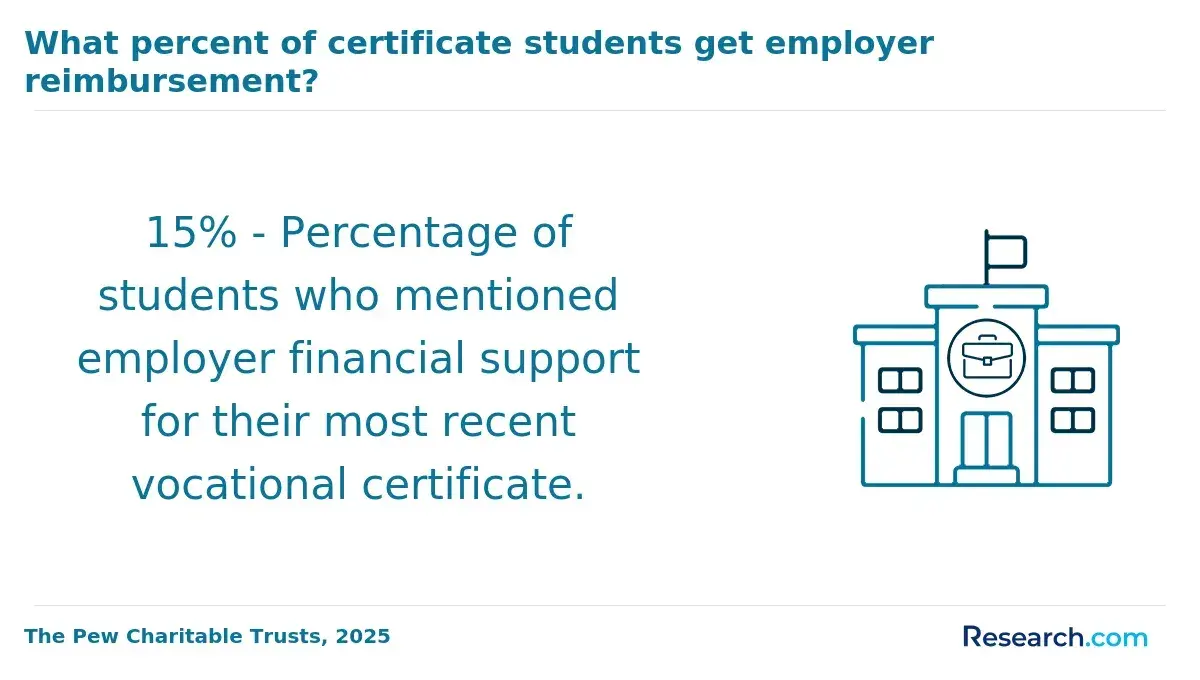
Differences in completion rates between online and campus nurse educator programs often stem from student demographics and program structure rather than academic rigor alone. For instance, online learners frequently enroll part time while managing employment and caregiving duties, with nearly 70% fitting this profile according to the National Center for Education Statistics 2024 data.
This patchwork scheduling and external demand increase risks of pausing study or extending time to graduation, contrasting with campus students who more often attend full time within a cohort framework that enforces steady progression. The disparity also traces to variations in student support. Campus programs generally provide more accessible face-to-face advising, peer collaboration, and structured pacing, which facilitate persistence in demanding practicum and clinical requirements inherent in nurse educator training.
In contrast, the asynchronous and self-regulated nature of many online courses requires learners to independently navigate curriculum sequencing and deadlines, which can prove challenging amid unstable work or family commitments. Understanding how these factors influence progression and attrition helps prospective nurse educators align their program choice with the level of external support and scheduling flexibility they realistically need to maintain consistent academic momentum.
How Do Online and Campus Nurse Educator Programs Compare on Total Cost?
Comparing total costs between online and campus nurse educator programs reveals nuanced tradeoffs beyond advertised tuition rates. While online tuition can appear lower-sometimes by 15-30%-additional expenses such as technology fees, required software, and differential tuition for out-of-state students often reduce those savings. Campus-based students face mandatory fees like labs and technology plus housing and commuting costs that can add upwards of $10,000 annually, especially given clinical practicum travel.
These factors shape the total expense picture far more than sticker prices alone, as data from the National Center for Education Statistics confirms. Financial aid patterns also influence net costs and timelines: online students may receive less traditional institutional aid but often access employer tuition reimbursement, which suits working adults aiming to maintain continuity in employment.
However, longer program durations and lower completion rates in some online nurse educator programs correlate with higher cumulative debt burdens, complicating repayment scenarios. Prospective students weighing campus nurse educator tuition and fees breakdown against online alternatives should factor in these cost dynamics alongside career timing and lifestyle priorities. For those exploring flexible pacing, resources like the self-paced bachelor's degree options may offer tailored pathways that affect total investment and time to degree.
What Hidden Costs Should Students Expect in Online vs Campus Nurse Educator Programs?
True program costs for online versus campus nurse educator pathways extend well beyond published tuition rates, often reshaping affordability assessments. Online students must budget for technology fees, specialized software, and hardware upgrades, which averages from $100 to $600 per semester according to the National Center for Education Statistics in 2024.
Despite saving on commuting, these learners frequently incur travel and lodging expenses for mandatory clinical placements, undermining some presumed convenience. Conversely, campus-based students face significant recurring costs from commuting-averaging over $1,200 annually in urban areas-and parking permits that can add several hundred dollars per year, alongside housing expenses ranging between $8,000 and $12,000 per academic year, which often outpace online program fees.
These financial elements directly affect student work-life balance and program completion strategies. Rigidity in on-campus scheduling may limit employment opportunities, compounding income loss and childcare costs, while online programs with synchronous components sometimes disrupt work hours despite greater scheduling flexibility.
Such factors contribute to reported average graduate debt exceeding $30,000 for nurse educators nationally, underscoring trade-offs between educational format, direct expenses, and opportunity costs. Prospective students should weigh not only up-front fees but how travel, living arrangements, and time demands interplay to influence both budget and career trajectory.
One recent graduate recalled her decision-making process involving two programs with similar advertised tuition but very different hidden expenses. She initially leaned toward the online option but hesitated upon learning about mandatory technology fees, virtual proctoring expenses, and travel required for clinical placements several states away, which threatened to erode her part-time income.
On the other hand, the local campus program imposed steep parking fees and unpredictable housing costs that risked exceeding her entire estimated budget. Ultimately, reconciling these invisible costs required months of detailed comparison, leaving her cautiously confident that she had identified the financial contours shaping her path without underestimating the practical burdens ahead.
How Does Financial Aid Affect the Cost of Online and Campus Nurse Educator Programs?
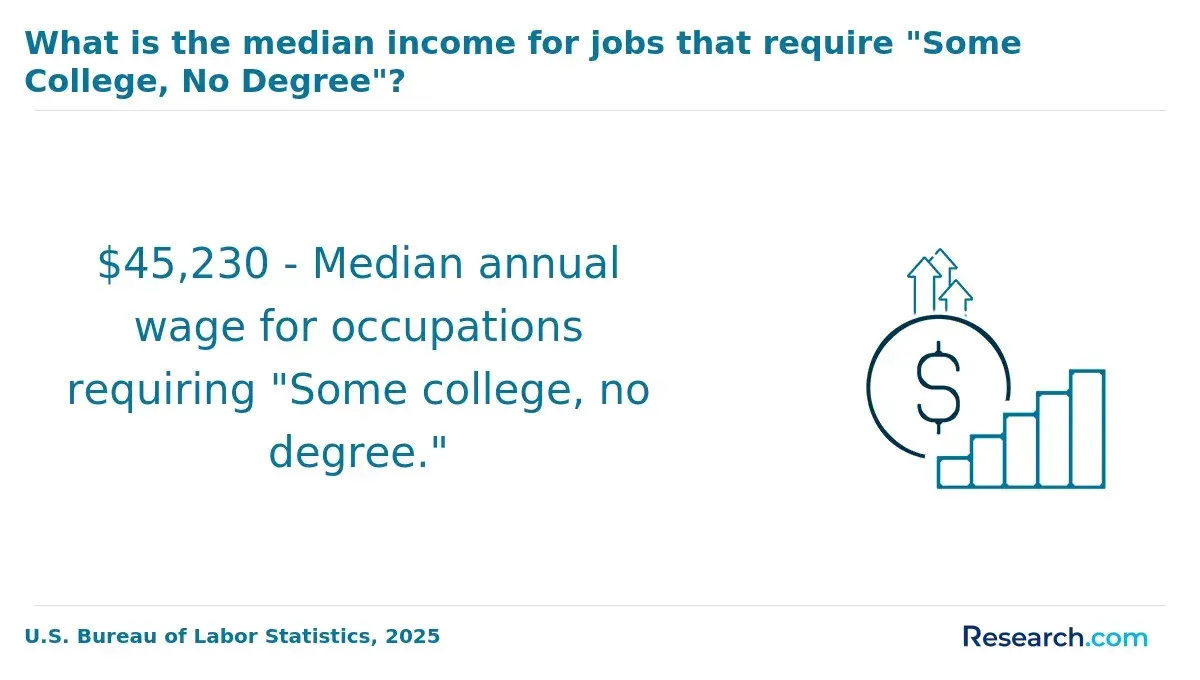
Financial aid allocation materially shapes the comparative costs of online and campus nurse educator programs, often tipping affordability scales in unexpectedly complex ways. For instance, campus students may access residency-based scholarships and assistantships that substantially lower their net costs. However, such aid often excludes online learners, who instead rely more heavily on federal grants and employer tuition reimbursement programs-especially common in healthcare sectors-that can cover up to 100% of tuition but exclude ancillary fees.
This dynamic forces nurse educator students to weigh the tradeoff between potentially larger but less flexible institutional aid on campus versus more limited but work-compatible financial support online. When comparing financial aid benefits for nurse educator students, attention to enrollment status, residency requirements, and program pacing is essential.
Online learners often maintain full-time employment, enabling them to leverage employer benefits that campus students might not fully utilize due to scheduling conflicts. On the other hand, campus enrollees can access assistantships and work-study programs, which not only reduce costs but also offer practical experience influencing career readiness and debt outcomes. These distinctions in aid eligibility and cost profiles affect borrowing decisions and the real value proposition of each format beyond sticker prices.
Given these nuanced financial factors, prospective students should rigorously compare aid packages while factoring in living expenses and potential employer support, especially if balancing study with work. Those researching pathways might also consider related fields for potential crossover benefits, such as a nutritionist bachelor degree online, where similar financial aid structures and employment flexibility dynamics exist. Ultimately, understanding how federal aid, institutional policies, and employer assistance interact is key to aligning program costs with career and financial realities inherent in the choice between online and campus nurse educator programs.
Do Online and Campus Nurse Educator Graduates Have Different Career Outcomes?
Career outcomes for nurse educator graduates from online and campus programs show more similarities than marked differences, but critical factors beyond delivery mode influence these results. Employer perceptions still value institutional reputation and accreditation status highly, as these affect licensure readiness and credibility. Graduates from regionally accredited programs, regardless of format, tend to enjoy comparable licensure pass rates often above 90%, aligning with 2024 data from the National Center for Education Statistics.
However, campus graduates generally gain stronger advantages in clinical opportunities and in-person internships, which contribute to more hands-on preparation and nuanced employer familiarity-elements that can impact early job placements in more competitive academic or healthcare settings. Networking access represents a significant divergence; campus students benefit directly from alumni connections, career fairs, and faculty relationships that facilitate job leads and promotions within local and national markets, while online learners often must proactively build these networks independently.
The flexibility offered by online programs suits working professionals balancing employment or family duties, allowing them to maintain income and pursue education simultaneously, a tradeoff that can delay some experiential learning but preserves career momentum. Ultimately, selecting between online and campus nurse educator training requires weighing these practical distinctions: whether immediate access to clinical and career resources outweighs the scheduling freedom and ongoing workplace engagement that online formats provide.
How Do Employers View Online vs Campus Nurse Educator Degrees?
Employer acceptance of online versus campus nurse educator degrees often hinges on factors beyond delivery method, particularly institutional accreditation, program rigor, and experiential learning opportunities. A 2024 survey by the National Association of Colleges and Employers found that 68% of healthcare recruiters equally respected degrees from accredited online and traditional programs when the institution's reputation and standards were strong.
However, hiring managers frequently scrutinize whether a program includes hands-on clinical placements or internships, as practical experience remains critical for nurse educator roles, influencing both initial screening and long-term career prospects. In real-world hiring scenarios, candidates with degrees from well-known institutions or those holding credentials accredited by bodies such as CCNE or ACEN often benefit from greater trust, regardless of whether their study was online or on campus.
Conversely, some employers may exhibit caution if transcripts or diplomas explicitly differentiate the online format, especially where local industry norms lean toward traditional programs. Candidates who supplement their education with relevant licensure and professional experience tend to mitigate format biases, but working professionals should consider how network access, collaborative learning, and clinical exposure differ between modalities, as these elements affect skill development and employer perception.
Ultimately, the choice between online and campus nurse educator programs involves trade-offs in cost, scheduling, and the visibility of applied skills during hiring. Since workforce trends emphasize integrated degree documentation and consistent academic standards, program reputation and hands-on learning remain paramount in hiring decisions. Prospective students must evaluate whether an online program's practical requirements and institutional credibility align with healthcare employers' evolving expectations to maximize both graduation outcomes and career opportunities.
Which Nurse Educator Degree Format Offers Better Flexibility for Working Adults?
Flexibility in nurse educator degree programs varies significantly between online and campus formats, particularly for working adults managing complex schedules. Online nurse educator programs flexibility for working adults primarily stems from asynchronous coursework and reduced commuting, enabling study during off-hours; however, required on-site clinical placements often limit this benefit for those without nearby clinical sites or supportive employers.
Campus-based options, while less forgiving of time constraints due to fixed class schedules and commute demands, typically provide more consistent faculty interaction and cohort support, which can improve motivation and timely graduation despite higher immediate costs and less scheduling freedom. Working adults weighing campus versus online nurse educator degree for adult learners should account for how the mode impacts persistence and total program duration, as data shows online program completion rates lag approximately 8% behind campus programs due to fewer synchronous supports and self-management challenges.
Hybrid models and part-time pacing options available online address some of these issues, allowing learners to pause and resume as life responsibilities fluctuate. Ultimately, the choice influences not just academic outcomes but also employability and workforce continuity, given that employer-funded education increasingly favors flexible online formats to retain nursing staff.
In practical terms, a registered nurse working rotating shifts with family duties may find an online route more feasible, albeit with potential delays in clinical placements, whereas a candidate seeking structured mentorship and immediate networking might prefer campus programs despite rigid scheduling. For those tracking cost-effectiveness alongside career impacts, exploring related fields such as sports analyst salary analyses offers insight into how educational format decisions translate into workforce earnings and opportunities across professions.
How Should Students Choose Between an Online and Campus Nurse Educator Program?
Graduation rates highlight critical differences between online and campus nurse educator programs, with campus formats generally achieving 65-70% completion compared to roughly 50-60% for online formats. This gap often reflects the challenge of self-directed learning and retention in remote settings, which can delay course sequencing and affect career mobility.
For example, working adults balancing family and job duties may find the scheduling flexibility of online programs essential, but this advantage comes with increased responsibility for pacing and risk of attrition, potentially extending time to credential completion and impacting opportunity costs. Cost considerations extend beyond tuition to total attendance expenses.
While online nurse educator programs typically reduce costs related to commuting and housing by 20-30%, additional fees for technology or proctoring are common, and tuition rates remain comparable to campus options. Access to experiential learning is also pivotal: campus programs frequently offer structured clinical fieldwork and direct faculty mentorship highly valued by employers, whereas online students might rely more heavily on virtual networking tools and self-initiated collaborations.
These differences have concrete workforce implications, as effective nurse educator preparation usually requires practical pedagogical experience along with academic knowledge. Students weighing how to choose the best online versus campus nurse educator program should integrate individual learning style, financial realities, and career goals with empirical data about persistence and employability.
Ensuring program accreditation by recognized bodies like CCNE or ACEN is non-negotiable regardless of format. Prospective students might also explore fully-funded DSW programs as a parallel example of navigating online affordability and funding options for advanced degrees aligning with workforce demands.
References
- Six Ways to Reduce the Cost of a Healthcare Education https://blog.methodistcollege.edu/six-ways-to-reduce-the-cost-of-a-healthcare-education
- 30 Most Affordable Online Nurse Educator Programs https://www.bestmasterofscienceinnursing.com/best/affordable-online-nurse-educator-programs/
- How Do Employers View Online Nurse Practitioner Education? | ThriveAP https://provider.thriveap.com/blog/how-do-employers-view-online-nurse-practitioner-education
- 50 Cheapest RN to MSN Online Programs | Starting at $19,000 https://www.rntomsn.org/programs/cheapest-online-rn-to-msn-programs/
- 7 Truths About Online Nursing School https://www.edumed.org/articles/7-truths-about-online-nursing-school/
- Federal cap on student aid will hurt nursing workforce | Op-Ed https://www.seattletimes.com/opinion/federal-cap-on-student-aid-will-hurt-nursing-workforce/
- How Virtual Nursing School Impacts New Nurses | ACE Blog https://ace.edu/blog/how-virtual-nursing-school-impacts-new-nurses/
- How Employers View Online Degrees: Interviews with Nine Hiring Executives https://www.onlineeducation.com/features/how-employers-view-online-degrees
- Online versus Face-to-Face Nursing Degrees: A Study of Recruiters’ Perceptions - OJDLA https://ojdla.com/articles/online-versus-face-to-face-nursing-degrees-a-study-of-recruiters-perceptions
- The Impact of Education on Nursing Practice https://www.aacnnursing.org/news-data/fact-sheets/impact-of-education-on-nursing-practice
Other Things You Should Know About Nurse Educator
Campus nurse educator programs typically offer more consistent face-to-face peer engagement, which can enhance collaborative learning and professional networking. Online programs may struggle to replicate this dynamic, potentially limiting spontaneous discussion and mentorship opportunities. For students who thrive on direct interaction or aim to build local professional networks early, campus programs often provide a more conducive environment, while online students might need to proactively seek external networking channels.
Campus programs often integrate practicum experiences on-site, allowing closer faculty supervision and facilitated access to clinical sites. Online programs usually require students to secure local placements independently, which can vary in quality and relevance. This difference affects how well-prepared graduates feel when transitioning into nurse educator roles; those in online programs might face uneven practical exposure unless they actively pursue structured, relevant clinical opportunities.
Online programs offer scheduling flexibility but often demand higher self-discipline and time management, which can blur boundaries between work, study, and personal life. This intensification of self-directed effort may heighten stress and burnout risk, especially for students working full-time jobs. Campus programs provide more defined routines and physical separation from other responsibilities, which can help some students maintain balance. Prospective students with limited external support should weigh how program structure aligns with their resilience and time commitments.
Campus nurse educator programs frequently facilitate in-person career services and real-time connections to local healthcare or academic employers, sometimes easing job placement. Online graduates might face a lag in direct employer engagement unless the program offers specialized virtual career support. For those targeting rapid career moves or geographic-specific roles, campus programs often provide a strategic advantage. However, online learners willing to invest in broader networking may offset this gap over time.