2027 Nurse Educator Degree Concentration Trends: Which Specializations Are Growing the Fastest

Co-Founder and Chief Data Scientist
Jessica, a registered nurse eyeing a master's in nurse educator, faces a dilemma: should she specialize in gerontological education, simulation training, or community health? Each path promises different job prospects, but recent 2024 data from the Bureau of Labor Statistics shows a 15% growth in nurse educators with expertise in technology-driven training, highlighting a shift toward innovation in clinical education.
Choosing a less in-demand concentration risks longer job searches and slower career advancement. Understanding which nurse educator degree concentrations are expanding fastest and align with employer needs is essential for making an informed specialization choice that supports lasting career viability.
Key Things to Know About Nurse Educator Degree Concentration Trends and Fast-Growing Specializations
- Emerging specializations in simulation and technology integration grow 15% annually, but steep learning curves and equipment costs may delay program entry for some students, affecting access and completion timelines.
- Employer demand increasingly favors nurse educators skilled in interprofessional education, reflecting workforce emphasis on collaborative care models, which can enhance hiring prospects but requires diverse clinical experience.
- Enrollment surges in community health and gerontology tracks signal a response to aging populations, indicating long-term relevance; however, these areas may offer narrower academic funding and resource availability.
- Key Things to Know About Nurse Educator Degree Concentration Trends and Fast-Growing Specializations Key Things
- What Are the Most Popular Nurse Educator Degree Concentrations Today? Popular Degree Concentrations
- Which Nurse Educator Degree Specializations Are Growing the Fastest? Fastest Growing Specializations
- Why Are Certain Nurse Educator Degree Concentrations Experiencing Rapid Growth? Reasons for Rapid Growth
- Which Industries Are Driving Demand for Fast-Growing Nurse Educator Degree Specializations? Industries Driving Demand
- What Are the Highest-Paying Nurse Educator Degree Concentrations? Highest-Paying Concentrations
- How Are Technology and Innovation Influencing Nurse Educator Degree Specialization Trends? Tech and Innovation Impact
- What Career Opportunities Are Available in Fast-Growing Nurse Educator Degree Concentrations? Career Paths in Growth Areas
- Which Online Nurse Educator Degree Concentrations Are Seeing the Most Growth? Concentrations Growth
- What Is the Future Outlook for Emerging Nurse Educator Degree Specializations? Future Outlook
- How Can You Choose the Right Nurse Educator Degree Concentration Based on Your Career Goals? Choosing Your Degree Concentration
What Are the Most Popular Nurse Educator Degree Concentrations Today?
The current popularity of nurse educator degree concentrations reveals significant shifts in healthcare workforce needs and the skills prioritized by employers. Areas like gerontology and clinical informatics are increasingly prominent, not only due to demographic changes such as the aging population but also because of urgent demands for technological proficiency in nursing education.
For example, a 2024 report from the American Association of Colleges of Nursing (AACN) shows enrollment in gerontological nurse educator programs has risen by over 15% since 2022, reflecting how educational institutions are responding to healthcare systems' emphasis on specialized eldercare competencies and interdisciplinary care models.
Specializations like mental health nursing education are also expanding rapidly, driven by heightened attention to behavioral health challenges and regulatory initiatives that elevate psychiatric nursing expertise. The National Council of State Boards of Nursing (NCSBN) projects an 18% growth in mental health nurse educator roles over five years, indicating strong employer demand for educators who can address trauma-informed care and addiction medicine.
However, prospective students must weigh these trends against workforce saturation in some fields and the operational realities of finding institutions with appropriate program capacity. Those exploring the most popular nurse educator degree concentrations today should consider that broader program availability does not always equate to optimal job market penetration.
Given these dynamics, aligning degree specialization with evolving market demands is a pragmatic strategy for maximizing employment opportunities and long-term relevance. Students planning entry or advancement in nursing education would benefit from researching concentrations that intersect with significant healthcare challenges, such as aging and technology integration, as well as exploring innovative pathways like the easiest RN program to get into for foundational credentials. This approach allows for informed decision-making that balances immediate employability with adaptability to future shifts in health sector priorities.
Which Nurse Educator Degree Specializations Are Growing the Fastest?
Growth in nurse educator degree specializations is heavily influenced by shifts in healthcare demands and technological integration rather than broad popularity alone. For instance, the rise of healthcare informatics reflects a strategic need for educators who understand electronic health records, data analytics, and telehealth—skills increasingly mandated by regulatory policies and employer priorities to enhance patient outcomes. This focus means curriculum in informatics must adapt quickly, favoring students prepared for continuous technological evolution but possibly limiting those seeking a more clinical or traditional teaching path.
According to the Healthcare Information and Management Systems Society, over 15% more nurse educator programs offered informatics tracks in 2023-2024, signaling embedded workforce transformations rather than temporary trends.
Meanwhile, gerontological nursing education is expanding due to demographic realities like the projected rise of seniors to nearly 20% of the U.S. population by 2030, necessitating educators skilled in chronic illness management and palliative care training. This specialization entwines with broader healthcare system pressures to prepare nurses for complex aging-related issues, often requiring deeper interdisciplinary collaboration and exposure to clinical settings focused on older adults.
Psychiatric-mental health nursing education also sees rising demand as societal stressors increase mental health needs, yet this field may pose tradeoffs regarding program availability and the intensity of clinical partnerships required for robust training. Prospective students must weigh these growth patterns against their own professional flexibility and the evolving content requirements of each specialization.
A working professional considering a nurse educator specialization described grappling with whether to invest in the growth-heavy informatics track versus a more established gerontology concentration. They reviewed labor market reports and spoke with faculty about curriculum responsiveness to industry needs, noting that informatics programs often emphasize cutting-edge technology integration but sometimes at the expense of broader clinical teaching skills.
Their advisor cautioned that growth percentages don't always translate into guaranteed employment or career longevity, urging a closer look at employer expectations and clinical exposure. After weighing program delivery formats, evolving healthcare trends, and personal interest in working with aging populations versus data-driven care, the individual remained cautiously optimistic but recognized that no single fast-growing path guaranteed the best fit without careful alignment to long-term goals and practical realities.
Why Are Certain Nurse Educator Degree Concentrations Experiencing Rapid Growth?
The expansion of nurse educator degree concentrations is primarily driven by intensified clinical workforce shortages compounded by demographic shifts and rapidly evolving healthcare technologies. For example, the growing need for educators skilled in health informatics and simulation-based training reflects employers' demand for nurses who can effectively prepare new professionals using advanced digital tools. According to the U.S. Bureau of Labor Statistics, registered nurse employment is expected to rise 7% through 2032, underscoring persistent pressure to accelerate and modernize nursing education with specialized faculty expertise.
Regulatory mandates emphasizing patient safety, cultural competence, and interdisciplinary collaboration further shape specialization growth by requiring updated training standards. While concentrations in regulatory compliance and diversity education have expanded accordingly, prospective students must weigh these against the practical requirement for clinical specialization, especially in areas like mental health and gerontology, where workforce need is acute.
Rapid growth in a specialization does not guarantee fit or stability; candidates should consider how the intensive integration of technology and policy demands influences curriculum complexity and ongoing professional development commitments.
Which Industries Are Driving Demand for Fast-Growing Nurse Educator Degree Specializations?
Industry demand rather than academic preference primarily shapes growth in nurse educator degree specialization demand in healthcare. Acute care hospitals remain key employers who seek nurse educators proficient in clinical specialties and adept at integrating electronic health records into complex patient care training. Meanwhile, the aging population drives expanding need in gerontology and long-term care settings, where educators must prepare staff to manage chronic conditions and implement patient-centered models amid workforce shortages projected to rise by over 20% through 2030, according to the U.S. Bureau of Labor Statistics.
Outpatient and ambulatory care sectors are also expanding rapidly, fueled by telehealth innovations and decentralized healthcare delivery. These environments favor nurse educators specializing in community health and telemedicine to address new teaching modalities and promote health equity. Regulatory pressures for standardized curricula responding to nurse licensure compacts and periodic competencies further shape employer demand, prioritizing educators who can align programs with evolving accreditation standards.
Prospective students should recognize that specialization choices intersect with these operational realities and that balancing evolving employer expectations with practical program access remains a significant factor affecting student success.
Evaluating fast-growing nurse educator fields in education and clinical settings requires weighing real-world employability and workforce trends. Specializing in areas like gerontology or clinical education aligns with growing labor market needs but may limit flexibility if healthcare delivery shifts. Those considering online options must also factor in the challenges of managing academic demands alongside professional roles.
For a broader view on career outcomes relevant to healthcare educators, exploring related sectors such as biology major jobs can provide additional insight into evolving workforce dynamics.
What Are the Highest-Paying Nurse Educator Degree Concentrations?
Specializations in nurse educator degrees that command higher salaries tend to combine advanced clinical skills with leadership roles and responsiveness to pressing healthcare needs. Acute care and critical care educators often earn more because their expertise supports training in high-intensity hospital environments where quick, complex decisions are routine.
According to the 2024 Bureau of Labor Statistics, nurse educators focusing on these areas fill vital gaps in workforce readiness, which justifies premium compensation. Meanwhile, concentrations in gerontology reflect demographic shifts with an aging population; educators in this field frequently transition into roles influencing eldercare policy or administration, which can yield higher pay but may require balancing academic and managerial demands.
Informatics represents another lucrative pathway, reflecting healthcare's pivot to data-driven care delivery. Nurse educators skilled in health informatics not only teach clinical technology applications but often engage in strategic IT integration within institutions, a dual role that many employers value highly. However, prospective students should weigh these earning prospects against geographic and institutional factors, as demand and funding for specialized nurse educator roles can vary widely. The American Association of Nurse Practitioners highlights workforce shortages as a critical driver, but sustaining high compensation depends on ongoing demand stability and opportunities beyond entry-level teaching.
One graduate recalled evaluating acute care, gerontology, and informatics tracks while deciding on her nurse educator degree. She reviewed employment reports, spoke with faculty about program differences, and studied alumni trajectories to assess where demand and compensation aligned with her prior clinical experience. Though acute care offered the highest immediate salaries, she hesitated due to the intense on-call expectations and chose informatics, seeing better long-term fit with her interest in technology and data systems despite initial salary tradeoffs. This decision reflected a nuanced balancing of lifestyle, market signals, and growth potential rather than a straightforward pursuit of the top-paying concentration.
How Are Technology and Innovation Influencing Nurse Educator Degree Specialization Trends?
The integration of technology fundamentally shifts nurse educator degree technology integration, steering specialization growth toward informatics, simulation, and telehealth education. Programs emphasizing digital pedagogy and health informatics saw enrollments rise by over 20%, highlighting strong employer demand for educators versed in electronic health records and AI-driven diagnostic tools. This shift requires nurse educators to cultivate not only technical skills but also adaptive teaching strategies to interpret and apply complex healthcare data in real-world clinical environments, affecting long-term career adaptability and relevance.
In practice, the rise of AI-powered clinical decision support systems reshapes curriculum priorities, focusing on critical thinking alongside automation proficiency. Nurse educators trained in these areas are increasingly crucial in healthcare institutions aiming to enhance patient outcomes through technology-informed education frameworks.
However, this technology-driven specialization growth brings notable tradeoffs: prospective students must commit to continuous learning to stay current with rapidly evolving tools, balancing the risk of technological obsolescence against the value of interdisciplinary skill sets. Those considering accelerated pathways—such as the shortest online nurse practitioner program options—should carefully weigh these factors alongside employment outcomes and practical curriculum relevance.
What Career Opportunities Are Available in Fast-Growing Nurse Educator Degree Concentrations?
Demand for nurse educator specializations increasingly reflects shifting healthcare priorities, with gerontological nursing, simulation-based training, and informatics emerging as key growth areas. The U.S. Bureau of Labor Statistics projects a 21% increase in nursing instructors through 2024, emphasizing a need for educators who prepare nurses to navigate complex chronic conditions and integrate advanced technologies. For instance, gerontological nurse educators are positioned to address the expanding needs of aging populations, blending clinical expertise with community health and policy roles, which extends beyond conventional academic paths.
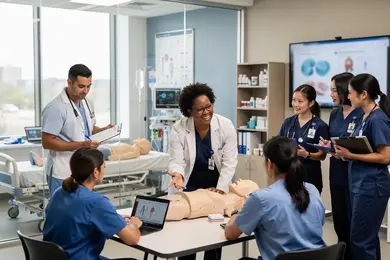
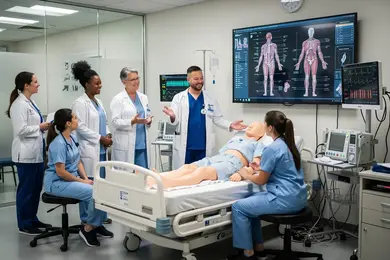
Simulation-focused nurse educators leverage virtual reality and realistic mannequins to create immersive learning environments that enhance clinical competence and patient safety. Their skill set is increasingly sought across hospitals and healthcare technology companies, allowing mobility between education, operational training, and product development roles.
Meanwhile, nurse educators specializing in informatics combine health data analysis and electronic health record systems knowledge with teaching, often advancing into leadership roles within interdisciplinary teams focused on quality improvement and system integration. Choosing a concentration involves a tradeoff between technical upskilling demands and long-term flexibility, as informatics and simulation typically require ongoing familiarity with evolving technologies and can be more competitive due to specialized training requirements.
Specializations aligning with digital health, chronic disease management, and personalized patient education tend to offer stronger employment trajectories by matching industry trends toward data-driven, patient-centered care models. Prospective nurse educators should weigh these labor market signals alongside individual readiness to maintain technical competencies and adapt to hybrid roles blending instruction, research, and administration. Ultimately, specialization choices significantly influence career pathways, positioning, and advancement potential within a rapidly evolving healthcare education ecosystem.
Which Online Nurse Educator Degree Concentrations Are Seeing the Most Growth?
The strongest growth in online nurse educator degree concentrations is closely tied to systemic shifts in healthcare needs and technology, rather than general popularity alone. For example, gerontological education programs have expanded enrollment by over 15% annually, reflecting the urgent demand for expertise in managing aging populations and chronic conditions—a trend reinforced by demographic data from the U.S. Bureau of Labor Statistics. Meanwhile, nurse educators trained in informatics are increasingly sought after due to hospitals integrating advanced electronic health records and telehealth systems; healthcare employers report a 20% vacancy rate increase for educators with this specialization since 2022, underscoring a clear workforce gap driven by digital transformation.
These trends highlight critical tradeoffs prospective students must weigh. While informatics and advanced clinical practice education in critical care provide strong alignment with frontline employer needs, fully online formats may limit hands-on clinical exposure, potentially requiring supplementary real-world experience. Students should also consider how regulatory changes and funding priorities are expanding roles for nurse educators in high-acuity specialties, which can enhance employability but demand rigorous practical competencies.
Ultimately, specialization growth varies in its implications for long-term academic progression and career trajectories, so aligning one's focus with concrete institutional capabilities and industry realities is essential to avoid misaligned expectations and maximize both immediate employment prospects and sustained professional relevance.
What Is the Future Outlook for Emerging Nurse Educator Degree Specializations?
The trajectory for nurse educator degree specialization growth is strongly influenced by industry demands that prioritize both evolving healthcare needs and innovative instructional methods. Employment projections from the U.S. Bureau of Labor Statistics estimate a 12% increase in postsecondary nursing instructor roles between 2022 and 2032, signaling sustained demand due to the aging nursing workforce and rising enrollment in nursing programs. However, specialization choice involves strategic tradeoffs: areas heavily dependent on in-person clinical placements face growing challenges from regulatory shifts and economic constraints, requiring candidates to balance hands-on training needs with flexible, technology-driven education models.
Specializations integrating technology such as virtual reality and simulation-based training are gaining considerable momentum, reflecting healthcare's emphasis on practical, competency-based learning environments. Concentrations in gerontology and chronic disease management respond directly to demographic shifts, with all baby boomers expected to be over 65 by 2030, creating a critical need for nurse educators focused on elder care and complex long-term conditions. Behavioral health is also expanding rapidly as regulatory and reimbursement changes increase institutional focus on mental well-being. For those evaluating future career opportunities for nurse educator concentrations, understanding these industry shifts and the practical realities of delivery methods is essential to aligning education paths with employer expectations and long-term workforce viability. This nuanced approach helps contextualize which paths may offer the most robust employment prospects without overlooking operational challenges.
For applicants seeking clarity on viable nursing-related degrees and career outcomes, resources that explore roles in allied disciplines may also provide valuable broader insights. For example, reviewing what jobs can you get with a bioinformatics degree can illuminate interdisciplinary opportunities connected to healthcare education. Ultimately, selecting a nurse educator degree specialization requires a grounded understanding of practical employability factors, program outcomes, and shifting healthcare emphases.
How Can You Choose the Right Nurse Educator Degree Concentration Based on Your Career Goals?
Choosing the right nurse educator degree concentration requires aligning your specialization with concrete career trajectories and emerging workforce demands. For example, selecting a concentration in gerontological nursing education positions graduates to meet the needs of an aging population—a sector with rapidly growing job openings. In contrast, opting for traditional tracks may limit mobility and professional growth in evolving healthcare environments where skills in informatics and simulation-based education are increasingly valued. Recent data from the U.S. Bureau of Labor Statistics forecast a 15% increase in nurse educator roles by 2032, underscoring the importance of targeting specializations that correspond with documented labor market trends and skill gaps.
The best nurse educator specializations for career growth are those that balance specialization with versatility. Concentrations emphasizing evidence-based practice or interprofessional collaboration serve well in diverse settings, from academic institutions to hospital staff development, supporting both immediate employment and longer-term adaptability. Students intending to pursue advanced graduate education or clinical instructor roles should carefully weigh how their chosen focus develops leadership, research, and technology integration competencies. Conversely, selecting a narrowly defined specialization without considering employer preferences or broader curriculum changes may hinder advancement and limit opportunities for professional development.
Integrating practical considerations such as preferred work environments and evolving healthcare models is key to informed decision-making. Prospective students can find tailored guidance in resources like military friendly online speech pathology degree programs, which illustrate the nuanced alignment of program design with career outcomes. Ultimately, assessing nurse educator degree concentration career paths with a strategic lens ensures that specialization choice supports sustainable employment prospects and aligns with workforce evolution.
References
- Emerging Trends in Global Nursing Education: The Shift Toward Baccalaureate Level Education - CGFNS International, Inc. https://www.cgfns.org/emerging-trends-in-global-nursing-education-the-shift-toward-baccalaureate-level-education/
- Current and Future Educational Challenges for the Nurse Educator https://rn-journal.com/journal-of-nursing/educational-challenges-in-nurse-education
- A Deep Dive Into a Nurse Educator Career | ACE Blog https://ace.edu/blog/a-deep-dive-into-a-nurse-educator-career/
- 30 Most Affordable Online Nurse Educator Programs https://www.bestmasterofscienceinnursing.com/best/affordable-online-nurse-educator-programs/
- What Can you Do With a Master of Science in Nursing, Education Concentration? | Houston Christian University https://hc.edu/articles/online-msn-program-education-concentration/
- The Growing Demand for Nurse Educators and How to Become One - Purdue University Northwest https://www.pnw.edu/demand-for-nurse-educators/
- Certified Nurse Educator: Scope and Opportunities — The BridgeWay Firm https://www.bridgewayfirm.com/news-updates/certified-nurse-educator
- Master's Education https://www.aacnnursing.org/students/nursing-education-pathways/masters-education
- The Top Technology Trends Shaping Nursing Education https://www.jblearning.com/blog/jbl/2023/06/07/top-tech-trends-for-nurse-educators
- What Is the Role of Technology in Nursing Education? | NursingEducation https://nursingeducation.org/insights/role-of-technology/
Other Things You Should Know About Nurse Educator
Specialized nurse educator concentrations, such as simulation technology or gerontological nursing education, are expanding rapidly due to evolving healthcare needs. However, highly specialized tracks may limit flexibility if you want to pivot roles later within nursing education. Generalist nurse educator programs often provide broader instructional skills, which align better with academic institutions seeking versatile faculty. If long-term career agility is critical, prioritize programs offering a balance of specialty depth and foundational educator competencies.
Emerging specializations frequently demand educators maintain clinical expertise in complex, evolving fields while mastering pedagogical innovations like augmented reality or interprofessional education. This dual requirement often increases workload and ongoing professional development commitments. Candidates should realistically assess whether they can sustain clinical practice alongside teaching responsibilities in specialized areas. Programs emphasizing applied teaching strategies and flexible scheduling may mitigate these challenges.
Employers in academic and clinical settings increasingly value nurse educators who bring expertise in cutting-edge specializations like population health or informatics, as these address critical workforce gaps. However, traditional credentials in curriculum development or adult learning theory remain foundational and widely recognized. Prioritizing emerging specializations can boost employability in niche roles but risks narrowing job prospects if institutional demand fluctuates. Assess regional labor market trends carefully before committing.
In 2027, the most popular nurse educator specializations include geriatrics, mental health, and telehealth integration. These fields are rapidly growing due to the aging population, increased focus on mental wellness, and the expanded use of digital healthcare solutions.