2027 Nurse Educator Degree Growth by State: Where Interest Is Rising the Fastest

Co-Founder and Chief Data Scientist
In several states, increasing demand for nurse educators strains existing education systems, creating urgent bottlenecks in workforce development. Rapid enrollment growth concentrates particularly where aging populations and health sector expansions intensify the need for skilled nurse instructors. For instance, recent data from the National Center for Education Statistics shows a 15% rise in master's degree enrollments in nursing education programs in specific states from 2022 to 2024, highlighting shifting regional priorities.
This growth reflects broader trends including expanded online program offerings and flexible scheduling options that reshape access for working adults. Understanding these patterns is critical for prospective students aiming to align educational choices with evolving market needs.
Key Things to Know About the State Where Nurse Educator Degree Interest Is Rising the Fastest
- States like Texas experience rapid nurse educator degree growth due to expansive online program availability, which reduces geographic and scheduling barriers, though this can dilute direct clinical mentorship crucial for some learners.
- Florida's aging population intensifies healthcare demand, pressuring employers to prioritize graduates with advanced educator credentials, thus sharpening the workforce's specialization and instructional quality expectations.
- California's stringent licensure and variable funding for public nursing schools constrain enrollment, requiring prospective students to navigate costlier pathways or delays, impacting timing and return-on-investment calculations.
- Which States Are Seeing the Fastest Growth in Nurse Educator Degree Enrollment? States Seeing the Fastest Growth in Enrollment
- What Does Enrollment Growth in Nurse Educator Programs Actually Tell Prospective Students? Interpreting Enrollment Growth
- How Do Regional Job Market Conditions Drive Nurse Educator Degree Demand by State? Role of Regional Job Market Conditions
- Which States Have Added the Most New Nurse Educator Degree Programs in the Last Five Years? States That Have Added the Most Programs
- How Has the Rise of Online Education Changed Which States Lead in Nurse Educator Program Interest? Role of Online Education in Increased Program Interest
- What Demographic Trends Are Fueling Nurse Educator Degree Growth in Specific States? Demographic Trends Fueling Growth
- How Do State Funding Levels for Nurse Educator Services Influence Degree Program Growth? Role of State Funding Levels
- Which States Are Emerging as Unexpected Leaders in Nurse Educator Degree Interest? States Emerging as Unexpected Leaders in Growth
- How Does State Population Size Affect the Interpretation of Nurse Educator Degree Growth Data? Role of State Population Size
- What Role Do State Licensing Requirements Play in Driving or Suppressing Nurse Educator Enrollment? Role of State Licensing Requirements
Which States Are Seeing the Fastest Growth in Nurse Educator Degree Enrollment?
Enrollment growth in nurse educator degree programs reflects deeper shifts within healthcare education workforce strategies nationwide. While the broader trend toward expanding undergraduate and graduate nurse educator education addresses a critical shortage of academic nursing faculty, the pace of this growth is uneven, influenced largely by state-specific industry scale and policy priorities. For example, a registered nurse in California weighing a return to school faces a competitive but resource-rich environment with growing institutional partnerships, compared to a professional in Georgia, where urban centers offer strong but more localized faculty development incentives. These regional differences impact not just program availability but subsequent job placement opportunities and long-term career progression in academic nursing.
- California: Leading both in absolute enrollment and rapid growth, California's extensive healthcare infrastructure and state-supported efforts to mitigate faculty deficits produce a dense pipeline of future nurse educators, drawing practitioners willing to invest in advanced degrees amid high regional demand.
- Texas: With its expanding population and accelerating establishment of nursing schools, Texas exhibits noteworthy enrollment spikes; however, prospective students should consider emerging competition and the need for strategic networking to access growing but still uneven faculty openings.
- Florida: Balancing aging demographics with diverse educational institutions, Florida shows consistent increases in program demand, especially where specialized nursing colleges intersect with traditional universities, highlighting varied pathways to nurse educator roles across the state.
- New York: Graduate enrollments surge partly due to enhanced funding mechanisms and collaborative arrangements between academic and clinical sectors, offering students access to experiential learning but requiring navigation of complex administrative structures.
- Georgia: Concentrated growth in metropolitan areas benefits returning nursing professionals through robust state-supported programs, though candidates need to weigh urban-centric opportunities against potentially limited rural options elsewhere in the state.
States experiencing the fastest growth in nurse educator degree enrollment are typically those with substantial or expanding healthcare workforces and proportionally adequate nursing school capacity. This pattern is crucial for students targeting regions with strong enrollment momentum, as these areas tend to offer better career pipelines and clinical partnerships. Later sections will delve into specific regulatory environments, economic incentives, and workforce demands driving these trends, illustrating why enrollment trajectories are a practical consideration when assessing long-term employability and the value of advanced nurse educator training.
The decision to pursue a nurse educator degree in these dynamic states also intersects with options like a 12 month DNP program online, which may offer alternative or accelerated pathways depending on geographic flexibility and professional goals.
What Does Enrollment Growth in Nurse Educator Programs Actually Tell Prospective Students?
Rising enrollment in nurse educator programs can signal growing interest but does not guarantee program quality or positive career outcomes. Selecting a program based solely on increasing numbers risks overlooking critical factors that influence educational value and workforce readiness.
Raw enrollment data provide an initial view of demand but fail to capture the full picture. Prospective students must consider retention and graduation rates to assess whether programs effectively support and graduate their cohorts. Equally important are job placement records and licensure pass rates, as these directly affect graduates' ability to secure employment and legally practice as nurse educators. Enrollment growth driven by authentic labor market needs and sound academic standards is distinguishable from growth fueled by aggressive marketing or relaxed admissions, which can undermine cohort quality and long-term student success. Direct engagement with current students and alumni often reveals insights behind numbers, helping candidates evaluate program strengths beyond statistics.
- Retention Rates: Sustained enrollment is meaningful only if students continue through the entire curriculum, reflecting program support and student engagement.
- Graduation Rates: High dropout rates amid enrollment expansion suggest possible academic rigors or student preparedness issues that could hinder credential completion.
- Job Placement Outcomes: Programs should demonstrate graduate employment aligned with regional labor demands to validate growth is meeting workforce realities.
- Licensure Pass Rates: Maintaining or improving pass rates is vital since licensure is mandatory for professional practice and employer acceptance.
- Recruitment Versus Quality: Rapid enrollment growth from aggressive recruitment or lowered standards risks cohort dilution and reduced educational outcomes.
- Labor Market Alignment: Regional healthcare needs and regulatory incentives that drive program expansion tend to support more sustainable graduate career pathways.
- Direct Outreach: Conversations with enrolled students and alumni provide practical perspectives on program efficacy unreachable through quantitative data alone.
How Do Regional Job Market Conditions Drive Nurse Educator Degree Demand by State?
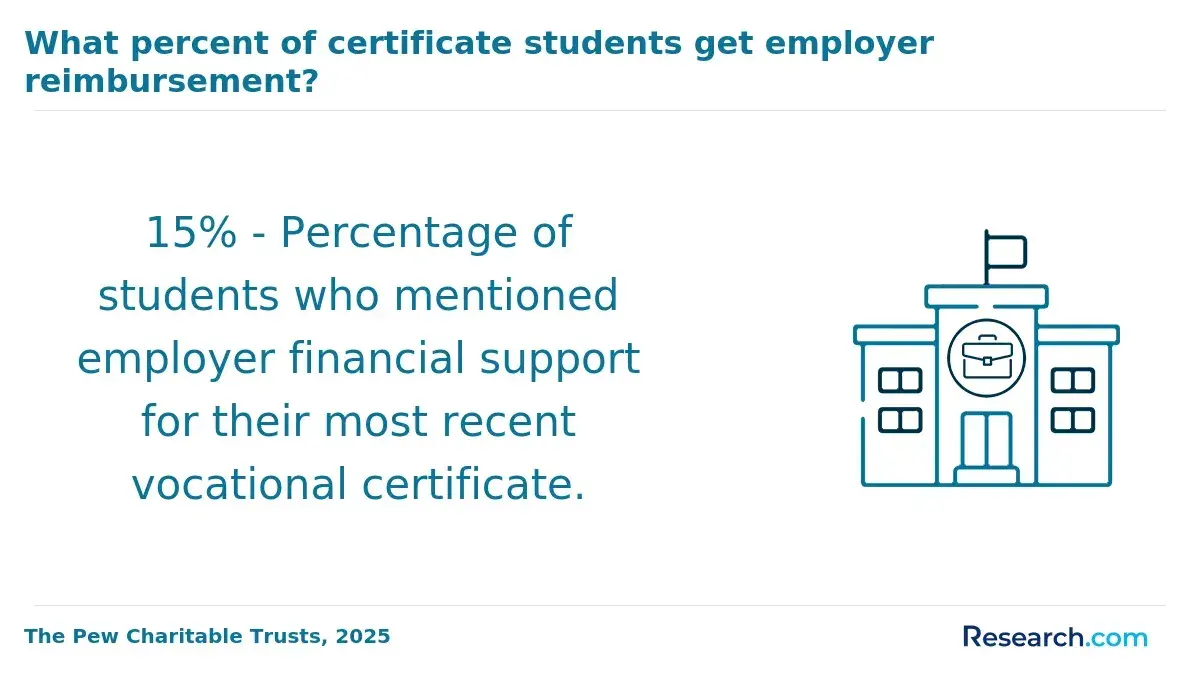
Variations in state labor markets decisively shape demand for nurse educator degrees by directly influencing the availability of teaching positions and opportunities for hands-on training. Expansions in healthcare infrastructure, particularly in states experiencing demographic shifts like aging populations, drive employer demand for qualified nursing professionals and intensify the need for nurse educator roles to supply that workforce. Public sector growth, including increased state funding for hospitals and educational institutions, often correlates with a rise in job openings for nurse educators, encouraging more enrollment in relevant graduate programs. Additionally, local school district staffing patterns and the availability of practicum or apprenticeship placements further impact student choices and program appeal. Employer incentives such as tuition reimbursement and signing bonuses for advanced nursing credentials can also tilt interest toward graduate education in nurse educator fields, creating regional enrollment surges.
- Texas: Projected healthcare industry growth combined with substantial public university investment leads to a high volume of nurse educator job openings, supported by aggressive state funding aimed at expanding nursing faculty ranks.
- Florida: The interplay of an aging populace and expanding healthcare networks elevates demand for nurse educators, reinforced by state workforce programs offering scholarships and loan forgiveness for those pursuing educator credentials.
- California: Large metropolitan medical centers alongside community college systems maintain a steady demand for nurse educators, although tighter clinical faculty regulations can constrain hiring capacity.
- North Carolina: Accelerated health system growth coupled with increased education budgets and diverse practicum sites fuels rising need for nurse educators, making this region a focal point for enrollment growth in graduate programs.
- Arizona: Expansion of rural healthcare services and targeted incentives for educators in underserved locations stimulate upward trends in both job openings and corresponding academic interest.
Prospective students evaluating nurse educator degree programs should incorporate detailed workforce outlooks from targeted states, as robust regional markets typically provide enhanced practicum placements and improved bargaining power for salaries following graduation. In contrast, areas with slower growth may present challenges in securing faculty roles and acquiring sufficient practical teaching experience, factors that can significantly affect long-term career trajectories. Investigating current data, including Bureau of Labor Statistics projections and state workforce agency reports, alongside an understanding of local institutional dynamics, is essential.
Those seeking a nuanced perspective on how regional workforce trends influence nurse educator enrollment growth may also find it valuable to contrast these variables with their personal mobility and career flexibility. For additional insight into healthcare profession trends affecting employment prospects, review the job outlook for medical billing and coding, which offers a complementary view of workforce demands in related healthcare roles.
Which States Have Added the Most New Nurse Educator Degree Programs in the Last Five Years?
States experiencing the sharpest rise in accredited nurse educator degree programs highlight a dynamic response to local workforce demands and funding incentives, reflecting how regional policies and healthcare trends shape educational landscapes. Where more programs emerge-whether through brand-new launches, online track additions, or enrollment expansions-students face both expanded choices and increased competition for resources like scholarships and affordable tuition.
- California: Expansion here is propelled by substantial state grant funding targeting persistent nursing faculty shortages. Universities often launch fully online nurse educator options, accommodating working professionals and fostering specialized program tracks amid intense institutional competition.
- Texas: State-level nursing shortage designations have prompted both public and private colleges to increase nurse educator offerings and enrollment limits. Accreditation ties and healthcare infrastructure growth motivate programs to evolve, though this also means prospective students must navigate a crowded market.
- Florida: Demographic shifts and waves of educator retirements have accelerated program development, with many schools upgrading degrees to online formats. This shift meets geographically scattered learners' needs but can intensify rivalry for limited financial aid.
- Ohio: Program growth here is steady, driven by workforce grants and peer institutions' efforts to differentiate through clinical training enhancements. The balance between added program options and practical training quality factors heavily into students' decision calculus.
- Washington: Growth reflects a statewide push toward innovative teaching methods and inclusivity, supported by accreditation incentives and scholarships for underrepresented populations. Online flexibility combined with strategic enrollment boosts offers diverse pathways but requires student diligence in program comparison.
- Institutional Drivers: Funding incentives, accreditation pressures, and workforce shortage designations jointly fuel program expansion, fostering an environment where colleges vie to broaden and specialize nurse educator degrees.
- Student Implications: Increased program availability often means deeper competition over financial aid and tuition rates. Students benefit from more specialized tracks aligned with distinct career goals but must critically evaluate program outcomes and support services.
- Decision-Making Advice: Prospective nurse educators should weigh delivery modes, clinical placement opportunities, and state-specific financial landscapes carefully. Thoroughly comparing programs within a single state can uncover crucial differences affecting employability and educational value.
One graduate recalled the uncertainty during their application cycle when multiple programs in their preferred state launched new online nurse educator tracks. Early applications yielded a backlog of processing delays, prompting them to strategically apply broadly and monitor communications closely. They hesitated initially, unsure whether to wait for admissions decisions from established programs or pivot to newer, less proven options that promised more flexible schedules. Ultimately, gaining clarity on program rigor and clinical support helped solidify their choice just before final enrollment deadlines-highlighting how timing and responsiveness can be as critical as program features when navigating this evolving educational field.
How Has the Rise of Online Education Changed Which States Lead in Nurse Educator Program Interest?
The expansion of fully online nurse educator programs has fundamentally altered traditional enrollment patterns, breaking down the geographic limitations that once confined students to programs within commuting or relocating distance. This shift allows students nationwide to prioritize factors like program quality, affordability, and accreditation over proximity, reshaping which states lead in nurse educator interest. For example, a student in a state with limited graduate nursing education options can now obtain a degree from a highly regarded program thousands of miles away without relocating, broadening access but also requiring careful navigation of state licensure regulations that remain tied to physical practice locations.
- Geographic Decoupling: States offering robust online nurse educator programs increasingly draw large numbers of out-of-state students, effectively serving as national education hubs regardless of their local nursing workforce size.
- Program Reputation: Institutions with established, high-quality nurse educator programs attract students who prioritize faculty expertise and outcomes, often outweighing considerations of geographic convenience.
- Tuition Competitiveness: Lower tuition combined with online delivery makes certain states more attractive, enabling students to reduce debt while still earning credentials from reputable programs.
- Licensure Implications: Students must verify that completing an out-of-state online program aligns with licensure requirements in their state, as mismatches can hinder clinical placement and credentialing.
- Workforce Impact: Geographic flexibility in education helps address regional shortages by enabling students from underserved areas to qualify as nurse educators through distant programs, supporting workforce diversification.
- Program Competition and Growth: States with expanding online nurse educator enrollments now face pressures to innovate and maintain accreditation quality to sustain their national appeal and student outcomes.
What Demographic Trends Are Fueling Nurse Educator Degree Growth in Specific States?
Targeting states with expanding nurse educator degree growth requires analyzing demographic trends that directly impact local healthcare training needs and workforce replenishment. Different states experience varying pressures on nursing education capacity-this heterogeneity dictates which regions offer more stable, long-term opportunities for nurse educators. For example, in states with rapidly aging populations, such as Florida and Arizona, the compounding effect of retiring nursing faculty and increased demand for elder care places unique staffing and educational strains on institutions. These pressures translate into sustained demand for nurse educator programs and faculty capable of delivering specialized curricula.
- Population Aging: Areas with significant elderly growth see rising nurse educator demand to replace retiring educators and expand training programs focused on complex geriatric care, ensuring workforce readiness for specialized patient needs.
- Immigration Patterns: States like California and Texas with high immigrant influxes cultivate diverse patient populations that require culturally competent nursing education, hence increasing faculty recruitment and program enrollment to meet these competencies.
- Urbanization: Metropolitan hubs in the Northeast and West Coast foster enrollment growth through concentrated healthcare education facilities and employer partnerships, which in turn stimulate nurse educator hiring to support multidisciplinary training initiatives.
- K-12 Enrollment Growth: Southern states experiencing K-12 increases-Georgia and North Carolina among them-project expanded student pipelines and healthcare workforce demand, prompting expanded nurse educator programs aligned with broader educational investment.
- Rising Mental Health Diagnoses: Enhanced mental health policies in Colorado and Oregon drive nurse educator roles specializing in integrated mental health nursing curricula to address evolving patient care complexities and regulatory standards.
Given these localized demographic factors, the nurse educator degree growth trends by state cannot be accurately assessed through national aggregates alone. Enrollment surges tend to cluster tightly around regional economic and policy contexts, meaning prospective students should evaluate how state-specific population trajectories align with employer demand and program capacity. For those weighing return-to-school decisions or career changes, favoring states with demonstrated sustained demographic drivers mitigates the risk of cyclical fluctuations that could restrict faculty employment or program funding. Additionally, geographically mobile students may find strategic advantage pursuing programs linked to states with consistent expansion in healthcare education roles.
Those interested in healthcare education pathways should also consider how related fields, such as diagnostics, adapt to demographic trends; for instance, the evolving demand reflected in online ultrasound tech school programs parallels some nurse educator workforce shifts, underlining the importance of selecting disciplines and locations attuned to local healthcare needs.
How Do State Funding Levels for Nurse Educator Services Influence Degree Program Growth?
State investment in nurse educator services directly shapes the expansion and sustainability of nurse educator degree programs. States that allocate substantial funding through channels like Medicaid reimbursement, block grants, school-based mental health programs, and community health centers create a more predictable employment environment. This stability encourages institutions to grow or enhance their nurse educator offerings, confident that graduates will find local job opportunities. Conversely, persistent underfunding often forces programs to stagnate, while graduates seek work in better-resourced states, leading to cyclical enrollment declines and regional workforce deficits.
A graduate shared that during the rolling admissions cycle, uncertainty about state funding updates made timing their application stressful. They hesitated to commit before confirming if new budget allocations would expand their preferred program's capacity and career resources. Ultimately, this led to a strategic pause, balancing the risk of delay against program growth prospects tied directly to state support. The experience underscored how deeply funding fluctuations influence not only program availability but also applicants' decision urgency and planning strategies.
Which States Are Emerging as Unexpected Leaders in Nurse Educator Degree Interest?
States with historically low profiles in nurse educator degree growth are becoming unexpected hubs due to targeted workforce strategies, new program accreditations, and interstate policy shifts. These emerging markets offer tangible benefits such as less competitive admissions and lower tuition, yet they also pose risks tied to the durability of funding and policy support. For example, Arkansas' surge is linked to rural healthcare grants and new local graduate programs, but questions linger about sustainability once COVID-era funds fade. Understanding these dynamics is crucial for students weighing long-term career prospects and program stability amid the fastest growing nurse educator programs in the US.
- Arkansas: Workforce development grants addressing rural educator shortages and recent accreditation of affordable graduate programs have spiked enrollment. Growth relies heavily on temporary state and federal COVID-related funding, raising concerns about ongoing viability for prospective students.
- West Virginia: Joining the Nurse Licensure Compact and state incentives like loan repayment and salary supplements have enhanced faculty retention, making this traditionally overlooked region a promising option. Structural workforce gaps and legislative backing suggest more durable growth here.
- Nebraska: Partnerships between universities and healthcare systems align nurse educator pathways with employer needs. The state's lower living costs and educational expenses contribute to steady, institutionally supported enrollment growth, favoring affordability and practical employment alignment.
- Nevada: Legislative reforms streamlining certification and expanding program capacity have boosted interest, but reliance on one-time appropriations and variable enrollment policies creates uncertainty over long-term trends.
The nuanced tradeoff for students considering these markets involves balancing immediate program accessibility and incentives against the risk that transient funding might impact job market stability and hiring practices. For those focused on specialized graduate credentials with practical workforce outcomes, analyzing growth patterns within workforce and licensure contexts, rather than enrollment figures alone, is essential. Additionally, students exploring degree options should consider comparative affordability and program flexibility; for example, options among online programs, such as the cheapest psych NP programs online, highlight how cost considerations can vary widely by region and modality.
How Does State Population Size Affect the Interpretation of Nurse Educator Degree Growth Data?
Interpreting nurse educator degree growth data without adjusting for state population size can distort the real impact on local workforce conditions. For example, a large state producing 2,000 new nurse educator graduates annually may seem to exhibit strong market growth, but when normalized for its population, this growth might only indicate modest per-capita expansion. In contrast, a smaller state adding 300 graduates could represent a substantial surge relative to its population, signaling a more acute increase in demand or a developing market.
Relying solely on raw enrollment growth neglects critical context about existing workforce size and regional saturation levels, which are essential for meaningful comparisons across states. This distinction matters because workforce saturation-the ratio of licensed nurse educators to a state's healthcare or nursing population-better indicates whether new graduates can expect viable employment openings or face saturated markets.
States with ratios below the national average usually offer stronger early-career hiring prospects, as demand exceeds supply. Consequently, those evaluating where to study or work benefit from focusing on per-capita growth metrics combined with workforce saturation data rather than absolute enrollment numbers alone. This approach accounts for state demographic impacts on nurse educator enrollment trends as well as regulatory and institutional factors shaping opportunity. Readers seeking flexible options may also explore military friendly online speech pathology degree programs as potential parallel pathways in healthcare education fields.
What Role Do State Licensing Requirements Play in Driving or Suppressing Nurse Educator Enrollment?
State licensing requirements decisively shape nurse educator enrollment by either facilitating or hindering the perceived feasibility and value of graduate education pathways. For instance, in states like Texas and California, where licensure criteria are transparent and relatively stable, enrollment in nurse educator programs has seen consistent growth. This clarity allows candidates to anticipate post-graduation hurdles and align their professional trajectory accordingly. In contrast, states with fluctuating or onerous licensing rules often see lower program demand, as students weigh the uncertainty against considerable time and financial investment. Wage data from the Bureau of Labor Statistics highlight that nurse educators in states with clear licensure and strong institutional support tend toward higher median salaries, reinforcing employer preferences for licensed individuals and incentivizing enrollment in these regions.
Licensing boards influence employer expectations by setting a standard that firms must consider in hiring and promotion decisions. Where licensure is well-defined, employers increasingly require or prefer licensed nurse educators, generating a feedback loop that accelerates program expansion and advocacy for further regulatory refinement. This relationship underscores why nurses contemplating graduate education should assess the full licensure pathway, not merely the academic prerequisites, especially if they foresee practicing across state boundaries where requirements differ substantially.
References
- Nurse Demographics and Workforce Statistics in the United States: Trends, Diversity, and the Growing Shortage https://www.cwshealth.com/post/nurse-demographics-and-workforce-statistics-in-the-united-states-trends-diversity-and-the-growing
- Study: Reform Teacher Licensing to Alleviate Teacher Shortage https://will-law.org/study-reform-teacher-licensing-to-alleviate-teacher-shortage/
- The Growing Demand for Nurse Educators and How to Become One - Purdue University Northwest https://www.pnw.edu/demand-for-nurse-educators/
- Nursing Faculty Shortage Fact Sheet https://www.aacnnursing.org/news-data/fact-sheets/nursing-faculty-shortage
- Bachelor’s in Nursing Enrollment Trends: How Healthy Is the Market? https://www.encoura.org/resources/wake-up-call/bachelor-s-in-nursing-enrollment-trends-how-healthy-is-the-market/
- Address Nursing Shortages by Growing the Nurse Educator Pipeline https://www.wolterskluwer.com/en/expert-insights/address-nursing-shortages-by-growing-the-nurse-educator-pipeline
- Nurse Educator https://nursinglicensemap.com/nursing-specialties/nurse-educator/
- 2 strategies to grow enrollments in your nursing programs (during and after COVID-19) https://eab.com/resources/blog/adult-education-blog/increase-nursing-program-enrollment/
- 5 Career Options for Nurse Educator Graduates https://online.worcester.edu/programs/nursing/msn-educator/careers-for-nurse-educator-graduates/
- Masters in Nursing, Nurse Educator Specialization https://www.chamberlain.edu/academics/nursing-school/graduate-programs/msn-nurse-educator
Other Things You Should Know About Nurse Educator
Employers in states with rapidly growing nurse educator degree interest are often motivated by faculty shortages in nursing schools, leading to strong demand for qualified educators. However, many healthcare institutions and academic programs now expect nurse educators to bring clinical expertise alongside teaching skills. This dual expectation means graduates who focus heavily on pedagogy without maintaining clinical competencies may face limited job opportunities. Prospective students should prioritize programs that balance instructional methods with up-to-date clinical practice to align with employer requirements in these states.
States with lower tuition rates for nurse educator master's programs and more affordable living costs tend to see higher enrollment growth. Prospective students must weigh the upfront cost savings against less visible factors like program quality and networking opportunities tied to urban academic centers. In some cases, higher expenses in metropolitan areas correspond with stronger employer connections that can improve job placement. When selecting a program based on state growth trends, careful evaluation of total financial impact-including living expenses and potential salary differentials post-graduation-is essential.
Prospective students should examine states with high enrollment growth for potential job opportunities post-graduation. High growth might indicate strong demand for educators, but also increased competition. Therefore, evaluating this data alongside job market trends can guide students in selecting programs with promising career prospects in 2027.
Rural and underserved states often launch targeted nurse educator degree programs to combat faculty shortages exacerbated by geographic isolation and limited clinical training sites. These programs tend to emphasize community-oriented nursing education and remote learning technology to increase accessibility. However, graduates may face tradeoffs such as fewer in-person clinical mentorship opportunities or slower career advancement compared to urban peers. Candidates should assess whether program design and support services sufficiently prepare them for the unique challenges of teaching in underserved settings before enrolling.