2027 Nurse Educator Degree Enrollment Trends by Age Group: Traditional Students vs Adult Learners

Co-Founder and Chief Data Scientist
Distinct dynamics shape enrollment in nurse educator degree programs by age group, influenced heavily by clinical experience prerequisites and credential inflation within healthcare education. Traditional students often enter programs soon after clinical licensure, while adult learners typically pause to accumulate professional practice before transitioning into teaching roles. Notably, 65% of nurse educator candidates over 30 report career shifts responding to employer demands for advanced academic qualifications alongside extensive clinical portfolios.
This divergence suggests that adult learners prioritize programs offering flexible scheduling and practicum integration, reflecting workforce shortages that pressure education providers to adapt. Such patterns underscore evolving professional standards and a bifurcated pipeline feeding future nurse educators.
Key Things to Know About Nurse Educator Degree Enrollment Trends by Age Group
- Enrollment among traditional college-age students often reflects a faster pathway but involves tradeoffs like limited clinical exposure, affecting long-term practical readiness compared to older cohorts.
- Employers increasingly favor adult learners who demonstrate sustained clinical experience alongside education, signaling workforce trends that prioritize seasoned practical insight over rapid credentialing.
- Adult learners face accessibility and cost challenges tied to balancing work and education, influencing enrollment decisions and extending time-to-completion relative to younger peers.
- Key Things to Know About Nurse Educator Degree Enrollment Trends by Age Group Key Things
- Which Age Groups Represent the Largest Share of Nurse Educator Students? Students by Age Group
- Why Do Traditional Students Choose Nurse Educator Degree Programs? Traditional Students
- Why Do Adult Learners Return to School for a Nurse Educator Degree? Adult Learners
- How Do Academic Goals Vary Between Younger and Older Nurse Educator Students? Academic Goals by Age Group
- How Do Financial Concerns Differ Between Traditional Students and Adult Learners? Financial Concerns by Age Group
- What Challenges Do Adult Learners and Traditional Students Face While Earning a Nurse Educator Degree? Student Challenges by Age Group
- How Does Age Affect Nurse Educator Degree Student Retention? Age and Student Retention
- Which Nurse Educator Specializations Are Most Popular Among Adult Learners? Top Specializations for Adult Learners
- How Does Age Affect Job Opportunities for Nurse Educator Graduates? Impact of Age in Job Opportunities
- What Do Current Nurse Educator Enrollment Trends Reveal About Future Demand? Future Demand
Which Age Groups Represent the Largest Share of Nurse Educator Students?
Students in nurse educator programs come from diverse stages in life, yet enrollment patterns clearly concentrate within certain age groups. These trends reflect differences in career progression, financial readiness, and educational trajectories rather than mere academic preference. The age distribution also underscores broader dynamics within workforce pipelines and higher education accessibility, including the timing of entry into nursing and transitions into educator roles.
- Ages 30-50: This cohort represents the largest share of nurse educator students, primarily because many candidates enter programs after substantial clinical experience. Employers value educators who can draw on years of real-world practice; thus, mid-career professionals often return to school to qualify for academic roles. Flexible formats like part-time or online courses accommodate their ongoing work and family responsibilities, sustaining robust enrollment in this group.
- Ages 25-29: Individuals in their late twenties form a smaller but notable portion, frequently transitioning from clinical roles to education early in their careers. This group balances the need for further practical experience with the motivation to secure educator positions, often leveraging accelerated or combined degree pathways to enter nurse educator programs efficiently.
- Ages 18-24: Traditional college-age students account for a smaller fraction of enrollments due to limited clinical backgrounds, a critical hiring criterion for nurse educator positions. Their educational paths typically involve undergraduate nursing combined with early graduate study, but many prioritize advanced clinical or practice-focused roles over academic credentials, delaying entry into nurse educator pipelines.
- Ages 51 and older: While representing the smallest share, older learners sometimes pursue educator qualifications to extend or redirect careers within nursing. Financial considerations and changing workforce demands may influence their enrollment, though overall numbers remain limited compared to younger adult learners.
The age demographics of nurse educator students reflect strategic timing decisions tied to career development and hiring realities. The emphasis on clinical credibility in educator hiring narrows pathways for younger students, contributing to broader enrollment among mid-career adults. As the nursing workforce sustains shortages and evolving clinical expectations, programs increasingly support adult learners with flexible delivery models, which explains the distinctive enrollment concentration.
Additionally, candidates often seek online nursing programs that enable balancing professional and personal commitments, reinforcing the dominance of mature students. Understanding these nuanced enrollment dynamics helps clarify how nurse educator degree enrollment by age group intertwines with workforce pipelines and evolving educational accessibility.
Why Do Traditional Students Choose Nurse Educator Degree Programs?
Traditional students often choose nurse educator degree programs as part of an early exploration of academic and professional identity, seeking roles that combine clinical expertise with teaching. These students value degree programs that clearly signal their readiness for educator roles in healthcare, offering structured pathways aligned with early career planning. Interest in nursing education frequently reflects deliberate decisions to engage in mentorship and influence the next generation of nurses, which aligns with employer expectations for fresh academic talent. According to the National League for Nursing's 2024 survey, 42% of traditional-age nursing students cite career stability and the opportunity to impact future nurses as top motivations, underscoring the strong appeal of this occupational niche for younger students.
Deeper enrollment dynamics involve institutional recruitment strategies that channel recent high school graduates into nurse educator programs through targeted guidance counseling and exposure to relevant subjects in secondary or early college coursework. Universities often position these programs as stable career pathways at a time when healthcare systems anticipate increased demand, which strengthens perceived labor market security. Peer influence and early academic advising tend to reinforce these choices, while some students even seek out a nursing school that does not require TEAS test to streamline entry, reflecting practical considerations around admissions barriers. These systemic influences shape traditional student motivations for nurse educator degree enrollment by aligning academic direction with labor market realities and institutional access points.
Why Do Adult Learners Return to School for a Nurse Educator Degree?
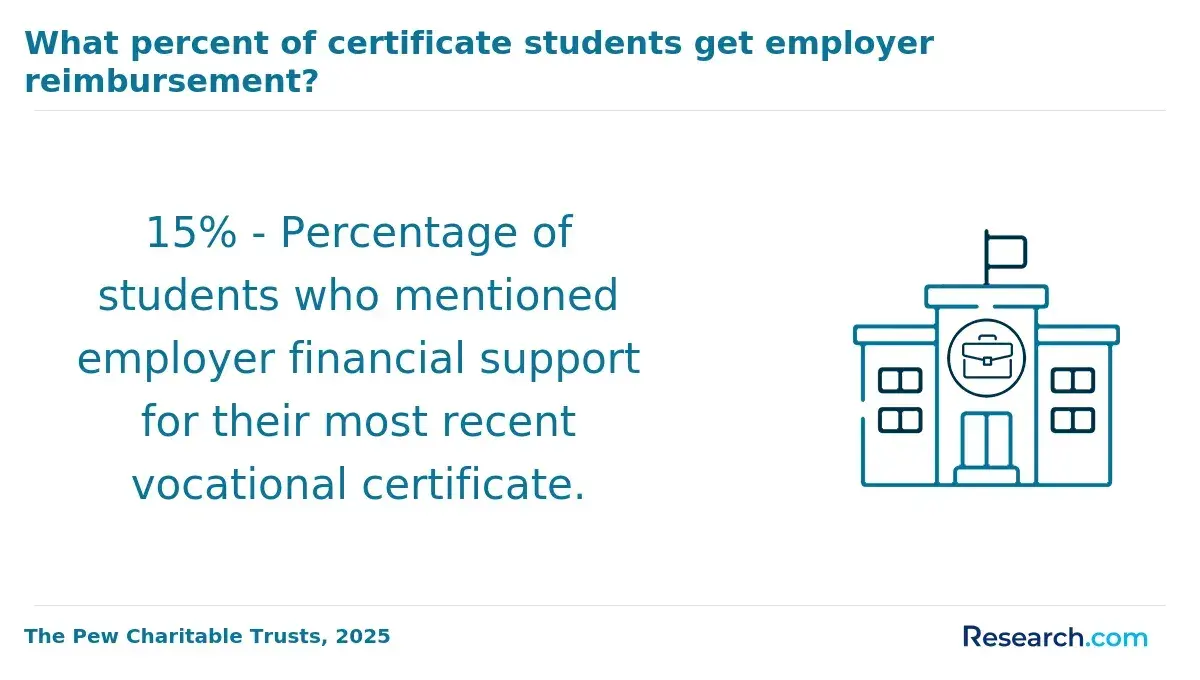
Adult learners often return to pursue a nurse educator degree driven primarily by the need to shift career trajectories toward roles with greater stability and advancement opportunities within healthcare education. Unlike traditional students, these individuals generally bring substantial clinical experience and seek credentialing that aligns with evolving employer expectations for formal teaching competencies. Wage progression plays a significant role, as educator positions frequently offer competitive salaries that outpace many clinical roles, especially when factoring in benefits and work-life balance. According to a 2024 report from the American Association of Colleges of Nursing, over 60% of nurse educator students aged 30 and above identify career advancement as their main motivator, reflecting a strategic approach shaped by established professional goals and market realities.
Beyond immediate career mobility, factors such as employer tuition reimbursement programs and the proliferation of flexible online learning platforms significantly lower barriers for adult learners balancing work and family commitments. The nursing sector's increasing emphasis on credential inflation-where higher-level degrees become prerequisites for educator roles-further compels seasoned practitioners to revisit formal education despite prior experience. This push toward updated qualifications also responds to rapid developments in healthcare standards and pedagogy, requiring continuous skill enhancement. Additionally, data from the National Center for Education Statistics highlights a preference among adult students for programs explicitly designed to integrate practical clinical experience with academic instruction, reinforcing their employability in a competitive labor market.
The growing participation of adult learners in nurse educator programs has prompted educational institutions to reconsider program delivery and curriculum design, favoring hybrid and part-time formats that accommodate adult responsibilities. This demographic shift influences classroom dynamics by blending diverse age groups and professional backgrounds, which can enrich peer learning but also requires nuanced instructional strategies. The rise in adult enrollment thus reflects broader trends in workforce reskilling and lifelong learning, positioning nurse educator programs as critical nodes in the healthcare system's adaptation to ongoing labor market and demographic challenges.
How Do Academic Goals Vary Between Younger and Older Nurse Educator Students?
Students entering nurse educator programs directly from traditional undergraduate pathways generally approach their studies with a focus on acquiring broad foundational skills that facilitate entry into academic or clinical teaching roles. These younger learners often prioritize credential completion and licensure preparation to meet employer expectations for foundational competency, reflecting their position at the start of their nursing careers. According to a 2024 report by the National Center for Education Statistics, approximately 60% of nurse educator students aged 18-24 emphasize these initial qualifications, seeking efficient degree completion to expedite their transition into the workforce or graduate studies. Their academic aims typically include mastering core educational methodologies and securing credentials that open doors to entry-level faculty positions, though they may have limited clarity on long-term specialization or leadership roles at this stage.
In contrast, adult learners enrolling in nurse educator programs frequently pursue targeted professional development aligned with existing career trajectories and workplace demands. These students commonly seek advanced expertise in curriculum design, leadership skills, and clinical education refinement to support upward mobility, role transitions, or tenure in teaching positions. A 2024 survey from the American Association of Colleges of Nursing highlights that 72% of nurse educator students over the age of 30 focus on skill sets that directly impact their current employment contexts, balancing educational advancement with ongoing professional and personal responsibilities. Their academic focus is pragmatic and outcome-oriented, with an emphasis on flexible scheduling and credential acquisition strategies that reinforce their evolving roles within healthcare education systems.
One adult learner described her experience navigating the application timeline as a nuanced challenge. Having worked in clinical settings for years, she hesitated before applying, uncertain if it was the right moment to pursue formal nurse educator training. The rolling admissions process added to her caution, as she weighed program start dates against work obligations and family care demands. Ultimately, she found relief when an early decision notification aligned with her schedule, underscoring how timing and strategic preparation are critical for adult students balancing education with complex life circumstances.
How Do Financial Concerns Differ Between Traditional Students and Adult Learners?
Traditional students pursuing a nurse educator degree typically depend on a blend of family support, federal financial aid, and student loans to manage tuition and related expenses. This demographic, often aged 18 to 24, approaches financial decisions with a focus on minimizing long-term debt to preserve earning potential early in their careers. According to a 2024 National Center for Education Statistics report, roughly 70% of traditional students rely heavily on these supports, which underscores the importance of affordable tuition and clear repayment plans in their educational choices. Their financial challenges revolve around tuition costs and balancing debt tolerance with anticipated future salaries in nursing education, reflecting a lifecycle stage where dependency status and limited income shape funding strategies for nurse educator degree students.
Adult learners, by contrast, confront more complex financial landscapes that include existing debts, household expenses, and caregiving responsibilities, which significantly impact their funding behavior. Nearly 60% of adult learners report the need to juggle education costs alongside family support, highlighting the scale of financial stress documented in recent surveys by the Lumina Foundation. This group often leverages employer tuition reimbursement or flexible payment plans when available, but reduced work hours for study introduce opportunity costs tied to lost wages. Consequently, adults weigh immediate income loss against potential long-term benefits from advanced qualifications, a dynamic that differs sharply from traditional students' straightforward debt management considerations and influences how they approach tuition and funding options for nurse educator degree students.
These financial disparities shape enrollment patterns and program preferences, with adult learners gravitating toward flexible scheduling and online options that accommodate ongoing work and life commitments. Traditional students may prioritize programs that emphasize clear cost-benefit trajectories and debt reduction, while adults require adaptable financing models that reflect their broader financial obligations. Understanding these distinctions is critical when evaluating educational pathways, as they affect return on investment calculations and workforce participation decisions in healthcare education roles. For those comparing graduate-level opportunities, including doctorate in health administration programs, recognizing these nuanced financial pressures is essential to making informed enrollment choices aligned with individual economic realities.
What Challenges Do Adult Learners and Traditional Students Face While Earning a Nurse Educator Degree?
Traditional students pursuing a nurse educator degree tend to grapple primarily with adjusting to the academic demands and structure typical of higher education settings. Many fall within the 18 to 24 age range, a developmental stage marked by evolving time management skills and the need to build disciplined study habits often for the first time. Concurrently, financial pressures are significant; a 2024 report from the National Center for Education Statistics found that nearly half of this cohort experiences notable financial hardship, which can exacerbate stress and affect persistence. These students must also navigate changes linked to newfound independence, balancing coursework with social and emotional transitions inherent to early adulthood.
Adult learners, generally aged 25 and older, face a different set of challenges shaped by competing life roles. According to a 2024 survey by the American Association of Colleges of Nursing, over 60% of adult nurse educator students maintain full-time employment while studying, leaving limited time for coursework and increasing stress levels. Family responsibilities, including childcare or eldercare, impose further demands that require flexible program structures such as online classes or evening sessions. Additionally, returning to academic environments after years away often entails relearning institutional expectations and study techniques, which can delay progression despite richer practical experience.
Institutions designing nurse educator programs increasingly recognize these contrasting pressures, tailoring support services and advising to accommodate different learner profiles. Flexible scheduling, hybrid learning models, and targeted academic assistance play vital roles in addressing the unique needs of both traditional and adult students. This differentiation is crucial not only for enrollment but for ensuring persistence and successful degree completion in a field where professional readiness depends on blending clinical competence with pedagogical skill.
How Does Age Affect Nurse Educator Degree Student Retention?
Younger nurse educator students often encounter retention challenges rooted in the transitional nature of their life stage. They must simultaneously develop academic skills while navigating the social and motivational complexities of early adulthood, which can dilute focus and persistence. Adjusting to rigorous college-level expectations without extensive prior clinical experience may undermine their confidence and engagement. Data from the National Center for Education Statistics in 2024 highlights retention rates for this group hovering around 65% in the initial two years, reflecting these layered hurdles.
Older nurse educator students tend to exhibit higher retention, averaging near 78%, driven by clearer objectives and relevant professional backgrounds that reinforce commitment. However, their progress is frequently constrained by external time demands, including employment and family care responsibilities, requiring flexible program designs to accommodate these pressures. This demographic benefits significantly from asynchronous learning options and targeted institutional support that mitigates scheduling conflicts. Employers frequently favor these mature learners for their applied knowledge, enhancing post-graduation employability despite the practical strains on sustained enrollment.
One graduate recalled that during the rolling admissions period, they hesitated to submit their application because of uncertainty about balancing coursework with a full-time job and family duties. The delays in their decision-making were also influenced by limited prior engagement with academic programs, making preparation feel daunting. Once they committed, access to flexible scheduling allowed them to navigate competing demands more effectively, underscoring how timing and institutional adaptability were critical to their ability to persist and complete the nurse educator degree.
Which Nurse Educator Specializations Are Most Popular Among Adult Learners?
Adult learners pursuing nurse educator degrees often select specializations that leverage their prior clinical experience and align with clear pathways for career mobility and salary enhancement. Their choices reflect a pragmatic focus on roles that either deepen existing expertise or facilitate transitions into leadership or academic positions. The most sought-after nurse educator fields for mature students typically offer immediate applicability and strong employer demand, supporting both upskilling and professional reinvention.
- Clinical Nurse Educator - Acute and Chronic Care: This specialization attracts adult learners with substantial hands-on experience in high-acuity settings. It enables them to translate practical knowledge into teaching focused on managing complex patient populations, which is highly valued in hospital systems.
- Gerontological Nursing Education: With a growing aging population, educators skilled in elder care meet expanding workforce needs. Adult learners appreciate this field for its direct link to improving outcomes for older adults and its relevance to community and long-term care settings.
- Leadership Development and Curriculum Design: Many seasoned nurses pursue this track to pivot from bedside roles to administrative or academic leadership. The specialization prepares learners to influence program development and organizational strategy.
- Evidence-Based Practice Education: Emphasizing current research and interprofessional collaboration, this specialization appeals to those aiming to update clinical teaching methods and align curricula with industry standards.
- Simulation and Technology-Enhanced Learning: Growing integration of simulation-based education attracts learners interested in innovative teaching methods that improve clinical judgment and skill acquisition.
A national survey by the American Association of Colleges of Nursing found that about 58% of adult learners in nurse educator tracks choose clinical specialties, notably acute care and gerontological education, versus traditional students who lean toward foundational or pediatric focuses. This trend reflects how adult learners prioritize specializations that offer clear value in employing prior experience while preparing for future roles.
For those evaluating program duration in relation to specialization, understanding how long is NP school can help inform realistic timeframe considerations in career planning.
How Does Age Affect Job Opportunities for Nurse Educator Graduates?
Younger nurse educator graduates typically enter the job market with limited clinical experience and narrower professional networks, affecting their immediate employability in educational roles that favor seasoned practitioners. Their early-career positioning often relies on internship pathways, mentorships, or entry-level academic appointments designed to build expertise over time. Although they may face challenges competing with more experienced peers, their proximity to current educational technologies and longer potential career spans offer advantages that align with evolving workforce needs. This dynamic underscores key factors in career prospects for traditional nurse educator graduates, who generally start education roles soon after completing initial nursing qualifications.
Conversely, older nurse educator graduates usually leverage extensive prior nursing experience and transferable skills when transitioning into academia, positioning themselves as strong candidates for roles valuing practical expertise. Employers often prioritize this clinical foundation, evident in 2024 workforce data from the National Center for Education Statistics showing that 62% of nurse educator hires were aged 35 or older. Though age-related biases can occur, adult learners tend to offset these with deep professional credibility and targeted continuing education. Prospective students evaluating educational pathways should consider this interplay of experience, employer expectations, and mid-career transitions, potentially exploring online ADN programs for non nurses as part of their career development strategy.
What Do Current Nurse Educator Enrollment Trends Reveal About Future Demand?
Shifting enrollment patterns in nurse educator programs reflect evolving perceptions of career value and professional interest. Notably, data from the 2024 National Center for Education Statistics shows that approximately 58% of enrollments are adult learners aged 25 and older, signaling increased attraction among experienced nurses to academic roles later in their careers. This change suggests these programs are perceived as viable pathways to leverage clinical expertise into education, while traditional students under 25 constitute a smaller yet steady segment, indicating limited early-career pipeline development.
These enrollment trends correspond with labor market dynamics where employer demand emphasizes clinical experience combined with advanced pedagogical skills. The growing share of adult learners pursuing flexible program formats aligns with workforce shortages and the necessity to accommodate working professionals balancing study with other obligations. Consequently, nurse educator programs may expand both in volume and specialization to address technological advancements and diverse healthcare environments, making enrollment behavior a vital signal for forecasting long-term supply and the education-to-employment pipeline's responsiveness to healthcare industry needs.
References:
- Applying Adult Learning Principles in Nursing Education https://nursingcecentral.com/lessons/applying-adult-learning-principles-in-nursing-education/
- Blended learning: Exploring nurse educators’ perspectives https://hsag.co.za/index.php/hsag/article/view/2659/4917
- The End of the Traditional Student Era: Higher Ed’s New Enrollment Reality - Collegis Education https://collegiseducation.com/insights/end-of-traditional-student-era/
- 10 Great Master's Degrees for Nurses in 2026 https://credenzahealth.com/career-advice/10-great-masters-degrees-for-nurses
- Traditional Vs. Non-Traditional Students in Higher Education https://moderncampus.com/blog/traditional-vs-non-traditional-students-in-higher-education.html
- Nursing Workforce Fact Sheet https://www.aacnnursing.org/news-data/fact-sheets/nursing-workforce-fact-sheet
- 5 Reasons to Return to Education as an Adult https://ucr.rotherham.ac.uk/blog/5-reasons-to-return-to-education-as-an-adult/
- Adult Learners: Challenges and Strategies https://www.wolterskluwer.com/en/expert-insights/adult-learners-challenges-and-strategies
- Age-Related Differences in Information Gathering among Nursing Students Implications for Nursing Education https://www.scirp.org/journal/paperinformation
- 11 Reasons to Consider Returning to College as an Adult https://www.georgefox.edu/bruin-blog/posts/2021/02/adp-11-reasons/index.html
Other Things You Should Know About Nurse Educator
In 2027, enrollment trends for nurse educator degrees show a steady increase among adult learners, driven by flexible program delivery methods and increased online offerings. Traditional students still dominate in numbers but exhibit a slower growth rate, primarily due to their preference for on-campus and full-time study models.
Since many adult learners already possess significant clinical experience, programs emphasizing practical teaching methods and educational leadership generally provide greater career advancement value than purely theoretical approaches. In contrast, traditional students with limited clinical backgrounds might need stronger theoretical foundations first. Adult learners should therefore target programs that deepen instructional skills and classroom management rather than basic nursing content, as this alignment better meets employer expectations for nurse educators in clinical and academic settings.
Traditional students often pursue full-time study to complete degrees faster but may miss opportunities for specialty certifications or advanced pedagogy skills due to compressed timelines. Adult learners, balancing work-study demands, might extend their enrollment but gain depth by selecting niche electives or certifications aligned with their professional goals. For adult learners, prioritizing program flexibility and specialization depth can lead to richer career outcomes, whereas traditional students may benefit from faster completion at the cost of narrower expertise.
Employers generally expect new nurse educators from adult learner pathways to bring robust clinical backgrounds and practical teaching experience, valuing their readiness to manage diverse learner populations and complex classroom dynamics. Traditional students are often perceived as needing additional mentorship or practicum guidance to build these competencies. Prospective students should consider that adult learner programs often position graduates closer to immediate role readiness, while traditional pathways may require more post-graduate professional development to meet employer standards effectively.