2027 Nurse Educator Degree Completion Time Report: How Long Students Actually Take to Graduate

Co-Founder and Chief Data Scientist
Students pursuing a nurse educator degree often confront unpredictable obstacles that extend their time to graduation. Balancing clinical obligations, family responsibilities, and fluctuating course availability frequently interrupts steady progress. A 2024 National Student Clearinghouse report highlights that adult learners within health-related fields show higher stop-out rates, reflecting the challenges of maintaining continuous enrollment.
Additionally, variations in transfer credit acceptance and practicum placement schedules further complicate timelines. These factors interact with employer demands for relevant clinical experience, influencing how long students remain in their programs. This article examines the actual duration nurse educator students take to graduate, identifying key influences and completion patterns relevant for informed academic planning.
Key Things to Know About Nurse Educator Degree Completion Time
- Most students take longer than the advertised program length. Only about 45% of first-time, full-time bachelor's students graduate within four years, while roughly 64% finish within six years, making the actual completion time longer for many learners.
- The average college graduate is often older than expected. The median age of bachelor's degree recipients is around 23 years, while master's degree recipients are typically in their early 30s, reflecting the growing number of adult and returning students.
- Completing a degree can significantly increase lifetime earnings. Workers with a bachelor's degree earn roughly 65% more per week than those with only a high school diploma, and graduate degree holders typically earn even higher median wages over their careers.
- What Is the Average Graduation Time for Nurse Educator Students? Average Graduation Timeline
- What Factors Have the Biggest Impact on Graduation Speed? Graduation Timeline Factors
- How Does Full-Time Versus Part-Time Enrollment Affect Graduation Timelines? Full-Time vs. Part-Time Graduation Timeline
- Do Online Nurse Educator Students Graduate Faster Than Campus-Based Students? Online vs. On-Campus Graduation Timeline
- How Many Months or Years Can Transfer Credits Save? Transfer Credits
- Do Accelerated Nurse Educator Programs Significantly Reduce Completion Time? Accelerated Program Timeline
- Which Nurse Educator Program Requirements Most Often Extend Graduation Timelines? Factors Extending Graduation Timeline
- Does Taking Longer to Graduate Increase the Cost of a Nurse Educator Degree? Impact on Program Cost
- Does Graduating Faster Improve Career Prospects? Impact on Career Prospects
- Which Scheduling Mistakes Commonly Delay Graduation? Mistakes to Avoid
What Is the Average Graduation Time for Nurse Educator Students?
Completing a nurse educator degree generally requires between two and three years, though the timeline varies with enrollment status and degree level. Full-time master's programs often conclude within 18 to 24 months, reflecting a more intensive course load, while part-time students-commonly employed nurses balancing work and study-typically take three to five years to finish. Doctoral paths, such as the Doctor of Nursing Practice (DNP) with an education focus or a PhD in Nursing Education, demand between four to six years due to extended research and dissertation commitments. These averages reflect typical nurse educator student degree completion timelines in a field where workforce demands and program depth both influence pacing.
Graduation timing fluctuates due to several intersecting factors. Key among these is credit load per semester; reduced course intensity prolongs completion but accommodates working professionals. Transfer credits, when accepted, can notably shorten degree duration by recognizing prior relevant coursework. Program delivery mode also impacts timelines: online and hybrid formats offer scheduling flexibility but may lead to slower progression if students opt for lighter term loads, while accelerated tracks compress curricula into shorter periods yet require high commitment and stamina.
Internship or practicum requirements further affect completion, often necessitating additional coordination to align clinical hours with academic progress. These factors collectively shape how institution policies and student circumstances interplay with the average graduation time for nurse educator degree programs.
Understanding these dynamics is crucial as graduation timing influences both the financial and professional trajectories of nurse educators. Students who complete programs more rapidly enter educational roles sooner but might miss deeper engagement with complex pedagogical theories valued by many employers in academia and clinical education.
Conversely, longer pathways offer richer preparation but delay workforce entry. Such tradeoffs underline why aligning program selection with personal commitments, professional goals, and institutional frameworks is essential. For individuals exploring options, resources highlighting affordable and flexible coursework, such as cheapest accelerated nursing programs, may inform time and cost considerations alongside quality and employability outcomes.
What Factors Have the Biggest Impact on Graduation Speed?
Graduation speed in nurse educator degree programs is shaped by a complex interplay of academic planning, program structure, and personal circumstances rather than any single determinant. This complexity means students' decisions about enrollment status, course sequencing, and program format directly influence how quickly they progress.
Recognizing the multifaceted effects of these factors enables more strategic choices regarding workload and educational delivery, which can ultimately shorten or extend time to degree.
- Enrollment Status and Course Load: Whether students enroll full-time or part-time is a decisive variable in completion speed. Full-time students, though often juggling multiple responsibilities, typically finish faster, while part-time enrollment-common among working professionals-correlates with elongated timelines. Data from the National Center for Education Statistics indicates only 37% of graduate education students maintain full-time status, highlighting how prevalent part-time attendance extends degree duration.
- Transfer Credits and Prior Learning: Acceptance and application of previous academic achievements, such as nursing licenses or associate degrees, can significantly reduce required coursework. Students leveraging transfer credits bypass foundational classes and accelerate advancement through core pedagogical content. Conversely, those without this background face longer paths due to prerequisite fulfillment, which particularly delays entry into specialized nurse educator coursework.
- Program Structure and Delivery Format: Traditional semester-based curricula often mean longer total duration, with students pacing their studies to balance employment or family duties. Accelerated or competency-based models offer condensed timelines but demand greater self-discipline and time management, potentially deterring some learners. Additionally, while online programs provide flexibility, their typically relaxed pacing can inadvertently prolong enrollment, underscoring important tradeoffs between accessibility and speed.
- Financial Constraints and Employment Obligations: Economic pressures frequently compel students to reduce course loads or pause enrollment, stretching completion time. Financial stress is especially notable among part-time nurse educator students, with studies from the Journal of Nursing Education showing it contributes to a 20% increase in time-to-degree. Managing work commitments alongside academic milestones thus emerges as a key determinant of graduation speed variability.
- Personal Responsibilities and Life Circumstances: Family caregiving, health challenges, and geographic factors also shape how quickly students move through programs. Those balancing heavy personal demands often select flexible learning options, which support steady progress but tend to extend total time to graduation. The combined impact of these external obligations frequently interacts with enrollment strategies and program format to influence overall completion trajectories.
Such an integrative view of enrollment status impact on nurse educator master's degree completion time reveals how intertwined academic structures and student behaviors create significant variance in graduation speed. Similarly, analysis of program structure and delivery format effects on nurse educator graduation speed clarifies why identical curricula may produce divergent outcomes based on modality and pacing.
Prospective students should consider these factors holistically, rather than in isolation, when planning their educational journeys to optimize completion timelines. For those seeking to minimize time in training without sacrificing quality or flexibility, exploring options like a 12 week LPN program may offer insights into accelerated adult learning pathways applicable within nursing education at large.
How Does Full-Time Versus Part-Time Enrollment Affect Graduation Timelines?
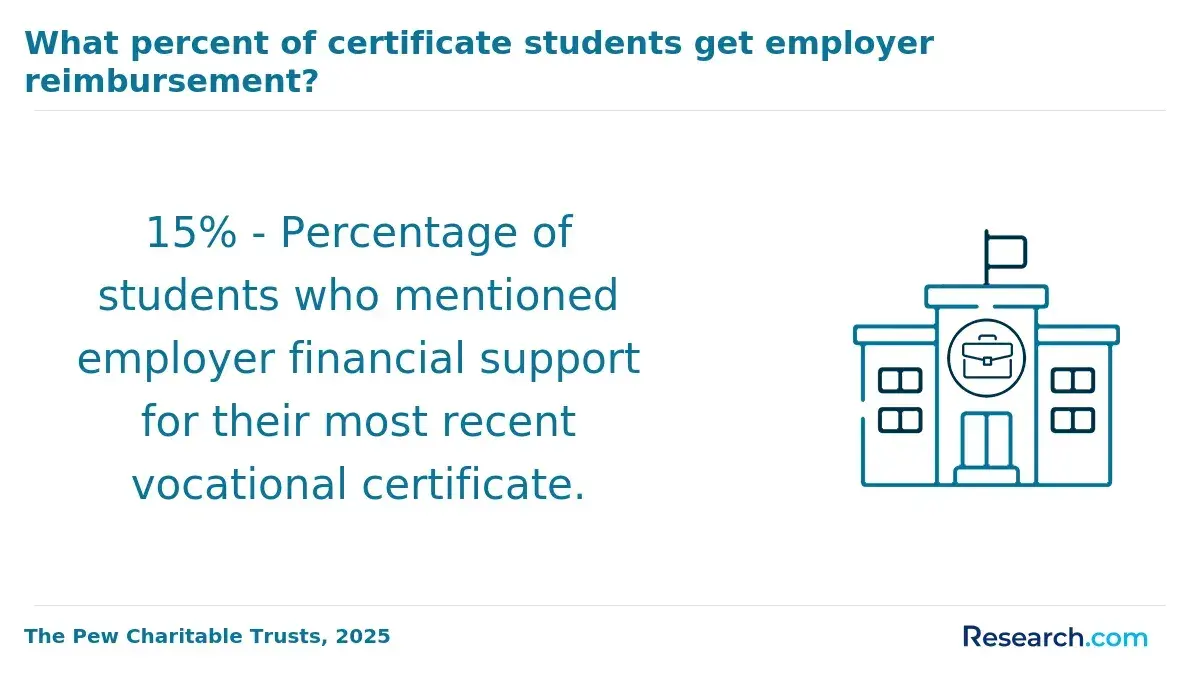
Enrollment status markedly influences the duration required to complete a nurse educator degree. Full-time students, by dedicating a heavier course load each term, often finish within two to three years under conventional academic timelines. In comparison, part-time students, who juggle fewer courses alongside work or family commitments, typically extend their studies to four to six years or beyond. Data from 2024 education workforce reports confirms this divergence, highlighting how the balance between intensity and flexibility shapes completion rates.
The factors affecting these timelines extend beyond simple credit counts. Full-time enrollment usually involves three to five courses per semester, fostering continuous momentum and timely course sequencing, whereas part-time learners may take only one or two at a time, which slows progression and sometimes disrupts prerequisite chains. Program structures and delivery formats vary widely, with some institutions offering limited part-time options or less flexible scheduling, which can further hinder steady advancement.
Additionally, external responsibilities such as employment, childcare, or financial pressures compel many part-time students to stretch out their studies, balancing competing priorities but at the cost of prolonged academic duration.
Choosing between full- and part-time paths carries lasting implications for financial planning and workforce entry. Full-time study accelerates graduation but demands intense focus, often requiring students to reduce work hours or forgo income for extended periods. Conversely, part-time enrollment supports steady tuition management and ongoing employment, though it postpones the transition into full nurse educator roles and may risk diminished currency in clinical education practices over time.
Understanding these tradeoffs is essential for aligning educational pacing with individual circumstances and career timing within the evolving healthcare education landscape.
Do Online Nurse Educator Students Graduate Faster Than Campus-Based Students?
It is often assumed that online nurse educator students can complete their degrees more quickly than those studying on campus due to the perceived flexibility of virtual learning. Data from the National Center for Education Statistics and the American Association of Colleges of Nursing in 2024 highlights that around 65% of online nurse educator students finish within three years, compared to approximately 52% of campus-based learners. Despite this, the reality is more nuanced since graduation speed depends heavily on factors beyond just study format, including individual pacing, program demands, and personal obligations.
Graduation timelines in both online and campus-based nurse educator programs are shaped by several structural and behavioral elements. Online programs often offer asynchronous coursework and year-round enrollment, enabling students to avoid breaks common in traditional academic calendars. However, self-discipline and time management are critical as the reduced direct oversight can lead to delays if students struggle to maintain momentum.
Campus-based programs may require regular attendance and clinical hours that are harder to compress but sometimes feature accelerated tracks or cohort models that allow dedicated full-time students to graduate swiftly. Balancing part-time work, family responsibilities, and practicum requirements frequently influences the pace for students in either modality.
The choice of modality also influences how students engage with their studies at a discipline level and their timing for entering the workforce. Online learners must often navigate more independent learning environments that demand proactive organization, which can either expedite or hinder degree completion depending on the student's preparedness. Meanwhile, on-campus students benefit from immediate access to faculty and peers but face fixed schedules that may not accommodate external pressures as readily.
Understanding these operational tradeoffs helps clarify why modality alone doesn't guarantee faster graduation-student context and program design play decisive roles in determining outcomes.
How Many Months or Years Can Transfer Credits Save?
Transfer credits can significantly shorten the total time required to complete a nurse educator degree, often saving students anywhere from a few months up to over a year. The actual reduction depends heavily on how many prior credits align with the receiving institution's core curriculum and the extent to which those credits meet specific degree requirements. Recent comprehensive reviews suggest that programs typically see reductions of about 20% to 40% in completion time for students transferring relevant coursework.
These savings translate into a meaningful acceleration for many, especially those entering with graduate-level or specialized nursing education credits, though the impact varies widely based on credit acceptance and program structure.
The degree to which transfer credits expedite progress hinges on multiple institutional factors. Accreditation compatibility between the original and new institution affects whether credits are accepted at all, while course equivalency evaluations determine how many fulfilled requirements actually count toward the nurse educator curriculum. Many programs impose residency requirements limiting the maximum percentage of transferable credits, meaning some students must still complete a baseline of courses directly through the awarding school.
Furthermore, policies on prerequisite or bridge courses can offset some time saved, especially if transferred credits do not cover applied or clinical components deemed essential by faculty. Such complex institutional frameworks contribute to diverse outcomes, underscoring that transfer credits do not uniformly lead to fixed reductions in degree completion time.
Transfer credits also play an important role in academic planning and financial considerations for students, but their impact extends beyond mere calendar savings. Navigating credit acceptance influences sequencing of remaining coursework, which can affect workload distribution and part-time versus full-time enrollment decisions. For working adults and transfer students seeking flexibility, strategically leveraging credits can help balance time commitments and expenses throughout the program.
Prospective students exploring degree options should be mindful of how transfer credit policies-or lack thereof-may affect both the pacing and long-term value of their nurse educator credentials, especially in a labor market with increasing demand across healthcare systems. For those interested in interdisciplinary healthcare education pathways, resources on pharmacist school online programs provide additional context on credit transfer dynamics across related health professions.
Do Accelerated Nurse Educator Programs Significantly Reduce Completion Time?
Accelerated nurse educator programs aim to condense traditional degree timelines by increasing course density and intensifying pacing, effectively compressing what would often be two years of study into approximately 12 to 15 months. These programs restructure curricula by offering more credits per term, shortening breaks, and overlapping clinical practicum with coursework to maximize efficient progression. The primary intent is to reduce overall completion time without compromising accreditation requirements, though the accelerated format demands heightened academic rigor and sustained focus.
Whether accelerated programs translate into meaningful time savings depends heavily on several structural factors. High credit loads per term and continuous enrollment without extended breaks are essential to realizing shorter timelines, yet prerequisite sequences or fixed clinical hour mandates can create bottlenecks that limit acceleration. Additionally, many programs require capstone projects or internships whose duration cannot be shortened, thereby constraining total time reduction. The sequencing of courses and institutional policies around part-time or delayed progression also influence if accelerated pacing remains practical or if students extend their enrollment for manageable workloads.
These compressed formats often trade scheduling flexibility and depth of engagement for speed. The intensified workload may challenge students juggling external responsibilities, potentially leading to burnout or compromised learning experiences. While accelerated programs can expedite credential attainment on paper, they may pressure students to sacrifice reflective practice or specialization opportunities that are vital to teaching effectiveness.
Consequently, the real-world benefit hinges on a student's capacity to maintain resilience and focus amid the demanding tempo.
Which Nurse Educator Program Requirements Most Often Extend Graduation Timelines?
Graduation timelines in nurse educator programs are frequently shaped less by total credit load and more by the embedded curricular components requiring significant time investments and coordination. These elements, essential for maintaining academic rigor and aligning with professional standards, often introduce scheduling complexities and pace restrictions. The resulting constraints can disproportionately affect students balancing clinical duties or external obligations.
Recognizing these bottlenecks helps clarify why completion durations vary and where delays typically arise.
- Clinical or Teaching Practicum: This hands-on requirement demands extensive hours in real-world healthcare or educational environments, often constrained by site availability and mentor schedules. Because practicum placements must fit within unpredictable external calendars, students commonly face delays extending their programs beyond standard coursework timelines.
- Capstone Project or Thesis: Independent research or curriculum development projects require sustained self-direction and iterative faculty feedback. Variability in project approvals and the necessity to revise scopes can prolong this phase, making it difficult to predict completion dates in advance.
- Sequential Course Requirements: Many programs enforce strict prerequisite chains where foundational nursing courses must be completed before advancing to specialized education topics. This sequential structure slows progression if students encounter course failures or opt for reduced course loads, impacting overall time-to-degree.
- Part-Time Enrollment Prevalence: According to a 2024 report by Lightcast, roughly 65% of nurse educator students enroll part-time, extending program length by an average of 40% compared to full-time peers. This accommodation for working professionals, while necessary, directly lengthens graduation timelines.
- Licensure and Certification Examinations: Additional requirements such as passing standardized exams or completing background checks introduce administrative delays. These steps may involve retakes or credential processing times uncontrollable by students, contributing further to extended durations.
Collectively, these factors interplay to create progression bottlenecks that are institutionally rooted and influenced by workforce demands. Prospective students should anticipate these constraints when planning and seek programs with transparent sequencing and flexible practicum coordination to mitigate extended completion periods.
Does Taking Longer to Graduate Increase the Cost of a Nurse Educator Degree?
Taking longer to complete a nurse educator degree often increases total tuition and associated expenses due to how many programs structure their costs. When tuition is assessed per credit hour or per term, extended enrollment results in additional fees for each extra semester beyond the typical program length. This timing can trigger cumulative charges for technology access, course materials, and administrative fees. Many institutions tie financial aid eligibility, scholarships, and employer tuition reimbursement to specific time frames; exceeding these can cause students to lose key funding sources, effectively raising personal out-of-pocket costs.
These factors contribute to the impact of extended graduation time on nurse educator degree expenses, especially for students balancing work and family obligations who may enroll part time or need to retake courses periodically.
However, some degree programs employ flat-rate tuition models or set prices that accommodate flexible pacing without immediate financial penalties, which can moderate the cost consequences of slower completion. Employer tuition assistance programs sometimes cover multiple years, alleviating incremental burdens for working students.
Additionally, enrollment decisions-such as maintaining part-time status or strategically managing course loads-indirectly influence the overall accumulation of costs. In these scenarios, prolonged timelines do not always translate into proportionally higher expenses.
Understanding these enrollment economics is vital, especially when comparing alternatives like accelerated paths or RN to BSN programs, as program design and institutional policies shape whether taking longer to graduate increases the cost of a nurse educator degree in the U.S.
Does Graduating Faster Improve Career Prospects?
Graduating faster from a nurse educator degree program can offer earlier entry into the job market, potentially shortening the period of unemployment post-graduation. This timing advantage may improve initial job search positioning by reducing gaps in employment and signaling a focused academic path. However, employers rarely assess the impact of graduating speed in isolation. Instead, hiring managers weigh candidate qualifications holistically, considering factors such as demonstrated teaching competencies, relevant clinical experience, and professional certifications alongside graduation timelines. In this context, the impact of the impact of faster nurse educator graduation on career advancement is nuanced rather than categorical.
Several key determinants influence whether completing a nurse educator degree ahead of the typical 2-3 year timeframe translates into superior career outcomes. Internships and practicum quality critically shape readiness, often outweighing small differences in time-to-completion. A detailed portfolio evidencing effective pedagogy, mastery of emerging educational technologies, and robust professional networks carry more weight than mere acceleration.
The benefits of early degree completion are thus contingent on aligning skill acquisition with workforce demands and leveraging developmental opportunities, illustrating that the benefits of early nurse educator degree completion in the US depend heavily on experiential depth rather than speed alone.
Trade-offs between accelerating degree programs and achieving comprehensive experiential learning can have lasting career implications. While some students may gain from quicker graduation by entering the workforce sooner, rushing through coursework or limiting practicum involvement can impede skill development and professional readiness. Prospective students should carefully balance their timeline against opportunities for mentorship, credentialing, and applied experience to optimize long-term employability.
For those exploring alternative pathways or complementary disciplines, resources like online bachelors in sociology may offer broader context on how degree duration intersects with career planning strategies.
Which Scheduling Mistakes Commonly Delay Graduation?
Graduation delays in nurse educator programs commonly stem not from academic difficulty alone but from avoidable scheduling and enrollment planning errors. These mistakes affect students across all program levels and formats, undermining steady academic progression. Understanding how course sequencing, credit requirements, and external time commitments intersect with institutional policies is crucial for maintaining timely degree completion.
- Overloading Semesters Causing Burnout and Class Drops: Students often underestimate the time demands of intensive coursework, leading to overloaded semesters. This results in burnout, diminished academic performance, and increased risk of withdrawal or needing to retake courses, all of which extend degree timelines.
- Poor Prerequisite and Core Course Sequencing: Failing to align course selection with prerequisite chains and core course offerings causes students to encounter avoidable waiting periods. Many nurse educator programs require strict sequencing, and missing early courses can delay progression by entire semesters.
- Insufficient Accommodation for Work and Family Commitments: Many students balance full-time jobs and family responsibilities but underestimate their impact on course availability and attendance. Practicum requirements and synchronous classes exacerbate these conflicts, forcing reduced course loads or withdrawals.
- Misperception of Online Course Availability and Flexibility: Not all required courses are offered online or every term, leading to scheduling bottlenecks when students assume maximum flexibility. This gap between expectation and institutional offering can stall progress unexpectedly.
According to the 2024 National Center for Education Statistics report, nearly 35% of part-time graduate students in related fields extend their time to graduation due to inconsistent course loads and scheduling conflicts. Proactive enrollment strategies that respect program sequencing and realistic time management are essential to align academic plans with institutional structures and workforce demands.
Other Things You Should Know About Nurse Educator
Many nurse educator students maintain clinical or teaching roles while pursuing their degrees, which significantly affects their graduation timeline. The need to juggle demanding work hours with rigorous academic deadlines can slow progress, especially when programs require practicum hours or close coordination with clinical sites. Students should realistically assess their capacity to manage both responsibilities; prioritizing manageable course loads over accelerated paths often leads to steadier progress and reduced burnout risk.
Advising quality critically shapes students' ability to navigate program requirements efficiently since nurse educator curricula often involve complex practicum sequencing and capstone projects. Poor or delayed advising frequently causes students to enroll in inappropriate courses or miss critical deadlines, leading to extended time to graduate. Prioritizing programs known for proactive and accessible academic support can prevent unnecessary delays and help students anticipate scheduling constraints more effectively.
Flexible practicum scheduling can be crucial for working professionals who cannot commit to rigid timelines. While such programs might advertise longer standard lengths, they often enable students to progress at a sustainable pace, reducing drop-out risks and enabling higher-quality learning experiences. For many students, especially those balancing employment, opting for flexibility over minimum duration results in more consistent progress and better preparation for educator roles.
In 2027, employer expectations often emphasize quick degree completion to address workforce demands. However, the actual timelines from the report indicate that students often require more time due to balancing work and study commitments, highlighting a gap between expectation and reality.