2027 Nurse Educator Student Debt Report: Borrowing, Monthly Payments, and Repayment Risk

Co-Founder and Chief Data Scientist
Nurse educator programs often extend beyond conventional degree timelines due to clinical practicum requirements and accreditation standards, influencing borrowing patterns distinctly from other disciplines. Extended program lengths, combined with fieldwork obligations that may limit part-time work, contribute to variations in student debt accumulation and repayment capacity.
Recent reports from the National League for Nursing highlight that nearly 40% of nurse educator students carry debt exceeding $50,000, reflecting financial pressures shaped by salary growth constraints within academic nursing roles. The predominance of mid-career professionals entering these programs suggests evolving workforce demands and signals shifts in educational accessibility and professional trajectories for nurse educators over time.
Key Things to Know About Nurse Educator Student Debt
- High average debt levels reflect extensive program length and clinical requirements, increasing monthly repayment burdens that may deter those balancing full-time roles and family obligations.
- Employers often value advanced educator credentials but may not proportionally offset higher debt through salary increments, posing workforce retention risks linked to financial strain.
- Delayed program entry or extended study duration elevates cumulative borrowing, highlighting timing as a critical factor in minimizing long-term repayment risk and preserving career flexibility.
- Key Things to Know About Nurse Educator Student Debt Key Things to Know About Nurse Educator Student Debt
- How Much Student Loan Debt Do Nurse Educator Graduates Typically Have at Graduation? Average Studen Loan Debt
- What Factors Have the Biggest Impact on Nurse Educator Student Loan Debt? Student Debt Key Factors
- What Is the Average Monthly Student Loan Payment for Nurse Educator Graduates? Average Monthly Payment
- How Do Repayment Rates Compare Between Public and Private Institutions? Public vs. Private Institution Repayment Rates
- Do Online Nurse Educator Graduates Have Different Repayment Outcomes Than Campus-Based Students? Online vs. On-Campus Student Loan Repayment
- Which Industries Provide the Best Financial Return Relative to Borrowing Costs? Which Industries Provide the Best Financial Return Relative to Borrowing Costs?
- Does Student Debt Affect Which Jobs Nurse Educator Graduates Accept? Does Student Debt Affect Which Jobs Nurse Educator Graduates Accept?
- What Factors Increase Student Loan Repayment Risk for Nurse Educator Graduates? Loan Repayment Risk Factors
- How Can Nurse Educator Students Reduce Student Loan Debt While Earning Their Degree? Tips to Reduce Student Debt
- How Should Prospective Students Evaluate Borrowing Risk Before Enrolling? Evaluating Student Debt Risk
How Much Student Loan Debt Do Nurse Educator Graduates Typically Have at Graduation?
Graduates of nurse educator degree programs typically finish with student loan debt ranging widely, often between $40,000 and $70,000 for those completing master's level programs, according to recent higher education data from national sources like the National Center for Education Statistics. Doctoral students pursuing PhDs or DNPs with an educator specialization frequently face debt surpassing $80,000 due to longer program durations and higher tuition fees.
This variation reflects not only program level but also institution type and geographic tuition differences, emphasizing how debt at graduation is shaped by deeper economic and structural factors within graduate nursing education. Prospective students should consider programs carefully, including options such as RN-to-BSN online with no clinicals, which may influence cost and borrowing patterns.
The total borrowing amount is influenced significantly by whether students attend public or private institutions and by in-state versus out-of-state tuition rates, with private schools generally demanding higher upfront costs. Scholarships, grants, and employer tuition assistance play a pivotal role in mitigating loan amounts but vary greatly by program and institution, affecting the debt load that nurse educator graduates ultimately carry.
Additionally, enrollment status impacts borrowing levels: part-time students balancing clinical or teaching practicums alongside coursework often see extended program lengths that compound costs over time, increasing cumulative borrowing. These dynamics highlight the complex interplay between financing options, program design, and student circumstances in determining average student loan borrowing for nurse educator degree programs.
Such debt burdens translate into measurable repayment challenges given that nurse educator salaries, especially in community colleges or smaller universities, tend to lag behind clinical nursing roles. Graduates with loans near or above national averages may experience constrained early-career financial flexibility, heightening the importance of strategies like income-driven repayment plans or thorough financial counseling before enrollment.
What Factors Have the Biggest Impact on Nurse Educator Student Loan Debt?
Student loan debt levels for nurse educator degree programs arise from a complex interaction of institutional pricing systems and individual financial circumstances. Rather than a single cause, borrowing reflects how tuition structures, aid availability, enrollment patterns, and living expenses collectively push debt higher or keep it manageable.
Understanding these drivers reveals why nurse educator student loan debt by program type and institutional impact on nurse educator borrowing levels vary widely among students.
- Program Level and Duration: Doctoral programs such as the Doctor of Nursing Practice or PhD in Nursing Education require significantly more credit hours than bachelor's or master's pathways, extending enrollment periods and increasing costs. These extended timelines not only raise aggregate tuition but also elevate interest accrual before repayment, leading to roughly 25% more average loan debt for doctoral students according to the National Center for Education Statistics.
- Institution Type and Tuition Pricing: Public versus private institution status heavily influences borrowing by establishing baseline tuition differentials. Public universities often provide lower in-state tuition that reduces direct borrowing needs, whereas private colleges tend to charge higher rates, amplifying debt burdens. This factor also interacts with the availability of targeted financial aid-students at institutions with fewer dedicated scholarships for nurse educator pathways generally rely more on loans.
- Enrollment Patterns and Student Financial Behavior: Part-time versus full-time enrollment decisions alter how quickly tuition and living expenses accumulate. Part-time students may spread costs over additional years, generating prolonged debt service and potential interest costs, while full-time students might take on larger upfront borrowing but reduce total program length. Balancing work commitments and course load reflects key financial tradeoffs impacting borrowing strategies.
- Geographic Economic Context and Career Outlook: Regional cost of living and salary prospects affect how much students borrow. Nurse educator salaries typically trail clinical nursing pay by about 20%, as reported by Bureau of Labor Statistics data, which can discourage excessive borrowing due to repayment risks. Additionally, limited employer tuition reimbursement options in some areas push students toward higher debt accumulation relative to those with better financial support.
- Financial Aid and Scholarship Availability: Access to grants, scholarships, and institutional aid critically shapes net borrowing levels. Nearly 40% of nurse educator students report limited scholarships specifically for their field, a constraint that increases loan dependency. The scarcity of targeted aid requires careful evaluation of total cost, as aid packages dramatically alter how much debt a student must shoulder to complete their degree.
Factors influencing nurse educator student loan debt levels vary widely depending on program format and institutional type. Understanding the impact of different borrowing drivers helps students make informed decisions about financing their education.
For prospective nurse educator students weighing their financing options, it is critical to anticipate these layered influences on debt accumulation and repayment capacity. Borrowing considerations must integrate knowledge of tuition rates, expected duration, aid scarcity, and how local labor market realities like relative medical coding salary trends compare to nurse educator incomes, impacting overall financial viability.
What Is the Average Monthly Student Loan Payment for Nurse Educator Graduates?
Recent data from the U.S. Department of Education and the Federal Reserve indicates that nurse educator graduates typically encounter monthly student loan payments ranging from $350 to $600. This variation reflects differences in degree levels-master's graduates generally face payments on the lower to mid end, while doctoral-level alumni tend toward higher amounts due to larger principal balances.
Economic factors like regional cost of living and prevailing interest rates further influence these figures, positioning monthly payments as a substantial financial consideration relative to initial salaries. Given entry-level wage constraints common in this field, repayments within this range can significantly impact budget flexibility, particularly for those with six-figure loan obligations.
Disparities in monthly payments primarily stem from overall borrowing volume, repayment plan selection, and income sensitivity embedded within federal loan programs. Those opting for income-driven repayment plans often benefit from reduced initial payments but may incur greater total long-term interest. Conversely, standard or extended repayment schedules result in higher but more predictable monthly costs.
Salary levels in nurse education also vary by geographic and institutional factors, complicating the debt-to-income balance for graduates who must weigh immediate affordability against total debt duration. Interest capitalization, timing of repayment commencement, and whether loans are private or federal further shape these financial dynamics, highlighting the importance of strategic planning to minimize default risk and support sustainable repayment.
One nurse educator recalled navigating rolling admissions with limited clarity on program start dates and financial counseling availability. Facing deadlines without definitive loan cost estimates, the graduate delayed application submission to gather better data on loan repayment obligations. This strategic pause introduced anxiety but ultimately provided a clearer path for budgeting monthly payments and assessing program affordability before committing.
How Do Repayment Rates Compare Between Public and Private Institutions?
Recent data from the U.S. Department of Education's College Scorecard highlights distinct disparities in student loan repayment rates between graduates of public and private institutions within nurse educator programs. Public university graduates typically demonstrate a three-year repayment rate ranging from 45% to 50%, whereas private institution graduates lag behind at approximately 38% to 42%. This gap illustrates a meaningful difference in early repayment behavior.
Key factors explaining these discrepancies include differences in average borrowing amounts and tuition costs, with private institutions generally charging higher fees, resulting in increased loan balances. Consequently, graduates from private programs face heftier monthly payments relative to their initial debt, which can delay principal reduction.
Additionally, public institution graduates often benefit from stronger alignment with public service loan forgiveness programs due to employment within government or nonprofit healthcare settings. Variations in post-graduation income and employment stability also influence repayment patterns, as graduates with stronger earning power or clearer career trajectories are better positioned to manage their debt burdens efficiently.
The implications extend beyond repayment percentages, affecting graduates' long-term financial flexibility and career choices. Elevated repayment stress among private institution graduates can constrain financial mobility and potentially skew perceptions of program value when viewed through the lens of debt management success. These dynamics increasingly hold institutions accountable for outcomes tied to borrowing risks, underscoring the importance for prospective nurse educator students to examine not just the cost but the realistic prospects for loan repayment in the context of varying institutional models and healthcare employment landscapes.
Do Online Nurse Educator Graduates Have Different Repayment Outcomes Than Campus-Based Students?
Graduates of public institutions in nurse educator degree programs generally demonstrate higher student loan repayment rates compared to those from private institutions, according to recent data from government sources like the National Center for Education Statistics. The repayment rate within three years of entering repayment stands at around 67% for public school graduates, while private school graduates tend to have lower rates, approximately 58%.
These differences reflect broader trends in health education fields and are significant when assessing outcomes related to campus-based vs online nurse educator loan repayment. Such data highlight how institutional type intersects with financial and employment realities facing nurse educator graduates. The divergence in repayment performance largely stems from varying tuition structures and borrowing levels. Public institutions typically charge lower tuition, leading to reduced average debt loads and more manageable monthly payments.
Additionally, public schools often serve more localized populations, enabling stronger connections to regional healthcare employers who may offer better placement and salary prospects, contributing to a healthier debt-to-income balance for graduates. In contrast, private programs frequently have higher tuition and borrowing requirements, affecting repayment risks especially for online nurse educator graduates who might not immediately secure roles aligned with their debt burden.
The interplay of institutional pricing, graduate earnings, and accessibility of financial aid shapes these repayment dynamics and underscores the importance of analyzing enrollment and financing decisions beyond surface-level public versus private distinctions. Understanding these structural factors can help prospective students anticipate potential repayment stress and evaluate long-term financial mobility as nurse educators.
Repayment challenges influence perceptions of program value and institutional accountability, particularly as nurse educator roles expand within healthcare systems. Prospective learners should integrate these insights with program flexibility considerations and career trajectory expectations when exploring options such as an easiest RN to BSN online program that may serve as a foundational step toward advanced nurse educator credentials.
Which Industries Provide the Best Financial Return Relative to Borrowing Costs?
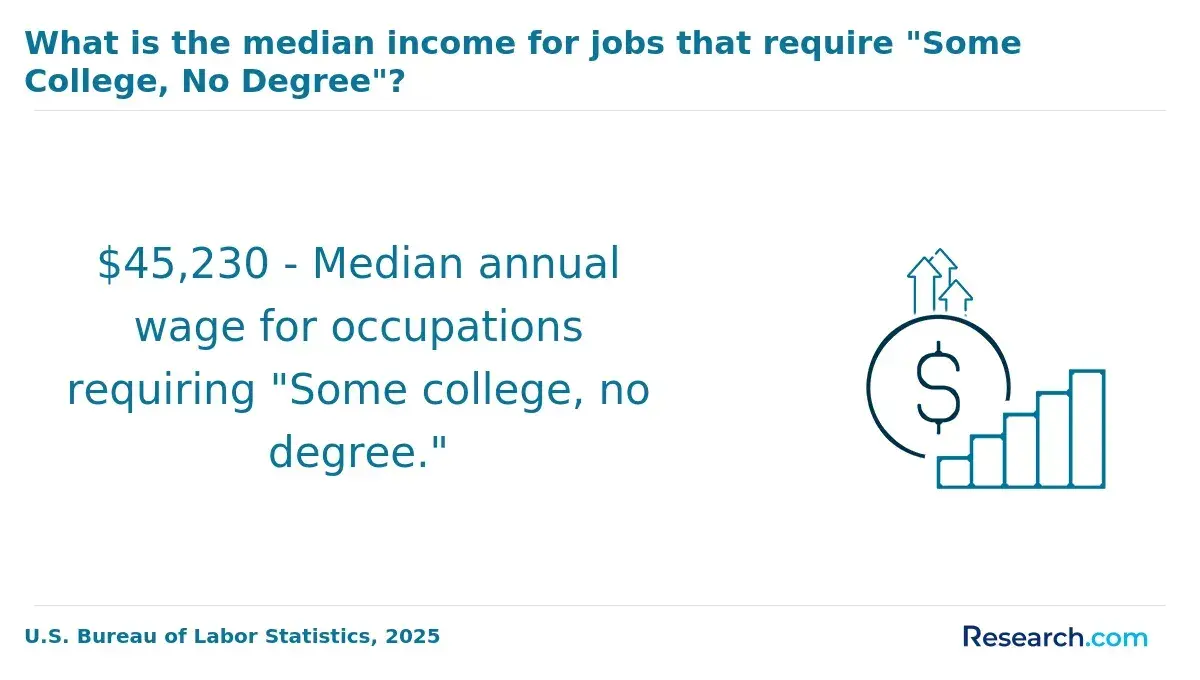
Financial returns for nurse educator graduates vary widely by industry, influenced not just by salary levels but also by the pace of career growth, hiring demand, and typical debt accrued during degree completion. Effective return on investment hinges on balancing income trajectories against borrowing amounts, with some sectors providing more reliable paths to managing student loan obligations.
Evaluating industries through this lens helps clarify which employment areas realistically support repayment capacity over time, rather than simply offering top-line wages.
- Hospital Systems and Large Health Networks: These employers tend to offer the highest initial salaries and more rapid advancement opportunities compared to academic positions. Data from the U.S. Bureau of Labor Statistics show nurse educators in hospital-affiliated roles earning salaries up to 20-30% above college-based counterparts, which significantly aids in offsetting typical borrower debt loads. The consistent demand for clinical instructors within these networks also supports greater job stability and incremental pay increases.
- Continuing Professional Education and Certification Bodies: Sectors focused on ongoing nurse training and credentialing frequently value educational expertise combined with clinical experience, providing competitive compensation with flexible employment models. Their niche nature means pay scales can vary, but many organizations offer employer-supported loan repayment programs, helping to improve overall financial returns.
- Healthcare Consultancy Firms: Organizations providing training strategy and curriculum development services often pay premiums for nurse educators who bring both teaching and clinical skills. The project-based work may yield fluctuating income, but high demand for specialized expertise can create lucrative opportunities, balancing borrowing burdens over time for those able to navigate these less traditional roles.
- Academic Institutions (Community Colleges and Smaller Universities): While these positions may come with more modest salaries and slower wage growth, the typically lower cost of entry-level programs and access to tuition remission or loan forgiveness can partially mitigate long-term risks. However, tighter institutional budgets limit salary increases, which may prolong loan repayment periods relative to other fields.
- Advanced Practice Education Programs: Growing demand for instructors in doctoral and post-master's nursing education can result in higher salary brackets, reflecting the advanced qualifications required. Despite the potential for greater earnings, the increased debt incurred for advanced degrees often elevates repayment risk unless supplemented by institutional loan assistance or sponsorship.
Does Student Debt Affect Which Jobs Nurse Educator Graduates Accept?
Student debt levels heavily influence the initial job acceptances of nurse educator graduates, particularly as they navigate salary expectations alongside repayment demands. Data from the National Student Loan Data System in 2024 shows that around 62% of graduates with loans favor positions offering loan repayment assistance or tuition reimbursement, highlighting how financial aid benefits sway employment decisions.
Those carrying monthly payments between $400 and $600 often prioritize roles in larger healthcare systems or private institutions where higher pay and explicit incentives ease repayment burdens. This imperative to secure immediate financial stability can divert graduates from traditional academic or clinical educator roles that tend to offer lower salaries but might better align with long-term career goals in nursing education.
The influence of debt extends beyond salary into broader behavioral and structural factors shaping career paths. Graduates burdened with heavier debt loads frequently accept jobs that limit geographic mobility or professional autonomy, constrained by the need for steady, sizable income streams.
Conversely, those with lighter debt may pursue academic positions despite lower pay, reflecting less urgent repayment pressure and greater alignment with educational missions. Employers' expectations for financial literacy and loan forgiveness navigation add complexity during early career stages, influencing workforce patterns across institutional and regional lines. Ultimately, these dynamics underscore how debt-to-income ratios and repayment plans materially shape employment trajectories, often prioritizing immediate financial relief over ideal job fit or long-term professional development.
One nurse educator graduate recounted hesitating during a rolling admissions cycle due to uncertainty around loan approval timing and its influence on job flexibility. She delayed her program application while exploring options for loan forgiveness programs and potential employer tuition benefits, wary of committing before clarifying financial implications. This waiting period caused stress but ultimately helped her accept a position that balanced repayment support with educational responsibilities, illustrating how debt concerns can interplay with admissions strategy and early career decision-making.
What Factors Increase Student Loan Repayment Risk for Nurse Educator Graduates?
Student loan repayment risk for nurse educator graduates stems from a complex interplay of financial, academic, and labor market factors that together influence long-term repayment capacity. Rather than a single issue, this risk reflects how borrowing levels align with post-graduation income stability, employment type, and economic conditions.
The monthly student loan payments and repayment challenges for nurse educators are shaped by these interconnected variables, requiring careful evaluation to mitigate potential financial vulnerability.
- High Debt Relative to Entry-Level Salaries: Nurse educator programs often demand significant graduate-level borrowing. About 48% of recent graduates hold loan balances over $60,000, a sum that can exceed typical starting salaries in academic nurse educator roles, resulting in heavy repayment burdens early in their careers and limited cash flow for other expenses.
- Slow Salary Growth and Wage Compression: Compared to clinical nursing positions, academic nurse educators experience slower salary increases due to funding constraints and the nature of faculty employment. This limits their ability to accelerate loan repayment, prolonging debt duration and increasing the risk of default or financial stress over time.
- Employment Instability and Income Fluctuation: Many nurse educator graduates work part-time, adjunct, or in variable contract roles, creating inconsistent income streams. This irregularity complicates monthly loan payments and reduces eligibility for employer-based repayment assistance or forgiveness programs, further heightening repayment vulnerability.
- Limited Targeted Loan Forgiveness: Few programs specifically address nurse educator debt through forgiveness, meaning graduates navigate repayment without substantial employer support. This gap places extra pressure on individual borrowers to manage debt independently amid fluctuating earnings.
- Financial Literacy and Repayment Guidance Deficits: Insufficient education on loan management and repayment options leaves many graduates unprepared for the complexity of student debt obligations, contributing to repayment difficulties and increased long-term financial risk.
Considering these factors is critical for nurse educator students facing borrowing decisions, especially against realistic income trajectories and job market conditions. For those comparing professional pathways, exploring alternatives like BCBA online programs may offer different cost-to-income dynamics worth evaluating alongside nurse educator options.
How Can Nurse Educator Students Reduce Student Loan Debt While Earning Their Degree?
Reducing student loan debt while pursuing a nurse educator degree requires strategic planning that combines financial awareness, academic efficiency, and informed use of institutional resources. Nurse educator students face a unique challenge balancing coursework, clinical hours, and financial obligations, making it vital to adopt approaches that minimize borrowing without compromising educational quality.
Data from the National Center for Education Statistics in 2024 emphasizes that students who maintain employment during their studies reduce their average debt by nearly 20%, underscoring the real-world impact of effective financial and academic strategies. Integrating practical repayment strategies early can significantly influence long-term financial outcomes for those navigating nurse educator student loan repayment strategies.
- Work While Studying: Maintaining part-time or full-time employment during the program offsets living expenses and reduces the necessity of high loan amounts. Balancing work with study commitments can be challenging but contributes to debt avoidance by limiting reliance on borrowing.
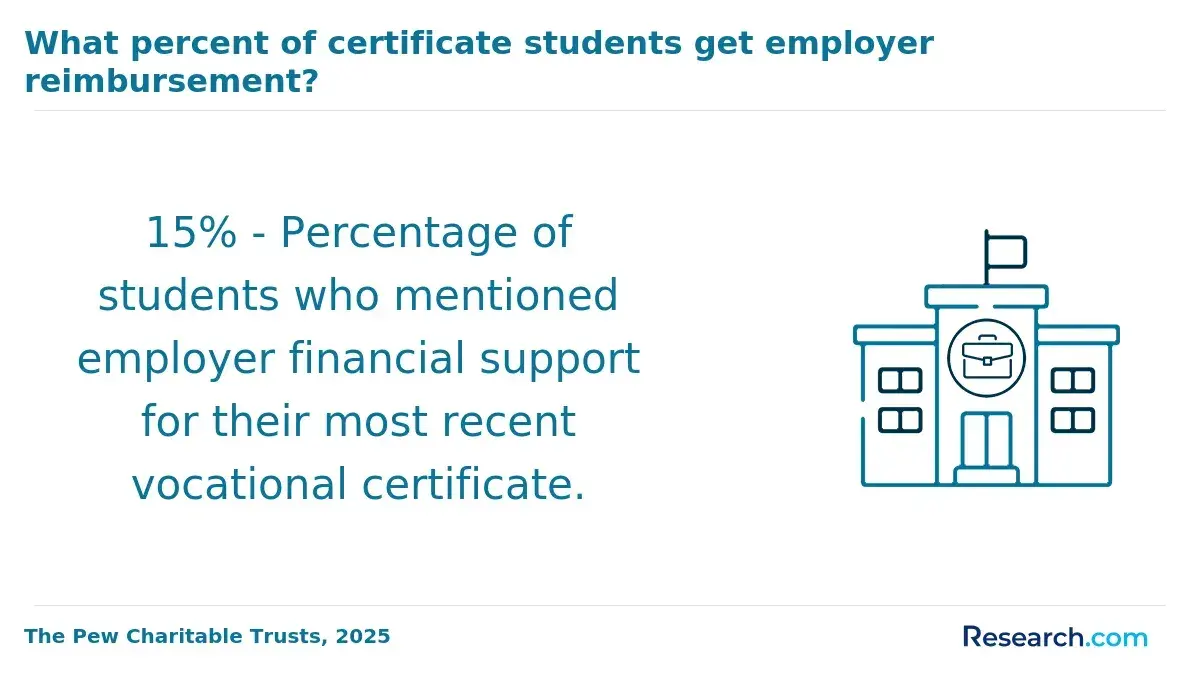
- Leverage Employer Tuition Assistance: Many healthcare employers offer tuition reimbursement programs contingent on post-graduation work commitments. This reduces upfront costs while aligning career and financial goals, lowering debt levels directly tied to enrollment.
- Choose Accelerated or Efficient Degree Pathways: Selecting programs designed for timely completion minimizes extended enrollment periods that typically increase cumulative student debt due to prolonged tuition payments and living expenses.
- Utilize Federal Loan Forgiveness Programs: Programs such as Public Service Loan Forgiveness provide debt relief for nurse educators employed in qualifying institutions after a decade of service. Understanding and planning for these options early can limit long-term repayment burdens.
- Optimize Academic Scheduling: Strategically planning course loads to avoid unnecessary credits lowers borrowing needs. Efficient credit completion reflects practical academic planning critical for debt minimization.
- Seek Accredited Programs Featuring Flexible Formats: Enrolling in accredited part-time or online programs allows nurse educator students to combine work and study effectively, reducing the need for loans. Many students find programs with flexible scheduling better suited to managing both financial and academic pressures.
- Investigate Alternative and Complementary Credentials: Some students may explore related pathways, such as the easiest SLP master's to get into, that complement nurse educator qualifications, potentially shortening educational trajectories and reducing debt.
How Should Prospective Students Evaluate Borrowing Risk Before Enrolling?
Evaluating borrowing risk before enrolling in a nurse educator degree program is essential to understand the long-term financial impact of student loans. Prospective students must weigh total expected debt against realistic post-graduation earnings to determine if the investment aligns with their financial goals.
This process involves a detailed examination of institutional costs, repayment capacity, and market demand for nurse educators.
- Debt Load Relative to Local Salary Benchmarks: Comparing likely student debt to average starting salaries in the intended employment region reveals the feasibility of timely loan repayment and ongoing financial stability.
- Projected Salary Growth and Job Market Demand: Anticipating slower salary increases in educational roles versus clinical nursing helps assess whether income will keep pace with loan obligations over time.
- Program Alignment with Employer Expectations: Ensuring curricular content and qualifications meet market needs can enhance job placement prospects, thereby improving return on investment.
- Access to Financial Support Mechanisms: Availability of scholarships, employer tuition assistance, or loan forgiveness programs specific to nurse educators can substantially reduce net borrowing risk.
- Estimated Monthly Loan Payments Versus Take-Home Pay: Calculating realistic repayment amounts within future income frameworks aids in evaluating whether debt servicing is manageable without undue financial stress.
According to 2024 data from the National Center for Education Statistics, nearly 45% of nursing education graduates carry debt exceeding $40,000, underscoring the necessity of rigorous borrowing risk evaluation before enrollment.
References
- How Student Debt Relief and Loan Forgiveness Can Help Solve Educator Shortages | NEA https://www.nea.org/resource-library/how-student-debt-relief-and-loan-forgiveness-can-help-solve-educator-shortages
- Effect of Nursing Student Loans https://www.brighthorizons.com/article/education/the-profound-effect-of-nursing-student-loans
- Top Three Myths about the Nurse Faculty Loan Program https://blog.methodistcollege.edu/top-3-myths-about-the-nurse-faculty-loan-program
- 143 Student Loan Forgiveness Programs (2026): Complete List https://educationdata.org/student-loan-forgiveness-programs
- How Student Loan Debt Impacts Your College ROI https://www.lendkey.com/blog/student-loans/how-student-loan-debt-impacts-your-college-roi/
- How Nurse Practitioners Can Manage Student Loans While Advancing Their Careers https://www.peoplejoy.com/article/how-nurse-practitioners-can-manage-student-loans-while-advancing-their-careers
- Nursing and Student Loan Repayment https://meetpaidly.com/blog/average-nursing-school-debt-repayment
- Student Loan Debt Among Nurses in the US | Highway Benefits https://www.highwaybenefits.com/post/student-loan-debt-among-nurses-in-the-us
- Nurse Educators of Tomorrow Program (NET) - Inactive Program - NCSEAA https://www.ncseaa.edu/forgivable-loans-net/
- Proposed Loan Changes Put Nursing Education at Risk | Docwire News https://www.docwirenews.com/post/proposed-loan-changes-put-nursing-education-at-risk
Other Things You Should Know About Nurse Educator
Accelerated nurse educator programs often promise quicker completion but tend to concentrate coursework into intense study periods, which can limit part-time work opportunities. This compressed schedule may lead students to rely more heavily on loans, increasing borrowing levels and monthly payments. Prospective students should prioritize programs that balance manageable course loads with realistic timelines to reduce reliance on debt and support consistent income streams during study.
Programs with demanding clinical hours and teaching practicums often reduce the time available for paid employment, forcing students to borrow more. This higher debt load can result in larger monthly payments after graduation, challenging early-career nurse educators who may face entry-level salaries lower than clinical nursing roles. Selecting programs with flexible scheduling or employer-partnerships that include tuition support can help mitigate repayment difficulties.
Not all nurse educator roles offer rapid salary growth or stable funding, especially in academic or smaller health institutions. Graduates entering environments without secure long-term contracts or clear promotion pathways face greater repayment risks if initial salaries barely cover living expenses alongside loan payments. Prioritizing employment in institutions with established support for faculty development and competitive compensation can reduce debt-related strain.
While programs with robust networks may facilitate better employment prospects, the incremental debt can be risky if networking doesn't translate to higher-paying or stable educator positions. Students should critically assess whether connections genuinely lead to improved job placement or salary advancement before incurring additional borrowing. Investing in programs that balance cost and demonstrated career outcomes offers more prudent long-term debt management.