2027 Nurse Educator Skills Gap Analysis: What Employers Want vs What Degree Programs Teach

Co-Founder and Chief Data Scientist
A prospective nurse educator graduate reviews job postings, noticing a recurring emphasis on skills like curriculum development, clinical simulation, and faculty leadership that their degree program barely addressed. Despite strong academic performance, the graduate feels unprepared to meet these practical demands, raising questions about how well educational programs align with employer needs. This disconnect can lead to frustration and challenges in securing a relevant position.
Employers expect nurse educators to integrate theory with practice, lead diverse learner groups, and manage evolving healthcare education technologies. Degree programs often emphasize theoretical knowledge and less on applied competencies, creating a gap in workforce readiness. This article examines the specific skills employers seek versus what nurse educator programs typically teach and offers insights to help students and graduates close these gaps effectively.
Key Things to Know About Nurse Educator Skills Gap
- Employer feedback shows degree programs focus heavily on theory, but practical skills like curriculum design and simulation-based teaching are often underemphasized, creating a gap new nurse educators must bridge independently.
- Graduates face expectations to master advanced communication, data-driven student assessment, and adaptive technology use beyond classroom instruction, signaling the need for continuous self-directed learning post-graduation.
- Proactively seeking clinical mentorships and involvement in interdisciplinary projects before graduation significantly improves career readiness, helping students align academic knowledge with evolving workplace demands and lowering transition friction.
- Key Things to Know About Nurse Educator Skills Gap Key Things to Know
- What Skills Do Employers Expect From Nurse Educator Graduates? Employer Expectations
- What Do Nurse Educator Degree Programs Typically Teach? Program Curriculum
- Where Is the Biggest Skills Gap Between Nurse Educator Programs and Employers? Biggest Skills Gap
- Which Technical Skills Are Most Important for Nurse Educator Careers? Technical Skills
- Which Workplace Skills Matter Beyond Technical Knowledge? Workplace Skills
- How Do Internships and Real-World Experience Improve Career Readiness? Career Experience
- How Can Students Close the Nurse Educator Skills Gap Before Graduating? Closing Skills Gap
- How Is the Nurse Educator Job Market Changing Employer Skill Requirements? Job Market
- How Do Different Nurse Educator Programs Compare in Career Preparation? Career Preparation
- How Should Students Choose a Nurse Educator Program That Builds Career-Ready Skills? Choosing a Program
What Skills Do Employers Expect From Nurse Educator Graduates?
Nurse educator graduates entering the workforce in 2024 face employer demands that blend technical mastery with essential interpersonal abilities. Labor market data from Lightcast highlights that over 70% of openings for nurse educators emphasize both curriculum innovation and communication proficiency. This reflects the healthcare sector's ongoing digital transformation paired with the complexity of cross-disciplinary teaching environments.
For instance, a graduate may need to swiftly adapt simulation scenarios to remote learning platforms while addressing diverse student needs within the same program. Understanding these nuanced expectations helps clarify which competencies most impact job readiness and long-term career sustainability.
Below are critical skills employers expect from nurse educator graduates, reflecting a balance of educational theory and practical competence.
- Curriculum Development Expertise: Employers prioritize graduates who can design evidence-based, adaptable curricula that incorporate emerging healthcare trends and technology. This skill generally develops through hands-on educational projects and collaboration with clinical partners, enabling graduates to align teaching goals with workforce demands.
- Technological Integration Skills: Proficiency in virtual learning platforms, electronic health record (EHR) systems, and simulation tools is increasingly mandatory. Nurse educators trained in these technologies facilitate more engaging, accessible instruction and support data-driven student assessment.
- Communication and Interpersonal Skills: Effective liaison between clinical staff and academic teams is vital. These skills foster mentorship, foster collaborative learning environments, and ensure clear transmission of complex healthcare concepts. Typically honed during practicum experiences, they underpin successful teamwork and student advocacy.
- Cultural Competence and Emotional Intelligence: Graduates must demonstrate sensitivity to diverse learner backgrounds and patient populations. This facilitates inclusive teaching methods and prepares students for equitable care delivery. Such competencies are often embedded within program diversity training and reflective practice.
- Critical Thinking and Adaptability: Nurse educators need to analyze evolving healthcare guidelines and educational protocols critically. The ability to pivot instructional approaches in response to changes ensures ongoing relevance and compliance. This skill grows through exposure to current research and real-world problem-solving.
- Leadership and Advocacy: Employers expect nurse educators to champion student success and contribute to broader health system improvements. Leadership opportunities in internships and committee involvement cultivate this capacity, which is crucial for career progression beyond entry-level roles.
Prospective students consider how degree programs address these essential nurse educator skills for employers to strengthen workforce readiness. Those exploring accelerated pathways might evaluate options such as accelerated medical assistant programs as part of a strategic education plan that builds complementary clinical experience alongside pedagogical training.
What Do Nurse Educator Degree Programs Typically Teach?
Completion rates and career satisfaction for nurse educator degree programs often hinge on how well the curriculum aligns with the complex demands of educational and clinical environments. Whether pursued online, hybrid, or on campus, these programs are designed to equip students with core skills that balance pedagogy and practical application-a balance that can influence a graduate's effectiveness and employability.
For instance, a nurse educator entering a hospital-based academic role must not only design engaging coursework but also navigate faculty governance and institutional leadership dynamics. This real-world scenario highlights the importance of understanding both instructional methods and organizational competencies.
Below are key competencies and knowledge areas typically emphasized in nurse educator degree curriculum overviews.
- Teaching Methodologies: Programs generally focus on adult learning theories and evidence-based instructional design. This emphasis prepares educators to create engaging, student-centered learning experiences adaptable to classroom and clinical settings, fostering deeper knowledge retention.
- Curriculum Development Skills: Students learn to design, evaluate, and revise curricula using contemporary standards. This competence is vital for maintaining program relevance and meeting accreditation requirements, thus ensuring long-term program viability.
- Assessment and Evaluation: Instruction in formative and summative assessment methods enables nurse educators to measure student progress effectively and refine teaching strategies, directly impacting learner outcomes and competency assurance.
- Educational Technology Integration: Given that over 85% of programs now include simulation-based and technology-enhanced learning, students develop proficiency in digital tools that support experiential and interprofessional education, reflecting evolving healthcare education trends.
- Leadership and Administration: While often less emphasized, foundational skills in leadership, faculty governance, and strategic planning are included to varying extents. These skills support career advancement beyond teaching roles, enabling educators to influence institutional policies and educational change.
- Research Literacy and Scholarship: Preparing nurse educators to engage in research and quality improvement projects equips them to contribute to evidence-informed practice, although converting research into policy remains a curricular challenge.
- Practical Clinical Instruction: Programs teach effective clinical teaching methods to bridge theory and practice, ensuring educators can mentor students in applying knowledge safely and competently in real healthcare environments.
The emphasis on these areas varies by institution and format, but they represent core competencies that shape the learning outcomes and overall effectiveness of nurse educator programs. Prospective students comparing delivery modes should consider how each format addresses these key skills to assess alignment with their professional goals and learning preferences. For those interested in related fields, exploring an online masters in nutrition and dietetics program might offer complementary insights into curriculum structure and competency integration.
Where Is the Biggest Skills Gap Between Nurse Educator Programs and Employers?
The primary disconnect between nurse educator programs and employer expectations revolves around practical, technology-driven teaching skills rather than foundational educational theory. According to a 2024 National League for Nursing report, nearly 60% of employers indicate that recent graduates lack proficiency in simulation techniques and digital instructional tools.
This gap reduces new educators' ability to manage today's complex and often hybrid learning environments effectively. Addressing these shortcomings before entering the workforce requires targeted experience beyond traditional coursework. Key areas where nurse educator candidates should focus their preparation include:
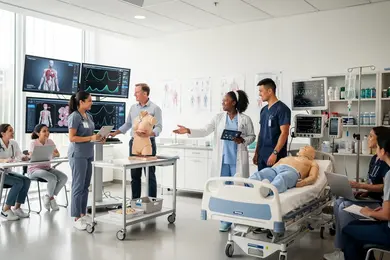
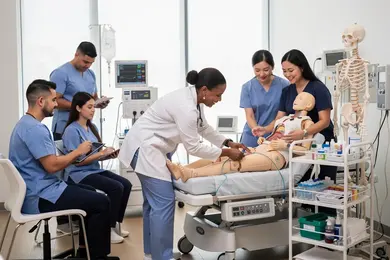
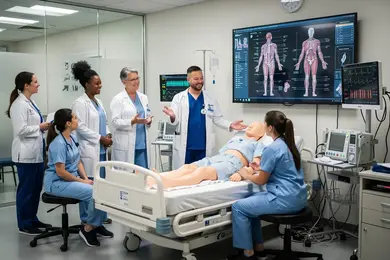
- Simulation and Technology Integration: Many programs emphasize theoretical knowledge but underprepare students in applying simulation-based learning and digital assessments. This shortfall impacts the educator's ability to engage learners through interactive clinical scenarios. Gaining practicum hours in technology-rich settings or certifications in instructional technologies can mitigate this gap.
- Curriculum Development and Competency Alignment: New educators often struggle to design curriculum and assessments aligned with competency-based models now standard in nursing education. This hinders effective measurement of student outcomes and professional readiness. Participating in curriculum planning projects or workshops on outcome-based education provides critical hands-on practice.
- Leadership and Collaborative Communication: Employers report that novice nurse educators frequently lack skills for interdisciplinary teamwork and mentoring, crucial for clinical mentorship roles. Developing these skills through interprofessional education partnerships or leadership seminars prepares graduates for real-world educational dynamics.
- Adapting to Hybrid and Online Modalities: Rapid shifts to blended and fully online instruction require fluency in diverse delivery formats. Gaps here cause challenges in student engagement and content accessibility. Seeking opportunities to co-teach or assist in online courses while still in training improves adaptability.
Which Technical Skills Are Most Important for Nurse Educator Careers?
Technical skills play a crucial role in translating academic knowledge into effective practice for nurse educators. As healthcare teaching environments evolve alongside new technologies and shifting clinical practices, the skill set demanded by employers increasingly incorporates digital tools and data management alongside traditional nursing techniques.
The most valuable technical competencies for nurse educators reflect this dual need: they facilitate robust, evidence-based instruction while preparing students to meet the realities of modern healthcare delivery. Industry research from 2024 indicates over 70% of nursing education employers seek candidates with proven expertise in healthcare informatics and virtual learning platforms.
Below are key technical skills prioritized in nurse educator roles.
- Simulation Technology Expertise: Mastery of high-fidelity simulation tools allows nurse educators to replicate clinical scenarios for hands-on student learning. This skill develops through specialized coursework and lab experiences, enabling instructors to create immersive training that bridges theory and practice.
- Electronic Health Records (EHR) Proficiency: Familiarity with EHR systems ensures educators can teach documentation and data retrieval that align with actual healthcare workflows, improving graduates' readiness for digital recordkeeping demands.
- Learning Management Systems (LMS) Competence: Competency in LMS software supports the design and delivery of curriculum content online, facilitating both asynchronous and synchronous learning essential in today's hybrid education models.
- Data Literacy and Analytics: The ability to interpret student performance data and clinical outcomes guides curriculum adjustments. Educators gain this skill through training in outcome measurement tools, which enhances program effectiveness and evidence-based decision-making.
- Interprofessional Communication Platforms: Proficiency in digital collaboration tools equips nurse educators to foster teamwork across medical disciplines, reflecting the interdisciplinary nature of healthcare practice.
- Curriculum Design Software Skills: Using digital solutions for curriculum planning and assessment development allows for efficient, customizable education tailored to evolving competency requirements.
- Telehealth and Virtual Teaching Aptitude: Experience with remote patient care technologies and online instruction platforms is increasingly vital, enabling nurse educators to prepare students for expanding telemedicine roles within clinical settings.
Which Workplace Skills Matter Beyond Technical Knowledge?
Technical expertise acquired during a Nurse Educator degree forms a necessary foundation, but career success relies heavily on skills that extend beyond clinical and pedagogical knowledge. Employers report that gaps persist in essential interpersonal skills for nurse educators, which affects both classroom effectiveness and clinical instruction.
For instance, a nurse educator might face a scenario where adapting teaching methods swiftly to a new technology implementation is critical to maintaining student engagement and meeting evolving curriculum standards. Data from the 2024 American Association of Colleges of Nursing highlights that employers prioritize durable skills alongside technical mastery, with 78% emphasizing professional competencies as key hiring factors.
The workplace competencies nurse educator employers seek include:
- Effective Communication: Clear verbal and written communication is vital for conveying complex clinical content and fostering collaboration with interprofessional teams. Programs can enhance this skill by integrating teaching practicums and peer feedback opportunities, promoting long-term success in diverse educational settings.
- Cultural Competence: Addressing health education disparities requires nurse educators to be culturally aware and inclusive. Coursework focusing on diversity and health equity enables students to better meet the needs of increasingly varied student populations and patient communities.
- Leadership and Change Management: Navigating curricular reforms and technological integration calls for strong leadership. Experiential learning through mentorship roles and quality improvement projects helps cultivate initiative and resilience valued by employers.
- Adaptability: The healthcare education landscape is dynamic, demanding educators who can swiftly adjust to policy shifts and emerging trends. Flexibility developed through simulation exercises and real-world problem-solving enhances readiness for such challenges.
- Emotional Intelligence: Self-awareness and empathy support effective mediation of student challenges and stress management. Reflective practice and professional development focused on interpersonal sensitivity strengthen this competence.
Prospective nurse educators who intentionally develop these professional skills alongside their technical curriculum position themselves to meet employer expectations more fully and sustain rewarding careers. For those considering further educational pathways that complement these skills with health administration insights, exploring online MHA programs can be a strategic option.
How Do Internships and Real-World Experience Improve Career Readiness?
Classroom instruction alone frequently falls short in fully preparing nurse educator students for the dynamic realities of the professional environment. While theoretical knowledge forms the foundation, applying that knowledge in real settings cultivates critical judgment, adaptability, and confidence-traits essential for effective teaching in healthcare. For example, a student who has only studied curriculum development may struggle to adjust lesson plans to diverse learner needs until exposed to actual clinical education scenarios where swift decisions and personalized approaches are required.
Internships and related experiential learning opportunities enhance both technical competence and professional skills, offering firsthand exposure to workplace norms such as communication with colleagues, familiarity with institutional policies, and understanding accreditation requirements. These experiences also expand networking possibilities and provide insight into specific career paths within nursing education. However, access to well-structured internships varies widely by program and geographic region, making proactive pursuit and thoughtful selection of placements crucial for maximizing benefit.
Prospective nurse educator students can strengthen their career readiness by seeking internships early in their academic journey, engaging actively in applied projects, and building relationships with mentors and peers in the field. Reflecting critically on these experiences and linking them to personal career objectives solidifies learning beyond textbooks and better positions graduates for employment. Supporting data from the National League for Nursing's 2024 report shows nurse educators with structured internship experience have a 15% higher employment rate within six months after graduation, highlighting that hands-on practice complements academic success and continuous skill development in achieving workforce readiness.
How Can Students Close the Nurse Educator Skills Gap Before Graduating?
Students pursuing a nurse educator degree do not need to wait until after graduation to develop the skills employers demand. Gaining real-world competencies alongside academic theory enhances readiness and distinguishes candidates in a competitive job market. Early engagement with practical experiences not only deepens understanding but also builds confidence in handling the multifaceted responsibilities of clinical teaching and curriculum management.
Research from the National Center for Education Statistics in 2024 found that students completing internships in nurse education settings demonstrate a 30% higher readiness for employment than those without such experience. Below are key strategies for shrinking the skills gap before finishing a program.
- Targeted Internships: Pursuing internships directly in nurse educator roles exposes students to daily teaching challenges and institutional expectations. This hands-on experience bridges abstract coursework with workplace realities and helps develop pedagogical skills employers prioritize.
- Undergraduate Research: Participating in education-focused research projects cultivates critical thinking and data literacy relevant for curriculum development and assessment. The Association of American Colleges & Universities reported in 2024 that such involvement enhances adaptability to evolving academic standards and leadership potential.
- Project-Based Learning: Engaging in projects simulating educator duties, like lesson planning or student evaluation, strengthens communication and organizational skills crucial for the role. These targeted tasks enable students to practice problem-solving in context, improving overall preparedness.
- Certification Pursuit: Obtaining credentials such as the Certified Nurse Educator (CNE) validates expertise in teaching methods and current best practices. Though requiring extra time and expense, certifications significantly increase marketability and can positively influence salary outcomes.
- Practicum Integration: Selecting programs that embed practicums simulating real-world educator activities allows students to apply theory under supervision. This experiential learning reduces transition friction from academic settings to professional environments.
- Networking with Professionals: Building relationships with practicing nurse educators and academic staff provides mentorship and insight into emerging workforce needs, helping students tailor their development to actual employer expectations.
How Is the Nurse Educator Job Market Changing Employer Skill Requirements?
Technological innovation and shifting healthcare priorities are reshaping employer skill requirements for nurse educators. Automation, electronic health records, and simulation-based learning tools demand that nurse educators possess not only clinical knowledge but also digital literacy and the agility to integrate emerging technologies into teaching. The U.S. Bureau of Labor Statistics and Lightcast data highlight that these competencies are increasingly prioritized alongside traditional educational expertise, reflecting broader nurse educator job market trends toward tech-enabled instruction.
These evolving expectations elevate the importance of both technical and professional skills. Employers seek nurse educators adept at fostering critical thinking, cultural competence, and interprofessional collaboration, which are essential in preparing nursing students for complex, frontline healthcare environments. The World Economic Forum points to adaptability as a crucial trait for educators who must respond to rapid clinical protocol changes and varied patient needs. LinkedIn's 2024 analysis also underscores a persistent skills gap in leadership and experiential teaching methods, linking workforce readiness to continuous learning and real-world experience.
For prospective students, this means success depends on more than academic knowledge alone. Combining foundational coursework with internships, applied projects, healthcare technology certifications, and professional networking strengthens employability. Supplementing education with targeted development in areas such as diversity and inclusion or healthcare tech can help bridge the gap between program offerings and employer needs, similar to how understanding how to be a nurse practitioner requires practical preparation for evolving labor market realities.
How Do Different Nurse Educator Programs Compare in Career Preparation?
Career preparation in nurse educator degree programs depends on more than just the credential earned; it hinges on how well programs connect education with practical workforce demands. Graduates often find that programs emphasizing theoretical knowledge without immersive teaching practice leave them less capable of handling real classroom and interprofessional challenges.
Recent 2024 data from respected government and educational sources reveal that programs integrating clinical expertise with pedagogical skills and workplace simulations yield higher employment rates and employer satisfaction among their graduates. Below are key factors prospective students should evaluate when comparing nurse educator programs to assess career readiness effectively.
- Clinical and Pedagogical Balance: Programs must blend deep clinical experience with effective teaching methods. Those focused solely on clinical or educational theory risk underpreparing students for workforce realities, where both sets of skills are crucial. Prospective students should seek curricula that equally emphasize these areas to match diverse career role requirements.
- Practical Training and Simulation: Hands-on opportunities like simulation labs and mentorships provide immediate familiarity with classroom dynamics and instructional technologies. Programs vary widely in these offerings, making practical training a critical benchmark for workforce readiness in the nurse educator degree program career readiness context.
- Interprofessional Communication and Leadership: Employers increasingly demand nurse educators who excel in collaboration and leadership within healthcare education teams. Programs omitting training in these skills often leave graduates unprepared for faculty collaboration and curriculum design responsibilities, which can limit career progression.
- Graduate Outcomes Transparency: Programs that report measurable graduate success-such as employment rates and employer feedback-offer valuable insights for students choosing where to invest time and resources. Evidence-based program comparisons help align student expectations with realistic career pathways.
For example, a nurse educator graduate from a program lacking comprehensive simulation experiences may struggle managing diverse classrooms or implementing innovative instructional strategies, highlighting the importance of reviewing program details beyond the degree title. Prospective students can deepen their understanding of education costs and program structures by consulting resources such as the speech pathology degree cost online guide, which illustrates comparative tuition frameworks often relevant across allied health educator programs.
How Should Students Choose a Nurse Educator Program That Builds Career-Ready Skills?
Choosing between online, hybrid, or campus nurse educator programs influences long-term career readiness and professional growth. Each format offers distinct advantages and limitations related to skill development, networking, and adaptability to evolving healthcare education demands. Selecting the right learning path depends on personal circumstances and professional goals. Key considerations include:
- Clinical Exposure Opportunities: Campus programs typically provide more direct access to clinical teaching practicums and simulation labs, fostering hands-on skills valued by employers. Online formats may rely on virtual simulations, benefiting self-directed learners but possibly limiting immersive experiences.
- Technology Integration Skills: Online and hybrid models enhance competence with digital teaching platforms and remote communication tools, crucial in technology-enhanced pedagogy emphasized by the National League for Nursing and Department of Education.
- Scheduling Flexibility: Online programs offer maximum flexibility, ideal for working professionals or caregivers, while campus formats demand fixed schedules that may better suit those preferring structured routines.
- Networking and Collaboration: Campus learning fosters immediate interprofessional collaboration and mentorship, whereas hybrid formats balance face-to-face and digital interactions, supporting diverse learning preferences.
- Long-Term Career Advancement: Studies show programs with strong healthcare partnerships and evidence-based teaching focus yield higher graduate employment rates across formats; students should evaluate these metrics alongside format choice.
- Cost and Time Trade-Offs: Online pathways often reduce commuting and relocation costs but may extend completion time if self-paced; campus programs might accelerate progression but increase expenses.
- Adaptability to Workforce Changes: Hybrid formats promote lifelong learning habits by combining evidence-based methodologies with flexible access to continuing education, supporting sustained professional growth amid healthcare's evolving challenges.
References:
- 5 Career Options for Nurse Educator Graduates https://online.worcester.edu/programs/nursing/msn-educator/careers-for-nurse-educator-graduates/
- NHS England » Nursing and midwifery educator framework https://www.england.nhs.uk/long-read/nursing-and-midwifery-educator-framework/
- #31350: Communication and Soft Skills in Nursing Practice https://www.netce.com/course/content/communication-and-soft-skills-in-nursing-practice/31350/2680
- Nurse Educator Career Guide: How to Become a Nurse Instructor https://nurseslabs.com/nurse-educator-nurse-instructor-career-guide/
- A Deep Dive Into a Nurse Educator Career | ACE Blog https://ace.edu/blog/a-deep-dive-into-a-nurse-educator-career/
- The Growing Demand for Nurse Educators and How to Become One - Purdue University Northwest https://www.pnw.edu/demand-for-nurse-educators/
- 7 Important Trends Shaping the Future of Nursing Careers | BioInformant https://bioinformant.com/7-important-trends-shaping-the-future-of-nursing-careers/amp/
- Nursing Communications - TMR Publishing Group https://www.tmrjournals.com/article.html
- Which Nursing Career Is Best for You — Nurse Educator or Nurse Administrator? | Bradley University Online https://onlinedegrees.bradley.edu/blog/which-nursing-career-is-best-for-you-nurse-educator-or-nurse-administrator
- Core Competencies for Academic Nurse Educators https://www.nln.org/education/nursing-education-competencies/core-competencies-for-academic-nurse-educators
Other Things You Should Know About Nurse Educator
Employers increasingly prioritize nurse educators who can adapt teaching methods to diverse clinical settings and learner needs, but many degree programs follow rigid, standardized curricula that limit development of such flexibility. This misalignment means graduates might struggle with real-time curriculum adjustments or innovative instructional strategies expected in dynamic healthcare environments. Prospective students should seek programs offering varied practical experiences or electives that encourage pedagogical experimentation to better meet employer demands.
Many programs emphasize comprehensive theoretical foundations at the expense of hands-on teaching practice, resulting in graduates who understand nursing education concepts well but lack effective classroom management or technology integration skills. Employers value those ready to lead from day one, so prioritizing programs with balanced theory and applied teaching opportunities is critical. Students should assess how well a program integrates simulated or actual teaching experiences rather than assuming academic rigor alone ensures employability.
Mentorship is frequently cited by employers as crucial for preparing future nurses, yet nurse educator programs often underdeliver on structured mentorship training. Without formal preparation, graduates are less equipped to guide novice nurses or adapt mentorship to varied learner challenges, weakening workforce development impacts. Candidates should prioritize programs that embed mentorship frameworks and offer faculty-guided mentoring experiences to gain relevant skills aligned with employer priorities.
Workload management is a practical skill rarely emphasized in nurse educator curricula but vital for balancing teaching, research, and administrative responsibilities in healthcare education roles. Programs that at least introduce time management, prioritization, and stress coping strategies provide graduates with tools to handle real-world demands more effectively. Because poor workload management leads to higher burnout risk and turnover, prospective students should weigh this factor heavily when evaluating program preparedness for workplace realities.