2027 Nurse Educator Affordability by State: Where Students Pay the Most and Least

Co-Founder and Chief Data Scientist
Choosing between two nurse educator programs often presents stark tuition contrasts, especially when in-state versus out-of-state rates are considered. A prospective student might find that selecting a lower tuition program in another state becomes less economical after factoring in increased living expenses and travel costs. Recent 2024 data from the National Center for Education Statistics reveal that average out-of-state tuition can be nearly 70% higher than in-state fees, reflecting significant policy and funding disparities.
This sharp tuition divide influences borrowing needs and career timing for nurse educator students balancing affordability against program quality and location. This article examines state-by-state nurse educator affordability to illuminate where financial barriers are highest and lowest, aiding budget-conscious students in making well-informed enrollment decisions.
Key Things to Know About Nurse Educator Affordability by State
- State tuition disparities often reflect differing public funding; for example, 2024 data show in-state Nurse Educator tuition in states with higher funding averages 35% less, influencing students' decisions to enroll locally versus out-of-state despite competitive program quality.
- Lower tuition states may impose higher living costs or reduce clinical placement support, which negatively impacts workforce readiness and employer preferences for graduates with comprehensive, practical experience.
- Online Nurse Educator programs frequently shift expenses rather than reduce total cost; students risk extended program duration or hidden fees, affecting timely completion and increasing long-term borrowing burden.
- Key Things to Know About Nurse Educator Affordability by State Key Things to Know About Nurse Educator Affordability by State
- Which States Have the Most Affordable Nurse Educator Degree Programs? Most Affordable State Programs
- Which States Have the Highest Nurse Educator Degree Costs? Highest State Tuition Costs
- How Much Does a Nurse Educator Degree Cost by State? Degree Costs by State
- Why Does Nurse Educator Affordability Vary So Much Between States? State Affordability Variations
- How Do In-State and Out-of-State Tuition Rates Affect Nurse Educator Affordability? In-State vs. Out-of-State Rates
- How Does the Cost of Living Impact Overall Nurse Educator Affordability by State? Living Costs and Affordability
- Which States Offer the Best Value for a Nurse Educator Degree? Best Value State Degrees
- What Financial Aid and Scholarship Opportunities Can Reduce Nurse Educator Costs? What Financial Aid and Scholarship Opportunities Can Reduce Nurse Educator Costs?
- Are Online Nurse Educator Degree Programs More Affordable Than On-Campus Options? Are Online Nurse Educator Degree Programs More Affordable Than On-Campus Options?
- Is a Nurse Educator Degree Worth the Cost Based on Career Outcomes and ROI? Degree ROI and Outcomes
Which States Have the Most Affordable Nurse Educator Degree Programs?
States that consistently offer the most affordable nurse educator degree programs by state tend to do so because of deliberate public higher education funding strategies combined with residency-based tuition advantages. For example, Wyoming's public institutions charge median tuition fees significantly below the national average, reflecting state priorities to expand access through reduced financial barriers for residents. This approach not only lowers initial education costs but also impacts long-term financial planning for students, especially those who can qualify for in-state tuition; out-of-state students often face substantially higher fees, which can alter enrollment decisions or extend time to degree completion as they seek supplemental funding. These dynamics highlight the importance of understanding how state-level policies and institutional pricing interplay to affect the total cost and accessibility of advanced nursing education.
Beyond tuition, affordability also hinges on regional living costs and financial aid landscapes, which vary widely across the country and influence overall enrollment feasibility. States like New Mexico and Mississippi combine low in-state tuition with lower daily expenses and targeted grants for healthcare fields, enhancing budget-conscious students' ability to manage program costs without incurring prohibitive debt. Conversely, states with dense nursing markets and higher living costs, such as California or Massachusetts, present tradeoffs where institutional prestige or program availability may come at a greater price, potentially affecting career return on investment. Since tuition rates and local expenses are critical for planning purposes, prospective students must weigh these factors carefully and may find that programs, including DNP online programs, offer flexible, cost-saving alternatives that align with their financial and professional objectives.
Which States Have the Highest Nurse Educator Degree Costs?
States with the highest nurse educator degree costs typically reflect a combination of local economic pressures, limited public subsidy models, and institutional mix rather than arbitrary pricing disparities. In regions like California and New York, elevated living expenses drive universities to raise tuition and fees to cover increasing operational costs, including faculty salaries and campus maintenance. Moreover, the scarcity of publicly funded nurse educator programs in these states funnels many students toward private institutions with steeper price tags. Residency rules further complicate affordability, as some students do not qualify for in-state rates unless they meet strict local residency requirements, forcing out-of-state learners to bear significantly higher expenses. According to 2024 data from the National Center for Education Statistics, public master's programs for nurse educators in California can exceed $16,000 annually for in-state students, with private options often doubling that figure.
These regional cost dynamics lead students to weigh practical tradeoffs between attending highly regarded but expensive programs in high-cost states and opting for more affordable education in states with broader public funding and residency inclusivity. Some may consider online alternatives to mitigate living expenses, though this approach also entails evaluating how well programs support clinical placements and employer networks vital to nurse educator roles. Financial aid availability and expected employment prospects in local healthcare systems influence decisions as well, highlighting the need to assess whether the premium paid in high-cost states translates into superior job market positioning or if more affordable pathways could yield similar career outcomes without long-term financial strain.
A nurse educator student recalled spending months comparing programs in neighboring states after realizing out-of-state tuition would nearly double her total debt load, despite the local university's prestigious reputation. She hesitated over relocating due to the lack of in-state benefits and rising city living costs, ultimately choosing an online program from a state with broader residency eligibility and lower ancillary fees. While she acknowledged feeling some uncertainty about missing direct campus connections, she found relief in reduced financial stress and appreciated the program's robust clinical placement assistance, underscoring how nuanced program logistics and cost structures heavily shaped her educational strategy.
How Much Does a Nurse Educator Degree Cost by State?
State-level differences in funding priorities and residency policies create substantial variation in the cost of nurse educator degrees, making location a critical factor for budgeting and enrollment decisions. For instance, the National Center for Education Statistics reports that annual tuition for in-state students at public universities spans from around $6,000 in states like Wyoming to over $15,000 in California, while out-of-state students can face fees that exceed $40,000 total due to steep nonresident surcharges. This disparity often forces students weighing options between staying in-state to leverage lower tuition and living expenses versus pursuing programs in states with higher demand or specialized faculty but significantly greater financial burdens.
Private institutions add another layer of complexity, generally charging $20,000 to $30,000 annually regardless of residency, which narrows affordability and may increase reliance on loans. These cost structures align closely with regional economic conditions and institutional focus; states with strong public investment in higher education tend to keep tuition more accessible for residents, whereas states with less funding or high living costs inflate overall expenses. For aspiring nurse educators, scrutinizing how tuition interacts with housing, transportation, and state-specific aid programs is essential, especially given that total educational expenses in places like New York and Massachusetts can outpace those in less costly regions such as Mississippi or Arkansas by a wide margin.
Given these financial dynamics, many students opt for in-state public programs or online alternatives to avoid relocation costs and reduce debt load, a pragmatic choice in a field where salary growth may not always match educational investment. Understanding this variability is vital when planning long-term career and financial trajectories, as state-level differences not only affect upfront costs but also influence available support and hiring markets. Prospective nurse educators must balance program reputation and specialization against practical affordability constraints to optimize both their educational outcomes and workforce entry strategy.
Why Does Nurse Educator Affordability Vary So Much Between States?
State funding priorities heavily influence nurse educator program cost differences by state, with those investing more in public higher education often enabling substantially lower resident tuition rates. For instance, states like Wyoming and New Mexico maintain affordability through steady budget support for universities, whereas California and New York exhibit rising tuition driven by reduced state subsidies, forcing institutions to compensate via higher fees. These fiscal decisions impact enrollment behavior, as prospective students must consider whether to pay premium prices locally or explore out-of-state or online alternatives, especially when specialized graduate training in nursing education limits deferment of costs. According to 2024 data from the National Center for Education Statistics (NCES), these disparities reflect a broader pattern where fluctuating public funding shifts tuition burdens directly onto students.
Cost-of-living variations and institutional mixes further complicate affordability assessments. Areas with elevated expenses, such as Massachusetts and Washington, pass higher operational costs to students, while states dominated by private colleges often see less competitive pricing compared to states with extensive public university networks. Availability of targeted financial aid or residency tuition breaks for healthcare-related degrees can mitigate these barriers, influencing long-term educational planning and transfer decisions. Given increasing demand across healthcare systems for qualified educators, students weighing these factors might consider how programs like health information management programs online offer alternative models that balance cost and accessibility within their financial constraints.
How Do In-State and Out-of-State Tuition Rates Affect Nurse Educator Affordability?
Residency-based tuition disparities exert considerable influence on the affordability and practical decision-making for prospective nurse educator students. With public graduate nursing programs averaging around $12,000 annually for in-state students versus over $30,000 for out-of-state learners according to 2024 National Center for Education Statistics data, choosing a program within one's resident state or leveraging regional reciprocity agreements can yield significant savings. These tuition gaps reflect state funding priorities aimed at supporting local candidates but also force students to weigh geographic mobility against the financial impact, especially given the limited return on investment if out-of-state debt delayed career progression. In environments where reciprocity agreements like the Western Undergraduate Exchange apply, students must assess how these cross-border options align with program quality and employment prospects rather than defaulting to the lowest sticker price.
Increasingly, online nurse educator programs offer uniform pricing irrespective of residency, challenging traditional cost frameworks and expanding access for those constrained by out-of-state markups. However, access to in-state financial aid still favors local students, which complicates budgeting and total cost calculations. Private institutions, while less influenced by residency status, often present higher baseline tuition, making public in-state programs with robust funding an attractive but sometimes restrictive option. Students must therefore integrate tuition differentials with pragmatic factors like institutional reputation, state workforce demands, and personal relocation feasibility to make financially sound enrollment choices aligned with long-term career and financial stability.
One nurse educator student relocating from a neighboring state found the decision costlier than anticipated despite proximity. Although eager to attend a well-ranked public program, the out-of-state tuition effectively doubled her anticipated expenses, forcing her to delay enrollment while seeking residency reclassification-a process complicated by strict state criteria and limited financial assistance during the transition. Reflecting later, she noted uncertainty about whether the investment in out-of-state tuition was justified given her planned local employment, underscoring how residency-based costs introduced unplanned financial hurdles and affected her strategy for balancing educational ambitions with economic realities.
How Does the Cost of Living Impact Overall Nurse Educator Affordability by State?
Cost of living effects on nurse educator affordability by state extend far beyond tuition, shaping the financial feasibility of degree completion in ways that students must critically assess. For example, housing expenses-accounting for a significant share of living costs-can force students in high-rent states like California or New York to allocate a disproportionately large portion of their budget to rent, pushing total educational expenses well above published tuition figures. This disparity often leads to higher student debt or the need for extended enrollment periods, as learners juggle employment and educational commitments in expensive regions. In contrast, states with lower housing costs, such as Arkansas or Mississippi, offer more straightforward financial planning, allowing students to focus resources on academic success rather than basic survival.
Regional cost of living and nurse educator educational expenses also encompass transportation, food, healthcare, and utilities-all factors that contribute to total cost of attendance but are frequently overlooked. Urban students may save on vehicle-related costs through public transit, while rural students face elevated commuting expenses, including fuel and insurance, which can significantly alter budgeting strategies and even prompt some to prioritize online learning options. Moreover, healthcare costs impact nursing students uniquely, as ongoing access to medical services is crucial during demanding training programs. These variations demand careful consideration since, for example, students in Washington State encounter a 17% higher overall cost of living than those in Texas, a difference that can influence financial aid needs and enrollment decisions. For those looking to evaluate their best options, researching affordable program offerings and related expenses, such as the best online DNP programs, may provide alternatives that mitigate these regional cost disparities.
Which States Offer the Best Value for a Nurse Educator Degree?
Evaluating the best value for a nurse educator degree requires more than identifying the lowest tuition rates; students must consider how in-state tuition policies, financial aid programs, and degree completion success converge to affect long-term affordability. For example, while North Carolina's public graduate programs average around $9,000 annually-significantly below the national average-their above 65% completion rate and moderate student debt burden near $18,000 suggest a stronger return on investment than some cheaper but lower-completing alternatives. Choosing a state without factoring in completion rates or support structures risks extending time to degree or accumulating avoidable debt, which diminishes overall value despite sticker prices.
Regions like Texas benefit from robust workforce demand and growth projections exceeding 10% for nurse educators, increasing employment prospects that justify certain costs. Texas's system of vocational training and residency programs facilitates smoother transitions into educator roles, demonstrating how alignment between educational pathways and local labor markets can enhance career sustainability. Conversely, states such as California and Massachusetts, while boasting prestigious research environments, often come with higher tuition and average debts approaching $30,000, creating a steeper financial challenge that may not be offset by immediate workforce needs or timely degree completion.
Financial aid availability-especially in states like Florida where in-state students frequently access tuition waivers cutting costs by up to 30%-also tilts the affordability balance, showing that net cost, not list price, drives value. Students evaluating whether to relocate, enroll online, or leverage residency-based pricing should weigh public versus private institution options alongside state-specific funding and economic conditions to avoid surprises in debt accumulation or job placement opportunities. Ultimately, a nuanced assessment of program accessibility, graduation success, and local healthcare market dynamics offers a clearer picture of the practical affordability landscape for nurse educator candidates than tuition alone.
What Financial Aid and Scholarship Opportunities Can Reduce Nurse Educator Costs?
The financial burden of pursuing a nurse educator degree is heavily influenced by varied access to aid, which makes comparing state and institutional funding landscapes crucial for budget-conscious students. Federal aid programs like Pell Grants form a foundational layer but require at least half-time enrollment and sustained academic progress, limiting flexibility for part-time learners. Meanwhile, state grants can offer significant relief but are often contingent on residency, benefiting students in states like California or New York with better-funded health education initiatives; those outside these states face comparatively higher net tuition, reflecting policy-driven financial disparities.
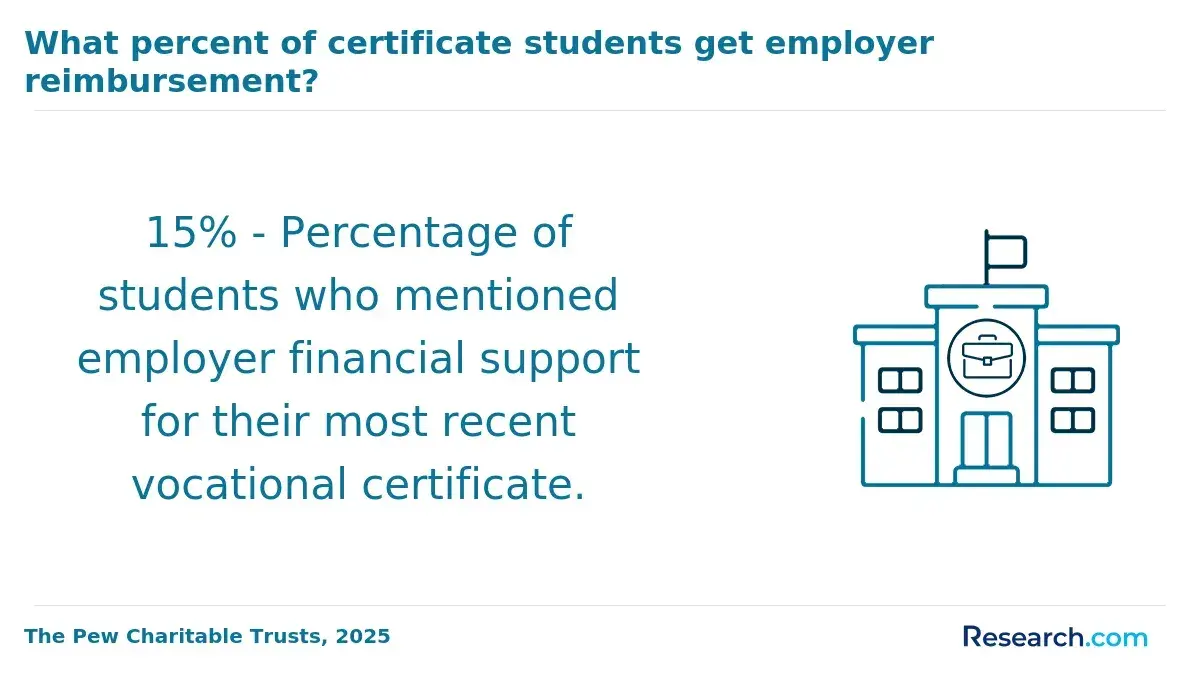
Institutional scholarships and merit-based awards provide another cost-reduction avenue but tend to favor full-time, high-performing students, sidelining many working nurses pursuing part-time or nontraditional pathways. Employer tuition reimbursement is a growing resource, especially in healthcare systems with high demand for nurse educators, yet these come with conditional work commitments that may restrict geographic mobility or career flexibility after graduation. Additionally, limited tuition reciprocity agreements can ease cross-state attendance costs but are unevenly available, underscoring the importance of early financial planning. According to a 2024 National Center for Education Statistics report, combining institutional scholarships and employer benefits reduced student education debt by up to 30%, illustrating the tangible advantage of strategic aid stacking despite constraints in eligibility, renewal, and residency requirements.
Are Online Nurse Educator Degree Programs More Affordable Than On-Campus Options?
Online nurse educator degree affordability in the United States cannot be assumed simply by comparing sticker prices. While average tuition for online programs is often cited as 20-30% lower than on-campus options, hidden costs and varying fee structures complicate the picture. For instance, many public universities restrict in-state tuition rates to on-campus students, forcing online enrollees to pay higher out-of-state fees that may erase expected savings. Additionally, technology access fees ranging from $400 to $600 per semester partially offset the elimination of commuting and housing expenses typical of campus-based attendance.
These cost factors intersect with enrollment decisions and program design; part-time online students may extend their time to completion, increasing aggregate tuition despite lower per-credit costs. Financial aid availability is broadly comparable across modalities but fewer scholarships specifically target online nurse educator programs, which also affects net affordability. Students seeking to optimize expenses must weigh institutional policies, state residency rules, and realistic budgeting for ancillary fees. In some scenarios, the flexibility afforded by online study enables maintaining employment, which can mitigate opportunity costs and improve financial feasibility.
Prospective learners analyzing the cost comparison of online versus on-campus nurse educator programs should also consider the real-world impact on career outcomes and workforce integration. Geographical differences in tuition and fee frameworks mean affordability is highly contextual, influencing where students may choose to study. Those interested in broader nursing education roles can explore related paths such as becoming a functional medicine nurse practitioner, which might offer alternative financial or professional advantages within nursing education's evolving landscape.
Is a Nurse Educator Degree Worth the Cost Based on Career Outcomes and ROI?
Assessing the true value of a nurse educator degree in the United States requires examining variances in tuition, program completion rates, and geographic labor market conditions rather than focusing solely on sticker price. States like California and New York present significant financial hurdles due to higher tuition and living costs, often diminishing ROI unless offset by scholarships or employer support. In contrast, programs in the Midwest and South generally offer more affordable pathways, enabling graduates to enter a healthcare education workforce projected to grow 11% over the next decade, according to the 2024 Bureau of Labor Statistics. Students considering their options must balance immediate costs against opportunity costs such as delayed graduation, which can exacerbate debt and reduce net career gains.
Graduation rates above 75% correspond with better employment prospects and lower cumulative debt, emphasizing the importance of program quality and completion speed when evaluating nurse educator degree ROI. Median salaries typically range between $75,000 and $85,000, but regional salary disparities reflect local demand and budgetary constraints, impacting long-term financial outcomes. For those weighing career outcomes for nurse educator graduates by state, alignment with specific institutional strengths and local workforce needs is critical. Prospective students should also explore flexible options and supplemental credentials, often available through diverse medical programs online, to enhance employability beyond baseline qualifications.
References
- Scholarships, Loans & Grants - Washington Center for Nursing https://www.wcnursing.org/be-a-nurse/scholarships-loans-grants/
- How much do nurse educators make in the USA? | Shiftmed Blog https://www.shiftmed.com/professionals/blog/how-much-do-nurse-educators-make/
- Six Ways to Reduce the Cost of a Healthcare Education https://blog.methodistcollege.edu/six-ways-to-reduce-the-cost-of-a-healthcare-education
- 2025 Most Affordable Online Nursing Programs https://www.onlineu.com/most-affordable-colleges/nursing-degrees
- What to Know About the US Nursing Educator Shortage https://www.npschools.com/blog/nursing-educator-shortage
- How Much Do Nurse Educators Make? | NursingEducation https://nursingeducation.org/careers/nurse-educator/salary/
- Nurse Educator - National Nurses in Business Association https://nursesbusiness.com/faq/nurse-educator/
- The effect of the cost-of-living crisis on the nursing and midwifery professions - British Journal of Nursing https://www.britishjournalofnursing.com/content/spotlight/the-effect-of-the-cost-of-living-crisis-on-the-nursing-and-midwifery-professions
- 50 Cheapest RN to MSN Online Programs | Starting at $19,000 https://www.rntomsn.org/programs/cheapest-online-rn-to-msn-programs/
- Nurse Educator Concentration MSN (Online) https://www.gcsu.edu/health/nursing/nurse-educator
Other Things You Should Know About Nurse Educator
States may offer nurse educator programs that vary significantly in duration and coursework demands, which impacts indirect costs like lost wages and living expenses. Longer or more rigorous programs can increase the total financial burden even if tuition is relatively low. Students should weigh program length against career timelines and employer expectations, as accelerated paths might limit work opportunities during study but reduce overall cost exposure.
Employer standards for nurse educators differ by state and influence how crucial advanced credentials are, affecting long-term salary and job security. In states where advanced degrees command a steep premium or are required for promotion, investing in higher-cost programs may yield better returns. Conversely, in states with less stringent credentialing norms, choosing more affordable programs might be financially prudent without sacrificing employability.
Lower tuition does not always translate to better value if programs in those states struggle with limited clinical partnerships or under-resourced faculty, as this can diminish hands-on training quality. For nurse educator students, practical experience is critical to securing academic roles later on. Prioritizing programs where clinical and faculty support is robust may justify higher tuition by enhancing readiness and employer reputation.
Programs relying heavily on adjunct faculty often reduce staffing costs, potentially lowering tuition but may provide less consistent mentoring and access to research opportunities. Full-time faculty presence typically correlates with stronger academic advising and networking vital for placement in competitive educator positions. Therefore, prospective students aiming for long-term academic careers should consider faculty composition as a factor alongside price, balancing immediate affordability against program quality.