2027 Nursing Education Degree Oversupply or Undersupply? Student Volume vs Employer Demand

Co-Founder and Chief Data Scientist
Meanwhile, underserved areas still face shortages, creating geographic disparities that impact job security and career progression. This article compares nursing education student volume with employer demand, job growth, regional conditions, and skill gaps to clarify the field's sustainable opportunities and challenges.
Key Things to Know About Nursing Education Graduate Supply and Employer Demand
- Recent data reveals slower-than-expected job growth for nursing education graduates, creating heightened entry-level competition that requires careful consideration of specialization to secure employment.
- Employer surveys indicate a growing preference for candidates with clinical teaching experience, signaling a crucial skill mismatch that extends beyond degree completion alone.
- Geographic concentrations of nursing education programs contrast starkly with regional employer demand, causing access challenges and potential underemployment for graduates relocating without local job openings.
- Key Things to Know About Nursing Education Graduate Supply and Employer Demand Key Things to Know About Nursing Education Graduate Supply and Employer Demand
- Is There an Oversupply or Undersupply of Nursing Education Graduates? Graduate Oversupply or Shortage
- How is Nursing Education Degree Enrollment Changing? Degree Enrollment Trends
- How Many Nursing Education Graduates Enter the Workforce Each Year? Annual Graduate Workforce Entry
- Does Job Growth Support the Rising Supply of Nursing Education Graduates? Job Growth Versus Supply
- How Competitive is the Entry-Level Market for Nursing Education Graduates? Entry-Level Market Competition
- Which Industries Have the Greatest Demand for Nursing Education Graduates? Top Hiring Industries
- Where are Nursing Education Graduates Most in Demand? Top Geographic Demand
- Which Nursing Education Specializations and Degree Levels Face the Strongest Demand? Which Nursing Education Specializations and Degree Levels Face the Strongest Demand?
- Are Employer Skill Gaps Affecting Demand for Nursing Education Graduates? Are Employer Skill Gaps Affecting Demand for Nursing Education Graduates?
- What is the Future Supply-and-Demand Outlook for Nursing Education Graduates? Future Supply-Demand Outlook
Is There an Oversupply or Undersupply of Nursing Education Graduates?
Nationally, the supply of nursing education graduates largely keeps pace with employer demand, but this balance masks important regional and specialization-driven disparities. For instance, while growth in completions aligns with the expanding need for nursing faculty caused by retirements and healthcare workforce shortages, competition for roles differs significantly by location. States with large healthcare education sectors like California and Texas report persistent challenges filling openings, particularly for doctoral-level educators, a dynamic that contrasts with more competitive markets in less-populated areas where graduate output can exceed local demand. This regional variation illustrates how enrollment growth and geographic concentration influence whether nursing education graduate supply appears as oversupply or undersupply.
Adding to the complexity, employer expectations for advanced degrees and relevant clinical experience narrow candidate pools despite overall graduate volume. Many employers prefer doctoral credentials, which grow in demand faster than master's degrees, underscoring a credential mismatch that sometimes leaves master's-level graduates facing intense competition for fewer positions. These dynamics complicate straightforward graduate-to-job comparisons, especially since some nursing education roles in hospital training and continuing education programs follow different labor-market patterns than academic faculty positions. Prospective students who weigh program choices need to consider these nuances and explore options like easiest nursing programs to get into alongside strategies that align credentials, experience, and geographic preferences with evolving employer demand.
How is Nursing Education Degree Enrollment Changing?
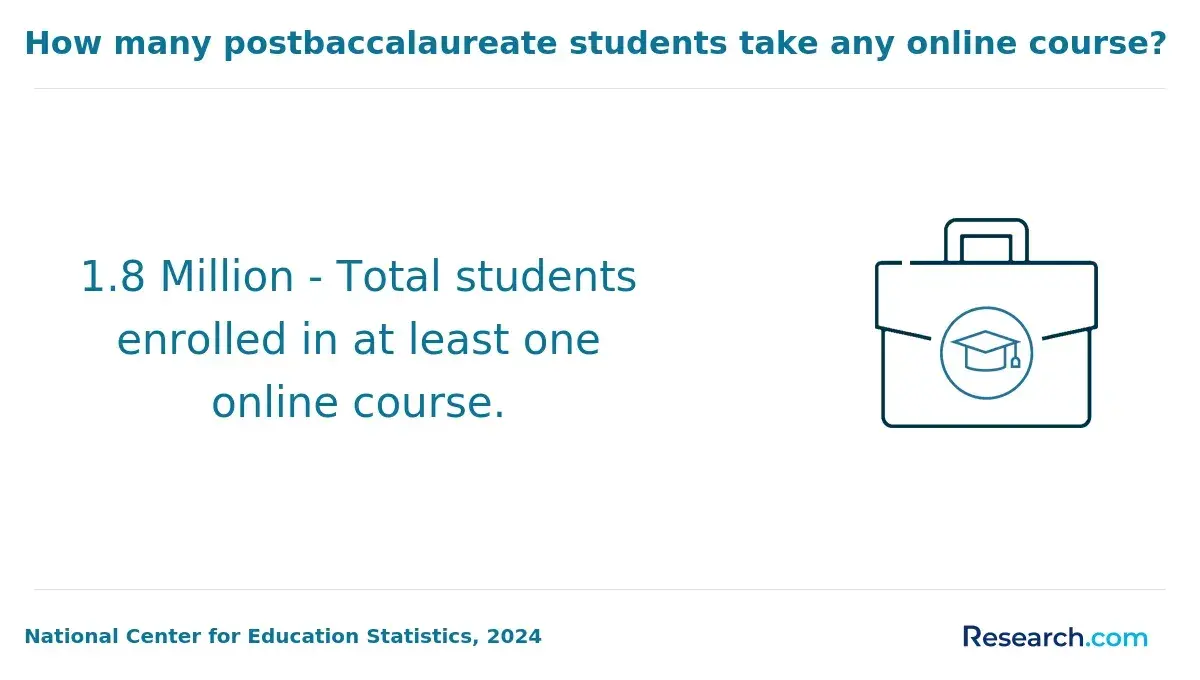
Enrollment in nursing education programs is increasingly concentrated at the bachelor's and graduate degree levels, responding to healthcare employers' rising demand for nurses with advanced credentials and leadership skills. This shift contributes to growing competition among associate degree holders, whose programs face stagnation or decline, complicating their job prospects in certain markets. The surge in online program participation expands access for working adults but also intensifies questions about whether virtual education can fully replicate vital clinical training, thus affecting workforce readiness. Moreover, regional disparities in educational capacity mean national enrollment growth does not necessarily translate to adequate supply in rural or underserved areas, where healthcare shortages remain acute.
These enrollment trends underscore the challenge of aligning graduate supply with diverse employer needs and patient care demands. While increasing bachelor's degree completions reflect a strategic industry push towards higher qualifications-linked in multiple reports to better patient outcomes-overreliance on aggregate enrollment numbers risks obscuring specialization bottlenecks and local workforce imbalances. For example, in regions with many graduates but limited specialized clinical roles, new nurses may face underemployment despite overall labor shortages elsewhere. The demographic shifts toward greater minority and second-career student enrollment could enhance diversity in the workforce, but uneven geographic distribution and variable institutional resources will shape how effectively supply meets demand.
One nursing education student recently noted that her program's cohort size had grown markedly over two years, fueled partly by expanded online course offerings and flexible schedules. While this increased accessibility was reassuring, she expressed uncertainty about whether the swelling applicant pool might eventually saturate local job markets or prompt program restructuring. She observed a more diverse peer group than in earlier years, reflecting broader demographic trends, but also sensed growing pressure to attain specialized credentials to maintain competitiveness. This nuanced experience captures the ongoing tension between rising enrollment and the practical realities of graduate employability in an evolving healthcare landscape.
How Many Nursing Education Graduates Enter the Workforce Each Year?
The volume of nursing education graduates reported annually, such as the roughly 35,000 completing bachelor's or higher degrees each year according to the National Center for Education Statistics, does not by itself indicate whether the labor market is oversupplied or undersupplied. This figure aggregates varied program types, including bachelor's, master's, and doctoral levels focused on nursing education, as well as students enrolled through both traditional and online modalities. Moreover, not every graduate is available or qualified for the same educational roles immediately-many enter clinical or administrative positions first, delaying their transition into faculty or training roles, which complicates direct comparisons between graduate numbers and job vacancies.
While workforce data suggest that 60% to 70% of graduates move into nursing education-related roles within two years, regional employer demand, institutional hiring capacity, and credential requirements significantly shape actual opportunities. For example, states with extensive healthcare systems may absorb more graduates, whereas smaller or budget-limited regions can create bottlenecks, resulting in local oversupply despite national-level balance. Misinterpreting raw graduate data without accounting for these temporal and geographic hiring nuances can lead to inaccurate projections regarding competition levels and workforce planning outcomes.
Employers typically seek candidates with relevant clinical experience and advanced certifications, meaning job seekers without such qualifications may face extended job searching or opt for alternative career paths. Hence, assessing nursing education workforce dynamics requires integrating degree completion statistics with detailed analyses of employer needs, replacement demand, and hiring timelines to form a realistic picture. Reliance solely on graduate output overlooks these complexities and may misguide prospective students and policymakers about actual job market conditions in nursing education roles.
Does Job Growth Support the Rising Supply of Nursing Education Graduates?
Projected job growth for nursing education graduates in the United States suggests moderate expansion but fails to fully absorb the increasing number of new credential holders. Despite a 12% growth forecast through 2032 by the U.S. Bureau of Labor Statistics, many new nursing education graduates face competition for limited full-time roles, especially in metropolitan areas where supply outpaces demand. Positions with specialized skills like simulation instructors or clinical coordinators may offer some relief, but typical faculty roles often require experience and come with budget-driven hiring restrictions, forcing entry-level candidates to consider adjunct or part-time employment. A recent graduate with a master's degree may find openings in rural or underserved regions more accessible, reflecting local shortages, yet must weigh geographic mobility against professional and personal costs.
Regional demand trends for nursing education graduates reveal uneven opportunities influenced by demographic shifts and retirement rates. Although some states report substantial increases in nursing education graduates, replacement hiring for retiring faculty does not consistently match output, leading to potential underemployment or role delays. This dynamic underscores the importance of aligning degree specialization with actual market demand and understanding that broader growth in nursing does not necessarily translate to proportional faculty jobs. Prospective students should also consider evolving roles, such as clinical education or certification pathways similar to those found in other healthcare sectors like medical billing and coding certification, to enhance employability in a crowded field.
How Competitive is the Entry-Level Market for Nursing Education Graduates?
The entry-level market for nursing education graduates remains tightly contested, driven less by sheer graduate volume and more by structural factors that limit immediate openings. Despite steady healthcare demand supporting nursing roles, openings specifically for nurse educators grow slowly, around 3-5% annually per Lightcast and Indeed data. Competition intensifies as many positions require prior clinical experience, pushing recent graduates into adjunct or part-time roles initially. This dynamic reflects a market shaped by uneven demand across healthcare and academic sectors along with employers' preference for candidates combining clinical skills with pedagogical credentials. The following factors clarify what influences hiring success and job availability.
- Applicant Volume and Job Openings: Nursing education roles represent a smaller fraction of total nursing jobs, resulting in fewer openings relative to clinical positions. Graduates should assess regional and institutional hiring trends to identify potential saturation or opportunity pockets.
- Experience Prerequisites: Most entry-level educator roles expect 1-3 years clinical practice beforehand, creating practical barriers for fresh grads. This filter narrows candidate pools but extends job search duration for those without bedside exposure.
- Sector and Geographic Demand: Academic institutions and healthcare systems vary widely in educator needs. Some regions offer more robust funding for nurse educator roles, making geographic flexibility a critical strategic consideration.
- Specialization and Certification: Candidates with advanced certifications or graduate degrees beyond basic nursing education credentials generally stand out. Specialized expertise can differentiate applicants in crowded fields.
- Adjunct and Part-Time Positions: Many new graduates accept nonlinear entry points such as adjunct teaching to gain experience; understanding these transitional roles helps set realistic timelines for full-time employment.
- Skill Alignment: Employers prioritize demonstrated clinical competency alongside teaching skills. Graduates should pursue opportunities to showcase instructional ability in tandem with practical nursing.
- Market Growth Rate: Slow-to-moderate growth in nurse educator roles means job creation rarely matches the influx of new graduates, suggesting a cycle of extended competition rather than outright oversupply.
One recent nursing education graduate described starting with multiple applications in her metropolitan area, where openings were scarce and experience demands high. She often faced rejection despite solid academic credentials, learning that clinical experience weighed heavily in hiring. Pivoting to rural institutions with fewer applicants and actively pursuing postgraduate certifications eventually improved her prospects. This cautious shift underlined the importance of strategic geographic and credentialing choices in a field where demand is present but far from uniform. Her journey reflected the subtle balance between persistence and adaptability necessary in today's nursing education job market.
Which Industries Have the Greatest Demand for Nursing Education Graduates?
Strong demand for nursing education graduates is concentrated in sectors facing structural workforce challenges or evolving care models. Employers prioritize candidates who combine clinical expertise with instructional skills, reflecting the need to train staff amid changing healthcare protocols and technologies. Comparing job volume, hiring odds, and career trajectories reveals that while some sectors offer plentiful roles, competition and required credentials vary significantly. A nursing education graduate might find abundant entry-level clinical educator positions in hospitals but encounter fewer, more stable academic roles in higher education, impacting long-term career planning. The following points summarize key industry demand drivers and tradeoffs affecting regional job growth for nursing education professionals.
- Hospitals: Hospitals generate the largest overall demand due to their size and complexity, seeking nursing educators to upskill clinical staff on new protocols and digital systems. Entry-level roles focus on staff training, while senior roles may involve curriculum development and simulation training. Credentials in clinical specialties and instructional design are often required.
- Long-Term Care Facilities: Nursing homes and assisted living centers face workforce shortages from aging populations, creating steady demand for educators who can lead continuing education and implement evidence-based care. These roles prioritize practical skills in gerontology and chronic disease management.
- Community Health Organizations: Emphasizing preventive care, these organizations hire nursing education graduates to develop outreach and train non-acute healthcare workers. Skills in cultural competence and rural health disparities improve employability here.
- Higher Education Institutions: Colleges and vocational schools require educators to deliver up-to-date curricula amid fluctuating enrollment and budget limits. Competition is high, but roles provide greater job stability and opportunities for career longevity, favoring advanced degrees and teaching experience.
- Healthcare Technology Firms: Firms designing clinical education software and simulation tools recruit nursing educators to bridge clinical knowledge with digital training solutions. Experience in instructional technology and change management is valued in this emerging niche.
- Consultancy Services: Consultants with nursing education backgrounds support healthcare organizations in staff training strategy and compliance, demanding both clinical credibility and organizational skills. Opportunities correlate with healthcare sector investment cycles.
Navigating these options requires balancing immediate job availability against longer-term career goals and skill development needs. Prospective candidates should consider how ASN online pathways and credentials align with the specific demands of these sectors to optimize employment outcomes.
Where are Nursing Education Graduates Most in Demand?
National employment data for nursing education graduates mask substantial regional disparities driven by local healthcare infrastructure, population demographics, and institutional demands. For instance, while states like California and Texas report high concentrations of openings due to expansive healthcare and academic networks, these markets often entail fierce competition and elevated living costs that can offset apparent opportunities. A graduate focusing on urban hubs with multiple nursing schools may encounter a crowded applicant pool, necessitating geographic flexibility or niche specialization to secure a suitable position. Conversely, emerging healthcare regions in the Southeast present fewer job postings but potentially lower applicant density and cost of living, representing a calculated tradeoff for some candidates.
Supply-demand dynamics also hinge on employer expectations that increasingly favor candidates with both advanced clinical expertise and robust pedagogical credentials, reflecting the dual nature of nursing education roles spanning classroom and clinical instruction. While universities and community colleges remain primary employers, hospitals and healthcare systems are growing their investment in education through clinical simulation and competency programs, creating diversified avenues for graduates. However, remote work options remain limited, reinforcing the importance of proximity to education centers. Prospective graduates must weigh these factors carefully, recognizing that the volume of vacancies alone does not equate to accessible or sustainable employment without considering regional credential requirements, institutional characteristics, and localized workforce shortages.
Which Nursing Education Specializations and Degree Levels Face the Strongest Demand?
Labor-market data signals that employer demand within nursing education specializations is uneven, concentrated primarily among advanced practice roles and leadership credentials. Registered nurses with master's or doctoral degrees, such as Master of Science in Nursing (MSN) or Doctor of Nursing Practice (DNP), fill positions that increasingly require specialized clinical expertise or administrative skills. In contrast, bachelor's degree holders face greater competition due to more graduates than available entry-level roles in many regions. For example, a family nurse practitioner graduate with an MSN often encounters a more direct hiring path than a bachelor's-prepared generalist, who may need to seek out rural or less saturated markets.
Data from the U.S. Bureau of Labor Statistics and employer analyses reflect ongoing shortages tied to specific specializations and credential tiers rather than a uniform workforce gap. This suggested uneven supply-demand dynamic emphasizes aligning educational investments with identified workforce needs to mitigate extended job searches or geographic inflexibility. Key nursing education specializations showing the strongest demand include:
- Family Nurse Practitioner: Driven by a national shortage of primary care providers, these roles require MSN-level clinical preparation and relevant certification, meeting expanding outpatient and community health needs.
- Psychiatric-Mental Health Nursing: Increased behavioral health service demand fuels employer priority for specialists with advanced credentials who can address complex patient populations.
- Geriatric Nursing Specialist: Aging demographics accelerate need for nurses skilled in elder care, often requiring postgraduate specialization and interdisciplinary collaboration abilities.
- Leadership and Nurse Educator Tracks: Hospitals and academic institutions seek master's or doctoral-prepared nurses to fill administrative and instructional shortages, emphasizing experience in healthcare management and pedagogy.
- Nurse Anesthetist Programs: High-skill anesthesiology roles demand DNP degrees, with robust remuneration reflecting critical responsibilities and limited program outputs.
Are Employer Skill Gaps Affecting Demand for Nursing Education Graduates?
Employer skill gaps often create a scenario where the apparent availability of nursing education graduates does not translate into a straightforward supply shortage. Many hiring managers face difficulty filling roles that demand advanced technical proficiency, such as digital fluency in simulation-based training or expertise in integrating educational technologies with clinical content. For instance, a regional healthcare system might have numerous candidates meeting baseline qualifications but struggle to find educators proficient in current pedagogical software or interprofessional collaboration, resulting in unfilled seats despite a high graduate volume. This can lead to misinterpretations of an oversupply in regional healthcare markets when, in reality, the challenge lies in aligning candidate skills with evolving employer expectations and tools.
The impact of credential mismatches on nursing education graduate employment opportunities becomes evident when outdated curricula fail to equip candidates with emerging competencies, such as tech-driven clinical education or specialized certification requirements. Many programs lag in adapting to the rapid pace of healthcare innovation, leaving graduates less competitive for positions emphasizing adaptability and contemporary practice. Demand skews toward those who demonstrate continuous skill development through targeted internships, relevant projects, and certifications, highlighting the importance of program selection refined by real-world market insights. Such nuance underscores the value for students and current degree holders to pursue specialized pathways aligned with labor-market demands rather than assuming uniform hiring criteria.
For those considering diversifying or advancing their nursing education expertise, understanding segmented employer demand is critical. Roles requiring specific areas of specialization, including functional medicine or integrative approaches, may offer stronger job prospects, as noted in sectors needing distinctive competencies. Exploring focused credentials like a functional medicine NP qualification can differentiate candidates in competitive markets. Recognizing these subtleties enables informed decisions that better sync educational outcomes with workforce needs, improving long-term employability across various healthcare regions and specialties.
What is the Future Supply-and-Demand Outlook for Nursing Education Graduates?
Targeted job searches consistently yield better outcomes than broad, high-volume applications because they focus effort where employer demand aligns closely with individual qualifications. For graduates in nursing education, this means identifying specific entry-level titles like clinical instructor or simulation coordinator, concentrating on industries and regions with documented shortages, and customizing resumes to mirror employer language and competency expectations. One common misstep is dispersing applications too widely without regard to these factors, which often leads to lower interview rates and missed opportunities to demonstrate relevant skills through practicums, research projects, or prior clinical experience.
Understanding regional job market forecast for nursing education graduates is critical, particularly given persistent disparities such as rural educator shortages despite overall market saturation. Graduates who invest in market research, timing applications to coincide with hiring cycles, and networking within institutions that value advanced degrees and technology-enhanced teaching methods position themselves more competitively. Evidence from labor reports highlights that many employers increasingly require doctoral credentials alongside practical expertise, underscoring the tradeoff between meeting rigorous qualifications and entering the workforce promptly. Such strategic decisions affect long-term employability and must be a conscious part of graduate planning.
Prospective nursing educators evaluating future nursing education graduate supply and employer demand trends should also consider alternative pathways or complementary roles to maintain versatility in a complex hiring climate. Prospective students might benefit from exploring interdisciplinary programs or the best easiest counseling degree programs that supplement their skill sets, enhancing both instructional and clinical capacities. This more nuanced, evidence-informed approach enables graduates to allocate effort effectively, increasing the likelihood of job readiness and successful integration into a fluctuating labor market.
References
- Nursing Education Market Research Report 2033 https://growthmarketreports.com/report/nursing-education-market
- Addressing the Nursing Workforce Crisis: The Essential Role of Higher Education | ACE Blog https://ace.edu/blog/addressing-the-nursing-workforce-crisis-the-essential-role-of-higher-education/
- Nursing Shortage Fact Sheet https://www.aacnnursing.org/news-data/fact-sheets/nursing-shortage
- EdAssist | The future of nursing https://www.brighthorizons.com/resources/blog/edassist/the-future-of-nursing
- Different Types of Nursing Education Programs Explained https://www.allnursingschools.com/articles/understanding-the-different-types-of-nursing-degrees/
- The Looming Nursing Shortage and What It May Mean for You https://www.stpaulsschoolofnursing.edu/blog/nursing/the-looming-nursing-shortage-and-what-it-may-mean-for-you.html
- Understanding Different Types of Nursing Degrees: Pioneering Your Path https://www.dewv.edu/understanding-different-types-of-nursing-degrees-pioneering-your-path/
- How Stable is a Nursing Career: Nursing Jobs Demand https://nightingale.edu/blog/nursing-jobs-demand.html
- NLN https://www.nln.org/slides/speach.htm
- Proposed Loan Changes Put Nursing Education at Risk | Docwire News https://www.docwirenews.com/post/proposed-loan-changes-put-nursing-education-at-risk
Other Things You Should Know About Nursing Education
Longer nursing education programs often provide deeper clinical and pedagogical experience but can delay entry into the workforce, affecting earnings and career progression. Prospective students should evaluate whether extended programs offer distinct practical advantages that align with their career goals, especially since demand varies by region and institution type. Prioritizing programs with strong employer connections and practical teaching components can offset the time investment by improving job placement and readiness.
Specialized nursing education degrees can enhance expertise in niche fields but may narrow employment options outside those areas. Employers often value versatility, especially in educational settings that require adaptability to diverse curricula and changing healthcare environments. Students seeking broader career resilience should consider balancing specialization with foundational skills that apply across multiple educational roles.
Online nursing education degrees offer flexibility but might raise concerns among some employers about hands-on clinical experience and interpersonal skill development. Graduates from online programs should seek opportunities to gain in-person internships or practicum experience to demonstrate practical competence. Prioritizing programs that integrate rigorous experiential components helps mitigate potential employer skepticism and supports smoother workforce entry.
Faculty shortages in nursing education could signal openings, but hiring freezes or budget constraints at many institutions reduce available positions. Graduates must consider the volatility of academic job markets compared to clinical roles and be prepared for potentially prolonged job searches or the need to accept roles in less preferred facilities. Focusing on institutions with stable funding and strong recruitment can improve employment outcomes over chasing openings in uncertain environments.