2027 How Employers Are Changing Hiring Criteria for Nursing Education Graduates in the AI Era

Co-Founder and Chief Data Scientist
Imagine a recent graduate who has just earned a degree in nursing education, eager to enter the workforce only to find that employers now expect more than academic credentials. As artificial intelligence (AI) technologies reshape healthcare and education, hiring managers increasingly look for candidates with practical AI literacy and adaptable skills. According to a 2024 report by the U. S. Bureau of Labor Statistics, nearly 35% of healthcare employers have integrated AI tools into daily operations, driving a shift in the competencies valued during recruitment.
This transformation pressures nursing education graduates to rethink how they present their qualifications. Employers prioritize transferable skills such as critical thinking, digital proficiency, and collaborative problem-solving alongside traditional expertise. This article explores how hiring criteria for nursing education graduates are evolving, the growing importance of AI literacy and transferable skills, and strategies students can use to remain competitive in the AI era.
Key Things to Know About the Changing Hiring Criteria for Nursing Education Graduates in the AI Era
- Employers now expect nursing education graduates to integrate AI-driven patient data analysis into care plans, emphasizing interpretive skills over rote protocol adherence for improved clinical outcomes.
- AI literacy, including familiarity with practical tools and ethical considerations, is increasingly essential, reflecting a 38% surge in job listings requiring AI competency since 2023.
- Demonstrated adaptability and cross-disciplinary skills enhance competitiveness, as healthcare roles evolve; graduates blending clinical expertise with technology navigation gain a distinct hiring advantage.
- Key Things to Know About the Changing Hiring Criteria for Nursing Education Graduates in the AI Era Key Things to Know About the Changing Hiring Criteria for Nursing Education Graduates in the AI Era
- How Is AI Changing What Employers Look for in Nursing Education Graduates? How Is AI Changing What Employers Look for in Nursing Education Graduates?
- Which AI Skills Are Employers Expecting Nursing Education Graduates to Have? AI Skills
- Which Human Skills Are Employers Looking for in Nursing Education Graduates? Human Skills
- How Are AI Tools Changing Daily Work in Nursing Education Careers? AI Workplace Tools
- How Are Employers Evaluating Nursing Education Candidates Beyond Academic Credentials? Hiring Criteria
- How Are Nursing Education Degree Programs Adapting to AI? AI Curriculum
- Which Industries Are Changing Hiring Expectations Most for Nursing Education Graduates? AI and Industry Expectations
- How Is AI Changing Career Growth for Nursing Education Professionals? AI and Career Growth
- How Should Nursing Education Students Prepare for AI-Driven Hiring? Career Preparation
- How Should Students Choose a Nursing Education Program for the AI Era? How Should Students Choose a Nursing Education Program for the AI Era?
How Is AI Changing What Employers Look for in Nursing Education Graduates?
Employers increasingly expect nursing education graduates to demonstrate more than traditional clinical skills; they now seek candidates who can effectively collaborate with AI technologies to enhance patient care. According to a 2024 report by the U.S. Bureau of Labor Statistics and the National Academy of Medicine, over 60% of healthcare employers prioritize proficiency in AI tools and data literacy. For example, a nurse capable of interpreting AI-driven predictive analytics in patient monitoring systems not only improves diagnosis accuracy but also streamlines workflows by automating routine tasks, making this blend of clinical judgment and technology fluency a decisive hiring factor. This shift reflects the evolving nature of healthcare roles, where nurses are expected to evaluate AI-generated insights critically rather than merely operate the tools.
The influence of AI on employer expectations extends beyond technical skills, emphasizing adaptability and a continuous learning mindset. A 2024 Healthcare Information and Management Systems Society survey found that 72% of hiring managers highly value candidates who can quickly adjust to emerging AI systems, underscoring the importance of ongoing upskilling. However, soft skills such as ethical judgment, communication, and empathy remain crucial; employers look for nurses who integrate AI capabilities without compromising patient-centered care. This intersection of human expertise and digital competence highlights the nuanced criteria shaping hiring decisions in nursing education today.
As interdisciplinary collaboration becomes more prominent, graduates comfortable engaging with data scientists and AI specialists gain a competitive edge. Nursing education programs reflect this trend by incorporating courses on health informatics, AI ethics, and machine learning fundamentals to prepare students for new realities in healthcare delivery. Prospective students interested in acquiring such skills might explore options like online DNP programs without clinicals, which can offer foundational exposure to AI-related competencies. Balancing clinical acumen with technological fluency is emerging as essential for nursing graduates aiming to meet the rising employer expectations driven by AI integration.
Which AI Skills Are Employers Expecting Nursing Education Graduates to Have?
Artificial intelligence is reshaping workplace expectations in healthcare, pushing beyond traditional clinical skills toward deeper digital fluency. Employers increasingly demand nursing education graduates demonstrate practical AI competencies that directly improve patient outcomes and operational efficiency. This shift reflects how AI-powered tools-from diagnostic software to patient management systems-are becoming embedded in everyday nursing roles. Graduates who can navigate these technologies thoughtfully and ethically stand to differentiate themselves in a competitive labor market. Below are five essential AI skills that employers prioritize for nursing education graduates.
- Data Interpretation from EHRs: Understanding how to accurately read and interpret electronic health record data is critical as AI tools often aggregate vast patient information sets. Employers expect nurses to extract actionable insights from these AI-enhanced records to support clinical decisions. Developing this skill involves hands-on training with EHR software and exposure to AI-driven analytic dashboards during clinical rotations or internships.
- AI-Powered Diagnostic Assistance: Familiarity with AI algorithms that aid diagnosis helps nurses verify alerts and interpret AI-generated suggestions. In practice, nurses might check AI flags for potential complications, reducing diagnostic errors and enhancing patient safety. Strengthening this skill requires both theoretical knowledge of machine learning basics and practical experience in settings where these tools are integrated.
- Predictive Analytics Application: Applying predictive models allows nurses to anticipate patient risks and personalize care plans. Employers value professionals who can leverage these forecasts to allocate resources proactively and communicate risks effectively to care teams. Coursework or workshops focused on healthcare analytics can build foundational competency here.
- Clinical Decision Support Navigation: Using clinical decision support systems (CDSS) embedded with AI algorithms demands critical judgment to balance technology input with patient-specific nuances. Nurses must discern when to trust AI recommendations and when human expertise should prevail. Simulation labs that mimic real-world decision-making scenarios can help hone this discernment.
- Effective AI Communication: Explaining AI-driven insights clearly to patients and interdisciplinary colleagues is vital, especially for maintaining trust and ensuring adherence to care plans. Graduates of nursing programs online or on-campus are expected to translate complex AI data into understandable information, supporting shared decision-making. Developing strong communication skills alongside digital literacy is essential, often through interdisciplinary team-based training and patient education practice.
Which Human Skills Are Employers Looking for in Nursing Education Graduates?
As AI technology takes over routine nursing tasks such as data entry, basic assessments, and documentation, employers increasingly seek graduates whose human skills cannot be automated. The shift demands nursing education graduates with sophisticated interpersonal and judgment abilities that add value beyond algorithmic outputs. This creates a landscape where nuanced patient care, ethical decision-making, and cultural understanding become crucial differentiators in hiring and team dynamics. The following five human skills have emerged as pivotal for success alongside advancing AI integration.
- Emotional Intelligence: Nurses must interpret subtle patient emotions and respond empathetically, which AI cannot replicate. This skill enhances patient trust and aligns care with individual needs. Students can cultivate emotional intelligence through reflective practice and real-world clinical interactions.
- Critical Thinking and Clinical Judgment: Effective nurses assess conflicting information and make rapid decisions in ambiguous conditions. AI offers data, but synthesis and contextual judgment remain human strengths. Strengthening this skill involves engaging in case-based learning and simulation exercises that challenge assumptions.
- Communication Skills: Clear verbal and written communication enables nurses to clarify AI-generated insights and coordinate with interdisciplinary teams and families. Developing this skill requires practice in patient advocacy and interdisciplinary collaboration scenarios.
- Cultural Competence: Diverse patient populations demand sensitivity to varied beliefs and customs. Cultural competence guides equitable care that AI cannot personalize. Nursing students should seek exposure to diverse communities and cultural training to build this aptitude.
- Resilience and Adaptability: Healthcare environments rapidly evolve with new AI tools and protocols. Professionals who learn and adjust efficiently while maintaining patient focus become indispensable. Building resilience involves managing stressors and embracing continuous education on emerging technologies.
A recent graduate recounted a critical incident during their first hospital rotation where a patient exhibited sudden emotional distress that the AI monitoring system failed to flag. Drawing on strong emotional intelligence and communication skills, the nurse quickly mediated the patient's concerns and coordinated with the care team to adjust the treatment approach. This experience underscored the irreplaceable human judgments and connections that AI cannot provide, reaffirming the graduate's commitment to honing these competencies alongside technical expertise.
How Are AI Tools Changing Daily Work in Nursing Education Careers?
AI tools are streamlining many routine tasks in nursing education careers, allowing educators to dedicate more time to meaningful student engagement and clinical training. According to a 2024 report from the National Institute of Health Workforce, over 65% of nursing educators now rely on AI platforms for activities such as grading, scheduling, and customizing learning plans. This automation cuts down on administrative workload, enabling instructors to focus on refining curriculum and supporting students' hands-on skill development.
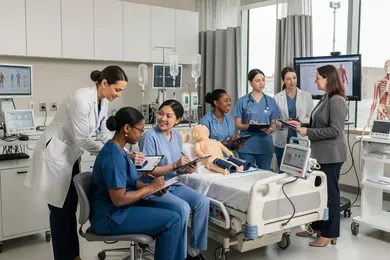
At the same time, AI-powered simulation technologies are reshaping how practical training is delivered. Data from the Healthcare Education Advancement Partnership reveals that nearly 80% of nursing education programs have integrated AI-based simulators to create immersive patient care scenarios. In a typical case, an educator might use these simulations to challenge students' decision-making in real time, fostering critical thinking that traditional methods can struggle to replicate. This shift also demands that educators become adept at interpreting AI-generated performance data, merging teaching expertise with analytic skills to optimize learning outcomes.
The evolving interplay between AI and nursing education careers is broadening the role of educators beyond instruction to include oversight of AI tools and ethical judgment about their outputs. The Bureau of Labor Statistics anticipates that digital literacy and data fluency will soon be essential hiring criteria within the profession. Early-career educators who cultivate these competencies position themselves to thrive, balancing technology use with collaboration and nuanced pedagogical creativity in an increasingly data-driven educational environment.
How Are Employers Evaluating Nursing Education Candidates Beyond Academic Credentials?
Employers increasingly evaluate nursing education candidates by looking beyond academic credentials to assess practical experience, certifications, and demonstrations of real-world capabilities. A 2024 report from the National Center for Health Workforce Analysis confirms that healthcare facilities prioritize competencies such as internships, project portfolios, and evidence of AI literacy alongside traditional coursework. For example, a recent graduate who presents a comprehensive portfolio showcasing hands-on experience with electronic health records and AI diagnostic tools is more likely to be considered than one whose qualifications are limited to grades alone. This shift acknowledges that technical proficiency and applied skills are crucial for nurses navigating complex healthcare environments enhanced by AI-driven technologies.
Communication, adaptability, and teamwork are now critical competencies healthcare employers assess when hiring new nursing graduates. The American Nursing Association's 2024 survey found that 68% of employers value candidates with certifications in health informatics or AI applications, reflecting the demand for professionals who can collaborate effectively across interdisciplinary teams and manage ethical challenges introduced by AI in patient care. Candidates who can demonstrate problem-solving abilities in tech-enhanced settings or ongoing professional development focused on AI integration distinguish themselves amid increasingly holistic hiring processes. These practices underscore that employers view adaptability and lifelong learning as vital to sustained career success in AI-driven nursing roles.
Such an evolving skill set aligns with how employers weigh nursing education candidates' ability to integrate clinical skills with technology fluency and interpersonal strengths. Prospective students aiming to remain competitive should consider programs or workshops emphasizing these dimensions, including aspects covered in the fastest online master's in healthcare management offerings. Ultimately, evidence-based demonstrations of practical expertise, communication skills, and problem-solving aptitude offer nursing graduates clear advantages in a recruitment landscape that increasingly values comprehensive competence over narrow academic achievements.
How Are Nursing Education Degree Programs Adapting to AI?
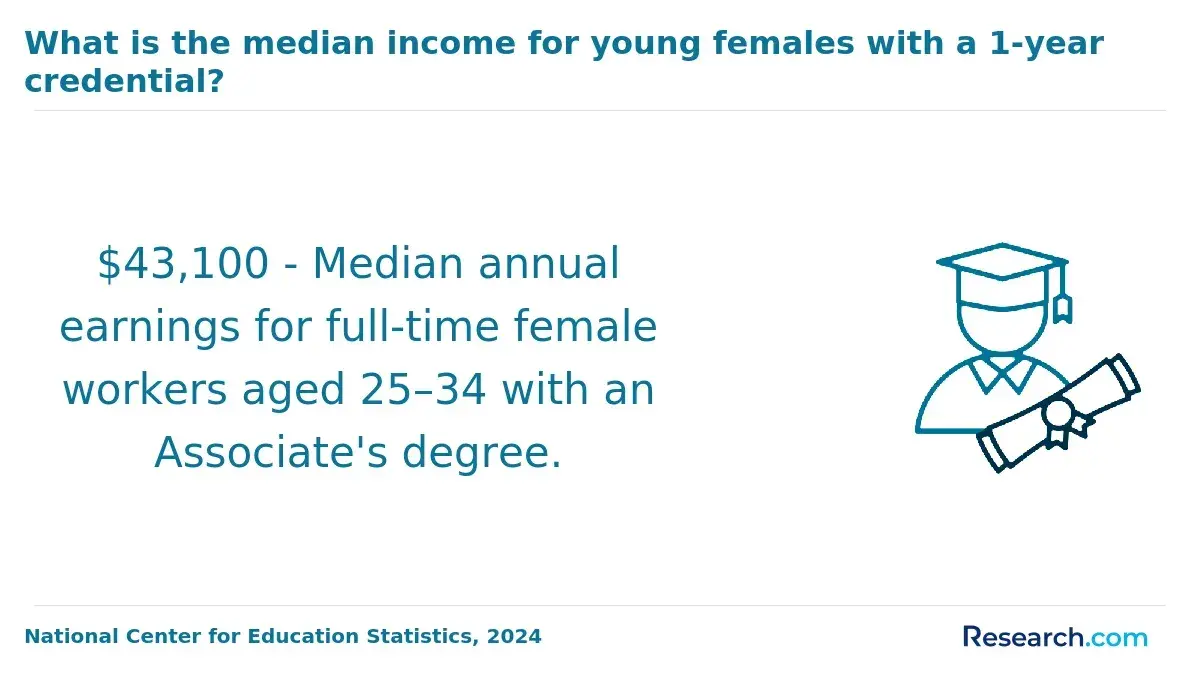
Nursing education degree programs are increasingly embedding AI concepts and tools into their curricula to meet evolving employer expectations and healthcare demands. Over 65% of these programs in the U.S. now include AI-related training, focusing on areas like informatics, data literacy, and foundational machine learning alongside core nursing competencies, according to recent National Center for Education Statistics data from 2024. This integration equips students to work with AI-powered systems such as predictive analytics in electronic health records or AI-generated diagnostic support, reflecting a shift toward tech-fluent clinical decision-making without sacrificing the discipline's human-centered values.
However, integrating AI content requires careful balancing. For example, some institutions navigate the tension between adding AI coursework and maintaining sufficient hands-on clinical practice, a concern voiced by graduates wary of prioritizing technology over traditional patient care principles. Programs address this by adopting hybrid models that combine interdisciplinary coursework, experiential learning with AI tools, and partnerships with healthcare employers to ensure students develop critical thinking skills and ethical AI awareness. This approach helps graduates remain adaptable and competent, safeguarding empathy and judgment while preparing them for lifelong learning in an AI-augmented healthcare environment.
Which Industries Are Changing Hiring Expectations Most for Nursing Education Graduates?
The rate at which artificial intelligence is integrated varies widely among industries, shaping how employers adjust hiring criteria for nursing education graduates. Some sectors adopt AI-driven tools rapidly due to operational demands or regulatory shifts, while others proceed more cautiously. For example, a recent graduate comparing job prospects may find that a hospital values clinical skills augmented by AI literacy, whereas a health insurance firm prioritizes data analytic expertise and risk modeling capabilities. Understanding these nuanced expectations is essential for tailoring one's skill development effectively. Below are five industries where hiring standards for nursing education graduates are notably evolving as a result of AI and technology.
- Healthcare Delivery: Hospital networks and outpatient centers increasingly require nursing graduates to manage AI-augmented diagnostic tools and utilize health informatics systems. A 2024 U.S. Bureau of Labor Statistics report highlights that proficiency in integrating AI into patient care workflows is becoming as crucial as clinical competence itself, reflecting the sector's strong push toward real-time data-driven decision-making.
- Technology Sector: Companies focused on healthcare software and medical device innovation favor candidates skilled in machine learning applications and electronic health record (EHR) management enhanced by AI. Data from the Healthcare Information and Management Systems Society in 2024 shows over 60% of these employers expect familiarity with AI-enabled predictive analytics tools, emphasizing a blend of technical and clinical expertise.
- Insurance Industry: Health insurers now seek nursing graduates who understand AI-powered claims assessment and patient risk prediction models. The National Association of Insurance Commissioners' 2024 analysis reveals a growing demand for professionals who can interpret data outputs accurately and support automated yet clinically sound underwriting decisions, marking a significant industry transformation.
- Pharmaceutical and Biotech: Though adopting AI more gradually, these sectors increasingly value nurses who can engage with AI-driven clinical trial monitoring and drug safety evaluation. Graduates equipped with skills in data interpretation and regulatory compliance related to AI-enhanced processes will find a competitive edge as these industries accelerate technology integration.
- Public Health Agencies: Agencies employing AI for epidemiological modeling and resource allocation are shifting expectations toward candidates proficient in AI tools that analyze population health data and predict outcomes. Nursing graduates versed in these technologies contribute to more effective public health responses and strategic planning amid health crises.
One nursing education graduate recalled the challenge of choosing between a technology-focused health startup and a large hospital system. Initially drawn to the hospital's clinical environment, the graduate hesitated when realizing the startup required deeper knowledge of AI algorithms and software tools. Conversations with recruiters revealed that gaining technical fluency was essential to thrive in the tech sector, whereas the hospital valued a more balanced clinical-AI skill set. This nuanced understanding led to targeted training in informatics that ultimately widened career options and provided reassurance amid uncertainty about rapidly shifting industry demands.
How Is AI Changing Career Growth for Nursing Education Professionals?
The variable pace of AI adoption across healthcare-related industries shapes distinct hiring expectations for nursing education graduates. Industries such as hospitals and academic institutions integrate AI differently, reflecting their unique operational priorities and technology readiness. For example, acute care hospitals rapidly implement AI-driven clinical decision support systems, where educators must train staff on these tools, while public health agencies may lag in digital integration but emphasize data analytics expertise. Nursing education graduates aiming to succeed should discern these nuances to align their skills with employer demands effectively. Below are five industries where hiring expectations are evolving most significantly in response to AI and related technologies.
- Acute Care Hospitals: These hospitals lead AI integration through advanced diagnostics and patient monitoring systems. Employers prioritize nursing educators who demonstrate proficiency in AI-driven simulation platforms and real-time analytics, ensuring clinical staff can competently use emerging tools to enhance patient outcomes.
- Academic Institutions: Universities and colleges increasingly embed AI into curriculum design and individualized learning experiences. Hiring favors educators skilled in instructional technology and data interpretation to innovate teaching methods and improve student assessment accuracy.
- Public Health Agencies: Though slower in adopting clinical AI tools, public health organizations focus on AI for population health analytics. Nursing education professionals with competencies in data-driven decision-making and surveillance technologies meet expanding workforce needs here.
- Long-Term Care Facilities: AI adoption here revolves around patient safety monitoring and workflow automation. Educators are expected to guide staff in the practical use of AI-assisted care tools, requiring digital literacy and adaptability in training delivery.
- Healthcare Technology Firms: These companies develop AI applications used in clinical education and practice. Nursing education graduates with interdisciplinary knowledge and experience working with AI tools increasingly gain roles in product development and training, illustrating a shift toward hybrid career pathways.
In a current example from the National League for Nursing (2024), 68% of nursing education employers seek candidates experienced with AI tools, forecasting a 20% job growth for professionals skilled in digital health technologies by 2028. Early-career professionals who build AI literacy and digital competencies accordingly position themselves for advantage in this changing landscape.
Prospective students should consider specialized training opportunities, such as those shown in this behavioral analysis degree program, that emphasize digital analytics and adaptive learning technologies to navigate the evolving hiring landscape in nursing education.
How Should Nursing Education Students Prepare for AI-Driven Hiring?
Preparing for AI-driven hiring requires more than completing a nursing education degree; it demands the development of a blend of technical expertise, AI literacy, and human-centric skills. As over 65% of healthcare facilities now integrate AI-driven tools-according to a 2024 World Health Organization report-nursing education students must align themselves with evolving employer expectations that prioritize both technological proficiency and critical judgment. Success comes from understanding AI's role as support rather than replacement and from building communication, ethical awareness, and adaptability into one's professional toolkit. Here are five strategies nursing education students can adopt to meet these demands.
- Develop Digital Literacy: Mastering AI-powered healthcare software and electronic health records (EHR) equips students to navigate the increasingly computerized clinical environment. Early exposure to these technologies during clinical rotations enhances familiarity and reduces onboarding friction for employers.
- Strengthen Critical Thinking: AI outputs are tools that require interpretation and contextualization. Cultivating analytical skills enables nurses to blend human intuition with machine insights, a quality highly sought by healthcare employers.
- Enhance Communication Skills: Nurses must explain complex AI-driven data in clear, patient-appropriate terms and collaborate effectively with interdisciplinary teams. Practicing this skill ensures better patient outcomes and smoother team dynamics.
- Engage with AI Ethics and Privacy: Understanding evolving regulations in AI ethics and data security, as highlighted by the Department of Health and Human Services, prepares nurses to meet compliance standards and advocate for patient rights.
- Commit to Lifelong Learning: The AI landscape evolves rapidly; continuous education in informatics and AI applications ensures relevancy. Seeking interdisciplinary training is pivotal, as is gaining hands-on experience with AI tools. Exploring resources like what is the easiest NP program can support this ongoing development.
How Should Students Choose a Nursing Education Program for the AI Era?
Choosing a nursing education program today requires evaluating more than reputation or cost; it demands careful consideration of how well the curriculum equips students for a rapidly evolving, AI-driven healthcare landscape. Employers now seek graduates skilled not only in clinical care but also in AI literacy, data interpretation, and digital health technologies. For example, a new graduate confident in using AI-powered patient monitoring tools may outperform peers in timely decision-making, a critical advantage in acute care settings. According to the National Center for Education Statistics in 2024, over 65% of accredited programs have started integrating AI content, making this a key benchmark to consider. The following factors can help students identify programs that prepare them for real-world challenges in an AI-enabled workforce.
- AI Curriculum Integration: Programs must embed AI concepts such as machine learning applications and ethical AI use to build relevant technical competencies, ensuring graduates meet modern employer expectations.
- Critical Thinking Development: Emphasizing adaptability and problem-solving prepares students to collaborate effectively with AI systems and interpret complex data outputs in patient care scenarios.
- Hands-On Technology Experience: Access to AI-driven simulation labs or partnerships with healthcare technology providers offers practical skills that bridge theory and clinical application.
- Interdisciplinary Learning: Combining nursing with computer science and healthcare policy fosters a comprehensive understanding of AI's impact on patient outcomes and system workflows.
- Continuous Learning Culture: Programs encouraging lifelong learning and technological fluency help graduates stay current with AI advances, addressing rapid industry changes and evolving employer demands.
References
- Nursing education, AI, and best practices https://www.myamericannurse.com/nursing-education-ai-and-best-practices-3/
- A.I.’s impact on nursing and health care https://www.nationalnursesunited.org/artificial-intelligence
- Nursing Education Enters a New Era With Tech-Driven Overhaul | Insight Into Academia https://insightintoacademia.com/nursing-tech-overhaul/
- Beyond Academic Credentials—Toward Competency-Informed Hiring | Report | WES https://knowledge.wes.org/canada-report-beyond-academic-credentials-toward-competency-informed-hiring.html
- AI in Nursing: How AI Is Transforming Nursing Practice | USAHS https://www.usa.edu/blog/ai-in-nursing-how-ai-is-transforming-nursing-practice/
- How to Create AI Nursing Skills Training: Complete Implementation Guide - Estha https://estha.ai/blog/how-to-create-ai-nursing-skills-training-complete-implementation-guide/
- Top 5 AI Skills for Nurses in 2026 | Complete Guide https://skillup.online/blog/top-ai-skills-for-nurses-guide/
- AI in Nursing Education https://www.aacnnursing.org/our-initiatives/education-practice/ai-in-nursing-education
- AI in Nursing: Learn the Top Skills Employers Want from Nurses in 2026 https://www.achievetestprep.com/blog/ai-virtual-care-nursing-skills
- New Research Reveals AI is Changing Hospital Hiring Expectations for Nurse Graduates https://finance.yahoo.com/news/research-reveals-ai-changing-hospital-130000807.html
Other Things You Should Know About Nursing Education
Employers increasingly expect graduates to demonstrate practical familiarity with AI-driven tools rather than just theoretical knowledge. Candidates with hands-on clinical training that includes AI tool usage tend to be favored because these experiences translate into quicker adaptation on the job. Graduates should prioritize programs or internships offering direct exposure to AI-supported patient monitoring or documentation technologies to reduce onboarding time and improve performance.
The demand for ongoing AI skill updates creates a tradeoff between mastering foundational nursing education and keeping pace with evolving technologies. Employers expect graduates to remain current without sacrificing core clinical competencies. Graduates must therefore seek jobs or programs that balance clinical rigor with AI adaptability, as overemphasizing either could impair job performance or limit hiring prospects.
While AI tools can reduce routine tasks, many employers expect graduates to handle a higher volume and complexity of patient interactions by leveraging those tools efficiently. This shift means graduates must not only be comfortable with technology but also excel in triaging, critical thinking, and rapid decision-making. Applicants should be prepared to highlight how they integrate AI into managing larger patient loads without compromising care quality.
Leadership skills remain crucial, especially as nursing roles evolve to include oversight of AI-assisted processes and interdisciplinary teams. However, technical AI certifications can differentiate candidates and demonstrate proactive engagement with emerging tools. Graduates should assess the specific demands of their target employers but generally benefit most by combining solid leadership capabilities with verified technical competence to maximize employability and advancement opportunities.