2027 Nursing Education Degree Completion Rates by Format: Online, Hybrid, and Campus Programs Compared

Co-Founder and Chief Data Scientist
A prospective student weighing the decision to complete a nursing education degree often faces complex considerations. Balancing work, family obligations, and financial constraints can make the choice between online, hybrid, or campus programs challenging. Each format presents unique demands on time management, engagement, and access to resources, all of which impact the likelihood of program completion.
Completion rates vary notably across these formats, influenced by factors such as institutional support, student motivation, and practical requirements intrinsic to nursing education. Understanding how each delivery mode affects persistence and graduation is critical for realistic goal-setting. This article compares online, hybrid, and campus nursing education degree completion rates, explores key success factors, and offers insights to help students select the path best aligned with their educational and career objectives.
Key Things to Know About Nursing Education Degree Completion Rates by Format
- Online nursing education completion rates average 62% due to reduced peer interaction, impacting sustained motivation and increasing attrition risks for students lacking structured support systems.
- Hybrid formats show 74% completion rates, blending self-paced online work with essential on-site clinical practice, supporting practical skill retention and reinforcing accountability.
- Campus-based programs achieve over 80% completion, driven by immediate access to faculty and clinical labs, which fosters immersive learning critical for complex nursing competencies.
- Key Things to Know About Nursing Education Degree Completion Rates by Format Key Things to Know About Nursing Education Degree Completion Rates by Format
- How Do Completion Rates Compare Across Online, Hybrid, and Campus Nursing Education Programs? Completion Rate Comparison
- What Factors Have the Greatest Impact on Nursing Education Degree Completion? Degree Completion Factors
- Which Nursing Education Degree Format Is Hardest to Complete? Completion Difficulty
- How Does Each Nursing Education Learning Format Affect Student Success? How Does Each Nursing Education Learning Format Affect Student Success?
- How Does Enrollment Status Affect Nursing Education Completion Rates? How Does Enrollment Status Affect Nursing Education Completion Rates?
- Can Transfer Credits Improve Nursing Education Degree Completion? Transfer Credits
- What Student Support Services Improve Nursing Education Completion Rates? Student Support Services
- How Do Nursing Education Completion Rates Affect Career Outcomes? Impact on Career Outcomes
- How Should Students Choose the Best Nursing Education Learning Format? Choosing the Best Format
- What Are the Long-Term Pros and Cons of Each Nursing Education Learning Format? Learning Format Pros & Cons
How Do Completion Rates Compare Across Online, Hybrid, and Campus Nursing Education Programs?
Completion rates serve as a valuable, though indirect, signal of student outcomes rather than a pure reflection of program quality. Differences in these rates among online, hybrid, and campus nursing education programs often stem from the unique demographics and life circumstances of students they enroll. For example, campus programs typically attract learners able to commit full-time on-site study, while online formats may draw working professionals balancing jobs and families, influencing persistence and completion independently of curriculum rigor.
Variations in completion rates across delivery modes reflect factors such as enrollment intensity, scheduling flexibility, and available support services. Online programs tend to offer expansive flexibility but face challenges like lower consistent engagement and feelings of isolation, which can reduce graduation success. Hybrid nursing programs graduation success comparison reveals a middle ground where periodic face-to-face interaction can bolster motivation without sacrificing the convenience online coursework provides, helping students manage work commitments and personal responsibilities more effectively.
Prospective students should consider these completion rate differences in tandem with their learning preferences, time availability, and career aspirations when choosing a format. A student working full-time, for instance, might prioritize the scheduling adaptability of online courses, leveraging services such as enhanced virtual support or exploring options like BSN to DNP programs online to fit career progression goals. Ultimately, aligning program format with individual constraints and strengths is key to maximizing the likelihood of degree completion.
What Factors Have the Greatest Impact on Nursing Education Degree Completion?
Completing a nursing education degree successfully relies on the interplay of personal diligence, academic preparation, and the program structure, rather than motivation alone. Many students underestimate how critical support systems and self-management skills are in navigating the demands of such programs. Recognizing how these factors interact helps prospective students realistically assess their readiness and select an environment that complements their strengths. Below are key influences that consistently affect degree completion outcomes in nursing education.
- Academic Preparedness and Prior Credits: Students entering with prior college credits or strong academic records show up to a 30% higher completion rate across formats, according to the National Center for Education Statistics. Solid foundational skills and familiarity with college-level work reduce early attrition and help maintain consistent progress.
- Self-Regulation and Time Management Skills: Particularly critical for online learners, these skills help prevent procrastination and isolation. Nursing students who cultivate disciplined study habits and structured daily routines improve their persistence, while those lacking them often struggle and drop out.
- Institutional Support and Engagement: Access to academic advising, mentorship, and clinical placement assistance bolsters degree completion by providing timely guidance and practical experience. Hybrid formats tend to facilitate stronger institutional engagement through regular face-to-face interaction combined with flexible scheduling.
- Program Format and Flexibility: While format alone is not decisive, hybrid programs can offer a 5-10% advantage in completion rates through blending in-person support with online convenience. Campus-only programs may challenge students balancing work and family, increasing dropout risk without flexible options.
- Financial Stability and Life Circumstances: Economic pressures and personal obligations profoundly influence persistence. Students juggling multiple responsibilities benefit from flexible formats but need proactive institutional retention efforts to offset external stresses.
- Motivation Versus Real-World Readiness: High motivation is necessary but insufficient alone; practical readiness, including technology proficiency and emotional resilience, significantly impact the ability to overcome challenges typical in nursing education programs.
- Goal Alignment and Program Fit: Clarifying career objectives and selecting programs that align with personal circumstances reduce misalignment-related dropout. Prospective students can use resources like a fast track bachelor degree pathway analysis to assess if accelerated or traditional pacing suits their needs.
Which Nursing Education Degree Format Is Hardest to Complete?
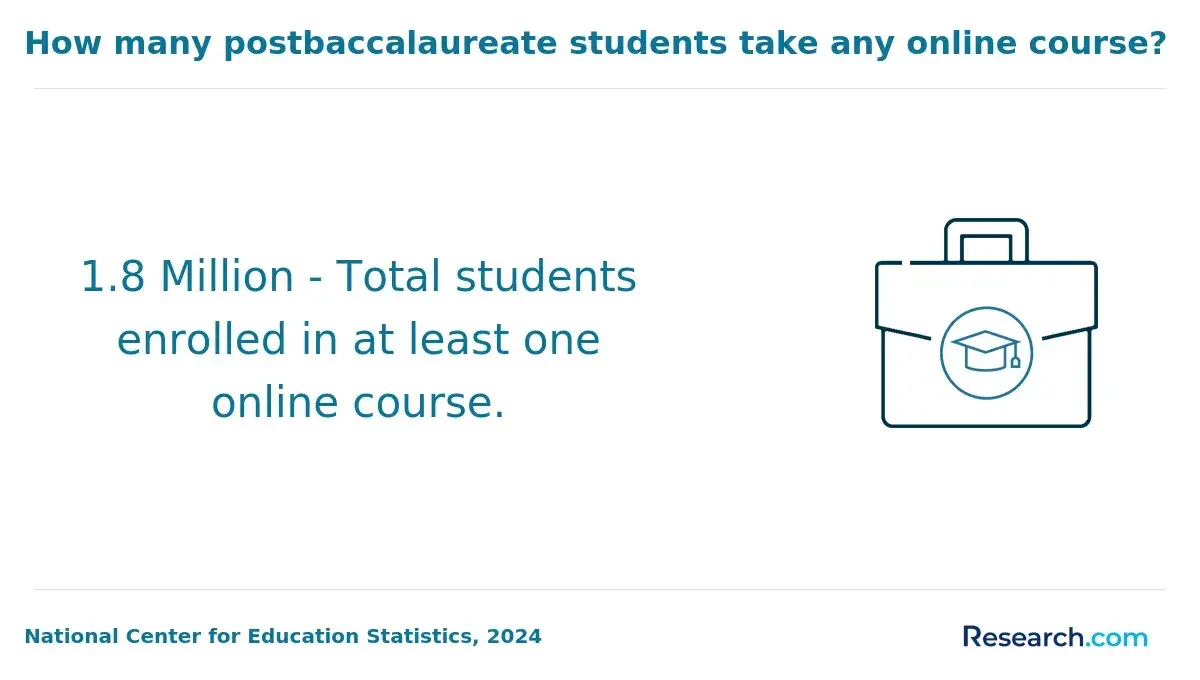
Recent data from 2024 highlights a consistent gap in completion rates among nursing education formats, with fully online programs generally exhibiting lower persistence-often 10 to 15 percentage points behind hybrid and campus options. This trend stems from the self-directed nature of online study, which demands rigorous time management and technical competence without the immediate support found in face-to-face settings. Unlike on-campus programs, where clinical practice is seamlessly integrated, online students frequently face added logistical challenges securing hands-on experience, complicating timely progression toward licensure.
In contrast, hybrid formats blend remote coursework with scheduled, in-person clinical and lab sessions, creating a structured yet flexible environment that supports stronger engagement and peer collaboration. Completion rates in hybrid programs tend to align closely with those on campus, generally ranging between 70 and 85 percent. Campus-based formats offer advantages through routine faculty interaction and embedded practical training but may present barriers such as commuting and fixed schedules, which can affect non-traditional students balancing work or family commitments.
One nurse recalled weighing her options carefully after her employer's relocation forced her to switch programs mid-degree. Initially enrolled in a traditional campus program, she chose a hybrid path to accommodate her new work hours and childcare needs. Although she faced initial hesitation about reduced face-to-face time, the hybrid format's combination of in-person clinical hours and online classes ultimately helped her maintain steady progress. Her experience underscores the importance of matching format demands with personal circumstances rather than assuming any options are inherently less difficult.
How Does Each Nursing Education Learning Format Affect Student Success?
Student success in nursing education is less about the format itself and more about how well the chosen delivery method fits a learner's personal situation, study habits, and external responsibilities. Some students thrive in highly structured environments with in-person accountability, while others require the flexibility that online options provide to juggle work and family. Hence, success rates vary not simply by format but by the alignment between student needs and the learning environment. Below are key ways that campus, hybrid, and online nursing education formats shape academic outcomes.
- Access to Real-Time Faculty and Peer Support: Campus programs typically offer immediate interaction with instructors and classmates, which strengthens motivation and persistence through challenging coursework. Students who benefit from direct feedback and collaborative learning often find higher completion rates here, as reported by the National Center for Education Statistics (2024).
- Flexibility for Non-Traditional Students: Online formats provide vital scheduling freedom for those managing employment or caregiving duties. However, this flexibility can also lead to a sense of isolation and lower engagement, especially without proactive outreach and mentoring, contributing to lower completion rates compared to campus programs.
- Blended Engagement in Hybrid Models: Hybrid programs combine face-to-face interaction with online convenience, typically yielding success rates between fully online and campus settings. This format suits learners needing both structure and adaptability but requires disciplined time management to maximize benefits.
- Impact of Structured Schedules: The consistency of in-person class times supports steady progress through nursing curricula, crucial for mastering complex material. Students struggling with self-regulation may find campus or hybrid schedules more conducive to degree completion than purely online formats.
- Importance of Academic Support Services: Across all formats, programs that integrate advising, collaborative projects, and prompt feedback improve student success. Online students in particular benefit when institutions provide accessible virtual support to offset physical distance.
- Peer Networking Opportunities: Campus formats facilitate stronger peer connections that foster accountability and information sharing critical for clinical readiness. Online students often need additional platforms or communities to replicate this benefit.
- Variability Based on Individual Learning Styles: Students with a preference for hands-on, experiential learning may excel in campus or hybrid programs where clinical simulations and labs occur in person, while self-directed learners can leverage online models effectively if they maintain discipline and seek available resources.
How Does Enrollment Status Affect Nursing Education Completion Rates?
Enrollment status is one of the most important factors influencing nursing education completion rates, but its impact extends beyond simply how many courses a student takes each term. The effectiveness of full-time versus part-time enrollment depends largely on individual circumstances such as work commitments, family responsibilities, and personal learning styles. For some, full-time study enables steady, focused progression, while others may find part-time enrollment offers needed flexibility to sustain their educational goals. The following points outline key ways enrollment status shapes the likelihood of degree completion.
- Structured Support Access: Full-time students often benefit from more direct access to institutional support services like tutoring and academic advising. These resources, usually aligned with scheduled class times, can bolster persistence and timely graduation, particularly for learners who thrive with regular engagement.
- Time Management Challenges: Part-time students typically juggle multiple responsibilities such as employment and caregiving, which can disrupt consistent study patterns. This makes it harder to maintain momentum and increases the risk of program delays or attrition for those without strong time management skills.
- Flexibility for Working Nurses: Part-time enrollment provides critical flexibility for employed nurses seeking further qualifications without sacrificing income. This option suits learners balancing clinical shifts and family, though it requires realistic pacing to avoid extended time to completion.
- Completion Rate Differences: Nationwide data from recent government education reports show full-time nursing education students graduate at rates approximately 20% higher than their part-time counterparts. This gap reflects both structural advantages and the challenges part-time students face but doesn't negate part-time as a viable path for many.
- Online Program Demographics: Online nursing education programs attract a higher proportion of part-time students compared to campus-based programs, contributing to generally lower completion rates in fully online cohorts. Prospective students should weigh this trend against their need for flexibility and self-discipline in remote learning environments.
- Hybrid Program Benefits: Hybrid formats blend in-person and online elements, offering a compromise that can improve outcomes for part-time students by combining flexibility with structured, face-to-face engagement that supports persistence.
- Practical Pacing Decisions: Choosing enrollment status is ultimately a judgment call based on individual life demands and learning preferences. For example, a working parent might opt for part-time to maintain balance, while another student without significant outside obligations may complete faster full-time. Recognizing these tradeoffs helps set realistic expectations and select a sustainable path.
Prospective students exploring nursing education degree options can also consider online BSN programs for non nurses, which often feature flexible enrollment and pacing aligned with varying student needs.
Can Transfer Credits Improve Nursing Education Degree Completion?
Transfer credits can meaningfully shorten the time required to finish a nursing education program, but the extent of this benefit hinges on several key factors. When transfer credits align closely with program requirements, they reduce the need for repeating courses, accelerating progress toward graduation. For example, a student entering an online nursing education program with previous college credits in anatomy and physiology may bypass foundational classes, cutting months off their completion timeline. However, this advantage depends heavily on how institutions evaluate and apply those credits.
Not all credit transfers are equally beneficial. Policies vary widely between campus, hybrid, and online formats, with on-campus programs often enforcing stricter transfer limits and less curricular flexibility. In contrast, many online and hybrid programs provide a more accommodating framework that recognizes a broader range of prior learning experiences, including military training or professional certifications. This flexibility can play a decisive role in helping transfer students maintain momentum.
While research from the National Student Clearinghouse Research Center in 2024 shows students who use transfer credits finish nursing education degrees 20-30% faster on average, this is not a universal outcome. Practical challenges remain, such as ensuring clinical placement opportunities and satisfying specific course equivalencies. For some transfer students, navigating these requirements amid rigid campus schedules or limited seat availability can offset initial time savings.
Prospective nursing education students should carefully assess whether transferring credits will truly streamline their path. This starts with obtaining a formal credit evaluation from the institution, comparing how many credits transfer and how they fulfill core or elective requirements. Understanding the remaining credit load relative to their intended enrollment pace and personal responsibilities is crucial. Ultimately, while transfer credits can significantly enhance completion rates, achieving on-time graduation hinges on balancing credit acceptance with academic performance and program demands.
What Student Support Services Improve Nursing Education Completion Rates?
Student support services clearly influence completion rates in nursing education across online, hybrid, and campus settings, but their effectiveness depends on how well they address each program's context. Targeted advising, tutoring, and mental health resources do not just assist students-they fundamentally shift persistence patterns, with studies from 2024 showing marked increases in retention and graduation. The following key services reveal where institutions can make the most impactful investments to enhance outcomes.
- Proactive Academic Advising: Personalized advising tailored to each format's demands helps students navigate logistical and academic hurdles. In-person advising on campus benefits from immediate engagement, while virtual advising in online programs offers flexible availability. Data from an EDUCAUSE 2024 review notes online students with access to virtual advisors persist 15% more term to term compared to peers without such services.
- Competency-Focused Tutoring: Support focusing on critical nursing skills like pharmacology and clinical practice enhances mastery essential for progression. Hybrid learners gain extra advantage by combining virtual accessibility with hands-on campus tutoring, offering an adaptive blend that aligns with diverse learning needs.
- Mental Health and Wellness Resources: Addressing isolation and stress, especially pertinent for online students, counseling and peer support networks correlate with a 10% to 20% rise in graduation rates according to the American Association of Colleges of Nursing. Proactive wellness initiatives help maintain student engagement and resilience throughout demanding curricula.
- Flexible Scheduling and Accessibility: Nursing programs that integrate student-centered scheduling and offer asynchronous access to advising and tutoring accommodate varied personal and professional obligations, critical for nontraditional students balancing multiple responsibilities.
- Integrated Support Frameworks: Combining academic, mental health, and technical resources into cohesive support systems ensures students benefit from seamless assistance rather than fragmented services. This integration is vital for online and hybrid formats to approximate the immediacy found in campus programs.
- Peer Networks and Community Building: Facilitating connections among nursing students through formal or informal groups strengthens motivation and knowledge sharing, offsetting isolation risks particularly in fully online cohorts.
After nearly quitting during her second term, an online nursing education student found that virtual academic advising was pivotal in managing her workload and deadlines amid a challenging job schedule. She recalls feeling overwhelmed by balancing clinical hours with coursework but describes how a timely conversation with her advisor helped restructure her study plan, preventing burnout. At the same time, access to online peer support groups offered a sense of belonging that softened the isolation of distance learning. This combination of flexible, responsive support services ultimately made the difference between withdrawal and successful completion of her degree program.
How Do Nursing Education Completion Rates Affect Career Outcomes?
Completion rates in nursing education-across online, hybrid, and campus formats-directly influence career outcomes by determining access to credentials that employers prioritize. While the mode of study shapes persistence risks, the key differentiator remains earning the degree itself. For students weighing options, understanding how completing their program affects employability and earnings is critical. Below are primary ways that degree completion shapes nursing careers.
- Employment access and stability depend heavily on degree completion: Many nursing roles require official credentials as a basic entry condition. Students who fail to complete their programs face limited job prospects. Data from the National Center for Education Statistics shows that bachelor's degree holders have significantly lower unemployment rates than those with some college but no degree, underscoring the role of completion in broadening stable job opportunities.
- Higher lifetime earnings correlate with prompt degree completion: Graduates who finish on or ahead of schedule, common among campus and hybrid learners, tend to start earning sooner and build experience earlier. This advantage typically translates into higher long-term incomes compared to peers who experience delays or drop out, highlighting the financial importance of timely completion in nursing education completion rates and career success.
- Promotion and career progression often require a completed nursing degree: While experience and skills remain critical, employers frequently require completed degrees for advancement or specialized roles. Completing your program unlocks eligibility for these pathways, though actual advancement depends also on job market conditions and individual performance.
- Graduate education eligibility hinges on degree completion: Successfully obtaining a nursing degree is the usual prerequisite for enrolling in advanced programs, such as nurse practitioner or clinical specialties. Pursuing these options expands career trajectories significantly, as reflected by increased graduate school enrollment rates among degree completers.
- Program completion rates vary by format, influencing individual risk: Campus programs typically report higher completion due to in-person supports, while online options face challenges from self-motivation and time management barriers. Hybrid models balance flexibility and structure, helping working students persist. Prospective students should evaluate personal learning preferences and risk tolerance when choosing formats.
For those considering pathways like ADN to FNP programs, understanding these nuances in nursing education completion rates and career success is essential for aligning education choices with realistic career goals.
How Should Students Choose the Best Nursing Education Learning Format?
Selecting the best nursing education program format requires a grounded assessment of personal responsibilities, learning habits, and professional goals. Recent 2024 data from the National Center for Education Statistics and the American Association of Colleges of Nursing reveal that degree completion rates differ significantly between online, hybrid, and campus formats. For example, students with full-time jobs or caregiving duties often succeed in online environments due to flexible scheduling. The following points outline key factors essential to choosing a learning format that aligns with your chances of successful degree completion and career outcomes.
- Work and Family Commitments: Online programs provide critical flexibility for those juggling employment or family responsibilities but demand strong self-discipline. Students should realistically evaluate their daily schedules to determine if consistent remote engagement is feasible without compromising academic progress.
- Learning Style and Self-Motivation: Those who thrive on structured environments may find campus programs with fixed schedules and face-to-face interactions more conducive to staying on track. Conversely, hybrid formats can suit learners needing a balance of direct support and independent study.
- Access to Clinical and Practical Training: Nursing education requires hands-on skill development, often better supported by traditional campus or hybrid options. Physical presence ensures immersive clinical experiences essential for readiness in care settings.
- Academic Support Systems: Online students who lack immediate access to faculty and peer networks face higher attrition risks. Evaluating the program's academic support-tutoring, advising, and technical help-is vital to sustained success.
- Career Timeline and Employability Focus: Programs that match a student's pace and professional goals enhance employability, as employers favor graduates adaptable across diverse settings. Consider whether a program's format facilitates timely completion aligned with career entry points.
- Technology Access and Comfort: Proficiency with digital tools and reliable internet access are prerequisites for online and hybrid formats. Assess technological readiness to avoid disruption in learning continuity.
- Program Reputation and Outcomes: Research outcomes such as degree completion rates and clinical placement success to gauge program effectiveness. For instance, examining the best psychiatric mental health nurse practitioner programs online can provide insight into how specific formats perform in clinical readiness.
Choosing the best nursing education program format is therefore a personalized decision balancing individual demands with evidence-based realities of persistence and program support. This nuanced approach improves the likelihood of degree completion and long-term professional success.
What Are the Long-Term Pros and Cons of Each Nursing Education Learning Format?
Long-term outcomes of nursing education vary significantly depending on whether a student chooses an online, hybrid, or campus format. Each offers unique advantages and challenges that strongly influence completion rates, skill mastery, and career readiness. For example, a working parent may thrive in an online program's flexibility but face practical skill gaps that require extra post-graduation training. Below are key considerations to weigh when evaluating each learning format's lasting impact.
- Flexibility versus hands-on experience: Online programs provide unmatched scheduling freedom suited for those balancing work or family, but often at the expense of direct clinical practice, which campus and hybrid formats deliver more robustly. This can affect preparedness for immediate employment.
- Completion rates and motivation: Hybrid programs typically achieve completion rates closer to campus levels by blending engagement with convenience. Fully online students may experience lower retention due to less structured interaction, highlighting the importance of self-discipline.
- Practical skills and on-site training needs: Campus and hybrid graduates benefit from immediate clinical access, fostering stronger hands-on competencies, while online graduates might require supplementary onsite internships or training to bridge practical gaps.
- Professional networking and support: Campus-based education often leads to stronger peer and faculty connections, aiding career transitions. However, hybrid models increasingly incorporate collaborative opportunities that online formats frequently lack.
- Cost and accessibility considerations: Campus programs generally entail higher tuition and commuting costs, which may hinder some students. Online and hybrid formats can be more affordable and accessible, expanding options for non-traditional learners.
- Long-term adaptability and employer perception: Employers value the self-directed learning and flexibility online graduates demonstrate, though some prefer the hands-on experience typical of campus or hybrid alumni when making hiring decisions.
- Scheduling logistics and student lifestyle: Hybrid programs demand careful time management to coordinate online and in-person components, which can stress students juggling multiple roles, unlike fully online or campus formats tailored to single preferences.
References
- 7 Things to Consider When Getting a Nursing Degree Online https://onlinedegrees.elmhurst.edu/blog/seven-things-consider-when-picking-online-nursing-program
- A Quick Guide to Cultivating Success for First-Year Nursing Students - Osmosis Blog https://www.osmosis.org/blog/a-quick-guide-to-cultivating-success-for-first-year-nursing-students
- How Difficult Is Nursing School? | NursingEducation https://nursingeducation.org/insights/how-difficult-is-nursing-school/
- Predictors of Success for Underrepresented Nursing Students https://etd.ohiolink.edu/acprod/odb_etd/ws/send_file/send
- Improving Online Course Design in a Nursing Education Program: A Design Case - OJDLA https://ojdla.com/articles/improving-online-course-design-in-a-nursing-education-program-a-design-case
- Advantages and Disadvantages of E-learning in Nursing Teaching Process - Journal of Health Systems and Policies https://dergipark.org.tr/en/pub/jhesp/article/530572
- Making sure you're not a bot! https://bspace.buid.ac.ae/items/3650ccab-2247-4302-ac8b-6206d560248f
- Transfer of Credit - Evelyn L. Spiro School of Nursing https://wagner.edu/nursing/graduate/transcredit/
- Hurst Review https://www.hurstreview.com/blog/the-best-nursing-school-tips-for-every-learning-preference
- Pros and Cons of Online Nursing Education - Aspen University https://www.aspen.edu/altitude/pros-cons-online-nursing-education/
Other Things You Should Know About Nursing Education
Yes, program format significantly shapes clinical practice scheduling and workload, which in turn affect completion rates. Campus-based programs often embed clinical hours within a fixed weekly timetable, offering predictable routines but less flexibility, benefiting those who thrive under structured environments. Online and hybrid formats may require students to coordinate clinical placements independently, creating scheduling challenges that can delay progress or increase dropouts for students lacking strong organizational support. Prospective students should weigh their ability to manage self-directed clinical arrangements when choosing a format to reduce risks of incomplete clinical components.
Employer perceptions can affect career trajectories and thus indirectly influence the value of completing specific formats. Some employers remain cautious towards fully online degrees fearing less hands-on training and peer interaction, impacting hiring or promotion opportunities. Hybrid and campus programs typically enjoy stronger reputations for balanced theoretical and practical exposure, aiding graduates in competitive hiring environments. Students motivated by advancement in traditional healthcare settings should prioritize programs that clearly demonstrate integrated clinical experiences and institutional recognition to maximize post-completion benefits.
Time-to-completion often varies more for online programs due to flexible pacing options, which can extend overall degree duration if not managed effectively. Hybrid and campus formats enforce stricter semester timelines, keeping students on a more uniform progression path. This variability in online programs can be advantageous for those needing to balance work or family, but it raises the risk of extended enrollment and higher cumulative costs. Students prioritizing a definitive graduation timeline should consider formats with structured schedules, while those requiring flexibility must implement strong self-discipline to avoid protracted completion.
Social engagement significantly impacts persistence and completion, with campus programs facilitating in-person peer networks that encourage accountability and collaboration. Hybrid formats blend this with online flexibility but require active effort to maintain connections. Fully online programs often lack the immediate social interaction that can motivate students, potentially increasing isolation and attrition rates. For students who depend on community support and direct faculty interaction to sustain motivation, campus or hybrid programs are advisable; conversely, self-motivated learners comfortable with digital communication may complete online formats more successfully.