2027 Nursing Education Degree Completion Time Report: How Long Students Actually Take to Graduate

Co-Founder and Chief Data Scientist
Completion timelines for nursing education degrees often extend beyond advertised program lengths due to complex, real-world factors. Many students balance clinical placements, work responsibilities, and personal obligations, which can slow academic progress. According to the 2024 National Center for Education Statistics report, less than 60% of bachelor's degree students graduate within six years, reflecting varied pacing influenced by transfer credits, part-time enrollment, and course availability.
In nursing education specifically, the necessity for sequential clinical rotations and certification requirements further complicates timelines. This article examines how long students actually take to graduate, the influential factors shaping these durations, and the critical patterns for informed educational planning.
Key Things to Know About Nursing Education Degree Completion Time
- Most students take longer than the advertised program length. Only about 45% of first-time, full-time bachelor's students graduate within four years, while roughly 64% finish within six years, making the actual completion time longer for many learners.
- The average college graduate is often older than expected. The median age of bachelor's degree recipients is around 23 years, while master's degree recipients are typically in their early 30s, reflecting the growing number of adult and returning students.
- Completing a degree can significantly increase lifetime earnings. Workers with a bachelor's degree earn roughly 65% more per week than those with only a high school diploma, and graduate degree holders typically earn even higher median wages over their careers.
- What Is the Average Graduation Time for Nursing Education Students? Average Graduation Timeline
- What Factors Have the Biggest Impact on Graduation Speed? Graduation Timeline Factors
- How Does Full-Time Versus Part-Time Enrollment Affect Graduation Timelines? Full-Time vs. Part-Time Graduation Timeline
- Do Online Nursing Education Students Graduate Faster Than Campus-Based Students? Online vs. On-Campus Timeline
- How Many Months or Years Can Transfer Credits Save? Transfer Credits
- Do Accelerated Nursing Education Programs Significantly Reduce Completion Time? Accelerated Program Timeline
- Which Nursing Education Program Requirements Most Often Extend Graduation Timelines? Factors Extending Graduation Timeline
- Does Taking Longer to Graduate Increase the Cost of a Nursing Education Degree? Impact on Program Cost
- Does Graduating Faster Improve Career Prospects? Impact on Career Prospects
- Which Scheduling Mistakes Commonly Delay Graduation? Mistakes to Avoid
What Is the Average Graduation Time for Nursing Education Students?
Nursing education students typically complete their degrees within a broad timeframe influenced by enrollment status and program design. Full-time students in traditional bachelor's pathways generally take between four and five years to graduate, although this duration can extend with part-time study or interruptions caused by work and personal commitments. Accelerated tracks intended for holders of prior bachelor's degrees reduce this period to one to two years, yet the condensed schedules often demand intensive clinical placements and rigorous coursework sequencing, which may delay completion. The average time to complete nursing education degree programs reflects this wide variance, shaped by how students balance academic and non-academic responsibilities.
Variations in graduation timelines largely stem from institutional policies on credit transfer, course availability, and clinical practice requirements, alongside individual circumstances such as employment and family obligations. Transfer students frequently encounter delays due to non-alignment of credits or the need to repeat prerequisites, while working adults often struggle to maintain full-time status because of competing priorities. Additionally, the choice between online and campus-based formats affects pacing; flexible online programs can accommodate slower progress but may extend time to degree. Data from the National Center for Education Statistics highlights that many students require between two and six years to graduate, depending on how these factors interact within a given program's structure and student demographics.
Such variability has practical implications for academic planning and career readiness, as extended timelines can increase educational costs and delay entry into the nursing education workforce. Employers typically prefer candidates who complete programs within a reasonable period, as prolonged durations may raise questions about current clinical competencies or commitment to the field. Prospective students should therefore weigh their educational options against personal and professional goals, recognizing that accelerated pathways offer speed but often demand greater intensity.
Those seeking affordable routes might explore resources like the cheapest nurse practitioner programs, ensuring alignment between graduation timing and workforce needs is a central consideration in their decision-making process.
What Factors Have the Biggest Impact on Graduation Speed?
Graduation speed in nursing education is shaped by a complex interplay of institutional design, student enrollment choices, and external life responsibilities. No single factor alone determines how quickly a student completes their degree; rather, the combination of program flexibility, credit policies, and personal workload management all contribute to variability in timelines. Understanding these interactions can inform more strategic decisions about course load, enrollment status, and program delivery formats, helping students navigate challenges that impact their graduation trajectory. This approach reflects the practical realities that working adults and transfer students often face when pursuing nursing education credentials.
- Enrollment Status and Course Load: Full-time enrollment significantly shortens program duration by allowing students to progress through curriculum milestones in a continuous, concentrated manner. In contrast, part-time students-many managing jobs and caregiving-face longer completion times; a 2024 National Center for Education Statistics report found part-time nursing education students are 35% more likely to exceed standard program lengths. Decisions about enrollment status are closely tied to personal and financial circumstances but have pronounced effects on graduation speed.
- Program Structure and Delivery Format: Traditional nursing education programs commonly spread coursework over many semesters, whereas accelerated or competency-based paths condense requirements, enabling faster completion. However, these accelerated options demand intense schedules and are not universally accessible, limiting their impact on graduation speed across the broader student population. Program flexibility also interacts with institutional policies on clinical placements and course sequencing, which can either facilitate or delay progress.
- Academic Preparedness and Prerequisite Mastery: Students entering nursing education with adequate preparation in foundational science and math avoid remedial classes that otherwise extend degree timelines. The rigorous clinical and theoretical components require solid prerequisite knowledge to maintain steady progression. Academic readiness thus influences initial pacing and increases the likelihood of continuous enrollment without interruptions.
- External Obligations and Clinical Placement Bottlenecks: Work commitments and caregiving can restrict the number of courses students manage per term, slowing progression through credit requirements. Additionally, limited availability of clinical rotations creates institutional bottlenecks; students may have to pause academic advancement while awaiting placement. These external factors highlight the constraints students face beyond classroom performance that directly affect graduation speed.
- Transfer Credits and Institutional Policies: Students transferring credits from community colleges or other programs may shorten their path if coursework aligns well with nursing program standards. Yet uneven credit transfer policies can force course repetition, counteracting potential time savings. Navigating these policies requires careful academic planning and can significantly impact total degree duration.
These dynamics collectively explain why graduation timelines vary widely even within the same nursing education programs. Students balancing part-time enrollment and external workload will typically face longer timelines than those leveraging accelerated formats and transfer credits effectively. Understanding these variables is essential for setting realistic expectations and making informed enrollment and course planning decisions that align with individual circumstances and longer-term career goals.
Prospective and current students might also consider options available at nursing schools that don't require TEAS or HESI exams to better align with their enrollment strategy.
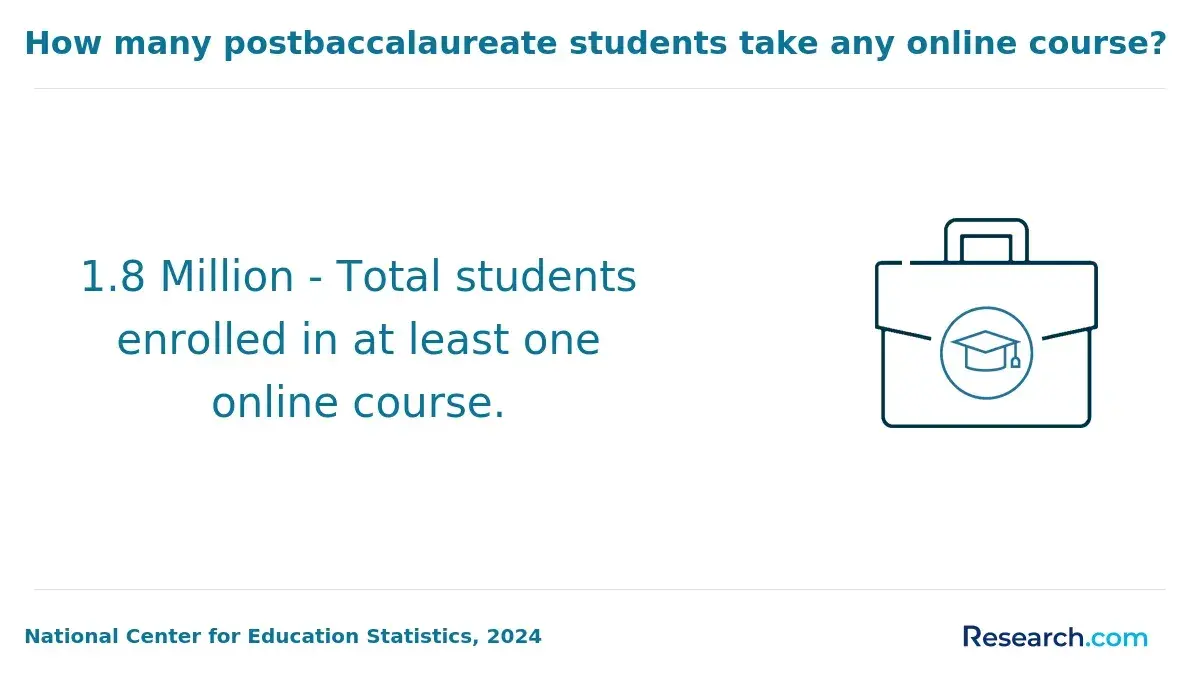
How Does Full-Time Versus Part-Time Enrollment Affect Graduation Timelines?
Enrollment status profoundly influences the duration needed to complete a nursing education degree, with full-time students generally finishing within the standard program length, which varies largely between two to four years depending on degree level. Part-time students, due to restricted course loads and external commitments, often extend their studies by at least 50%, sometimes requiring six years or more to graduate. This divergence stems from how continuous academic momentum supports timely progression, as full-time enrollment enables steady course sequencing and efficient clinical placement completion, essential in nursing curricula. National data from the National Center for Education Statistics underscores this pattern, highlighting that full-time students are substantially more likely to graduate on schedule compared to their part-time counterparts.
The interplay of credit load, program structure, and personal circumstances shapes these timelines considerably. Full-time students typically navigate a demanding but coherent sequence of courses and clinical practicums each semester, facilitating skill retention and meeting time-sensitive licensing prerequisites without delay. Conversely, part-time students face fragmented academic experiences, balancing coursework with employment or family demands, resulting in elongated gaps that can disrupt knowledge continuity and complicate clinical scheduling. Additionally, the prevalence of hybrid and online course delivery in some programs introduces variability in pacing flexibility but does not wholly offset challenges inherent in part-time enrollment, especially when administrative constraints limit course availability or delay critical practicum assignments.
Choosing full-time versus part-time enrollment carries long-term implications beyond immediate graduation timing. Full-time study demands considerable financial and time investment upfront but accelerates entry into the workforce, potentially reducing overall education costs and minimizing delays in professional licensure and career progression. In contrast, part-time pathways, while offering necessary life-balance adaptability, may increase total expenses and risk skill degradation over prolonged durations, which some employers might interpret as less current clinical preparation. These real-world tradeoffs underscore the importance of aligning enrollment decisions with individual circumstances and workforce demands, especially given ongoing shortages and evolving expectations within healthcare settings.
Do Online Nursing Education Students Graduate Faster Than Campus-Based Students?
It is commonly observed that online nursing education students often complete their degrees faster than those attending campus-based programs, but this is not a uniform outcome. According to data from the National Center for Education Statistics in 2024, 58% of online nursing education learners finished their degrees within four years, compared to 49% for on-campus counterparts. This trend reflects the flexibility embedded in many online programs, allowing students to navigate coursework on a schedule that fits their professional and personal lives. Yet, individual graduation timelines vary significantly depending on program design, learner motivation, and external commitments.
Key elements shaping these differing completion speeds include the pacing options offered and how students manage their workloads. Online programs often provide asynchronous classes enabling self-paced progression, which can accelerate degree completion for disciplined students balancing multiple responsibilities. Conversely, campus-based students may face more structured semester schedules and mandatory clinical rotations or internships that extend program duration but provide essential hands-on experience. Additionally, transfer credits and prior work experience, more common among online enrollees, can shorten time to graduation, while campus learners sometimes invest longer in immersive, experiential learning environments that integrate theory and practice intensively.
Choosing between modalities implicates not just scheduling but also academic rigor and time management expectations. Online learners must exhibit strong self-regulation to maintain steady progress, while campus students benefit from face-to-face support and scheduled cohorts that foster routine. These differences influence how quickly students enter the workforce, with online pathways often enabling faster initial entry but campus programs potentially offering more comprehensive preparation for complex clinical roles. Ultimately, understanding these dynamics helps students and advisors set realistic expectations aligned with individual circumstances and career goals.
An example illustrating these challenges involves a nursing education graduate who hesitated enrolling during a rolling admissions period, uncertain about balancing work obligations and application deadlines. They delayed submitting their materials while monitoring program communications closely, hoping for clarity on course start dates. This cautious approach caused a brief enrollment lag, but ultimately allowed them to secure a spot in an online cohort that better matched their availability. Their experience highlights the strategic timing decisions prospective students face, where early preparation and responsiveness to admissions cycles can noticeably impact how soon degree completion becomes achievable.
How Many Months or Years Can Transfer Credits Save?
Transfer credits can significantly shorten the total time required to complete a nursing education degree, often by several months to over a year. The actual reduction depends heavily on the quantity and relevance of credits accepted, as these directly affect how much foundational coursework can be bypassed. Accredited studies show that, on average, transfer credits reduce degree completion time by 20% to 30%, translating to saving four to twelve months in typical three- to four-year programs. This variability highlights why students should set realistic expectations rather than rely on generalized estimates regarding transfer credits impact on nursing education degree completion time.
The degree of time savings hinges on multiple institutional and academic factors. Compatibility of prior coursework with the nursing education curriculum is critical; science prerequisites like anatomy and physiology commonly transfer, but credits from unrelated fields often do not reduce nursing-specific course loads. Policies on maximum transferable credits, residency requirements mandating a minimum number of credits be earned at the institution, and restrictions on the age of transferable credits further complicate credit acceptance. Thus, transfer students must navigate course equivalency evaluations and institutional frameworks that can either enhance or limit time saved, emphasizing how the average months saved with transfer credits in nursing education programs vary widely across schools and even between individual student cases.
Beyond shortening degree timelines, transfer credits influence financial planning and academic progression. Efficient credit transfer can reduce tuition burden and allow for more focused sequencing of specialized nursing classes and clinical placements, which are pivotal for meeting employer expectations. Nonetheless, many students balance educational goals with work and family demands, and a faster timeline is not always feasible or desirable. Some may opt for part-time enrollment despite transfer credits, underscoring that time savings do not uniformly translate to earlier graduation.
For those exploring the intersection of nutrition and healthcare careers, understanding these dynamics is crucial, especially when considering related fields such as online registered dietitian programs as complementary or alternative pathways within health sciences.
Do Accelerated Nursing Education Programs Significantly Reduce Completion Time?
Accelerated nursing education programs aim to shorten the traditional degree timeline by condensing coursework into fewer semesters, allowing students to complete a bachelor's or graduate degree in about half the usual time. These programs reconfigure the curriculum to increase credit loads per term, often eliminating lengthy breaks and overlapping some course sequences. While the overall calendar duration is reduced, this compressed design demands continuous enrollment with little downtime, fundamentally altering the pacing norms seen in standard nursing pathways.
Whether these programs realize meaningful time savings depends heavily on how course intensity and sequencing are managed. Squeezing more credits into each term can increase the academic burden, but prerequisites and clinical placements often still require fixed timeframes that limit acceleration. Some programs maintain rigid requirements for internships or capstone projects that do not shorten, placing a floor on how quickly students can progress. Moreover, the need to balance clinical hours with coursework means institutional scheduling constraints can reduce flexibility, preventing all students from finishing significantly earlier despite the accelerated label.
These structural trade-offs mean that accelerated nursing education is not simply about shorter duration but about managing a denser, more demanding workload within limited scheduling windows. Students face compressed semesters with elevated stress and less margin for delays or remediation, which can affect both completion timing and learning depth. The impact on student experience varies widely depending on individual time management skills and external responsibilities, making this path more suitable for some learners than others seeking faster entry into the workforce.
One nursing education graduate recalled weighing options during a rolling admissions cycle, hesitant to commit without knowing when clinical placements would open. "I wanted to jump in and finish quickly, but my acceptance was delayed several weeks, and that pushed my start date." She noted that even after acceptance, pre-admission prerequisites and orientation stretched out before official coursework began. The experience highlighted that while accelerated programs promise speed, administrative and logistical realities often introduce uncertainty that tempers how much time is truly saved.
Which Nursing Education Program Requirements Most Often Extend Graduation Timelines?
Graduation timelines in nursing education programs frequently extend not simply due to total credit hour requirements but largely because of specific mandatory elements integrated into the curriculum. These components are designed to maintain rigor and ensure graduates meet professional standards, yet they often impose scheduling and sequencing constraints that limit student flexibility. The structure and administration of these requirements create progression bottlenecks that vary depending on institutional policies and student circumstances.
- Clinical Practicum Hours: These supervised, hands-on experiences are central to nursing education, intended to guarantee real-world competency. However, limited availability of clinical placements and fixed scheduling often cause delays, as students must wait for openings that align with their program timeline, pushing some beyond the typical two-to-four-year completion window.
- Prerequisite Course Sequencing: Foundational courses in sciences like anatomy and physiology must often be completed in a strict order before advancing to core nursing topics. This sequencing leaves little room for retakes or schedule adjustments, with one study showing about 30% of nursing students face extended timelines due to such curricular bottlenecks.
- Specialized Coursework and Certification Requirements: Programs frequently integrate advanced modules or mandatory certifications such as Basic Life Support or ACLS. While essential for employability, these requirements increase the overall course load and introduce additional timing constraints, especially when certification exam schedules are inflexible.
- Institutional Scheduling Policies: Many nursing programs have fixed-term offerings without sufficient part-time or online options. This rigidity disproportionately affects working students who must reduce course loads or delay enrollment, often adding several months or more to degree completion.
Recognizing how these structural elements function within nursing education helps anticipate potential delays. Strategic planning around clinical placement timing, prerequisite completion, and certification scheduling can mitigate some extensions. Nevertheless, these program features reflect the complex balance between educational quality, workforce readiness, and the practical realities students face in progressing efficiently through nursing education pathways.
Does Taking Longer to Graduate Increase the Cost of a Nursing Education Degree?
Extended timelines in nursing education degree programs commonly increase total tuition and related expenses because many institutions charge students on a per-term, per-credit, or semester basis. When completion stretches beyond the typical timeframe, this structure means accumulating more chargeable periods, often with additional fees and potential loss of eligibility for certain restricted financial aid options. Longer enrollment also delays workforce entry, limiting earlier salary gains and adding to the financial consequences of delayed nursing education graduation. This combination of extended academic costs and postponed income opportunities contributes to higher overall financial burdens for students facing prerequisite issues, clinical placement constraints, or balancing part-time enrollment with personal responsibilities.
However, extended completion does not always drastically increase costs in programs employing flat-rate tuition or flexible pacing policies that do not add fees for lighter course loads or extra terms. Employer tuition assistance and part-time enrollment pricing can further moderate these expenses, making longer paths more financially manageable. Enrollment behavior, such as course load adjustments and credit transfer optimization, indirectly affects cost accumulation by influencing the length and intensity of study. Prospective students should weigh these factors carefully, understanding the cost impact of extended nursing education degrees alongside practical considerations like updated competencies and market demand.
For detailed salary expectations in healthcare-adjacent roles, consulting resources on autopsy tech salary can provide additional context within allied health career pathways.
Does Graduating Faster Improve Career Prospects?
Graduating faster from a nursing education degree can enable students to enter the workforce earlier, which might appear advantageous for those aiming to begin earning and gaining experience promptly. However, employers rarely assess the speed of graduation in isolation. Instead, they focus on candidates' overall readiness, including proven clinical competence and evidence of sustained practical training. While accelerated completion may position graduates for an earlier job search, the impact of this timing advantage is often moderated by other critical employment factors.
The impact of accelerated nursing education graduation on career outcomes is largely determined by the depth of internship experience, demonstrable skill mastery, and the strength of clinical portfolios, which frequently outweigh the mere duration of study. Employers prioritize robust hands-on exposure and professional networking that contribute to career readiness. Even when faster graduation is achieved, lacking diverse practicum hours or professional connections can limit hiring competitiveness. Students should also consider alignment with current industry demand, as rapid completion does not automatically guarantee better job placement without market-relevant qualifications.
The career benefits of faster nursing education degree completion must be balanced against potential trade-offs, such as reduced time for experiential learning and professional growth. Accelerated paths may increase stress and reduce opportunities to build specialty skills or develop a professional network, which are instrumental for long-term advancement. For many, sustained depth of training and continuous development post-graduation ultimately shape employability more than graduation speed alone.
Those interested in exploring flexible entry options might research accredited LPN programs easy to get into as part of a broader career strategy.
Which Scheduling Mistakes Commonly Delay Graduation?
Delays in completing nursing education degrees frequently stem not from academic challenges alone but from avoidable scheduling and enrollment mistakes that disrupt steady progress. These issues affect students across different degree levels and program formats, complicating how prerequisites, credit loads, and clinical requirements align over time. Recognizing these barriers is crucial for maintaining consistent academic progression and minimizing extended time-to-degree.
- Ignoring Pre-requisite Course Order: Nursing education curricula often mandate a strict sequence of foundational courses before advanced topics. Students who attempt to enroll out of sequence encounter registration blocks or must retake courses later, which interrupts progression and adds semesters.
- Mismanaging Credit Loads Per Term: Taking too few credits to balance life commitments prolongs degree completion, while overloading risks burnout and failing grades. Both scenarios cause pacing disruptions that clinics and employers observe as gaps in training.
- Transfer Credit Misalignment: Transfer students commonly face credit evaluation inconsistencies. When previously earned credits don't match program requirements, additional semesters are needed to fulfill unmet prerequisites and clinical hours, a factor highlighted by the National Center for Education Statistics showing nearly 45% of transfer students experience delays.
- Poor Planning for Clinical Practicum Placement: Clinical scheduling bottlenecks due to limited site availability or conflicts with coursework delay essential hands-on experience, which is non-negotiable for program completion and licensure.
These intertwined scheduling errors reflect the complexity of nursing education pathways where institutional policies, sequential course logic, and external obligations converge. By anticipating sequencing demands and credit requirements alongside clinical timing, students can better navigate program structures and avoid extending their academic timeline unnecessarily.
Other Things You Should Know About Nursing Education
Clinical placements often create rigid scheduling challenges since they must align with healthcare facility availability, which can delay progress if students cannot secure slots promptly. These placements are typically mandatory and time-intensive, limiting flexibility, so students should anticipate potential bottlenecks. Prioritizing programs with well-established clinical partnerships can reduce delays and support more predictable graduation timelines.
Many nursing education students juggle employment alongside coursework, which often slows completion due to limited weekly availability for classes and study. While part-time enrollment can ease financial burdens, the extended timeline may affect knowledge retention and momentum. Students should realistically assess their capacity to sustain workload and recommend adjusting work hours where feasible to maintain steady academic progress.
Programs with rigid course sequences or limited elective options can force students into fixed pacing, with missed courses potentially postponing graduation by a semester or more. Those considering transfer credits or re-entry after a break must carefully evaluate program flexibility to avoid unintended extensions. Selecting programs offering multiple start dates or modular courses can mitigate these risks by allowing better alignment with individual circumstances.