2027 Nursing Education Skills Gap Analysis: What Employers Want vs What Degree Programs Teach

Co-Founder and Chief Data Scientist
Recent graduates of nursing education programs often face a disconnect between their academic training and the practical skills employers demand in clinical and educational settings. Despite completing rigorous coursework, many find themselves underprepared for the realities of teaching nursing students or managing healthcare education programs. This gap can lead to frustration, slowed career progression, and a need for additional on-the-job training.
Employers prioritize competencies such as curriculum development, effective communication, and clinical supervision that are not always emphasized in degree programs. Understanding how well nursing education curricula align with workforce needs is crucial for those entering or advancing in this field. This article analyzes the skills gap, highlighting employer expectations versus program teachings, to help prospective and current students better navigate their professional preparation and improve their employability.
Key Things to Know About Nursing Education Skills Gap
- Employers report a 45% gap between nursing education curricula and practical critical-thinking demands, indicating graduates often face steep learning curves adapting theory to urgent clinical decisions.
- Graduates must build non-technical skills like digital literacy and interprofessional communication beyond academic training to meet multidisciplinary team expectations effectively.
- Engaging in simulation labs and clinical externships pre-graduation significantly boosts hands-on proficiency, narrowing the employability gap observed in recent 2024 workforce outcome studies.
- Key Things to Know About Nursing Education Skills Gap Key Things to Know
- What Skills Do Employers Expect From Nursing Education Graduates? Employer Expectations
- What Do Nursing Education Degree Programs Typically Teach? Program Curriculum
- Where Is the Biggest Skills Gap Between Nursing Education Programs and Employers? Biggest Skills Gap
- Which Technical Skills Are Most Important for Nursing Education Careers? Technical Skills
- Which Workplace Skills Matter Beyond Technical Knowledge? Workplace Skills
- How Do Internships and Real-World Experience Improve Career Readiness? Career Experience
- How Can Students Close the Nursing Education Skills Gap Before Graduating? Closing Skills Gap
- How Is the Nursing Education Job Market Changing Employer Skill Requirements? Job Market
- How Do Different Nursing Education Programs Compare in Career Preparation? Career Preparation
- How Should Students Choose a Nursing Education Program That Builds Career-Ready Skills? Choosing a Program
What Skills Do Employers Expect From Nursing Education Graduates?
Employers in 2024 prioritize a blend of technical expertise and interpersonal abilities when evaluating nursing education graduates. Data from LinkedIn and Lightcast indicates that nearly 70% of job postings emphasize both clinical skills and professional attributes as essential. This reflects an understanding that success in today's healthcare environment requires more than textbook knowledge; hands-on experience and adaptability play critical roles.
A new graduate capable of smoothly integrating electronic health records with patient education can better support clinical teams and improve outcomes. Below are key skills employers often seek in nursing education graduates.
- Clinical Proficiency: Mastery of core patient care techniques and medication administration is fundamental. Employers expect graduates to confidently perform clinical tasks under supervision, which usually comes from rigorous practicum hours that blend theoretical learning and real-world application.
- Healthcare Informatics: Familiarity with electronic health records (EHR) and telehealth technologies is increasingly critical. Nursing education programs incorporating these systems prepare students to navigate digital tools that enhance patient monitoring and data accuracy.
- Communication Skills: Clear, empathetic communication is vital for instructing patients and collaborating with multidisciplinary teams. Strong verbal and written communication abilities developed through both coursework and clinical settings enable graduates to address diverse audiences effectively.
- Interdisciplinary Collaboration: The complex nature of healthcare demands teamwork across professions. Graduates trained in leadership and collaboration are more adept at coordinating care plans and contributing to evidence-based practices within clinical or educational environments.
- Cultural Competence: Understanding diverse patient backgrounds improves personalized care delivery. Employers value graduates equipped to adapt to various cultural contexts, which nursing education fosters through coursework and community engagements.
- Critical Thinking: The ability to analyze patient data and apply research findings is indispensable. Nursing education encourages this through training in evidence-based practice, helping graduates make informed decisions that improve patient safety and education quality.
- Adaptability to Technology: With healthcare's rapid evolution, readiness to learn new tools and methods determines employability. Programs offering immersive clinical training with emerging technologies ensure graduates remain current and valuable in dynamic settings.
Students interested in accelerating their readiness may consider specialized pathways such as the 12 month DNP program online, which combines focused technical training with leadership development tailored for workforce demands.
What Do Nursing Education Degree Programs Typically Teach?
Nursing education degree programs aim to build a robust foundation of skills critical for success in both clinical and academic settings. These programs do more than deliver knowledge; they attempt to prepare graduates for the complex realities of healthcare environments where adaptability and critical thinking are paramount. However, the extent to which students master these competencies often depends on program format, resources, and faculty expertise.
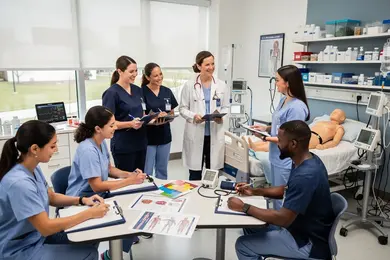
A student in a hybrid or campus setting might engage more deeply with simulation labs, while online learners could benefit from flexible access to updated digital resources. Understanding the core nursing education curriculum content reveals the essential capabilities these programs strive to develop.
The major areas of focus typically include the following:
- Evidence-based Practice: Students learn to critically analyze clinical research to inform patient care decisions. This competency supports lifelong learning and helps nurses adapt to evolving treatment standards, an indispensable skill given the rapid advances in healthcare.
- Clinical Judgment: Instruction centers on developing sound decision-making processes in diverse patient scenarios. Programs emphasize integrating assessment data with patient context to improve outcomes, which is a key skill in managing real-world nursing challenges.
- Patient-centered Care: Programs highlight communication techniques and ethical frameworks that prioritize individual patient needs and cultural competence. This focus ensures graduates can provide compassionate, respectful care across diverse populations.
- Interprofessional Collaboration: Students acquire skills for effective teamwork across healthcare disciplines. Training in this area prepares students for the collaborative nature of modern healthcare delivery, which research underscores as vital for improved patient safety.
- Health Informatics and Technology: Although coverage varies, many programs now integrate digital health literacy and informatics fundamentals. This is essential as healthcare shifts toward telehealth and data-driven decision-making, reflecting trends captured in recent AACN reports.
- Leadership and Quality Improvement: Curricula often include concepts of systems management, safety, and quality improvement. Nurses prepared in these areas can contribute to organizational change and policy advocacy, essential for long-term career progression.
- Pharmacology and Pathophysiology: Mastery of these sciences underpins safe medication administration and understanding of disease processes, foundational to nurse competence across settings.
According to the National League for Nursing, nearly 85% of nursing education programs align their curriculum with standardized competency frameworks, reflecting a growing emphasis on standardized essential skills. Yet, prospective students should note that while many core nursing education curriculum content areas have clear consensus, gaps remain in the practical application of certain skills, especially in health policy advocacy and emerging technology integration.
Students may wish to explore options like a fast track bachelor degree delivery format to accelerate immersion in these competencies, but must weigh factors such as hands-on experience quality and faculty support that influence workforce readiness.
Where Is the Biggest Skills Gap Between Nursing Education Programs and Employers?
While nursing education programs build solid theoretical foundations, employers consistently report significant mismatches in practical skills needed for today's clinical environments. Recent 2024 data from the National Council of State Boards of Nursing highlights that new nursing graduates struggle most with applied judgment and situational awareness under pressure.
These gaps matter because the realities of healthcare demand rapid prioritization and teamwork in unpredictable scenarios, which degree programs often cannot fully simulate. Below are key areas where the disconnect between academic preparation and employer expectations often emerges.
- Clinical Judgment and Prioritization: Graduates frequently face challenges making quick, effective decisions in fast-changing patient conditions. Curricula emphasize critical thinking, but limited hands-on experiences in high-pressure settings hinder readiness. Seeking out intensive clinical rotations or simulation labs can help bridge this divide.
- Interdisciplinary Communication: Effective teamwork across varied healthcare roles is essential but under-taught. Nursing programs tend to focus on nurse-patient dialogue, leaving graduates less prepared for collaboration with physicians, therapists, and support staff. Internships in multidisciplinary teams improve this skill.
- Technology Proficiency: Employers note new hires often lack fluency in digital health tools despite course coverage. Real-world workflows involving electronic health records and telehealth platforms require adaptability that only comes with frequent practice. Supplemental certifications or job-shadowing in tech-driven units can ease this transition.
- Emotional Resilience: The intense demands of clinical work expose nurses to stress and trauma, yet formal education pays limited attention to coping strategies. Graduates without these soft skills are more vulnerable to burnout. Engaging in mindfulness training or mentoring programs before entering practice can strengthen emotional endurance.
Which Technical Skills Are Most Important for Nursing Education Careers?
Technical skills are fundamental for nursing education professionals to translate academic theory into effective teaching and clinical preparation. As healthcare and academic settings integrate advancing technologies, the demand shifts from solely clinical expertise to include digital and instructional proficiencies.
These evolving workplace expectations mean that nursing educators must continuously adapt, blending traditional knowledge with technological fluency to remain relevant and effective. According to the U.S. Bureau of Labor Statistics 2024 projections paired with insights from the American Association of Colleges of Nursing, over 60% of nursing education roles now prioritize competencies beyond standard clinical skills.
The following technical skills stand out as essential in this landscape.
- Simulation Software Proficiency: Mastery of simulation programs is critical for creating realistic, risk-free clinical scenarios. Educators usually gain experience through specialized courses and supervised lab work, enabling safe skills practice that enhances student confidence and readiness for patient care.
- Electronic Health Records (EHR) Expertise: Familiarity with EHR systems is indispensable for teaching accurate documentation and supporting digital patient care workflows. Practical exposure in clinical rotations and instructional modules prepares educators to train students effectively in these widely used technologies.
- Instructional Design and Evaluation: Developing curricula that meet accreditation standards requires ability in designing, implementing, and assessing educational content. Skills are often honed through focused coursework and applied research projects, helping faculty ensure programs stay current and outcome-driven.
- Data Analytics and Performance Measurement: Proficiency in analyzing student and clinical data supports continuous program improvement. Nursing educators use these skills for evidence-based adjustments in teaching strategies, often developing them through training in educational informatics and statistics.
- Telehealth and Informatics Integration: As remote healthcare expands, educators must incorporate telehealth tools within training modules. Experience in this area arises from evolving clinical technologies and collaborations with interprofessional teams, positioning faculty to prepare students for modern care delivery.
- Interprofessional Collaboration Technologies: Using software that facilitates teamwork simulation mirrors real clinical settings. Educators familiar with these platforms can better coordinate multidisciplinary exercises, fostering communication skills crucial in healthcare environments.
In practice, a nursing educator skilled in both EHR systems and simulation software can seamlessly integrate patient data review with hands-on clinical scenarios. This dual expertise not only increases instructional effectiveness but also better prepares learners for the technology-driven realities of current healthcare systems.
Which Workplace Skills Matter Beyond Technical Knowledge?
Career success in nursing relies on more than technical knowledge alone. Employers consistently emphasize professional competencies such as communication and teamwork skills in nursing education as essential for navigating complex clinical environments. Graduates who excel in these durable skills are better equipped to manage real-world challenges that extend beyond textbook proficiency.
A nurse who can clearly communicate changes in a patient's condition during shift handoffs helps prevent errors and improves outcomes. The 2024 U.S. Department of Health and Human Services report highlights that over 70% of healthcare employers prioritize these workplace skills alongside clinical expertise. Key competencies include the following.
- Effective Communication: Employers require nurses to convey information clearly with patients and interdisciplinary teams, reducing misunderstandings and fostering trust. Nursing education programs can strengthen this skill via authentic clinical interactions rather than relying solely on simulations, enhancing readiness for diverse healthcare settings.
- Critical Thinking: The ability to analyze clinical data and make informed judgments is crucial. Experiential learning and case-based coursework help students apply theory to unpredictable care situations, addressing the gap where graduates show strong knowledge but limited real-time problem-solving.
- Adaptability and Resilience: Healthcare environments evolve rapidly due to technology and policy shifts. Training that includes stress management and emotional intelligence equips future nurses to maintain performance under pressure and respond flexibly to changing demands.
- Teamwork and Collaboration: Nurses often coordinate care with multiple providers. Programs emphasizing teamwork skills prepare students to contribute effectively in multidisciplinary settings, a competency frequently sought by employers and integral to quality patient care.
- Professional Accountability: Ownership of responsibilities and ethical considerations reinforces trustworthiness and reliability. Opportunities to engage in reflective practice and ethical debates during coursework cultivate this competency.
- Patient-Centered Focus: Beyond procedures, understanding patient preferences and cultural contexts is vital to personalized care. Clinical rotations exposing students to diverse populations build this sensitivity, aligning with employer expectations for holistic nursing practice.
Students exploring advanced credentials may consider shortest post masters PMHNP online programs that further develop these competencies in mental health nursing, reinforcing the value of professional skills alongside clinical knowledge.
How Do Internships and Real-World Experience Improve Career Readiness?
Classroom instruction in nursing education provides essential theory and foundational skills but often falls short in preparing students for the unpredictable and complex realities of healthcare settings. Real-world experience such as internships or clinical placements allows students to apply academic knowledge directly to patient care, technology use, and interdisciplinary collaboration. This hands-on exposure builds critical practical judgment and confidence that cannot be fully replicated through simulations or lectures alone.
According to a 2024 report by the National Board of Nursing Workforce Studies, nursing graduates with clinical internships have a 35% higher likelihood of securing employment within six months post-graduation, highlighting the tangible impact of experiential learning on workforce readiness. Internships and other applied learning opportunities help students refine technical nursing skills while also cultivating professional communication, understanding of workplace culture, and navigation of organizational expectations.
These experiences enable emerging nurses to engage with diverse teams, develop ethical decision-making, and adapt to the pace and pressures of clinical environments. However, the depth and quality of such opportunities often vary between programs and institutions, influencing the degree to which students can leverage them for career advantage. For example, programs that embed structured mentorship alongside progressive clinical responsibilities tend to produce graduates who are better prepared to integrate seamlessly into professional roles.
To maximize the benefits of experiential learning, prospective nursing students should seek out internships early and actively participate in applied projects that stretch their competencies. Building professional relationships within healthcare settings and reflecting critically on these experiences reinforces learning and clarifies long-term career goals. While internships significantly enhance employability, their impact is strongest when combined with solid academic achievements, ongoing skill development, and strategic career planning that aligns practical exposure with individual aspirations and the evolving demands of the nursing profession.
How Can Students Close the Nursing Education Skills Gap Before Graduating?
Students aiming to enter the nursing workforce need not wait until graduation to develop job-ready skills. Integrating practical experiences alongside academic learning fosters competencies employers demand, enhancing both confidence and adaptability in clinical settings. Early immersion in real-world nursing environments helps bridge the gap between textbook knowledge and patient care realities, reducing onboarding time after graduation.
The strategies below offer focused approaches that nursing education students can adopt to strengthen their readiness before completing their degrees.
- Hands-on internships: Engaging in clinical placements or internships enables students to apply theory in authentic healthcare settings, sharpening critical thinking and technical skills. The National Center for Education Statistics reports that 2024 data links participation in internships with a measurable increase in graduate employment rates, as students gain firsthand exposure to diverse patient scenarios and institutional workflows.
- Undergraduate research: Involvement in nursing research projects cultivates analytical abilities and evidence-based practice insights. While less prevalent than in STEM areas, such experiences prepare students to assess clinical challenges rigorously, thereby improving care quality and decision-making under pressure, according to recent findings by the American Association of Colleges of Nursing.
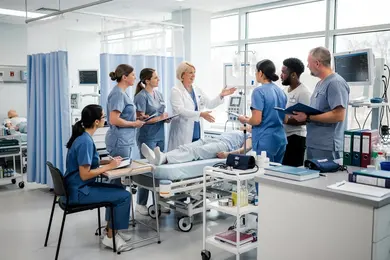
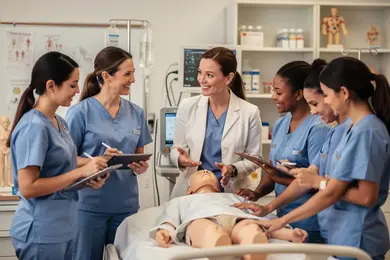
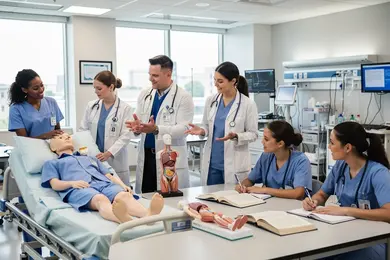
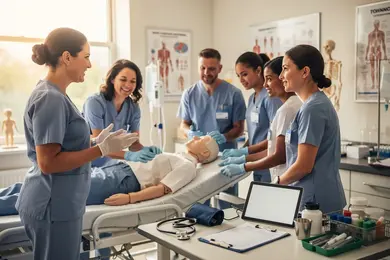
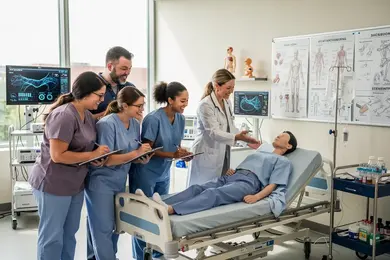
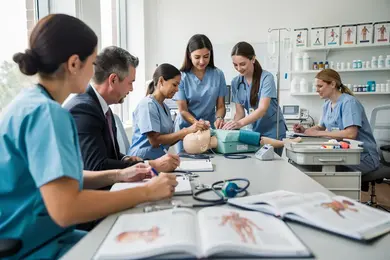
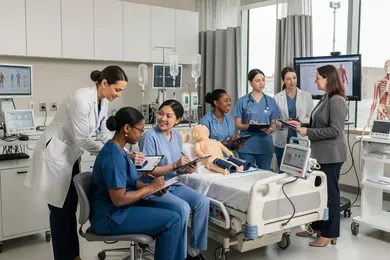
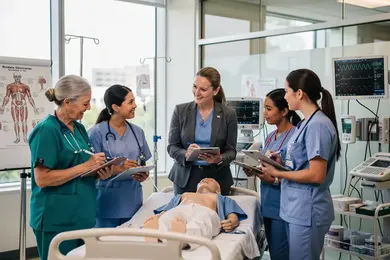
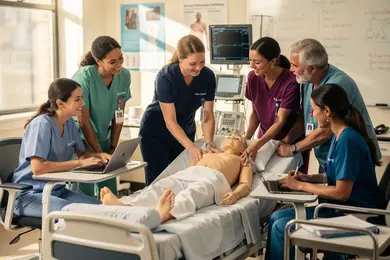
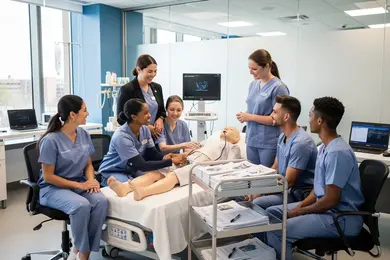
- Simulation-based learning: Utilizing simulation labs allows students to rehearse complex clinical situations safely, developing teamwork and leadership skills essential for fast-paced environments. Project-based simulations reinforce problem-solving beyond lectures, building the confidence needed to manage high-stakes cases once working professionally.
- Certification acquisition: Securing credentials like Advanced Cardiac Life Support or Pediatric Advanced Life Support signals a proactive commitment to patient safety and protocol mastery. Healthcare employers in 2024 highlight that certified graduates adapt more quickly during orientation, though this benefit is maximized when combined with meaningful clinical practice.
- Time management balance: Successfully juggling experiential learning and academic demands requires strategic planning. Students who prioritize clinical hours without neglecting coursework avoid burnout, ensuring comprehensive skill development that meets both educational and employer standards.
- Seeking institutional resources: Proactively accessing university-affiliated internships, simulation centers, and mentorship programs helps mitigate inequities in clinical exposure. Leveraging such resources can provide critical hands-on learning even when external placements are limited.
How Is the Nursing Education Job Market Changing Employer Skill Requirements?
Advancements in technology, including simulation tools, digital health platforms, and artificial intelligence, are reshaping employer expectations in the nursing education job market trends. Automated administrative systems and AI-driven clinical simulations require educators to integrate these innovations effectively into curricula, emphasizing adaptability beyond traditional teaching methods.
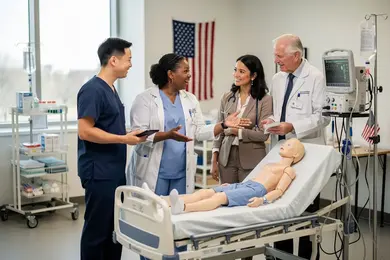
A nurse educator who can conduct scenario-based learning using high-fidelity simulators offers students valuable hands-on experience that aligns with real-world healthcare demands, addressing employer calls for pedagogical agility. This shift also elevates the importance of continuous learning, as nursing graduates must blend technical skills with emotional intelligence and interprofessional collaboration, highlighted by the World Economic Forum's reports on emerging workforce competencies.
Employers increasingly favor candidates with practical experience that bridges academic theory and clinical practice, favoring competency-based frameworks over lecture-centric programs. Labor market data from Lightcast underlines a growing demand for educators who can mentor future nurses while implementing workforce development strategies, making internships, applied projects, and certifications pivotal additions to academic coursework.
To meet evolving employer skill requirements for Nursing Education graduates, students should pursue a balanced strategy combining foundational coursework with experiential learning and professional networking. Engaging in internships and continuous skill development supports long-term career resilience in this dynamic field. For those comparing program options tailored to these realities, top rated online nursing schools WGU offer pathways that integrate these essential elements, helping prepare graduates for the complex, tech-enhanced environments they will enter.
How Do Different Nursing Education Programs Compare in Career Preparation?
Career preparation in nursing education depends on more than the degree title; program quality, curriculum rigor, and clinical exposure significantly affect graduate readiness. For example, a graduate with a Bachelor of Science in Nursing (BSN) from a program emphasizing real-world clinical scenarios may more effectively transition to complex acute care roles than one from a less comprehensive associate degree program.
Aligning a program's strengths with career goals, learning style, and proactive skill development beyond required coursework is essential. Recent 2024 findings from the National Council of State Boards of Nursing highlight that graduates from programs offering robust simulation training and interdisciplinary education score higher in early career competence.
The following are key factors to evaluate when comparing nursing education programs' career preparation.
- Clinical Experience Quality: Programs vary in the depth and realism of hands-on clinical placements. Those providing exposure to diverse and acute care settings better prepare students for workforce complexity. Prospective students should investigate whether clinical hours and simulation opportunities reflect current healthcare environments and technology use.
- Curriculum Emphasis on Soft Skills: Communication, resilience, and cultural competence are critical for workplace adaptability but are inconsistently integrated across programs. Evaluating how nursing curricula embed these skills-through interdisciplinary teamwork or reflective practice-can predict employability and long-term career sustainability.
- Leadership and Policy Education: Exposure to healthcare leadership and policy fosters decision-making abilities necessary for advancement. Many programs limit this content, so students targeting managerial roles should prioritize curricula that include these components or consider supplementary training.
- Alignment with Workforce Needs: Recent data underscore employer preference for nurses skilled in technology and interdisciplinary collaboration. Programs that update curricula to mirror evolving healthcare demands enhance graduates' readiness and professional integration.
The evolving landscape of nursing education programs means students may also consider related pathways, such as exploring online counseling PhD programs, to diversify skills and career opportunities within healthcare.
How Should Students Choose a Nursing Education Program That Builds Career-Ready Skills?
The choice between online, hybrid, and campus nursing education formats profoundly shapes long-term career readiness and professional adaptability. Each format offers unique strengths and challenges that impact skill development, networking, and practical experience. Understanding these differences helps students align their learning approach with their personal circumstances and career goals.
Below are key long-term considerations when comparing these learning pathways.
- Clinical Skill Development: Campus programs often provide richer, immersive hands-on clinical experiences essential for mastering complex nursing skills, whereas online formats must rely on virtual simulations that may not fully replicate real-world pressure. Hybrid programs blend both approaches, benefiting students who value in-person practice but need flexible schedules.
- Networking Opportunities: Traditional campus settings foster direct relationships with peers and instructors, building professional networks that support career advancement. Online students may struggle here but can still leverage virtual communities and local clinical partnerships for connection.
- Technology Adaptability: Online and hybrid learners frequently develop stronger digital fluency, including proficiency with electronic health records and telehealth tools, aligning with employer demands in evolving healthcare environments. Campus students may need supplemental training to match this readiness.
- Self-Discipline and Time Management: Online learning demands considerable self-motivation and organization, offering autonomy but risking disengagement. Campus formats provide structured schedules that benefit learners who thrive in guided environments.
- Employment Transition: Studies from the National Council of State Boards of Nursing and the Department of Health and Human Services in 2024 emphasize that direct clinical integration and competency-based assessments-more common in campus and hybrid programs-greatly enhance initial job performance and retention.
- Flexibility vs. Immersion: For working adults or those with family obligations, online or hybrid formats offer vital flexibility without sacrificing essential clinical competency if properly designed. Conversely, full-time students aiming for immersive skill-building may gain more from campus experiences.
- Lifelong Learning Foundation: Programs prioritizing mentorship and interprofessional collaboration, typically stronger on campus or in hybrid models, better prepare graduates for lifelong learning and adaptability in fast-changing healthcare settings.
References:
- Nursing Education Gap Report 2025 | Practice Ready Study https://www.ubisimvr.com/research/nursing-education-employer-expectations-gap-2025
- Nursing skills for a resumé - SEEK New Zealand https://nz.seek.com/career-advice/article/nursing-skills-for-a-resume
- The Impact of Education on Nursing Practice https://www.aacnnursing.org/news-data/fact-sheets/impact-of-education-on-nursing-practice
- Top Strategies for Improving Clinical Skills in Nursing Education - Nurseslab https://nurseslab.in/nursing-blog/education/clinical-skills/
- Nursing Career E-Guide | Educating for Success https://www.methodistcollege.edu/educating-for-success-nursing
- Best Nursing Courses for Career Growth https://www.renurseacademy.com/post/top-nursing-courses-to-advance-your-career
- Boost clinical reasoning for nurses with targeted learning | HealthStream https://www.healthstream.com/resources/boost-clinical-reasoning-nurses-targeted-learning
- 7 Important Trends Shaping the Future of Nursing Careers | BioInformant https://bioinformant.com/7-important-trends-shaping-the-future-of-nursing-careers/
- Comprehensive Guide to Nursing Education | NEIT https://www.neit.edu/blog/nursing-education-comprehensive-guide
- Different Types of Nursing Education Programs Explained https://www.allnursingschools.com/articles/understanding-the-different-types-of-nursing-degrees/
Other Things You Should Know About Nursing Education
Variability in teaching methods-such as lecture-heavy courses versus hands-on clinical simulations-creates uneven skill levels among graduates. Employers often prefer candidates with extensive practical experience, but not all programs allocate sufficient time or resources to simulations or applied learning. This disparity means that some graduates enter the workforce less prepared for real-world challenges, and those prioritizing programs with strong clinical components may have a distinct advantage in securing desirable positions.
Yes, prioritizing programs that embed clinical partnerships offers more direct exposure to current healthcare environments, which employers value highly for seamless onboarding. While broad theoretical knowledge is important, it tends to fall short alone in preparing graduates for the applied, fast-paced nature of nursing education roles. Students seeking to align closely with employer expectations should weigh opportunities for clinical immersion more heavily when selecting programs.
Supplemental experiences like part-time clinical work or specialized workshops can partially bridge skill gaps, but they often cannot fully substitute for coordinated, program-driven training in essential competencies. Employers recognize formal training frameworks as indicators of consistent skill mastery, so while self-directed efforts enhance readiness, they may not entirely overcome deficiencies inherent in program design. Strategically combining supplemental experiences with strong program foundations yields the best outcomes.
High workload demands limit the time students can invest in deep skill development, especially in hands-on or reflective activities that many employers find critical. Programs that overload students with theoretical coursework without balanced clinical practice risk producing graduates with weaker applied capabilities. Prospective students should evaluate how programs structure workloads and whether they enable sufficient immersive learning to meet workforce skill expectations.