2027 Nursing Education Degree Enrollment Trends by Age Group: Traditional Students vs Adult Learners

Co-Founder and Chief Data Scientist
The nursing education field faces unique enrollment dynamics shaped by licensure demands and clinical requirements that differentially affect traditional students and adult learners. Traditional students often enter programs shortly after secondary education, navigating intensive practicum components earlier. In contrast, adult learners balance prior professional experience with returning educational obligations amid workforce shortages.
In 2023, the Bureau of Labor Statistics projected a 9% growth in nursing jobs through 2032, signaling intensified demand for educators prepared across age groups. These enrollment disparities reflect evolving workforce needs, highlighting varying program accessibility and the profession's shift toward valuing both early-career preparation and mid-career credentialing.
Key Things to Know About Nursing Education Degree Enrollment Trends by Age Group
- Enrollment among traditional college-age nursing education students often leads to shorter credential timelines but may limit exposure to diverse clinical experiences compared to older peers, affecting workforce readiness tradeoffs.
- A 2024 study shows adult learners compose nearly 40% of nursing education enrollees, highlighting workforce diversification but also signaling employer expectations for more practical experience versus theoretical knowledge.
- Higher education costs and scheduling conflicts disproportionately impact adult learners, often extending program duration and influencing the timing of career transitions within nursing education sectors.
- Key Things to Know About Nursing Education Degree Enrollment Trends by Age Group Key Things to Know About Nursing Education Degree Enrollment Trends by Age Group
- Which Age Groups Represent the Largest Share of Nursing Education Students? Students by Age Group
- Why Do Traditional Students Choose Nursing Education Degree Programs? Traditional Students
- Why Do Adult Learners Return to School for a Nursing Education Degree? Adult Learners
- How Do Academic Goals Vary Between Younger and Older Nursing Education Students? Academic Goals by Age Group
- How Do Financial Concerns Differ Between Traditional Students and Adult Learners? Financial Concerns by Age Group
- What Challenges Do Adult Learners and Traditional Students Face While Earning a Nursing Education Degree? Student Challenges by Age Group
- How Does Age Affect Nursing Education Degree Student Retention? Age and Student Retention
- Which Nursing Education Specializations Are Most Popular Among Adult Learners? Top Specializations for Adult Learners
- How Does Age Affect Job Opportunities for Nursing Education Graduates? Impact of Age in Job Opportunities
- What Do Current Nursing Education Enrollment Trends Reveal About Future Demand? Future Demand
Which Age Groups Represent the Largest Share of Nursing Education Students?
Nursing education programs enroll students spanning multiple life stages, yet enrollment patterns consistently concentrate within specific age groups. This concentration is less about academic preference and more a reflection of differing career entry points, financial preparedness, and the structure of educational pathways. Age distribution in nursing education enrollment highlights how workforce demands and higher education accessibility shape participation across demographic segments. Recognizing these underlying dynamics clarifies why particular age cohorts dominate the nursing student population.
- Adults 25 and older: Representing the largest share, this group often pursues nursing education as a career transition or advancement opportunity. Their enrollment is driven by immediate workforce demands and practical considerations such as job stability and flexible program formats like part-time and online options. Adult learners typically balance employment and family responsibilities, emphasizing nursing education programs that accommodate these constraints while enhancing employability.
- Ages 18-24: These traditional students usually enter nursing education directly after high school, benefiting from clearer entry pathways and financial aid designed for recent graduates. Despite making up a significant portion, their numbers are relatively smaller due to shifting labor market preferences that encourage some to explore STEM or technology fields instead of nursing.
- Ages 30-39: This subgroup reflects mid-career professionals seeking retraining to address healthcare labor shortages. Their enrollment choices underscore an increasing trend toward upskilling in response to evolving employer expectations emphasizing both experience and current credentials.
- Ages 40-49: While smaller in enrollment share, individuals in this range pursue nursing education to maintain career viability or shift toward roles that offer more sustainable work-life integration. Their participation is facilitated by flexible, accelerated programs tailored to adult learners.
These enrollment disparities align with broader trends reported by the National Center for Education Statistics, which highlight the increasing presence of adult learners in nursing education across the United States. Programs that accommodate diverse schedules and prioritize occupational relevance increasingly appeal to this segment.
For those seeking accessible pathways that integrate clinical requirements with career realities, interests in accelerated or less traditional programs such as RN to BSN highlight growing demand across healthcare systems, especially among adult learners prioritizing expediency and flexibility.
Why Do Traditional Students Choose Nursing Education Degree Programs?
Traditional students often select nursing education degree programs driven by a clear alignment between academic interest and structured career pathways. These programs offer a defined credential signaling entry to a stable, in-demand profession, which aligns well with early career exploration objectives. The degree's combination of theoretical foundations and clinical practice appeals to those seeking a tangible profession shortly after high school, providing a purposeful academic environment. According to recent data from the National Student Nurses' Association and the American Association of Colleges of Nursing, about 68% of first-time degree seekers cite a strong desire to help others alongside job security as central motivators, illustrating how benefits of nursing education degrees for traditional college students extend beyond simple interest to include strategic planning for employment.
More nuanced factors shaping enrollment include established university recruitment pathways and the role of guidance counselors who often channel students into nursing based on labor market stability and occupational demand evaluations. Exposure to nursing education coursework during secondary school or early college semester programs can crystallize interest, as tangible clinical experiences and academic engagement reinforce perceived program value. The evolving landscape, with many employers highlighting the importance of fast licensure and early clinical competence, incentivizes students toward programs emphasizing accelerated progression and practical readiness, such as fast track career programs. These elements collectively steer traditional-age students into degree paths that integrate academic rigor with clear employment outcomes, reflecting enrollment motivations driving traditional students to enroll in nursing education.
Why Do Adult Learners Return to School for a Nursing Education Degree?
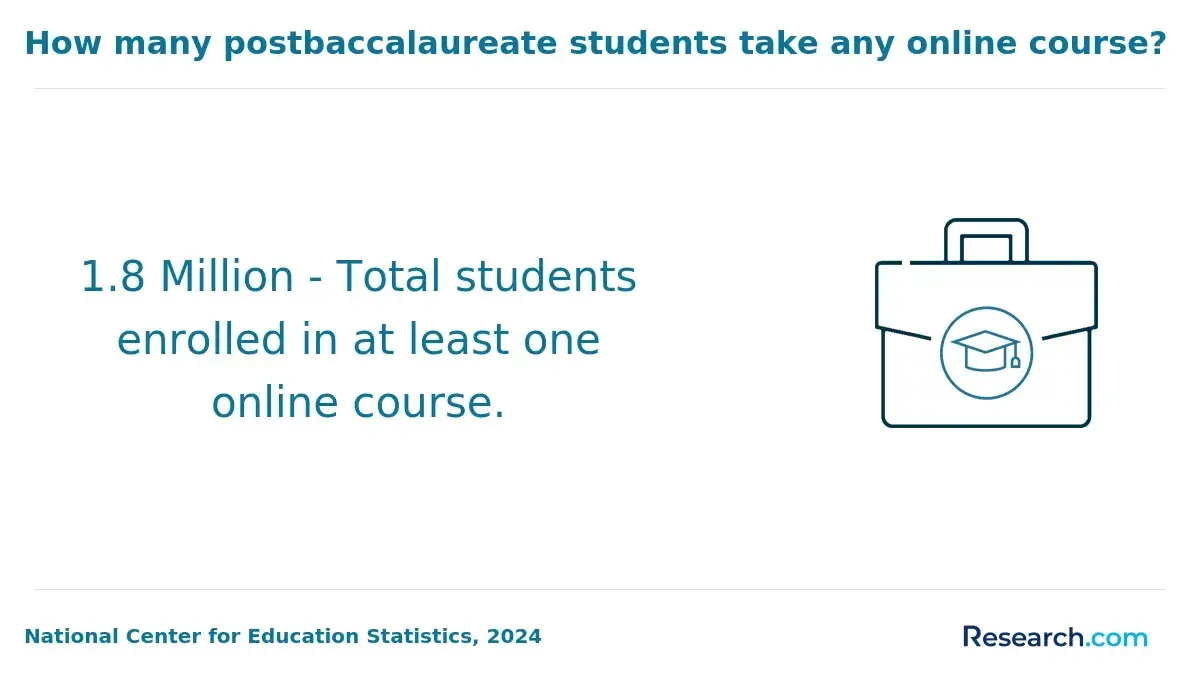
Adult learners returning to pursue a nursing education degree often do so driven by the necessity to shift roles within healthcare or secure higher wage tiers, rather than entering the field for the first time. For many, this educational investment aligns with explicit career mobility goals, such as moving into instructional or advanced clinical positions that require updated credentials. Labor market data from the National Center for Education Statistics in 2024 indicates nearly half of nursing education enrollees aged 25 and older cite career advancement or industry transition as their primary motivation. This demographic values nursing education as a practical gateway to improved job responsibility and compensation amid increasing credential inflation in healthcare professions.
Beyond core career incentives, factors like employer-sponsored tuition assistance and the proliferation of flexible, often online, nursing education programs significantly lower barriers to reentry for adults balancing work and family commitments. These program formats accommodate evolving technological approaches and professional standards, a necessity given the rapid changes in healthcare delivery and regulatory expectations. Adult learners must also grapple with managing financial costs without typical full-time student aid, making pragmatic program design and employer partnership critical to sustaining enrollment. Such structural shifts in program accessibility reflect broader trends where workforce reskilling and continuous credential updating have become essential for long-term viability in healthcare careers.
How Do Academic Goals Vary Between Younger and Older Nursing Education Students?
Younger nursing education students often pursue their studies with an emphasis on building foundational competencies necessary for initial licensure and entry-level clinical roles. Their academic efforts are commonly exploratory, designed to solidify basic nursing knowledge and skills efficiently to facilitate a swift transition into the workforce or graduate pathways. This cohort, typically aged 18 to 24, prioritizes preparation for licensing exams and immediate job placement, reflecting a phase focused on gaining professional footholds rather than specialization. According to the National Center for Education Statistics in 2024, 68% of these traditional-age students identify licensure readiness as their primary academic objective, underscoring the link between their educational goals and early workforce integration.
Conversely, adult learners in nursing education-usually 25 years and older-approach their academic journey with more targeted objectives that reflect prior workplace experience and defined career progression needs. Their goals often revolve around acquiring specialized credentials, leadership capabilities, or transitioning into roles such as nurse educators, which require focused skill acquisition aligned with workplace demands. These students balance educational commitments against professional and personal responsibilities, opting for flexible program formats to support ongoing employment. Data from the American Association of Colleges of Nursing in 2024 indicates 72% of adult nursing education students enroll with intentions linked to graduate degrees, certifications, or advanced practice roles, highlighting their intent to leverage education for precise career advancement rather than foundational entry.
One adult learner shared that returning to school for a nursing education degree was marked by a cautious approach to the rolling admissions process. Though eager to enroll quickly due to work pressures, she hesitated at first, uncertain if her previous experience and coursework fully aligned with the program's prerequisites. Waiting for confirmation of her credit evaluations felt like a strategic gamble; she needed to plan around her job schedule and family commitments while avoiding unnecessary delay in starting classes. Ultimately, the relief of acceptance came after careful preparation and timely communication, underscoring how adult students' decisions are often shaped by pragmatic considerations beyond academic interest alone.
How Do Financial Concerns Differ Between Traditional Students and Adult Learners?
Traditional students pursuing nursing education degrees typically rely heavily on family support, federal student aid, scholarships, or student loans to manage tuition and living expenses. Their financial concerns are largely centered on upfront costs and accruing debt, with about 68% of traditional undergraduates taking out loans according to a National Center for Education Statistics report from 2024. This group often weighs tuition cost concerns for adult learners and traditional nursing education students primarily in terms of long-term debt burdens and future economic stability, balancing the expectation of higher lifetime earnings against the growing average student debt. Their income status as mostly dependent individuals frames their financial decision-making differently compared to learners managing independent households.
Adult learners face a more complex set of financial challenges that intertwine education expenses with existing obligations such as mortgages, family care, and ongoing debt repayment. For many, the opportunity cost of lost wages due to reduced work hours or school attendance is significant, leading them to prioritize flexible scheduling, part-time enrollment, or online formats. Employer tuition assistance and veterans' benefits provide essential support not as widely available to traditional students, shaping how cost barriers impact this population. This layered financial ecosystem means adult learners must incorporate practical workforce participation considerations into their education funding strategies, often emphasizing shorter credential pathways that demonstrate immediate return on investment within their lifecycle financial plans.
These fundamental financial differences drive distinct enrollment patterns and program preferences between the two groups, with adult learners more inclined toward pragmatic program formats like ASN online programs that accommodate work and family commitments. Institutions and policymakers must recognize that such financial behavior and decision-making processes influence both the supply and demand for nursing education pathways, affecting not only access but also long-term career trajectories and employability outcomes across diverse student populations.
What Challenges Do Adult Learners and Traditional Students Face While Earning a Nursing Education Degree?
Traditional nursing students, typically aged 18 to 24, frequently encounter challenges tied to the transition from high school to more rigorous college-level coursework and clinical training. Their academic adjustment involves mastering foundational sciences and developing discipline within structured learning environments, often while navigating significant financial pressures; nearly 60% rely heavily on student loans, increasing their debt burden upon graduation. Time management is critical but somewhat less encumbered by outside obligations compared to older peers, though limited prior healthcare experience can reduce their initial practical readiness, influencing employer perceptions and clinical confidence.
Adult learners in Nursing Education face a markedly different set of challenges shaped by their life stage. Approximately 45% of nursing students over 25 juggle education alongside full-time employment and family caregiving responsibilities, which necessitates flexible scheduling and often part-time enrollment that prolongs degree completion timelines. Many must re-engage with academic content after extended gaps, contending with weakened foundational science or technology skills, while also managing psychosocial stressors such as navigating intergenerational classroom dynamics and social isolation. The interplay of household duties and financial obligations makes access to targeted scholarships and institutional support pivotal for sustaining progress.
Addressing these divergent needs requires programs to adapt through flexible course formats, tailored advising, and support services explicitly designed for each cohort's realities. Institutions that recognize these lifecycle-based constraints can better mitigate time-to-degree delays and promote licensure readiness by offering scaffolding around academic reentry, clinical skill development, and financial counseling. Such nuanced accommodation not only improves retention but also aligns educational delivery with employer expectations for clinical competence and workforce readiness across student populations.
How Does Age Affect Nursing Education Degree Student Retention?
Retention challenges among younger nursing education students often stem from difficulties adapting to rigorous academic standards and fluctuating motivation early in their college experience. This group typically faces hurdles with time management, lower resilience to academic setbacks, and less clarity about career goals, which can lead to inconsistent engagement. Research from the National Center for Education Statistics in 2024 indicates that retention rates for these traditional-age students are comparatively lower, partly due to their transitional life stage and evolving professional identity. Institutions serving this cohort often find that proactive academic support and career advising are critical to sustaining persistence through demanding clinical and theoretical coursework.
Older nursing education students, by contrast, exhibit higher retention rates-up to 15% greater according to 2024 NCES data-largely because of stronger goal orientation linked to employment needs and prior experience. However, their persistence is frequently tempered by competing priorities such as work, caregiving, and financial pressures that require flexible scheduling or part-time study, potentially prolonging degree completion. This demographic benefits from institutional policies that accommodate life responsibilities through online classes or hybrid formats but also demands targeted support addressing stress and workload balance. Employers value the stability and practical skills matured adult learners bring, though these students often navigate complex tradeoffs between immediate income needs and long-term educational commitment.
One nursing education graduate recalled hesitating during the program's rolling admissions, uncertain whether to apply immediately due to work and family demands. They delayed submitting their application for several months, weighing the risk of losing a spot against gaining more time to prepare financially and mentally. When they finally applied, the relief was palpable, but the waiting period underscored the tension between urgency and readiness that many nontraditional students face. This experience highlighted how timing and personal circumstances deeply influence persistence and navigating admission windows requires as much strategic planning as succeeding academically.
Which Nursing Education Specializations Are Most Popular Among Adult Learners?
Adult learners typically prioritize nursing education specializations that offer clear pathways for career mobility, skill enhancement, and income growth while accommodating their established professional and personal responsibilities. These students, often balancing work and family, gravitate toward fields that leverage their prior healthcare experience without requiring extended retraining or physical demands inconsistent with their life stage. The most popular nursing education career paths for mature students reflect pragmatic choices centered on wage improvement, role flexibility, and alignment with evolving industry needs.
- Family nurse practitioner (FNP): This specialization attracts nearly half of adult learners pursuing graduate nursing education due to its strong demand in primary care and the broad scope of practice it affords. The role allows experienced nurses to expand their clinical autonomy and salary potential while meeting urgent healthcare access needs.
- Acute care nurse practitioner: Adult learners drawn to more complex patient management often select acute care NP tracks, which build on existing acute care expertise and lead to higher compensation and advanced clinical responsibilities in hospital or specialty settings.
- Nurse anesthetist: Programs in this area appeal to those seeking significant salary gains and varied clinical environments, offering a faster return on educational investment compared to physician training. The role's focused scope also suits learners looking for predictable, intense but time-limited clinical work.
- Nursing education: Many adult learners with clinical backgrounds choose education-focused tracks to transition into teaching roles, capitalizing on their hands-on knowledge to train new nurses while facing less physical strain than bedside practice.
- Nurse administration: This path is ideal for professionals aiming to pivot into leadership within healthcare organizations, leveraging accumulated experience toward management and organizational strategy rather than direct patient care.
According to a 2024 report from the National Council of State Boards of Nursing (NCSBN), approximately 45% of adult learners entering advanced nursing education degrees enroll in family or acute care nurse practitioner specialties, underscoring market alignment with employer demand. This trend highlights how specialization choice is influenced by workforce expectations and adult learners' focus on practical career reinvention through upskilling in nursing education specializations favored by adult learners. Those evaluating pathways often consider how each specialization balances immediate employability and long-term career flexibility.
For adult learners interested in niche or emerging roles, some programs offer targeted pathways such as functional medicine NP programs, which focus on integrative and personalized care models. These specialized tracks may appeal to those seeking differentiation in competitive job markets while updating their clinical skills to reflect evolving healthcare paradigms.
How Does Age Affect Job Opportunities for Nursing Education Graduates?
Younger nursing education graduates, generally aged 18 to 24, often find their early job opportunities shaped by the availability of internships, residencies, and entry-level positions that emphasize adaptability and foundational clinical skills. These early-career roles typically align with the strong pipeline connections between educational institutions and healthcare providers, facilitating quicker employment despite less practical experience. However, this cohort may face trade-offs such as lower starting salaries and limited specialization due to their relative inexperience. The dynamic labor market for nursing education reflects job market trends for traditional versus adult nursing education learners, where early exposure is pivotal but may not fully offset the absence of extensive hands-on background.
In contrast, older graduates frequently enter the workforce with prior healthcare experience or transferable skills, positioning them for advanced or specialized roles immediately after completing their nursing education. According to a 2024 report by the U.S. Bureau of Labor Statistics, adult learners enrolled in nursing education programs are 30% more likely to have prior healthcare experience, giving them a competitive edge in fields where practical knowledge and leadership potential are valued. Despite this, employers sometimes harbor biases regarding age-related adaptability or long-term commitment, which may influence hiring decisions. Nevertheless, mature graduates often leverage developed soft skills and professional networks effectively, providing diverse pathways in education, administration, or clinical leadership. Those evaluating educational pathways may also benefit from exploring online PsyD programs accredited that similarly cater to adult learners navigating career transitions in allied health professions.
What Do Current Nursing Education Enrollment Trends Reveal About Future Demand?
Recent shifts in nursing education enrollment reveal a growing recognition of the field's evolving career value, particularly as adult learners increasingly constitute roughly 40% of enrollees. This demographic change signals a diversification in student priorities, reflecting real-world considerations such as job stability and flexible access to advanced credentials. Meanwhile, traditional college-age student enrollment remains substantial but exhibits slower growth, suggesting that program accessibility and delivery models must adapt to accommodate varied learner profiles. The rising interest in flexible formats like online and evening courses underscores a pragmatic response to balancing education with existing work and family obligations.
These enrollment patterns closely mirror employer demands driven by demographic and technological pressures in healthcare. Forecasts of approximately 15% growth in nursing roles through 2030 emphasize persistent workforce shortages and expanding service needs tied to aging populations. Increasingly, programs align with these labor market signals by developing specializations and modular pathways that cater to workforce gaps and technological competencies. Consequently, current enrollment trajectories not only indicate future program expansion but also underscore the need for Nursing Education pathways that integrate practical skills with evolving healthcare delivery models to optimize workforce readiness.
References:
- The impact of employment on the learning environments of nursing students at a private university https://www.elsevier.es/es-revista-educacion-medica-71-articulo-the-impact-employment-on-learning-S1575181324000664
- Why college? A deep dive into adult learners’ journeys https://www.luminafoundation.org/news-and-views/why-college-a-deep-dive-into-adult-learners-journeys/
- Traditional Vs. Non-Traditional Students in Higher Education https://moderncampus.com/blog/traditional-vs-non-traditional-students-in-higher-education.html
- Adult learners: who they are and what they want out of college | EAB https://eab.com/resources/blog/adult-education-blog/adult-learners-who-they-are-what-they-want-college/
- Nursing Student Retention: Challenges, Insights & Solutions https://www.atitesting.com/educator/blog/knowledge/2026/01/05/nursing-student-retention-solutions
- Bachelor’s in Nursing Enrollment Trends: How Healthy Is the Market? https://www.encoura.org/resources/wake-up-call/bachelor-s-in-nursing-enrollment-trends-how-healthy-is-the-market/
- 10 Great Reasons Why Nursing Could Be the Right Choice for You https://mariacollege.edu/blog/10-great-reasons-why-nursing-could-be-the-right-choice-for-you
- Mental Health and Post-traditional Learners https://www.higheredtoday.org/2019/04/22/mental-health-post-traditional-learners/
- Nursing Education Market Size, Share, Growth, and Industry Analysis, By Type (Baccalaureate Degree (BS),Associate Degree (AD),Other Diploma), By Application (Conventional Universities,Nursing Programs in Colleges), Regional Insights and Forecast to 2033 https://www.marketreportsworld.com/market-reports/nursing-education-market-14716621
- Impact of Aging Population on Nursing https://onlinedegrees.bradley.edu/blog/impact-of-aging-population-on-nursing
Other Things You Should Know About Nursing Education
Adult learners typically require more flexible scheduling options such as evening, weekend, and online classes due to work and family commitments. Traditional students often prefer on-campus, full-time formats that align with their availability but may not accommodate employment or caregiving duties. Programs that fail to balance these delivery formats risk lower satisfaction and retention among one or both cohorts, which can affect completion rates and time-to-degree metrics.
Cohort-based programs foster peer interaction and structured mentorship, benefiting traditional students who thrive in community settings. Conversely, adult learners often favor self-paced or modular formats that accommodate unpredictable schedules, though these can reduce direct mentoring and peer support. Institutions should prioritize aligning program models with age-related needs: cohort models for younger students and flexible pacing for adults, to improve engagement and persistence based on learner lifestyle demands.
In 2027, nursing education enrollment trends show an increase in adult learners drawn by career change opportunities and flexible programs. Traditional students continue to enroll due to consistent demand for healthcare professions, but adult learners highlight the sector's adaptability to diverse age groups.
Accelerated programs offer adult learners a faster path to degree completion, which can be attractive for career advancement or re-entry. However, the increased workload and condensed content may strain those balancing professional and personal responsibilities. Adult learners considering these programs should realistically assess their time capacity and stress tolerance and may prioritize traditional-length programs to maintain sustainable progress and minimize burnout risk.