2027 Remote Work Report for Nursing Education Graduates: Flexible Roles, Pay, and Hiring Trends

Co-Founder and Chief Data Scientist
New Nursing Education graduates often find themselves navigating a remote job market that is less defined than clinical roles. Positions can range from virtual instruction to remote curriculum development, but clarity about realistic pay scales and employer expectations is limited. A recent workforce study found that less than 20% of Nursing Education roles offered fully remote flexibility, highlighting the challenge of balancing educational duties with virtual work models. Understanding these limitations is crucial for new graduates aiming to secure positions that match their skills and lifestyle needs. This article examines available remote Nursing Education roles, compensation benchmarks, and hiring trends to guide informed career decisions.
Key Points About Working Remotely for Nursing Education Graduates
- The average annual salary for remote Nursing Education roles ranges from $70,000 to $90,000, varying by experience, certification, and employer type, which guides graduates to target positions that match their qualification levels for optimal compensation.
- Available remote roles include curriculum development, virtual clinical instruction, academic advising, and healthcare training coordination, requiring strong communication and technical skills, highlighting the need to build targeted competencies for employability.
- High competition for flexible remote Nursing Education roles means graduates should enhance digital literacy, engage in professional networking, and pursue internships or contract opportunities to improve hiring prospects and shorten job search timelines.
- Key Points About Working Remotely for Nursing Education Graduates Key Points About Working Remotely for Nursing Education Graduates
- Are there remote work opportunities in the Nursing Education industry? Remote Opportunities
- Which Nursing Education niches offer remote roles? Which Nursing Education niches offer remote roles?
- What entry-level Nursing Education roles allow remote work? Entry-Level Roles
- What is the average salary of Nursing Education graduates who are working remotely? Average Salary
- Do remote Nursing Education jobs pay the same as on-site roles? Pay Comparison
- What benefits do remote Nursing Education employees receive? What benefits do remote Nursing Education employees receive?
- Where can Nursing Education graduates look for remote jobs? Where to Find Jobs
- What do Nursing Education employers look for in candidates? What do Nursing Education employers look for in candidates?
- How can Nursing Education graduates prepare for remote roles? Preparing for Remote Roles
- How can Nursing Education graduates if remote roles are a good fit for them? How can Nursing Education graduates if remote roles are a good fit for them?
Are there remote work opportunities in the Nursing Education industry?
Regional compliance laws and institutional policies shape these flexible options. For example, a program in California with strict accreditation rules may require more in-person hours than a similar program in a state with looser mandates. Employers balance in-person clinical competence with leveraging asynchronous learning and virtual simulations.
Recent job posting data reveals a 12.4% rise in remote nursing education roles, indicating growing but measured demand for off-site talent. Despite this, many employers emphasize face-to-face faculty presence to ensure students develop core clinical skills and professional networks, critical for long-term success.
Consider a recent graduate applying to a hybrid role: they may attend in-person labs weekly while conducting theory classes online. This blend supports some flexibility but demands strong self-management and readiness for on-site clinical supervision.
Which Nursing Education niches offer remote roles?
Remote Nursing Education roles concentrate in specialized areas that emphasize digital interaction, curriculum management, and administrative functions. These niches enable flexible remote positions by prioritizing technology use and strategic planning over direct patient contact. For instance, an instructional designer may develop interactive course modules from home, coordinating with faculty via online systems rather than participating in clinical teaching. Remote Nursing Education teaching positions commonly appear in fields where content delivery and program oversight can leverage asynchronous tools and virtual platforms. The following list highlights key nursing education niches offering such remote work opportunities.
- Online Instructional Design: This niche focuses on creating and overseeing virtual nursing programs. Designers develop course materials suited for digital platforms, enabling educators and students to interact remotely, which suits independent and asynchronous workflows.
- Continuing Education Coordination: Professionals organize and manage remote continuing education courses for licensure maintenance. These roles involve scheduling, content updates, and certification tracking through learning management systems accessible anywhere.
- Telehealth Education: Specialists train nursing staff to deliver care via digital platforms. This role requires remote instruction on telehealth technologies and patient communication protocols, supporting healthcare's shift toward virtual interactions.
- Academic Tutoring and Mentorship: Tutors provide personalized or group support sessions remotely, utilizing video conferencing and online resources. This flexible arrangement accommodates individual learner needs without requiring physical presence.
- Clinical Simulation Coordination: This emerging niche involves managing virtual or augmented reality practical training sessions. Educators remotely supervise simulation labs, enabling experiential learning while minimizing onsite demands.
Growth in these areas is notable: instructional designer positions in Nursing Education rose 18.7%, while telehealth education specialists saw a 22.3% hiring increase according to recent reports. Such trends reflect healthcare's digital transformation and underpin growing demand for specialized remote nursing educator roles. However, graduates should assess tradeoffs including the need for advanced technology skills, self-direction, and sometimes lower pay compared to direct clinical educator jobs. Many employers expect proficiency with e-learning platforms and data analytics, emphasizing that expertise beyond foundational nursing is now essential for success in flexible remote roles.
Flexible remote roles for Nursing Education graduates can benefit from exploring program options listed among the best schools for healthcare administration online. This supports skill development aligned with market demands and labor trends.
What entry-level Nursing Education roles allow remote work?
Remote work options in entry-level Nursing Education roles primarily emphasize instructional design, curriculum support, and learner management rather than direct clinical practice. These positions require a blend of nursing knowledge and digital skills to effectively deliver educational content to remote learners. The following roles illustrate typical job opportunities and their practical remote work applications:
- eLearning Coordinator: This role typically demands familiarity with Learning Management Systems (LMS) such as Canvas or Blackboard and involves organizing synchronous and asynchronous course delivery. Coordinators track student engagement metrics that inform program improvements, making remote monitoring crucial.
- Instructional Designer - Nursing Programs: Candidates need skills in multimedia content creation and authoring tools like Articulate Storyline. Designers tailor course materials to evolving clinical guidelines, a task well suited for remote collaboration using digital platforms.
- Clinical Education Assistant (Remote): Entry-level assistants support virtual simulation preparations and manage course documentation. A nursing background allows accurate clinical context, while remote access to LMS tools facilitates their workflow.
- Healthcare Training Specialist: Requires proficiency in video conferencing software such as Zoom or Microsoft Teams to deliver live training sessions. Specialists develop educational content and assess learner outcomes remotely.
- Academic Support Specialist for Nursing: This position involves technical support for students using e-learning resources and ensuring access to digital coursework. Strong communication and problem-solving skills enable effective remote assistance.
- Remote Nurse Educator Intern: Interns combine foundational clinical knowledge with digital learning tasks like grading and feedback via online portals, gaining experience without onsite presence.
Platforms like Canvas, Blackboard, and Moodle are central to these roles, with additional advantage given to applicants holding certifications in LMS administration or digital instructional design. Remote positions also call for competency with virtual meeting tools and content development software. While these flexible remote roles expand entry points for Nursing Education graduates, prospective applicants should understand the tradeoff of limited face-to-face clinical exposure, which can delay hands-on skill development and traditional networking opportunities within healthcare settings.
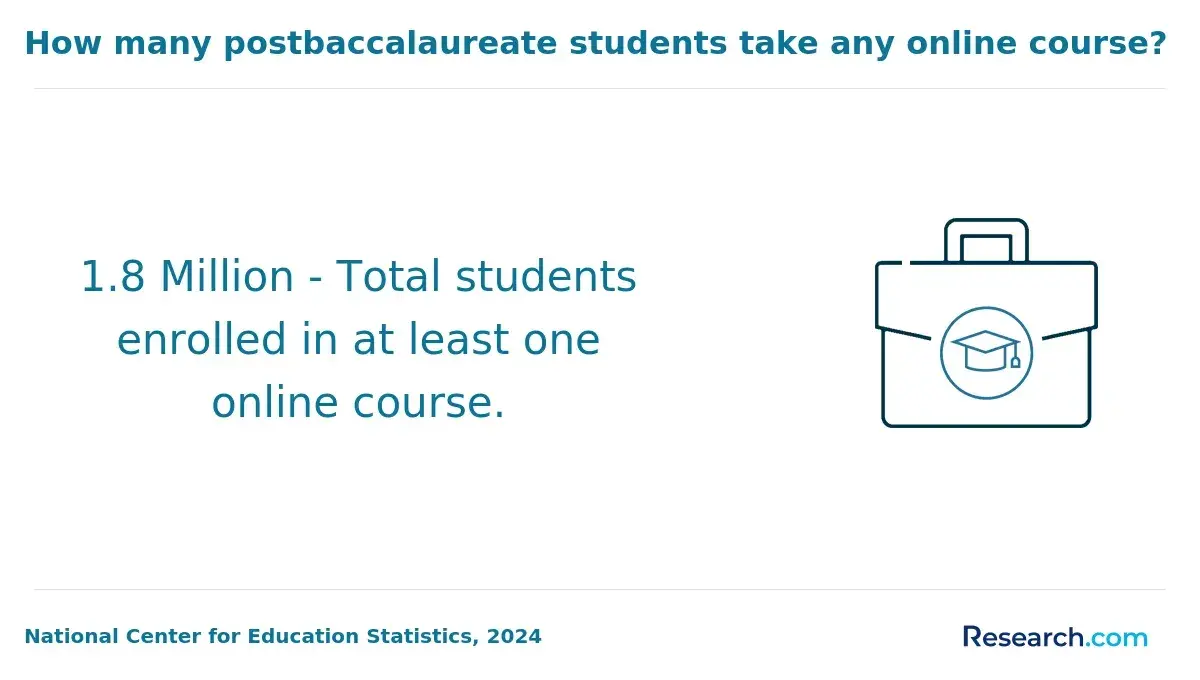
Recent healthcare job board analyses have identified a 22% increase in entry-level Nursing Education remote job listings, signaling a shift toward digital learning models. Furthermore, graduates with dual credentials in nursing and educational technology consistently experience higher placement rates, underscoring the practical value of hybrid skill sets in securing flexible roles.
Candidates exploring flexible remote positions for Nursing Education graduates might also consider additional credentials, such as medical billing and coding certification, to enhance employment prospects in ancillary healthcare education or administration areas.
What is the average salary of Nursing Education graduates who are working remotely?
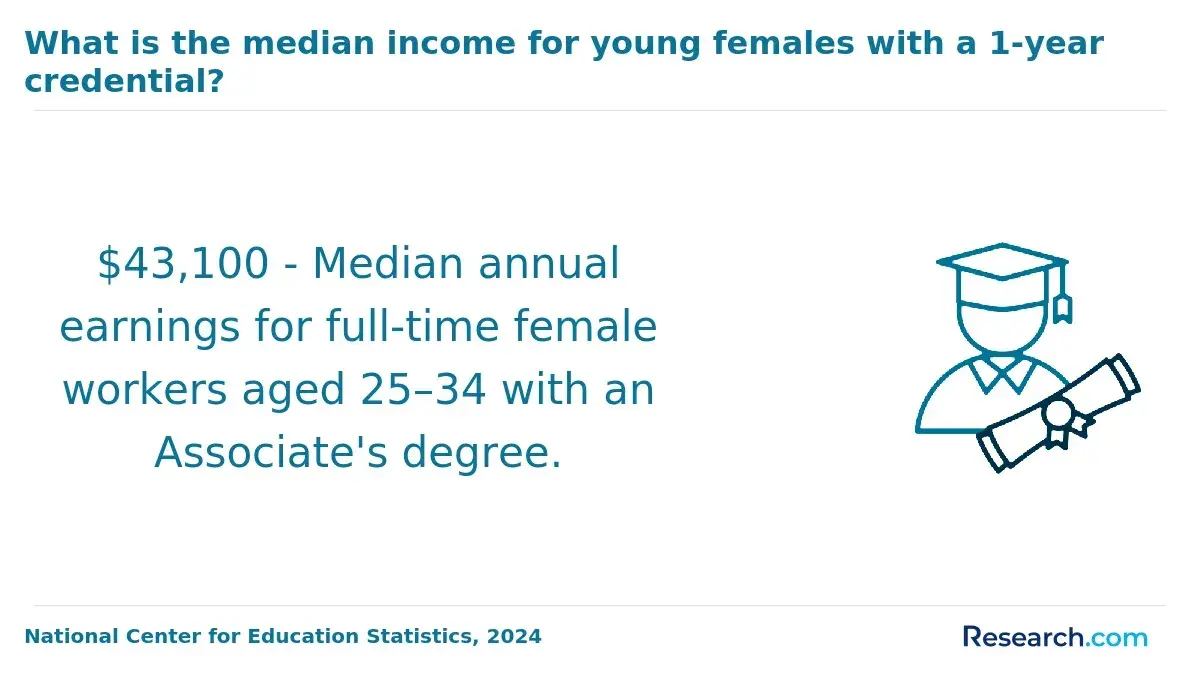
The average remote salary for Nursing Education graduates typically starts near $65,420, with entry-level roles ranging from $63,000 to $78,000 annually. Employers often expect candidates to balance clinical know-how with instructional skills. These positions usually offer competitive pay but less than traditional clinical nursing roles that rarely include remote work.
Variations in typical pay scale for remote Nursing Education professionals depend on certifications and technical demands beyond core teaching. For example, educators requiring advanced simulation training or specialized licensure may earn higher wages. This distinction is vital for graduates weighing the practical implications of job requirements against salary potential in remote settings.
When compared to related healthcare education careers, remote Nursing Education wages tend to be modest. Clinical nursing entry-level salaries start higher but lack remote flexibility. This tradeoff highlights a broader labor trend where about 28% of entry-level Nursing Education jobs include remote work, signaling slow but notable growth in flexible opportunities across the sector.
Graduates should consider these factors alongside long-term earning trajectories and job nature. For those pursuing cross-disciplinary credentials, such as a nutritionist degree, combining roles could expand employment options but may further affect salary expectations within remote frameworks.
Do remote Nursing Education jobs pay the same as on-site roles?
Remote Nursing Education roles typically pay close to on-site positions but rarely achieve full parity. A recent workforce analysis shows remote salaries average 95.7% of on-site pay, reflecting near equivalence but persistent slight gaps. This difference affects take-home income while holding many other compensation elements constant.
Pay disparities often arise from employers applying geographic localization. An educator working remotely from a lower-cost region might receive reduced wages compared to a colleague based in a high-cost metro area even when performing identical duties. This practice preserves employer cost control but may disincentivize highly qualified candidates in less expensive areas.
Some organizations reject geographic pay adjustments and maintain uniform salary rates nationwide. This approach supports talent acquisition and equitable compensation but can create cost pressures for institutions and influence hiring priorities. Graduates considering remote roles should carefully weigh these policy variations in their job offers.
Additional financial trade-offs include diminished travel reimbursements and modest home-office stipends. Though these reduce certain expenses, they do not fully offset the loss of in-person networking or incidental benefits tied to on-site work, complicating overall compensation evaluations.
What benefits do remote Nursing Education employees receive?
Remote Nursing Education employees receive benefit packages tailored to support their unique work environments and responsibilities. Unlike traditional roles, these packages prioritize flexibility and resource access to maintain operational effectiveness despite physical distance. For instance, a remote instructor balancing caregiving duties can adjust schedules without sacrificing paid time off, ensuring work-life balance. Employers also recognize that remote setups require more than healthcare access, providing financial and professional support that reinforces engagement and retention. The following outlines key benefit areas relevant to Nursing Education remote staff.
- Flexible Scheduling and Paid Time Off: Remote roles commonly include adaptable work hours and paid leave comparable to in-person jobs, allowing employees to manage variable caregiving and personal needs without penalty. This flexibility reduces burnout and sustains consistent productivity over extended periods.
- Home Office and Technology Stipends: Organizations increasingly offer direct financial support for home workspace setup and technology upgrades. These stipends ensure employees have ergonomic environments and reliable equipment, critical for uninterrupted teaching or administrative duties.
- Ongoing Certification and Licensure Support: Covering costs for professional certification and specialty credentials enables adherence to compliance standards and promotes continuous skill development, vital for maintaining quality education and professional credibility remotely.
- Retirement and Financial Wellness Programs: Standard retirement options are often supplemented with virtual financial counseling and enhanced wellness benefits. These programs address long-term planning challenges that remote staff may face, improving financial security and reducing stress.
Research from decentralized professional organizations shows that an average of 7.3% of payroll is allocated toward remote employee perks, reflecting growing employer investment in wellbeing to offset the diminished informal mentorship common in distributed workplaces. These targeted benefits aim to bridge the engagement gap remote Nursing Education employees might experience.
One remote Nursing Education professional shared, "Initially, I hesitated to accept a remote position because I was concerned about losing day-to-day mentoring and team connection. The company's technology stipend helped me create a functional home office, which boosted my daily focus. Plus, their support for certification renewals meant I could continue advancing my skills without financial stress. The flexible schedule has been crucial for managing family emergencies without forfeiting income, something I hadn't realized would matter so much until I experienced it firsthand."
Where can Nursing Education graduates look for remote jobs?
Securing remote roles as a Nursing Education graduate requires more than broad online searches; targeted platforms and strategic networking yield better results in this specialized field. For example, a recent graduate pursuing an entry-level clinical education coordinator role found that direct outreach through professional nursing educator groups secured an interview faster than applications via mass job boards. This outcome aligns with data showing recruitment agencies fill 38.7% of remote nursing education positions through networking rather than listings. Below are key channels where remote Nursing Education job opportunities most reliably appear.
- Indeed, Glassdoor, and LinkedIn: These general job boards aggregate the largest number of remote openings in nursing education-related roles such as instructional design and curriculum development. Their extensive databases provide volume but also attract a wide applicant pool, requiring resumes to be highly tailored to specific remote job descriptions for success.
- Nurse.com and Health eCareers: Specialized platforms focus exclusively on healthcare education jobs and periodically feature remote teaching or training roles. These sites offer fewer listings with less competition, making them valuable for candidates seeking sector-specific positions with a stronger probability of employer match.
- LinkedIn Nursing Educator Groups and Professional Associations: Networks within LinkedIn groups and associations like the National League for Nursing frequently share unadvertised and consulting opportunities. Active participation here uncovers flexible contracts and projects inaccessible through traditional job board applications.
- Direct Outreach via Recruitment Agencies: Agencies report nearly 40% of remote nursing education roles fill through direct candidate engagement rather than posted openings. Building professional relationships and maintaining contact with recruiters increases visibility for these hidden opportunities.
What do Nursing Education employers look for in candidates?
Employers seeking remote Nursing Education candidates prioritize a combination of clinical expertise and digital proficiency to ensure effective teaching at a distance. Candidates must demonstrate adaptability to diverse digital platforms while maintaining strong communication skills essential for virtual instruction. Remote hiring managers often test these abilities through scenario-based evaluations mimicking real-world tele-education challenges. The increasing reliance on technology and data analytics in education means proficient candidates can show evidence of digital fluency and ongoing professional development to remain competitive in this evolving field. A 2024 survey by the Society for Human Resource Management highlights that 68% of healthcare education hiring managers consider digital proficiency a mandatory requirement, underscoring its role in successful remote Nursing Education employment.
Key qualifications Nursing Education employers seek in candidates include the following:
- Clinical and Pedagogical Expertise: Employers assess clinical knowledge alongside teaching skills, ensuring candidates can translate complex medical concepts into accessible instruction remotely. Certifications such as the Certified Nurse Educator (CNE) are highly valued as indicators of professional competence and commitment.
- Learning Management Systems Proficiency: Fluency with platforms like Blackboard or Canvas is critical, as educators must design, deliver, and manage courses effectively within these digital environments to support student engagement and learning outcomes.
- Technological Adaptability: Remote candidates must navigate virtual simulation software and interactive tools like video conferencing and online assessments. This competency is evaluated through practical assessments and portfolios demonstrating troubleshooting and problem-solving skills.
- Digital Literacy and Data Interpretation: The ability to analyze course analytics helps educators refine content and assess learner progress. Strong data literacy enables informed decisions that improve educational effectiveness and align with institutional goals.
- Continuous Professional Development: Evidence of ongoing training in tele-education methodologies signals readiness to adapt in a fast-changing digital teaching landscape, supporting long-term career resilience.
For Nursing Education graduates considering accelerated degree options, exploring online BSN to MSN programs can provide efficient pathways to acquire these valued skills and credentials, offering practical benefits for remote work readiness.
How can Nursing Education graduates prepare for remote roles?
Nursing Education graduates must develop specific technical and instructional skills beyond clinical knowledge to succeed in remote roles. For instance, a graduate crafting digital curricula for a health system's virtual training platform needs fluency with educational technology and remote communication tools. These competencies go beyond traditional settings and meet employer demand for flexible, digitally adept educators. Key strategies focus on improving digital facility, certifying in online pedagogy, and producing demonstrable work samples. Below are actionable steps to prepare effectively for remote Nursing Education roles.
- Technical Proficiency Development: Master platforms like Canvas, Blackboard, and Zoom to manage virtual classrooms efficiently. Familiarity with basic data management tools enhances communication and administrative tasks, ensuring reliable virtual engagement with learners and colleagues in remote settings.
- Online Pedagogy Certification: Obtain credentials in instructional design or remote teaching methods. Such certifications signal understanding of adult learning principles applied to virtual environments and differentiate candidates by bridging the gap between in-person and online education.
- Targeted Remote Training Programs: Enroll in telehealth education or digital curriculum bootcamps that simulate real-world remote instructional challenges. Studies show completing remote-readiness programs raises employment chances by 37.8%, underscoring employer preference for candidates with specialized preparation.
- Investment in Reliable Hardware: Secure quality equipment like high-resolution webcams, noise-cancelling headsets, and dependable high-speed internet. These tools support consistent professionalism and avoid technical disruptions during virtual sessions, crucial for employer confidence in remote teaching roles.
- Portfolio of Practical Projects: Create sample e-learning modules and record mock virtual lectures to demonstrate adaptability and initiative. Recent data link portfolio development to a 29.4% boost in interview callbacks, showing that active evidence of digital teaching skills sets candidates apart in hiring processes.
These addiction counseling degree online counseling insights emphasize that preparing for remote Nursing Education roles effectively requires blending traditional expertise with targeted digital competencies to meet evolving workforce demands.
How can Nursing Education graduates if remote roles are a good fit for them?
Determining if remote roles suit Nursing Education graduates requires evaluating specific professional and personal factors rather than making assumptions based on convenience or flexibility alone. For example, a graduate who thrives on direct clinical interaction may find remote teaching limiting, while another who excels in self-directed digital facilitation will likely adapt better. These are practical criteria to weigh before pursuing remote work. Consider these key factors when assessing fit for remote Nursing Education roles:
- Self-discipline and time management: Remote nursing educators must independently structure their teaching schedules and adhere to deadlines without the usual campus oversight. Evaluating one's ability to stay organized and motivated in a less supervised environment is crucial to avoid burnout and maintain consistent performance.
- Comfort with limited hands-on instruction: Remote roles emphasize theoretical knowledge over clinical practice. Graduates should reflect on whether reduced direct patient training aligns with their teaching philosophy and career goals, as this shift may affect job satisfaction long-term.
- Technological proficiency: Mastery of digital platforms and virtual communication tools is essential for delivering engaging content. Prospective remote educators should assess their skill level and willingness to troubleshoot technical issues to ensure seamless learner interaction.
- Adaptability to technical challenges: Network downtime or software glitches can disrupt lessons. Graduates must weigh their tolerance for such interruptions and readiness to implement contingency plans to preserve instructional quality.
- Work-life boundary management: Distributed teams report a 30% higher incidence of blurred work and personal time, raising the risk of imbalance. Nursing Education graduates should examine how well they separate professional duties from home life to sustain well-being.
- Career progression expectations: Remote positions often offer fewer opportunities for leadership or research involvement. Understanding this limitation helps graduates align their ambitions with realistic job prospects.
- Risk of professional isolation: With a 15% higher turnover among remote nursing education staff, graduates must consider their resilience to potential feelings of detachment from colleagues and institutional culture.
One Nursing Education graduate who earned an online degree shared that initially, the decision to accept a remote educator role came with hesitation. She found that her aptitude for digital engagement and preference for flexible hours outweighed concerns about less direct clinical teaching. However, she actively sought community through virtual faculty meetings and specialized forums to counter isolation. This balanced approach helped confirm that remote work aligned with both her personal rhythm and professional aspirations.
References
- The Impact of Education on Nursing Practice https://www.aacnnursing.org/news-data/fact-sheets/impact-of-education-on-nursing-practice
- Medical University of GdaÅsk https://admission.mug.edu.pl/29318.html
- Is Nursing Right for You? Finding Your Path in Healthcare | Davis & Elkins https://www.dewv.edu/is-nursing-right-for-you-finding-your-path-in-healthcare/
- How Do I Choose the Right Nursing School? | NursingEducation https://nursingeducation.org/insights/choose-nursing-school/
- Online Resources for Nursing Students - Picmonic https://www.picmonic.com/pages/top-resources-nursing-students/
- Why Pursue an MSN? Top Benefits for Aspiring Nurse Leaders https://www.shawnee.edu/blog/benefits-of-msn-degree-why-pursue-your-msn
- Tuition and Financial Aid for Online Nursing School Programs - College of Nursing - Purdue University Northwest https://www.pnw.edu/college-of-nursing/online/tuition-financial-aid/
- Your Questions About Online Nursing School, Answered https://www.allnursingschools.com/how-to-get-into-nursing-school/online-programs/
- Learning resources | Royal College of Nursing https://www.rcn.org.uk/Professional-Development/Nursing-Support-Workers/Learning-resources
- NURSING - University College of Enterprise and Administration https://en.wspa.pl/nursing-graduate-program/
Other Things You Should Know About Nursing Education
Many remote Nursing Education positions assume candidates have hands-on clinical or classroom teaching experience because those skills directly impact effectiveness in virtual instruction or curriculum development. Without robust in-person experience, remote roles often become more challenging due to limited opportunity to demonstrate practical knowledge in real time. Graduates should prioritize gaining solid traditional experiences before seeking remote work to avoid performance gaps employers often critically assess.
Remote Nursing Education roles frequently involve fluctuating workloads tied to academic calendars, curriculum revisions, or student cohort sizes. Unlike fixed on-site schedules, remote teaching or instructional design tasks can intensify during exam periods or onboarding phases and slow considerably at other times. Graduates should consider if they prefer inconsistent work volumes, which require flexibility and strong time-management skills, or steadier onsite roles with more predictable hours.
Working remotely can limit access to informal mentorship, networking, and hands-on collaboration vital to career growth in Nursing Education. Many employers do not have structured digital equivalents to in-person professional development, which can slow skill acquisition and visibility for promotions. Graduates aiming for leadership or specialized roles should weigh the tradeoff between remote flexibility and potentially slower advancement trajectories relative to on-site peers.
Yes. Employers with mature, well-structured remote programs typically provide clearer expectations, better technology support, and more consistent workflows, which improve job stability and satisfaction. Graduates who choose organizations without proven remote infrastructure risk encountering role ambiguity or technological hurdles that hinder performance. Selecting employers with demonstrated remote teaching expertise enhances the likelihood of positive work experiences and realistic career progression.