2027 Nursing Education Degree Program Availability Report: Which States and Schools Offer the Most Options

Co-Founder and Chief Data Scientist
The concentration of nursing education programs across certain states reflects strategic responses to regional workforce needs and funding priorities rather than mere academic abundance. As of 2024, states with larger numbers of programs frequently align with areas experiencing higher registered nurse turnover and a growing demand for nurse educators to fill teaching vacancies, as reported by the National Council of State Boards of Nursing. This correlation suggests program availability directly responds to both labor market pressures and educational investment patterns.
Understanding these clusters clarifies disparities in educational access and highlights how institutional priorities shape preparation pathways for future nursing education professionals. This report examines which states and schools offer the most nursing education degree options and analyzes what these patterns reveal about workforce alignment and institutional focus in this specialized field.
Key Benefits of States and Schools That Offer the Most Nursing Education Degree Program Options
- Greater program variety often involves navigating varying curriculum standards, which can complicate credit transfers and extend time to completion for students changing schools or states.
- Employers in regions with diverse nursing education offerings tend to demand graduates skilled in multiple teaching modalities, reflecting evolving clinical training needs and technological integration.
- A 2024 survey found 68% of prospective nursing educators prioritize access to varied degree options to balance cost and timeline constraints, indicating wider choices influence enrollment decisions significantly.
- Key Benefits of States and Schools That Offer the Most Nursing Education Degree Program Options Key Benefits of States and Schools That Offer the Most Nursing Education Degree Program Options
- Which States Offer the Most Nursing Education Degree Programs? Top States
- Why Do Some States Have More Nursing Education Programs Than Others? WNursing Education Programs
- Which Colleges Offer the Largest Number of Nursing Education Degree Options? Top Schools
- How Do Online Programs Improve Access in States With Limited Options? Online Program Access
- How Much Does Nursing Education Program Tuition Vary by State? Nursing Education Program Tuition
- How Does Nursing Education Program Demand Affect Admissions Decisions? Program Demand
- How Do Nursing Education Specialization Options Vary by Region? Specialization Options
- How Does Regional Employer Demand Affect Career Outcomes? Employer Demand
- What Factors Matter Most When Comparing Nursing Education Programs Across States? Key Comparison Factors
- Which Regions May See the Fastest Growth in Nursing Education Education? Fastest Growing Region
Which States Offer the Most Nursing Education Degree Programs?
States with extensive nursing education degree programs typically combine multiple factors: high population density, a strong higher education infrastructure, and robust healthcare systems driving labor demand. The concentration of nursing education options correlates with regional healthcare employer networks and the presence of major research universities that offer diverse program formats, including specialization tracks in leadership, curriculum design, and clinical education. Recent figures from the National Center for Education Statistics reveal how these elements shape program availability, emphasizing supply aligned to workforce needs rather than mere institutional counts. Comparing the top US states for nursing education program availability highlights these ecosystem-driven distinctions.
- California: California's nursing education landscape is shaped by its extensive public university system, such as the California State University and University of California networks, alongside numerous community colleges providing associate degrees. This institutional density meets the demands of a vast and diverse population, ensuring comprehensive access for students across urban and suburban areas. Students benefit from varied pathways that accommodate entry-level educator preparation and advanced research-focused graduate degrees tied closely to regional healthcare research hubs.
- Texas: Texas capitalizes on its rapidly growing population and a sprawling state university network to offer a large number of nursing education degree programs. With strong partnerships between healthcare providers and academic institutions, Texas programs frequently emphasize practical clinical placements and leadership training designed to support expanding healthcare infrastructure, especially in metropolitan centers. This alignment with labor market demands enhances student prospects for securing roles in nurse education and administration post-graduation.
- New York: New York's urban density and concentration of medical centers contribute significantly to its extensive nursing education options. Its institutions often integrate opportunities to specialize in gerontology and community health education, responding to the state's demographic characteristics and healthcare workforce needs. The proximity to large teaching hospitals facilitates access to advanced clinical practicums, which, combined with diverse program offerings, supports a broad scope of career trajectories for nurse educators.
Smaller or more rural states offer fewer programs, frequently addressing accessibility challenges through online or hybrid curricula. Prospective students must weigh these regional differences in program availability alongside costs and clinical placement opportunities. For those evaluating related credential costs, it is useful to consider specialized fields such as medical billing and coding certification cost, which impacts overall workforce readiness and the educational ecosystem supporting nursing education careers.
Why Do Some States Have More Nursing Education Programs Than Others?
Variations in nursing education program availability by state largely reflect differences in the underlying higher education infrastructure and regional workforce demands for nursing graduates. States with denser populations and more developed tertiary institutions tend to support a wider array of nursing education programs, aligning academic capacity with local healthcare system needs. This integration enables a dynamic response to labor market pressures, particularly in states with expanding healthcare sectors. The distribution is not only a matter of geography but also how effectively states align institutional resources with projected employment growth in nursing fields.
Key drivers influencing this variation include state-level funding priorities for higher education, which directly affect community colleges and universities' abilities to develop and sustain nursing programs. Institutional research capacity and partnerships with healthcare providers act as catalysts for program expansion, often clustered around robust medical industry hubs. Employer demand for nursing education skills encourages program development in states where healthcare employers face acute shortages, a trend supported by a 2024 U.S. Bureau of Labor Statistics report indicating nurse employment growth in some states exceeding the national average of 9%. Additionally, economic conditions and state regulatory frameworks shape how flexible institutions can be in innovating program formats, including integration of fast track medical education paths.
These disparities have tangible implications for student access and regional workforce development. Students in less populated or lower-funded states may rely more heavily on online or hybrid programs to overcome limited local options, as demonstrated by the rise of fast track medical approaches. However, uneven program availability can concentrate nursing talent in certain regions, influencing where healthcare employers recruit and invest in workforce training. Understanding these systemic education distribution patterns is crucial for policymakers and education researchers aiming to address gaps in nursing workforce alignment across states.
Which Colleges Offer the Largest Number of Nursing Education Degree Options?
The availability of nursing education degree options at a given institution largely hinges on its scale, institutional resources, and academic infrastructure rather than its geographic location alone. Larger, research-focused universities typically offer more complex and specialized pathways, including a variety of degree levels and certification programs tailored to diverse learner needs and workforce demands. Such institutions leverage their faculty expertise, clinical affiliations, and funding to create comprehensive program arrays spanning associate to doctoral levels and post-graduate credentials.
- Large public and research-intensive universities: These institutions, such as major state university systems, often provide the broadest spectrum of nursing education programs. Their extensive resources allow them to develop multiple degree tracks-from practical nursing to doctoral research degrees like the DNP and PhD-while also supporting specialty certificates and leadership-focused curricula that address shifting healthcare demands.
- Comprehensive health science universities: Schools with dedicated health science faculties integrate nursing education within interdisciplinary frameworks, facilitating program diversification. For example, institutions comparable to universities with renowned medical centers can offer accelerated pathways, online options, and post-master's certifications by leveraging clinical partnerships and research funding.
- Private specialized nursing institutions with graduate emphasis: Although these schools may not cover the full continuum of nursing education, their targeted focus on master's and doctoral programs enables them to deepen expertise in specific subspecialties, often responding to niche workforce needs or advanced educational leadership roles.
- Community colleges and technical institutes: Typically focused on entry-level credentials like associate degrees or practical nursing certificates, these institutions play a critical role in workforce entry but offer limited advanced academic options due to smaller scale and resource constraints.
Data from the National Center for Education Statistics and 2024 educational analyses reveal that over 70% of nursing education programs with multiple degree pathways are housed within large public or research-centered universities. This concentration corresponds with employer preferences for candidates graduating from institutions that provide comprehensive clinical exposure and advanced pedagogical training, crucial for evolving healthcare environments.
How Do Online Programs Improve Access in States With Limited Options?
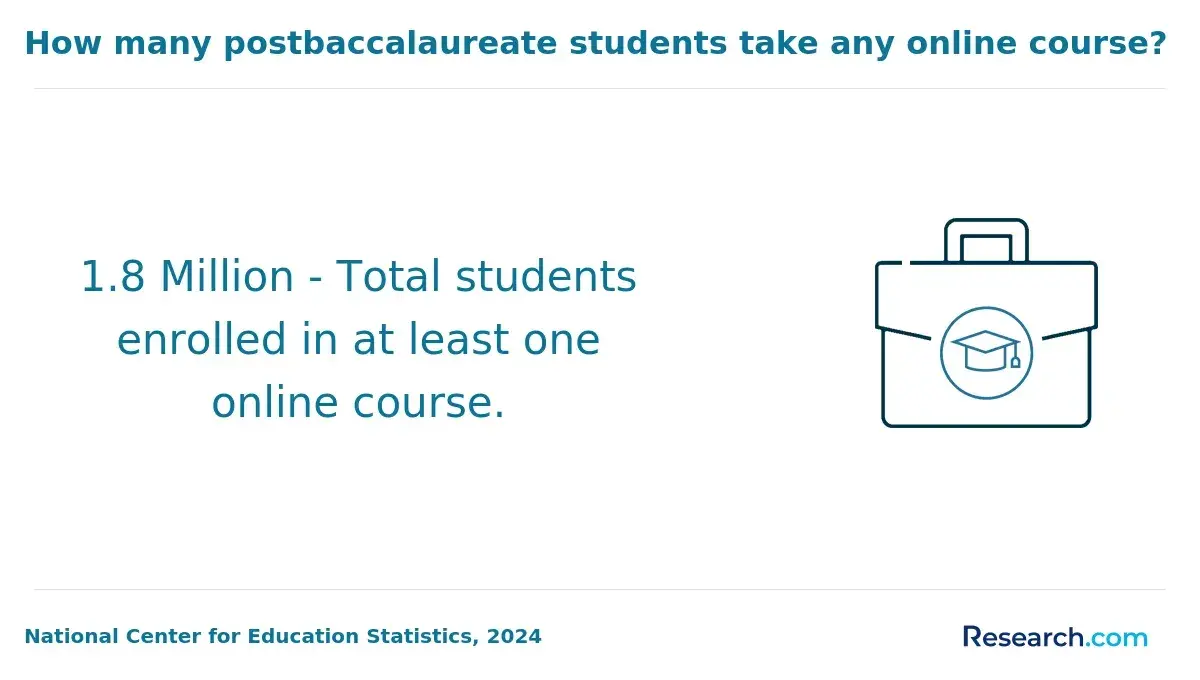
Online nursing education programs significantly increase enrollment opportunities in states where traditional, in-person offerings are sparse or nonexistent. According to data from the National Center for Education Statistics in 2024, over 40% of nursing students in rural or underserved regions now pursue online or hybrid formats, reflecting a marked shift in how geographic constraints influence educational choices. This model effectively circumvents the challenges posed by limited local institutional capacity, long-distance travel requirements, and relocation costs, enabling students in states like Wyoming or Alaska to access accredited nursing curricula without leaving their communities. The result is a more geographically distributed and diverse learner population with fewer barriers linked to physical campus locations.
The expansion of nursing education through online platforms rests on several structural factors. Asynchronous and hybrid course designs allow students to balance clinical obligations or work alongside academic requirements, reducing the dependency on synchronous class attendance. Since many online programs can enroll students across state lines-often leveraging interstate education compacts or distance education agreements-institutions can scale their reach well beyond their physical campuses. This reduces reliance on state-specific university infrastructures and mitigates bottlenecks caused by limited faculty or facility availability. Consequently, students benefit from a wider selection of specializations and program formats not typically available in their immediate region, while institutions tap into previously inaccessible markets, reshaping enrollment flows and educational equity.
Beyond immediate access, the proliferation of online nursing programs influences statewide workforce development by preparing candidates from underrepresented areas who might otherwise be excluded. The increased mobility of students enrolling remotely also heightens competition among institutions to attract learners who traditionally would attend local schools, prompting curricular and support service innovations. Over time, this dynamic supports more regionally balanced health professional supply chains, addressing persistent geographic disparities in nursing workforce distribution and potentially improving care quality in underserved communities.
One nursing education graduate recalled the uncertainty of navigating the rolling admissions process for an online program while living in a rural area with only one local option far from home. She hesitated initially, waiting for test scores and prerequisite confirmations, worrying about deadlines but grateful the online pathway still remained open as other programs she applied to took months to respond. When her acceptance finally arrived, it was late in the cycle, yet still allowed her to plan for clinical placements nearby rather than relocate. This timing flexibility and access to multiple institutions beyond her state ultimately made the difference in her ability to pursue nursing education without uprooting her family or delaying entry into the workforce.
How Much Does Nursing Education Program Tuition Vary by State?
Tuition costs for nursing education degree programs vary considerably across U.S. states, largely reflecting differences in state funding priorities, institutional types, and residency-based tuition systems. Public universities generally offer lower tuition for in-state residents, leveraging state subsidies to reduce direct costs, but the degree of these subsidies varies dramatically by region. Private institutions operate under different funding models and typically set tuition independently of state allocations, resulting in consistently higher fees. These systemic funding and policy variations explain why tuition disparities are not arbitrary but rooted in how higher education is financed and regulated at the state level, influencing accessibility and program distribution.
Current data show public in-state tuition for nursing education programs can range from approximately $5,000 to $8,000 annually in states with robust public university systems and greater subsidization, such as California and Florida. By contrast, states with lower public investment often see these costs rise above $12,000 per year for residents. Out-of-state tuition at these public institutions frequently doubles or triples those rates, reflecting a lack of subsidy for nonresidents. Private institutions present a distinct pricing landscape, commonly charging between $20,000 and $35,000 annually regardless of residency. Understanding this spectrum clarifies how the average nursing education tuition costs across US states encapsulate broader financial governance rather than mere market variation.
These tuition variations have meaningful implications for student decision-making and workforce development. Students facing higher tuition and limited in-state options may either incur greater debt or seek online associate nursing programs or programs in lower-cost states, shaping geographic mobility and career pathways. Furthermore, disparities in tuition affordability influence equity in program access and may steer graduates towards clinical roles with higher immediate returns rather than education-focused careers. For education researchers and prospective students comparing availability and costs, accounting for these funding structures and regional price effects provides essential context beyond surface-level tuition comparisons.
How Does Nursing Education Program Demand Affect Admissions Decisions?
Rising demand for nursing education programs typically drives institutions to enforce more stringent admissions standards, making entry less accessible for many candidates. As applicant pools grow larger and more competitive, programs respond by raising GPA thresholds, requiring additional coursework, or emphasizing specific competencies to differentiate among qualified candidates. This intensification of selectivity reflects efforts to balance educational quality with the pressures of increased interest, often resulting in lower acceptance rates and more rigorous evaluation criteria.
The relationship between demand and admissions decisions is deeply influenced by operational constraints such as limited faculty numbers, finite clinical placement slots, and accreditation standards that cap enrollment capacity. These factors compel programs to adopt selective strategies that prioritize applicants with demonstrated academic achievement, relevant nursing experience, and skill sets aligned with evolving workforce needs. Additionally, alignment with labor market demands-such as adaptability, communication, and clinical judgment-shapes admissions criteria to better prepare candidates for specialized roles, reinforcing the interplay between workforce realities and program intake policies.
Higher demand also impacts applicant behavior and program accessibility over time, requiring prospective students to strategically bolster their qualifications and navigate possible delays due to waitlists or multi-cycle application processes. This dynamic fosters a competitive landscape where only those with strong preparation and clear alignment to hiring trends may secure timely admission, potentially affecting diversity and equitable access across regions. Institutions facing heavy demand may thus develop reputations for selectivity, influencing applicant expectations and decisions within an increasingly crowded field.
One nursing education graduate recalled waiting anxiously during a rolling admissions period when heightened demand caused slower decisions, delaying her enrollment by months. She found herself repeatedly updating her application materials and seeking ways to strengthen her clinical experience while balancing part-time work. The uncertainty challenged her ability to plan but underscored how program capacity limits and selective timing directly shape admission outcomes, leaving her grateful once finally accepted yet keenly aware of the procedural complexity behind the scenes.
How Do Nursing Education Specialization Options Vary by Region?
Specialization options in nursing education degree programs are closely aligned with regional economic priorities and dominant healthcare industry needs. Regions with robust healthcare technology sectors, such as the Northeast, emphasize specializations like nurse informatics and gerontological nursing, catering to their aging populations and innovation-driven clinical environments. Conversely, areas with significant rural populations, particularly in the South, focus their nursing education offerings on rural health and primary care, addressing persistent provider shortages. This alignment ensures programs meet local health system demands and workforce integration more effectively than generic curricula.
Variations in nursing education specializations reflect deeper institutional strengths and workforce requirements. Universities in the West often incorporate simulation-based training and interprofessional collaboration roles within their programs, supported by partnerships with research hospitals and teaching institutions prioritizing modern pedagogy. Meanwhile, Midwestern states tend to emphasize foundational teaching certifications linked to community colleges and large hospital systems, reflecting stable, systematized labor markets. According to the 2024 National Center for Education Statistics report, over 65% of nursing education programs in the Northeast offer multiple specialized tracks, compared with roughly 40% in the Midwest, illustrating how research-oriented institutions and concentrated healthcare economies drive broader curricular diversity.
These regional divergences have practical impacts on student decisions and employment pathways. Prospective students seeking access to diverse, research-driven specializations may need to consider relocation or online options beyond their home states, especially if they originate from areas with limited program variety. Employers increasingly expect demonstrable outcomes from specialized training, such as improved patient education or program development, which are more prevalent in regions with extensive academic and healthcare networks. Such market realities underscore the need for strategic program selection based on regional specialization strengths and labor market signaling rather than purely proximity or institutional reputation.
How Does Regional Employer Demand Affect Career Outcomes?
Regional employer demand critically shapes job availability and early career opportunities for nursing education graduates. Locations with concentrated healthcare systems and expanding educational institutions tend to offer a wider array of positions and more rapid entry into the workforce. This dynamic is especially evident in states where strong regional demand for nursing education careers fuels not only more openings but also greater institutional investment in faculty roles. Graduates in these hubs often encounter less competitive entry processes and higher starting salaries than those in areas where healthcare education infrastructure is limited or stagnant.
The impact of regional nursing education programs on job opportunities is closely tied to local industry clusters, employer partnerships with universities, and wage competition across states. Regions with robust healthcare sectors create specialized ecosystems where nursing education roles benefit from continuous employer needs and funding support. For example, urban centers with diverse healthcare employers often maintain pipelines from academic programs to local hospital systems, enhancing job stability and progression pathways. Conversely, rural or low-growth markets may offer fewer permanent faculty positions, increasing reliance on adjunct roles and limiting salary growth. According to labor market data, states like California and Texas report median entry salaries 15-20% above national averages due to both demand concentration and cost-of-living adjustments.
These regional demand patterns also influence long-term career trajectories and geographic mobility decisions for nursing education graduates. While remote and hybrid teaching opportunities are expanding, many employers still prefer local hires who understand specific community health dynamics. Therefore, graduates must weigh the practical benefits of pursuing degrees or employment in regions that align with their career goals and where employer demand realistically supports sustainable academic roles. Those looking for a more accelerated pathway might consider the fastest FNP program online as a strategic complement to local nursing education expertise, broadening their credentials for specialized or leadership positions within regional labor markets.
What Factors Matter Most When Comparing Nursing Education Programs Across States?
Comparing nursing education degree program availability by state requires assessing factors beyond simple access to programs. State-level differences strongly influence not only which nursing education pathways are available but also how accessible and affordable they are for students. These variations impact specialization opportunities, accreditation quality, and ultimately, how graduates fare in competitive local healthcare markets. Consequently, prospective students and researchers should prioritize metrics tied to educational rigor, workforce integration, and cost-effectiveness.
- Accreditation and Licensing Outcomes: Programs accredited by recognized bodies like the CCNE or ACEN uphold rigorous standards that directly affect graduate eligibility for licensure and employment. The National Council of State Boards of Nursing 2024 report indicates graduates from accredited programs achieve a 15% higher NCLEX-RN pass rate, underscoring the importance of accreditation as a key quality marker.
- Program Diversity and Delivery Modes: States offering a broad spectrum of nursing education degrees-including associate through doctoral levels-and flexible options such as online, hybrid, or evening courses better serve diverse student populations. Such variety correlates with greater enrollment success and retention, particularly for nontraditional students managing work or family commitments.
- Workforce Alignment and Clinical Opportunities: States with integrated healthcare systems and strong nursing demand provide superior clinical placements and employer connections. With the U.S. Bureau of Labor Statistics forecasting a 12% growth in nursing jobs nationally by 2030, regional expansions emphasize the strategic advantage of choosing programs aligned with local market demand.
- Cost Structures and Financial Aid Availability: Tuition and associated costs vary widely by state, affecting program affordability and accessibility. While some lower-cost programs may lack advanced training specializations, financial aid options can mitigate expenses, but students must balance cost savings against potential long-term career limitations.
These factors shape both the academic experience and career trajectories of nursing graduates. Evaluations must weigh how state-level program availability and educational infrastructure correspond to employer expectations and post-graduation opportunities. For example, comparative research shows that investing in a program with strong accreditation and clinical ties often yields better employment outcomes, even if initial costs are higher.
To further analyze relevant program options, including allied healthcare fields, consider exploring the best online environmental health and safety degree programs as part of broader healthcare education pathways that complement nursing workforce needs.
Which Regions May See the Fastest Growth in Nursing Education Education?
Growth in nursing education programs tends to concentrate in regions where employer demand, demographic shifts, and higher education investment intersect. These factors align with broader economic expansion and workforce development strategies that influence educational capacity and program diversity. Understanding these conditions helps clarify why certain U.S. regions are poised for faster nursing education growth, driven by sector-specific workforce needs and institutional responses.
- Southeast: This region exhibits the highest projected expansion due to rapid population growth, particularly in states like Florida and Texas, intensifying demand for healthcare workers. State-level investments in workforce development and partnerships between healthcare providers and academic institutions enable the scaling of nursing faculty and program capacity. The broadening of program types-associate through doctoral-reflects employer needs for both entry-level practitioners and advanced specialty roles.
- Southwest: States such as Arizona benefit from ongoing healthcare infrastructure growth alongside demographic changes including aging populations. The Southwest's focus on community-based and hybrid program formats accommodates working students, increasing enrollment without requiring large physical expansions. Employer demand for clinical nurse specialists and nurse educators promotes advanced curricula investment.
- Mountain West: Emerging metropolitan areas in this region see increased nursing education offerings driven by newer universities creating specialized pathways with practical, interprofessional skill emphases. This supports a response to local healthcare workforce shortages and employer calls for applied competencies beyond basic licensure.
- Midwest: Although established programs dominate here, growth remains limited due to population stability and market saturation. Institutions focus more on maintaining quality and evolving curricula than on dramatic capacity increases, which constrains new program availability and variety.
- Northeast: With dense networks of established nursing education providers, growth rates are modest. Employment needs are steady but incremental, with emphasis on program adaptation over expansion. Economic and demographic factors provide less impetus for large-scale institutional growth compared to Southern and Western counterparts.
These regional differences reflect how workforce shortages, higher education system investment, demographic trends, and demand for specific nursing roles shape the future landscape of nursing education. Prospective students should consider these structural factors to identify where program availability and specialization options align best with their career goals.
References:
- Master's Education https://www.aacnnursing.org/students/nursing-education-pathways/masters-education
- Factors to Consider When Choosing a Nursing Program: Tips for Success https://www.dewv.edu/factors-to-consider-when-choosing-a-nursing-program-tips-for-success/
- A Deep Dive Into a Nurse Educator Career | ACE Blog https://ace.edu/blog/a-deep-dive-into-a-nurse-educator-career/
- Nurses are in high demand but nursing schools struggle to provide enough slots to train them https://hechingerreport.org/nurses-are-in-high-demand-why-cant-nursing-schools-keep-up/
- 2 strategies to grow enrollments in your nursing programs (during and after COVID-19) https://eab.com/resources/blog/adult-education-blog/increase-nursing-program-enrollment/
- Nursing Program - Understanding Costs & How to Make it Affordable - Cincinnati State https://www.cincinnatistate.edu/rn-understanding-costs-and-how-to-make-it-affordable/
- Nursing School Cost of Attendance, Tuition and Fees at OHSU https://www.ohsu.edu/school-of-nursing/tuition-and-fees
- How to Choose a Nursing Program | All Nursing Schools https://www.allnursingschools.com/how-to-get-into-nursing-school/choose-the-right-school/
- TOP 30 CUTTING EDGE NURSING SCHOOLS https://blog.diversitynursing.com/blog/bid/155065/TOP-30-CUTTING-EDGE-NURSING-SCHOOLS
- Your Guide to Understanding the Different Types of Nursing Degrees https://www.herzing.edu/types/nursing-degrees
Other Things You Should Know About Nursing Education
In 2027, states with a high concentration of nursing education programs often offer diverse learning opportunities and resources. This can enhance the student learning experience by providing access to various clinical settings and networking opportunities. Conversely, it might lead to increased competition for clinical placements among students.
Schools that offer numerous nursing education degree paths can provide interdisciplinary resources and broader networking opportunities, but may dilute focus on nursing education-specific pedagogy. Conversely, specialized programs tend to have more targeted curricula and faculty expertise but might lack the broader institutional support or elective diversity. For students prioritizing mastery in teaching methodologies and research within nursing education, specialized programs typically align better with long-term academic and employment goals.
States with extensive offerings often feature a mix of program structures-from accelerated to part-time and hybrid models. While accelerated programs can fast-track entry into the workforce, they may compromise depth and increase stress levels, particularly in practical teaching components. Students balancing work or family commitments should carefully assess how program timelines and format affect learning quality and retention rather than choosing faster options simply due to availability.
Employer preference tends to focus more on the reputation and accreditation status of individual programs rather than the sheer number of nursing education options in a state. Graduates from well-regarded schools with strong clinical training and faculty credentials generally enjoy better employment prospects. When deciding where to study, prioritizing program outcomes and employer connections is more consequential than selecting a state or school based mainly on program volume.