2027 Is an MBA in Finance Right for You? Costs & Job Opportunities

Co-Founder and Chief Data Scientist
An MBA in Finance is a major career and financial decision, not just another business credential. For some professionals, it can support a move into investment banking, corporate finance, portfolio management, private equity, risk management, or executive leadership. For others, a finance certificate, Master of Finance, employer-sponsored training, or a more affordable online MBA may be a better fit.
The value of the degree depends on your current experience, target role, school choice, total cost, opportunity cost, and ability to use the MBA network. According to the 2025 Graduate Management Admission Council (GMAC) Corporate Recruiters Survey, MBA graduates continue to report higher median starting salaries than bachelor’s-level hires, often around $120,000 compared with significantly lower starting salaries for bachelor’s degree holders. At the same time, MBA programs can be expensive, time-intensive, and difficult to complete while working full time.
This guide explains what an MBA in Finance covers, how much it can cost, what jobs it may lead to, how to compare programs, and how to decide whether the degree is worth the investment for your career. You will also find practical guidance on admissions, accreditation, online options, industry certifications, ROI, and funding strategies. If your goal is to compete for selective programs, this guide also connects you to advice on how to get into top business schools.
Quick Answer: Is an MBA in Finance Right for You?
An MBA in Finance may be right for you if you want to move into higher-responsibility finance roles, already have some professional experience, can manage the cost, and want a broader business education rather than a narrowly technical finance degree. It is especially useful for professionals targeting corporate finance leadership, investment banking, asset management, consulting, private equity, treasury, or CFO-track roles.
It may not be the best choice if you only need technical finance skills, cannot justify the cost, do not need an MBA network, or are early in your career and would benefit more from work experience first. In those cases, a finance certificate, a Master of Finance, an accounting credential, or a lower-cost online business program may be a more practical option.
Is an MBA in Finance Right for You Table of Contents
- What an MBA in Finance is and who it is for
- How much an MBA in Finance can cost
- Jobs you can pursue with an MBA in Finance
- Finance MBA formats and related degree options
- Admissions and skill requirements
- How to choose an MBA in Finance program
- 2027 MBA in Finance programs to know
- How to measure MBA in Finance ROI
- Why accreditation and rankings matter
- How online executive MBA fees affect total investment
- Hidden MBA expenses that can reduce ROI
- Accelerated online MBA in Finance vs. traditional programs
- Fast online MBA options compared with traditional finance MBAs
- Certifications that can strengthen an MBA finance profileFast MBA comparisonOnline MBA comparison
- How networking and alumni connections add value
- Ways to afford an MBA in Finance
- Long-term career impact
- Trends shaping MBA in Finance programs
What is an MBA in Finance degree?
An MBA in Finance is a Master of Business Administration program with a finance concentration. Unlike a purely technical finance master’s degree, an MBA combines finance coursework with broader management training in leadership, strategy, operations, marketing, accounting, ethics, and organizational decision-making.
Students typically study financial statement analysis, corporate finance, accounting, investment analysis, capital markets, financial institutions, risk management, and financial planning. Many programs also use case studies, simulations, team consulting projects, internships, and capstone experiences to connect classroom theory to real business decisions.
The degree is designed for people who want to make financial decisions at the business or institutional level. Graduates often pursue roles in corporate finance, investment banking, asset management, financial analysis, private equity, treasury, consulting, risk management, and executive leadership. It can also help professionals who already work in accounting, operations, sales, analytics, or consulting pivot toward finance-focused leadership roles.
Who benefits most from an MBA in Finance?
| Student Profile | Why the Degree May Help | What to Check Before Enrolling |
| Working finance professional | Can support advancement from analyst or associate roles into management, strategy, or client-facing leadership. | Whether the program has strong recruiting ties in your target finance area. |
| Career changer | Provides business credibility, finance coursework, and access to internships or alumni networks. | Whether employers in your target field hire career switchers from the program. |
| Future executive | Builds financial strategy, leadership, and decision-making skills useful for CFO-track roles. | Whether the curriculum includes executive communication, strategy, and applied finance. |
| Entrepreneur or business owner | Can improve capital planning, valuation, budgeting, and investor communication skills. | Whether the cost is justified by your business goals and timeline. |
| Recent graduate with limited experience | May help academically, but many MBA programs value work experience. | Whether gaining 2-3 years of experience first would improve admissions and outcomes. |
Cost of MBA in Finance Degree
MBA in Finance costs vary widely by school type, delivery format, residency status, reputation, and program length. Prestigious full-time programs often carry higher tuition and higher opportunity costs because students may leave the workforce. Online and part-time options can reduce relocation and lost-income costs, especially for working professionals. Students comparing options may also want to review related online finance degrees if they are still building a foundation before graduate study.
How much does it cost to get an MBA in Finance degree?
According to recent 2025 tuition statistics, average graduate tuition and fees at public U.S. institutions are about $11,417 for in-state students and around $20,752 for out-of-state students. Public graduate tuition can range from roughly $10,765 to around $19,093 depending on residency and school. Private graduate programs average about $19,616 in tuition and fees for the 2024-2025 academic year.
Some schools offer cheap MBA online pathways that may cost far less than full-time campus programs. These programs typically cost a quarter of a full-time MBA program and average a total of $25,000. For working professionals, the biggest advantage is often not only lower tuition but the ability to keep earning income while studying.
| In-State | Out-of-State | |
| Associate Degree | $3,800 | $8,256 |
| Bachelor's Degree (Public) | $10,740 | $27,560 |
| Bachelor’s Degree (Private) | $38,070 | $38,070 |
| Master’s Degree | $12,394 | $26,621 |
Is an MBA in Finance worth it?
An MBA in Finance is worth considering when the degree helps you reach roles that are difficult to access with your current credentials alone. It can be valuable if you are aiming for investment banking, finance leadership, hedge fund management, private equity, portfolio management, corporate treasury, or CFO-track positions. It can also help you build a professional network, signal leadership potential, and gain structured exposure to finance strategy.
However, the degree is not automatically worth the cost. Before enrolling, compare tuition, fees, lost income, loan interest, and time commitment against realistic post-MBA roles. If you are asking, Is it worth getting MBA, the answer depends on whether your target employers value the credential and whether the program’s recruiting network connects to the jobs you want.
Salary can be a major motivator. An MBA degree holder can earn as much as $115,000 per year, which is $50,000 more than new hires with only a bachelor’s degree. But pay varies by role, location, employer, industry, school reputation, and prior experience. A strong MBA can improve your odds; it does not guarantee a specific salary.
There are also non-salary reasons to pursue the degree. Finance leaders influence capital allocation, investment decisions, risk strategy, budgeting, and growth planning. For people who want to guide organizations through complex financial choices, earning a finance degree can lead to meaningful work as well as career advancement.
MBA in Finance Degree Jobs
An MBA in Finance can lead to many business and finance roles because financial decision-making is central to nearly every industry. While the degree is often associated with banking and investment roles, graduates also work in healthcare, technology, manufacturing, consulting, real estate, insurance, government, nonprofit finance, and corporate strategy. Students comparing finance with other lucrative fields may also explore the best degrees for high paying jobs.
Is financial management in high demand?
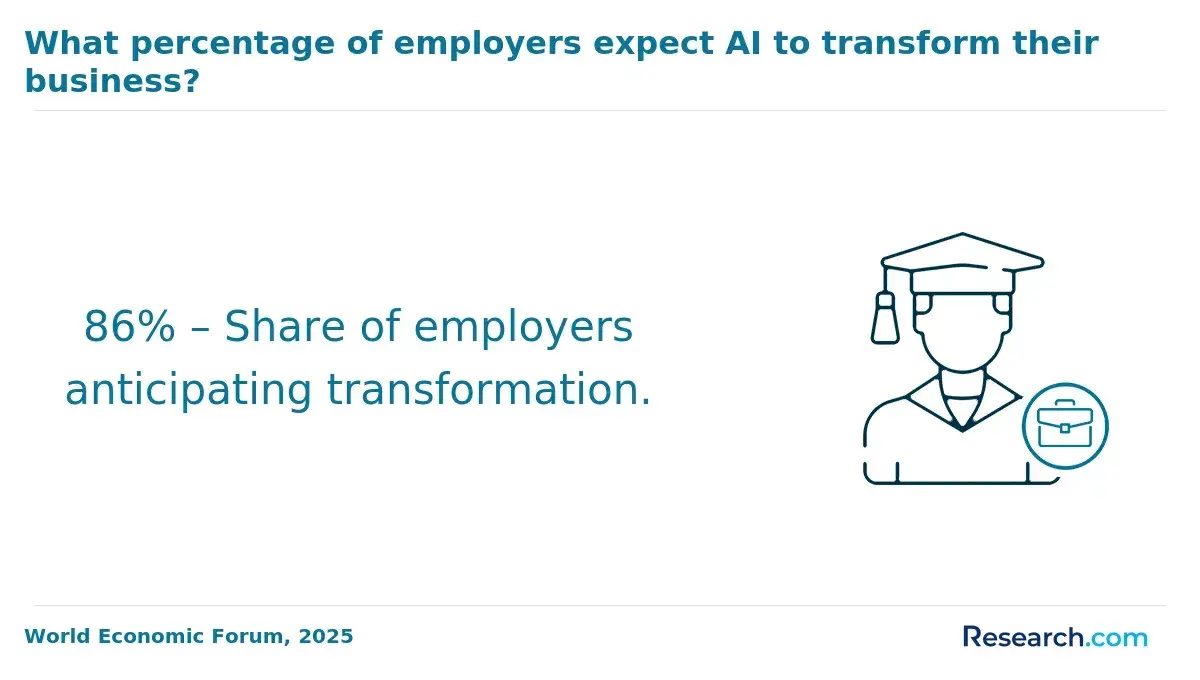
The job outlook for financial managers is strong. The U.S. Bureau of Labor Statistics projects financial management jobs to increase by 17% up to 2031, with around 71,00 job openings projected each year on average. This demand reflects the continuing need for professionals who can manage budgets, evaluate risk, improve profitability, and guide organizations through financial uncertainty. Students who want a finance-focused graduate path but not necessarily an MBA can also compare the best online master’s degrees in finance offered by prestigious universities.
What jobs can you get with an MBA in Finance degree?
| Role | What the Work Involves | Best Fit For |
| Financial Analyst | Evaluates financial data, investment options, budgets, forecasts, and business performance to support decision-making. | Professionals who enjoy modeling, research, reporting, and data-backed recommendations. |
| Financial Manager | Oversees financial reporting, planning, investments, profitability strategies, and finance operations. | MBA graduates ready to manage teams, budgets, and organizational financial strategy. |
| Investment Banker | Supports capital raising, securities transactions, mergers and acquisitions, and complex financial advisory work. | People comfortable with long hours, high-pressure deadlines, valuation work, and client service. |
| Portfolio Manager | Builds and monitors investment portfolios based on client or institutional objectives. | Professionals interested in markets, asset allocation, risk, and investment strategy. |
| Risk Manager | Identifies financial exposures and develops strategies to reduce market, credit, operational, or liquidity risk. | Analytical professionals who want to protect organizations from financial threats. |
| Corporate Treasurer | Manages cash, liquidity, financial planning, debt, investments, and risk controls. | Finance professionals interested in internal corporate financial management. |
| Financial Advisor | Provides investment planning and financial guidance to individuals, families, or businesses. | Professionals who combine finance knowledge with relationship-building and client communication. |
| Private Equity Associate | Analyzes deals, conducts due diligence, reviews market trends, and helps manage private equity investments. | Candidates with strong valuation, modeling, research, and transaction skills. |
| Hedge Fund Manager | Manages investment strategies, analyzes market data, monitors risk, and seeks returns for clients. | Experienced investment professionals with advanced market knowledge. |
| Chief Financial Officer (CFO) | Leads financial planning, accounting, budgeting, capital strategy, and executive-level financial decision-making. | Senior professionals with finance leadership experience and strategic business judgment. |
| Investment Fund Manager | Oversees mutual funds, ETFs, or other investment vehicles and makes portfolio decisions. | Professionals focused on investment performance, research, and fiduciary responsibility. |
What kind of salary can you earn with an MBA in Finance?
Compensation for MBA in Finance graduates varies significantly by role, employer, experience level, location, and performance-based pay. In the U.S., MBA finance holders can expect total compensation that broadly spans from around $180,000 to about $333,000 per year in typical finance roles at mid to senior levels. Earlier-career positions are usually lower: financial analysts often earn between roughly $86,000 and $133,000 annually. Finance managers, a common mid-career role for MBA graduates, typically earn about $105,000 to $186,000 per year according to current salary data. Executive-level positions such as CFO can pay much more, but compensation depends heavily on company size and industry.
Use salary figures as planning estimates, not promises. The biggest pay increases usually come when the MBA helps you move into leadership, revenue-generating finance, investment roles, or strategy-focused positions.
Types of Degrees in MBA in Finance
An MBA in Finance can be delivered in several formats, and the best choice depends on your career stage, schedule, budget, and target role. Some students need the full recruiting experience of a traditional MBA. Others need an executive format, a global finance perspective, a dual degree, or a shorter certificate focused on one finance skill.
Finance MBA and related credential options
| Option | Average Time to Complete | Best For | Possible Entry-Level Roles |
| Traditional MBA in Finance | 2 years | Students seeking a broad MBA experience with finance recruiting, internships, and campus networking. | Financial Analyst, Investment Banking Analyst, Financial Advisor |
| Executive MBA in Finance | 2 years | Mid-career professionals who want advanced finance and leadership training while continuing to work. | Financial Manager, Investment Banking Associate, Corporate Financial Planner |
| Global MBA in Finance | 2 years | Students targeting multinational companies, cross-border finance, global markets, or international consulting. | International Business Consultant, Management Consultant, Global Investment Research Analyst |
| Dual MBA/MS in Finance | 2 to 3 years | Professionals who want both management training and deeper quantitative finance expertise. | Asset Management Analyst, Corporate Strategy Analyst, Business Development Associate |
| Certificate in Finance | Varies by program | Professionals who need focused finance training without committing to a full graduate degree. | Credit Analyst, Budget Analyst, Accounts Payable/Receivable Clerk |
Traditional MBA in Finance
A traditional MBA in Finance usually combines core business courses in accounting, management, marketing, economics, operations, and strategy with finance courses such as financial analysis, corporate finance, investment analysis, financial management, and capital markets. Students may learn through lectures, cases, group projects, exams, internships, and applied consulting work.
Executive MBA in Finance
An executive MBA in Finance is designed for professionals who are already established in their careers. Programs are often part time and may use weekend classes, evening sessions, online work, residencies, or hybrid formats. Coursework may include mergers and acquisitions, financial strategy, derivatives, international finance, risk management, and financial modeling.
Global MBA in Finance
A global MBA in Finance emphasizes international markets, cross-border investment, foreign exchange risk, emerging markets, and the cultural dimensions of business. This format may include international residencies, global case studies, virtual classrooms, and exposure to multinational finance challenges.
Dual MBA/MS in Finance
A dual MBA/MS in Finance combines managerial training with more technical finance coursework. Students may study financial engineering, computational finance, financial data analysis, advanced financial modeling, and quantitative methods. This path can be more rigorous and may take 2 to 3 years.
Certificate in Finance
A finance certificate can be useful if you need targeted skills in financial planning, corporate finance, investment management, financial modeling, accounting, or budgeting. It is not a substitute for an MBA when employers specifically want graduate management training, but it may be a lower-cost way to build practical skills. Students looking for related short credentials can also compare an accounting certificate.
MBA in Finance Requirements
Admissions requirements vary by school, program type, and selectivity. As with the top online DBA programs, applicants should review each school’s requirements carefully and track MBA program application deadlines so that transcripts, recommendations, essays, test scores, and interviews are completed on time.
Admission Requirements
- Bachelor’s Degree. Most MBA programs require a bachelor’s degree from an accredited institution. The major does not always have to be business or finance, but relevant preparation can help. Students planning ahead may want to choose good majors in college connected to finance, economics, accounting, mathematics, analytics, or business.
- Work Experience. Many MBA programs prefer applicants with professional experience. The typical expectation is at least 2-3 years, though requirements vary.
- GMAT or GRE scores. Some programs require GMAT or GRE results, while others offer waivers for applicants with substantial work experience, strong academic records, or other qualifications.
- Transcripts. Applicants usually need official transcripts from all undergraduate and graduate institutions they have attended.
- Letters of Recommendation. Many schools ask for two to three recommendations from supervisors, professors, or professional contacts who can evaluate your readiness for graduate business study.
- Personal Statement or Essay. Essays typically ask why you want an MBA in Finance, what experience you bring, and how the program fits your career goals.
- Interview. Some programs include interviews to assess communication skills, leadership potential, motivation, and fit.
Skill Requirements
Successful MBA in Finance students need more than comfort with numbers. The strongest candidates combine analytical ability with judgment, communication, ethics, and leadership.
- Financial analysis. Students should be able to interpret financial statements, ratios, forecasts, and performance data to evaluate business health and investment choices.
- Accounting. A solid understanding of accounting principles helps students analyze statements, assess profitability, and understand how business decisions appear in financial reports.
- Quantitative skills. Finance students benefit from competence in statistics, mathematical modeling, data analysis, forecasting, and spreadsheet-based decision tools.
- Communication. Finance professionals must explain complex data clearly to executives, clients, investors, shareholders, and non-finance teams.
- Strategic Thinking. Students need to connect financial analysis to business goals, market conditions, risk, and long-term organizational value.
- Leadership. MBA-level finance roles often require managing teams, negotiating with stakeholders, influencing decisions, and leading under uncertainty.
Employers continue to value both technical and professional skills. In the study “Employers’ perception towards need of profession skills in MBA graduates: Evidence from ordered logistic regression,” published in The Journal of Business and Management, Devkota and colleagues argued that colleges should give more attention to professional skills, especially soft skills, because they help MBA graduates understand the market and reduce employer training costs. That is one reason many MBA in Finance programs include presentations, team projects, leadership labs, negotiations, and client-style assignments.
What to Look for in an MBA in Finance Program
The best MBA in Finance program is not always the highest-ranked or most expensive option. The right program is the one that connects your current profile to your target career at a cost you can justify. Before applying, compare curriculum, recruiting outcomes, employer connections, alumni reach, accreditation, delivery format, and total cost.
Key factors to compare before choosing a program
| Factor | Why It Matters | Questions to Ask |
| Accreditation | Accreditation helps confirm that a program meets recognized academic standards. | Is the business school accredited by AACSB, ACBSP, EFMD, or AMBA? |
| Finance curriculum | Your courses should match your career goals, not just offer a generic MBA. | Does the program include corporate finance, investments, markets, valuation, risk, and analytics? |
| Faculty experience | Faculty with finance research, industry, or consulting experience can add practical value. | Do faculty members publish, consult, or work in relevant finance areas? |
| Reputation and employer access | Finance recruiting can be relationship-driven, especially in investment banking and asset management. | Which employers recruit from the program, and for what roles? |
| Career services | Strong coaching, interview prep, internships, and employer events can affect outcomes. | What support is available for career changers and working professionals? |
| Flexibility | Program format affects whether you can keep working, relocate, or study part time. | Are online, hybrid, evening, weekend, or part-time options available? |
| Student-to-teacher ratio | Smaller class settings may provide more access to faculty and advising. | How much individualized academic and career support will you receive? |
| Financial aid | Scholarships, fellowships, assistantships, and employer benefits can reduce debt. | What aid is available, and is it renewable? |
Common mistakes to avoid
- Choosing by ranking alone. Rankings can be useful, but they do not show whether a program is strong in your target finance niche.
- Ignoring accreditation. A lower-cost MBA may not be a good deal if employers do not recognize the school or the program lacks respected accreditation.
- Focusing only on tuition. Fees, books, travel, residencies, lost income, loan interest, and relocation can change the real cost.
- Assuming online means easier. Quality online MBA programs can be rigorous and may require strong time management.
- Overestimating salary outcomes. Salary data can guide your planning, but individual results depend on role, industry, location, experience, and performance.
- Skipping career services research. A finance MBA is often valuable because of recruiting access, internships, alumni, and employer relationships.
2027 Best MBA in Finance Degree Programs
The following programs are examples of finance-focused MBA or finance graduate options associated with highly recognized business schools. Use this list as a starting point, not a final ranking. Always verify current tuition, credit requirements, admissions policies, accreditation, and career outcomes directly with each school before applying.
Wharton School, University of Pennsylvania
The finance major at the Wharton School of the University of Pennsylvania gives MBA students advanced exposure to finance theory and applied business decision-making. Students interested in finance careers can study areas such as corporate finance, financial analysis, and macroeconomics while also using internships and experiential learning to build practical market experience.
Program Length: 20 months, including a recommended 3.5-month summer internship
Tracks/Concentrations: None
Total Tuition: $8,158
Required Credits to Graduate: 19
Accreditation: Association to Advance Collegiate Schools of Business (AACSB)
Booth School of Business, University of Chicago
The finance concentration at the Booth School of Business of the University of Chicago is known for an analytical and empirical approach to finance. The school’s finance legacy includes Nobel laureates Lars Peter Hansen and Eugene F. Fama, and coursework may include portfolio management, financial instruments, risk and reward, and financial markets and institutions.
Program Length: 2 years
Tracks/Concentrations: Corporate Finance
Total Tuition: $181,076
Accreditation: Association to Advance Collegiate Schools of Business (AACSB)
MIT Sloan School of Management, Massachusetts Institute of Technology
The Master of Finance program at MIT Sloan School of Management is a graduate finance program for students preparing for finance and related careers. The curriculum emphasizes finance theory, financial management, markets, derivatives, investments, modeling, data analysis, and quantitative tools used in modern finance.
Program Length: 2 to 2.5 years
Tracks/Concentrations: Financial Engineering, Impact Finance, Capital Markets, Corporate Finance
Total Tuition: $86,300 for 12 months; $118,450 for 18 months
Required Credits to Graduate: 42
Accreditation: Association to Advance Collegiate Schools of Business (AACSB)
Saïd Business School, University of Oxford
The Oxford MBA at Saïd Business School, University of Oxford is a one-year full-time MBA program with a broad business and management curriculum. Students study strategy, finance, marketing, operations, entrepreneurship, nine core courses, an integrative module, and eight electives.
Program Length: 1 year
Tracks/Concentrations: None
Cost per Credit: £71,440, around $88,392
Required Credits to Graduate: Full Program
Accreditation: The European Foundation for Management Development (EFMD)
London Business School, University of London
The Masters in Finance program at London Business School is a full-time graduate finance program for students pursuing careers in areas such as investment banking, asset management, private equity, and corporate finance. The program offers a global perspective, applied finance training, and triple crown accreditation through EFMD, AMBA, and AACSB.
Program Length: 10 to 16 months
Tracks/Concentrations: Global perspectives and applied approach
Yearly Tuition: Approximately £58,700, around $72,630
Required Credits to Graduate: Full Program
Accreditation: The European Foundation for Management Development (EFMD); Association to Advance Collegiate Schools of Business (AACSB); Association of MBAs (AMBA)
How can you measure the ROI of an MBA in Finance?
To estimate MBA in Finance ROI, calculate the full cost of attendance and compare it with realistic career benefits. Start with tuition and fees, then add books, technology, travel, housing changes, residency costs, loan interest, and lost income if you will study full time. Next, compare your current compensation with the roles you can reasonably pursue after graduation using data such as finance degree salary information.
A useful ROI analysis should include both financial and nonfinancial value. Salary growth matters, but so do promotion access, employer brand, alumni network, career switching support, leadership development, internships, and long-term credibility. The strongest ROI usually comes when the MBA gives you access to roles you could not reach through experience alone.
| ROI Factor | What to Include | Why It Matters |
| Direct cost | Tuition, required fees, books, technology, and program charges. | Shows the baseline financial commitment. |
| Opportunity cost | Lost wages, reduced work hours, relocation, or career interruption. | Often the largest hidden cost for full-time students. |
| Expected career change | Target roles, promotion timeline, signing bonuses, and performance pay. | Connects the degree to actual earning potential. |
| Network value | Alumni access, recruiting events, mentors, and employer relationships. | Can affect job opportunities that are not publicly posted. |
| Risk level | Debt load, uncertain hiring outcomes, industry volatility, and personal obligations. | Helps prevent overborrowing based on optimistic assumptions. |
How do accreditation and rankings influence your MBA in Finance outcomes?
Accreditation and rankings can influence how employers, licensing bodies, and other schools view your MBA. Accreditation from organizations such as AACSB, EFMD, or AMBA indicates that a business school has met recognized quality standards. Rankings can offer additional signals about reputation, selectivity, faculty strength, student outcomes, and employer recognition.
Still, rankings should not be the only decision tool. A highly ranked program that does not recruit into your target role may be less useful than a lower-cost accredited program with strong local employer ties. Use rankings alongside curriculum fit, employment reports, alumni access, and cost comparisons. Students evaluating graduate business options can also compare the best business master's degrees to understand how finance compares with other business specializations.
How do online executive MBA fees affect your overall MBA in Finance investment?
Online executive MBA fees can change the total investment in several ways. Some programs reduce commuting, relocation, and lost-income costs because students continue working. Others may charge premium executive-program fees, residency expenses, technology fees, or travel costs for required in-person sessions. The published tuition number is only part of the cost.
If you are evaluating executive formats, review resources on online executive MBA fees and ask each school for a complete cost breakdown. Also ask whether employer sponsorship, tuition reimbursement, or executive education benefits are available. For mid-career professionals, the best program is often the one that balances flexibility, peer quality, employer recognition, and manageable debt.
How Do Hidden Expenses Impact the ROI of Your MBA in Finance?
Hidden expenses can significantly reduce the ROI of an MBA in Finance. Students often budget for tuition but overlook application fees, test preparation, travel, campus residencies, textbooks, case materials, technology, graduation fees, parking, professional clothing, networking events, and interest on borrowed funds. Full-time students should also count income they may give up while enrolled.
Before choosing a program, estimate the full cost using resources on the average MBA cost and request a written estimate from each school. Then compare programs based on total out-of-pocket cost, not just sticker tuition.
How do accelerated online MBA programs in Finance compare to traditional programs?
Accelerated online MBA programs in Finance can be a practical choice for working professionals who want to finish faster while maintaining employment. These programs usually compress coursework into a shorter schedule, rely on digital learning platforms, and may include live sessions, asynchronous assignments, online collaboration, simulations, and remote networking.
The trade-off is intensity. A shorter program can reduce opportunity cost, but it may leave less time for internships, career switching, campus recruiting, and relationship building. Students who already have finance experience and need the credential for advancement may benefit more than those trying to pivot into highly competitive finance roles. If speed is a priority, compare options such as an online 1 year MBA with traditional two-year programs.
| Program Type | Main Advantage | Main Trade-Off | Best For |
| Accelerated online MBA in Finance | Faster completion and work-friendly flexibility. | Less time for internships, campus recruiting, and extended networking. | Experienced professionals seeking advancement without leaving work. |
| Traditional full-time MBA in Finance | Stronger immersion, recruiting access, internships, and peer network. | Higher opportunity cost and possible relocation. | Career switchers and candidates targeting competitive finance recruiting. |
| Part-time or executive MBA in Finance | Allows students to keep working while building leadership credentials. | May take longer or require demanding work-study balance. | Mid-career professionals seeking promotion or strategic finance roles. |
Are fast MBA online programs a viable alternative to traditional MBA in Finance?
Fast online MBA programs can be a viable alternative if your goal is to gain MBA-level finance knowledge quickly and you do not need the full campus recruiting experience. They can be especially useful for professionals who already work in finance, accounting, analytics, consulting, or management and need a credential to move into more senior roles.
They may be less ideal for students who need internships, career-switching support, investment banking recruiting, or deep alumni immersion. Before choosing a fast MBA online option, ask whether the program is accredited, how finance courses are delivered, what career services are available to online students, and whether employers treat the online format similarly to the campus format.
Which industry certifications can boost your value as an MBA in Finance graduate?
Industry certifications can help demonstrate specialized expertise beyond the MBA. Depending on your career goal, credentials such as Chartered Financial Analyst (CFA), Certified Public Accountant (CPA), Financial Risk Manager (FRM), or Certified Treasury Professional (CTP) may strengthen your profile.
Choose certifications strategically. CFA may be more relevant for investment analysis and asset management. CPA can support accounting, controllership, and financial reporting roles. FRM is useful for risk-focused careers. CTP aligns with treasury and cash management. Some students choose flexible formats, including the fastest MBA online programs, so they can prepare for certifications while completing graduate coursework.
How can networking and alumni connections enhance your MBA in Finance experience?
Networking is one of the most important parts of an MBA in Finance because many finance opportunities depend on referrals, credibility, and relationships. Coursework builds knowledge, but alumni, classmates, faculty, recruiters, and mentors can help translate that knowledge into interviews, internships, client introductions, and leadership opportunities.
- Access to job opportunities: Finance roles are often filled through referrals, alumni recommendations, and employer relationships built through business schools.
- Mentorship and guidance: Alumni can help you choose courses, prepare for interviews, evaluate internships, and understand specific finance career paths.
- Industry insight: Networking events and alumni panels can reveal what employers currently value in areas such as investment banking, corporate finance, FinTech, risk, and asset management.
- Communication practice: Finance leaders must present ideas clearly, negotiate, and influence stakeholders. Networking builds those skills in real contexts.
- Long-term career support: MBA relationships can remain useful years after graduation through referrals, partnerships, board opportunities, and career transitions.
What are the best ways to afford an MBA in Finance degree?
An MBA in Finance can be financially demanding, but students can reduce the burden by combining multiple funding strategies. The goal is not only to find money for school but to limit unnecessary debt and protect long-term ROI.
Apply for scholarships and fellowships
Many business schools offer merit-based, need-based, diversity-focused, professional-background, or industry-specific scholarships. Apply early, ask whether awards are renewable, and confirm whether the finance concentration has separate funding opportunities.
Use employer tuition assistance
If you are employed, ask whether your organization offers tuition reimbursement or sponsorship. Some employers support MBA study when the degree is related to your role or future leadership path. Review any service commitment or repayment agreement before accepting funding.
Compare affordable online MBA and finance programs
Online programs may reduce relocation and commuting costs while allowing students to keep working. Research.com also highlights cheapest online finance master's degree options for students who want graduate finance training without taking on excessive debt.
Evaluate student loans carefully
Federal and private loans can help cover costs, but repayment terms, interest rates, deferment options, and borrower protections vary. Borrow based on conservative salary expectations, not best-case outcomes.
Reduce living and attendance costs
Campus students can manage costs by choosing affordable housing, limiting discretionary spending, buying used materials when possible, and avoiding unnecessary borrowing for lifestyle expenses.
The Long-Term Career Impact of an MBA in Finance
The long-term value of an MBA in Finance depends on how well you use the degree. The credential can support advancement, but the largest benefits usually come from combining the MBA with strong work performance, networking, internships, certifications, and strategic career moves.
Career advancement opportunities
An MBA in Finance can help professionals move from analyst, associate, accounting, or operations roles into finance management, corporate strategy, portfolio management, consulting, or executive-track positions. It can also help professionals qualify for roles that require leadership experience and advanced business training.
Higher earning potential
GMAC has reported a median base salary of around $115,000 for MBA graduates, compared with $65,000 for those with a bachelor’s degree in business. Individual outcomes vary, but the degree may increase earning potential when it helps graduates move into senior, specialized, or revenue-generating finance roles.
Access to executive-level roles
For professionals aiming for CFO, financial director, treasurer, or finance strategy roles, an MBA in Finance can build the combination of technical finance, business strategy, communication, and leadership skills required for executive decision-making.
Stronger professional network
Business school networks can provide job leads, mentors, investor introductions, consulting opportunities, and access to alumni working across finance sectors. This network can be especially valuable during career transitions.
Ongoing professional development
Many MBA programs continue to support alumni through career services, workshops, executive education, and alumni events. This can help graduates adapt as finance tools, regulations, markets, and employer expectations change.
Flexible online paths
Students who need a lower-cost or work-compatible path can compare online MBA programs under 10K. Online options may help professionals keep earning income while completing a rigorous business curriculum.
Emerging Trends in MBA in Finance Programs
Finance is changing quickly, and MBA programs are adjusting their curricula to reflect new employer expectations. Students should look for programs that teach not only traditional finance but also the tools, risks, and ethical questions shaping the field.
- Technology and FinTech: Programs increasingly include topics such as financial technologies, blockchain, AI, and data analytics to prepare students for tech-driven finance work.
- Sustainability and ESG: Environmental, social, and governance investing has encouraged more coursework in sustainable finance, responsible investing, and ethical decision-making.
- Global finance: International markets, foreign exchange, emerging markets, and cross-border capital flows remain important for students targeting multinational employers.
- Flexible learning: Online and hybrid formats continue to serve working professionals who need adaptable schedules. Students interested in faster undergraduate or bridge pathways may also compare the cheapest accelerated online finance degrees.
- Specialized concentrations: More programs allow students to focus on areas such as investment banking, corporate finance, wealth management, financial analytics, or risk management.
- Leadership and soft skills: Communication, negotiation, team leadership, and strategic thinking are increasingly emphasized because finance leaders must influence decisions across organizations.
- Experiential learning: Internships, simulations, capstone projects, case competitions, and consulting assignments help students apply finance theory to real problems.
- Alumni and employer partnerships: Programs are using alumni networks and corporate relationships to strengthen recruiting, mentorship, and market exposure.
Is an MBA in Finance Program right for you?
An MBA in Finance is a strong option if it clearly supports your next career move. It makes the most sense when you want finance leadership, need a broader business education, value a professional network, and can afford the total cost without relying on unrealistic salary assumptions.
It may not be the best fit if you want only technical finance training, need the cheapest possible credential, or are not ready for the workload. MBA programs can be demanding, especially for students balancing work, family, and financial obligations. Before enrolling, confirm that you have the time, support system, funding plan, and career strategy to finish the degree and use it effectively.
Flexible alternatives exist. Part-time, online, executive, accelerated, and certificate programs can provide different levels of cost savings and schedule flexibility. Students still building a business foundation can also consider online business degrees with finance-related coursework before pursuing graduate study.
Key Insights
- An MBA in Finance is best for career acceleration, not basic finance exposure. It is most valuable when it helps you reach leadership, investment, consulting, corporate finance, or executive-track roles.
- ROI depends on total cost and realistic outcomes. Include tuition, fees, lost income, loan interest, travel, and opportunity cost before deciding.
- Program fit matters more than prestige alone. Accreditation, finance curriculum, employer relationships, career services, and alumni access should guide your shortlist.
- Online and accelerated formats can work, but they have trade-offs. They may reduce opportunity cost, but they may offer less internship access and campus recruiting than traditional programs.
- Certifications can increase specialization. CFA, CPA, FRM, and CTP may strengthen your profile when aligned with your target finance role.
- Networking is part of the degree’s value. Alumni, classmates, recruiters, and faculty can influence internships, interviews, promotions, and long-term career moves.
- The right decision is personal. Choose an MBA in Finance only if the program, cost, timeline, and career outcomes align with your goals and financial situation.
References:
- Devkota, N., Rana, M., Parajuli, S., Bhandari, U., & Paudel, U. (2024). Employers’ perception towards need of profession skills in MBA graduates: Evidence from ordered logistic regression. Journal of Business and Management, 6(1). Nepal Journal Online.
- Glassdoor. (2024). Security. Retrieved March 31, 2024, from Glassdoor.
- Glassdoor. (2024). Investment fund manager salary. Retrieved March 31, 2023, from Glassdoor.
- Graduate Management Admission Council. (2024). Demand of graduate management talent: 2021 Hiring projections and salary trends. GMAC.
- National Center for Education Statistics. (2024). Average and percentiles of graduate tuition and required fees in degree-granting postsecondary institutions, by control of institution: 1989-90 through 2020-21. NCES.
- Graduate Management Admission Council. (2025). Corporate Recruiters Survey: MBA hiring and salaries. Graduate Management Admission Council.
- College Tuition Compare. (2025). Average graduate tuition and fees in the U.S. College Tuition Compare.
- Glassdoor. (2025). MBA finance salaries in the United States. Glassdoor. GMAC 2025 salary context.
- e-GMAT. MBA Finance: Master of Business Administration. MBA finance career overview.
Other Things You Should Know About MBA in Finance Degrees
Graduates with an MBA in finance can typically expect a significant salary increase compared to pre-MBA earnings, with starting salaries often ranging from $80,000 to $120,000 depending on experience and industry. Senior-level roles, such as finance director or investment manager, can exceed $150,000 annually. The degree often accelerates career advancement, resulting in higher earning potential over time.
In 2027, the MBA in finance curriculum integrates courses on fintech, sustainability, and global market dynamics to prepare students for the rapidly changing finance landscape. Case studies on current global financial events and digital finance trends offer practical insights, aligning education with industry needs.
In 2027, MBA finance curricula increasingly incorporate emerging topics such as fintech, environmental finance, and blockchain technology, aligning with global financial trends. Programs are designed to equip graduates with the skills needed to navigate and lead within the rapidly evolving landscape of international finance.