
2027 What It Takes to Get Accepted at a Top MBA Program

Co-Founder and Chief Data Scientist
Getting into a top MBA program is not just about earning a graduate business credential. It is a high-stakes admissions decision that can affect your network, career mobility, debt, salary potential, and access to leadership roles. Applicants are usually comparing several questions at once: which schools are realistic, whether the GMAT or GRE is necessary, how much work experience matters, whether an online or accelerated MBA can deliver similar value, and how to prove fit in essays and interviews.
This guide explains how to build a stronger MBA application for competitive U.S. programs. It covers admissions requirements, test score expectations, work experience, essays, recommendations, interviews, costs, ROI, online and Executive MBA options, and common mistakes that can weaken an otherwise strong candidacy.
According to the Bureau of Labor Statistics, top executives had median pay of $104,990 per year, with total employment of 4,049,900. For 2034, employment is projected to increase by 4.4%, with 104,990 additional jobs added to the workforce every year. An MBA does not guarantee one of these roles, but the right program can help applicants build the business judgment, leadership credibility, and professional network needed to compete for them.
What It Takes to Get Accepted at a Top MBA Program Table of Contents
- What is a top MBA program?
- How to Get into a Top MBA Program
- Requirements for Acceptance to Top MBA Programs
- Tips and Best Practices for Applying to Top MBA Programs
- Are online MBA programs a viable alternative to traditional formats?
- How can MBA finance specializations provide a competitive edge?
- What unique advantages do Executive MBA programs offer?
- How should you approach an online MBA cost comparison?
- How do top MBA programs integrate experiential learning opportunities?
- How can accelerated MBA programs fast-track your career success?
- Are accelerated MBA programs right for your career goals?
- How can MBA networking opportunities shape your career growth?
- How do the best MBA programs support career advancement?
- How do top MBA programs foster diversity and inclusion?
- Leveraging Technological Innovations in MBA Education
- How to Evaluate Return on Investment for Your MBA Program
- Application mistakes to avoid
Quick Answer: How Do You Get Into a Top MBA Program?
To get into a top MBA program, you need more than a strong GPA or test score. Competitive applicants usually show a clear career direction, strong professional results, leadership potential, analytical ability, credible recommendations, thoughtful essays, and a convincing reason for choosing that specific school. GMAT or GRE scores can help, but many admissions committees review applications holistically, especially when candidates have meaningful work experience, measurable achievements, and strong evidence of fit.
A practical strategy is to build a balanced school list, compare your profile with published class data, prepare early for required tests, choose recommenders who can discuss your impact in detail, and write essays that connect your past experience, MBA goals, and post-graduation plan.
What is a top MBA program?
A top MBA program is usually recognized for selective admissions, respected faculty, strong career outcomes, employer relationships, alumni influence, rigorous academics, and a curriculum that prepares graduates for leadership across industries. Rankings can be useful, but they should not be the only measure. The best program for you is the one that fits your career goal, budget, preferred format, geography, and learning style.
Applicants researching business management degree outcomes should understand that an MBA is different from a general undergraduate business degree. MBA programs are designed for professionals who want to deepen strategic, financial, operational, and leadership skills after gaining work experience.
What separates strong MBA programs from ordinary ones?
| Factor | Why it matters | What applicants should check |
| Academic quality | A rigorous curriculum builds the analytical and leadership skills expected of MBA graduates. | Core courses, electives, experiential learning, faculty background, and accreditation. |
| Career outcomes | Strong employer access can improve internship, consulting, finance, technology, and leadership opportunities. | Employment reports, hiring companies, salary data, and job placement support. |
| Network strength | Classmates, alumni, faculty, and corporate partners can influence career transitions for years. | Alumni activity, industry clubs, mentorship programs, and regional or global reach. |
| Fit with goals | A famous school may not be the right choice if it lacks your target specialization or recruiting pipeline. | Specializations, clubs, faculty expertise, geography, and employer relationships. |
| Total cost and ROI | Tuition is only one part of the investment; debt, lost income, and living costs also matter. | Scholarships, loan burden, opportunity cost, and realistic post-MBA earnings. |
Quality
The best accredited online MBA programs and highly ranked campus-based MBA programs are usually evaluated by faculty expertise, teaching quality, research activity, curriculum design, student support, employer reputation, and graduate performance. These programs tend to be associated with leadership, innovation, and meaningful contributions to business practice.
Cost alone does not prove quality. Some expensive programs may not fit your goals, while some lower-cost options can be a good match. Applicants comparing affordability should look beyond tuition and review outcomes, accreditation, and support services. Research.com also provides resources on lower-cost graduate options, including affordable graduate program pathways.
Good industry salaries
Salary potential is one reason professionals pursue an MBA, but applicants should be cautious. Compensation depends on the school, industry, location, prior experience, role, and individual performance. The chart below presents selected high-paying management-related industries and projected openings through 2034. On average, chief executives and C-suite managers earn around $206,420 annually, followed by computer and information systems managers at $171,200, architectural and engineering managers at $167,740, financial managers at $161,700, natural sciences managers at $161,180, and marketing managers at $161,030.
Applicants considering consulting should also review role-specific earning patterns, including MBA consultant salary and preparation pathways.
Highly customizable degree paths and career options
Many leading MBA programs allow students to tailor the degree through electives, concentrations, capstone projects, practicums, internships, and independent study. This flexibility matters because MBA graduates do not all pursue the same path.
Common post-MBA destinations include consulting, technology, consumer products, entertainment and media, health care, investment banking, investment management and hedge funds, manufacturing, nonprofit and government organizations, private equity, retail, services, and other financial services. A customizable MBA helps students connect core business training with a specific career direction.
Outstanding faculty
Top U.S. business schools often feature faculty with deep academic and professional credentials, including Nobel prize winners, former Federal Reserve leaders, policymakers, government advisers, executives, venture capitalists, researchers, and industry specialists. For applicants, the value is not only the prestige of faculty names. It is the chance to learn from people who shape business theory, policy, markets, and management practice.
Before applying, review faculty publications, case studies, research centers, and current projects. If your interests align with a school’s faculty strengths, you can make a more specific and persuasive case for fit.
Why choose a top MBA program?
A top MBA can provide academic rigor, employer recognition, a selective peer group, access to influential alumni, and stronger recruiting opportunities. The brand can matter, especially in competitive fields such as consulting, finance, technology leadership, and corporate strategy. Still, prestige should not be the only reason to apply. A program is worth pursuing only if it supports your career plan and makes financial sense.
Applicants interested in launching or scaling businesses may want to compare entrepreneurship-focused MBA programs. Those still planning their education timeline can also review how long a business degree may take through this guide to business degree completion time. A traditional full-time MBA often takes around two years, though formats vary.
How to Get into a Top MBA Program
The strongest MBA applications are built intentionally. Admissions committees want evidence that you can handle the academic work, contribute to the cohort, lead in professional settings, and use the MBA for a realistic next step. Your application should answer three questions clearly: Why MBA? Why this school? Why now?
Step-by-step MBA admissions plan
- Clarify your career goal. Identify the role, industry, and function you want after graduation. Vague goals weaken essays and interviews.
- Compare your profile with class data. Review GPA, GMAT, GRE, work experience, and industry background for admitted students.
- Build a balanced school list. Include aspirational, competitive, and safer options based on your profile and goals.
- Decide whether to take the GMAT or GRE. Check each program’s policy and determine whether a strong score would strengthen your application.
- Strengthen leadership evidence. Seek projects where you can show measurable results, team influence, problem-solving, or organizational impact.
- Choose recommenders early. Select people who can describe your work in detail, not just your job title.
- Write school-specific essays. Connect your background, goals, and reasons for choosing that program.
- Prepare for interviews. Practice concise examples that show leadership, conflict management, resilience, and judgment.
- Plan financing before admission. Estimate tuition, fees, living costs, debt, scholarships, and opportunity cost.
Factors to Consider in Choosing the Best MBA Program
Faculty. Faculty quality affects your classroom experience, mentoring opportunities, and exposure to current business research. Look for professors whose work connects to your goals, whether that means entrepreneurship, finance, analytics, operations, marketing, strategy, or organizational leadership.
Graduate outcomes. Employment reports and alumni profiles can show whether a program regularly places graduates into your target industries and roles. Do not focus only on headline salaries. Look at job function, geography, signing bonuses if reported, employer diversity, and the percentage of graduates seeking employment.
Reputation. A school’s reputation can influence recruiting access, alumni response rates, and employer perceptions. However, reputation is most valuable when it aligns with your target field. A school with a strong technology pipeline may be better for one applicant, while another may need a finance- or consulting-heavy network.
Return on investment. According to the GMAC, 85% of MBA alumni said their degree investment had a positive return. Data also show that MBA graduates can earn strong compensation across industries. For example, professionals in consulting earn around $190,000.
The average base salary for the industries is $182,000. If a graduate has $100,000 in loan debt, careful budgeting and strong post-MBA earnings may make repayment manageable, but repayment timing depends on interest rates, taxes, location, family obligations, and personal spending.
Many salary figures are self-reported and may exclude performance bonuses. Applicants should use them as planning inputs, not guarantees.
Requirements for Acceptance to Top MBA Programs
MBA admission requirements vary by school, format, and applicant background. Most programs require a combination of academic records, professional history, essays, recommendations, test scores if applicable, and interviews.
Common MBA application requirements
| Requirement | What it shows | How to strengthen it |
| Application and processing fees | Administrative completion of your file. | Track deadlines and fee waiver policies where available. |
| Statement of purpose or personal essay | Your goals, motivation, fit, judgment, and communication skills. | Use specific examples and explain why the school is the right match. |
| CV or resume | Career progression, leadership, scope of responsibility, and measurable impact. | Quantify results and emphasize promotions, projects, and outcomes. |
| Recommendation letters | Third-party evidence of performance, leadership, and character. | Choose recommenders who know your work closely and can provide examples. |
| GRE or GMAT scores | Academic readiness, especially quantitative and verbal ability. | Prepare early and compare your score with admitted-class ranges. |
| Relevant work experience | Professional maturity and ability to contribute to class discussion. | Show leadership, initiative, teamwork, and results. |
GMAT or GRE scores
GMAT and GRE expectations differ by school. Some programs require scores, some accept either exam, and some may offer waivers under certain conditions. Applicants should check each program’s current policy before planning their test strategy.
The GMAT exam is the standardized test used in 9 out of 10 MBA enrollments in business schools, and it is used in more than 100 countries by more than 2,400 schools and 7,700+ programs for business school admissions.
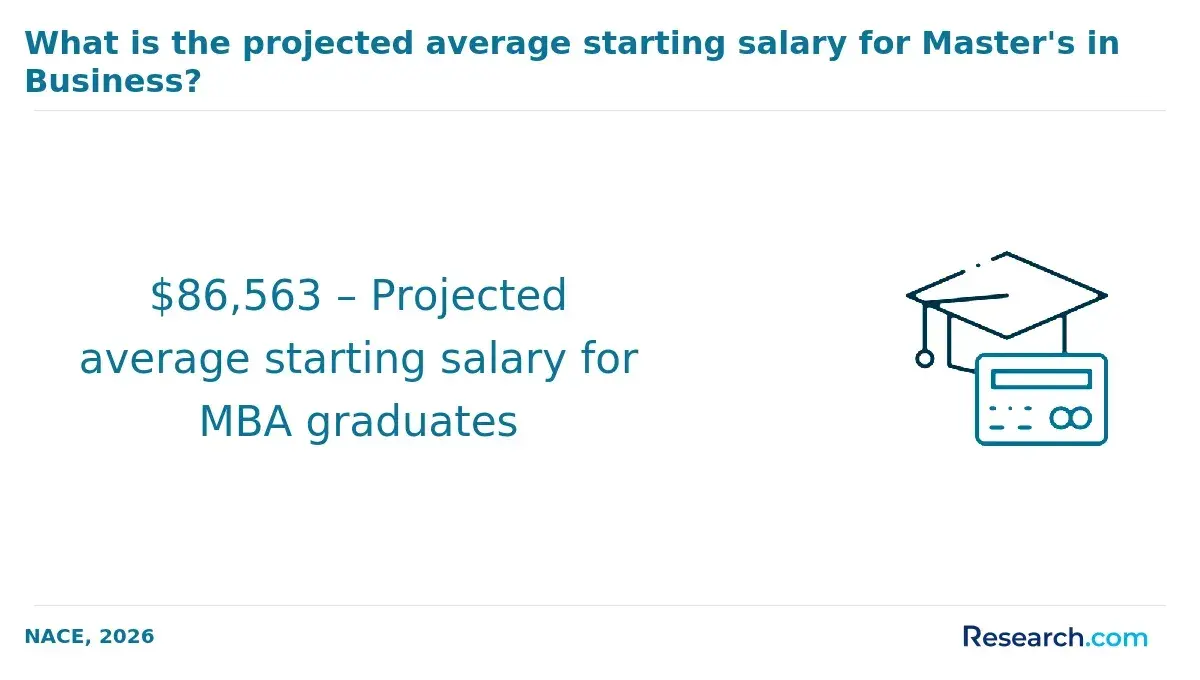
The table below summarizes available data from incoming or graduating classes at selected top U.S. MBA programs. Some schools report averages, others report mid-80% ranges, and some data points were not available. These numbers should be used as a benchmark, not as an automatic admissions cutoff.
Across the listed schools, the average GMAT score is 718.27, with a median of 725. GRE mean averages are 162.80 for quantitative reasoning, with a median of 162, and 161.3 for verbal reasoning, with a median of 162. The average GPA is 3.55, with a median of 3.52, and the average years of work experience are 6.0, with a median of 5.6 years.
These figures are a useful reality check. If your numbers are below the middle range, you may still be competitive if the rest of your application is unusually strong, but you should apply strategically and explain your strengths clearly.
| Institution | GMAT Average* or mid-80% range | GRE Quantitative Average or mid-80% range | GRE Verbal Average or mid-80% range | Work Experience (years) | Average GPA or mid-80% range |
| Columbia Business School | 740 | 167 | 161 | N/A | N/A |
| Cornell Johnson Graduate School of Management | 710 | N/A | N/A | 5.5 | 3.30 |
| Dartmouth Tuck School of Business | 726 | 162 | 162 | 5.6 | 3.52 |
| Duke Fuqua School of Business | 680-760 | 318 (combined Quant/Verbal) | 318 (combined Quant/Verbal) | 6.0 | 3.1-3.9 |
| Emory University Goizueta Business School | 700 | N/A | N/A | 5.7 | 3.38 |
| Harvard Business School | 730 | 163 | 163 | 5.0 | 3.70 |
| Michigan Ross School of Business | 620-720 | 160 | 156 | 6.4 | 3.40 |
| MIT Sloan School of Management | 730 | 158-169 | 157-168 | 5.0 | 3.62 |
| Northwestern Kellogg School of Management | N/A | N/A | N/A | 6.0 | N/A |
| NYU Stern School of Business | 670 | 160 | 159 | 1 - 11 | 3.52 |
| Stanford Graduate School of Business | 737 | 164 | 163 | 4.9 | 3.76 |
| The Wharton School | 711 | N/A | N/A | 13.0 | N/A |
| UC Berkeley Haas School of Business | 729 | 163 | 162 | 5.6 | 3.64 |
| UCLA Anderson School of Management | 710 | N/A | N/A | 5.7 | 3.1-3.8 |
| University of Chicago Booth School of Business | 730 | 164 | 163 | 5.0 | 3.60 |
| UT Austin McCombs School of Business | 706 | 159 | 160 | 5.7 | 3.48 |
| Virginia Darden School of Business | 720 | 319 (combined Quant/Verbal) | 319 (combined Quant/Verbal) | N/A | 3.51 |
| Yale School of Management | 725 | 166 | 164 | 4.7 | 3.69 |
| MEAN (excluding ranges and combined scores) | 718.27 | 162.80 | 161.30 | 6.0 | 3.55 |
| MEDIAN (excluding ranges and combined scores) | 725 | 163 | 162 | 5.6 | 3.52 |
| *Average - reported as either mean or median averages |
GMAT or GRE results are only one part of the file, but scores near a school’s published median or 80% range can reduce academic-risk concerns. Standardized exams give admissions teams a consistent way to compare quantitative and verbal readiness across applicants from different institutions, countries, and grading systems.
Many programs use holistic review. A candidate with below-average test scores may still be compelling if they have strong promotions, leadership responsibilities, unusual impact, entrepreneurial achievements, military service, technical expertise, or a clear contribution to the class.
If your academic profile is far below a target school’s range, consider retesting, taking quantitative coursework, applying to a broader set of programs, or choosing a school where your experience and goals fit more naturally. The goal is not only admission. It is to enroll in a program where you can succeed.
Tips and Best Practices for Applying to Top MBA Programs
1. Take the GMAT or GRE early if your target schools value scores
Do not wait until the application deadline to test. Taking the GRE or GMAT early gives you time to evaluate your score, retake the exam if needed, and decide whether a score strengthens your application. Applicants who recently completed undergraduate study may still be comfortable with math, statistics, grammar, and test-taking routines, but experienced professionals can also improve with disciplined preparation.
Practice exams are essential because they teach timing, question format, and decision-making under pressure. Official practice materials can help you understand the exam structure. The GRE is administered by the Educational Testing Services (ETS). Applicants may also use structured prep resources, quantitative refreshers, and selected free MBA-related online courses to rebuild academic confidence.
A practical preparation window is around five to six months of consistent review and practice testing, especially if you are balancing work and applications.
2. Use professional certifications strategically
Certifications can strengthen an application when they support your career story. They are most useful when they demonstrate technical depth, professional commitment, or readiness for a target function such as finance, accounting, supply chain, analytics, cybersecurity, project management, or human resources.
| Abbreviation | Certification title |
| ACP | Agile Certified Practitioner |
| AP | Systems, Applications, and Products |
| CBM | Certified Business Manager |
| CCR | Confluence Certified Recruiter |
| CFA | Chartered Financial Analyst |
| CISA | Certified Information Systems Auditor |
| CISSP | Certified Information Systems Security Professional |
| CPIM | Certified in Production and Inventory Management |
| CRMA | Certification in Risk Management Assurance |
| CSCP | Certified Supply Chain Professional |
| CSM /CSPO | Certified Scrum Master and Certified Product Owner: |
| FRM | Financial Risk Manager |
| GAIQ | Google Analytics Individual Qualification |
| PMP | Project Management Professional |
| SHRM-CP/SHRM-CSP | Senior Certified Professional, Society for Human Resource Management |
| Six Sigma | Six Sigma Certified / Certified Six Sigma Green Belt and Certified Six Sigma Black Belt |
Certifications do not automatically offset a weak application, and they should not be collected randomly. Use them when they reinforce your professional direction.
3. Distinguish certificates from certifications
A certificate course can help you learn or refresh a topic, while a certification usually reflects a recognized professional credential tied to an industry body or exam. Both can be useful, but they serve different purposes.
If you need to strengthen math, statistics, stock analysis, market analysis, or quantitative confidence before business school, a targeted course such as the Pre-MBA Quantitative Skills course at Coursera may help. These courses generally do not count as MBA credit, but they can prepare you for coursework and show initiative.
4. Organize documents before deadlines become urgent
Transcripts, IDs, passports, test reports, recommendation letters, and financial documents can take longer than expected. International applicants should confirm that passports and identification documents remain valid for the required period of study and travel.
Vaccination and immigration documentation should follow current U.S. requirements. Applicants can review guidance from the U.S. Centers for Disease Control and Prevention and should also follow instructions from their university and consular officials.
5. Show that you keep learning after college
Business schools value applicants who adapt quickly. A strong MBA candidate can learn new tools, respond to changing markets, and work across unfamiliar problems. Evidence of continuous learning may include professional development, new technical skills, cross-functional projects, independent courses, language study, research, or leadership training.
Do not describe lifelong learning in vague terms. Show what you learned, why it mattered, and how it changed your work.
6. Plan your finances before you apply
Financing an MBA requires more than checking tuition. You should understand application costs, exam fees, living expenses, debt, scholarships, health insurance, relocation, visa-related expenses if applicable, and income you may lose if you attend full time.
Create a financial spreadsheet that includes expected tuition, fees, housing, food, books, technology, transportation, emergency savings, scholarship money, employer reimbursement, loan terms, bank fees, installment fees, inflation adjustments, and currency exchange changes if you are paying from outside the U.S.
Common costs to include are:
- Program application fees
- GRE and/or GMAT test fees
- TOEFL/ IELTS test fees
- U.S. bank account application and other fees
- U.S. visa application fee for international applicants
- Textbooks and course materials
- Winter clothing or relocation items
- Guidebooks or preparation materials
- Medication, prescriptions, and health-related expenses
A credit card can be useful in the U.S. for school payments, transportation, groceries, and emergencies, but it should be managed carefully to avoid high-interest debt. Health insurance is also important, especially for students with dependents.
7. Explain your post-MBA plan clearly
Admissions committees want to know how you will use the degree. If you plan to work in the U.S., return to your home country, rejoin an employer, change industries, or start a business, describe the path realistically. Your plan should connect your current skills, the MBA curriculum, campus resources, and the role you want next.
Loan repayment should be part of this plan. According to the Education Data Initiative, MBA graduates have an average debt of $76,996, with 58% of students in debt.
Moreover, among aspiring MBA students, 26% plan to use student loans to finance their education. This is more evident among students who are sure they will apply within the upcoming year (GMAC, 2026).
Debt may be worth taking on for some candidates, especially when a program has strong outcomes in their target industry. But “worth it” depends on personal circumstances. Applicants should compare expected earnings, debt, living costs, family responsibilities, visa limits if applicable, and the likelihood of reaching their intended role.
8. Prepare for interviews with examples, not memorized speeches
MBA interviews often test motivation, communication, self-awareness, leadership, and fit. Prepare concise stories about your work experience, achievements, failures, team challenges, ethical judgment, and reasons for pursuing an MBA.
For each school, identify specific courses, clubs, faculty, experiential projects, recruiting strengths, or community features that connect to your goals. Generic praise sounds weak. Specific fit shows research and maturity.
9. Learn from successful applicants and alumni
If you know graduates or current students from your target schools, ask about the admissions process, coursework, recruiting, campus culture, living costs, and mistakes they would avoid. International applicants may also benefit from contacting student associations that support their nationality, region, or professional background.
Use alumni insights carefully. One person’s path does not guarantee yours, but patterns across multiple conversations can help you understand whether a school is the right environment.
10. Study faculty research and program strengths
Faculty research can reveal what a school values intellectually. Council on Business & Society Insights reported positive correlations between faculty research output in top journals and teaching methods and materials, faculty quality, and new skills and learning (Council on Business & Society Insights, 2024). Correlation is not causation, but research activity can signal faculty engagement with current business questions.
Reading faculty articles, policy papers, or business cases can help you identify interests for a capstone project, internship, research project, or future mentoring relationship.
11. Demonstrate integrity at every stage
Academic honesty, professional ethics, and truthful reporting matter. Do not exaggerate titles, inflate results, hide disciplinary issues, fabricate recommendations, or misrepresent employment. Admissions teams, employers, immigration authorities, and universities may verify information.
International applicants should be especially careful with immigration forms and documentation. Admission to an MBA program does not guarantee U.S. entry. False statements, criminal issues, or document problems can create serious consequences, including visa denial.
12. Respond strategically if you are waitlisted
A waitlist is not a rejection, but it is not an admit either. Follow the school’s instructions closely. If allowed, send a concise update with new test scores, promotion news, major work achievements, or a continued statement of interest. Avoid excessive contact.
While waiting, continue researching alternatives, including business management career paths and salary possibilities.
13. Balance technical skills with people skills
Top applicants usually have strong analytical ability, but business leadership also depends on communication, judgment, empathy, collaboration, influence, and conflict management. MBA programs look for candidates who can contribute to teams, lead without formal authority, and learn from classmates with different backgrounds.
In essays and interviews, show how you have led people, handled disagreement, supported others, or improved team results. Do not simply claim that you are a leader. Prove it with examples.
14. Include meaningful nonacademic accomplishments
Business schools often value applicants who have contributed beyond work. Volunteer leadership, civic projects, nonprofit service, mentoring, military service, arts, athletics, community organizing, or cultural involvement can add dimension to your profile.
These activities should be authentic. Admissions committees are more persuaded by sustained commitment and impact than by last-minute résumé padding.
15. Write essays that are specific, honest, and school-focused
MBA essays should explain who you are, what you have done, where you are going, and why the school is essential to that path. Strong essays are not necessarily long. They are specific, reflective, and credible.
Write with confidence but avoid arrogance. Discuss obstacles, decisions, leadership moments, cultural perspective, and lessons learned. If your background adds international, industry, socioeconomic, military, entrepreneurial, or community-based perspective, explain how that will contribute to the class. Applicants can also highlight diversity-related skills and experiences.
Are online MBA programs a viable alternative to traditional formats?
Online MBA programs can be a strong alternative for working professionals who need flexibility, cannot relocate, or want to keep earning while studying. The best online options combine accredited coursework, interactive learning, career support, faculty access, group projects, and alumni engagement.
Online does not automatically mean easier or lower quality. It also does not automatically provide the same recruiting access as a residential program. Applicants should compare accreditation, live versus asynchronous classes, residency requirements, career services, employer recognition, cohort structure, and total cost. For cost-conscious students, Research.com’s guide to online MBA programs can help narrow options.
How can MBA finance specializations provide a competitive edge?
A finance specialization can help students prepare for roles involving capital markets, corporate finance, investment strategy, financial planning, risk management, and data-driven decision-making. It is most valuable for applicants who already have a finance background or who can show a credible plan to move into finance-related roles.
Students should look for programs with rigorous quantitative coursework, finance faculty, relevant electives, experiential projects, and recruiting ties to financial employers. Those considering lower-cost or flexible preparation may also compare options such as an affordable online finance degree before or alongside MBA planning.
What unique advantages do Executive MBA programs offer?
Executive MBA programs are designed for experienced professionals who want advanced leadership training without leaving the workforce. They often use cohort-based scheduling, applied projects, executive coaching, and coursework focused on strategy, organizational leadership, finance, and decision-making at scale.
An EMBA can make sense for managers, founders, directors, and senior professionals who need immediate workplace application rather than a traditional internship-based MBA experience. Applicants comparing flexible formats can review low-cost online executive MBA programs to understand affordability and delivery options.
How should you approach an online MBA cost comparison?
When comparing online MBA costs, do not stop at tuition. Add technology fees, textbooks, residency travel, exam fees, graduation fees, time away from work, employer reimbursement rules, interest on loans, and scholarship availability. A cheaper program may not be the better value if it lacks accreditation, advising, career services, or employer recognition.
Use cost alongside outcomes. Ask whether graduates reach roles similar to your target job and whether the program provides support for career change, advancement, or entrepreneurship. Research.com’s online MBA cost comparison resource can help benchmark financial factors.
How do top MBA programs integrate experiential learning opportunities?
Experiential learning helps MBA students apply frameworks to real business problems. Common formats include internships, consulting projects, live case competitions, simulations, venture labs, global immersion, leadership labs, and capstone projects with companies or nonprofits.
Applicants should ask how often students work with real organizations, whether projects align with target industries, and how faculty and career teams support those experiences. Professionals who want a shorter path may also compare an online MBA 1 year program, but accelerated formats require careful planning because there is less time for exploration.
How can accelerated MBA programs fast-track your career success?
Accelerated MBA programs compress the curriculum into a shorter period, which can reduce time away from work and speed up credential completion. They may be useful for professionals who already know their career direction, have strong business fundamentals, and do not need a long internship-based transition.
The trade-off is intensity. Students may have less time for networking, recruiting, electives, reflection, or career switching. Before choosing an accelerated option, compare workload, accreditation, student support, employer access, and curriculum depth. Research.com’s guide to the quickest MBA online options can help identify condensed formats.
Are accelerated MBA programs right for your career goals?
An accelerated MBA may be a good fit if you want promotion within your current field, already have managerial experience, and can handle a demanding schedule. It may be less suitable if you need an internship to change industries, want extensive networking, or require more time to rebuild academic skills.
Before applying, ask whether the faster timeline supports your actual goal. If speed is important, compare the fastest online MBA programs, but do not choose speed at the expense of accreditation, fit, or career support.
How can MBA networking opportunities shape your career growth?
Networking is one of the main reasons applicants pursue a top MBA. The value comes from structured recruiting, alumni access, peer relationships, faculty connections, student clubs, employer events, and informal referrals that continue after graduation.
- Access to industry leaders and mentors: Panels, guest speakers, executives-in-residence, and alumni events can expose students to hiring trends and leadership lessons.
- Internship and job opportunities: Alumni and employer relationships can help students learn about roles earlier and prepare for competitive hiring processes.
- Long-term professional relationships: Classmates may later become colleagues, clients, investors, founders, partners, or hiring managers.
- Global perspective: International cohorts help students understand different markets, cultures, and leadership styles.
- Peer learning: MBA classmates often bring experience from finance, engineering, consulting, government, technology, health care, military service, and entrepreneurship.
How do the best MBA programs support career advancement?
Strong MBA programs do not simply teach business concepts. They help students translate the degree into a career move. Career support may include coaching, résumé review, interview preparation, employer presentations, internship recruiting, alumni mentoring, job boards, leadership development, and industry-specific clubs.
Applicants should examine career services before enrolling. Ask when coaching begins, which employers recruit on campus or online, how career switchers are supported, and whether outcomes match your target industry. A specialized path such as an MBA in organizational leadership may be useful for students focused on managing teams, leading change, and preparing for executive responsibilities.
How do top MBA programs foster diversity and inclusion?
Diversity and inclusion matter in MBA education because business leaders must work across cultures, identities, markets, and stakeholder groups. Strong programs integrate inclusive leadership through coursework, case discussions, student organizations, recruiting initiatives, global projects, and classroom norms that encourage respectful disagreement.
Applicants should look for evidence rather than slogans. Review student demographics where published, affinity groups, mentorship programs, inclusive leadership coursework, and support for international students, veterans, first-generation students, and underrepresented groups. Some flexible programs, including an executive MBA online, may also incorporate inclusive leadership into management training.
Leveraging Technological Innovations in MBA Education
MBA education is changing as schools adopt digital platforms, analytics tools, artificial intelligence, simulations, and virtual collaboration. These tools can improve flexibility and give students practice with decision-making environments similar to modern workplaces.
Adaptive learning platforms may help students review material at different speeds, which can be useful in self paced MBA online programs. Simulations can support negotiation, crisis management, operations, and strategy practice. Digital credentialing can also make academic records easier to verify.
AI creates both opportunity and risk. MBA students may use AI for research, analysis, modeling, communication, and productivity, but schools also need clear academic integrity rules. Applicants should ask how a program teaches responsible AI use in business decision-making.
How to Evaluate Return on Investment for Your MBA Program
MBA ROI is personal. A high-ranked program may be worth the cost for one applicant and financially risky for another. To evaluate ROI, compare total cost, debt, lost income, scholarships, expected salary, career mobility, network value, and how likely the program is to help you reach your target role.
Factors to evaluate ROI
| ROI factor | Question to ask | Why it matters |
| Tuition and fees | What is the full program cost, not just advertised tuition? | Fees, materials, travel, and technology can change the real price. |
| Salary uplift | Do graduates in your target field see compensation that supports repayment? | Headline salaries may not apply to every industry or location. |
| Opportunity cost | Will you leave the workforce or reduce hours? | Lost income can be one of the largest costs of a full-time MBA. |
| Debt burden | How much will you borrow, and under what repayment terms? | Debt affects flexibility after graduation. |
| Scholarships and aid | What grants, fellowships, employer benefits, or assistantships are available? | Lower borrowing can improve ROI substantially. |
| Career fit | Does the program place graduates into your target role? | ROI depends on outcomes, not prestige alone. |
Applicants seeking lower upfront costs can compare options such as MBA programs under 10k, but affordability should always be weighed against accreditation, instruction quality, student support, and career relevance.
Common MBA Application Mistakes to Avoid
- Applying only by ranking. A highly ranked school is not automatically the best fit for your industry, geography, learning style, or finances.
- Writing generic essays. Essays that could be sent to any school do not show serious interest or fit.
- Choosing weak recommenders. A famous recommender is less useful than a direct supervisor who can describe your impact in detail.
- Ignoring the full cost. Tuition is only part of the investment. Include living costs, fees, loan interest, and lost income.
- Assuming online programs are all the same. Compare accreditation, interaction, career support, employer recognition, and residency requirements.
- Overemphasizing test scores. Strong scores help, but leadership, goals, work impact, recommendations, and interviews also matter.
- Underpreparing for interviews. Applicants should practice specific stories, not memorized slogans.
- Waiting too long to plan financing. Scholarship deadlines, employer reimbursement, loan paperwork, and visa-related proof of funds can take time.
- Misrepresenting experience. Inflated achievements or inaccurate documents can damage admissions, employment, and immigration outcomes.
The Future of Top MBA Schools
Very few top MBA programs in the USA currently operate in a 100% purely online format. Some programs, including selected online MBA programs Michigan, offer flexible online options, but many elite programs still require some physical presence for classes, residencies, networking, internships, or experiential learning.
Technology may continue to reduce location barriers through virtual collaboration, AI-supported learning, simulations, VR, and AR. At the same time, MBA programs will need stronger policies around AI use, academic integrity, assessment, and workplace readiness. Some students may also pair business study with other fields, including education degree types, technology, public policy, health care, or engineering, depending on career goals.
The best answer to “how do I get into a top MBA program?” is strategic fit. Build a profile that shows readiness, leadership, integrity, self-awareness, and a credible plan for using the degree.
Key Insights
- Top MBA admissions are holistic. GMAT, GRE, and GPA matter, but admissions committees also weigh leadership, work impact, essays, recommendations, goals, and fit.
- Use class data as a benchmark, not a guarantee. The listed schools show an average GMAT of 718.27 and median of 725, but applicants above or below those numbers still need a complete, persuasive application.
- Fit is more important than prestige alone. Choose programs that match your target industry, preferred format, financial situation, and career timeline.
- ROI requires a personal calculation. Compare tuition, debt, scholarships, opportunity cost, likely salary, and career outcomes before committing.
- Online, accelerated, and Executive MBA formats can be valuable. They work best when the format matches your experience level, schedule, and career goal.
- Essays and interviews should be specific. Explain why you need an MBA, why now, and why each school is the right platform for your next step.
- Leadership evidence matters. Strong applicants show measurable results, teamwork, ethical judgment, initiative, and the ability to contribute to classmates.
- Avoid shortcuts that weaken trust. Do not ignore accreditation, underestimate costs, submit generic materials, or misrepresent credentials.
References:
- Council on Business & Society Insights. (2024). Research and Teaching in Business Schools: Can the two go together? Council on Business & Society Insights.
- GMAC. (2026). 2026 Prospective Students Survey. GMAC.
- Hanson, M. (2025). Average Graduate Student Loan Debt. Education Data Initiative.
- Harland, N. (2025). Is An MBA Worth It? Calculating Your MBA ROI. GMAC.
- McCombs School of Business. (2025). FT MBA Employment Report 2025-26. UTexas McCombs.
- MIT Sloan School of Management. (2025, December). 2025-2026 MBA Employment Report. MIT Sloan.
- NACE. (2026). Winter 2026 Salary Survey Executive Summary. NACE.
- U.S. Bureau of Labor Statistics. (2025, August 28). Occupational projections, 2024–2034, and worker characteristics. Retrieved March 2026, from BLS.
Other Things You Should Know About Getting Accepted at a Top MBA Program
Admission requirements typically include application fees, a statement of purpose or personal essay, a CV or resume, recommendation letters, and standardized test scores like the GMAT or GRE. Relevant work experience and a competitive GPA are also important factors.
Nonacademic accomplishments are increasingly crucial in MBA admissions. They demonstrate leadership, initiative, and impact beyond academics. Schools value diverse experiences, such as community service, entrepreneurship, and unique personal achievements, to assess candidates' potential contributions to the MBA program and campus community.
The average GMAT score for accepted applicants to top MBA programs is around 718, with a median GPA of 3.55. However, these figures can vary depending on the specific program and cohort.
Applicants should thoroughly research the program and be prepared to discuss their background, experiences, career goals, and why they are interested in the specific MBA program. Practicing responses to common interview questions and highlighting their fit with the program can help applicants feel more confident during the interview process.


