
2027 Best LPN Programs in Oregon – Accredited Online LPN Programs

Co-Founder and Chief Data Scientist
Choosing an LPN program in Oregon is not just a school decision. It affects how quickly you can enter nursing, whether you qualify for licensure, how much debt you take on, and what kinds of healthcare settings you can work in after graduation. Oregon continues to face pressure from nursing shortages, rural healthcare access gaps, retirements, and growing care needs among older adults, which keeps licensed practical nurses important in hospitals, clinics, long-term care, home health, and community-based care.
This guide is for prospective nursing students comparing LPN programs in Oregon, career changers who want a faster route into healthcare, CNAs considering the next step, and current LPNs planning advancement into RN, BSN, MSN, or nurse practitioner pathways. You will learn what Oregon LPN programs include, how long they take, what they cost, which schools offer practical nursing pathways, how licensure works, what salaries and job demand look like, and how to choose a program that fits your goals.
Quick answer: Is an LPN program in Oregon worth considering?
An LPN program in Oregon can be a practical option if you want a nursing career faster than the traditional RN route and are comfortable beginning in direct patient care roles. Full-time programs often take about one year, while some part-time or associate-linked pathways take two years or more. Oregon LPNs earn an average annual salary of $68,859, with reported salaries ranging from $41,000 to $92,000 per year. Demand is supported by healthcare workforce shortages, rural care needs, and long-term care demand, though outcomes depend on your location, employer, experience, and licensure status.
| Decision point | What it means for Oregon LPN students |
| Best for | Students who want a faster nursing credential, hands-on patient care, and a possible bridge to RN programs later. |
| Typical timeline | About one year full time; two or more years for some part-time or extended programs. |
| Typical cost range | Generally between $5,000 and $25,000, depending on school type, residency, fees, books, supplies, and clinical costs. |
| Licensure requirement | Completion of a state-approved practical nursing program, NCLEX-PN passage, documentation, and board review. |
| Career outlook | Oregon employment opportunities for LPNs are expected to rise by 10% in the next 10 years, and O*NET OnLine reports a 13% employment change through 2032 with 330 annual job openings. |
What are the benefits of getting an LPN in Oregon?
- Oregon’s aging population, medical technology use, and ongoing care access challenges continue to create a need for practical nurses in multiple settings.
- LPNs in Oregon earn an average of $68,859 per year, which is above the national average salary for LPNs of $62,340.
- After licensure, LPNs can build experience in areas such as geriatrics, pediatrics, surgical nursing, mental health, long-term care, and home health.
What can I expect from an LPN degree in Oregon?
Oregon LPN programs are designed to prepare students for practical nursing licensure and entry-level nursing responsibilities. Most programs combine nursing theory, skills labs, simulations, and supervised clinical rotations. Students usually study patient assessment, medication administration, nursing care across the lifespan, mental health concepts, acute and chronic illness, safety, documentation, and communication with patients and healthcare teams.
The credential may be offered as a certificate, diploma, or practical nursing pathway connected to an associate degree structure. Before enrolling, confirm that the program is approved for Oregon practical nursing licensure and that its clinical placement model works with your schedule and location.
Where can I work with an LPN degree in Oregon?
With an Oregon LPN credential and active license, graduates can seek roles in nursing homes, hospitals, rehabilitation centers, outpatient clinics, physician offices, community health settings, and home healthcare agencies. LPNs often provide bedside care, administer medications within their permitted scope, monitor patient changes, assist with care plans, document observations, and communicate with RNs, physicians, and other providers.
Employment opportunities for LPNs in Oregon are expected to rise by 10% in the next 10 years. Demand can vary by region, with rural areas and long-term care employers often having different staffing needs than large urban hospitals.
How much can I make with an LPN in Oregon?
The average salary for a Licensed Practical Nurse in Oregon ranges from $41,000 to $92,000 per year. Oregon’s reported average annual LPN salary is $68,859, compared with the national average salary for LPNs of $62,340. Pay depends on factors such as employer type, shift differentials, location, overtime availability, specialty experience, and whether you work in long-term care, home health, outpatient care, or hospital-based services.
- Best LPN Programs in Oregon for 2027
- How long does it take to complete an LPN program in Oregon?
- How do online LPN programs in Oregon compare with campus programs?
- What is the average cost of an LPN program in Oregon?
- What financial aid is available for Oregon LPN students?
- What prerequisites do Oregon LPN programs require?
- What courses are included in Oregon LPN programs?
- Can Oregon LPN students specialize?
- How should you choose the best LPN program in Oregon?
- How do Oregon LPN programs compare to national standards? Review program selection factors
- What challenges do Oregon LPN students commonly face?
- How can Oregon LPN candidates prepare for the NCLEX-PN?
- What career paths are available after an Oregon LPN program?
- What alternative healthcare careers can LPNs consider?
- What is the job market for Oregon LPN graduates?
- What are the steps to obtain an LPN license in Oregon?
- How do Oregon regulations affect LPN careers?
- How does Oregon’s healthcare landscape affect LPN opportunities?
- What accreditation standards matter for Oregon LPN programs?
- Can LPNs move into specialized roles such as nurse midwifery?
- How are healthcare trends changing LPN education in Oregon?
- What advanced nursing degrees can Oregon LPNs pursue?
- How can LPNs transition to RN roles through flexible programs?
- What should students know about NCLEX-PN pass rates and outcomes?
- How can Oregon LPNs work toward becoming nurse practitioners?
- What support services help Oregon LPN students succeed? See Oregon workforce context
List of the Best LPN Programs in Oregon for 2027
The right LPN program should prepare you for licensure, clinical practice, and the realities of Oregon healthcare settings. Program quality matters because it can affect NCLEX-PN readiness, access to clinical placements, transfer options, employer recognition, and your ability to continue into RN or higher nursing programs later. Research.com reviewed Oregon LPN options using verified education data and program-level information to help students compare choices more clearly.
How do we rank schools?
Research.com evaluates LPN programs by examining institutional data, available program details, and education quality indicators. Rankings are meant to support—not replace—your own research. Students should still confirm current tuition, admission requirements, clinical placement details, approval status, and licensure eligibility directly with each school.
- Integrated Postsecondary Education Data System, available through the IPEDS database
- Peterson’s database, including distance learning data
- College Scorecard database
- National Center for Education Statistics NCES data resources
| School | Location | Program length | Track or concentration | Cost per credit | Credits required | Accreditation |
| Chemeketa Community College | Salem | 2 years | Practical Nursing | $138 | 31 credits | Northwest Commission on Colleges and Universities |
| Columbia Gorge Community College | The Dalles | 2 years | Practical Nursing | $160 | 94 credits | Northwest Commission on Colleges and Universities |
| Lane Community College | Oregon | 1 year | Practical Nursing | $144 | 45 credits | Northwest Commission on Colleges and Universities |
| Oregon Coast Community College | Oregon Coast | 2 years | Practical Nursing | $123 | 91 credits | Northwest Commission on Colleges and Universities |
| Rogue Community College | Oregon | 1 year | Practical Nursing | $123 | 45 credits | Northwest Commission on Colleges and Universities |
| Concorde Career College | Oregon | 1 year | Practical Nursing | $400 | 45 credits | Northwest Commission on Colleges and Universities |
| Southwestern Oregon Community College | Oregon | 2 years | Practical Nursing | $109 | 85 credits | Northwest Commission on Colleges and Universities |
| Central Oregon Community College | Oregon | 2 years | Practical Nursing | $121 | 65 credits | Northwest Commission on Colleges and Universities |
| Institute of Technology - Salem | Salem | 2 years | Practical Nursing | $406 | 75 credits | Accrediting Commission of Career Schools and Colleges |
| Klamath Community College | Oregon | 2 years | LPN to RN | $118 | 57 credits | Northwest Commission on Colleges and Universities |
1. Chemeketa Community College - Salem
Chemeketa Community College’s practical nursing pathway in Salem combines nursing concepts with applied skill development. Students receive classroom instruction, lab practice, and clinical exposure designed to help them understand patient care, communication, safety, and practical nursing responsibilities.
- Program Length: 2 years
- Tracks/concentrations: Practical Nursing
- Cost per credit: $138
- Required credits to graduate: 31 credits
- Accreditation: Northwest Commission on Colleges and Universities
2. Columbia Gorge Community College - The Dalles
Columbia Gorge Community College offers an LPN pathway that emphasizes competency-based learning, clinical judgment, collaboration, and evidence-informed care. The program’s structure is intended to help students connect classroom learning with patient care responsibilities in supervised healthcare environments.
- Program Length: 2 years
- Tracks/concentrations: Practical Nursing
- Cost per credit: $160
- Required credits to graduate: 94 credits
- Accreditation: Northwest Commission on Colleges and Universities
3. Lane Community College
Lane Community College’s LPN program blends classroom study, skills training, and clinical practice with an emphasis on evidence-based nursing and teamwork. Graduates are prepared to pursue NCLEX-PN eligibility and begin entry-level practical nursing roles.
- Program Length: 1 year
- Tracks/concentrations: Practical Nursing
- Cost per credit: $144
- Required credits to graduate: 45 credits
- Accreditation: Northwest Commission on Colleges and Universities
4. Oregon Coast Community College
Oregon Coast Community College’s practical nursing certificate focuses on nursing theory, patient care basics, clinical decision-making, and hands-on training. Students learn to apply classroom concepts in supervised healthcare settings and respond to changing patient needs.
- Program Length: 2 years
- Tracks/concentrations: Practical Nursing
- Cost per credit: $123
- Required credits to graduate: 91 credits
- Accreditation: Northwest Commission on Colleges and Universities
5. Rogue Community College
Rogue Community College offers an intensive 33-week practical nursing curriculum that combines nursing theory, lab learning, and clinical training. The program emphasizes clinical judgment, ethical care, patient safety, and the practical skills needed in entry-level nursing work.
- Program Length: 1 year
- Tracks/concentrations: Practical Nursing
- Cost per credit: $123
- Required credits to graduate: 45 credits
- Accreditation: Northwest Commission on Colleges and Universities
6. Concorde Career College
Concorde Career College’s practical/vocational nursing program is career-focused and built around direct patient care skills. Students study preventive care, basic nursing procedures, and clinical responsibilities under the direction of healthcare professionals while preparing for NCLEX-PN testing.
- Program Length: 1 year
- Tracks/concentrations: Practical Nursing
- Cost per credit: $400
- Required credits to graduate: 45 credits
- Accreditation: Northwest Commission on Colleges and Universities
7. Southwestern Oregon Community College
Southwestern Oregon Community College’s practical nursing option uses a competency-based curriculum with classroom instruction, lab practice, and local clinical rotations. Students develop patient monitoring, medication support, communication, and care coordination skills.
- Program Length: 2 years
- Tracks/concentrations: Practical Nursing
- Cost per credit: $109
- Required credits to graduate: 85 credits
- Accreditation: Northwest Commission on Colleges and Universities
8. Central Oregon Community College
Central Oregon Community College’s practical nursing pathway combines theory, clinical labs, and patient care experiences. The program highlights communication, critical thinking, clinical judgment, and preparation for practical nursing responsibilities in Oregon healthcare settings.
- Program Length: 2 years
- Tracks/concentrations: Practical Nursing
- Cost per credit: $121
- Required credits to graduate: 65 credits
- Accreditation: Northwest Commission on Colleges and Universities
9. Institute of Technology - Salem
The Institute of Technology in Salem provides a practical nursing program that includes classroom learning, lab work, and clinical rotations. Students receive faculty guidance while building the applied skills needed for patient care and practical nursing employment.
- Program Length: 2 years
- Tracks/concentrations: Practical Nursing
- Cost per credit: $406
- Required credits to graduate: 75 credits
- Accreditation: Accrediting Commission of Career Schools and Colleges
10. Klamath Community College
Klamath Community College offers a nursing pathway connected to LPN-to-RN progression. Students develop practical patient care skills through classroom learning, labs, and clinical experiences while strengthening communication and clinical judgment.
- Program Length: 2 years
- Tracks/concentrations: LPN to RN
- Cost per credit: $118
- Required credits to graduate: 57 credits
- Accreditation: Northwest Commission on Colleges and Universities
Key findings for Oregon LPN students
- Oregon’s average college and university tuition and fees are $8,078 for residents and $20,682 for out-of-state students.
- An aging population and retirements will contribute to a shortage of about 6,000 nurses by 2025.
- The NCLEX-PN pass rate in Oregon stands at 86.8% in 2024.
- The annual wage of LPNs in Oregon is $68,859.
- The state of Oregon is projected to need an additional 300 practical nurses.
How long does it take to complete an LPN program in Oregon?
The timeline depends on the program format and your enrollment status. A full-time Oregon LPN program can often be completed in about one year. These programs are intensive because students must complete lectures, lab practice, simulations, and clinical rotations within a compressed schedule. Part-time or extended formats may take two or more years, especially when prerequisite courses, limited clinical slots, or cohort sequencing are involved.
| Program format | Typical completion time | Best for | Trade-off |
| Full-time LPN program | About one year | Students who can prioritize school and clinical hours | Fastest route, but demanding schedule |
| Part-time LPN program | Two or more years | Students balancing work, caregiving, or other obligations | More flexible, but slower entry into the workforce |
| LPN-to-RN linked pathway | Varies by school | Students who already plan to continue into RN roles | May require additional prerequisites and planning |
How does an online LPN program in Oregon compare to an on-campus program?
Students comparing online LPN classes with campus-based programs should understand one important limitation: practical nursing cannot be completed entirely online because hands-on skills labs and clinical rotations are required. Online or hybrid formats may allow students to complete some theory coursework remotely, but clinical training must still occur in approved healthcare settings.
Oregon students may find online or hybrid options connected to programs such as Mt. Hood Community College, Chemeketa Community College in Salem, and Central Oregon Community College in Bend. Because delivery formats can change, verify directly with each school whether online coursework is available, where clinicals take place, and whether students must attend campus for labs or testing.
| Factor | Online or hybrid LPN format | Campus-based LPN format |
| Flexibility | Better for students with work or family responsibilities when theory courses are remote | More fixed class and lab schedule |
| Clinical training | Still required in person | Required in person |
| Student support | May rely more on virtual tutoring, online advising, and self-management | More direct access to faculty, labs, and classmates |
| Best fit | Self-directed students who can manage deadlines and travel to clinical sites | Students who prefer structured schedules and face-to-face instruction |
What is the average cost of an LPN program in Oregon?
LPN program costs in Oregon generally range from $5,000 to $25,000. Public community colleges often cost less for in-state students than private career colleges or out-of-state tuition arrangements. The total price may include tuition, program fees, uniforms, books, lab supplies, background checks, immunizations, testing fees, transportation, and licensure-related expenses.
When comparing programs, do not look only at tuition. A lower per-credit price may still lead to a higher total cost if the program requires more credits, longer enrollment, or additional fees. Compared with the cost of becoming a registered nurse, the LPN route is usually a less expensive and faster way to enter nursing, though RN credentials typically provide a broader scope of practice.
| Cost factor | Why it matters |
| Tuition and fees | These are the largest direct school costs and vary widely by institution. |
| Credit requirements | A lower cost per credit does not always mean a lower total program price. |
| Clinical transportation | Students may need to travel to hospitals, long-term care facilities, or clinics. |
| Books, supplies, and uniforms | Nursing programs often require specialized materials beyond standard textbooks. |
| Licensure and exam costs | Graduates should budget for NCLEX-PN preparation, testing, and licensing requirements. |
What are the financial aid options for students enrolling in an LPN Program in Oregon?
Oregon LPN students may be able to use federal aid, state grants, scholarships, institutional aid, and loans, depending on the school and program eligibility. Start by confirming whether the program participates in federal student aid, then complete the required aid forms and scholarship applications before deadlines.
- Federal aid: Eligible students may qualify for programs such as Pell Grants, federal loans, or work-study through participating institutions.
- Oregon Opportunity Grants: State grant aid may help reduce college costs for eligible Oregon students.
- Oregon Nurses Association: The Oregon Nurses Association offers nursing-related scholarship opportunities, including options such as the Centennial Education Scholarship. Students should review current deadlines and eligibility requirements.
- Oregon Student Access Commission: OSAC provides scholarship and grant information for Oregon students, including students preparing for nursing and healthcare careers.
- School-based aid: Colleges may offer institutional scholarships, emergency grants, payment plans, or foundation awards for nursing students.
What are the prerequisites for enrolling in an LPN Program in Oregon?
Admissions requirements vary by school, but Oregon LPN applicants should expect academic, health, background, and documentation requirements. Competitive programs may also use prerequisite grades, entrance exams, healthcare experience, or CNA credentials when selecting students.
- High school diploma or GED: Applicants generally need proof of high school completion or an equivalent credential issued by a state authority.
- Prerequisite courses: Many programs require prerequisite coursework completed with a grade of C or better.
- Current CNA certification: CNA certification may strengthen an application or be required by some programs because it shows prior patient care exposure.
- Background check: Nursing students usually must complete a criminal background check before admission or clinical placement.
- Health and compliance documents: Programs may require immunization records, drug screening, CPR certification, and proof of ability to meet clinical site requirements.
- Approved nursing education: To qualify for Oregon LPN licensure, candidates must complete a state-approved practical nursing certificate, diploma, or associate-level pathway. The NCLEX-PN pass rate in Oregon stands at 86.8% in 2024, below the national average of 88.4%.
What courses are typically in an LPN program in Oregon?
Oregon practical nursing curricula are built around patient care, safety, medication administration, clinical judgment, and communication. Course names vary, but students can expect a sequence that moves from foundational knowledge into more complex patient care scenarios.
- Foundations of Nursing: Covers core nursing concepts, patient safety, communication, documentation, hygiene, mobility, and basic bedside care.
- Medical-Surgical Nursing: Focuses on caring for patients with acute and chronic medical or surgical conditions, including assessment, interventions, and patient education.
- Pharmacology: Teaches medication classifications, dosage calculations, administration principles, patient monitoring, and medication safety.
- Maternal and Child Health Nursing: Introduces care for pregnancy, childbirth, postpartum patients, newborns, infants, children, and adolescents.
- Mental Health Nursing: Explores psychiatric conditions, therapeutic communication, crisis awareness, and nursing interventions for patients with mental health needs.
- Clinical Practicum: Places students in supervised healthcare environments where they apply skills with patients under approved supervision.
What types of specializations are available in an LPN program in Oregon?
Most Oregon LPN programs provide broad practical nursing preparation rather than formal in-program specializations. Specialization usually happens after licensure through employer training, continuing education, experience, or additional certifications. This is important because students should choose an LPN program for licensure preparation first, then plan specialty growth after they begin working.
- Geriatrics: LPNs can focus on older adult care, chronic illness support, medication administration, mobility assistance, and emotional support.
- Pediatrics: LPNs who enjoy working with children may pursue roles in pediatric clinics, hospitals, or offices serving infants, children, and adolescents.
- Mother-baby care: Some LPNs build skills in postpartum education, newborn observation, breastfeeding support, and family-centered care.
- Long-term care: Nursing homes and residential care facilities often employ LPNs to provide medication support, resident monitoring, wound care assistance, and activities of daily living support.
- Mental health or behavioral health: LPNs may work in settings that require therapeutic communication, observation, safety monitoring, and coordination with behavioral health teams.
How to choose the best LPN program in Oregon?
The best LPN program is the one that is approved for licensure, affordable for your situation, realistic for your schedule, strong in clinical training, and aligned with your long-term nursing goals. Students who plan to continue beyond practical nursing should also consider transfer policies and how the program fits with different nursing degrees and levels.
| What to check | Questions to ask before enrolling |
| Licensure approval | Is the program approved by the Oregon State Board of Nursing for practical nursing licensure? |
| Accreditation | Is the institution or nursing program accredited by a recognized body, and does that affect financial aid or transfer credits? |
| NCLEX-PN preparation | What are the most recent pass rates, remediation policies, and exam preparation resources? |
| Clinical placements | Where are clinical sites located, and how far might you need to travel? |
| Schedule format | Are classes daytime, evening, weekend, online, hybrid, or cohort-based? |
| Total cost | What is the full estimated cost after tuition, fees, books, supplies, clinical requirements, and licensure expenses? |
| Bridge options | Can credits apply toward an LPN-to-RN or other nursing pathway later? |
Oregon can be attractive for practical nursing students because LPN wages are reasonable, but the cost of living is higher than the national average in some areas, especially urban locations such as Portland. Compare expected earnings with housing, transportation, childcare, and commuting costs before committing to a program.
How do Oregon LPN programs compare to national standards?
Oregon LPN programs are expected to prepare students for the same core outcome as practical nursing programs elsewhere: safe, entry-level nursing practice and NCLEX-PN eligibility. Strong programs align classroom instruction, simulation, and supervised clinical practice with practical nursing competencies, patient safety expectations, medication administration standards, and professional communication.
One Oregon-specific consideration is healthcare access. Rural and underserved communities may rely heavily on practical nurses, so students planning to work in-state should look for programs that expose them to long-term care, community health, rural health, and diverse patient populations. Students who eventually want RN roles can also review pathways on how to become a registered nurse in Oregon.
Oregon also reports a higher-than-average LPN salary, which reflects labor market conditions, employer demand, and regional cost differences. Salary alone should not be used as the only quality indicator; NCLEX-PN outcomes, clinical quality, student support, licensure approval, and graduate employment patterns matter just as much.
What are the common challenges LPN students face in Oregon?
LPN programs are short but demanding. Students must quickly master nursing content, develop hands-on skills, meet clinical requirements, and prepare for licensure. Planning for these challenges early can prevent delays or withdrawal.
- Managing coursework and clinical hours: Nursing schedules can be difficult to balance with employment, childcare, or commuting.
- Understanding Oregon licensure rules: Students must track program approval, NCLEX-PN requirements, background checks, and board documentation.
- Keeping pace with rigorous content: Pharmacology, medical-surgical nursing, and patient assessment require consistent study habits.
- Securing enough financial support: Aid applications, scholarship deadlines, and program-specific fees can be confusing without early planning.
- Handling emotional stress: Clinical rotations may expose students to illness, aging, pain, family distress, and end-of-life care.
- Transportation barriers: Clinical sites may not be close to campus or home, especially in rural areas.
How can LPN candidates effectively prepare for the NCLEX-PN exam in Oregon?
NCLEX-PN preparation should start before graduation, not after. Candidates should use a structured review plan that includes content review, practice questions, test-taking strategy, and remediation for weak areas. Because the exam evaluates clinical judgment and safe decision-making, memorization alone is not enough.
- Use your program’s NCLEX-PN review resources and ask faculty which content areas most often challenge students.
- Take timed practice exams to build stamina and reduce test anxiety.
- Review rationales for both correct and incorrect answers to understand clinical decision-making.
- Create a weekly schedule for pharmacology, safety, infection control, medical-surgical nursing, maternal-child care, and mental health.
- Join a study group only if it keeps you accountable and focused; avoid groups that turn into passive review sessions.
- Use simulation or case-based practice to connect textbook content with patient care decisions.
Students who want to compare related healthcare training options can also review the best medical assistant programs in Oregon, especially if they are still deciding between nursing and allied health roles.
What career paths are available for graduates of an LPN program in Oregon?
Oregon LPN graduates can enter practical nursing roles or use the license as a stepping stone toward registered nursing. The RN path offers a broader scope of practice and can improve advancement options, which is one reason many students ask whether a nursing degree is worth it over the long term.
| Career path | Typical work setting | Main responsibilities |
| Licensed Practical Nurse | Hospitals, clinics, nursing homes, home health, rehabilitation centers | Provide basic nursing care, monitor patients, administer medications, document observations, and support care teams. |
| Home Health Nurse | Patient homes and community-based care | Assist with daily care, medication support, wound care, monitoring, and patient education. |
| Long-Term Care Nurse | Nursing homes and residential care facilities | Support residents with medications, assessments, chronic care, wound care, and daily living needs. |
| Rehabilitation Nurse | Rehab hospitals and post-acute facilities | Help patients recovering from injuries, surgeries, or illnesses with mobility, pain management, and daily care routines. |
| LPN-to-RN candidate | Colleges, bridge programs, healthcare employers | Use LPN experience as a foundation for RN education and expanded practice opportunities. |
What are alternative healthcare career paths for LPNs in Oregon?
An LPN license can also support movement into adjacent healthcare roles, especially for professionals interested in wellness, prevention, patient education, or administrative leadership. Some LPNs use their clinical background to explore nutrition support, wellness coaching, case coordination, medical assisting leadership, or healthcare education roles.
These transitions usually require additional training or certification. For example, LPNs interested in nutrition-related work can review requirements and career pathways in this guide on how to become a nutritionist in Oregon.
What is the job market for graduates with an LPN degree in Oregon?
O*NET OnLine reports that Oregon is expected to see an employment change of 13% for LPNs through 2032, with 330 annual job openings throughout the decade. The broader nursing shortage also affects Oregon, where healthcare employers need practical nurses in long-term care, home health, outpatient clinics, rehabilitation, and rural facilities.
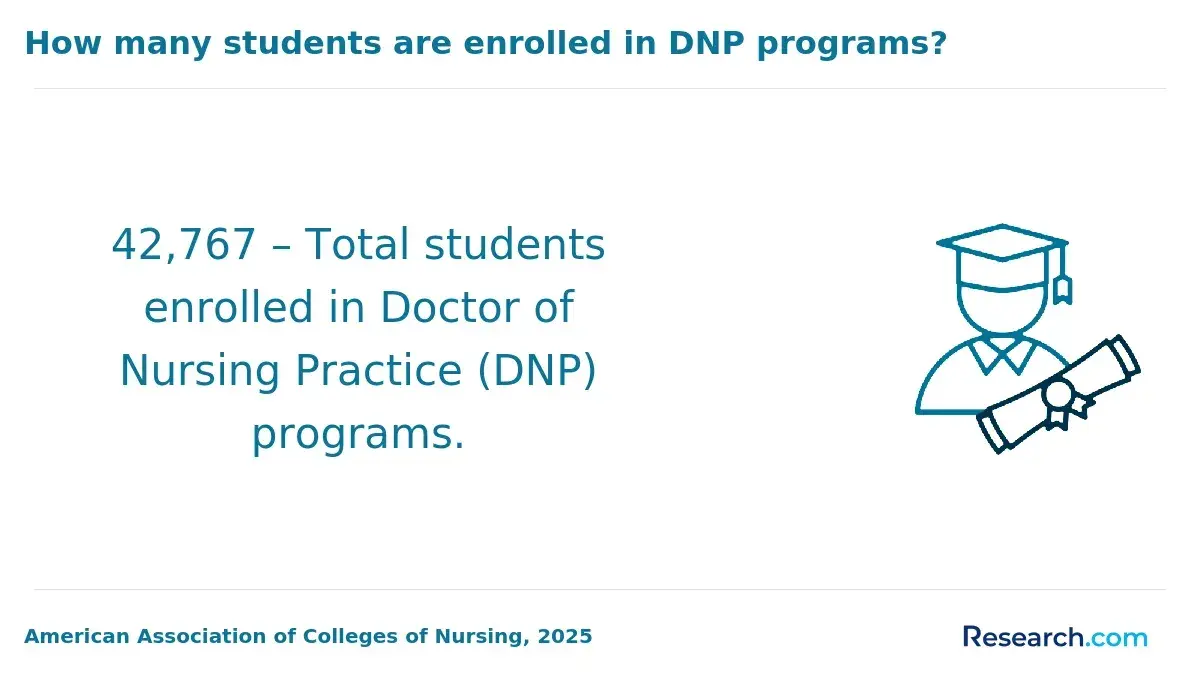
Oregon is also projected to need an additional 300 practical nurses. Job prospects may be stronger for graduates who are willing to work evenings, weekends, long-term care, rural sites, or home health assignments. LPNs who want to advance beyond practical nursing may eventually explore accredited online MSN programs after completing the required RN and bachelor’s-level steps.
What are the key steps to obtain an LPN license in Oregon?
Oregon LPN licensure requires approved education, exam completion, documentation, and board review. Candidates should follow the Oregon State Board of Nursing’s current instructions because requirements and forms can change.
- Complete a state-approved practical nursing program that meets Oregon education requirements.
- Apply for NCLEX-PN eligibility and follow board instructions for testing authorization.
- Pass the NCLEX-PN exam.
- Submit required documents, which may include transcripts, identification, background check information, and other board-required materials.
- Wait for final review and license issuance before practicing as an LPN.
For a detailed breakdown, review the Oregon nursing license requirements.
How do state regulations and policy updates affect LPN careers in Oregon?
Oregon regulations determine what LPNs can do, how licensure renewal works, what documentation is required, and how nurses remain compliant with practice standards. Policy updates from the Oregon State Board of Nursing may affect scope of practice, continuing education expectations, supervision requirements, renewal procedures, and clinical workplace responsibilities.
LPNs should monitor state board announcements, employer compliance updates, and renewal requirements. Staying current protects your license and helps you identify new opportunities as healthcare delivery changes. For step-by-step career guidance, see how to become a certified LPN in Oregon.
What is the impact of Oregon's healthcare landscape on LPN opportunities?
Oregon’s healthcare system creates different LPN opportunities depending on location, employer type, and patient population. Rural access issues, urban facility concentration, long-term care demand, and nursing workforce shortages all shape where practical nurses are needed.
- Rural demand: Rural communities may rely on LPNs to support community hospitals, clinics, home health, and long-term care facilities.
- Urban job markets: Portland and other urban areas may offer more employer variety, though competition, commuting, and cost of living should be considered.
- Long-term care needs: Aging populations increase demand for practical nurses in nursing homes, assisted living, and chronic care settings.
- Advancement pathways: LPNs who want broader scope and higher-level roles can consider RN, BSN, MSN, and doctoral routes. If you are comparing advanced nursing income potential, this guide to highest-paid DNP roles by state may help with long-term planning.
What accreditation standards guarantee program quality in Oregon?
Accreditation and state approval are not the same thing, and students should check both. State approval determines whether a practical nursing program meets Oregon licensure education requirements. Accreditation can affect program quality assurance, federal financial aid eligibility, credit transfer, and graduate school options.
Recognized nursing accreditation bodies may include the Accreditation Commission for Education in Nursing and the National League for Nursing Commission for Nursing Education Accreditation. Institutional accreditation may also matter. Before applying, ask the school whether the program is approved for Oregon LPN licensure, whether it is accredited, and whether credits transfer into RN or BSN programs. Students comparing broader nursing options can review the best nursing schools in Oregon.
Can LPNs explore specialized roles such as nurse midwifery in Oregon?
LPNs can use practical nursing as an early step toward specialized nursing careers, but nurse midwifery requires much more education than an LPN credential. A typical pathway includes becoming an RN, completing advanced nursing education, gaining relevant clinical experience, and meeting certification and licensure requirements for advanced practice.
If midwifery is your long-term goal, choose an LPN program that supports transfer or bridge planning, then map out RN, BSN, graduate nursing, and clinical requirements. For role-specific expectations, review nurse midwife education requirements in Oregon.
How are emerging healthcare trends influencing LPN education in Oregon?
LPN education is being shaped by the same changes affecting healthcare delivery: electronic health records, telehealth, simulation-based training, remote patient monitoring, team-based care, and data-informed decision-making. Programs that prepare students for current practice should expose them to clinical technology, documentation systems, patient safety protocols, and communication across care teams.
Hybrid learning is also becoming more common, but students should be cautious. An online-friendly format does not remove the need for in-person labs and clinical rotations. If flexibility is a priority, compare technology-supported nursing options through the best online nursing programs in Oregon.
What are the options for LPNs who wish to pursue advanced nursing degrees in Oregon?
LPNs who want higher-level nursing roles usually move through a staged pathway: LPN to RN, RN to BSN, and then graduate nursing if advanced practice, leadership, education, or specialized clinical roles are the goal. A Bachelor of Science in Nursing or Master of Science in Nursing can expand career options, but admission requirements, clinical hours, and licensure expectations vary by program.
Oregon LPNs interested in advanced practice should plan early because bridge credits, prerequisites, GPA requirements, and clinical experience can affect the timeline. Those considering advanced practice roles can research the best nurse practitioner programs in Oregon.
How can LPNs transition to RN roles with flexible online programs?
LPN-to-RN bridge pathways can help practical nurses build on existing clinical experience while completing RN-level coursework and clinical requirements. Some programs use online or hybrid delivery for theory courses, but RN preparation still requires approved clinical learning. Students should confirm whether the program is designed for LPNs, whether clinical placements are available in Oregon, and whether graduates qualify for RN licensure.
Some nursing professionals later explore completion programs such as RN to BSN online programs with no clinicals, but those are usually designed for licensed RNs completing a bachelor’s degree rather than LPNs entering RN practice. Read program eligibility carefully before applying.
What are the NCLEX-PN pass rates and post-graduation outcomes for Oregon LPN programs?
NCLEX-PN pass rates and graduate outcomes are important signals of program effectiveness. Oregon’s NCLEX-PN pass rate stands at 86.8% in 2024, below the national average of 88.4%. When evaluating a specific school, ask for recent program-level pass rates, job placement information, graduation rates, student support resources, and remediation policies.
Students should be cautious about choosing a program based only on ease of admission. A program that is easy to enter but weak in NCLEX preparation, clinical quality, or student support may cost more in the long run if it delays licensure. If admissions difficulty is a concern, use this guide on the easiest LPN programs to get into as one factor—not the only factor—in your decision.
How can LPNs pave a pathway to becoming a nurse practitioner in Oregon?
An LPN can work toward becoming a nurse practitioner, but the pathway is multi-step. It generally requires becoming an RN, completing a BSN or equivalent preparation, earning a graduate nursing degree, meeting clinical requirements, and obtaining advanced practice certification and state licensure. LPN experience can be valuable, but it does not replace required advanced nursing education.
- Complete an approved LPN program and obtain Oregon LPN licensure.
- Gain practical patient care experience while maintaining a strong professional record.
- Enroll in an LPN-to-RN or other RN pathway that meets licensure requirements.
- Complete BSN-level preparation if required for graduate admission.
- Apply to an accredited nurse practitioner program and complete required clinical training.
- Meet certification and Oregon advanced practice licensure requirements.
For a complete role-specific roadmap, review how to become a nurse practitioner in Oregon.
What support services are available for LPN students in Oregon?
Support services can make a major difference in whether students complete an LPN program on time, pass the NCLEX-PN, and transition successfully into employment. Ask schools what help is available before you enroll, not after you begin struggling.
- Academic advising: Advisors help students understand course sequencing, prerequisites, graduation requirements, and future RN pathway options.
- Tutoring and study groups: Support in pharmacology, anatomy, medical-surgical nursing, and test preparation can help students keep pace.
- Clinical placement assistance: Schools may help coordinate placements in hospitals, nursing homes, outpatient clinics, or other approved healthcare settings.
- Financial aid and scholarships: Students may use grants, loans, institutional aid, or scholarships. Ask whether aid applies to accelerated, hybrid, or certificate formats.
- Mental health and counseling: Nursing school stress is real, and counseling resources can help students manage anxiety, burnout, and clinical stress.
- Career services: Resume support, interview preparation, job fairs, and employer connections can help graduates enter the workforce.
- Online learning resources: Students in hybrid or online-supported formats may use virtual libraries, online simulations, discussion tools, and remote tutoring. Students comparing accelerated options can review fast track LPN programs online.
Common mistakes to avoid when choosing an Oregon LPN program
| Mistake | Why it can hurt you | Better approach |
| Choosing a program without checking Oregon approval | You may not qualify for licensure if the program does not meet state requirements. | Confirm approval with the Oregon State Board of Nursing before applying. |
| Looking only at tuition | Fees, supplies, clinical travel, and credit requirements can change the real cost. | Ask for a full program cost estimate in writing. |
| Assuming online means fully remote | LPN programs require in-person skills and clinical training. | Ask which courses are online and where labs and clinicals occur. |
| Ignoring NCLEX-PN outcomes | Weak exam preparation can delay licensure and employment. | Review pass rates, remediation support, and practice exam resources. |
| Not planning for clinical schedules | Clinical shifts may conflict with work, childcare, or transportation limits. | Ask about typical clinical days, hours, travel distance, and flexibility. |
| Assuming salary outcomes are guaranteed | Pay varies by employer, region, experience, schedule, and specialty. | Compare local job postings and talk with employers in your target area. |
Questions to ask before applying to an LPN program in Oregon
- Is the program approved for Oregon practical nursing licensure?
- What is the most recent NCLEX-PN pass rate for the program?
- How many students are admitted, and how competitive is admission?
- What prerequisites must be completed before applying?
- Where are clinical sites located, and can students be assigned far from campus?
- What is the total estimated cost, including fees, supplies, exams, and transportation?
- Does the program offer tutoring, NCLEX-PN preparation, and remediation support?
- Can credits transfer into an LPN-to-RN or RN-to-BSN pathway?
- What percentage of graduates find nursing employment after completion?
- Are classes full time, part time, evening, weekend, online, hybrid, or campus-based?
Related Articles for Nearby States
- 2027 Best LPN Programs in Washington – Accredited Online LPN Programs
- 2027 Best LPN Programs in Idaho – Accredited Online LPN Programs
- 2027 Best LPN Programs in Nevada – Accredited Online LPN Programs
- 2027 Best LPN Programs in Montana – Accredited Online LPN Programs
- 2027 Best LPN Programs in Utah – Accredited Online LPN Programs
- 2027 Best LPN Programs in Wyoming – Accredited Online LPN Programs
- 2027 Best LPN Programs in Arizona – Accredited Online LPN Programs
- 2027 Best LPN Programs in Colorado – Accredited Online LPN Programs
- 2027 Best LPN Programs in New Mexico – Accredited Online LPN Programs
- 2027 Best LPN Programs in South Dakota – Accredited Online LPN Programs
References:
- Allegeyer, R. (2025). Oregon Healthcare Workforce Index: Understanding Nursing in the Broader Healthcare Labor Market. Oregon Center for Nursing. https://www.oregoncenterfornursing.org/wp-content/uploads/2025/10/2025-oregon-healthcare-workforce-index.pdf
- American Association of Colleges of Nursing. (2025). 2024-2025 Enrollment and Graduations in Baccalaureate and Graduate Programs. https://www.aacnnursing.org/news-data/all-news/schools-of-nursing-enrollment-increases-across-most-program-levels-signaling-strong-interest-in-nursing-careers
- Li, T., Irvin, V., Luck, J., & Bahl, A. (2025). Oregon's Health Care Workforce Needs Assessment 2025. Oregon State University. https://www.oregon.gov/oha/HPA/HP-HCW/Documents/2025-Health-Care-Workforce-Need-Assessment-report-final.pdf AACN nursing enrollment data
- National Council of State Boards of Nursing. (2025). 2024 NCLEX Examination Statistics. https://www.ncsbn.org/public-files/2024_NCLEXExamStats_Final.pdf AACN reference resource
- O*NET OnLine. (2026). Oregon Employment Trends - Licensed Practical and Licensed Vocational Nurses. https://www.onetonline.org/link/localtrends/29-2061.00?st=OR
- ZipRecruiter. (2026). LPN Salary in Oregon. https://www.ziprecruiter.com/Salaries/Lpn-Salary--in-Oregon O*NET Oregon LPN employment trends AACN nursing education trends
Key Insights
- An Oregon LPN program can be a faster route into nursing than an RN program, but it still requires approved education, in-person clinical training, NCLEX-PN passage, and state licensure.
- Costs vary widely, generally from $5,000 to $25,000, so students should compare total program price—not just tuition per credit.
- Oregon LPNs earn an average annual salary of $68,859, but actual pay depends on employer, region, shift, experience, and care setting.
- Job demand is supported by nursing shortages, rural healthcare needs, long-term care demand, and O*NET OnLine’s projected 13% employment change through 2032 with 330 annual openings.
- Program approval, accreditation, NCLEX-PN pass rates, clinical placement quality, and student support should carry more weight than convenience or admissions ease alone.
- Online or hybrid LPN options may offer flexibility for coursework, but students should expect required in-person labs and clinical rotations.
- LPN licensure can be a career endpoint or a stepping stone toward RN, BSN, MSN, nurse practitioner, or specialized nursing pathways.
Other Things You Should Know About LPN Programs in Oregon
Oregon LPN programs include supervised clinical training, and most approved programs require about 350 to 500 clinical hours. These hours must be completed in approved healthcare settings under qualified supervision before a student can graduate and qualify for the NCLEX-PN exam.
Online LPN programs in Oregon typically require students to complete a clinical practice component in person, which involves a specified number of hours in a healthcare setting. This hands-on experience is essential for meeting state licensure requirements and becoming a competent LPN.


