
2027 What Job Postings Reveal About Social Psychology Careers: Skills, Degrees, and Experience Employers Want

Co-Founder and Chief Data Scientist
When a recent graduate scans online job postings for social psychology roles, the variety of skills and qualifications required can feel overwhelming. Nearly 65% of advertised positions now emphasize expertise in data analysis and familiarity with behavioral research methods.
Employers often seek candidates with at least a master's degree and practical experience in survey design or experimental studies. This contrast between academic coursework and real-world demands challenges aspiring professionals to align their education with evolving career expectations.
This article examines what job listings reveal about the specific skills, degrees, and experience employers prioritize, helping students and job seekers better prepare for success in social psychology careers.
Key Things to Know About Skills, Degrees, and Experience Employers Want
- Job postings for social psychology careers emphasize data analysis, research methodology, and effective communication as essential skills, reflecting employers' demand for both technical and interpersonal competencies.
- Most roles require a minimum of a master's degree, with 65% of listings favoring candidates holding a PhD, highlighting the importance of advanced education and specialized experience.
- Analyzing job ads reveals a growing trend toward interdisciplinary expertise, guiding students to tailor their training and internships to meet evolving hiring standards in social psychology fields.
What Do Job Postings Say About Social Psychology Careers?
Job postings in social psychology consistently highlight the need for strong educational backgrounds, with approximately 68% requiring a master's degree or higher. Employers seek candidates who not only possess advanced knowledge but also demonstrate proficiency in quantitative research methods and data analysis tools.
Practical experience through internships or research roles is frequently emphasized as a crucial factor that signals readiness to apply theoretical concepts in real-world contexts. Effective communication skills, both written and verbal, are also commonly listed as essential qualifications to support collaboration and dissemination of findings.
Patterns in job postings reveal a core expectation of rigorous academic training paired with applied expertise, although specific requirements often vary depending on the role's focus. Academic positions tend to prioritize publication records and experimental design experience, while applied roles lean toward project management and stakeholder engagement capabilities.
Despite these differences, employers consistently highlight adaptability and the ability to translate social psychology principles into actionable insights as key competencies. This reflects a broader trend toward interdisciplinary collaboration and practical impact within the field.
What Skills Are Most Requested in Social Psychology Job Postings?
Job postings in social psychology consistently highlight a core set of essential skills for social psychology careers, reflecting the interdisciplinary and research-driven nature of the field. A recent analysis of over 1,000 social psychology-related job listings found that 78% emphasized a need for strong quantitative analysis skills, underscoring employer demand for rigorous data handling.
The following list outlines the most commonly requested skills in social psychology job postings:
- Quantitative Analysis: Proficiency in statistical methods and software is critical as social psychology professionals analyze complex datasets to uncover behavioral patterns and validate research findings.
- Communication Skills: Effective written and verbal communication are essential for clearly presenting research results and collaborating with diverse audiences and colleagues.
- Critical Thinking: The ability to design studies, interpret ambiguous data, and draw insightful conclusions is highly valued to advance both theoretical and practical aspects of social psychology.
- Research Methodology: Familiarity with experimental design, survey techniques, and observational studies is frequently requested to ensure valid and reliable data collection within social psychological contexts.
- Interpersonal Skills: Social psychologists often work within teams and with stakeholders, making empathy and effective teamwork vital for productive collaborations.
For students exploring educational pathways related to social psychology, options like online pharmacy school programs exemplify how interdisciplinary skills can be developed through diverse academic routes that emphasize research and analysis.
What Degrees Do Employers Require for Social Psychology Careers?
Job advertisements for social psychology roles generally reflect a clear demand for formal academic qualifications, with requirements shifting based on job complexity and the hiring sector. While entry-level roles often call for bachelor's degrees, specialized positions lean toward candidates with graduate-level education. Industry standards typically influence whether a master's or doctoral degree is preferred.
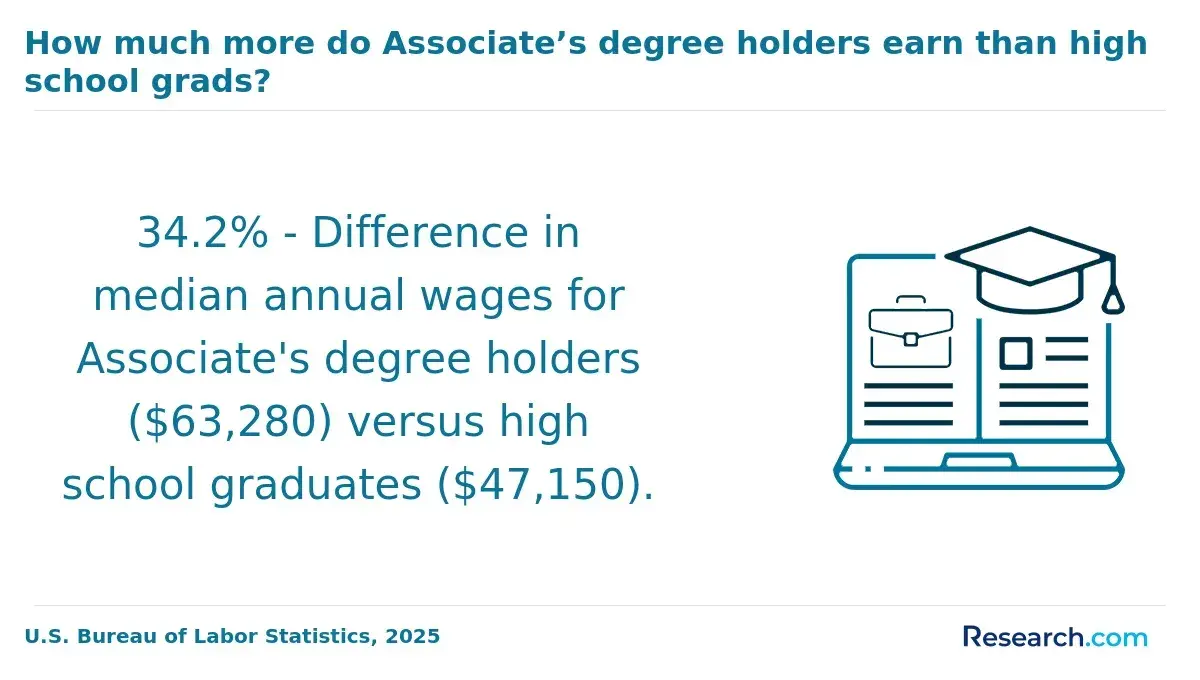
Research from the American Psychological Association shows about 72% of social psychology-related openings require graduate degrees, emphasizing the importance of advanced qualifications for career advancement.
Common degree expectations in social psychology job postings include:
- Bachelor's Degree Entry: Many positions at the assistant or support level request a bachelor's degree, providing foundational knowledge of psychological concepts and research methods suitable for beginning roles.
- Master's Degree Preference: Applied research roles and managerial jobs often favor candidates with a master's degree, reflecting the demand for specialized skills in program evaluation, data interpretation, and policy work.
- Doctoral Degree Requirement: Academic faculty, principal investigators, and clinical roles usually mandate a PhD or PsyD due to the need for advanced research capabilities, teaching experience, and independent scholarship.
- Industry Variability: Government, non-profit, and corporate sectors may prioritize practical experience alongside degrees, frequently accepting master's credentials, whereas academia and research institutions commonly require doctorates.
When discussing these degree requirements with a recent social psychology graduate, he described the transition as "both challenging and rewarding."
He recalled navigating a competitive job market where the value of graduate education was clear but the path to earning it involved "long hours balancing coursework, research responsibilities, and uncertainty about how degrees would translate into professional opportunities."
He emphasized that while a bachelor's degree opened initial doors, "advancing to roles that matched my ambitions meant committing to graduate studies despite the financial and emotional strain." This perspective highlights the real-world impact behind the degree requirements seen in job postings.
Several fields demonstrate a willingness to hire social psychology graduates who have little to no prior work experience, as seen in many entry-level job listings. Approximately 38% of entry-level roles in social science-related sectors accept applicants without previous experience, highlighting opportunities for fresh graduates to begin their careers in meaningful roles.
Below are some key industries known for welcoming newcomers with social psychology backgrounds:
- Market Research firms frequently recruit fresh graduates for positions like research assistants or junior analysts, valuing academic knowledge and analytical skills to explore consumer behavior and social trends.
- Non-Profit Organizations offer roles aimed at community outreach and program assistance, focusing on social impact and engagement without stringent experience requirements.
- Healthcare settings present entry-level opportunities in patient coordination and health promotion, where behavioral insights enhance care and education efforts.
- Education offers support roles such as research assistants or student engagement coordinators, providing practical experience within academic environments under faculty guidance.
A fresh graduate with a social psychology degree shared her experience navigating the job market after completing her studies. She recalled feeling uncertain at first, noting, 'It was challenging to find positions that didn't require extensive experience, but certain sectors were open to hiring someone eager to learn.'
She described applying to numerous roles before landing an entry-level research assistant job at a non-profit, where she quickly adapted by relying on her coursework and motivation. Reflecting on the process, she emphasized that persistence and seeking industries known for onboarding beginners made a crucial difference in launching her career.
Certain industries exhibit greater selectivity when hiring graduates with a background in social psychology, demanding more extensive experience, specialized credentials, or advanced skill sets. Job postings in these fields often highlight stringent requirements, reflecting the complexity and responsibility involved.
Notably, about 65% of such positions call for three to five years of relevant work experience, underscoring the competitive nature of these roles.
The following sectors commonly prioritize higher qualifications and demonstrated expertise:
- Healthcare and Behavioral Health: Employers in healthcare, especially those focused on behavioral health or clinical research, look for candidates with hands-on experience in patient engagement, data analysis, and ethical compliance. Advanced degrees combined with practical exposure are typically required to meet these roles' demands.
- Government and Public Policy: Roles in government agencies often mandate proficiency in quantitative research methods and a thorough understanding of regulatory frameworks. Candidates usually need specialized training or certifications relevant to policy evaluation and social program assessment.
- Market Research and Consumer Insights: This industry favors applicants skilled in statistical software, complex data analysis, and experimental design. Experience managing research projects and translating findings for business purposes is highly valued.
- Academic and Advanced Research Institutions: Positions in academia and specialized research often require advanced degrees and a strong track record of methodological expertise. Candidates must demonstrate the ability to apply theoretical knowledge to rigorous empirical studies.
Salary levels in social psychology careers are heavily influenced by a candidate's experience, education, and the complexity of the role. Employers often set pay ranges that reflect both the entry requirements and the expected contributions of candidates with more expertise.
Research shows that social psychology salary variation by experience level can reach between 25% and 40%, demonstrating a significant impact of background and skill mastery. Job postings commonly highlight negotiable salaries for social psychology careers, signaling that compensation may be adjusted to fit an individual's unique qualifications.
Experience also affects how employers structure pay flexibility. Entry-level roles tend to offer more fixed salary bands with less room for negotiation due to foundational requirements and limited experience expectations.
Conversely, advanced roles requiring higher degrees or specialized skills allow for greater salary flexibility, accommodating candidates with proven expertise or significant professional accomplishments.
This approach enables employers to offer competitive salaries that reflect the candidate's value while shaping overall compensation according to the position's demands and responsibilities, much like other fields where programs such as 9-month LPN program online provide accelerated educational pathways without compromising job prospects.
Job postings in social psychology careers provide essential guidance for tailoring your resume to meet employer expectations effectively. Candidates who align their applications with these detailed descriptions significantly improve their chances, especially since nearly 75% of resumes never progress beyond automated screening systems.
Below are proven strategies to align your resume with job descriptions in social psychology roles:
- Interpret Job Descriptions: Analyze postings carefully to identify priority skills and knowledge areas specified by employers. This helps direct focus toward competencies that are most valued in social psychology positions.
- Highlight Relevant Experience: Emphasize academic projects or previous roles directly related to behavioral research methods, data analysis, or experimental design. This targeted experience demonstrates your practical fit for the position.
- Use Precise Terminology: Incorporate exact keywords and phrases found in job listings to improve ATS compatibility. Mirroring employer language ensures your resume ranks higher in automated screenings.
- Prioritize Required Qualifications: Make essential credentials such as master's or doctoral degrees in social psychology, or specific certifications, prominently visible. Clear presentation of these qualifications confirms eligibility and attracts recruiter attention.
- Emphasize Skills and Certifications: Focus on specialized skills like statistical software proficiency and behavioral research expertise. Some employers also value formal certifications, which should be clearly listed near the top of your resume.
For those exploring educational pathways linked to these qualifications, considering education programs such as a MA to LPN bridge program may offer insights into how diverse certifications and degrees can support career advancement in related health and social fields.
Utilizing job postings in this way allows social psychology students and professionals to strategically target the key skills and qualifications employers seek in social psychology roles, maximizing resume effectiveness and interview opportunities.
Job advertisements offer crucial insight into what employers expect from candidates in social psychology careers. Carefully studying these postings reveals specific job requirements and helps clarify the skills, education, and experience levels prioritized. Recent data shows that 72% of employers explicitly detail required qualifications to attract appropriate applicants.
Here are essential aspects to consider when analyzing social psychology job ads:
- Responsibilities: Job descriptions outline the daily tasks and practical application of social psychology theories. These may involve data analysis, experimental design, community interaction, or policy assessment.
- Qualifications: Ads commonly specify educational credentials, such as bachelor's or master's degrees in social psychology or related fields. Advanced roles often require a PhD or specialized certifications.
- Experience Levels: Employers typically classify roles by career stage, from entry-level internships to senior investigator positions, indicating the expertise and years needed for each.
- Skills Required: Proficiency in statistical software, research methods, communication, and interdisciplinary knowledge frequently appears as key skills sought by employers.
- Additional Opportunities: Some postings highlight accelerated career paths or training, similar in value to focused 12-month accelerated nursing programs online, emphasizing practical skill advancement.
What Graduates Say About Skills, Degrees, and Experience Employers Want
- Otto: "When I first graduated with my degree in social psychology, job postings were my primary guide to understand what employers were looking for and how to tailor my resume. I found that carefully reading ads helped me identify key skills and certifications that matched my fresh background, making my job search much more strategic and focused. It's empowering to see how my academic experience aligns with actual career paths just by analyzing those postings."
- Colsen: "Over the years, I've come to rely heavily on job ads as a roadmap for advancing my career in social psychology. These postings often highlight emerging trends and the demand for specialized expertise, which I use to decide when to pursue further training or certifications. Reflecting on my journey, job ads didn't just help me find new positions - they shaped my growth and direction within the field."
- Isaiah: "As a seasoned professional in social psychology, job postings often provide a valuable snapshot of how the field evolves and where demand is growing. I regularly examine these ads to ensure my skills remain relevant and to anticipate shifts in employer expectations. The impact of consistently monitoring these opportunities has been crucial in maintaining my competitive edge and staying connected to the broader professional community."
Other Things You Should Know About Social Psychology Degrees
Employers often highlight the importance of interdisciplinary skills, noting that candidates who combine social psychology expertise with knowledge in fields like data analysis, statistics, or behavioral economics are highly sought after. Job postings frequently specify skills in software such as SPSS, R, or Python, reflecting a demand for analytical competency alongside core psychological knowledge.
Employers most often ask for SPSS, R, Python, and Qualtrics in social psychology postings. Job ads also commonly mention Excel, NVivo, and REDCap for survey management, statistical analysis, coding, and data collection. These tools support research, program evaluation, and behavioral data work.
Practical research experience is consistently emphasized, often more than theoretical knowledge alone. Employers look for demonstrated experience in designing studies, collecting data, and applying statistical analysis to real-world problems, which many postings list as essential for both entry-level and advanced positions.
- Impactful jobs for psychology degree graduates https://probablygood.org/degree-paths/psychology-jobs/
- The Psychology Graduate's Resume Guide | Psychology.org https://www.psychology.org/resources/resume-guide/
- How to analyze a job advertisement https://www.uni-potsdam.de/en/praxisportal/job-applications/job-application-tips/analyzing-job-advertisements
- Entry Level Psychology Jobs - PsychologyJobs.com https://psychologyjobs.com/entry-level-psychology-jobs/
- Negotiate your salary after an offer for a job in psychology | Jobs in Psychology https://www.jobsinpsychology.co.uk/article/negotiate-your-salary-after-an-offer-for-a-job-in-psychology
- Complete Social Psychologist Career Guide https://himalayas.app/career-guides/social-psychologist


