2027 Social Psychology Degree vs Bootcamp vs Certificate: Which Path Leads to Better Career Outcomes?

Co-Founder and Chief Data Scientist
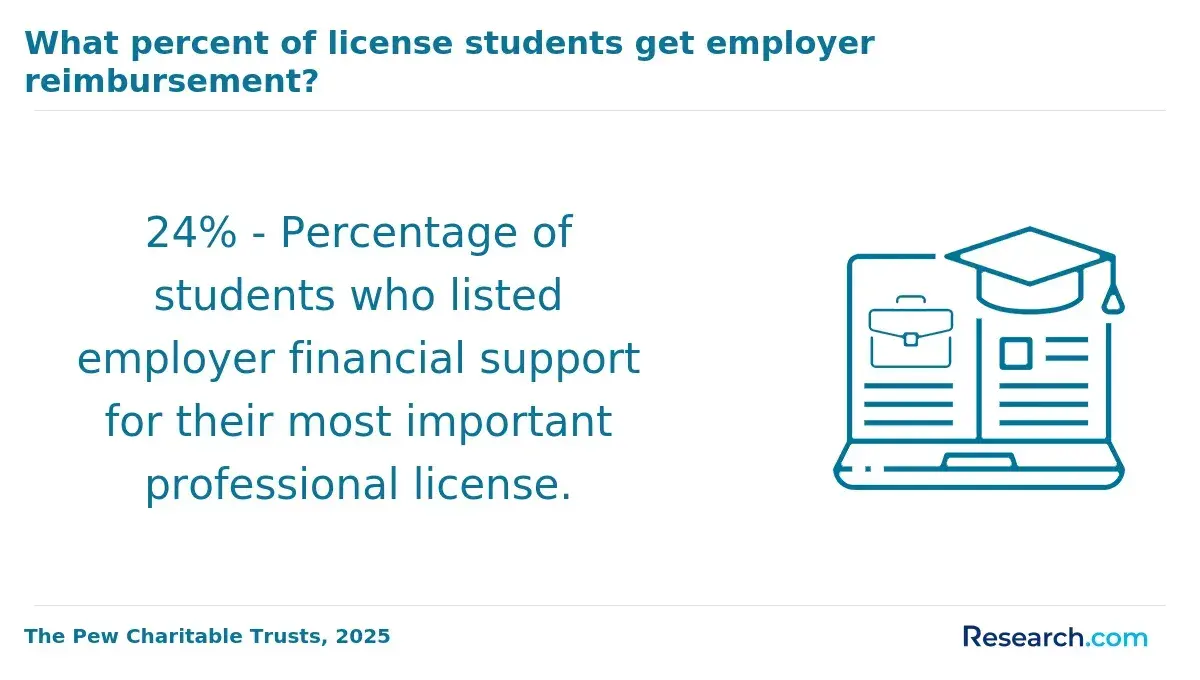
Choosing between a social psychology degree, bootcamp, or certificate often poses a challenge for aspiring professionals-especially when career advancement and salary potential depend heavily on the chosen path. For example, a recent study found that graduates holding a social psychology degree report an average starting salary 25% higher than certificate holders, reflecting employer preferences and job placement rates. However, bootcamps may offer quicker entry and strong networking opportunities for career changers.
This article examines each pathway's return on investment, employer recognition, and fit for various learners-offering clear guidance to optimize career outcomes.
Key Things to Know About Which Path Leads to Better Career Outcomes: Social Psychology Degree, Bootcamp, or Certificate
- Degree holders in Social Psychology often earn 20-30% higher salaries-employers favor their comprehensive credentials for research and clinical roles essential to long-term career growth.
- Bootcamps offer rapid skill acquisition-ideal for career changers-but typically have lower job placement rates and limited networking compared to traditional degrees.
- Certificates provide targeted knowledge with high return on investment-best suited for working professionals seeking upskilling without full-time commitment.
How Does Social Psychology Degree Compare to Bootcamps and Certificates in Total Program Cost and Time to Completion?
Prospective social psychology students face a clear trade-off between pursuing a multi-year degree and opting for faster, lower-cost alternatives like bootcamps or professional certificates-neither path suits every learner equally. A traditional social psychology degree, such as a bachelor's or associate's, usually requires two to four years of full-time study. This path delivers extensive training in theory, research methods, and applied psychology, establishing a strong academic foundation. According to the National Center for Education Statistics (NCES), annual tuition at public in-state four-year universities averages $10,000 to $12,000, leading to total costs often exceeding $40,000, excluding living expenses. Understanding social psychology degree program cost and completion time remains critical for students weighing long-term investment against other options.
Bootcamps present an accelerated alternative-lasting typically 8 to 26 weeks-and focus on hands-on skills designed for faster job market entry. Aggregate data from bootcamp review platforms like SwitchUp and Course Report show typical tuition ranges between $7,000 and $15,000 depending on program intensity and delivery format. While bootcamps emphasize practical skill sets, they usually do not provide the foundational theory covered in degree programs. Comparing time and cost comparison of social psychology bootcamps and certificates helps clarify choices based on urgency and budget.
Professional certificates, often available through online platforms such as Coursera or industry associations, provide flexible, self-paced or instructor-led courses. These typically last from a few weeks to several months and generally cost between $200 and $2,000. Certificates focus on specific skills or topics and are well-suited for supplementing existing education but do not replace the comprehensive depth or accreditation of a formal degree.
- Time To Completion: Degrees require multiple years; bootcamps finish in weeks to months; certificates vary but usually take a few weeks to months.
- Total Cost: Degrees often surpass $40,000; bootcamps cost roughly $7,000-$15,000; certificates are the most affordable at $200-$2,000.
- Program Format: Degrees involve structured, semester-based study; bootcamps are immersive and condensed; certificates are flexible and often self-paced.
- Depth of Learning: Degrees cover theory, research, and practice extensively; bootcamps prioritize applied skills; certificates focus on specific topics or tools.
Though cost and speed are fundamental metrics, they do not fully capture how employers value each credential, the career opportunities unlocked, and alignment with different learner profiles. For those exploring pathways, additional insights on career outcomes and credential acceptance might follow, with consideration given to programs such as the easiest RN to BSN online program as an example of accelerated learning options outside economics but within relevant career decision frameworks.
What Career Outcomes Can Social Psychology Degree Graduates Expect Compared to Bootcamp and Certificate Completers?
Graduates with a social psychology degree generally experience stronger initial career outcomes compared to bootcamp and certificate completers-though this gap varies by subfield and region. According to Bureau of Labor Statistics (BLS) data, employment rates within six months are about 85% for degree holders in social sciences, including social psychology, while bootcamp and certificate completers report rates closer to 70-75%, based on Course Report and NACE surveys.
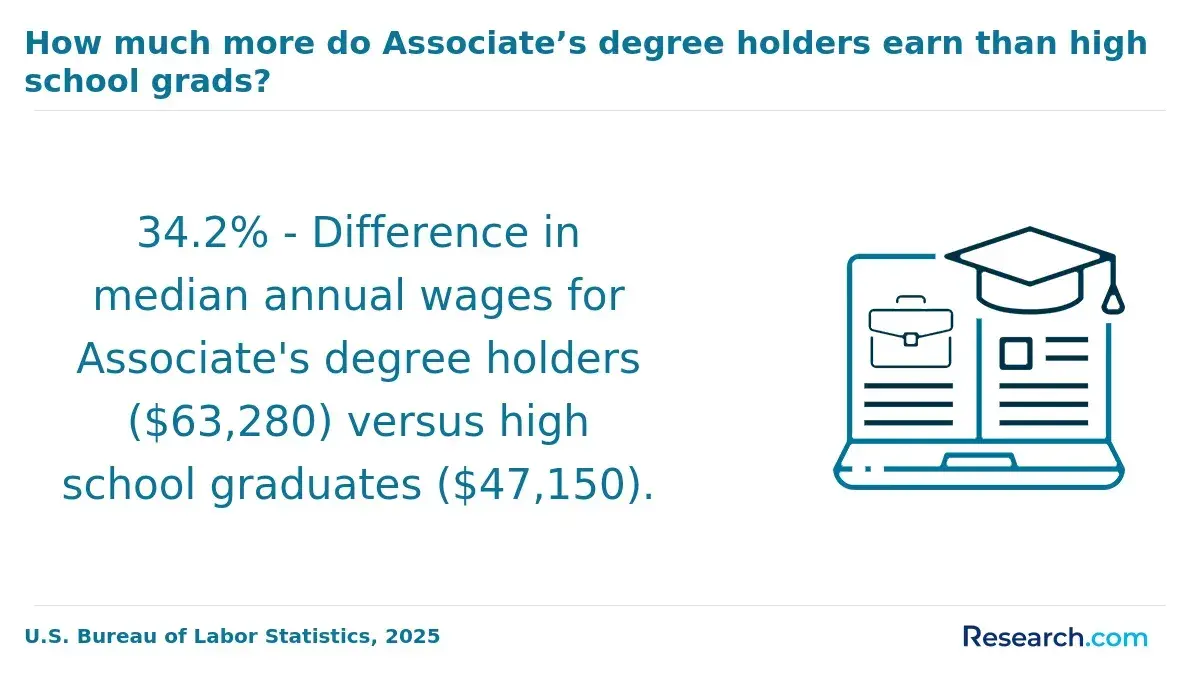
Median starting salaries reflect similar trends-degree holders typically earn between $50,000 and $60,000 annually at first placement. Bootcamp completers usually report salaries between $40,000 and $50,000, while certificate earners' salaries vary widely depending on skills and employer demand, impacting the social psychology degree graduate salary comparison significantly.
Key career outcome comparisons include:
- Employment Rate: Degree programs show higher placement rates within six months, supported by traditional employer preferences and alumni networks.
- Median Starting Salary: Degree holders obtain higher median salaries, reflecting deeper theoretical training and qualifications for advanced roles.
- Job Title Level: Degree graduates often start as research analysts or behavioral scientists,
- while bootcamp and certificate completers tend to begin in assistant or technician roles focused on applied skills.
- Employer Preferences: Skill-based hiring is increasing, benefiting bootcamp and certificate holders, but degrees maintain a meaningful edge in competitive pools, especially in research and academia.
- Outcome Reporting Bias: Bootcamp and certificate data may be influenced by survivorship bias and selective disclosure; prospective learners should seek independently audited data or CIRR-verified outcomes for accurate insight.
- Career Growth Factors: Credentials alone don't guarantee success-portfolio strength, network connections, geographic location, and industry choice also shape long-term advancement.
While degree pathways generally offer more robust early career outcomes, non-degree routes are closing the gap as employers shift toward valuing demonstrable skills. Those considering these options-whether recent graduates, working professionals, or current students aiming to enhance their credentials-should use this analysis to explore how each pathway fits their goals and circumstances. For adult learners interested in related fields, it can be useful to research nursing schools that don't require TEAS as a comparison of nontraditional educational requirements supports informed decision-making.
Which Social Psychology Pathway - Degree, Bootcamp, or Certificate - Offers the Highest Starting Salary for Graduates?
Salary data from the Bureau of Labor Statistics, National Association of Colleges and Employers, LinkedIn Salary Insights, and Glassdoor show clear distinctions among Social Psychology graduates based on educational pathway. Those holding bachelor's or master's degrees typically secure the highest entry-level salaries, ranging between $55,000 and $75,000, with roles like behavioral scientist and research analyst leading the scale. Bootcamp graduates generally start in the $45,000 to $60,000 range, focusing on practical skills that fit well within startups or tech sectors but often earn less than degree holders in similar positions. Certificate earners see more variable pay-from around $40,000 to $58,000-largely due to the niche skills offered, making certificates complementary rather than replacement credentials for advanced positions.
- Employer Type: Enterprises favor degree credentials, offering higher salaries and advancement opportunities, whereas startups prioritize bootcamp-trained professionals but tend to pay less initially.
- Industry Sector: Positions in healthcare, academia, and government commonly require degrees and provide better compensation than roles in marketing or technology where bootcamp paths are more accepted.
- Job Title Specificity: Advanced theoretical roles generally necessitate degrees, resulting in greater salary potential.
- Geographic Market: Metropolitan areas with higher living costs correspond to increased salary offers across all pathways.
Degree holders often experience faster salary progression and access to promotions that demand formal credentials-management and specialized roles typically exclude bootcamp or certificate holders. While initial salaries for bootcamp and certificate completers may appear competitive, degree graduates tend to have more upward mobility in mid- and senior-level positions.
Salary figures represent medians and individual gains depend heavily on factors such as prior experience, geographic flexibility, specialization, and program reputation. For a detailed cost-adjusted comparison, the ROI section offers more comprehensive analysis.
A professional who completed a Social Psychology degree shared that despite initial doubts about balancing coursework and part-time work, the rigorous academic training opened doors into research roles within a government agency. They noted, "The structured curriculum pushed me to develop a deep understanding of social behavior theories that I applied daily on the job." This foundation reportedly contributed to early promotions, underscoring the value of the degree pathway in securing higher starting salaries and quicker career advancement.
Admission criteria for accredited social psychology degree programs are notably stringent-serving both as entry barriers and markers of educational quality. Applicants generally must meet a series of standards, including:
- GPA Minimums: often around a 3.0 on a 4.0 scale, ensuring foundational academic competence;
- Prerequisite Coursework: prior studies in psychology or related fields to prepare for advanced content;
- Standardized Tests: some schools still require SAT or GRE scores, though this is becoming less common;
- Letters of Recommendation: multiple endorsements from educators or professionals are typically needed; and
- Application Timelines: deadlines are fixed and usually set well before fall enrollment-often a year in advance.
In the case of bootcamps and certificate programs, these aspects are emphasized:
- Open Enrollment: Most bootcamps and certificate programs waive GPA and prior coursework requirements, welcoming applicants with a high school diploma or equivalent.
- Flexible Timelines: Enrollment is often rolling or available year-round, eliminating the long lead times associated with degree admissions.
- No Standardized Tests or Recommendations: These programs rarely mandate test scores or letters, focusing instead on learner motivation and interest.
This divergence in selectivity reflects distinct roles: degree admissions act as gatekeepers signaling rigor and readiness, which employers may interpret as quality assurance. Meanwhile, bootcamps and certificate programs must rely on tangible measures such as curriculum depth, instructor expertise, accreditation, and successful graduate outcomes to demonstrate value.
Lower entry barriers in these short-term programs offer critical opportunities for non-traditional students-including career changers, working adults, and underrepresented groups-who face hurdles like cost, location, and time constraints that limit access to traditional degrees. Evaluating personal academic background alongside goals helps prospective learners decide whether degree admissions represent meaningful quality indicators or impenetrable obstacles.
When I spoke with a professional who built her career after completing a social psychology certificate, she described her experience as "both freeing and challenging." Without the pressure of GPA or test scores, she quickly enrolled and appreciated starting immediately. However, she also noted the importance of choosing a program with "solid curriculum and knowledgeable instructors" to ensure her investment paid off. Reflecting, she emphasized how the low-admission barriers made it possible for her to "gain relevant skills while juggling work and family," something a traditional degree timeline couldn't accommodate at that stage of her life.
What Graduates Say About Which Path Leads to Better Career Outcomes: Social Psychology Degree, Bootcamp, or Certificate
- Penelope: "Choosing the social psychology degree really set me up for long-term career growth-employers valued the comprehensive curriculum and depth of knowledge I gained, which translated into higher salary offers right out of school. The strong alumni network connected me with professionals who helped me secure my first role, proving that access to a robust community is invaluable. For anyone committed to an in-depth academic experience and ready to invest time, this path delivers solid returns over time."
- Colsen: "I took the social psychology bootcamp because I wanted a faster route into the workforce, and I wasn't disappointed-the job placement rates for bootcamp grads are impressive, especially in industries looking for practical skills over formal credentials. While the salary range is a bit modest compared to degree holders, the ROI is excellent since it's a shorter program with a clear focus on career-ready tools. This path suits learners who want to dive in quickly and start building their careers without delay."
- Isabel: "Getting the social psychology certificate was perfect for me as a working professional-I could fit the coursework around my schedule and still gain valuable credentials that employers recognize. While it doesn't always lead to the highest salaries initially, the credential definitely boosts your resume and opens doors to networking opportunities that might otherwise be closed. If you're balancing other commitments and want targeted knowledge without a full degree, this is the ideal way forward."
Other Things You Should Know About Social Psychology Degrees
Most bachelor’s programs require a high school diploma or GED, official transcripts, and a minimum GPA, often 2.5 to 3.0. Graduate social psychology programs usually ask for a bachelor’s degree, prerequisite psychology courses, letters of recommendation, a statement of purpose, and sometimes GRE scores.
In economic downturns or tight labor markets, social psychology degrees tend to offer better job security due to broader employer recognition and versatility across roles. Bootcamps and certificates may face higher risks since employers often prioritize candidates with more formal education when competition increases. However, certificates focusing on niche, in-demand skills can sometimes maintain value if aligned with critical labor market needs.
Social psychology degrees come from accredited institutions and are widely recognized by employers and professional bodies, carrying strong credential legitimacy. Bootcamps and certificates vary widely in accreditation-some are industry-recognized while others lack formal validation-so their value depends heavily on the issuing organization's reputation and curriculum rigor. Prospective learners should assess accreditation status when choosing non-degree options.
- The Many Perils Of Accepting Certifications As Qualifications (Problems with accepting certifications instead of college degrees during hiring) - Dr John Sullivan https://drjohnsullivan.com/articles/certifications-as-qualifications-instead-college/
- College Degree vs. Bootcamp ROI Showdown https://oboe.com/learn/college-degree-vs-bootcamp-roi-showdown-1ir5xuv/evaluating-employment-outcomes-college-degree-vs-bootcamp-roi-showdown-2
- The Main Difference Between BootCamps and Courses | Sprints https://sprints.ai/en/blog/The-Main-Difference-Between-BootCamps-and-Courses
- Discover Psychology Career Paths That Lead to Professional Success https://online.mountsaintvincent.edu/degrees/undergraduate/bachelor-psychology/careers-for-professional-success/
- Global Standard for Professional Assessment | GSPA https://gspa.io/compare/professional-certification-vs-degree
- Psychology AA-T - Guided Pathways https://pathways.riohondo.edu/program/psychology-aa-t/
- The right track: Participation and progression in psychology career paths https://www.nuffieldtrust.org.uk/research/the-right-track-participation-and-progression-in-psychology-career-paths
- Psychology Degree Careers | Versatile Paths & Top Roles https://pathwise.io/what-can-you-do-with-a-psychology-degree/
- How a Strong Alumni Network Can Benefit Students https://www.pacificu.edu/blog/how-strong-alumni-network-can-benefit-students
- 2025 Social Psychology Programs https://psychologyonlinedegrees.org/programs/social-psychology/