
2027 Social Psychology Degree Careers Ranked by Stress Level, Salary, and Job Stability

Co-Founder and Chief Data Scientist
Choosing a career path in social psychology often involves balancing trade-offs between income, stress, and job security. A recent graduate may wonder whether pursuing a high-paying role in market research justifies the risk of burnout, or if a government position offering stability aligns better with long-term goals.
Approximately 12% of social psychology graduates find employment in counseling or social services, sectors known for varied stress levels and steady demand. As the job market becomes more competitive, understanding these factors grows essential. This article ranks social psychology careers by stress level, salary, and job stability to guide informed decisions within the field.
Key Things to Know About Social Psychology Degree Careers Stress Level, Salary, and Job Stability
- Careers in social psychology range from low-stress research roles to high-pressure clinical positions, impacting job satisfaction and work-life balance significantly.
- Higher earning potential often correlates with roles requiring advanced degrees and specialized skills, such as organizational consulting or academic leadership.
- Job stability varies by sector; government and academic jobs offer more consistency, while private sector roles may present higher income but greater volatility.
What Are the Least Stressful Jobs for Social Psychology Graduates?
Stress levels for social psychology graduates vary widely depending on job roles and workplace dynamics. Roles with predictable workloads, structured responsibilities, and limited urgent deadlines tend to be less stressful, helping maintain better job satisfaction. According to the American Institute of Stress, nearly 40% of workers find their jobs very or extremely stressful, highlighting the importance of choosing careers with manageable stress.
Below is a ranking of lower-stress career options with a social psychology degree, focusing on stable positions beyond entry level.
- Research Coordinator: This role involves managing participant recruitment and data collection in social psychology studies without the heavy pressure of leading research projects. The structured nature of responsibilities and steady deadlines creates a balanced workflow that minimizes stress.
- University Academic Advisor: Advisors support students through degree progress and course selections within an academic calendar, resulting in predictable tasks and minimal time-sensitive pressure. This consistent schedule contributes to low stress in the work environment.
- Market Research Analyst: By analyzing social behavior patterns and generating reports, these analysts focus on data interpretation rather than direct client demands or urgent deadlines. This work setting offers a low-stress atmosphere tailored to thoughtful evaluation.
- Human Factors Specialist: Applying social psychology principles to improve product usability involves carefully planned testing phases and methodical workflows, limiting surprises and last-minute pressure. Such environments foster stable and manageable workloads.
- Organizational Development Consultant: Assisting organizations to enhance work culture typically involves long-term projects with planned interventions instead of immediate crisis responses. This approach reduces the stress often associated with urgent interpersonal challenges.
Students exploring the range of least stressful jobs for social psychology graduates may also look into options that balance workload and professional growth without excessive stress. Those interested in supplementary training or certifications might consider programs like medical assistant certification to diversify their skill sets and improve job stability.
What Are the Most Stressful Jobs With a Social Psychology Degree?
Many careers available to social psychology degree holders involve high levels of stress due to intense workloads, tight deadlines, emotional challenges, and the pressure to make critical decisions. These factors create demanding work environments where professionals must perform reliably under pressure. Such roles often require managing ongoing interpersonal dynamics, rapid problem-solving, or working with emotionally distressed individuals.
The following ranking highlights five of the most stressful social psychology careers in the US, ordered from the highest to relatively high stress levels.
- Clinical Psychologist: Diagnosing and treating mental health disorders involves consistent exposure to patients experiencing severe emotional distress. The need for precise assessments and effective treatment plans under tight time constraints creates a highly stressful atmosphere.
- Human Factors Specialist: These specialists improve product design and usability while being held accountable for user safety and satisfaction. The pressure to meet tight project deadlines and minimize human error adds significant stress.
- Organizational Development Consultant: Advising companies on workplace dynamics and productivity often means navigating resistant stakeholders and conflicting interests. The emotional labor involved in managing change elevates job stress.
- Forensic Psychologist: Balancing precise criminal behavior analysis with high-stakes judicial decisions leads to intense stress. The serious nature of legal outcomes places substantial pressure on forensic psychologists.
- Market Research Analyst: This role demands quick interpretation of complex data to predict consumer behavior and support business strategies. Constant performance deadlines in competitive settings contribute to high stress levels.
Prospective graduates seeking less traditional pathways might also explore nursing fields, as there are nursing schools that don't require TEAS or HESI, providing an alternative route for careers involving human behavior. Those weighing high-stress jobs for social psychology graduates should consider these factors carefully when assessing their career options.
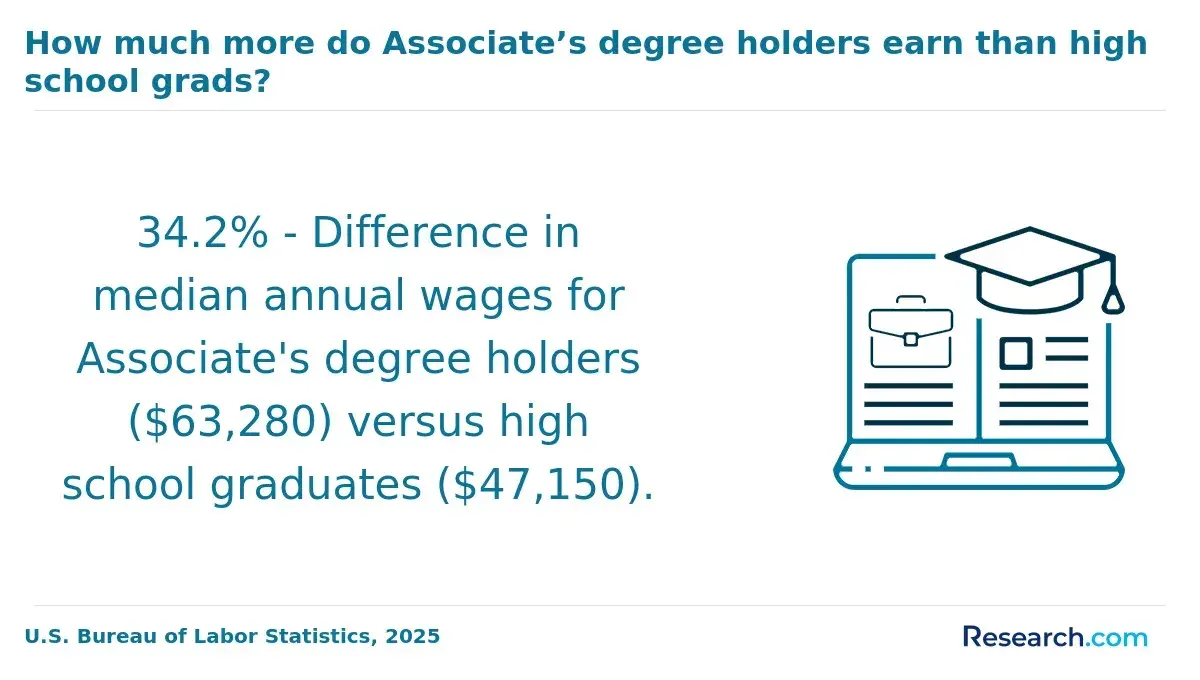
Which Entry-Level Social Psychology Jobs Have Low Stress?
Entry-level social psychology roles often rank as low stress due to structured duties, steady supervision, and predictable workflows that reduce uncertainty and decision-making pressure. A recent American Psychological Association survey found that nearly 45% of early-career psychology professionals experience manageable stress when their responsibilities are clearly outlined and supported by consistent guidance. These factors are key in easing transitions into professional settings.
Below is a ranking of five entry-level social psychology jobs, ordered from the lowest to relatively low-stress positions.
- Research Assistant: This role primarily involves supporting experiments, gathering data, and maintaining records under direct oversight. Limited autonomy in decision-making helps minimize stress, allowing for focused and manageable workloads.
- Data Entry Specialist: Tasked with entering and verifying data, these specialists perform repetitive, well-defined tasks. The predictability and structure of the work reduce the potential for job-related anxiety.
- Behavioral Health Technician: While client interaction is part of the job, the clearly outlined duties and routine reporting requirements create a stable work environment that keeps stress levels low.
- Program Coordinator Assistant: Assisting program managers by organizing schedules, communications, and logistics, this role benefits from a clear chain of command and consistent daily tasks, which help maintain a calm work pace.
- Survey Interviewer: Engaging participants using scripted questions limits the need for spontaneous problem-solving. The routine nature of the interviewing process keeps pressure moderate, helping early-career workers stay composed.
When asked about his experience, a social psychology degree graduate currently in an entry-level position shared how navigating initial workplace adjustments can be challenging despite low stress rankings. He noted, "Even with structured tasks, learning to handle unexpected participant questions or minor data inconsistencies required patience."
He emphasized that having a supportive supervisor who provided clear instructions and prompt feedback made it easier to remain confident and focused, especially when facing the inevitable learning curves at the start of his career.
Fields that combine well-defined roles, specialized knowledge, and stable environments often provide higher salaries alongside lower stress levels. These conditions create predictable workflows and manageable responsibilities, contributing to less pressure while maintaining good pay. Such jobs are particularly appealing for those seeking social psychology degree careers with high salary and low stress.
Below are examples of careers that balance competitive compensation with reasonable work stress:
- Organizational Development: Specialists in this area focus on enhancing workplace efficiency through systematic interventions. Their structured projects and expertise in social dynamics help maintain steady workloads and support strong earning potential.
- Market Research Analysis: By applying social psychology to consumer behavior, analysts handle data-driven projects with clear methods. The routine nature of their work contributes to consistent stress management while offering competitive salaries.
- User Experience Research: These professionals study interactions between people and technology within well-defined project timelines. The clarity of deliverables combined with high demand for their skills allows favorable pay and manageable stress.
- Community Program Coordination: Working mostly in nonprofit or government sectors, coordinators plan and oversee social initiatives with stable funding and predictable schedules. This stability helps moderate stress levels while providing steady income opportunities.
Social psychology graduates exploring online college no application fee options can find programs that prepare them for these low-stress job opportunities for social psychology graduates.
Salary levels for careers requiring a social psychology degree differ widely based on factors like job complexity, required expertise, and industry demand. Positions with greater responsibility, advanced skill sets, or leadership roles in sectors such as healthcare, technology, or consulting typically offer higher pay. These roles often involve managing complex challenges and producing significant organizational impact.
Below are five of the highest paying careers for social psychology graduates, ranked by median salary:
- Industrial-Organizational Psychologist ($85,000-$120,000): These experts apply social psychology to improve workplace efficiency and employee satisfaction. Their specialized knowledge in human behavior and organizational systems makes them essential in corporate and consulting industries, commanding premium compensation.
- Consumer Behavior Analyst ($70,000-$105,000): Focused on market research, these analysts interpret psychological and social trends influencing purchasing decisions. Their insights directly shape marketing strategies and contribute to revenue growth, which increases their earning potential.
- Human Factors Specialist ($65,000-$95,000): Often working in technology or manufacturing, these specialists enhance product usability by applying cognitive and behavioral principles. Their specialized skills make them valuable in designing efficient and user-friendly systems.
- Clinical Social Psychologist ($60,000-$90,000): Providing mental health interventions and behavioral therapy, these professionals require advanced education and offer stability and competitive salaries, especially within healthcare settings.
- Market Research Director ($58,000-$85,000): Leading research teams, these directors oversee studies on social trends and consumer insights. Their leadership and decision-making responsibilities elevate their compensation above entry-level positions.
When asked about career earnings, a professional with a social psychology degree shared that navigating the journey to higher-paying roles involved balancing the demand for advanced credentials with the challenge of gaining relevant experience. "It's not just about the degree-but how you apply it in settings that value deep social insights," she noted.
She emphasized that while higher salaries come with greater responsibility and occasional high stress, they also offer rewarding opportunities to influence real-world outcomes. "The process required patience and continuous learning, but knowing the impact of my work on organizational culture has been incredibly fulfilling."
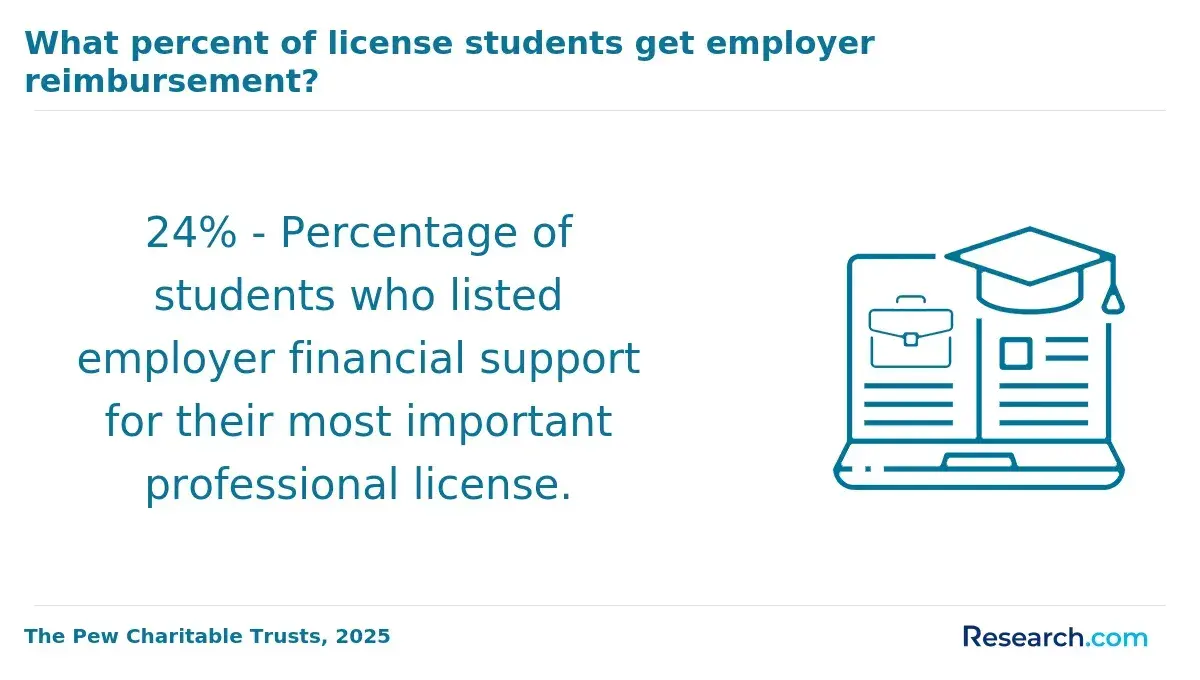
Industries that provide social psychology graduates a balanced combination of income, manageable stress, and job stability share consistent demand and structured work environments. Nearly 70% of psychologists working in healthcare and government sectors report high job satisfaction linked to this balance. Choosing among the best industries for social psychology career balance depends on understanding the typical work conditions and stability each sector offers.
Below are several industries known for offering social psychology professionals a favorable mix of salary, stress, and long-term stability:
- Healthcare: Operating within regulated frameworks, healthcare organizations offer predictable workflows that reduce uncertainty. This environment supports steady income and benefits, alongside ongoing growth that enhances job security for social psychology graduates.
- Government: Public sector roles emphasize structured responsibilities with clear expectations and limited overtime. Competitive salaries and defined career progression contribute to professional and financial stability while minimizing job-related stress.
- Education: Universities and research centers provide predictable schedules aligned with academic calendars, fostering lower stress levels. Though salaries may be moderate compared to the private sector, the focus on research and evidence-based practices fits well with social psychology skills and promotes job satisfaction.
- Nonprofit Organizations: These entities often have mission-driven goals with stable funding sources. The regulated environment and collaborative culture support consistent employment and moderate stress.
- Corporate Research Departments: Companies investing in consumer behavior or organizational studies tend to maintain structured projects with clear deliverables. This creates a stable, low-stress atmosphere with competitive compensation.
For social psychology graduates who are also exploring related fields, pursuing a master's in nutrition can open additional doors in balanced career paths offering steady demand and manageable work environments.
Social psychology graduates can reduce workplace stress and enhance job stability by developing essential transferable skills valued across many professional settings. According to the National Association of Colleges and Employers, 92% of employers prioritize communication skills when recruiting, highlighting their critical role in employability and retention. These skills empower graduates to manage stress effectively and maintain long-term career stability.
The following skills are key contributors to reducing stress and increasing job security for those with a social psychology career background:
- Effective Communication: Clear communication helps minimize misunderstandings and workplace conflicts, fostering smoother interactions with colleagues and clients. This leads to fewer stressful situations and stronger collaborative problem-solving abilities.
- Organizational Skills: Efficient management of workloads and meeting deadlines without last-minute pressure reduces stress. Well-organized professionals maintain better control over their responsibilities, preventing burnout and enhancing job stability.
- Adaptability: The ability to quickly adjust to changes in projects, procedures, or workplace culture reduces anxiety associated with uncertainty. Adaptable individuals can seize new opportunities, contributing to sustained career growth in social psychology careers ranked by stress level, salary, and job stability.
- Technical Proficiency: Familiarity with data analysis software and digital communication tools improves job performance and signals commitment to professional development. These competencies increase a graduate's value to employers and support greater job retention.
For those looking to further develop relevant skills efficiently, programs such as the RN to BSN in 3 months demonstrate how focused education can accelerate career advancement and reduce workplace stress.
What Graduates Say About Social Psychology Degree Careers Stress Level, Salary, and Job Stability
- Otto: "Studying social psychology opened my eyes to how understanding human behavior can directly impact workplace dynamics. The stress level is manageable if you stay organized, and the salary prospects are promising once you gain some experience. I also appreciate the job stability since there's consistent demand in both academic and corporate sectors."
- Colsen: "The journey through social psychology taught me to think critically about societal influences on individual actions. While the workload can be intense at times, the career payoff in terms of salary was well worth it. I've found the field offers excellent job stability, especially if you're willing to specialize."
- Isaiah: "From a professional standpoint, social psychology has equipped me with valuable insights that have broadened my career options. The salary is decent, but the real reward is the meaningful work you do. Stress can vary by role, but overall, the job security helped me feel confident in my career path."
Other Things You Should Know About Social Psychology Degrees
Clinical social psychology roles usually require a state license as a psychologist, not just a social psychology degree. Most states require a doctoral degree, 1,500 to 6,000 supervised hours, and the Examination for Professional Practice in Psychology, or EPPP, before independent practice.
Advanced degrees, such as master's or doctorates, generally lead to better salary prospects and greater job stability in social psychology careers. Positions involving independent research, university teaching, or specialized clinical work usually require graduate education. Without advanced degrees, job options and earning potential tend to be more limited.
Yes, geographic location plays a significant role in salary and job stability for social psychology careers. Urban areas and regions with a high concentration of academic institutions or healthcare facilities often offer higher salaries and more stable employment. Conversely, rural or economically disadvantaged regions may provide fewer opportunities and lower pay.
High workload, emotional burnout, and limited career advancement frequently contribute to turnover among social psychology professionals. Positions with frequent client interaction or high expectations can lead to stress, prompting some professionals to change jobs or leave the field. Support systems and manageable caseloads help reduce turnover risk.
- Industries Offering the Best Work-Life Balance https://t10e.uk/industries-offering-the-best-work-life-balance/
- What Can You Do With A Psychology Degree? | Psychology.org https://www.psychology.org/resources/alternative-careers-for-psychology-majors/
- Career Paths in Psychology to Help You Get Started https://www.snhu.edu/about-us/newsroom/social-sciences/psychology-entry-level-jobs-to-start-your-career
- Alternative Careers for Social Workers — 60 Fulfilling Options https://www.hiddengemcareercoaching.com/blog/alternative-careers-for-social-workers
- 80+ Psychology-Related Careers to Consider https://www.verywellmind.com/a-list-of-psychology-careers-2794917
- Stressed at Work: Occupations with the Highest Mental Distress https://www.psychiatry.org/news-room/apa-blogs/occupations-with-the-highest-mental-distress
- Career options in psychology | BPS https://www.bps.org.uk/career-options-in-psychology
- Best Careers for Introverts, HSPs, Sensitive People: 70+ Jobs with Less Stress https://valnelson.com/introvert-power/best-careers-for-introverts-hsps-and-other-sensitive-souls/
- Social Psychology Network https://www.socialpsychology.org/facq.htm


