2027 Which Social Psychology Degree Careers Offer the Best Long-Term Salary Growth?

Co-Founder and Chief Data Scientist
Choosing a career path after earning a social psychology degree involves weighing more than just starting salaries; long-term growth potential plays a crucial role.
Many graduates enter roles such as human factors specialist, market researcher, or organizational consultant, where salary increments often correlate with experience and advanced skills. According to the U. S. Bureau of Labor Statistics, employment in psychology-related fields is projected to grow 8% through 2031, reflecting steady demand.
This article examines which social psychology degree careers offer the best long-term salary growth and outlines factors driving sustained income increases in these professions.
Key Benefits of Social Psychology Degree Careers That Offer Long-Term Salary Growth
- Careers in social psychology offer increasing earning potential as professionals gain specialized expertise and take on leadership roles, with salaries typically rising 5-8% annually after five years of experience.
- Skill development, including advanced research methods and applied behavioral analysis, directly correlates with higher salaries and opportunities for consulting or academic advancement in social psychology.
- Long-term growth is supported by expanding sectors like organizational development and public policy, enabling social psychology graduates to secure financial stability and enhanced career progression.
Which Social Psychology Careers Have the Highest Long-Term Salary Growth?
Certain careers in social psychology show notably strong long-term salary growth as the demand for expertise in understanding human behavior within professional settings continues to rise.
For example, industrial-organizational psychologists experience an average salary growth rate exceeding 20% over a decade, which outpaces many other psychology areas. This trend highlights how applied social psychology roles offer promising financial advancement over time.
Here are several social psychology careers recognized for robust long-term salary growth:
- Industrial-Organizational Psychologist: These professionals benefit from steady salary increases as companies prioritize enhancing workplace productivity and employee satisfaction. Their ability to apply social psychology principles to organizational development sustains long-term earning potential.
- Clinical Psychologist Specializing in Social Behavior: By combining clinical practice with social psychology insights, these psychologists typically see growing compensation linked to expanding patient reputations and specialized therapeutic outcomes. Their applied skill set supports continual salary growth.
- Market Research Analyst: Analysts focusing on social psychology leverage consumer behavior data to inform business strategies. With experience, they often command higher salaries due to increasing industry reliance on behavioral insights and market trend forecasting.
In addition to social psychology, aspiring students in this field may want to explore related disciplines, such as the fastest Psych NP program, to weigh their options.
How Does Salary Growth Progress Over Time in Social Psychology Careers?
Salary growth in social psychology careers generally follows a steady upward trajectory throughout a professional lifetime. Longitudinal studies indicate that professionals in psychology-related fields experience an average annual wage growth rate of approximately 3% to 5% over several decades.
This gradual increase compounds over time, resulting in considerably higher earnings later in a career compared to starting salaries. The typical wage progression reflects consistent improvements rather than abrupt changes in compensation.
Throughout a social psychology career, salary growth commonly unfolds in stages. Early years tend to feature modest increases as experience and expertise develop.
Mid-career phases usually show more pronounced salary gains, highlighting accumulated value and recognition. Later career stages often experience a plateau or slower growth, with salaries stabilizing near their peak earning potential.
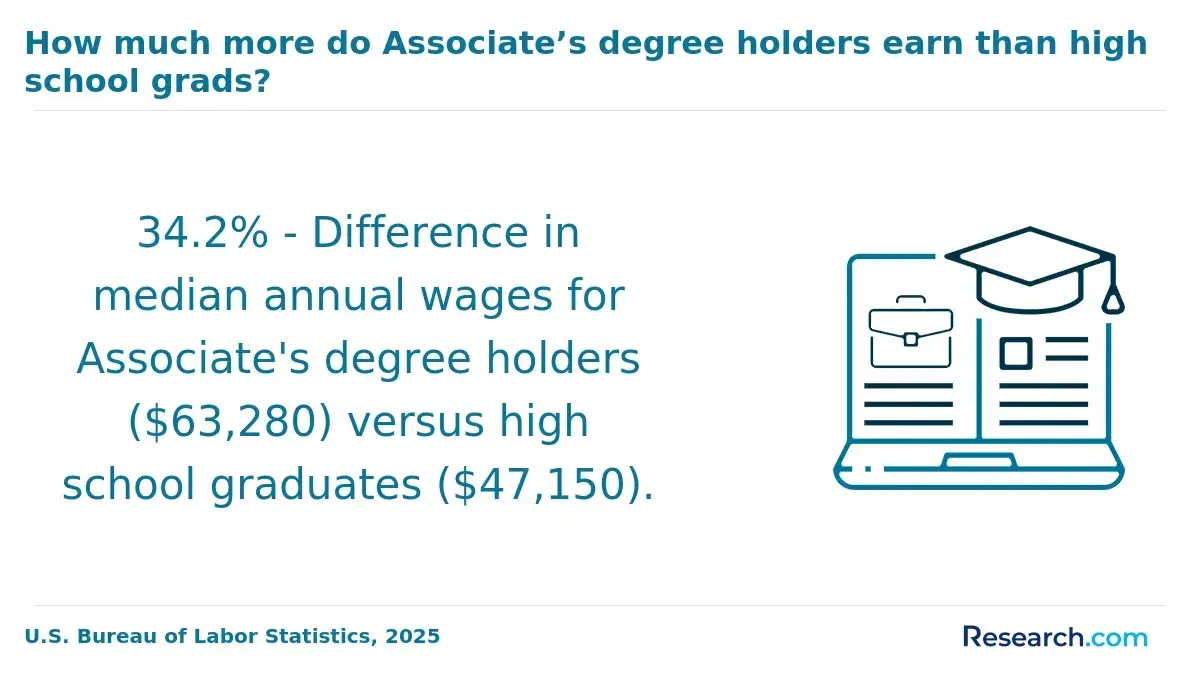
Which Entry-Level Social Psychology Jobs Lead to High-Paying Careers?
Entry-level social psychology jobs often serve as gateways to careers with substantial salary growth over time.
These foundational roles typically offer annual starting salaries ranging between $45,000 and $60,000. Such positions equip professionals with essential experience that supports advancement into well-compensated roles.
Below are some entry-level positions that are frequently linked to strong long-term earnings:
- Research Assistant: In this role, individuals collect and analyze behavioral data, gaining valuable insight into social interactions. The experience fosters skills that can lead to more senior research or analytical jobs with increased pay.
- Human Factors Specialist: Focused on optimizing interactions between people and technology, this position builds expertise valuable for roles in product design and behavioral consulting that typically offer higher salaries.
- Behavioral Data Analyst: By interpreting patterns in social data, these analysts contribute vital insights that inform key decisions. This work positions them well for promotion into senior analyst or leadership roles with enhanced compensation.
- Program Evaluator: Responsible for assessing social interventions, program evaluators provide important feedback on effectiveness. This experience serves as a foundation for more advanced roles with greater earning potential.
- Market Research Associate: Concentrating on consumer behavior, these associates analyze trends to guide strategic direction. The role often leads to senior market research or planning positions known for strong salary growth.
A new social psychology degree graduate shared reflections on the job search, describing it as both "challenging and eye-opening." He mentioned feeling uncertain initially but emphasized that gaining any relevant experience early on was critical.
"The toughest part was navigating all the options and figuring out which roles would actually help me grow financially," he said. This insight highlights the importance of selecting entry-level jobs carefully to build a pathway toward high-paying careers.
Employer Confidence in Online vs. In-Person Degree Skills, Global 2024

Long-term salary advancement in social psychology careers depends on a variety of workplace and career development factors that collectively shape earning potential.
These influences extend beyond initial roles, affecting compensation growth as professionals accumulate experience and navigate organizational structures.
Several vital elements contribute to how salaries evolve over time in this field, including the following:
- Experience and Career Growth: Building expertise and accumulating years in the profession typically open the door to larger responsibilities and higher earnings. Employers often reward those with proven performance, resulting in regular salary increases aligned with their expanding skill set.
- Organizational Position: Individuals holding leadership or decision-making roles generally experience stronger compensation growth. The greater an employee's influence within their group or institution, the more likely their salary trajectory will reflect that responsibility.
- Research Contributions: Professionals making significant academic or applied research advances often see this reflected in their pay. Recognition for influential projects or publications can enhance earning power within research-focused social psychology careers.
- External Market Conditions: Available funding and demand for social psychology expertise affect salary growth indirectly. Changes in economic support and resources may expand or limit opportunities for raises and promotions over time.
A professional with a social psychology degree shared that early in her career, navigating salary growth felt uncertain, especially when transitions between research projects occurred. She noted, "It wasn't just about what I knew, but how I positioned myself within my institution and network."
Over time, she realized that cultivating connections and maintaining a strong reputation opened doors to consulting roles and grant opportunities she hadn't anticipated. "Those experiences boosted my income more than I expected and taught me how dynamic salary growth really is in this field." Her journey illustrates the complex, multifaceted nature of long-term earnings in social psychology careers.
In social psychology careers, developing advanced skills and choosing focused specializations can notably enhance long-term salary growth.
Research shows that professionals with expertise in quantitative methods and applied research tend to earn about 20% more over a decade compared to those with broader, less specialized backgrounds. These targeted abilities increase a social psychologist's value to employers and open doors to higher-paying opportunities.
The following points highlight how specific skills and specializations influence salary progression in social psychology careers:
- Advanced Analytical Skills: Mastery in data analysis and experimental design improves the ability to conduct rigorous research and interpret complex behaviors. This proficiency typically results in higher compensation as such skills are critical for producing influential findings.
- Emerging Specializations: Expertise in areas like social neuroscience, health psychology, or organizational behavior attracts premium pay due to high demand and limited supply. These fields offer increased opportunities to work on impactful projects, which often translates to salary growth.
- Interdisciplinary Approaches: Combining social psychology with disciplines such as economics or technology fosters innovative problem-solving capabilities. This cross-disciplinary knowledge often leads to leadership roles and advanced positions that come with greater financial rewards.
- Applied Research Expertise: Skills focused on practical application of research enhance relevance to real-world challenges, making professionals indispensable to organizations. This relevance is frequently recognized with salary increases and career advancement.
Advanced degrees and certifications significantly affect long-term earnings in social psychology careers by often leading to expanded responsibilities and higher compensation. Those with graduate-level education, such as master's or doctoral degrees, typically experience greater wage growth compared to individuals holding only a bachelor's degree.
Research shows that professionals with doctoral degrees in psychology-related fields can earn roughly 20 to 30 percent more over their lifetime than their undergraduate-only counterparts. This wage premium reflects employers' recognition of specialized expertise, leadership potential, and advanced skills validated by certifications.
The influence of advanced education on salary varies across social psychology career paths, depending on specialization depth and professional requirements. For instance, individuals in applied research or organizational consulting may see immediate income benefits from certifications focused on data analysis or behavioral assessment.
Conversely, those pursuing tenured academic roles often gain the greatest financial rewards through a PhD combined with a strong publication record. Geographic factors, employer type, and specific subfields within social psychology also shape how advanced qualifications translate into sustained earning potential.
Job stability plays a key role in long-term salary growth in social psychology careers by allowing professionals to build experience, expertise, and a strong reputation over time. Consistent employment supports gradual income increases, with data from the U.S. Bureau of Labor Statistics showing that individuals who remain with the same employer for ten or more years often see wage growth rates nearly 20% higher than those who frequently change jobs.
This steady employment encourages a more predictable and sustained earnings progression, which is particularly important in social psychology roles where in-depth knowledge and ongoing project involvement are prized. The impact of consistent employment on earnings progression in social psychology jobs underlines how continuous work can contribute to financial stability and growth.
Stable employment history also shapes salary progression by enabling professionals to receive incremental raises and promotions tied to tenure and proven performance. Those with continuous social psychology work experience can negotiate higher pay, move into leadership positions, and benefit from merit-based salary increases more readily than peers with irregular employment.
This connection between job stability and developing salary trajectories highlights the advantage of minimizing gaps or frequent job changes. For students exploring pathways with the strongest long-term earning potential, it is valuable to consider how steady career progress mirrors overall financial advancement, much like programs designed for consistent professional training such as LPN programs near me.
Certain social psychology careers tend to reach their highest earning levels after a decade or more of professional experience.
Mid-to-late career compensation often reflects specialized expertise and leadership roles, with median incomes for seasoned professionals frequently surpassing $120,000 annually. This trend highlights the value of long-term commitment to social psychology-related fields.
Below are notable career paths known for strong salary potential after 10+ years in the field:
- Industrial-Organizational Psychologist: Professionals applying social psychology principles to workplace behavior and leadership often become senior consultants or executive coaches. Their expertise in organizational development commands salaries well above average for social sciences.
- Academic Research Leader: Senior faculty, department chairs, or principal investigators with extensive publication records and grant funding earn substantial compensation. These roles blend teaching, research, and administration, often on interdisciplinary projects.
- Government and Think Tank Specialist: Experienced social psychologists contribute to public policy, community programs, or marketing strategies based on behavioral insights. These applied roles tend to offer competitive salaries within both public and private sectors.
For those interested in related opportunities, exploring online medical assistant programs FAFSA approved can be useful for supplemental or complementary career skill development. These best long-term earning social psychology paths demonstrate how dedication and accumulated expertise contribute to salary growth and career maturity over time.
What Graduates Say About Social Psychology Degree Careers That Offer Long-Term Salary Growth
- Kian: "Choosing a social psychology degree was one of the best decisions I've made. It opened doors to careers not only rich in personal fulfillment but also promising in long-term salary growth. The blend of analytical skills and understanding human behavior proved invaluable in both corporate and research settings."
- Coleen: "Looking back, the ROI of my social psychology degree far exceeded my expectations. The knowledge I gained gave me a competitive edge in industries focused on consumer behavior and organizational development. It's rewarding to see how this degree translates into tangible career advancement and financial stability."
- Isaiah: "My career as a professional has been deeply shaped by my social psychology studies. The insights into social influence and group dynamics have enhanced my leadership capabilities and opened up roles with excellent salary potential. This degree isn't just academic; it's a real-world asset that continues to grow in value."
Other Things You Should Know About Social Psychology Degrees
A licensed psychologist usually needs a doctoral degree in psychology, such as a PhD or PsyD, plus supervised postdoctoral experience and a passing score on the Examination for Professional Practice in Psychology, or EPPP. State licensing boards set the exact hour and renewal rules.
Yes, the analytical and interpersonal skills developed in social psychology allow graduates to transition into areas like user experience (UX) design, counseling, policy analysis, and corporate training. These alternative paths may offer competitive salaries and opportunities for advancement, especially when combined with relevant certifications or further study.
Continuing education, such as pursuing a master's or doctorate, often correlates with higher earning potential and access to leadership roles. Specialized training in areas like quantitative methods or clinical applications can also enhance career mobility and salary growth. Lifelong learning helps professionals remain competitive in evolving job markets.
- Social Psychologist Career Overview https://www.verywellmind.com/what-is-a-social-psychologist-2795644
- Social Psychology Network https://www.socialpsychology.org/facq.htm
- 7 Highest-Paying Careers You Can Pursue With a Psychology Degree https://www.ndnu.edu/articles/psychology/seven-highest-paying-careers-you-can-pursue-with-a-psychology-degree.html
- 5 Top Paying Careers in Social Psychology https://www.bestcollegesonline.org/lists/5-top-paying-careers-in-social-psychology/
- Complete Social Psychologist Career Guide https://himalayas.app/career-guides/social-psychologist
- Social Psychology Career Pathways & Earnings https://collegeroi.org/roi/major/social-psychology/
- Social Psychologist Career https://www.mymajors.com/career/social-psychologist/salary/
- Fastest Growing Careers In Psychology | Psychology.org https://www.psychology.org/resources/fastest-growing-careers-in-psychology/
- How to Choose the Right Graduate Path for Your Psychology Career - Global Gurus https://globalgurus.org/how-to-choose-the-right-graduate-path-for-your-psychology-career/
- Entry Level Psychology Jobs - PsychologyJobs.com https://psychologyjobs.com/entry-level-psychology-jobs/