2027 What Careers Can You Pursue With a Social Psychology Degree? Salary Potential, Job Outlook, and Next Steps

Co-Founder and Chief Data Scientist
Considering a social psychology degree prompts questions about viable career options and earning potential. Recent graduates often wonder if roles like market research analyst, human resources specialist, or behavioral scientist offer competitive salaries or job stability. The Bureau of Labor Statistics projects a 10% growth in related psychology and social science occupations through 2032, reflecting rising demand in healthcare, education, and corporate sectors.
Navigating these industries requires insight into career paths, salary expectations, and actionable steps tailored to social psychology expertise. This article examines these factors to help students and graduates strategically plan their professional futures in this evolving field.
Key Things to Know About the Careers You Can Pursue With a Social Psychology Degree
- Careers with a social psychology degree span industries such as healthcare, marketing, human resources, and public policy, reflecting the field's broad applicability.
- Skills like data analysis, critical thinking, and understanding human behavior are highly transferable, supporting roles in research, counseling, and organizational development.
- Further education, including graduate degrees or certifications, often aligns with enhanced salary potential and expanded opportunities in academia, clinical practice, or leadership positions.
What careers can you pursue with a social psychology degree?
A social psychology degree opens doors to diverse career paths spanning industries such as business, research, and community services. Employment for psychologists and related roles is projected to increase by 8% from 2022 to 2032, reflecting expanding opportunities in this field. Such growth supports various high paying jobs with a social psychology degree across the United States.
Several roles leverage the knowledge and skills gained from a social psychology degree, including the following:
- Market Research Analyst: Professionals in this role analyze consumer behavior and social trends to help companies shape effective marketing strategies. Their understanding of social influence and group dynamics is critical to interpreting how communities respond to products and campaigns.
- Human Resources Specialist: HR specialists apply social psychology concepts to improve recruitment processes, manage employee relations, and cultivate positive workplace culture. Insight into social interactions enables better conflict resolution and team dynamics management.
- Social Science Researcher: These researchers design studies on attitudes and group behaviors, often partnering with universities or government agencies. Their application of social psychology theories provides valuable data and insights addressing societal challenges.
- Community Outreach Coordinator: Coordinators develop and implement programs that engage communities and encourage social cooperation. Using social psychology principles, they promote social change and strengthen community ties effectively.
Students interested in advancing their careers after a social psychology degree may also explore programs such as a DNP program to broaden their professional qualifications.
What are the highest-paying careers with a social psychology degree?
A degree in social psychology offers access to higher-paying career opportunities across multiple industries such as business, healthcare, and government. According to the U.S. Bureau of Labor Statistics, psychology-related careers show steady wage growth with several roles offering median salaries above the national average. Graduates with expertise in social behavior analysis are well-positioned for these roles.
Here are some of the top salary jobs for social psychology degree graduates:
- Industrial-Organizational Psychologist: These professionals use psychological principles to solve workplace issues and enhance productivity. Their annual salaries range from $70,000 to $140,000, drawing on social psychology to understand motivation and group dynamics.
- Market Research Analyst: Focused on consumer behavior and market trends, these analysts leverage social psychology in decision-making processes. They typically earn between $55,000 and $120,000 depending on experience and industry.
- User Experience (UX) Researcher: UX researchers apply social psychology to improve technology usability and user engagement. Salary ranges for this role fall between $65,000 and $130,000 per year.
- Human Factors Specialist: Working in sectors like aviation and healthcare, these specialists improve system design for safety and efficiency. Their earnings usually range from $75,000 to $135,000 annually.
- Healthcare Social Scientist: Applying social psychology to public health, these scientists examine behavior influencing health outcomes. Their salaries commonly range from $60,000 to $115,000.
This broad set of options reflects how a social psychology degree can lead to diverse careers with strong earning potential. For students interested in advancing within healthcare administration and related fields, exploring a masters in health administration may be a valuable next step.
What is the job outlook for social psychology degree careers?
Careers related to a social psychology degree are expected to experience steady growth as demand rises for professionals skilled in analyzing human behavior and social dynamics across various industries. Employers in healthcare, academia, government, and corporate sectors increasingly value expertise in data-driven decision-making and evidence-based practices, which suit social psychology graduates well.
The U.S. Bureau of Labor Statistics projects employment for psychologists, including social psychologists, to grow by about 6% between 2021 and 2031, reflecting steadily expanding needs in mental health, organizational consulting, and research fields.
As societal challenges grow more complex, organizations seek individuals who can translate social science insights into effective interventions that improve workplace culture and public programs. This steady demand underscores social psychology's relevance in both public and private sectors.
When I spoke with a professional holding a degree in social psychology, he described how navigating the job market initially felt overwhelming due to the broad range of opportunities and the need to distinguish oneself among applicants. He recalled spending significant time tailoring his resume to highlight not just academic achievements but also practical skills like data analysis and communication.
"It wasn't just about having the degree," he explained, "but about showing how I could apply what I learned to solve real-world problems." His experience underscored the importance of adaptability and continual learning in a field where interdisciplinary knowledge and evolving trends shape career paths.
A degree in social psychology develops versatile skills valued in many sectors, including marketing, healthcare, and public policy. These abilities center on analyzing human behavior within social environments, with over 85% of employers prioritizing candidates who demonstrate strong critical thinking and interpersonal capabilities. Graduates acquire competencies that enable them to interpret complex data and collaborate effectively in diverse workplaces.
The key skills learned through a social psychology program include:
- Critical Thinking and Analysis: Students learn to assess theories and evaluate research by interpreting data carefully and identifying potential biases. Coursework challenges them to draw well-supported conclusions from social science studies.
- Research Design and Statistics: Hands-on experience in designing experiments and using statistical methods helps students understand social phenomena more deeply. Classes emphasize practical application of data collection and analysis techniques.
- Communication and Collaboration: Through presentations, group discussions, and writing projects, students refine their ability to express ideas clearly and work effectively with others in team settings.
- Empathy and Cultural Insight: Exposure to diverse social groups enhances sensitivity to cultural differences, aiding in roles involving counseling, community projects, and managing social dynamics.
- Problem-Solving Strategies: Examining social issues enhances students' capability to develop innovative solutions and adapt their approaches to real-world challenges.
A social psychology degree graduate described how navigating complex research projects taught her patience and the value of methodological rigor. She recalled moments of frustration working through ambiguous results but emphasized the satisfaction that came from collaborating with peers to interpret findings thoughtfully. This experience, she noted, sharpened her ability to remain analytical under pressure and strengthened her confidence in applying social insights to solve practical problems.
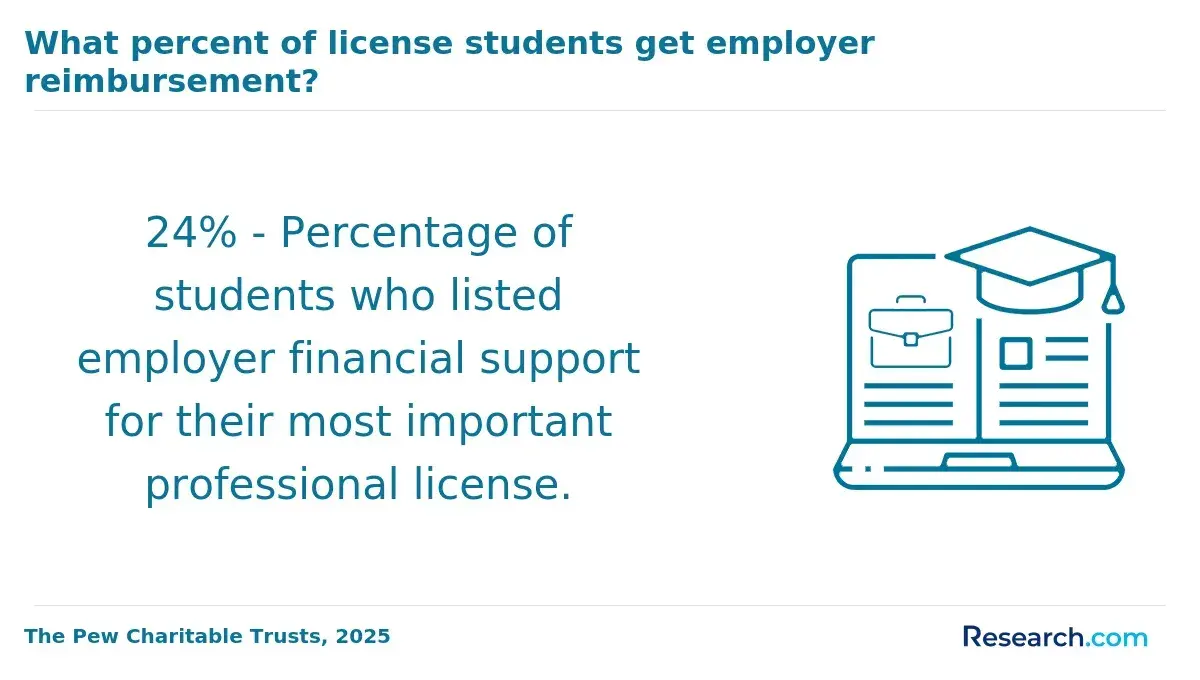
Many careers related to social psychology require advanced education or certifications beyond a bachelor's degree to demonstrate expertise, ethical responsibility, and professional readiness. The U.S. Bureau of Labor Statistics reports that over 60% of psychology-related jobs demand a master's or doctoral degree, highlighting the critical role of postgraduate qualifications. These credentials ensure specialists meet rigorous standards in their respective fields.
Several careers tied to social psychology typically need these additional credentials:
- Clinical Psychologist: Holds a doctoral degree (PhD or PsyD) and state licensure to diagnose and treat mental health disorders, ensuring adherence to ethical and professional guidelines.
- Industrial-Organizational Psychologist: Requires a master's or doctoral degree with certifications to analyze workplace behavior and improve organizational effectiveness.
- Licensed Professional Counselor (LPC): Needs a master's in counseling or psychology and state licensure to provide mental health therapy and support clients ethically.
- School Psychologist: Often holds a specialist-level degree (EdS) or higher and certification, enabling them to conduct assessments and interventions in education settings.
- Health Psychologist: Typically completes a doctoral degree plus certification to study psychological influences on physical health and guide wellness programs.
These advanced degrees and certifications equip social psychology professionals with essential theoretical knowledge and clinical skills. Licensure also protects public safety by ensuring practitioners uphold established standards and ethical principles in their work.
What Graduates Say About the Careers You Can Pursue With a Social Psychology Degree
- Otto: "Choosing to study social psychology was driven by my fascination with how people's behavior is influenced by their social environments. After graduation, I realized the degree opened doors to diverse careers-from market research to human resources-each allowing me to apply my understanding of group dynamics in meaningful ways. This background has been invaluable, especially in my role designing programs that foster positive workplace culture."
- Colsen: "Reflecting on my journey, earning a degree in social psychology gave me crucial insights into social interaction and persuasion, which guided my decision to pursue a career in public policy. The analytical skills I developed helped me evaluate social programs' effectiveness and advocate for evidence-based solutions. This degree didn't just provide knowledge; it empowered me to make impactful decisions that benefit communities."
- Isaiah: "Studying social psychology challenged me to look beyond individual behavior and consider the broader social context affecting it. Initially unsure about my career path, I found opportunities in organizational consulting where I use my expertise to improve team collaboration and productivity. The degree's emphasis on research methods and theory has been a strong foundation for my professional growth and success."
Other Things You Should Know About Social Psychology Degrees
A social psychology degree equips graduates with an understanding of group dynamics, interpersonal behavior, and social influence, which are crucial in organizational settings. This knowledge helps in roles like human resources, organizational development, and employee training, where improving workplace communication and culture is key.
Yes, graduates with a social psychology background can contribute to public policy and advocacy by applying insights about social behavior and attitudes to design effective campaigns and interventions. Their skills help in evaluating public opinion, promoting social change, and understanding community needs.
Most research roles in social psychology prefer a master’s degree or PhD, especially for lead analyst or research scientist positions. A graduate degree in social psychology, psychology, or applied social science is common, and positions involving human-subjects research often require IRB training and experience with SPSS, R, or survey platforms.
In 2027, social psychology graduates can leverage their understanding of human behavior and influence in marketing roles by analyzing consumer behavior, developing targeted strategies, and improving brand engagement through research on social influence, persuasion, and group dynamics.
- 4 Psychology Career Options to Explore https://gsep.pepperdine.edu/blog/posts/4-psychology-career-options-to-explore.htm
- Career Paths in Psychology to Help You Get Started https://www.snhu.edu/about-us/newsroom/social-sciences/psychology-entry-level-jobs-to-start-your-career
- Transferable skills from your psychology degree | BPS https://www.bps.org.uk/blog/transferable-skills-your-psychology-degree
- Social Psychology Career Pathways & Earnings https://collegeroi.org/roi/major/social-psychology/
- Entry Level Psychology Jobs - PsychologyJobs.com https://psychologyjobs.com/entry-level-psychology-jobs/
- Social Psychology Network https://www.socialpsychology.org/facq.htm
- Non-Academic Careers https://spsp.org/membership/resource-hub/nonacademic
- Social Psychologist Career Overview https://www.verywellmind.com/what-is-a-social-psychologist-2795644
- 48 Jobs You Can Get with a Psychology Degree - Mid-Atlantic Christian University https://www.macuniversity.edu/48-jobs-you-can-get-with-a-psychology-degree/