2027 Which Social Psychology Degree Careers Have the Highest Barriers to Entry?

Co-Founder and Chief Data Scientist
A recent graduate aiming for a clinical social psychology role found the licensing process far more demanding than expected. Beyond a master's degree, many positions require a doctoral degree, supervised clinical hours, and passing strict exams. With the U. S. Bureau of Labor Statistics projecting a 19% growth in clinical, counseling, and school psychologist jobs from 2022 to 2032, competition is intensifying. Careers in social psychology range widely in accessibility, but some demand far greater credentials and experience. This article examines which social psychology degree careers have the highest barriers to entry and explains the factors that contribute to these challenges.
Key Things to Know About Social Psychology Careers With the Highest Barriers to Entry
- Advanced social psychology roles typically require doctoral degrees, with over 60% of candidates holding PhDs, reflecting the field's emphasis on extensive education and research training.
- Highly competitive hiring standards favor candidates with published research, teaching experience, and specialized expertise, limiting access for less-prepared applicants.
- Strict credentialing includes licensure for clinical practice and significant postdoctoral experience, serving as critical gatekeepers for career entry and progression.
Which Social Psychology Careers Are Hardest to Get Into?
Certain careers within social psychology are known for their high selectivity and scarce opportunities, making them particularly difficult to enter. For example, the ratio of applicants to available positions in some fields can exceed 10:1, highlighting the intense competition aspiring professionals face. These challenges are especially prevalent in roles where demand far exceeds supply.
Below are several career paths widely regarded as some of the most competitive in social psychology:
- University Professor: Tenure-track academic positions are limited and highly sought after, with many candidates competing for few openings. The scarcity of these roles creates significant barriers for those aiming for a long-term research and teaching career within social psychology departments.
- Research Psychologist: Positions funded by prominent institutions or government bodies attract highly qualified applicants worldwide. With strict quotas and a limited number of roles, securing one of these jobs demands surpassing a pool of talented competitors.
- Clinical Social Psychologist: Specialized areas such as behavioral health or forensic settings have fewer openings tailored to niche research interests. This restricts opportunities and increases the difficulty of gaining entry into these clinical roles.
- Policy Advisor: Jobs involving social psychological insights in public policy or corporate strategy require candidates to fit precise organizational goals. This alignment necessity narrows the candidate pool dramatically, reducing available positions.
- Research Center Leader: Leadership roles at major social science institutes or think tanks combine managerial skills with deep domain expertise. The limited nature of these senior posts attracts highly accomplished professionals, raising the barriers for newcomers.
Individuals interested in pursuing social psychology careers with highest barriers to entry should carefully consider these competitive paths when planning their professional trajectory. Additionally, those seeking alternative educational opportunities may find value in a 4 week online course for medical coding and billing cost as part of broadening their qualifications and options.
What Academic Requirements Make Social Psychology Careers Harder to Enter?
Academic requirements pose significant barriers to entering social psychology careers, especially when roles demand extensive education or specialized study. In fact, nearly 70% of advanced social psychology positions require at least a master's degree. These requirements can limit access by increasing the time and resources needed to qualify for professional opportunities.
Several specific academic challenges commonly make entry into social psychology more difficult. These include:
- Advanced Degrees: Many careers in social psychology require a master's or doctoral degree, which entails several years of graduate study beyond a bachelor's degree. This extended timeline can delay entry or discourage prospective candidates.
- Specialized Coursework: Candidates often must complete courses focused on complex subjects such as group dynamics, statistical methods, or cognitive processes, requiring strong foundations in psychology and research methodology.
- Research Projects: Graduate programs typically require completion of a thesis or dissertation, demanding academic rigor, critical thinking, and original contributions to the field, which prolongs study periods.
- Prerequisite Courses: Admission to advanced social psychology programs frequently depends on prior completion of foundational courses, adding to both the duration and cost before focused study begins.
- Technical Proficiency: Some programs mandate skills in advanced statistical software or experimental design methods, adding another layer of specialization and complexity.
What Certifications Are Required for Social Psychology Careers?
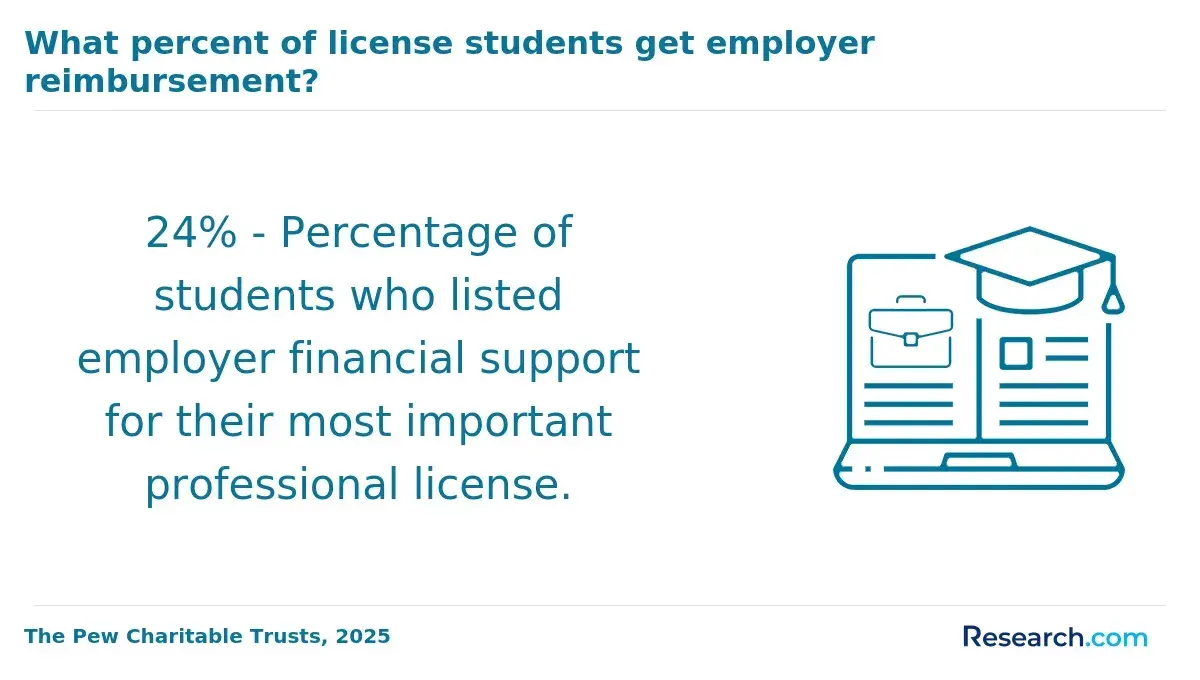
Certifications are essential formal requirements for many careers within social psychology, often serving as mandatory credentials for professional practice and specialization. These credentials ensure that practitioners meet established standards and can legally perform specific roles. Research indicates that more than 80% of job listings in mental health and behavioral sciences specify the need for certification or licensure.
The following certifications highlight common credentialing demands that shape access to various social psychology professions:
- Licensed Clinical Social Worker (LCSW): This credential authorizes professionals to deliver psychotherapy and clinical interventions, establishing them as qualified mental health therapists.
- Certified Behavior Analyst (CBA): Focused on behavioral assessment and intervention, this certification is crucial for those working in applied behavior analysis and ensures adherence to professional standards.
- Board Certified Psychologist (BCP): Validates expertise in psychological evaluation and treatment, often necessary for advanced clinical roles requiring specialized assessment skills.
- Certified Group Psychotherapist (CGP): Recognizes proficiency in group therapy, important for professionals who specialize in social dynamics and group-focused interventions.
These certifications not only establish minimum competency but also act as regulatory gates that can delay or complicate entry into the field. They play a vital role in protecting clients by ensuring only qualified individuals provide psychological services, thereby elevating barriers to career entry.
When discussing the real-world impact of these requirements, a social psychology degree graduate shared that the certification process felt daunting and at times overwhelming. He described how juggling exam preparations, continuing education demands, and navigating ethical codes "added layers of complexity" beyond academic studies. The graduate emphasized that while certification ultimately provided professional credibility and client trust, the path required determination and patience, stating, "It wasn't just about knowledge - it was about proving you could uphold a standard every day."
Careers in social psychology that are highly selective demand a mix of advanced and specialized abilities. These competencies play a significant role in the competitive nature of hiring, as many employers seek candidates with proven expertise capable of applying complex theories to real-world situations. Industry research shows that more than 70% of employers emphasize skill mastery when assessing candidates for social psychology roles.
The following skills often present major barriers to entry in this field:
- Analytical Thinking: The capacity to carefully evaluate data, detect trends, and integrate insights is crucial for designing rigorous research and developing theoretical frameworks. Precision and meticulousness are essential, making this skill a considerable challenge.
- Quantitative Research: Proficiency in statistical methods and data analysis tools is vital for conducting empirical research. Strong technical knowledge minimizes errors and enhances study validity, thus raising the difficulty of gaining competence.
- Effective Communication: Clearly conveying intricate ideas to diverse audiences, including academics and policymakers, is important for disseminating findings and influencing decisions. Mastery of this skill adds complexity to professional demands.
- Problem-Solving: Addressing subtle social behaviors necessitates creative thinking and flexibility. Finding novel solutions in uncertain contexts requires both intellectual agility and practical judgment.
When I spoke to a professional with a social psychology degree about the skills required for challenging careers, she reflected on the ongoing effort involved: "It wasn't just about mastering theories but learning to translate them under pressure into actionable insights that made a difference." She described moments of frustration when nuanced data didn't fit expected patterns, but said, "Persistence in refining my analytical skills and communication gradually built my confidence." Her experience highlighted how emotional resilience paired with continuous learning is as vital as technical expertise in overcoming career hurdles.
Barriers to entering careers in social psychology differ widely across various industries, shaped by the specific demands and operational settings within each field. Some sectors enforce more stringent entry points than others due to the sensitivity of their work or institutional protocols.
Below are some examples of industries where social psychology careers tend to have increased entry challenges:
- Healthcare and Clinical Settings: These fields involve work that directly affects patient well-being, triggering extensive ethical guidelines and oversight. Such environments require adherence to strict standards that restrict easy access to related social psychology positions.
- Government and Policy Agencies: Roles connected to policy formulation or national research are often subject to bureaucratic hurdles and security procedures. This adds layers of complexity that raise the difficulty of gaining entry.
- Academic and Research Institutions: This environment prioritizes rigorous scientific contribution and peer review, making it competitive for social psychologists who must demonstrate significant research impact to join.
- Corporate Sector and Consumer Behavior Analysis: Specialized functions here demand conformity with proprietary methods and regulatory compliance. This narrows the pathway for newcomers despite the sector's broad scope.
- Legal and Forensic Fields: Social psychology careers related to legal proceedings require verified expertise and trustworthy credentials because of the sensitive and high-stakes nature of investigations and testimony.
Each industry's unique structural and procedural demands contribute to elevated barriers for social psychology professionals seeking to enter these specialized arenas.
Geographic location significantly impacts the entry barriers for careers in social psychology, as state and regional differences shape regulatory and workforce standards. These variations can influence how accessible certain professional roles are, depending on local rules and market demands. Research shows that about 40% of social psychology-related roles in some states require additional state-specific licensure beyond national certifications, underscoring these regional disparities.
Several regional factors contribute to stricter requirements in social psychology careers, including:
- Licensing Variability: States differ widely in licensing and certification regulations, with some imposing more stringent criteria that can delay professional entry or require extra credentials.
- Workforce Demand: Urban areas often have tighter certification standards due to competitive job markets, while rural regions may have fewer formal demands but limited opportunities overall.
- Regulatory Oversight: The presence and authority level of state oversight boards vary significantly, affecting how rigorously entry prerequisites are enforced in different locations.
- Educational Program Recognition: Approved training facilities and recognized educational programs can differ by state, impacting whether professionals meet local qualification standards.
- Economic and Demographic Factors: Regional economic health and population dynamics influence professional needs, often leading to more comprehensive requirements in states with extensive social service regulations.
These geographic and regulatory differences create a complex landscape that social psychology graduates must navigate when pursuing careers in various parts of the country.
What Graduates Say About Social Psychology Careers With the Highest Barriers to Entry
- Otto: "Choosing a social psychology degree felt like stepping into a complex field with high barriers, but it was a decision I've never regretted. Understanding human behavior on a deeper level gave me a unique edge, though I had to actively seek internships and research opportunities to stand out. This foundation has profoundly shaped my approach to conflict resolution in my current role."
- Colsen: "Reflecting on my journey, the path to a social psychology career required persistence and strategic networking, especially given the challenges in entering research-heavy roles. I invested time in specialized workshops and volunteer experiences that enhanced my qualifications beyond the classroom. The degree's impact is undeniable, allowing me to influence organizational culture with well-grounded psychological insights."
- Isaiah: "From a professional standpoint, the social psychology degree opened doors that I initially thought were closed due to its demanding nature. I learned to embrace continuous learning and mentorship as key strategies to boost my career prospects. Ultimately, this degree has empowered me to contribute meaningfully to mental health programs, emphasizing the practical application of theory in everyday settings."
Other Things You Should Know About Social Psychology Degrees
In 2027, funding availability significantly impacts the ease of entering demanding social psychology careers. Securing grants is crucial for research roles, as it supports projects and enhances academic reputation, making it a key factor in overcoming entry barriers.
Most independent clinical practice roles require passing the Examination for Professional Practice in Psychology, or EPPP, before licensure. The Association of State and Provincial Psychology Boards sets the exam, and most U.S. jurisdictions also require supervised postdoctoral hours and a state board application.
Publishing research in reputable journals and gaining peer recognition are essential components for advancing in challenging social psychology careers. These accomplishments establish credibility and can open doors to prestigious positions and leadership roles. Regular contributions to the field through research papers and conference presentations are often expected.
Interdisciplinary skills are increasingly important for social psychology careers with high barriers to entry, as many roles require integrating knowledge from fields like sociology, neuroscience, and statistics. Professionals who can apply diverse methodologies and collaborate across disciplines tend to be more competitive and better equipped to address complex social issues.
- Top 5 Highest-Paying Psychology Careers - Rivier Academics https://www.rivier.edu/academics/online/resources/program-resources/top-5-highest-paying-psychology-careers-rivier-university/
- 7 Highest-Paying Careers You Can Pursue With a Psychology Degree https://www.ndnu.edu/articles/psychology/seven-highest-paying-careers-you-can-pursue-with-a-psychology-degree.html
- Certificate in Social Psychology https://www.lsbronline.com/course/certificate-in-social-psychology/
- What Certifications Can I Get With A Bachelor's In Psychology? https://www.psychology.org/resources/certification-skills-for-psychology-major-resumes/
- Psychology Core Skills - Careers in Psychology https://careersinpsychology.org.au/taking-action-towards-your-career/psychology-core-skills/
- Non-Academic Careers https://spsp.org/membership/resource-hub/nonacademic
- 14 Exciting Psychology Careers in High Demand https://www.ucumberlands.edu/blog/14-exciting-psychology-careers-high-demand
- The Best (& Worst) States for Psychologists in 2024 https://www.berxi.com/resources/articles/best-states-for-psychologists/
- How To Get Work Experience for Psychology https://www.savemyexams.com/learning-hub/careers/how-to-get-psychology-work-experience/
- Tech-industry careers for psychologists [How-to] - Cognition Today https://cognitiontoday.com/tech-industry-careers-for-psychologists/