
2027 Are Too Many Students Choosing Social Psychology? Oversaturation, Competition, and Hiring Reality

Co-Founder and Chief Data Scientist
A recent graduate with a master's degree in social psychology faces intense competition for research coordinator positions as universities and nonprofits receive hundreds of applications per opening. Despite a 25% increase in social psychology degree awards over the past five years, hiring rates for entry-level roles have remained stagnant.
This imbalance raises concerns about oversaturation within the field. Typical social psychology roles-ranging from academic research to applied behavioral analysis-are now harder to secure due to evolving employer expectations and economic constraints.
This article explores the oversupply of candidates, competitive pressures, and the real prospects of employment to help prospective students make informed decisions.
Key Things to Know About the Oversaturation, Competition, and Hiring Reality in the Social Psychology Field
- Rising numbers of social psychology graduates have led to increased job market saturation, with some regions reporting 15% more candidates than available entry-level positions.
- Heightened competition forces employers to raise hiring standards, emphasizing unique research skills and advanced methodologies to differentiate candidates.
- Understanding current industry trends and employment data helps graduates set realistic career goals and seek opportunities beyond traditional academic roles.
Is the Social Psychology Field Oversaturated With Graduates?
Oversaturation in the social psychology field occurs when the number of graduates entering the workforce significantly exceeds the available job opportunities. Each year, social psychology programs in the United States produce around 2,000 advanced degree holders, while direct job openings typically number fewer than 700.
This imbalance creates a competitive environment where many qualified candidates vie for relatively few positions. The resulting supply-demand gap influences both hiring practices and career development within the field.
Increased competition among candidates drives a noticeable shift in hiring expectations, with a stronger focus on specialized research experience, publications, and interdisciplinary skills.
Employers often face difficulty distinguishing among similarly qualified applicants, leading to more rigorous and lengthy selection processes. As a result, candidates must often demonstrate unique contributions or niche expertise to stand out in this crowded market. This heightened demand for distinction has become a defining feature of recruitment in social psychology today.
What Makes Social Psychology an Attractive Degree Choice?
Social psychology remains a highly appealing degree choice, with enrollment increasing by roughly 15% over the last decade. This trend highlights a sustained student interest in exploring human behavior within social contexts despite concerns about oversaturation in related fields. As students weigh the benefits of studying social psychology, many appreciate its diverse applications and foundational training.
The appeal of social psychology as a field of study is reflected in several core factors:
- Versatility: The skills and knowledge from a social psychology degree extend across multiple fields including education, marketing, health, and community development. This versatility helps students apply their learning to a wide range of real-world social issues.
- Broad Applicability: Social psychology explores how social environments influence individual behavior, providing insights valuable in everyday interactions, organizational settings, and policy formulation. This broad base attracts students interested in multiple disciplines.
- Strong Foundation: Students gain rigorous training in research methods, statistics, and experimental design. This foundation not only supports analytical thinking but also prepares learners for advanced graduate work or varied professional environments.
- Alignment With Curiosity: Many students are driven by an intrinsic curiosity about how social influences shape attitudes, decisions, and group dynamics, making the subject personally engaging and relevant to societal challenges.
For those interested in exploring related options, an online pharmacy degree also offers diverse career opportunities within healthcare. In summary, choosing social psychology allows students to engage deeply with human behavior while developing versatile skills applicable to numerous career paths.
What Are the Job Prospects for Social Psychology Graduates?
Job opportunities for social psychology graduates are varied but often limited to broader psychology or social science roles rather than positions explicitly labeled within the discipline. Employment in psychology-related fields is projected to grow by approximately 8% over the next decade, matching the average growth rate across all jobs. However, competition remains considerable, especially for academic and research positions.
Several positions typically pursued by social psychology graduates highlight diverse career pathways and demand levels:
- Research Analyst: These roles, often in academic or governmental settings, focus on studying social behavior and trends. While steady in organizations prioritizing behavioral research, securing these positions depends heavily on available funding and grant cycles.
- Market Research Specialist: Graduates use social psychology expertise to analyze consumer behavior and assist businesses with marketing strategies. This area sees moderate and fluctuating demand, especially in sectors centered on consumer insights and new product development.
- Human Factors Specialist: This role applies principles of social psychology to enhance user experience and ergonomic design, often within technological or product-focused industries. Growth aligns closely with advancements in technology and an increasing emphasis on user-centered approaches.
- Organizational Development Consultant: Consultants leverage social psychology to improve workplace culture, leadership, and training programs. Demand tends to be stable, with opportunities both in consulting firms and corporate environments.
- Academic Positions: University faculty roles are competitive and generally require a PhD along with a strong publication record. Many graduates initially work in postdoctoral or adjunct positions before obtaining tenure-track appointments.
A social psychology degree graduate shared their experience, noting that the job search was 'more challenging than expected,' especially when aiming for academic roles.
They described applying to numerous positions over several years, often feeling disheartened by the intense competition and requirement for advanced qualifications. Transitioning into applied research roles offered some relief, but the process underscored the importance of persistence and flexibility in navigating this job market.
The social psychology job market is intensely competitive, driven by a growing influx of graduates vying for a limited number of roles. In tenure-track positions at research universities, applicant-to-position ratios may surpass 100:1, reflecting extremely selective hiring standards.
Entry-level jobs, including postdoctoral and assistant professor roles, attract the most candidates, while specialized positions see fewer applicants but often demand niche skills. Overall, the availability of roles fails to keep pace with the rising number of qualified candidates, making the competition stiff across the board.
Competition levels differ notably by sector and job type. Academic jobs at top-tier institutions are the most sought-after due to restricted openings and expectations for strong research and teaching credentials.
Roles outside academia, such as those in government or private organizations, tend to emphasize applied skills like quantitative analysis or policy evaluation, which may not align with all social psychology training. Consequently, demand is uneven, with some sectors experiencing bottlenecks while others face skill-driven selectivity.
A professional with a social psychology degree shared her personal perspective on the market's competitiveness. She recalled the relentless application process, submitting numerous detailed proposals and preparing for multiple rounds of interviews.
"It felt like being in a constant race where every detail mattered," she reflected, highlighting how the pressure to demonstrate both academic excellence and practical expertise was always present. Despite the challenges, she appreciated the opportunity to refine her focus and remain adaptable, noting that perseverance and a broad skill set helped her navigate this crowded field.
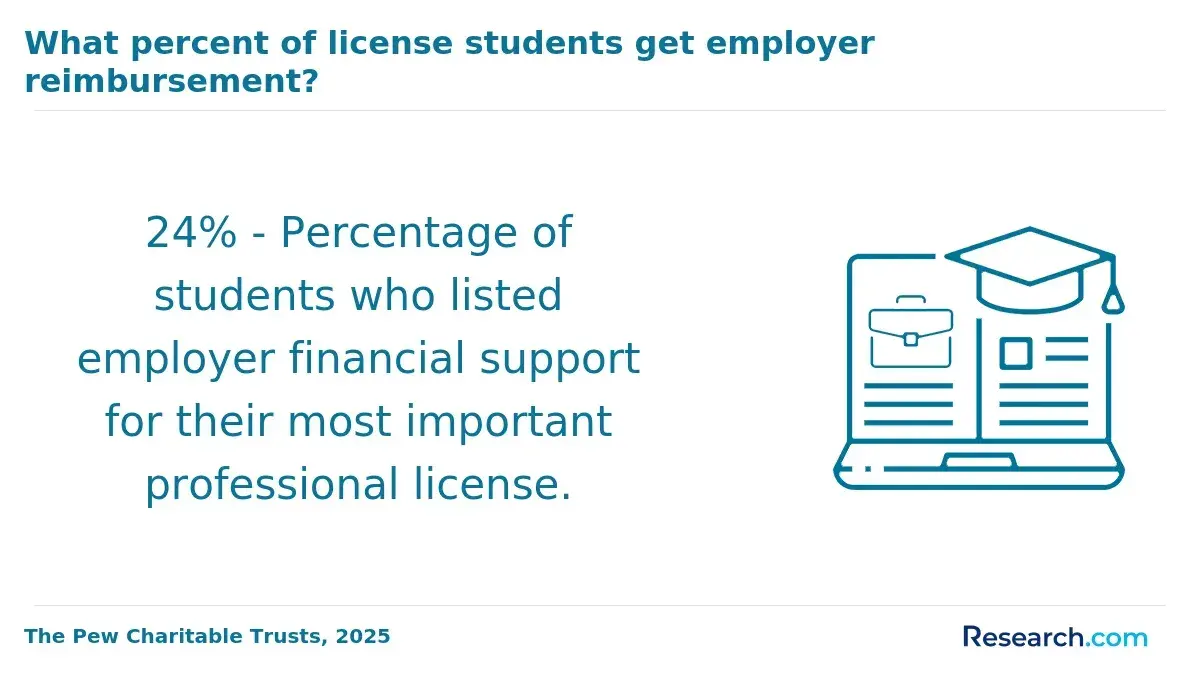
Salary levels significantly influence job market saturation within social psychology fields by drawing candidates toward higher-paying positions, which increases competition. For instance, applied research or corporate consulting roles in social psychology often offer salaries ranging from $70,000 to $90,000 annually, attracting many graduates eager to secure these lucrative opportunities.
In contrast, lower-paying roles, such as academic adjunct positions or community-based program jobs, receive fewer applicants despite ongoing demand. These less financially rewarding roles can remain consistently understaffed, creating an uneven job landscape.
Such salary disparities shape where oversaturation tends to occur, concentrating applicants in higher-paying social psychology sectors and intensifying competition for these positions.
Meanwhile, fields offering lower compensation often experience shortages, as fewer candidates pursue them despite available vacancies. This dynamic means that market saturation in social psychology is uneven and largely driven by financial incentives, channeling talent toward well-remunerated roles and leaving other areas less contested.
What Graduates Say About the Oversaturation, Competition, and Hiring Reality in the Social Psychology Field
- Otto: "Graduating with a degree in social psychology opened my eyes to the harsh realities of the job market. I quickly realized that the field is oversaturated, making it vital to find ways to differentiate myself through specialized skills and practical experience. Despite the competition, the insights I gained about human behavior have been invaluable in various roles beyond traditional psychology careers."
- Colsen: "Reflecting on my journey, I understand now that entering social psychology means facing a highly competitive environment where opportunities are limited for fresh graduates. I decided to pursue alternative paths, leveraging my degree to work in related sectors like marketing and community outreach, which are less crowded yet still rewarding. This flexibility was crucial for carving out a sustainable career that benefits from my academic background."
- Isaiah: "Social psychology has profoundly influenced my professional growth, but the hiring landscape is tough, especially for newcomers. I had to be strategic by identifying niche areas within the discipline to stand out and secure a position. Accepting the reality of competition early helped me adapt and appreciate how versatile a social psychology degree can be when used creatively."
Other Things You Should Know About Social Psychology Degrees
Yes. Most university social psychology hires are reviewed through tenure-track procedures, with search committees screening CVs, research fit, teaching record, and publication quality. Finalists often complete campus visits, and offers move only after dean and provost approval, which can add several weeks.
Postdoctoral positions are common stepping stones but they increase competition by creating a bottleneck where many recent PhDs compete for fewer permanent jobs. This extension of training periods can lead to delayed career stability and increased competition for tenure-track roles.
Job availability varies significantly by geographic location, with urban centers and regions with high concentrations of universities offering more opportunities. However, competition remains high in these areas, while rural or less populated regions often have fewer positions but also less applicant interest.
Networking and professional relationships are critical in the social psychology job market due to the discipline's reliance on collaborative projects and grant funding. Active participation in conferences, workshops, and academic societies can improve visibility and access to job openings not widely advertised.
- Social Psychology Network https://www.socialpsychology.org/facq.htm
- Master these 3 social skills to succeed at work, says Ivy League psychologist: They make you 'more employable' https://www.cnbc.com/2025/10/20/master-these-3-social-skills-to-succeed-at-work-says-ivy-league-psychologist.html
- Social Psychology Studies How We Interact With the World https://www.verywellmind.com/things-you-should-know-about-social-psychology-2795903
- SOCIALPRESS | Media społecznościowe w praktyce https://socialpress.pl/
- Reasons to study psychology https://usic.sheffield.ac.uk/blog/reasons-to-study-psychology
- What Can You Do With A Psychology Degree? | Psychology.org https://www.psychology.org/resources/alternative-careers-for-psychology-majors/
- Psychology In Recruitment: 5 Lessons To Improve Your Performance - Pentasia https://www.pentasia.com/blog/-psychology-in-recruitment-5-lessons-to-improve-your-performance-199
- Careers in Psychology and Social Science degrees | Edology https://www.edology.com/career-hub/psychology-social-careers


