2027 Return on Investment of an Online Geosciences Bachelor's Degree: Salary vs Cost

Co-Founder and Chief Data Scientist
Individuals considering an online geosciences bachelor's degree often face uncertainty about whether the investment justifies potential earnings. Many worry about balancing tuition costs against salary increases in a competitive job market. Recent data shows that graduates with a geosciences degree see a median salary boost of approximately 15% compared to those without specialized education in this field.
However, the flexibility and reduced expenses of online programs may alter traditional return-on-investment calculations. This article examines salary outcomes versus education costs, helping prospective students make informed decisions about pursuing an online geosciences bachelor's degree amid evolving industry and education trends.
Key Things to Know About the Return on Investment of an Online Geosciences Bachelor's Degree
- Real tuition costs for online geosciences bachelor's degrees average between $15,000 and $30,000-significantly lower than traditional programs-making them accessible for budget-conscious students.
- Graduates see median salaries around $60,000 annually, aligning with BLS data, offering a competitive return considering the relatively affordable tuition.
- Non-financial benefits include enhanced career advancement, greater job security amid growing environmental demands, and expanded professional development opportunities in STEM fields.
What is the true cost of earning an online geosciences bachelor's degree from enrollment to graduation?
Calculating the true cost of earning an online geosciences bachelor's degree involves considering a variety of direct and indirect expenses. Tuition fees represent the largest portion, with published rates ranging from $15,000 to over $40,000 for the entire program.
Many students benefit from scholarships, grants, and federal aid that significantly reduce these costs, making the net price often much lower than the sticker price. This variation is key to understanding online geosciences bachelor's degree tuition costs effectively.
- Tuition Fees: Online geosciences bachelor's programs typically cost between $15,000 and $40,000; however, financial aid, scholarships, and grants can lower the net price substantially for many students.
- Technology and Online Fees: Most institutions charge mandatory fees ranging from $300 to $1,200 annually for online platform access, technology use, and digital learning resources.
- Textbooks and Course Materials: Specialized textbooks and software licenses add between $1,200 and $2,000 over the course duration; some courses mitigate costs using digital or open educational resources.
- Proctoring and Exam Fees: Remote exam proctoring typically costs $50 to $150 per exam, which can accumulate significantly depending on the number of courses.
When these components are combined, the total expenses of earning an online geosciences degree usually fall between $20,000 and $50,000 after financial aid. This range reflects differences in institution type, residency status, and available scholarships.
First-generation college students, career changers, and working professionals should use these figures to assess their potential return on investment by comparing costs with verified salary data from the Bureau of Labor Statistics and other sources. Additionally, evaluating the most useful degrees in terms of long-term career growth, job security, and professional development is crucial for making an informed decision.
How does the starting salary for geosciences bachelor's degree graduates compare to the total cost of the degree?
The median annual wage for entry-level roles in geosciences-related fields such as geoscientists, environmental scientists, and hydrologists is approximately $57,000, based on data from the Bureau of Labor Statistics Occupational Outlook Handbook.
When evaluating the total cost versus salary return on geosciences degree investments, the total expense of an online geosciences bachelor's degree can range from about $15,000 with significant financial aid to $40,000 or more for programs with higher tuition and fewer discounts.
In a best-case scenario where total costs are near $15,000, graduates can recover their investment in roughly three to four months of starting salary. For those facing the worst-case scenario with $40,000 in expenses, it may take close to nine months of salary to break even. This comparison helps first-generation college students and working professionals assess how quickly they might see returns on their education while considering their budget constraints.
Importantly, the starting salary is only the beginning. Geosciences careers often see wage growth into mid-career, with salaries rising to between $90,000 and $110,000 annually or more. This long-term potential supports career advancement, professional development, and overall financial security, making the degree valuable beyond immediate returns.
For prospective students balancing cost and career goals, exploring options such as executive MBA online programs may offer alternative pathways to advancement alongside geosciences credentials.
- Starting Salary Benchmark: Median entry-level geoscience roles pay about $57,000 annually, offering a solid initial income for graduates.
- Cost Variation Impact: Total degree costs range from $15,000 to $40,000, dramatically affecting how quickly students recoup their investment.
- Payback Period: Best-case students recover costs within 3 to 4 months of salary; worst case may take up to 9 months, emphasizing the importance of financial planning.
- Salary Growth Potential: Long-term salary increases enhance return on investment, supporting both financial security and career advancement.
- Beyond Finances: Job security and professional development opportunities add important value to the degree that isn't captured by salary alone.
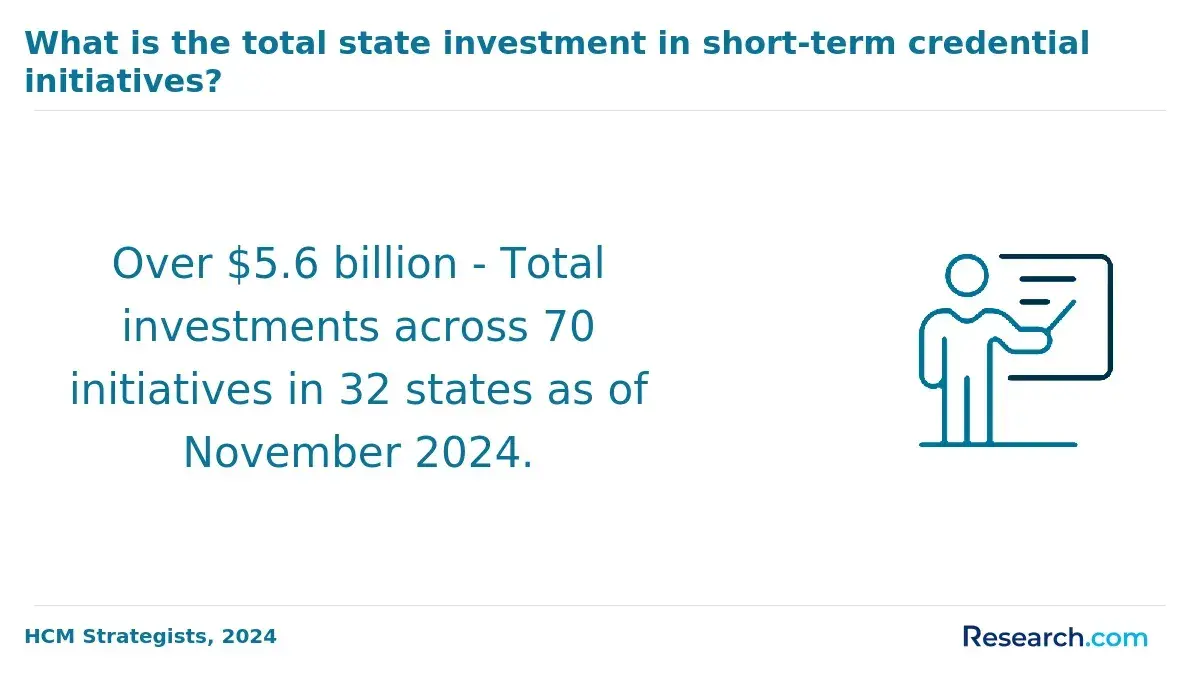
What is the average return on investment (ROI) for an online geosciences bachelor's degree over a 10-year career?
Return on investment (ROI) in higher education measures the financial benefit of a degree by comparing total education costs to the extra earnings graduates make over a decade, relative to peers with only a high school diploma or an associate degree in the same field. According to data from Georgetown University Center on Education and the Workforce and PayScale's College ROI Report, this calculation includes tuition, fees, and opportunity costs like lost wages while studying.
For geosciences, the Bureau of Labor Statistics shows a median starting salary near $50,000 per year. With an average annual raise of 3%, the total earnings over 10 years reach roughly $552,000. Meanwhile, individuals without a bachelor's degree but employed in technical roles start at about $35,000 annually, accumulating to around $388,000 over 10 years.
Average tuition and fees for an online geosciences bachelor's degree are about $40,000. Subtracting this from the additional $164,000 in earnings (the difference between $552,000 and $388,000) yields a net ROI of approximately $124,000 over 10 years. This surpasses the national average ROI for bachelor's degrees, which ranges from $100,000 to $120,000, reflecting strong demand in sectors like energy and environmental planning.
- ROI Definition: ROI is the total degree cost deducted from extra earnings over ten years compared with workers holding only a high school diploma or associate degree in related fields.
- Earnings Projection: Geosciences graduates start near $50,000, increasing around 3% annually, totaling $552,000 after a decade.
- Cost Estimate: Online bachelor's programs in geosciences typically cost about $40,000, a reasonable investment versus potential income.
- Net Gain: Graduates may net about $124,000 more than non-degree holders after education expenses.
- Comparative Performance: The geosciences degree's 10-year ROI exceeds the average for all bachelor's degrees, underscoring its career value.
A professional who completed an online Geosciences bachelor's degree shared that calculating the degree's financial return was crucial to his decision. Balancing work, family, and studies was demanding, especially managing the upfront investment.
"I mapped out the costs and compared them to potential salary increases," he recalled, emphasizing that knowing the long-term payoff provided motivation. Despite uncertainties, it was the clear evidence of better career opportunities and job stability that persuaded him to persist. "It wasn't just about the money-it was the confidence that this degree would open doors I couldn't access otherwise."
How do online geosciences program tuition rates compare across public, private, and for-profit institutions?
Tuition for online geosciences programs varies significantly based on institution type and your residency status.
Public Universities: Online geosciences programs at public institutions often provide the lowest average tuition costs for online geosciences degrees, with rates between $7,000 and $15,000 annually. Many offer flat-rate tuition for online courses, benefiting both in-state and out-of-state students by charging a uniform price. These schools balance affordability with reasonable educational quality, although some may offer fewer specialized resources online compared to on-campus options.
- Private Nonprofit Institutions: These providers typically charge between $20,000 and $35,000 per year. They justify higher tuition through smaller class sizes, strong student support, and extensive alumni networks. Graduates from these institutions often achieve better employment outcomes, enhancing the cost differences between public and private geosciences programs when considering long-term ROI.
- For-Profit Colleges: While their advertised tuition-ranging from $10,000 to $20,000 yearly-appears more affordable, graduation rates tend to be lower. Employer trust in degrees from these colleges can be limited, reducing career advancement opportunities and overall return on investment despite the initial lower price.
Deciding solely on tuition costs can be misleading. Besides evaluating sticker prices, prospective students should consider verified salary data and career progression, especially when researching options like a degree in office administration. Balancing affordability with career outcomes ensures a smarter choice and better financial investment over time.
What long-term salary growth can geosciences bachelor's degree holders expect over a 20- to 30-year career?
Here is the projected long-term salary trajectory over a 20- to 30-year career:
Early Career Growth: In the initial five years post-graduation, geosciences bachelor's degree holders often experience gradual salary increases, typically starting between $50,000 and $65,000. This period focuses on gaining hands-on experience, including fieldwork skills and earning professional certifications, with annual raises averaging 3% to 5%.
- Mid-Career Acceleration: Between five and ten years, salary growth usually becomes more pronounced as professionals assume supervisory or project leadership roles. Average compensation rises to about $70,000-$90,000, supported by data from PayScale and the American Community Survey indicating significant income gains during this stage.
- Established Professional Peak: Around 15 years into their career, many reach senior or specialist positions such as senior geologists or environmental consultants. Salaries commonly peak between $90,000 and $120,000, influenced by industry sector and geographic location, reflecting advanced expertise and responsibility.
- Cumulative Earnings Premium: Over a full 30-year career, degree holders in geosciences may earn a lifetime premium exceeding $1 million in total compensation compared to non-degree counterparts. This advantage includes increased job stability and opportunities for career advancement.
A professional who built her career after completing an online geosciences bachelor's degree described the journey as both challenging and rewarding. She reflected on balancing work, family, and rigorous coursework, noting that persistence was key.
"At times, it felt overwhelming," she shared, "but the knowledge and credentials opened doors I hadn't imagined." Her salary growth aligned well with expectations, enabling her to transition from technical roles to management and ultimately leading to greater job satisfaction and financial security.
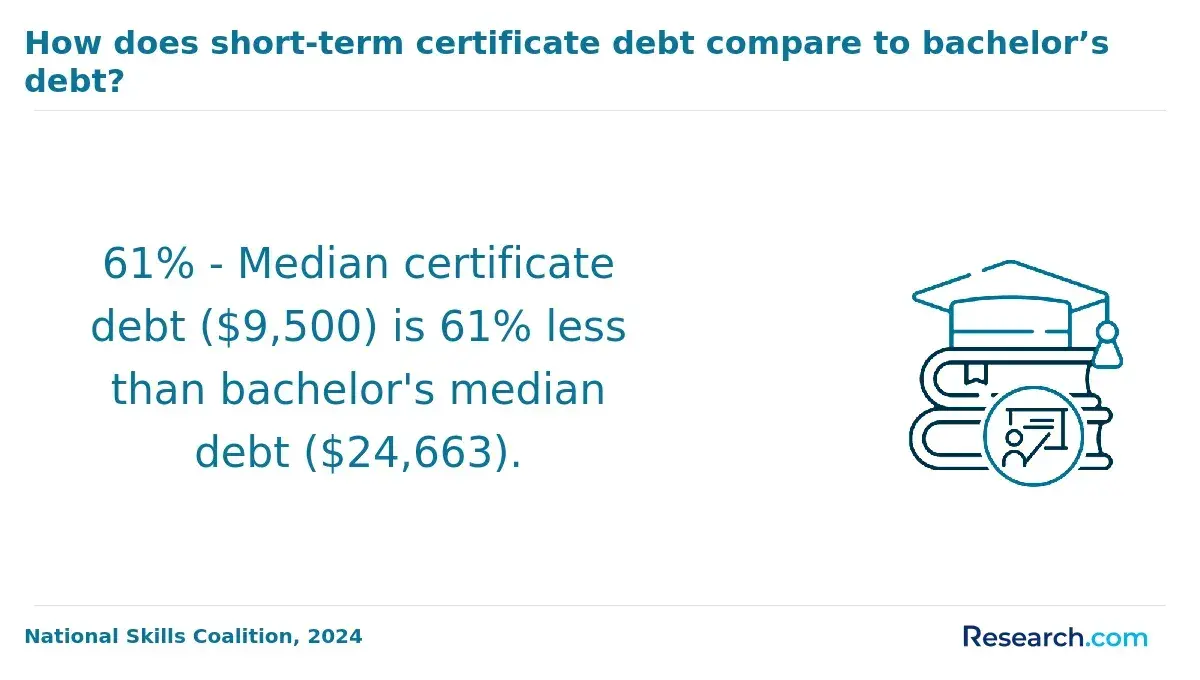
How does the ROI of an online geosciences bachelor's degree compare to an associate degree or a professional certificate?
Costs for certificates and associate degrees in geosciences are noticeably lower than those for bachelor's programs. Industry certificates generally cost between $1,000 and $5,000, while associate degrees tend to range from $10,000 to $20,000 in tuition and fees, varying by state and institution. In contrast, online bachelor's degrees often require an investment of $30,000 to $60,000, reflecting a larger upfront financial commitment.
- Salary Outlook: Median wages for jobs requiring a bachelor's degree in geosciences typically surpass $60,000 per year, according to BLS data. Those with associate degrees or certificates usually earn between $40,000 and $50,000 annually, creating a salary gap that may increase over time and favor bachelor-degree holders.
- Short-Term Investment: For individuals needing quick workforce entry or constrained by finances, certificates and associate degrees offer a faster path to employment. These credentials enable access to technician or support roles in environmental or energy industries with shorter completion times.
- Long-Term Benefits: Holding a bachelor's degree opens doors to advanced research, management, and specialized positions, often accompanied by higher salary potential, enhanced career stability, and greater opportunities for professional growth.
- Decision Factors: Prospective students should balance career goals with financial capacity:
- If immediate employment with minimal debt is prioritized, certificates or associate degrees provide a quicker return on investment.
- If longer-term earnings growth and leadership roles are desired, investing in a bachelor's degree generally offers superior lifetime returns.
- Additional Advantages: Beyond earnings, bachelor's degree holders gain broader professional networks, refined analytical skills, and eligibility for leadership roles, which strengthen resilience in a competitive job market.
Which online geosciences specializations or concentrations yield the highest earning potential after graduation?
Certain online geosciences specializations provide significantly higher salary prospects after graduation, according to Bureau of Labor Statistics (BLS) data and industry salary surveys. Selecting the right concentration can enhance return on investment by balancing tuition costs with job market outcomes.
- Petroleum Geology: Graduates in this specialization often earn some of the highest starting salaries in geosciences, with median salaries exceeding $100,000 for professionals involved in oil and gas exploration. However, this path generally demands additional certifications, ongoing training, and licensure maintenance, increasing total time and financial commitment before seeing returns.
- Environmental Geoscience: Focused on contamination assessment and remediation, this field offers roles in government and private sectors with median salaries of $70,000 to $80,000. It involves less licensure overhead, allowing quicker time-to-ROI, particularly for students already in related technical jobs seeking advancement.
- Hydrogeology: Concentrating on groundwater and water quality, hydrogeologists see median salaries near $75,000. While some states require professional licensure, which adds certification costs, this specialization improves long-term job security and income potential.
- Geospatial Analysis and GIS: Merging geoscience with geographic information systems skills leads to median salaries between $70,000 and $85,000. Certifications like GIS Professional (GISP) are advantageous but not always mandatory, enabling faster entry into the workforce with competitive wages.
- Mineralogy and Geochemistry: Although more niche, this track opens doors to research and industry roles with salaries typically ranging from $65,000 to $75,000. Additional graduate-level study or certifications may be required, potentially extending time-to-ROI.
Generalist geosciences graduates entering environmental or geological consulting typically earn median salaries from $60,000 to $70,000. Specializing can provide a 10% to 40% salary premium but may introduce higher upfront costs or longer certification paths.
Those choosing an online geosciences bachelor's program must weigh their financial flexibility, prior skills, and career goals carefully. Research from IPEDS and higher education organizations underscores that evaluating full costs alongside BLS salary outcomes aids in selecting concentrations that align with professional development and job security needs.
How do employer tuition reimbursement and financial aid reduce the net cost of an online geosciences bachelor's degree?
Employer tuition reimbursement programs offer a powerful way to lower the out-of-pocket cost of earning an online geosciences bachelor's degree. Under IRS Section 127, employers can provide up to $5,250 annually in tax-free educational benefits that cover tuition, fees, and materials. According to the Society for Human Resource Management (SHRM), about 63% of U.S. employers include tuition assistance in their benefit packages, making these programs widely accessible to working students.
Federal financial aid further reduces costs by offering grants and scholarships that do not require repayment, along with subsidized loans that allow deferred payment with low interest during schooling. Many institutions also provide merit scholarships, need-based aid, or state-specific funding designed for online learners. These resources can collectively shrink net tuition to a fraction of the sticker price, making education more affordable.
Combining employer tuition reimbursement with federal and institutional aid can significantly reduce total expenses. For students balancing work and study, these layered financial aids make pursuing an online geosciences degree feasible without overwhelming debt. For example, a student at a $20,000 annual tuition program who uses $5,250 in employer benefits and $6,000 in federal grants may only incur $8,750 in annual costs. Subsidized loans can help cover additional expenses like books or supplies, further lowering immediate financial pressure over four years.
Those seeking career advancement in geosciences or considering a shift into related fields can compare these benefits with programs like MBA in operations management programs to evaluate the best return on investment. Understanding employer tuition reimbursement programs for online geosciences degrees in the US and financial aid options reducing costs of online bachelor's geosciences programs helps in making informed decisions that align with professional goals.
- Employer Tuition Reimbursement: Employers commonly offer tax-free benefits of up to $5,250 annually under IRS rules, directly cutting education expenses for employees pursuing an online geosciences degree.
- Prevalence Among Employers: SHRM data reveals nearly two-thirds of U.S. employers provide tuition assistance, demonstrating broad access to this financial resource.
- Federal and Institutional Aid: Grants, scholarships, and subsidized loans work together to reduce tuition costs by providing free money or affordable borrowing options during the degree program.
- Layering Benefits: Combining employer reimbursement with financial aid packages can reduce net costs dramatically compared to sticker prices, easing the overall financial burden.
- Real-World Example: Students using both employer funds and $6,000 in scholarships on a $20,000 tuition program can reduce annual costs to $8,750, making degree completion more attainable.
What hidden costs should students factor into the total investment of an online geosciences bachelor's degree?
When budgeting for an online Geosciences bachelor's degree, students often overlook hidden expenses that add significantly to overall costs. Beyond tuition, technology fees, proctoring services for exams, and graduation fees can total between $500 and $1,200 annually, according to institutional disclosures and College Board research. These additional costs directly affect the break-even timeline when evaluating the degree's return on investment.
Course-specific software licenses present another frequently missed expense. Many geosciences programs require specialized tools for data analysis and modeling, costing from $100 to $500 per semester and typically not covered by tuition.
Memberships in professional organizations can also add $50 to $150 per year. Although these memberships support career growth and networking, they increase the upfront financial commitment and extend the time before salary gains offset degree expenses.
Students considering an online geosciences bachelor's degree should always request a comprehensive cost-of-attendance breakdown, including all hidden fees-not just tuition. This transparency is especially important for first-generation students, working professionals, or those on tight budgets aiming to estimate true total costs accurately.
Factoring in these additional expenses alongside verified salary outcomes from the Bureau of Labor Statistics and IPEDS helps create a realistic financial plan and aligns expectations for career advancement and job security benefits. For broader context on affordable online STEM degrees, consider exploring the online bachelor's degree in physics.
- Technology and Proctoring Fees: Online programs often charge extra platform access and remote exam monitoring fees, totaling several hundred dollars yearly and increasing overall costs.
- Specialized Software Costs: Required licensed software for geosciences courses can cost hundreds per semester and is frequently excluded from tuition estimates.
- Graduation and Administrative Fees: Schools impose fees for graduation processing and transcripts that add up near program completion, impacting total expenses.
- Professional Memberships: Annual dues for geosciences organizations range from $50 to $150, supporting professional development but adding to the financial investment.
- Request Full Cost Details: Prospective students should obtain detailed cost-of-attendance statements to include hidden fees, ensuring accurate budgeting and understanding of ROI timelines.
How does the accreditation status of an online geosciences program affect graduate salary and employability?
Regional accreditation assesses the overall quality of an institution, confirming it meets high academic standards, while programmatic accreditation targets specific geosciences programs, assuring specialized expertise. Employers often prefer candidates from regionally accredited schools, associating these degrees with stronger training and better job readiness.
Surveys by the National Association of Colleges and Employers (NACE) reveal that hiring managers tend to offer higher starting salaries and better employment opportunities to graduates from accredited programs compared to those from nationally accredited or unaccredited institutions. Degrees lacking recognized accreditation may lessen a candidate's value in competitive job markets.
Accreditation is also critical for eligibility in licensure exams and admission to graduate programs, often mandatory for career progression. Moreover, federal, state, and healthcare-related environmental positions frequently require degrees from accredited schools, limiting options for graduates from non-accredited institutions.
Students should confirm any program's accreditation status through the U.S. Department of Education's database or the Council for Higher Education Accreditation (CHEA) to ensure their credentials hold weight professionally and academically.
- Regional vs Programmatic Accreditation: Regional accreditation validates an institution's comprehensive quality, while programmatic accreditation ensures curriculum strength in geosciences, reinforcing employer trust.
- Employer Valuation: NACE data shows employers favor degrees from accredited institutions, linking them with enhanced salaries and job access.
- Licensing and Graduate Studies: Accredited degrees are often required to access licensure exams and advanced education, essential for career growth.
- Job Eligibility Restrictions: Non-accredited credentials may hinder opportunities in government roles and environmentally-focused healthcare jobs.
- Accreditation Verification: Checking official databases helps avoid programs that might limit career and educational prospects.
What entry-level job titles and salary ranges are available to graduates of online geosciences bachelor's programs?
Graduates with a bachelor's degree in online geosciences often enter a variety of roles that influence their initial earnings and the speed at which they recoup educational expenses. Entry-level careers span industries such as energy, government, technology, and education, each offering distinct salary prospects.
- Environmental Scientist: Median starting salaries typically fall between $48,000 and $58,000, with government agencies and environmental consulting firms providing the top pay.
- Geological Technician: Entry pay ranges from $40,000 to $52,000, with technology and energy sectors generally offering higher wages.
- Hydrologist: Starting salaries often range from $50,000 to $60,000, especially in government and environmental research roles.
- Geophysicist Assistant: Median entry earnings lie between $55,000 and $65,000, particularly elevated within oil, gas, and mining industries.
- GIS Analyst: Salaries generally run from $45,000 to $58,000, with public sector and tech companies often leading compensation.
- Field Technician: Pay starts near $38,000 and can climb to $48,000, influenced by geography and sector such as energy or environmental services.
- Research Assistant: Entry-level salaries range from $38,000 to $50,000, mostly in academic or governmental research environments.
- Geoscience Educator (K-12 or Community College): Earnings typically start between $40,000 and $52,000, reflecting stable but comparatively lower pay in education.
Holding internships, earning certifications like the Certified Environmental Professional (CEP), or specializing in areas such as hydrogeology can push new graduates into higher salary brackets. These advantages help shorten the time needed to offset tuition costs by increasing the potential for well-compensated positions right after graduation.
What Graduates Say About the Return on Investment of Their Online Geosciences Bachelor's Degree
- Ellie: "Choosing the online Geosciences bachelor's degree was a strategic decision based on a detailed assessment of its return on investment versus the cost. Beyond the financial aspect, the program provided me with invaluable career advancement opportunities and a strong foundation that enhanced my job security in a competitive market. The flexibility of online learning allowed me to gain skills without pausing my career, which ultimately accelerated my professional growth."
- Quentin: "Reflecting on my experience, the non-financial benefits of the online Geosciences bachelor's degree stand out the most-especially the confidence it inspired in tackling complex industry challenges. While the tuition was reasonable compared to in-person alternatives, the real ROI was the expanded network and access to industry professionals that boosted my career. This degree didn't just open doors financially; it unlocked my potential to take on leadership roles."
- Jace: "From a professional standpoint, pursuing the online Geosciences bachelor's degree was a game-changer for my career trajectory. The program's cost-effectiveness paired with its strong reputation meant I could invest in my education without excessive debt. Most importantly, it provided me with both technical expertise and enhanced credibility, positioning me well for specialized roles and long-term job stability in the field."
Other Things You Should Know About Geosciences Degrees
The time needed to recover the cost of an online Geosciences bachelor's degree depends on factors like tuition price, state of residence, and the graduate's starting salary. On average, graduates see a salary increase that allows them to recoup their education expenses within 3 to 7 years. Those who enter higher-paying sectors such as energy or environmental consulting may experience faster returns compared to entry-level positions in academia or government agencies.
Salary outcomes for geosciences graduates vary significantly by location and industry. Graduates working in states with active natural resource industries, such as Texas or Alaska, typically earn higher salaries. Similarly, sectors like oil and gas extraction or environmental engineering tend to offer better compensation than education or research-focused roles. These differences influence the overall return on investment for the degree.
Employer surveys consistently highlight the demand for skilled geosciences graduates due to growing needs in environmental monitoring, resource management, and climate science. Labor market data indicates a steady increase in job openings within geosciences-related fields, with competitive salaries reflecting the specialized skills obtained through a bachelor's degree. This supports the degree's strong market value despite fluctuations in specific industries.
References
- Is College Worth it? | Return on Investment Analysis of College Degree https://educationdata.org/college-degree-roi
- Astronomy & Geology Degrees: Associate, Bachelor & Online Course Info https://learningpath.org/articles/Astronomy_Geology_Degrees_Associate_Bachelor_Online_Course_Info.html
- We calculated return on investment for 30,000 bachelor’s degrees—find yours - FREOPP https://freopp.org/oppblog/we-calculated-return-on-investment-for-30-000-bachelors-degrees-find-yours/
- Geosciences Career Pathways & Earnings https://collegeroi.org/roi/major/geosciences/
- What Does the Future Demand Look Like for Applied Geoscientists? https://www.aegweb.org/index.php
- Increasing Undergraduate Interest to Learn Geoscience with GPS-based Augmented Reality Field Trips on Students’ Own Smartphones https://www.academia.edu/110036919/Increasing_Undergraduate_Interest_to_Learn_Geoscience_with_GPS_based_Augmented_Reality_Field_Trips_on_Students_Own_Smartphones
- Public University or Private University: Choosing the Right Higher Education Institution https://www.qahe.org/article/public-university-or-private-university-choosing-the-right-higher-education-institution/
- ROI of Online Degrees in 2025: Cost, Benefits, Career Impact https://www.pwmedharthi.com/blogs/guide/roi-of-online-degrees
- Certificate vs. Degree: Pros, Cons, and Career Outcomes | National University https://www.nu.edu/blog/certificate-vs-degree/