2027 Online Geosciences Bachelor's Degree Programs With Open Enrollment

Co-Founder and Chief Data Scientist
Imagine a working adult aiming to switch careers into geosciences but constrained by rigid admission policies at traditional universities. Online geosciences bachelor's degree programs with open enrollment offer an accessible pathway, accommodating diverse schedules and backgrounds.
According to recent data, enrollment in fully online STEM bachelor's programs, including geosciences, rose by 18% between 2020 and 2023, reflecting growing demand for flexible education options. This article explores available programs with open enrollment policies, highlighting how they can help prospective students overcome enrollment barriers and achieve their academic and professional goals efficiently.
Key Benefits of Online Geosciences Bachelor's Degree Programs With Open Enrollment
- Flexible start dates in online geosciences programs allow students to begin their studies year-round, reducing wait times and accommodating varied personal schedules.
- Open enrollment policies expand access by removing traditional barriers like strict GPA requirements, benefiting nontraditional students and those returning to education.
- Online delivery offers convenience for working adults, enabling balance between coursework, employment, and family responsibilities, with over 40% of geosciences learners identifying as part-time students.
Who Qualifies for an Online Geosciences Bachelor's Degree With Open Enrollment?
Open enrollment policies are designed to broaden access to higher education by welcoming a wider range of applicants into bachelor's degree programs without traditional competitive admissions. This approach is particularly important for students interested in online geosciences programs, where flexibility and accessibility are priorities. Currently, about 38% of undergraduate students in the U.S. are nontraditional learners-those who may be working, older than typical college-age students, or balancing other responsibilities-which underscores the need for open enrollment criteria for online geosciences programs. The following groups typically qualify for these inclusive admissions:
- Recent High School Graduates: These students often seek a straightforward pathway to college-level studies in geosciences without facing extensive application hurdles, making open enrollment ideal for them.
- Working Adults: Individuals aiming to advance or shift their careers can pursue an online geosciences bachelor's degree while maintaining their jobs, benefiting from the flexible schedule that open enrollment offers.
- Nontraditional Students: Those returning to education after a break or balancing other life commitments rely on accessible admission options and flexible course formats to restart their academic journey.
- Prior College Attendees: Students with some college experience but no completed degree can reenter geosciences programs more easily through open enrollment models that accommodate their unique educational paths.
- Online Learners Seeking Convenience: Students who prefer fully online programs but face barriers due to test score requirements or strict prerequisites find open enrollment models more accommodating and accessible.
This inclusive approach supports a diverse array of learners by reducing obstacles and promoting continued education in vital STEM fields like geosciences. Prospective students interested in affordable options can explore online colleges that offer financial aid to further support their academic goals. Considering the varied online geosciences bachelor's degree admission requirements helps students find the best fit for their educational needs.
What Is the Difference Between Open Enrollment and Rolling Admission in an Online Geosciences Bachelor's Degree?
Open enrollment and rolling admission are often confused but represent distinct admission and enrollment timelines in online geosciences bachelor's degree programs. More than 30% of online learners favor programs with flexible enrollment options, reflecting the importance of understanding these differences. Comparing admission processes for online geosciences bachelor programs helps prospective students select the best fit for their educational needs.
Open Enrollment
- Admission Flexibility: Open enrollment allows students to register almost any time without waiting for approval, enabling immediate or near-immediate class starts.
- Application Timing: There are no rigid deadlines, which supports learners needing to begin studies quickly or on their own schedule.
- Evaluation Process: Typically, applications are not extensively reviewed; students meeting basic criteria can start coursework promptly.
- Enrollment Structure: Open start dates mean students can often begin courses soon after enrollment without waiting for a term start.
Rolling Admission
- Admission Flexibility: Students must be accepted before enrolling, with admissions decisions made continuously as applications arrive.
- Application Timing: Applications are accepted over a long period, but applicants are encouraged to apply early to secure a spot before capacity is reached.
- Evaluation Process: This model involves a thorough review and approval process for each candidate's application.
- Enrollment Structure: Enrollment depends on admission offers, often tied to scheduled term starts rather than immediate course access.
Students seeking adaptable learning models in geosciences might also explore graduate options like a masters in psychology, which often share flexible enrollment practices.
2026 Update: Fieldwork and Lab Readiness Before You Enroll
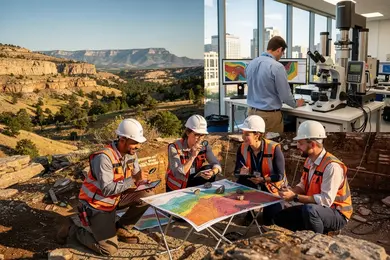
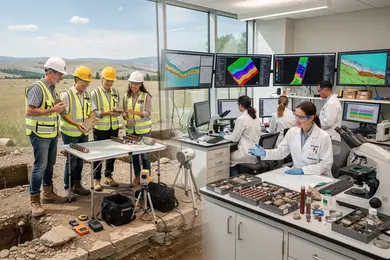
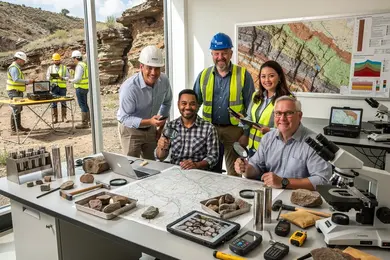
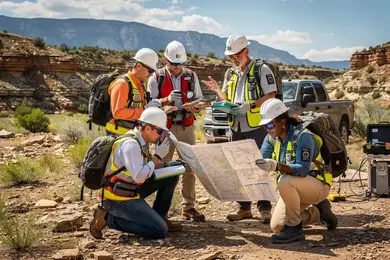
For 2026, this guide adds a closer look at the hands-on requirements that can affect whether an open enrollment online geosciences degree fits your location, schedule, and career goals.
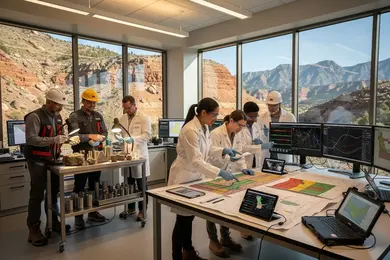
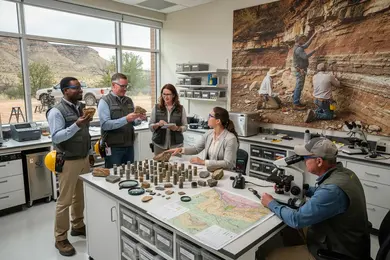
- Whether required labs are fully online, mailed as kits, completed through simulations, or tied to specific course dates.
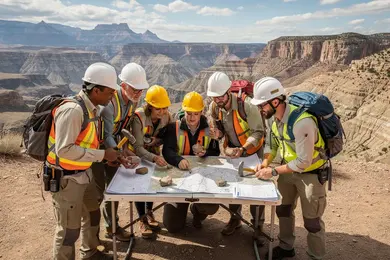
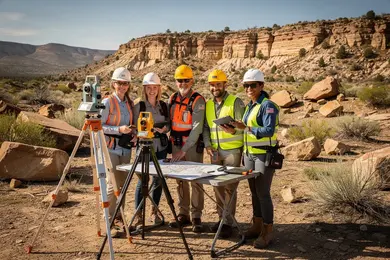
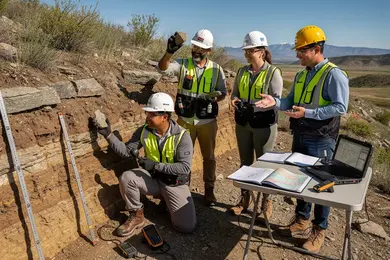
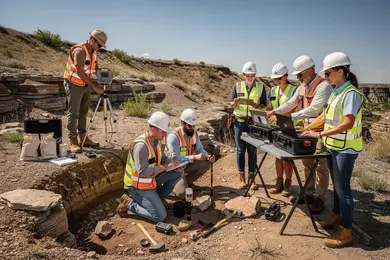
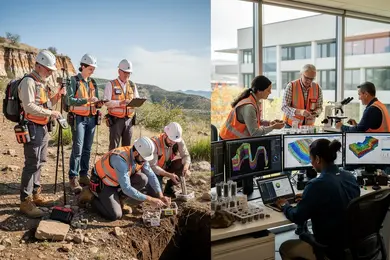
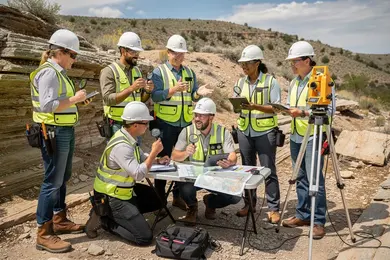
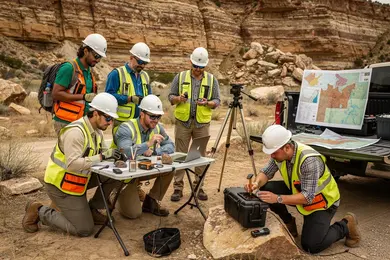
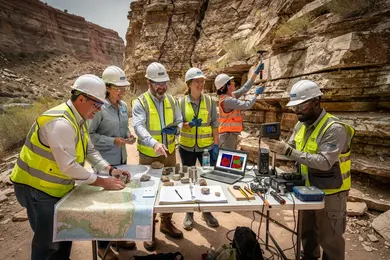
- If the program requires fieldwork, field camp, local site observations, or short on-campus sessions.
- What geology, mapping, GIS, or data-analysis software students must access and whether technical support is available.
- Whether field experiences can be completed near your home, workplace, or military duty station.
- How weather, travel, safety rules, and physical activity requirements may affect participation.
- Whether hands-on components align with your goals in environmental science, natural resources, education, or graduate study.
Checking these details early helps students choose an open enrollment program that is not only easy to enter, but also realistic to complete successfully.
What Are the Admission Requirements for an Online Geosciences Bachelor's Degree With Open Enrollment?
Online geosciences bachelor's degree programs with open enrollment generally feature more relaxed and inclusive admission policies than traditional degrees. Recent statistics reveal that nearly 60% of online programs across the U.S. use open or nonselective admissions, making higher education more accessible to diverse learners. Below are some typical requirements applicants can expect when applying.
- Educational Background: Candidates usually need to provide proof of prior education, such as a high school diploma or an equivalent certification, to qualify for bachelor-level coursework.
- Application Materials: Many programs require completion of a basic application form along with personal details but often do not demand standardized test scores or comprehensive transcripts.
- Identity Verification: To uphold academic integrity and follow federal regulations, applicants must verify their identity through secure processes.
- Online Readiness: Programs often assess a student's preparedness for remote learning, including access to technology and the ability to manage self-paced study effectively.
- Supplemental Information: Some programs may ask for a brief statement outlining educational goals or background to better understand applicants' motivations.
A current student of an online geosciences bachelor's degree shared that the admission process felt straightforward yet thoughtful. He noted, "While the requirements were not overwhelming, I appreciated how they ensured I was serious about studying online. I had to confirm I had reliable internet access and a quiet place to work, which helped me prepare mentally for this commitment." He described the initial steps as reassuring rather than intimidating, emphasizing that the process respects individual circumstances without compromising academic expectations.
Which Online Geosciences Bachelor's Degree Programs Have Open Enrollment?
Online degree programs across many fields are increasingly adopting open enrollment to enhance access for a variety of learners, especially those juggling work, family, or other responsibilities. Currently, nearly half of online students in the U.S. benefit from programs offering rolling or open admissions, reflecting a shift toward more flexible higher education. For those seeking the best online geosciences bachelor's degrees with no application requirements, multiple specializations commonly include these accessible entry options.
Several broad tracks within online geosciences bachelor's degree programs allow flexible enrollment, accommodating diverse educational and professional goals:
- Environmental Geoscience: Concentrates on understanding natural processes alongside human impacts, preparing students for careers in sustainability, environmental policy, and conservation efforts.
- Earth Systems Science: Offers a comprehensive look at the interactions of earth's spheres, providing insights into planetary changes and dynamics from a holistic perspective.
- Geology and Mineralogy: Focuses on rocks, minerals, and earth materials, supporting pathways in exploration, mining industries, and scientific research.
- Hydrogeology: Emphasizes groundwater science and water resource management, appealing to those interested in environmental protection and strategic resource planning.
- Geospatial Science: Integrates geographic information systems (GIS) with geosciences, teaching spatial data analysis and mapping skills relevant to multiple sectors.
Prospective students aiming for flexible entry might also explore options like the best 2 year construction management degree online to complement their geosciences knowledge.
How Do I Apply to an Online Geosciences Bachelor's Degree With Open Enrollment?
The application process for online geosciences bachelor's degree programs with open enrollment is designed to be user-friendly and accessible. These programs avoid complex requirements, making it easier for students from diverse backgrounds to apply. Here's a step-by-step look at how to get started.
- Account Creation: Begin by setting up an online profile through the university's admissions portal. This account enables you to track your application progress and receive important notifications.
- Application Submission: Complete the application form by entering basic personal details and educational history. Open enrollment programs typically do not ask for essays, recommendations, or test scores, streamlining this step.
- Document Upload: Provide necessary paperwork such as official transcripts and proof of identification. Some schools might also request placement test results or vaccination records.
- Enrollment Review: Admissions staff reviews the application and documents to verify eligibility. After approval, you'll receive confirmation along with guidance on course selection and tuition payment.
- Final Registration: Follow instructions to complete your enrollment, often including attending an online orientation, registering for classes through the student portal, and arranging financial support if needed.
Reflecting on her experience, a graduate of an online geosciences bachelor's degree with open enrollment shared how the straightforward process helped her stay motivated. She noted, "The simplicity of the application removed a lot of stress. Being able to upload documents online without needing essays or recommendations made it manageable alongside my job." She appreciated the clear notifications from the admissions team and felt supported throughout. "Finalizing registration felt seamless, especially with the helpful orientation and flexible course options." Her journey underscores how open enrollment programs can make higher education more attainable for busy adults.
Can I Start an Online Geosciences Bachelor's Degree at Any Time?
Many online geosciences bachelor's degree programs with open enrollment provide flexible start options, allowing students to begin their studies at various times throughout the year. Although not all programs offer immediate or year-round enrollment, over 40% of undergraduate online programs include multiple or rolling start dates, catering to students who need adaptable scheduling. Several factors influence how soon a student can start, which are important to consider.
- Continuous Enrollment: Certain programs permit enrollment at any point during the term, including mid-semester starts, which minimizes waiting periods between application and beginning coursework.
- Multiple Start Dates: Many institutions structure their academic year with several fixed start sessions-quarterly or tri-semester-that offer frequent entry opportunities throughout the calendar.
- Program Pacing: Self-paced or competency-based models allow learners to move forward independently once admitted, sometimes granting immediate access without waiting for traditional term commencements.
- Administrative Timing: Even with open enrollment, some administrative steps like application review, orientation, and registration can delay the start date, so these processing times should be considered when planning.
Is It Easier to Get Into an Online Geosciences Bachelor's Degree With Open Enrollment?
Online geosciences bachelor's degree programs with open enrollment typically have fewer admission barriers than traditional selective programs. They often allow students to apply without requiring high GPAs, standardized test scores, or extensive prerequisite courses. This approach supports broader access, especially for adult and nontraditional learners. Notably, about 40% of U.S. colleges have adopted more flexible admissions policies to expand opportunities through nonselective enrollment.
Although open enrollment simplifies the admissions process, students still must demonstrate basic readiness for college work. This usually involves submitting transcripts, completing an application, and sometimes attending orientations or placement assessments. Open enrollment does not mean the absence of academic expectations, as students must keep up with coursework and manage their time effectively. Many programs also offer support services such as tutoring and advising to help students succeed once admitted.
How Much Does an Online Geosciences Bachelor's Degree With Open Enrollment Cost?
Tuition and overall costs for an online Geosciences bachelor degree program with open enrollment can vary significantly depending on the program's design and the institution offering it. The National Center for Education Statistics reports that average tuition and fees for undergraduate online programs in the United States hover around $14,000 per year, although this number fluctuates based on many factors. Prospective students exploring affordable online Geosciences bachelor's degree tuition should consider several key cost components.
- Tuition Rate Per Credit: Tuition usually makes up the largest share of expenses and is often charged per credit hour. Students progressing at their own pace may affect total credits taken, influencing overall costs.
- Technology Fees: Online learning fees that cover digital platforms, support services, or software licenses are typically added per semester or credit and can vary widely across programs.
- Course Materials: While some programs include digital textbooks and resources, others require purchasing specific textbooks, software, or lab kits separately, resulting in extra costs.
- Administrative Fees: Application, registration, and assessment fees may be assessed throughout enrollment. Though usually smaller, these charges accumulate and should be factored into budgeting.
Students may also find accelerated options like a master degree in 6 months valuable to consider for advanced studies after completing their bachelor's degree.
Are There Disadvantages to Open Enrollment Online Geosciences Bachelor's Degrees?
Open enrollment online geosciences bachelor's degree programs significantly increase accessibility for a diverse range of students by offering fewer admission barriers. However, this inclusivity has limitations that can impact student success. For example, a 2022 National Center for Education Statistics report found that only about 40% of students in fully online undergraduate programs complete their degrees within six years, reflecting challenges in retention and completion. The following points highlight some disadvantages to consider.
- Less Selective Admissions: Open enrollment policies often allow students with varied academic backgrounds to enroll. This can create classrooms with a wide spectrum of prior knowledge and preparedness, potentially making instruction less tailored to advanced or uniform skill levels.
- Student Preparedness: Varying levels of readiness among students require them to be highly self-motivated. Success in these programs often depends on strong independent study habits, which not all students possess upon entry.
- Limited Peer Interaction: The asynchronous and flexible nature typical of open enrollment online courses reduces cohort interaction. This can hinder collaborative learning and the development of a support network, which is especially important in complex fields like geosciences.
- Self-Discipline Requirements: Without regular in-person oversight, students must manage their own time effectively to stay on track. Those who struggle with time management or need structured guidance may find these programs challenging.
When weighing options, prospective students should compare these limitations against their learning preferences and discipline levels. Those seeking a more structured environment might explore other degree formats. For alternative STEM options, consider reviewing rankings for an online bachelor's in electrical engineering, which can also offer flexible pathways.
How Do I Manage Time in an Open Enrollment Online Geosciences Bachelor's Degree?
Balancing responsibilities is crucial for students in flexible, self-paced online geosciences bachelor's degree programs. Research shows that students with regular study routines are 42% more likely to finish their courses on time. Implementing effective time management techniques can make a significant difference in maintaining steady progress.
Consider these essential strategies:
- Set a Consistent Schedule: Designate specific times daily or weekly for studying to build a reliable routine. Treat these sessions like mandatory classes to reduce the chance of procrastination.
- Prioritize Tasks: Identify urgent assignments, readings, and long-term projects to focus on what matters most. Use to-do lists or digital planners to organize and plan efficiently.
- Minimize Distractions: Choose a quiet study area, silence notifications, and communicate boundaries with family or roommates to maintain focus during study periods.
- Track Progress: Regularly review goals and deadlines through check-ins or journaling. Monitoring achievements helps sustain motivation and keeps students on schedule.
What Graduates Say About Online Geosciences Bachelor's Degree Programs With Open Enrollment
- Ellie: "Choosing an online Geosciences bachelor's degree with open enrollment was ideal for me because it allowed flexibility to balance work and study. Initially, managing deadlines without the traditional classroom structure was challenging, but the program's accessible resources and supportive faculty made it manageable. Earning this degree has opened doors to new roles in environmental consulting, significantly advancing my career."
- Quentin: "The open enrollment option in the online Geosciences program gave me the chance to start my studies immediately without waiting for semester start dates, which was a huge relief. While adapting to self-paced learning required discipline, it taught me valuable time management skills. Today, I apply what I learned directly to fieldwork analysis in the energy sector, and it has truly elevated my professional expertise."
- Jace: "I was drawn to the online Geosciences bachelor's program because it fit perfectly with my unpredictable schedule and geographical location. The biggest hurdle was staying motivated while studying independently, but the program's interactive content and instructor feedback kept me engaged. Completing the degree has enhanced my credibility in geological research and expanded my career opportunities within academia and industry."
Other Things You Should Know About Geosciences Degrees
In 2027, online geosciences programs with open enrollment support student success through dedicated academic advising, interactive learning platforms, and flexible scheduling. Comprehensive resources such as virtual labs and forums for peer interaction also play crucial roles in providing an accommodating environment for online learners.
Most reputable online geosciences bachelor's programs with open enrollment hold regional accreditation, ensuring they meet academic standards required for professional credibility. Accreditation impacts credit transferability, graduate school acceptance, and eligibility for certifications. Prospective students should verify program accreditation through recognized agencies before enrolling.
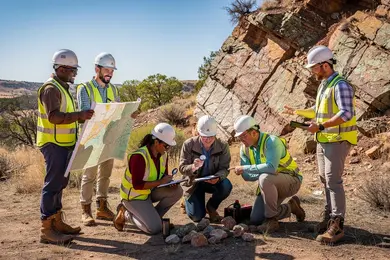
Many online geosciences programs incorporate options for local internships or supervised fieldwork to provide practical experience. These opportunities allow students to apply theoretical knowledge in real-world settings, essential for career development in this science-based discipline. Students should consult their program advisors about available fieldwork or practicum arrangements.
References
- Admission procedure https://www.geo.ruhr-uni-bochum.de/en/node/877
- Online Geosciences Degree https://www.snhu.edu/online-degrees/bachelors/bs-in-geosciences
- Open Admission Online Colleges: How Do They Work? https://www.accreditedschoolsonline.org/online-colleges/open-enrollment/
- Admission rules and selection procedure steps - Faculty of Geographic and Geological Sciences NOWA https://wngig.amu.edu.pl/en/enrollment/how-to-apply/Admission-rules-and-selection-procedure-steps
- Bachelors Programs in Geosciences in Germany https://www.germanunifinder.com/subjects/geosciences/bachelor
- Announcement for Candidates https://www.sggw.edu.pl/en/recruitment/bachelors-degree-and-masters-degree-long-cycle/announcement-for-candidates-qualified-for-first-cycle-studies/
- Degree of Bachelor of Science in Geoscience Acceptance Rate at University of Aberdeen https://www.savemyexams.com/learning-hub/university-acceptance-rates/uoa/geography-and-earth-sciences/degree-of-bachelor-of-sci-in-geosci/
- Increasing Undergraduate Interest to Learn Geoscience with GPS-based Augmented Reality Field Trips on Students’ Own Smartphones https://www.academia.edu/110036919/Increasing_Undergraduate_Interest_to_Learn_Geoscience_with_GPS_based_Augmented_Reality_Field_Trips_on_Students_Own_Smartphones
- International rolling admission for bachelor's studies https://www.lut.fi/en/studies/apply-lut/applying-bachelors-programmes/international-rolling-admission-bachelors-studies
- Open Uni: Geosciences studies | University of Helsinki https://www.helsinki.fi/en/admissions-and-education/open-university/open-university-studies-degree-programme/geoscience-studies