2027 Online Geosciences Bachelor's Degree Programs for Adult Learners Returning to School

Co-Founder and Chief Data Scientist
Many adult learners face the challenge of resuming their education while balancing careers and family responsibilities. Returning to school for a bachelor's degree in geosciences can seem daunting due to time constraints and limited access to traditional campus programs.
Recent studies show that 58% of working adults prefer online courses for their flexibility and convenience, highlighting a significant shift in adult education trends. This article explores online geosciences bachelor's degree programs tailored for adults returning to education, focusing on flexible learning options and practical pathways to complete or advance their academic and professional goals efficiently.
Key Benefits of Online Geosciences Bachelor's Degree Programs for Adult Learners Returning to School
- Online geosciences programs offer flexible scheduling, accommodating working adults balancing jobs and family, with many courses available asynchronously to fit diverse time commitments.
- These degrees focus on practical skills, such as data analysis and fieldwork techniques, enhancing career advancement opportunities in environmental and energy sectors.
- Programs facilitate networking through virtual forums and group projects, helping adult learners build professional connections and peer support essential for career growth.
Who Qualifies as an Adult Learner in an Online Geosciences Bachelor's Degree?
Adult learners in online geosciences bachelor's degree programs are typically individuals aged 25 or older who pursue postsecondary education while balancing family, work, or other responsibilities. According to the National Center for Education Statistics, nearly 40% of all undergraduate students are considered nontraditional, many of whom choose online courses for their flexibility and accessibility.
This flexibility supports a variety of adult learners eligible for online geosciences bachelor's degree programs.
- Working Professionals: Many adult learners are currently employed in fields such as environmental science, geology, or natural resource management. These individuals seek to upskill or advance their careers by acquiring formal education that aligns with their professional goals.
- Career Changers: Some students transition into geosciences from unrelated sectors. Motivated by passion or the pursuit of a more meaningful or sustainable career, they leverage online education to facilitate this change without sacrificing existing commitments.
- Returning Students: Individuals who take a break from education due to family duties, military service, or personal reasons often return as adult learners. Online formats offer the flexibility needed to reintegrate into academic life smoothly.
- Part-Time Students: Those requiring adaptable schedules to balance studies and life demands prefer part-time enrollment. This category embraces online learning as a practical solution to manage competing priorities.
- Lifelong Learners: Driven by personal enrichment or academic interests, these learners seek structured programs to deepen their understanding of Earth systems and geosciences. Many explore pathways such as online BCBA programs as inspiration for flexible education options.
What Are the Admission Requirements for an Online Geosciences Bachelor's Degree for Adult Learners?
Admission requirements for adult learners pursuing an online Geosciences bachelor's degree often balance accommodating nontraditional educational journeys with ensuring students are prepared for academic success. These criteria recognize diverse backgrounds while maintaining standards essential for online coursework.
The following points outline common admissions expectations for such programs.
- Proof of Prior Education: Most programs require a high school diploma or GED certificate, establishing a basic educational foundation. Some institutions may accept equivalency certificates or documented work experience in related fields under specific policies, but the high school credential remains standard.
- Application Submission: A completed application form is necessary, collecting personal, educational, and motivational information. Adult learners should provide clear and accurate details by the program deadline to support a smooth admission process.
- Academic Transcripts: Transcripts from previous schools verify prior coursework and grades, helping programs assess academic readiness and transfer credit policies for adult students in online geosciences degrees. Schools may offer assistance interpreting or submitting these documents if needed.
- Online Learning Readiness: Applicants might need to demonstrate computer literacy or complete readiness assessments, ensuring they possess the technical skills and self-discipline required for remote study.
For those exploring options to continue education flexibly, reviewing the best online MFT programs can provide insight into how online admissions manage similar challenges across disciplines.
2026 Update: Checking Fieldwork and Lab Requirements Before Enrolling
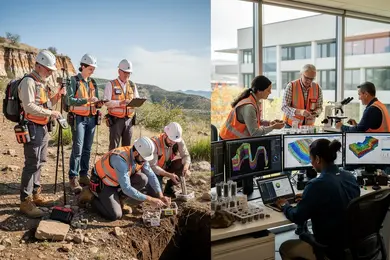
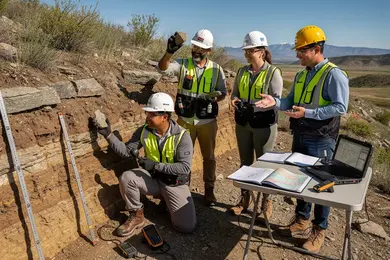
This 2026 update adds guidance on the hands-on parts of online geosciences programs, especially for adult learners who need to plan around work, family, travel, and local access to field sites.
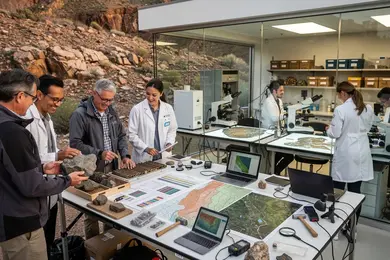
- Whether required labs are fully online, mailed as lab kits, completed through simulations, or done at an approved local site.
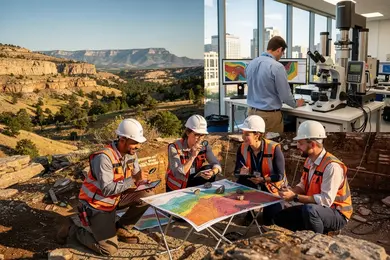
- If the program requires field trips, field camp, campus visits, or weekend intensives before graduation.
- How much notice students receive for in-person activities and whether make-up options are available.
- What equipment, software, maps, or data tools students must purchase or access remotely.
- Whether local geology projects can be approved for students who cannot travel far from home.
- How safety training, field documentation, and instructor feedback are handled in an online format.
Checking these requirements early helps returning students choose a program that fits both academic goals and real-life scheduling limits.
Do Adult Learners Need SAT or ACT for an Online Geosciences Bachelor's Degree?
Most online geosciences bachelor's degree programs tailored for adult learners do not require SAT or ACT test scores for admission. Instead, admissions committees emphasize a student's prior academic achievements, such as college transcripts, along with work experience and readiness to engage in higher education.
This approach aligns with a broader trend in U.S. higher education, where over 1,800 institutions have adopted test-optional or test-free policies to promote greater access and equity. Waiving standardized tests for nontraditional students acknowledges the value of diverse educational and professional backgrounds while reducing obstacles that such exams may present.
When asked about his experience with the admissions process, an adult learner currently enrolled in an online geosciences bachelor's program shared, "I was relieved not to worry about preparing for the SAT after being out of school for years." He explained that putting together his previous transcripts and detailing his professional background felt more relevant and manageable than standardized exams.
"It made the whole process less stressful and more about what I have accomplished so far." Despite initial concerns about returning to academics, he found the focus on prior experience motivating and appreciated how the program acknowledged skills gained outside traditional testing scenarios.
How Flexible Are Online Geosciences Bachelor's Degree Programs for Adult Learners?
Flexibility is a vital aspect of online geosciences bachelor's degree options for adult learners, balancing education with work, family, and other commitments. Studies show that 68% of adult students prefer online programs because they allow for studying on their own time, which helps maintain a healthy work-life balance.
This adaptability is essential for those returning to school or pursuing new career paths. Key features of these programs foster this flexibility.
- Asynchronous Learning: Allows students to engage with lectures and materials whenever convenient, avoiding the constraints of scheduled classes and accommodating diverse daily routines.
- Part-time Enrollment: Enables learners to reduce course loads each term, easing stress and better aligning studies with personal and professional demands.
- Accelerated Pacing Options: Provides motivated students the chance to complete requirements quicker, facilitating faster entry or advancement in the workforce.
- Self-Paced Coursework: Supports learners who need varying amounts of time per topic, offering flexibility especially valuable for those managing fluctuating schedules.
- 24/7 Digital Resource Access: Ensures continuous availability of readings, assignments, and support materials, catering to individual study preferences anytime.
Many adult learners find these features especially beneficial when choosing flexible online geosciences degree options for adult learners. For those interested in related fields, exploring the best associate's degrees to get can reveal additional supportive pathways for career advancement.
Can I Transfer Previous College Credits to an Online Geosciences Bachelor's Degree?
Many online bachelor's degree programs accept transfer credits, enabling students to shorten their time to graduation and avoid repeating coursework. Transfer credit is a common practice, with approximately 38% of college students nationally submitting credits from previous institutions when enrolling elsewhere. This flexibility can be especially valuable for adult learners balancing multiple commitments.
Key considerations for transferring credits to an online geosciences bachelor's degree program include:
- Evaluation of Prior Coursework: Institutions carefully assess transcripts to confirm that previously completed classes meet their academic standards and are equivalent in rigor and content.
- Credit Limits: Schools usually set ceilings on the number of credits that can transfer, often between half to the majority of the degree requirements, to preserve academic quality.
- Relevance: Credits from courses closely related to geosciences or foundational sciences tend to have a higher acceptance rate toward degree requirements.
- Adult Learner Benefits: Credit transfer helps experienced students avoid redundant classes, saving time and easing the academic workload as they manage work and family.
- Program Flexibility: Many online geosciences degrees design their curricula to accommodate diverse academic histories, supporting transfer-friendly policies for returning students.
When asked about her experience, an adult learner who returned to school and earned an online geosciences bachelor's degree shared that navigating the credit transfer process was initially daunting. She recalled spending time compiling transcripts and discussing her prior coursework with advisors to understand which credits applied.
"It was reassuring once the school recognized much of my earlier education," she said, highlighting how this recognition allowed her to focus on new subject areas without feeling overwhelmed. The transfer process ultimately made her return to school smoother and more manageable, reinforcing her confidence in completing the program on schedule.
Does Work Experience Count Toward an Online Geosciences Bachelor's Degree?
Many online bachelor's degree programs in geosciences recognize the value of prior professional experience, allowing adult learners to earn academic credit for relevant work. Around 70% of U.S. colleges and universities use prior learning assessments (PLAs) to help translate job skills into college credits. This approach helps streamline degree progress for adults returning to school.
- Prior Learning Assessments: These formal evaluations compare a learner's work history and training to course outcomes, potentially awarding credit without attending conventional classes.
- Portfolio Reviews: Students may present comprehensive portfolios that showcase projects, research, or field activities related to geosciences; faculty then assess these for credit eligibility.
- Competency-Based Evaluations: Institutions may offer exams or skill assessments to verify if a learner's job experience aligns with academic standards, granting credits accordingly.
- Professional Certifications: Certifications in geology, environmental science, or related areas can sometimes be credited, depending on institutional criteria.
These pathways recognize real-world achievements and can shorten the time required to finish a degree. For adults balancing careers and education, converting professional experience into academic credits makes returning to school more practical and customized to individual career goals.
How Much Does an Online Geosciences Bachelor's Degree Cost for Adult Learners?
The total cost of earning an online geosciences bachelor's degree can differ significantly based on program design, pacing, and the total number of credits required. Flexible schedules often allow adult learners to take fewer courses each term, which may extend the duration but also help spread out expenses. On average, tuition for online bachelor's degrees in the U.S. ranges from approximately $15,000 to $40,000, depending on the school type and delivery format.
Below are the main cost components adult learners should consider.
- Tuition Per Credit: Tuition typically forms the largest portion of the overall cost, charged per credit hour. Rates vary widely between public and private institutions, and students pay for credits based on their enrollment each term.
- Technology and Course Fees: Many online geosciences programs require additional fees to maintain digital platforms, virtual labs, or specialized software that support coursework. These expenses can add up but are necessary for a quality online learning experience.
- Course Materials: Beyond textbooks, materials may include access to digital resources, software licenses, or equipment rentals essential for fieldwork simulations and data analysis.
- Proctoring and Testing Fees: Some courses require secure, remote proctoring services for exams, which may incur separate charges.
Budgeting with these components in mind can help adult learners balance educational goals with work and personal commitments as they return to school in the geosciences field.
Are There Financial Aid Options for Adult Learners in Online Geosciences Bachelor's Degrees?
Adult learners seeking to pursue an online geosciences bachelor's degree often find a variety of financial aid options designed to ease the cost of tuition and related expenses. Nearly 75% of undergraduate students receive some form of financial aid, reflecting the broad availability of funding resources that support adult learners returning to school. These aids are vital for managing education costs while balancing work and personal commitments.
Common types of financial assistance include the following:
- Federal and State Grants: These funds are awarded primarily based on financial need and do not require repayment, making them highly valuable for adult learners with limited income. The Federal Pell Grant is a key source of grant aid that many qualifying students can access when enrolling in accredited online geosciences bachelor's programs.
- Student Loans: Loans provide a way to borrow money to cover education expenses, with federal student loans often offering lower interest rates and flexible repayment plans compared to private loans. This makes loans a manageable option for students financing their degrees.
- Employer Tuition Assistance: Many employers support continuing education by reimbursing partial or full tuition costs, especially when coursework relates to an employee's current job or career growth. This assistance is particularly helpful for working professionals balancing jobs and online studies.
- Flexible Payment Plans: Online colleges frequently offer payment plans to spread tuition costs over time, allowing adult learners to budget more effectively without large upfront payments.
- Scholarships: Scholarships targeting non-traditional students or those resuming education later in life can provide additional financial support. Although these vary by institution, researching available scholarships for online geosciences bachelor's programs can uncover valuable opportunities.
For adult learners searching for affordable options, exploring programs like an MBA under 30k can offer insights into cost-effective pathways and financial aid strategies adaptable to geosciences studies as well.
Do Employers Value Online Geosciences Bachelor's Degrees for Adult Learners?
Employer attitudes toward online geosciences bachelor's degrees for adult learners have shifted positively in recent years as online education gains legitimacy. A recent Strada Education Network survey found that 68% of employers now regard online degrees as equivalent in value to traditional degrees, reflecting a broader skills-based hiring trend where practical abilities often outweigh the mode of education.
Several key factors shape employer recognition of online geosciences degrees for returning students, including accreditation, the relevancy of skills acquired, and integration of professional experience. Degrees from regionally accredited institutions assure employers of curriculum quality and readiness for technical roles that require industry-standard tools and analytical expertise.
Employers also value candidates who demonstrate strong problem-solving and fieldwork skills, as well as those who can blend theoretical knowledge with applied competencies. Adult learners who continue gaining work experience while studying may have a competitive edge, supported by resources like 'What master's program should I do?' to further advance their career.
How Do I Choose the Best Online Geosciences Bachelor's Degree Program for Adult Learners?
Balancing work, family, and education creates important challenges for adult learners returning to school. Research shows that flexibility is a top priority, with 70% of adults valuing the ability to learn on their own schedules.
Considering several key factors can help identify the best online geosciences bachelor's degree program to match these needs.
- Accreditation: Ensure the program holds recognized accreditation to guarantee academic quality and facilitate credit transfers. Accreditation also impacts eligibility for federal financial aid, which can ease the financial burden.
- Program Flexibility: Look for courses that offer asynchronous learning or self-paced options, allowing you to study around work and personal commitments for better balance.
- Curriculum Quality: Choose programs with updated geology, earth science, or environmental science coursework that reflects current industry standards and technologies, ensuring practical relevance.
- Student Support: Access to academic advising, tutoring, and career counseling is critical for success when studying remotely. Robust technical support also helps resolve issues quickly and maintain progress.
- Tuition and Affordability: Assess total costs, availability of scholarships, and flexible payment plans to avoid financial strain while pursuing your degree.
- Career Outcomes: Prioritize programs with employer connections, internships, or job placement assistance to strengthen your prospects in the geoscience job market.
What Graduates Say About Online Geosciences Bachelor's Degree Programs for Adult Learners Returning to School
- Ellie: "Returning to school as an adult was a challenging decision, but choosing an online geosciences bachelor's degree allowed me to balance my full-time job with classes on my own schedule. The program's flexibility and focus on real-world applications made it perfect for someone wanting to shift careers into environmental consulting. This degree has truly opened doors I never thought possible, boosting both my confidence and career prospects."
- Quentin: "After years of working in construction, I realized I needed a formal education to advance, so I pursued an online geosciences degree to build expertise while still providing for my family. The ability to study remotely meant I could dive deep into subjects like geology and earth systems without sacrificing my responsibilities. Earning this degree has positioned me as a knowledgeable professional in my field and led to several exciting job offers."
- Jace: "I went back to school to fulfill a lifelong passion for earth science and found that an online geosciences bachelor's program gave me the structure and resources I needed as a busy adult learner. The curriculum's blend of theory and practical skills helped me transition smoothly into a career in environmental research. Pursuing this degree has been a rewarding journey that has redefined my professional goals and personal growth."
Other Things You Should Know About Geosciences Degrees
Online geosciences bachelor's degree programs help students build strong analytical and critical thinking skills through the study of earth processes, environmental systems, and data interpretation. Learners gain proficiency in geographic information systems (GIS), remote sensing, field research methods, and scientific data analysis. These skills prepare adult learners for a variety of careers in environmental consulting, natural resource management, and hazard assessment.
In 2027, adult learners returning to school for online geosciences bachelor's degree programs can access various financial aid options. These include federal student aid, scholarships specific to geosciences, employer tuition assistance, and state grants. It's essential to check each program's financial aid office for specific opportunities.
For a 2027 online geosciences bachelor's program, you will need a reliable computer with up-to-date operating systems, internet access, and basic office software. Additionally, you may require specialized software such as GIS applications. Ensure that your system meets the minimum technical requirements specified by your program.
References
- Benefits of Online Learning for Working Adults https://unity.edu/distance-education-blogs/benefits-of-online-learning/
- Online Bachelor's Degree Completion Financial Aid https://www.hamline.edu/admission-aid/financial-aid/online-bachelors
- Transfer FAQ https://www.tru.ca/distance/transfer-options/transfer.html
- World's Largest platform as University Common Application https://www.planstudyabroad.uniagents.com/course-details.php
- 1.10 Adult Learner Grant Program - Utah System of Higher Education https://ushe.edu/adult-learner-grant-program/
- Geology https://www.ualberta.ca/en/undergraduate-programs/bachelor-of-science-with-major-geology.html
- The Benefit of Online Learning for Adults Going Back to School https://www.lambdasolutions.net/en/blog/the-benefit-of-online-learning-for-adults-going-back-to-school
- Financial Aid for Adult Learners: Your Step-by-Step Guide | National University https://www.nu.edu/blog/financial-aid-for-adult-learners/