2027 Hybrid vs Fully Online Geosciences Bachelor's Degree Programs

Co-Founder and Chief Data Scientist
A working single parent considers how best to pursue a bachelor's degree in geosciences while managing childcare and a part-time job. The choice is between logging in remotely from home with the flexibility to study anytime or attending periodic on-campus sessions for direct interaction and hands-on experience. This decision weighs convenience against the benefits of in-person networking and lab access.
With 35% of geosciences graduates entering fields requiring strong practical skills, the mode of study can impact career readiness. This article explores the trade-offs between hybrid and fully online geosciences bachelor's programs to guide students toward the best fit for their circumstances.
Key Benefits of Hybrid vs Fully Online Geosciences Bachelor's Degree Programs
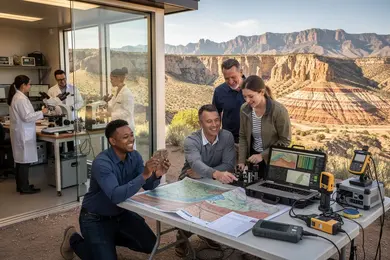
- Hybrid programs offer a balanced mix of flexibility and scheduled in-person labs, ideal for hands-on geosciences learning without sacrificing personal or work commitments.
- Fully online programs maximize scheduling freedom but may lack real-time interaction, potentially reducing opportunities for collaborative fieldwork critical in geosciences.
- Both formats support career advancement, but hybrid curricula better accommodate networking with industry professionals, enhancing employment prospects in the geosciences sector.
What Is a Hybrid vs Fully Online Geosciences Bachelor's Degree?
Hybrid and fully online geosciences bachelor's degree programs primarily differ in course delivery, the extent of in-person interaction, and the overall structure of learning. Recent data shows that over 70% of U.S. higher education institutions now offer some form of online or hybrid learning, indicating increased demand for flexible education options. Below is a comparison of these two formats to help prospective students assess which best fits their needs.
Hybrid Programs
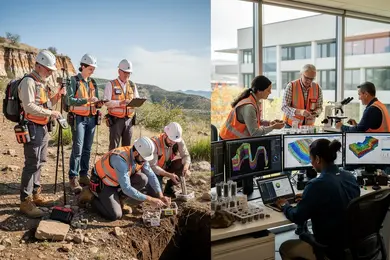
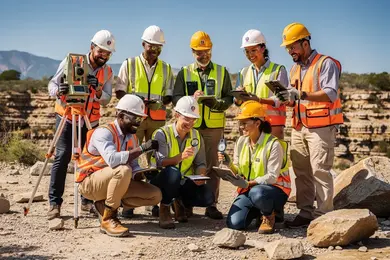
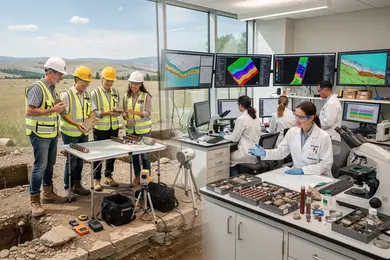
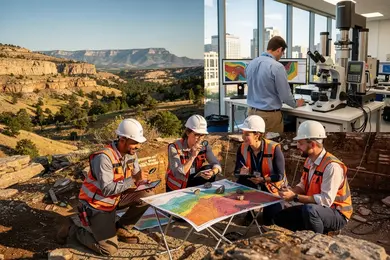
- Hybrid programs integrate online coursework with scheduled on-campus labs, fieldwork, or face-to-face sessions essential for hands-on learning.
- Students typically follow a fixed schedule requiring attendance at specific in-person activities combined with digital assignments.
- Direct interaction with instructors and peers during in-person meetings enriches the learning experience and helps build professional connections.
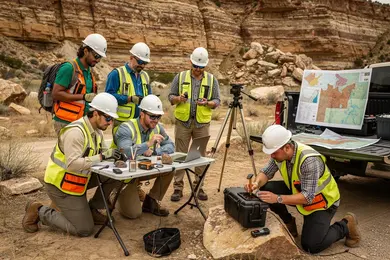
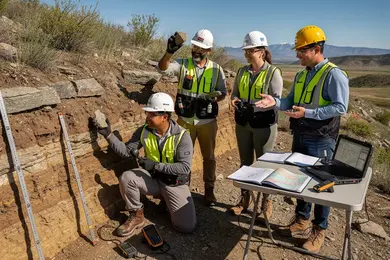
- The hybrid format supports practical skills development through real-world experiments and field observations that are challenging to replicate online.
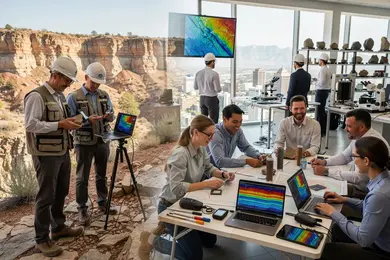
- Such programs often appeal to students seeking a balance between flexible online study and valuable face-to-face engagement, reflecting components found in many hybrid geosciences bachelor's degree program structures.
Fully Online Programs
- Fully online geosciences degrees rely exclusively on virtual lectures, simulations, and digital collaboration tools, allowing coursework to be completed remotely.
- These programs offer significant scheduling flexibility, enabling students to access materials asynchronously at their convenience.
- Interaction occurs primarily through discussion boards, video calls, and emails, which may provide less immediate feedback than in-person settings.
- While online programs use virtual labs and tools to simulate fieldwork, they may lack some experiential components found in hybrid formats.
- Admission to fully online geosciences degree programs often has distinct requirements designed to ensure students can manage self-directed study effectively.
Students exploring flexible pathways should also consider other options, such as pursuing a master's in speech pathology online, which similarly offers online learning benefits tailored to working professionals.
How Does a Hybrid vs Fully Online Geosciences Bachelor's Degree Program Work?
Both hybrid and fully online geosciences bachelor's degree programs offer structured academic pathways designed to equip students with essential knowledge and skills. Enrollment in distance education courses at degree-granting postsecondary institutions has increased by over 50% in the past decade, reflecting growing interest in flexible learning options. These programs differ mainly in how coursework is delivered and how students interact with instructors and peers, which is important when comparing how hybrid geosciences bachelor's degree programs combine in-person and online learning versus the structure and delivery of fully online geosciences bachelor's degree programs.
Hybrid Programs
- Course delivery includes scheduled face-to-face classes supplemented by virtual coursework accessible through learning management systems.
- Class participation involves both direct interactions with instructors and peers during on-campus sessions and asynchronous discussions or group work online.
- Scheduling is structured, with fixed times for in-person activities alongside flexible windows for completing online lectures and assignments.
- Communication occurs through a mix of in-person meetings, email, video conferencing, and discussion forums.
Fully Online Programs
- Course content is provided entirely via online modules, videos, readings, and virtual labs tailored to geosciences concepts.
- Students engage in synchronous sessions such as live lectures or group discussions as well as asynchronous tasks like forum posts and online quizzes.
- Scheduling often combines some set times for live sessions with flexible completion deadlines for asynchronous components.
- Communication is primarily facilitated through video conferencing, email, instant messaging, and online discussion boards to maintain connection and support.
For students exploring alternative fields, this structured approach to hybrid and online learning is reflected in other disciplines as well, such as the growing availability of marriage and family therapy master's programs that combine similar delivery models.
Are Admission Requirements Different for Hybrid and Fully Online Geosciences Bachelor's Degrees?
Admission criteria for hybrid and fully online geosciences bachelor's degree programs generally align, though differences can emerge based on the nature of course delivery and institutional requirements. Each format demands specific considerations that influence the application process. Below are several notable distinctions between the two.
- Technical Expectations: Fully online programs usually expect applicants to have dependable internet access and familiarity with digital learning tools, as all coursework occurs remotely. Hybrid programs may ease these demands by offering face-to-face components that reduce the burden of constant online engagement.
- Geographical Constraints: Hybrid students often need to live within commuting distance of campus or have plans to attend on-site sessions, which may require proof of residency or travel arrangements. Students in fully online programs typically face no regional limitations and can enroll regardless of location.
- Application Documentation: Both formats commonly ask for transcripts, test scores, and recommendations, but hybrid programs might request extra materials, such as statements describing availability for in-person meetings or labs, to assess logistical capability.
- Coursework Prerequisites: Hybrid tracks sometimes mandate prior completion of hands-on lab courses or equivalent experience before enrollment to ensure readiness for in-person components. Fully online alternatives might substitute virtual labs or relax these requirements due to the remote format.
- Health Compliance: Campus-based health protocols like vaccination proof or safety training are usually part of hybrid admissions but are not typical for fully online applicants.
A student currently pursuing a fully online geosciences bachelor's program shared her insights when asked about admission differences. She recalled feeling both reassured and challenged by the technical demands, noting how important reliable internet was during the application phase. "I had to make sure my home setup could handle streaming lectures and submitting assignments without interruption," she explained. The access flexibility made it easier to apply without worrying about relocation, but navigating the digital application process required careful preparation. Overall, she appreciated the clarity in technical expectations and felt that transparent communication from the admissions team helped ease initial concerns about studying fully online.
Is the Learning Experience Better in Hybrid vs Online Geosciences Bachelor's Degrees?
Hybrid geosciences bachelor's programs blend in-person and online learning, offering students practical experiences critical to the field. Face-to-face sessions for labs, field activities, and discussions promote hands-on engagement and prompt feedback, helping clarify challenging concepts quickly. This format also facilitates collaboration and relationship-building among students and instructors, enriching the educational environment. Access to campus facilities like laboratories and specialized equipment further supports applied learning, while the physical presence can boost motivation and help learners maintain structure throughout their studies.
Fully online geosciences degrees prioritize flexibility, catering to students balancing varied schedules or remote locations. Though virtual labs and simulations provide interactive alternatives, they often lack the depth and immediacy of on-site experiences. Communication mostly occurs through digital channels such as forums, emails, and video conferencing, which may limit spontaneous exchanges or in-depth discussions. Nevertheless, online programs offer robust digital resources and advising options that serve motivated students well, even if some may find the format less engaging compared to hybrid models.
Which Is More Flexible: Hybrid or Fully Online Geosciences Bachelor's Degree?
Hybrid geosciences bachelor's degree programs offer a mix of online coursework and scheduled in-person activities, such as labs and fieldwork, which require students to attend campus on designated dates. This setup creates a more structured learning environment where students balance remote study with face-to-face instruction. While parts of the curriculum may be accessible asynchronously, the mandatory on-site sessions limit overall scheduling freedom. Still, hybrid formats appeal to those seeking some direct interaction alongside digital convenience, aligning well with students comparing hybrid vs fully online geosciences degree flexibility.
Fully online geosciences bachelor's degree programs provide the greatest scheduling flexibility by allowing students to study entirely remotely and often asynchronously. This means learners can access lectures and complete assignments at their own pace, fitting education around work, family, or other commitments. A significant draw is the elimination of geographical constraints and on-campus attendance requirements, which broadens access. According to recent data, nearly 60% of online students choose virtual learning specifically for its flexible scheduling. For those prioritizing adaptability, fully online formats often prove ideal, especially when exploring the easiest associate degree to get online alongside bachelor's options.
What Is the Workload for Hybrid vs Fully Online Geosciences Bachelor's Degrees?
Bachelor's degree programs in geosciences, whether hybrid or fully online, typically adhere to similar academic standards but vary notably in pacing and organization. A 2022 report from the Online Learning Consortium found that students in these formats often dedicate 15 to 20 hours weekly to their coursework, though how that time is allocated differs based on program structure.
In hybrid geosciences programs, the workload splits between face-to-face and online learning activities. Students attend scheduled on-campus classes involving labs, fieldwork, and group discussions, which require fixed time commitments and active engagement. Complementing this are online assignments and readings completed outside of class. The blend of set class times and flexible digital tasks means students must carefully manage both campus visits and online deadlines, factoring in additional time for commuting and utilizing campus facilities.
Fully online geosciences degrees emphasize asynchronous learning, where students access lectures and coursework at their convenience. This format relies heavily on self-discipline, as assignment deadlines and exams provide the primary structure for time management. Coursework often includes virtual labs, discussion boards, and digital projects, demanding consistent participation but offering considerable flexibility. Without regular in-person sessions, students must develop strong motivation and routine to keep pace with the curriculum.
How Does Tuition Compare for Hybrid vs Online Geosciences Bachelor's Degrees?
Tuition structures for hybrid and fully online geosciences bachelor's degree programs differ based on delivery formats, institutional policies, credit requirements, and additional fees. Typically, online programs offer slightly lower tuition per credit hour compared to hybrid ones due to reduced use of campus facilities and resources. Studies show that students in fully online programs may pay on average 10-15% less per credit hour than those in hybrid programs.
- Per-Credit Costs: Hybrid programs generally charge more per credit hour because in-person components require additional staffing and on-campus services, increasing overall expenses.
- Technology Fees: Fully online students often incur dedicated technology fees that support virtual learning platforms, while hybrid students might face extra campus service fees associated with their in-person requirements.
- Residency and Facility Charges: Campus facility fees, parking costs, and other residency charges commonly affect hybrid students, whereas fully online learners usually avoid or pay reduced amounts for these expenses.
- Payment Flexibility: Fully online programs often provide more adaptable payment options, benefiting students who need flexible billing schedules aligned with their digital course loads.
- Credit Load and Pacing: Some hybrid programs enforce minimum on-campus attendance credits per semester, potentially raising costs if students take extra classes to meet these residency rules.
When I spoke with a graduate of a hybrid geosciences bachelor's degree, he shared how navigating tuition was a balancing act between paying higher per-credit fees and managing on-campus expenses like parking permits. He recalled feeling uncertain about unexpected charges during semesters requiring mandatory in-person attendance. "It was challenging to budget, especially since campus fees weren't always clear upfront," he said. Nonetheless, he valued the face-to-face learning but recommended prospective students carefully review all associated costs before choosing between hybrid and fully online formats.
Do Employers Prefer Hybrid or Fully Online Geosciences Bachelor's Degrees?
Employer perceptions of hybrid versus fully online geosciences bachelor's degrees have shifted as online education has gained widespread acceptance and improved technology enables effective remote learning. A 2022 survey by the National Association of Colleges and Employers found over 70% of employers regard degrees earned fully online or through hybrid formats as equally credible when the institution is reputable. These evolving attitudes shape how prospective students approach hybrid vs fully online geosciences degree employer preference.
- Hands-On Experience: Employers often value hybrid programs for incorporating in-person labs or fieldwork, which better demonstrate practical skills in settings critical to geosciences careers. Fully online programs may lack this direct engagement but compensate by emphasizing digital collaboration and remote research capabilities.
- Skill Development: Hybrid graduates show skills in both virtual and face-to-face environments, but employers recognize that fully online students develop strong self-motivation, digital communication, and time management-qualities essential for modern, flexible workplaces.
- Institution and Competency Focus: Hiring managers increasingly prioritize candidates' proven competencies and the accreditation of their alma mater over the delivery format. This aligns with employer perceptions of online and hybrid geosciences bachelor's programs being equally effective when reputable.
- Fieldwork Roles: Some geosciences roles requiring extensive field or lab work may still tilt preferences toward hybrid graduates, assuming in-person components provide a readiness advantage for hands-on tasks.
Students weighing options should consider these employer acceptance trends alongside personal learning needs. For those interested in flexible study options in related fields, exploring affordable masters in counseling programs may be a practical next step.
Who Should Choose a Hybrid vs Fully Online Geosciences Bachelor's Degree?
Choosing between a hybrid and a fully online geosciences bachelor's degree depends largely on individual learning preferences, schedule flexibility, and lifestyle needs. While hybrid programs offer a mix of in-person and online instruction, fully online formats provide complete freedom to study remotely. Deciding which format fits best requires considering the specific demands and advantages of each option.
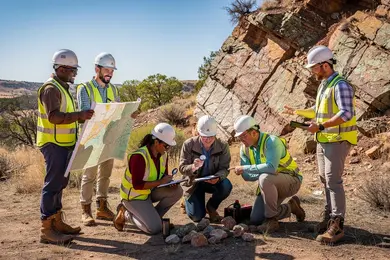
- Hands-On Learners: Hybrid programs are ideal for students needing practical, field-based experiences and access to campus resources. These students thrive with occasional face-to-face instruction that supports skills vital to geosciences.
- Social Engagement: Those who benefit from structured mentorship and peer interaction often prefer hybrid formats, as they offer opportunities for direct collaboration and networking during on-campus sessions.
- Self-Discipline: Fully online programs suit students who are self-motivated and comfortable managing their time independently, making them a good fit for those who excel in digital learning environments.
- Flexible Schedules: For individuals balancing part-time work, family commitments, or caregiving duties, fully online study provides the necessary adaptability without compromising educational quality.
- Remote Access: Students living far from campus or with mobility constraints benefit most from fully online options, which eliminate the need for travel and relocation.
- Career Advancement: Working professionals seeking the best online geosciences degree options for career advancement may choose a hybrid program to combine practical experience with flexible coursework.
Many prospective students compare hybrid versus online geosciences bachelor's programs before enrolling to ensure their choice aligns with their goals and lifestyles. For those researching affordable online courses that fit their needs, exploring a range of options can clarify which program style works best.
How Can I Succeed in a Hybrid vs Fully Online Geosciences Bachelor's Degree Program?
Success in hybrid and fully online Geosciences bachelor's programs requires adapting to the distinct structures and interaction levels each format offers. Hybrid courses require balancing in-person commitments with digital tasks, while fully online learners need focused self-motivation to maintain steady progress. The following strategies can help students navigate these differences effectively.
- Time Management: Hybrid students should schedule campus visits and study periods carefully to avoid burnout, while fully online learners benefit from creating consistent daily routines to manage coursework without fixed class hours.
- Active Participation: Attending labs and field sessions is vital for hybrid learners to gain hands-on experience; online students can engage deeply by regularly joining virtual discussions and live video sessions.
- Digital Proficiency: Both formats require familiarity with learning platforms, but fully online students must excel at using comprehensive digital tools for lectures, assignments, and exams conducted remotely.
- Study Environment: Creating a distraction-free study space is crucial for fully online learners, whereas hybrid students can combine campus resources with at-home study setups for flexibility.
- Peer Interaction: Forming study groups enhances motivation and understanding, whether meeting on campus or collaborating online, benefiting all students.
- Faculty Support: Utilizing office hours-whether face-to-face or virtual-helps clarify challenging material and reinforces learning across both formats.
- Practical Tools: Leveraging mobile apps focused on geological mapping and data analysis strengthens skills, especially for fully online students with limited lab access.
What Graduates Say About Hybrid vs Fully Online Geosciences Bachelor's Degree Programs
- Ellie: "I chose the fully online Geosciences bachelor's degree program because of the flexibility it offered while I worked part-time. The ability to attend lectures and access materials anytime really helped me stay on track despite a busy schedule. Earning this degree has opened new doors in environmental consultancy, allowing me to apply what I learned directly to real-world projects."
- Quentin: "Enrolling in a hybrid Geosciences program was perfect for me since I wanted both in-person lab experience and the convenience of online classes. Balancing those components taught me valuable time-management skills that boosted my confidence as a student. Professionally, my degree has been a crucial stepping stone, positioning me well for field research roles that require both technical knowledge and adaptability."
- Jace: "Pursuing a fully online Geosciences degree was a practical decision fueled by my location and career goals. Navigating the coursework remotely challenged me to develop strong discipline and proactive communication with professors. Today, the career advancement I've gained through this program speaks volumes about the quality of education despite its online format, especially in sectors like natural resource management."
Other Things You Should Know About Geosciences Degrees
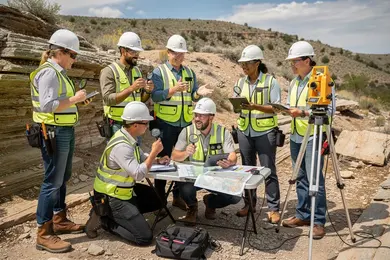
While fully online geosciences programs often use virtual labs and simulations to teach practical skills, hybrid programs typically offer more direct hands-on opportunities through in-person fieldwork or laboratory sessions. This in-person component can be crucial for mastering geosciences techniques involving physical samples, field mapping, or equipment operation. However, many fully online programs partner with local organizations to facilitate fieldwork, making hands-on experience still accessible.
Hybrid programs generally provide more face-to-face interaction, fostering stronger peer and faculty connections that can enhance networking. Fully online programs rely heavily on digital platforms such as discussion forums and video calls, which can limit spontaneous or informal networking chances. Nonetheless, both formats may offer virtual career fairs and alumni networks relevant to geosciences professions.
Hybrid programs often require students to attend on-campus sessions periodically, which may necessitate a manageable commute or temporary relocation depending on the institution's location. The frequency and length of these in-person commitments vary by program but are usually designed to accommodate working students. Fully online programs eliminate the need for physical presence, offering more geographic flexibility.
References
- 103-12 What’s the Difference?: An Evaluation of the Differences in Course Requirements Between BS and BA Degrees in Geology Within the United States https://gsameetings.secure-platform.com/connects25/solicitations/103002/sessiongallery/schedule/items/95324/application/6566
- Online Geosciences Degree https://www.snhu.edu/online-degrees/bachelors/bs-in-geosciences
- Cost of Online Education vs. Traditional Education [2025]: Comparison https://educationdata.org/cost-of-online-education-vs-traditional-education
- Best Online Bachelor's Degrees in Geography - GISDegree.org https://www.gisdegree.org/online/bachelors-in-geography/
- 4 Flexible Ways to Earn a College Degree on Your Schedule https://www.stjohns.edu/news-media/johnnies-blog/4-flexible-ways-earn-college-degree-your-schedule-0
- Difference between Hybrid, Online & In-Class Degree Programmes | BSBI https://www.berlinsbi.com/blog/what-is-the-difference-between-hybrid-online-and-in-class-degree-programmes
- 5. Best Practices for Instruction of Geoscience Undergraduates https://www.americangeosciences.org/change/sections/instructional_best_practices/
- How Can You Get the Most Out of an Online College Program? https://www.bluefield.edu/blog/get-most-online-college-program/
- Online and hybrid college programs explained. Flexibility, risk, and the real value equation | CG https://collegegrind.org/posts/online-and-hybrid-college-programs-explained/
- Tips for academic success in online and hybrid classes https://www.stlawu.edu/offices/academic-advising/tips-academic-success-online-and-hybrid-classes