2027 Online Geosciences Bachelor's Degree Programs That Accept Transfer Credits

Co-Founder and Chief Data Scientist
Many students with prior college credits struggle to find an online geosciences bachelor's degree program that values their previous coursework, potentially delaying graduation and increasing costs. This issue is critical as 78% of online learners cite transfer credit policies as a major factor in program selection. Navigating varying acceptance criteria across institutions can hinder timely degree completion. This article explores online geosciences bachelor's degree programs that accept transfer credits, aiming to help prospective students identify flexible options to maximize credit recognition, reduce redundant courses, and accelerate their path to graduation without sacrificing academic quality.
Key Benefits of Online Geosciences Bachelor's Degree Programs That Accept Transfer Credits
- Accepting transfer credits allows students to complete online geosciences bachelor's degrees faster, often shortening time to graduation by up to one year.
- Transfer-friendly programs reduce overall tuition costs by recognizing prior coursework, saving students thousands in credit repetition.
- Flexible course scheduling supports working adults transferring credits, enabling balanced progress without pausing careers or personal commitments.
Who Should Consider an Online Geosciences Bachelor's Degree With Transfer Credits?
Online geosciences bachelor's degree programs that accept transfer credits are designed to help students build on prior academic work and complete their degrees more efficiently. Nearly 40% of undergraduates transfer at least once, highlighting the growing importance of transfer credit policies for online geosciences bachelor's degrees. These programs are particularly valuable for students seeking to maximize credit mobility while pursuing a geosciences degree online.
Several types of students benefit most from these options:
- Students With Prior College Credits: Those who have completed general education or introductory science courses at community colleges or other institutions can often transfer these credits, shortening the time required to earn a geosciences bachelor's degree online.
- Working Professionals: Individuals employed in fields like environmental consulting or natural resource management may pursue an online geosciences degree with transfer credits to advance their knowledge and career while maintaining their job responsibilities.
- Adult Learners: Non-traditional students returning to college after a break can leverage previously earned credits to resume their education without unnecessary repetition, making degree completion more manageable.
- Students Seeking Flexibility: Those balancing family, work, or geographic constraints find these programs appealing as they combine accelerated progress through transfer credits with adaptable online scheduling.
For those interested in additional credentialing opportunities, note that some related fields provide options such as bcba coursework online, which can complement geosciences studies in multidisciplinary career paths.
How Many Credits Can I Transfer Into an Online Geosciences Bachelor's Degree?
For students pursuing an online Geosciences bachelor's degree, the number of transfer credits accepted can significantly impact their path to graduation. Typically, programs allow students to transfer between 50% and 75% of the total credit requirements, meaning anywhere from 60 to 90 credits for a standard 120-credit program. One important guideline is that many accredited programs cap the maximum allowable transfer credits at around 90 semester hours to ensure students complete a meaningful portion of their degree directly through the institution. This threshold maintains academic rigor while offering flexibility to students aiming to advance efficiently.
Several key factors influence how many credits can be transferred, including course compatibility and accreditation status. Transfer credits must align closely with required geosciences or general education courses to be accepted. Credits from regionally accredited institutions are generally more transferable, whereas those from unaccredited schools or noncredit courses often face rejection. Additionally, some programs consider the recency of coursework, particularly in rapidly evolving scientific fields. Prospective students should carefully review policies and provide detailed course documentation to facilitate credit evaluation. For those interested in affordable options, exploring the cheapest online college bachelor degree lists can help identify programs that balance transfer credit flexibility with cost efficiency.
2026 Update: Lab and Fieldwork Requirements for Transfer Students
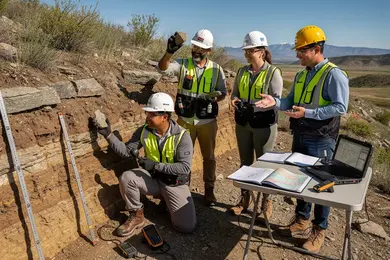
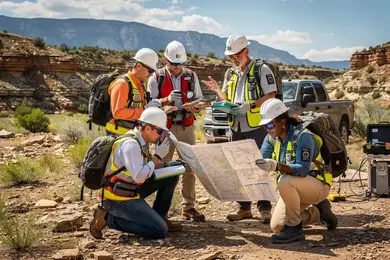
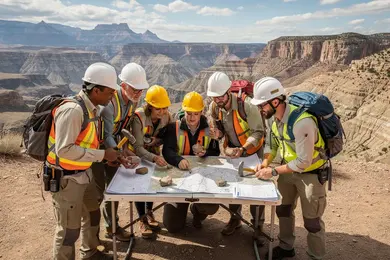
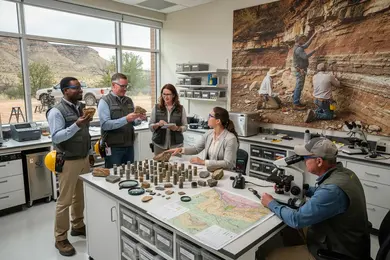
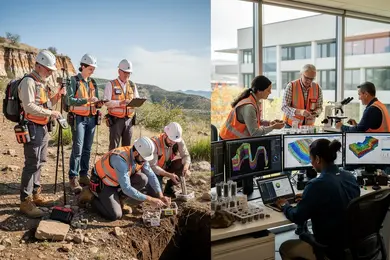
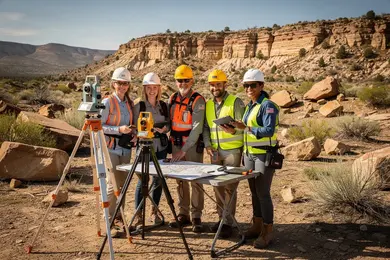
This 2026 update adds guidance on how online geosciences programs evaluate hands-on learning, since transfer credits may not always satisfy lab, field methods, or capstone expectations.
- Whether prior science courses included a lab component clearly listed on the transcript or syllabus.
- If virtual labs, weekend field intensives, or local field assignments are required after transfer.
- Whether geology, GIS, hydrology, or environmental science credits meet major-specific requirements, not just electives.
- If the program requires upper-division geosciences coursework to be completed at the new institution.
- Whether transferred fieldwork hours need documentation, such as course descriptions or instructor verification.
- How capstone, research, or applied project requirements fit into an online student’s remaining plan.
Checking these details early helps students avoid surprises after admission and choose a program where transferred credits support both graduation progress and required geosciences skills.
What Types of Credits Transfer to an Online Geosciences Bachelor's Degree?
Many online geosciences bachelor's programs allow transfer credits from various academic experiences, which helps students accelerate degree completion. Data shows that close to 60% of online learners bring in prior credits, highlighting the value of flexible transfer policies. Below are typical credit sources accepted by these programs.
- Community College Courses: Foundational classes in geology, chemistry, physics, and math taken at accredited community colleges often fulfill general education or core major requirements.
- AP and IB Credits: Qualifying exam scores in subjects like environmental science or calculus may enable students to skip introductory courses and save time.
- Professional Training: Certifications or documented experience in earth sciences or environmental monitoring can sometimes be applied as elective credits, depending on the school's evaluation.
- Military Coursework: Technical and scientific training gained during military service is increasingly recognized, allowing veterans to leverage their education toward degree progress.
A graduate of an online geosciences bachelor's degree shared that transferring credits wasn't always straightforward. He recalled, "I had to carefully gather transcripts and explain my military training to the admissions team." The process required patience and persistence, especially when some documentation needed validation. Still, he felt the effort paid off, saying, "Once everything was accepted, it saved me nearly a semester's worth of coursework, which motivated me to keep going." His experience underscores the importance of proactive communication and thorough preparation when transferring diverse credits.
What Are the Rules for Transferring Credits to an Online Geosciences Bachelor's Degree?
Transfer credit eligibility for online geosciences degrees depends on meeting particular academic standards and institutional criteria. Studies indicate that nearly 70% of transfer applicants receive acceptance of some prior credits, emphasizing the selective nature of these evaluations. The following points highlight common policies for accepting transfer credits in online geosciences programs.
- Accreditation Requirements: Credits must originate from regionally or nationally accredited schools to qualify for transfer. This ensures the coursework meets established academic quality benchmarks.
- Course Equivalency: Transferred credits generally need to align closely with the curriculum in geosciences or related scientific fields, reflecting comparable content and rigor.
- Minimum Grade Standards: Acceptable transfer credits typically require that students have earned a grade of C or higher, safeguarding academic competence in essential subjects.
- Credit Limits: Programs often restrict the maximum transferable credits, with common caps ranging from 30% to 60% of the total credits needed for the degree.
- Time Restrictions: Some institutions require transfer credits to be recent-usually completed within the past 5 to 10 years-to ensure relevance and current knowledge.
Students pursuing an online geosciences degree may also find value in related programs such as an associate degree in office management online, which can provide transferable skills and credits applicable to broader academic or career goals.
Which Colleges Are Transfer-Friendly for an Online Geosciences Bachelor's Degree?
Institutions differ significantly in how they handle transfer credits for online geosciences bachelor's degree programs. In fact, nearly 40% of undergraduates nationwide transfer credits at some stage during their studies, underscoring the value of schools with clear and welcoming transfer policies. Several categories of colleges tend to be more accommodating to transfer students, offering smoother pathways to degree completion.
- Public Universities: These schools often have established transfer credit frameworks that recognize coursework from community colleges and other accredited entities, providing a straightforward process for transfer students.
- Online-Focused Institutions: Designed specifically for distance learners, these colleges usually have systems built around adult students and transfer applicants, delivering transparent credit evaluations and flexible enrollment.
- Adult-Friendly Programs: Tailored to non-traditional students, these programs frequently value prior learning and work experience, helping students accelerate their progress.
- Regional Comprehensive Colleges: With an emphasis on accessibility, these schools tend to accept a wide variety of transfer credits, supporting learners who want to study near home or maintain community ties.
- Schools with Articulation Agreements: Formal partnerships with community colleges make credit transfer more seamless, minimizing delays and paperwork for students entering online geosciences degrees.
One graduate of an online geosciences bachelor's program shared that navigating transfer credits was initially overwhelming but ultimately rewarding. She described feeling uncertain about how her previous community college courses would fit into the new program, but dedicated advisors and clear policies helped ease her concerns. Reflecting on her experience, she emphasized how crucial transfer-friendly processes were in enabling her to finish faster and avoid repeating courses unnecessarily, making her journey both efficient and motivating.
Which Online Geosciences Bachelor's Degree Programs Accept the Most Transfer Credits?
Some online geosciences bachelor's degree programs are structured to accept a high volume of transfer credits, enabling students to shorten their time to degree and reduce costs. Recent data suggests that certain programs allow transfer of up to two-thirds of the total credits required for graduation, making them especially attractive to those with previous college experience. These programs often share common features that support credit transfer.
- Flexible Curricula: Such programs typically have broad core requirements and a variety of electives, which help incoming credits fulfill multiple degree components without strict course order. This adaptability aids in maximizing credit acceptance regardless of a student's prior coursework.
- Competency-Based Formats: Programs that focus on demonstrated mastery of skills or knowledge instead of traditional classroom hours allow students to leverage their past learning more effectively. This format recognizes prior experience and coursework by assessing competencies rather than time spent.
- Adult Learner Emphasis: Degrees tailored for adult students are more likely to recognize older credits and alternative learning experiences, including military or professional training. This approach benefits students returning to education after a gap or with nontraditional backgrounds.
- Clear Transfer Policies: Institutions with transparent and generous evaluation guidelines specify which courses qualify for transfer, often including general education and foundational science classes. Such clarity helps prospective students understand how their credits apply before enrolling.
- Accreditation and Agreements: Programs connected to regionally accredited schools or community colleges frequently maintain articulation agreements that smooth the credit transfer process. These formal partnerships ensure a more predictable and efficient acceptance of transfer credits.
How Do I Transfer Credits to an Online Geosciences Bachelor's Degree?
Transferring credits into an online Geosciences bachelor's degree program follows a structured process designed to apply previously earned coursework toward degree requirements, helping students save time and avoid repeating classes. Data from the National Student Clearinghouse Research Center shows that about 38% of U.S. undergraduates transfer credits between institutions during their studies, reflecting the widespread nature of this approach. The following steps outline how to navigate the credit transfer process effectively.
- Submit Transcripts: Provide official transcripts from all previously attended colleges or universities to the admissions or transfer office of the online Geosciences program. Accurate documentation is critical to begin the evaluation process.
- Course Evaluation: The receiving institution reviews your prior coursework to compare it against their curriculum, determining which courses are equivalent. This evaluation helps establish how transferred credits fit specific degree requirements.
- Provide Course Details: If requested, submit detailed course descriptions or syllabi to help evaluators assess the content and level of your previous classes. This step ensures proper alignment with the program's academic standards.
- Credit Approval: Once evaluated, you will receive official notification indicating which credits have been accepted and whether they apply to core, elective, or major coursework.
- Academic Advising: Consult with an advisor to understand how transferred credits affect your academic plan and remaining course load. Early communication can smooth your transition and help plan your pathway to graduation.
How Do Transfer Credits Speed Up an Online Geosciences Bachelor's Degree?
Transfer credits significantly reduce the number of courses required to complete an online geosciences bachelor's degree, allowing students to progress more quickly toward graduation. Research shows that transferring credits can cut down time to degree by up to one year, depending on the amount of coursework accepted. This advantage helps students focus on advanced studies within their field without unnecessary repetition. The benefits of transfer credits in reducing online geosciences bachelor's degree time are notable and varied.
- Reduced Coursework: Students begin their program with credits that fulfill general education or foundational course requirements, which lightens their academic load. This decrease in total coursework means fewer semesters are necessary to meet graduation criteria.
- Skipping Prerequisites: Many geosciences programs require basic classes that transfer students may have already completed elsewhere. By bypassing these courses, students can dive directly into specialized subjects like sedimentology, geophysics, or environmental geology, which accelerates learning.
- Shortened Timelines: With prior credits recognized, students can often enter compacted course sequences or accelerated paths designed for degree completion in less than the traditional four years.
- Faster Academic Progression: Transfer credits enable smoother transitions between institutions by preserving credit value and avoiding delays caused by repeating content. Maintaining momentum supports continuous focus and motivation.
For students with previous coursework, exploring degree options similar to a mba in entrepreneurship online can further illustrate the flexibility and benefits of transfer credits across various programs. Understanding how transfer credits accelerate online geosciences degree completion is essential for making informed decisions about efficient academic pathways.
Can Transfer Credits Reduce the Cost of an Online Geosciences Bachelor's Degree?
Transfer credits can significantly lower tuition costs for an online geosciences bachelor's degree by reducing the total number of courses a student must complete. Data from the National Student Clearinghouse shows that students who transfer credits save an average of 20-30% on total tuition compared to those who start without any transferred credits. This financial benefit often motivates students to seek programs that accept previously earned coursework.
Transfer credits impact the total cost of online geosciences bachelor programs in several ways:
- Lower Tuition Fees: Fewer required courses mean students pay for fewer credit hours, directly reducing tuition expenses and the overall cost of the degree.
- Reduced Textbook Costs: With fewer classes to complete, students buy fewer textbooks and supplemental materials, which can add up substantially over time.
- Shorter Enrollment Duration: Completing a degree faster means saving on fees related to registration, campus technology access, and other enrollment-associated expenses.
- Indirect Cost Savings: Students often reduce commuting costs and can maintain more stable employment hours when they finish their degree sooner.
- Focused Curriculum Progression: Transferring credits typically allows students to bypass introductory courses, enabling them to concentrate on advanced geosciences topics and improve educational efficiency.
Prospective students interested in online geosciences programs should explore options that accept transfer credits to manage their educational expenses effectively. For those searching specifically for universities for low gpa, understanding how transfer credits can lower tuition costs for online geosciences degree paths is an important factor in selecting the right program.
How Can I Maximize Transfer Credits for an Online Geosciences Bachelor's Degree?
Students who actively manage their transfer credits can shorten their time to complete an online Geosciences bachelor's degree by up to 30%, making strategic planning essential. By taking specific steps, you can maximize how many eligible credits count toward your graduation requirements. Consider these key strategies to optimize your transfer process:
- Review Transfer Policies: Examine the credit acceptance criteria of target programs closely. Many schools offer transfer equivalency tools or guides to help identify which prior courses align with geosciences degree needs.
- Plan Coursework Carefully: Choose general education and STEM classes from accredited schools that mirror your intended program's curriculum. This alignment increases the chance that credits will be accepted without delay.
- Request Early Evaluations: Submit your transcripts for formal credit assessment as soon as possible. Early evaluation provides clarity on transferable credits and allows better academic planning with fewer unexpected obstacles.
- Document Prior Learning: Include military, professional, or certification-based training that some institutions recognize for credit through prior learning assessments. Highlighting these experiences can enhance your transferred credit total.
What Graduates Say About Online Geosciences Bachelor's Degree Programs That Accept Transfer Credits
- Ellie: "Transferring to an online geosciences bachelor's degree program was the best decision I made because it allowed me to balance work and study without sacrificing either. I found the cost of transferring my previous credits to be surprisingly affordable, which made finishing my degree much more accessible. This pathway opened new doors for me professionally, significantly enhancing my qualifications and confidence in the field."
- Quentin: "After starting my studies at a traditional campus, I switched to an online geosciences program primarily for the flexibility it offered as I relocated for family reasons. While transferring credits initially seemed complex, the process was streamlined and cost-effective, which alleviated much of my stress. Embracing this change has positively impacted my career, enabling me to pursue new roles that value my updated education and adaptability."
- Jace: "The main reason I moved to an online geosciences bachelor's program was to expedite my graduation by transferring a substantial number of credits from my previous institution. The transfer fees were reasonable, making it a practical option financially. This transition has since propelled my career forward, giving me the credentials and expertise needed to advance confidently in the geosciences industry."
Other Things You Should Know About Geosciences Degrees
Yes, many online geosciences bachelor's programs require students to complete core major courses at the institution granting the degree. While transfer credits can cover general education or elective requirements, essential courses in areas such as mineralogy, sedimentology, or geophysics often must be taken directly through the program to ensure consistency in training and accreditation standards.
Most reputable online geosciences programs provide dedicated academic advising specifically for transfer students. Advisors assist with evaluating previous coursework, identifying which credits will transfer, and helping students design a degree plan that integrates their prior studies effectively with program requirements.
Accreditation plays a crucial role in credit transfer decisions. Credits earned from regionally accredited institutions are more likely to be accepted by online geosciences programs. Students should ensure both their previous college and the target program hold recognized accreditation to maximize the transferability of their credits.
References
- How To Transfer Credits To Online College https://www.affordablecollegesonline.org/college-resource-center/transfer-to-online-college/
- B.Sc Degrees Online 2025 - Best Course After 12th | Compare Top Programs https://b.sc/blog/transfer-credits
- Online Geosciences Degree https://www.snhu.edu/online-degrees/bachelors/bs-in-geosciences
- Transferring in Credits https://geology.pitt.edu/undergraduate/geology-bs/transferring-credits
- Bachelors in GIS Degrees, Online Included, Updated for 2026 https://www.gisdegrees.org/programs/degree/bachelors
- The Value of Undergraduate Geoscience Courses and Programs https://nagt.org/nagt/policy/ps-valuegeo.html
- Best Online Bachelor's in GIS Degrees - GISDegree.org https://www.gisdegree.org/online/bachelors/